REVIEW · CUSCO
From Cusco: Waqrapukara Hike Full-Day Tour With Meals
Book on GetYourGuide →Operated by Andina Expeditions · Bookable on GetYourGuide
Waqrapukara feels like a secret route in the Andes. You’ll leave Cusco behind for the Acomayo lagoons area, then hike to the Waqrapukara Inca fortress where the ruins sit on a dramatic, river-valley rock. I like that it aims to get you away from the densest tourist trail, so the site feels more personal and less rushed.
Two other wins: the scenery comes in layers all day—lagoons first, then the fortress setting, then big canyon views on the way back. The only real drawback is that this is a long 13–14 hour day, and the local logistics can be a little imperfect if you’re booking through intermediaries, so it’s smart to follow up and not assume every email gets answered quickly.
In This Review
- Key Things I’d Pencil In for This Tour
- Leaving Cusco for the Quiet Side of the Andes
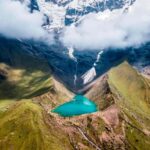
- Acomayo Lagoons: The Morning Scenery That Sets the Tone
- Breakfast at Qenterococha: Fuel and a Moment to Breathe
- The Hike Into Waqrapukara: Flora, Wildlife, and Steady Pace
- Reaching Waqrapukara: Ruins, Rock, and River-Valley Drama
- Box Lunch at the Apurimac Viewpoint
- The Easier Return Route and Canyon Views
- Transport, Timing, and Group Size: What You Should Expect
- What’s Included, What Isn’t, and How Much This Really Costs
- What to Bring for a Comfortable, Safer Day
- Should You Book This Waqrapukara Hike From Cusco?
- FAQ
- How long is the Waqrapukara full-day tour from Cusco?
- What are the main highlights of the day?
- Is breakfast and lunch included?
- What’s included in the price?
- Are entrance fees included?
- Do I get hotel pickup and where do I get dropped off?
- What languages does the guide speak?
- What should I bring for the hike?
- Who is this tour not suitable for?
- Can I cancel for a refund?
Key Things I’d Pencil In for This Tour

- Four lagoons in Acomayo Province before you start the main hike
- Qenterococha Lagoon breakfast, timed to fuel you for the climb
- A guided look at local flora and wildlife along the trail
- Waqrapukara’s fortress ruins on a towering, river-valley rock
- Apurimac River viewpoint boxed lunch with a change in scenery
- Different return route that’s described as easier, with canyon views
Leaving Cusco for the Quiet Side of the Andes
This is a full-day hike built around one main goal: reaching Waqrapukara, an Inca archaeological complex that’s not usually packed. The day starts with hotel pickup in Cusco and then a long drive out toward the Acomayo area. Expect lots of “Andes driving” time—because the payoff is that you don’t just pop out for photos and go back.
What I like here is the rhythm. You ease into the morning with viewpoints and water—lagoons first—so you arrive at the hiking part feeling warmed up rather than thrown straight onto a steep climb. It also gives you a reason to look around, not just watch your feet.
There’s also a subtle planning advantage: the route is designed to keep your attention moving. You’ll stop, eat, hike, explore, eat again, then hike back via a different trail. That variety matters on a long day.
You can also read our reviews of more hiking tours in Cusco

Acomayo Lagoons: The Morning Scenery That Sets the Tone
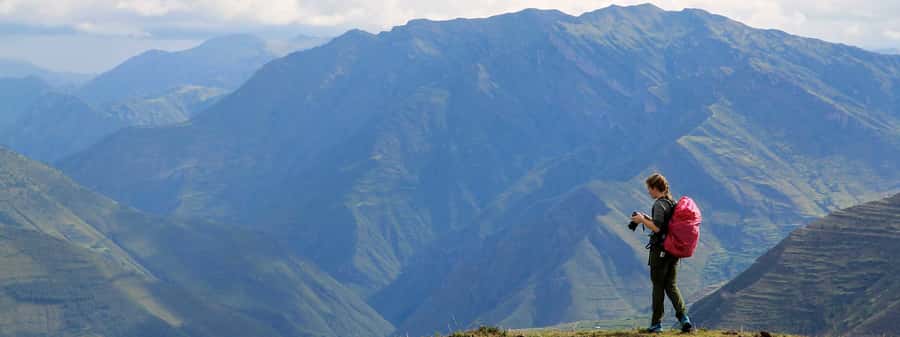
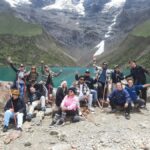
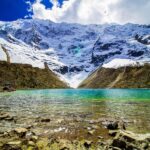
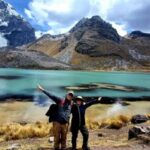
After pickup, you’ll ride about 2.5 hours toward Acomayo Province. Then you get to see four lagoons in the area—an early scenic sweep that feels like a warm-up chapter before the main hike.
This part is useful even if you’re not a “lagoons person.” High country water can look dramatically different based on light and clouds, so you’re not just staring at a postcard. It’s the kind of stop where you can take your time, wander a bit, and get your camera ready for the later views of the Apurimac Canyon.
From there, you continue about 30 more minutes to Qenterococha Lagoon, where the tour provides breakfast. The timing makes sense: it’s not breakfast at the start of the morning and then hours of waiting. Instead, you’re fueled at the point where the hike becomes the focus.
Breakfast at Qenterococha: Fuel and a Moment to Breathe
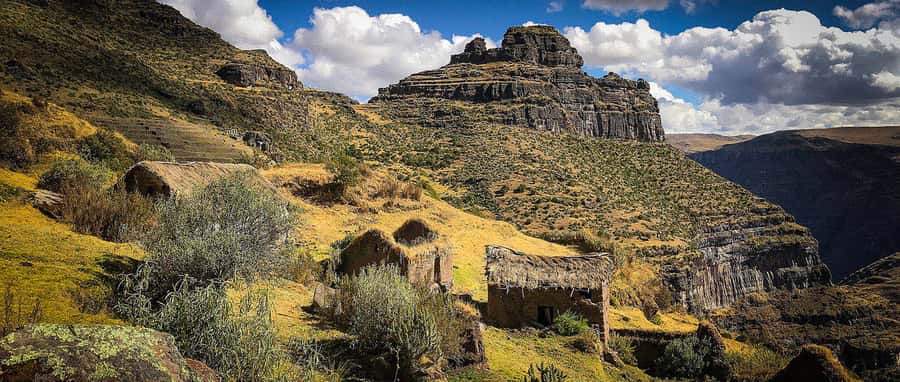
At Qenterococha Lagoon, breakfast is served as a “get ready for the rest of the day” meal. This is where I’d slow down and actually settle your stomach a bit. The point isn’t fancy food; it’s practical energy so the hike feels steady, not frantic.
You’ll also have your guide with you, and this matters more than it sounds. On hikes like this, the best guides help you read the terrain—where to watch your steps, when to pause for views, and what to look for beyond the obvious. Even if you’re just curious, you’ll likely find the area’s plant life and wildlife identification adds meaning to the walk.
The Hike Into Waqrapukara: Flora, Wildlife, and Steady Pace
Once breakfast is done, you start hiking toward Waqrapukara. During the hike, your guide focuses on identifying flora and wildlife of the area. That’s a big deal for two reasons.
First, it keeps the hike from becoming only effort. When someone points out what you’re seeing, you start walking with your head up more often. Second, it makes the day feel less like transport-to-a-site and more like a guided walk through a specific corner of the Andes.
The tour also includes time to explore the area on your own after the guided portion at the fortress. That self-time matters. It’s where you can linger at the angles that work best for photos, or simply stand and take in how the ruins relate to the valley below.
One more practical note: the walking sections can vary. One person mentioned the approach felt relatively short on their route. So if you’re hiking-fit, you can still enjoy it; if you’re not, ask your guide to keep you at a pace that feels sustainable.
Reaching Waqrapukara: Ruins, Rock, and River-Valley Drama
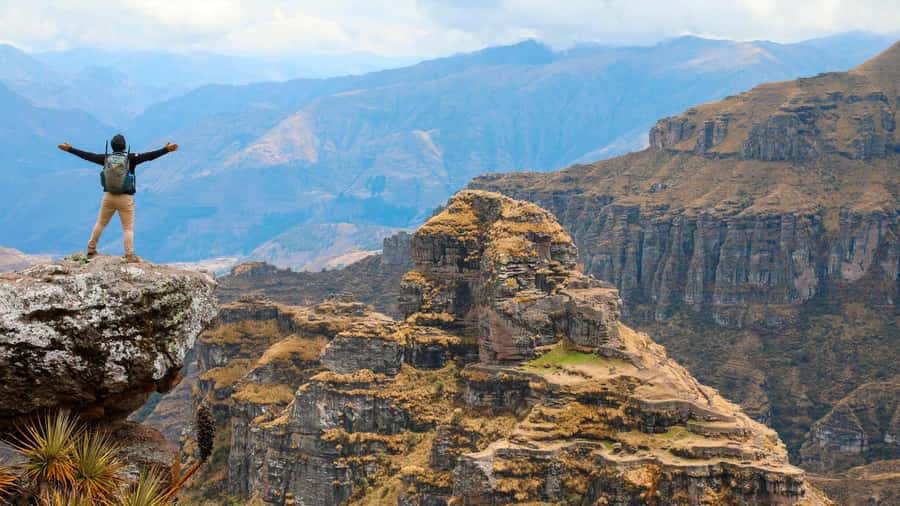
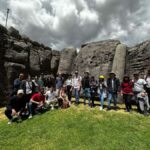
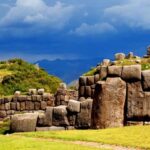
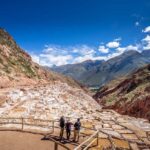
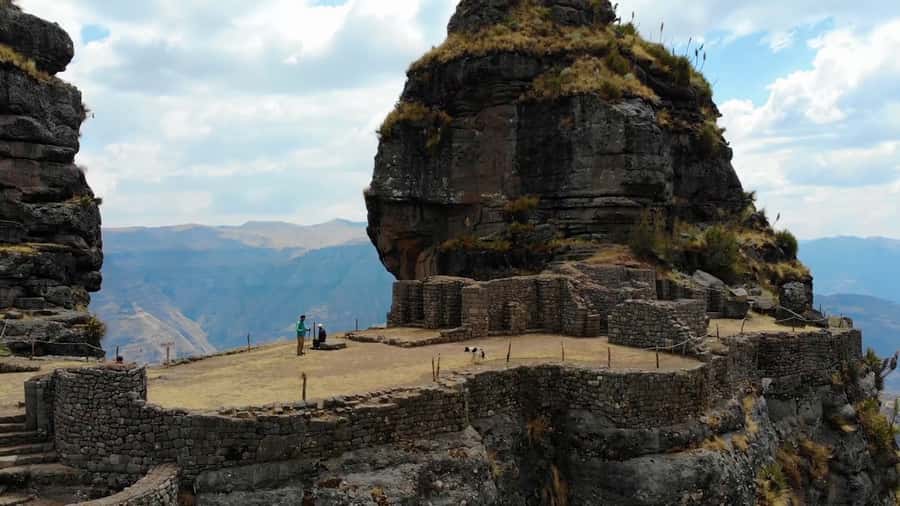
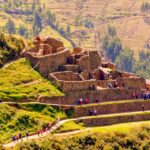
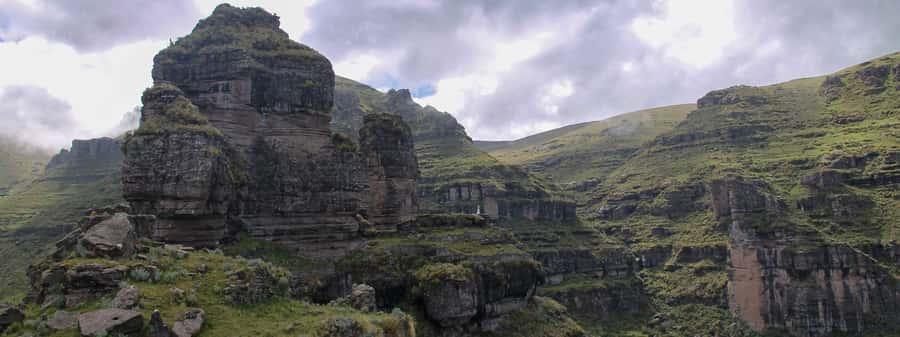
When you finally arrive at the Waqrapukara Archaeological Complex, the experience becomes less about the hike and more about the setting. The standout detail is the fortress’s distinctive rock: it’s a towering formation that sits in a river valley, with ruins covering the stone and creating a dramatic scene.
This is where the tour’s “less crowded” promise pays off. A site can look great on a map and still feel flat if it’s overrun. Here, the idea is that you’ll get time to take it in without constant shoulder-to-shoulder movement.
Your visit includes a guided tour of about one hour, which is long enough for context without eating your whole day. Then you get additional time to explore at your own pace. I’d use that window to do two things:
1) look for how the ruins follow the contours of the rock, and
2) take your time with the river-valley perspective from different spots.
You can also read our reviews of more tours and experiences in Cusco

Box Lunch at the Apurimac Viewpoint
After exploring Waqrapukara, you’ll stop for a boxed lunch at a viewpoint of the Apurimac River. This is one of those “pause and reset” moments that makes the return feel easier. Eating here also shifts the focus from the fortress to the wider geography—canyon, depth, and the dramatic drop-offs that make this part of Peru so visually memorable.
Practically, this meal is also a reminder that the day is still a hike day. You’ll want to eat what you can, then drink some water if you have it available, and only then get back on the trail.
The Easier Return Route and Canyon Views
After lunch, you start back using a different route than the way out. The tour describes this return path as easier, and it’s built to give you new views—especially of the Apurimac Canyon and the abysses.
This “different way back” detail is a smart value-add. It means you’re not just retracing steps for hours. Even if you’re tired, seeing the valley from a new angle can give your brain a reason to stay engaged.
By the time you reach the trailhead, a private van is waiting to take you back to Cusco. The transport piece matters because it protects you from the most frustrating outcome of long hikes: doing one hard effort, then wasting energy scrambling for rides.
Transport, Timing, and Group Size: What You Should Expect
This tour runs about 13 to 14 hours total. That is not a “quick day trip.” If you hate long days, this will feel like a lot. If you’re okay with a full schedule, it’s a solid trade: you’re paying for a full stretch of guided hiking plus meals and transport.
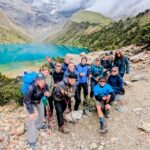
Group size is described as private or small groups. That’s ideal for comfort and pacing. Still, one traveler noted admin issues when booking through a third-party channel, and that people got lumped together because of low site popularity. The practical takeaway for you: if you have questions, follow up directly and keep your plan details in writing. Don’t wait for perfect email responses.
Your guide speaks Spanish, English, and Quechua, which is great if you want explanations in a language that’s comfortable. If you get a guide like Margot—praised as excellent and very well informed—that’s a bonus. Just remember that specific guide assignment isn’t guaranteed from the info provided, so focus on what you can control: arrive prepared, ask questions early, and go with a flexible mindset.
What’s Included, What Isn’t, and How Much This Really Costs
The price is $119 per person for a full-day outing that includes:
- hotel pickup in Cusco
- drop-off at Cusco’s main square (Plaza de Armas)
- a guide
- a first aid kit, including oxygen
- breakfast and a boxed lunch
Not included: entrances. So if any fees apply at the archaeological site, you’ll need to pay those separately.
Is $119 good value? For this kind of long, remote hike, it often is—because the big costs are not just the guide. It’s the hours of driving, the timed meals, and the logistics that keep you from turning the day into a DIY planning headache. The entrance fees are the only clear “extra,” but they’re typically small compared to the cost of organizing a whole full-day program.
If you’re comparing options, I’d judge based on what you’d otherwise pay for transport plus guide plus meals. This tour packages all of that into one price, and it’s hard to replicate cheaply without risking time and stress.
What to Bring for a Comfortable, Safer Day
The tour lists a practical packing set, and I agree with it. Bring: sunglasses, a hat, camera, hiking shoes, sunscreen, and rain gear.
A few quick “use it or regret it” thoughts:
- Hiking shoes matter because you’ll be walking multiple segments across uneven terrain.
- Rain gear is worth it even if the forecast looks calm, because mountain weather can change fast.
- Sunscreen and sunglasses aren’t optional. The sun in open high country is strong.
If you’re sensitive to long days, consider extra water planning too—but the only “official” item called out here is the tour’s first aid setup, including oxygen, which suggests they’re prepared for emergencies.
Also note: this tour is not suitable for pregnant women, people with heart problems, or people over 70. If any of that applies to you, skip it and look for a gentler option.
Should You Book This Waqrapukara Hike From Cusco?
Book it if you want a day that combines real hiking with a specific Inca fortress setting—and you care about seeing the Andes beyond the most crowded stops. The mix of Acomayo lagoons, guided trail interpretation, a one-hour guided fortress visit, and an Apurimac River viewpoint lunch makes the day feel complete, not rushed.
I’d also book it if you enjoy photos, because the views are meant to change from stop to stop: lagoons, fortress rock, then canyon depth on the return.
Skip it if you can’t handle a 13–14 hour schedule or if the hike pace feels like too much. And if you’re booking through a third-party channel, plan to be proactive with communication—follow up, confirm pickup details, and don’t assume last-minute replies will come instantly.
FAQ
How long is the Waqrapukara full-day tour from Cusco?
The tour lasts about 13 to 14 hours.
What are the main highlights of the day?
You’ll explore the Waqrapukara Inca site, enjoy views around the Acomayo lagoon area (including four lagoons), see stone-horn style Andes scenery, and get panoramic views of the Apurimac Canyon.
Is breakfast and lunch included?
Yes. You’ll have breakfast and a boxed lunch included.
What’s included in the price?
Hotel pickup in Cusco, drop-off at Plaza de Armas (Cusco’s main square), a guide, a first aid kit (including oxygen), and breakfast plus boxed lunch are included.
Are entrance fees included?
No. Entrances are not included.
Do I get hotel pickup and where do I get dropped off?
Hotel pickup is included, and you’ll be dropped off at Cusco’s main square, Plaza de Armas. Pickup is described as optional, with a note to wait in the hotel lobby about 10 minutes before pickup.
What languages does the guide speak?
The guide speaks Spanish, English, and Quechua.
What should I bring for the hike?
Bring sunglasses, a hat, a camera, hiking shoes, sunscreen, and rain gear.
Who is this tour not suitable for?
It’s not suitable for pregnant women, people with heart problems, or people over 70.
Can I cancel for a refund?
Yes. Free cancellation is offered up to 24 hours in advance for a full refund.