REVIEW · CUSCO
Cusco: Bean to bar chocolate workshop
Book on GetYourGuide →Operated by Uyuni Experience EIRL · Bookable on GetYourGuide
Chocolate gets real in Cusco. In this bean-to-bar workshop and museum class, you learn how cacao turns into chocolate and then make your own handmade organic chocolates in about two hours.
What I like is the hands-on pace: you roast, peel, grind, refine, and mold. What I also like is the freedom to shape your final bar and hot chocolate with ingredients you choose.
One possible catch: with a 2-hour class, it moves quickly, so it’s not for people who want slow, ultra-detailed practice. You should also expect some cocoa mess—think cocoa dust and sticky chocolate on your hands.
In This Review
- Key Things You’ll Do and Learn in This Cusco Chocolate Class
- From Cacao Tree to Chocolate Bar: What This Workshop Really Covers
- The Workshop-Museum Mix: Why the Structure Works in 2 Hours
- The Four Processing Steps: Roasting to Refining
- Roasting the cacao beans
- Removing the cacao husk
- Grinding cacao nibs on a metate with a mano
- Refining the cacao paste in a melangeur
- Metate Grinding and Melangeur Refining: The Texture Lesson You’ll Carry Home
- Hot Chocolate and Traditional Drinks: Maya and Conquistadores
- Customizing Your Organic Chocolates: What Tailored Means Here
- Cusco’s Cacao Reputation: Why This Place Gets Mentioned
- What to Expect Day-Of: Pace, Group Feel, and Practical Tips
- Price and Value: What You’re Paying For in This 2-Hour Experience
- Who Should Book This Cusco Chocolate Workshop
- Should You Book This Cusco Chocolate Workshop?
- FAQ
- How long is the Cusco bean-to-bar chocolate workshop?
- Where does the experience take place?
- What languages is the live guide available in?
- Will I make hot chocolate and a chocolate bar?
- What are the four processes taught during the workshop?
- Can I customize my chocolates?
- Do I get to take the chocolates home?
- What traditional drinks are included?
- Is there free cancellation?
Key Things You’ll Do and Learn in This Cusco Chocolate Class
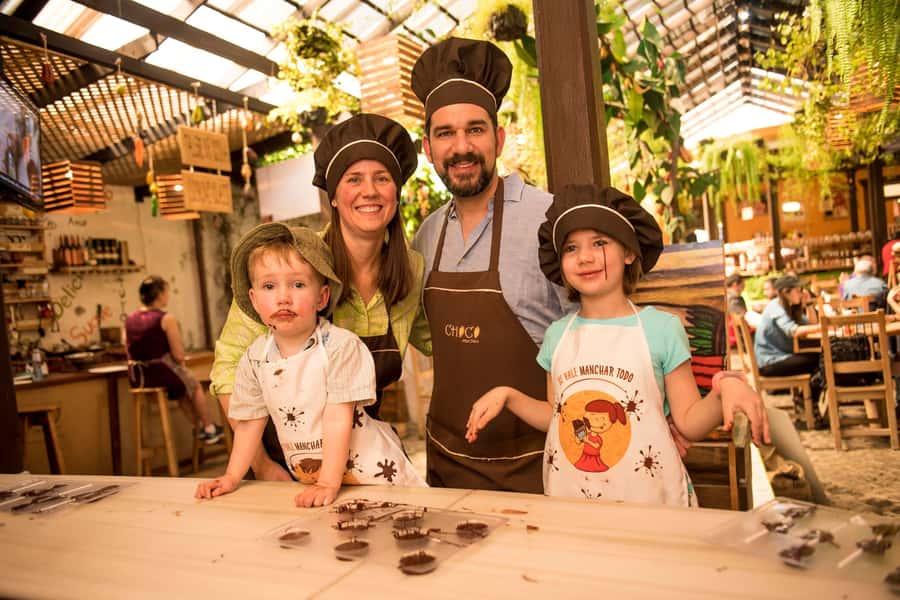
- Follow the full bean-to-bar path from roasting and husking to grinding and refining
- Use a metate and mano the traditional way, similar to how Aztecs ground cacao
- Make real chocolate components for hot chocolate, not just taste-testing
- Try historic-style drinks like the Maya and the conquistadores
- Leave with take-home chocolates you made and can customize
From Cacao Tree to Chocolate Bar: What This Workshop Really Covers
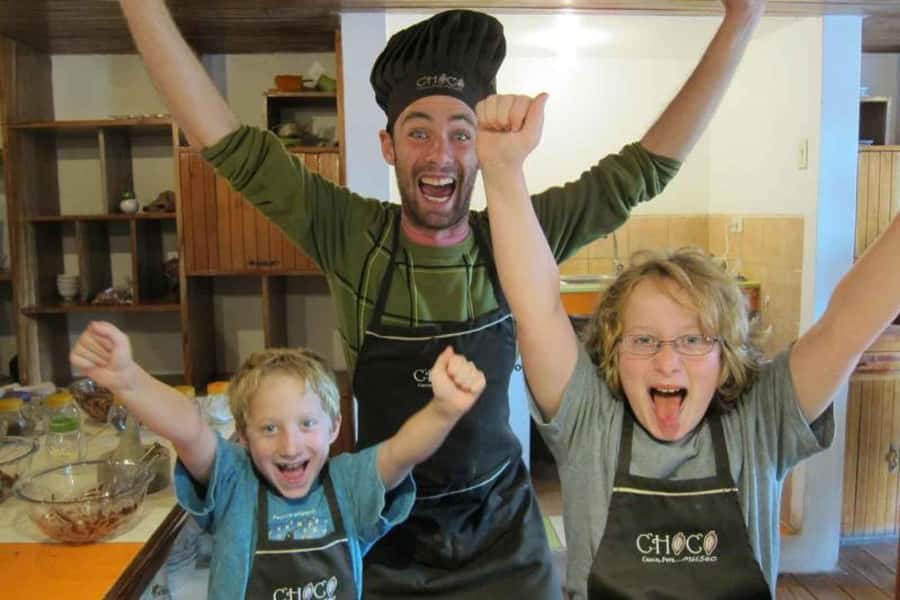
This class in the Cusco region is built around a simple idea: chocolate should make sense. You start with cacao as a plant-based ingredient, then move step by step through what has to happen before cacao becomes the chocolate you recognize in bars and cups.
You’ll learn the key transformation stages, not in vague theory. The session includes both a workshop and a museum-style component, so you get history and context alongside practical food work. The result is that when you taste your own finished chocolate, you understand what each step likely influenced—flavor, texture, and how the chocolate melts.
The timing matters too. With a two-hour duration, you won’t spend all day on one process. Instead, you’ll get an efficient overview plus enough hands-on making to feel like you participated in the final product.
You can also read our reviews of more drinking tours in Cusco
The Workshop-Museum Mix: Why the Structure Works in 2 Hours
Lots of chocolate experiences stop at tasting. This one adds the missing piece: the story of how cacao becomes chocolate, plus the physical steps that change it.
In the museum portion, you’ll get background on the famous cacao beans and why Cusco is part of the conversation about fine chocolate. Even if you only catch a handful of ideas, it helps your tasting. You’re not just trying chocolate; you’re trying a process that someone else did with intention.
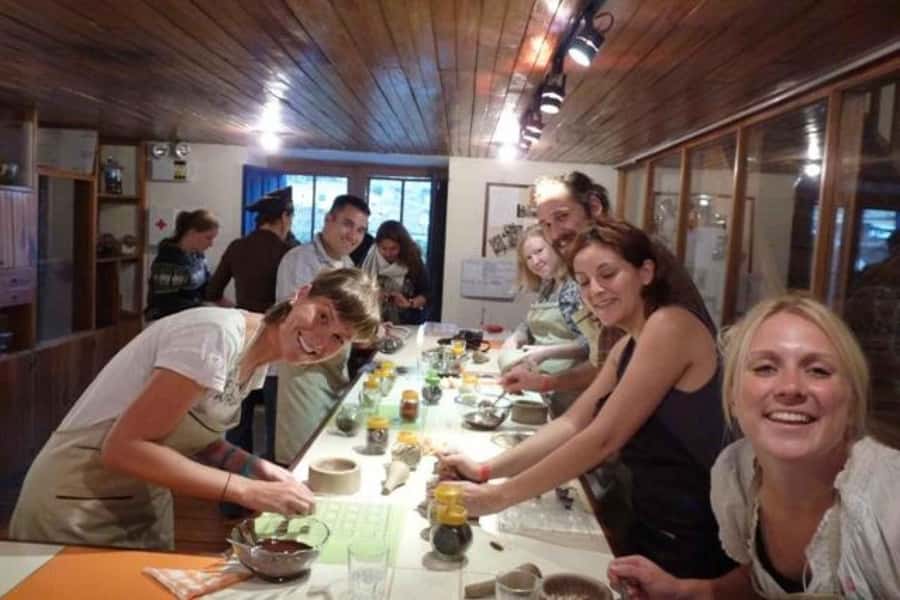
Then the workshop part turns that knowledge into your job. You’ll follow guidance from the live tour guide (English or Spanish), and you’ll do the steps that matter most in flavor development. That blend of explaining and doing is what makes this experience feel worthwhile instead of like a demo you watch from the sidelines.
If you’re short on time in Cusco but still want something memorable and hands-on, this format is a good match.
The Four Processing Steps: Roasting to Refining
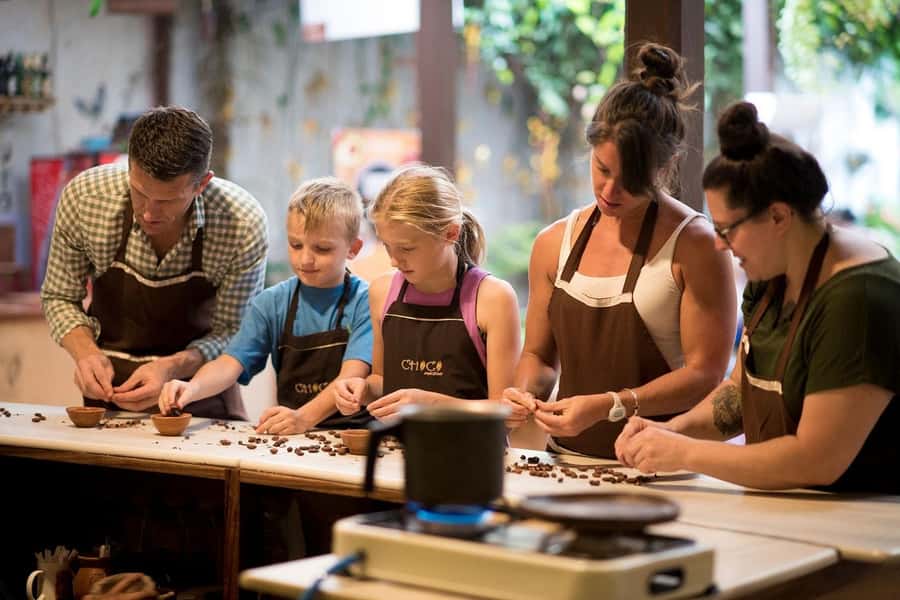
The heart of the class is the four processes involved in turning cacao into chocolate paste. Knowing these names helps you remember what happened and why your final chocolate tasted the way it did.
Roasting the cacao beans
Roasting is your first flavor turning point. The beans go from raw cacao character toward the deeper, toasty notes people associate with chocolate. In a workshop like this, you’ll learn what roasting does and then see how that step changes what comes next.
Removing the cacao husk
Next comes removing the outer husk from the cacao beans. This step matters because the husk is not the flavor ingredient you want in finished chocolate. You’re effectively separating the working part—the nib—from the parts that won’t contribute the same way.
You can also read our reviews of more tours and experiences in Cusco
Grinding cacao nibs on a metate with a mano
This is where you get the most “I’m really doing this” feeling. You’ll grind cacao nibs on a metate using a mano, the same method described as being used by the Aztecs. Grinding breaks down the structure and turns nibs into cacao paste.
This isn’t just a fun photo moment. Grinding also affects texture. The more evenly you process, the more consistent your paste becomes. Even if you don’t reach full pro smoothness in a short class, you’ll understand the direction.
Refining the cacao paste in a melangeur
Finally, the class includes refining in a melangeur. Refining is the step that helps smooth the paste and bring it closer to chocolate-bar texture. In other words: this step is where rough cacao paste starts to feel like actual chocolate.
By the time you complete these four steps, you’ll have a mental map of the entire bean-to-bar workflow. That makes your finished chocolates and hot drinks more meaningful.
Metate Grinding and Melangeur Refining: The Texture Lesson You’ll Carry Home
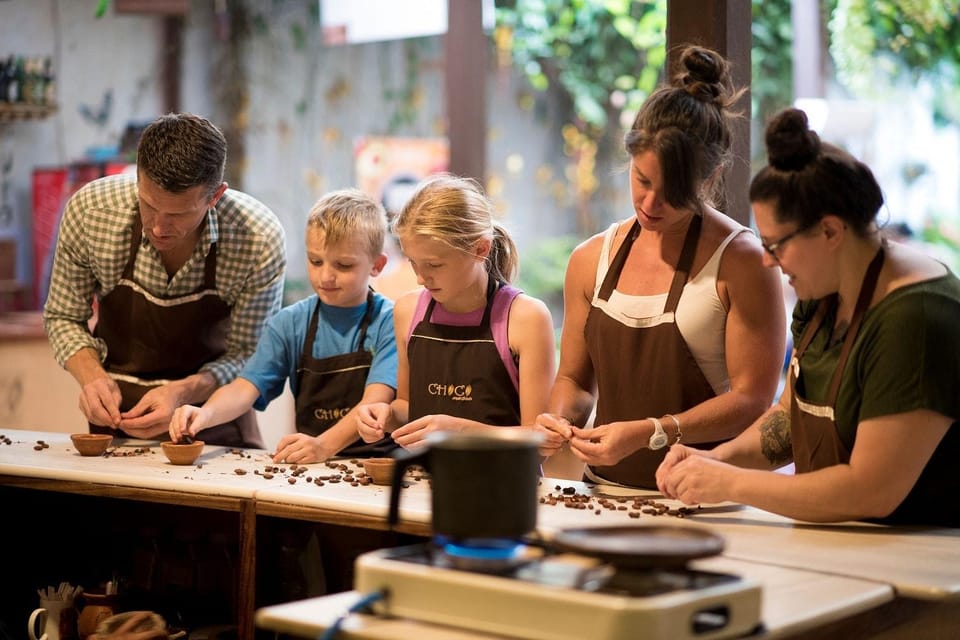
If you’ve ever wondered why one chocolate feels silky and another feels grainy, this class gives you a clear explanation of where that difference comes from. Grinding and refining are texture jobs, not just flavor jobs.
When you grind on a metate and mano, you’re working with pressure and friction. That action crushes and smears cacao into paste. You can usually feel when the material is still too coarse.
Then the melangeur step is about finishing. Even if you only observe parts of it or get guided through it, you’ll learn why refining is needed after grinding. It’s the bridge between cacao paste and chocolate you can drink or mold.
This is also why the workshop feels educational even if you’re not obsessed with chocolate science. You end up with practical knowledge: texture is earned, and each step has a job.
Hot Chocolate and Traditional Drinks: Maya and Conquistadores
A big plus here is that you don’t only make solids. You’ll create hot chocolates as well, and you’ll try drinks connected to older traditions—specifically Maya and the conquistadores.
That pairing makes sense. Chocolate history in the Andes and across Mesoamerica isn’t only about bars. It’s also about how people used cacao as a drink, with different flavors and preparation styles.
In your class, those drinks aren’t presented as museum antiques. You’ll experience them in a hands-on, sensory way. Then you’ll make hot chocolate using your own chosen ingredients. That means you’ll connect flavor choices (sweetness and mix-ins, where applicable) to what you feel in the cup.
If you like interactive food classes—especially ones that let you taste and adjust—you’ll likely enjoy this part a lot.
Customizing Your Organic Chocolates: What Tailored Means Here
You’ll create delicious organic chocolates and take them home. The class emphasizes that your chocolates will be tailored to your taste, which is more than a generic “you get to pick one option.”
You’ll make a chocolate bar and enjoy hot chocolates with your choice of ingredients. That’s the practical payoff: you decide how you want your final results to taste, and you see how the earlier processing steps support that.
You also have a simple real-world benefit: you’re not leaving Cusco with only a photo and a vague memory. You’re leaving with edible evidence of your work—unless you eat it all immediately, of course.
Cusco’s Cacao Reputation: Why This Place Gets Mentioned
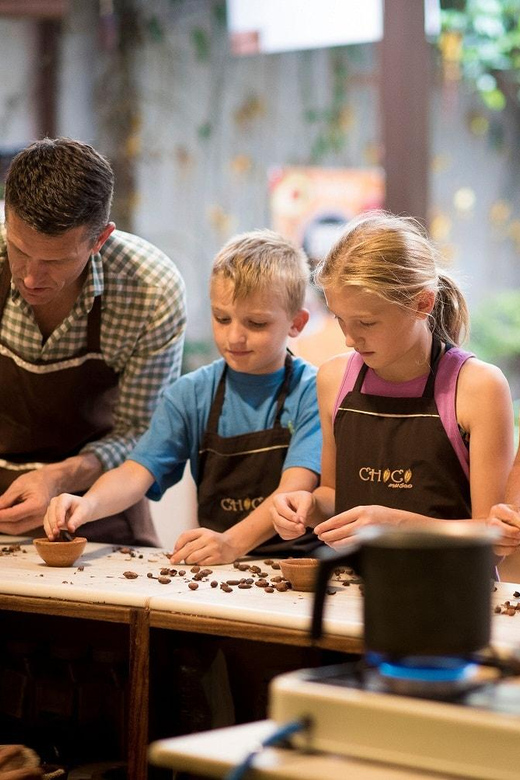
This experience doesn’t treat Cusco as just a convenient meeting point. The workshop shares why Cusco makes some of the finest chocolate around the world.
Even if you’re not a cacao expert, that context is useful. Cusco’s elevation and surrounding agricultural traditions influence what cacao can become. Whether you remember the exact explanation or not, the takeaway is clear: the location is part of the flavor story.
And because the class includes both historical context and hands-on making, you’re more likely to connect the dots between place and taste. You’ll also understand why people care about origin when they talk about quality chocolate.
If you’re already planning tastings in Cusco, this workshop can tie those experiences together instead of feeling like a random side activity.
What to Expect Day-Of: Pace, Group Feel, and Practical Tips
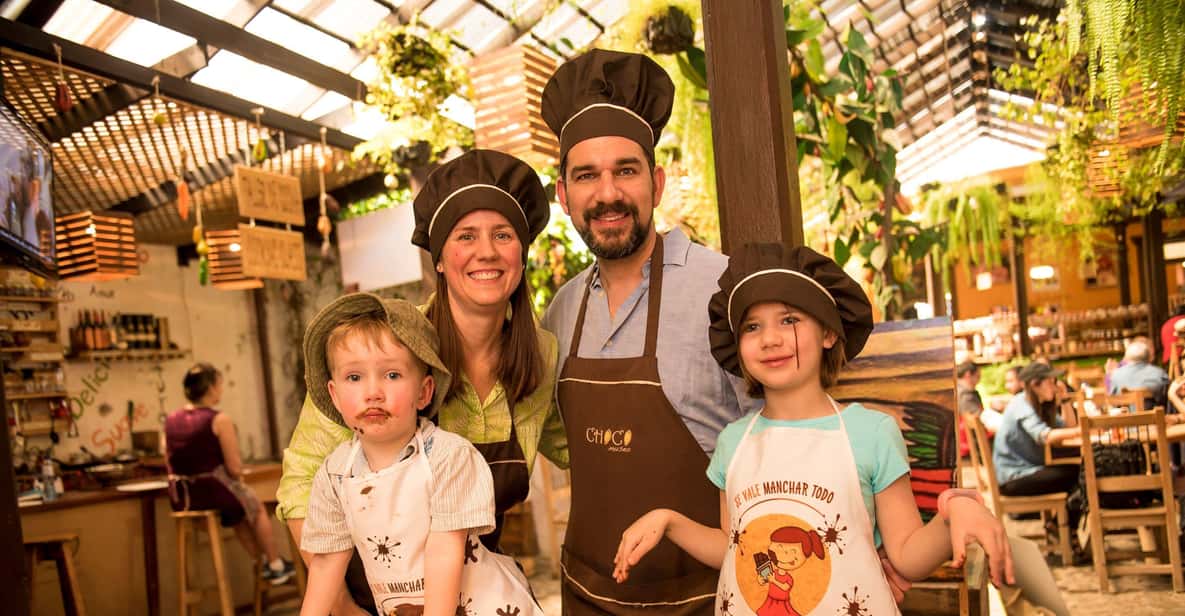
This is a short, focused class: about two hours with a live guide in English or Spanish. The structure suggests you’ll be moving between instruction and making—so come ready to participate.
Plan for a fast pace. You’re learning multiple processes in a short window, and the point is momentum, not slow repetition.
Bring a flexible mindset about mess. Cocoa dust and chocolate handling are part of the deal when you grind and mold your own creations. Wear sleeves you don’t mind getting a little messy.
Use your ingredient choices. If you like sweeter results, build that into what you choose. If you prefer less sweet chocolate, opt for that style. The class’s value is that it helps you make something aligned with your taste—not just whatever the group default is.
And one more practical note from the activity instructions: you’re asked to put your contact number correctly with your country code and have WhatsApp. That helps the supplier reach you if anything needs confirming.
Price and Value: What You’re Paying For in This 2-Hour Experience
Even without a stated price here, you can still judge value. This workshop’s value is in what you physically do and what you take home.
You’re not just watching someone else process cacao. You learn and practice key steps: roasting, husk removal, grinding on a metate with a mano, and refining in a melangeur. You also make hot chocolate and produce a chocolate bar, then get to take your handmade organic chocolates away.
That’s a lot for a two-hour slot. If your ideal souvenir is edible and personal, this tends to be a better fit than most “taste-only” options.
Who Should Book This Cusco Chocolate Workshop
This experience is a strong match if:
- You like food workshops where you do the work, not just watch
- You want bean-to-bar understanding in plain language
- You enjoy trying traditional or historically themed drinks like Maya and conquistadores
- You want an edible souvenir you customized yourself
You might think twice if:
- You dislike any food mess at all and prefer hands-off tastings
- You’re the type who needs long, slow practice to truly master a process
Should You Book This Cusco Chocolate Workshop?
Yes, if you want a hands-on Cusco experience that’s actually educational and rewarding. The big decision point is whether you’ll enjoy doing the real steps—grinding, refining concepts, and customizing your own chocolate bar—within a two-hour time frame.
If that sounds like your style, this class is a smart buy of your limited time in Cusco: you leave with understanding, a couple of tasty drinks, and take-home organic chocolates you made yourself.
FAQ
How long is the Cusco bean-to-bar chocolate workshop?
It lasts about 2 hours.
Where does the experience take place?
It’s in the Cusco Region, Peru.
What languages is the live guide available in?
The tour guide speaks English and Spanish.
Will I make hot chocolate and a chocolate bar?
Yes. You’ll create delicious hot chocolates and your own chocolate bar.
What are the four processes taught during the workshop?
The class covers roasting cacao beans, removing cacao husk, grinding cacao nibs on a metate with a mano, and refining cacao paste in a melangeur.
Can I customize my chocolates?
Yes. You can choose ingredients for your hot chocolates and your chocolate bar.
Do I get to take the chocolates home?
Yes. You can take home all of your handmade chocolates unless you’ve already eaten them.
What traditional drinks are included?
You can try drinks like the Maya and the conquistadores.
Is there free cancellation?
Yes. You can cancel up to 24 hours in advance for a full refund.