REVIEW · CUSCO
Cusco: Peruvian Cooking Class, Cocktails & Local Market Tour
Book on GetYourGuide →Operated by PERUVIAN CUSCO FLAVORS · Bookable on GetYourGuide
Cusco smells like food before you even start. I love how this class starts with an up-close San Pedro Market ingredient hunt, and I love that Chef Jesus teaches you the classics while you’re actively cooking, not just watching.
One heads-up: this is a full 4-hour afternoon and you’ll end up eating a lot. Come wearing comfortable clothes and shoes, and plan to arrive hungry so you can enjoy everything instead of pacing yourself.
In This Review
- Key highlights worth your attention
- San Pedro Market: the real taste of Cusco starts here
- The 4-hour flow: market tour, cocktails, three recipes, dessert
- What you’ll actually cook: cebiche, causa limeña, quinoa tamal
- Cebiche: the citrus and the balance
- Causa limeña: smooth, layered, and comforting
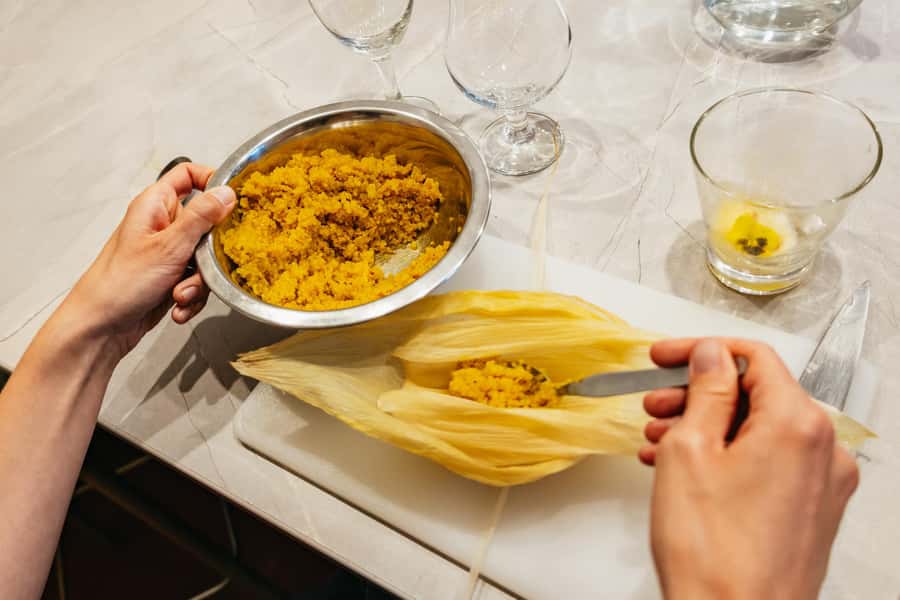
- Quinoa tamal: Peru’s comfort food side
- Cocktail-making with pisco: learn, mix, sip
- Dietary options: vegetarian, vegan, and gluten-free can still be fully you
- The chef-led teaching style: less stress, more confidence
- Value check: is $67 really a good deal?
- Who this class is perfect for (and who should skip it)
- Tips so you get the most out of it
- Should you book this Cusco cooking class?
- FAQ
- Where is the meeting point for the class?
- How long is the experience?
- How big is the group?
- What dishes do you cook?
- Are cocktails included, and is there a non-alcoholic option?
- Do they offer vegetarian, vegan, or gluten-free menus?
- What should I bring?
- Who is the tour not suitable for?
Key highlights worth your attention
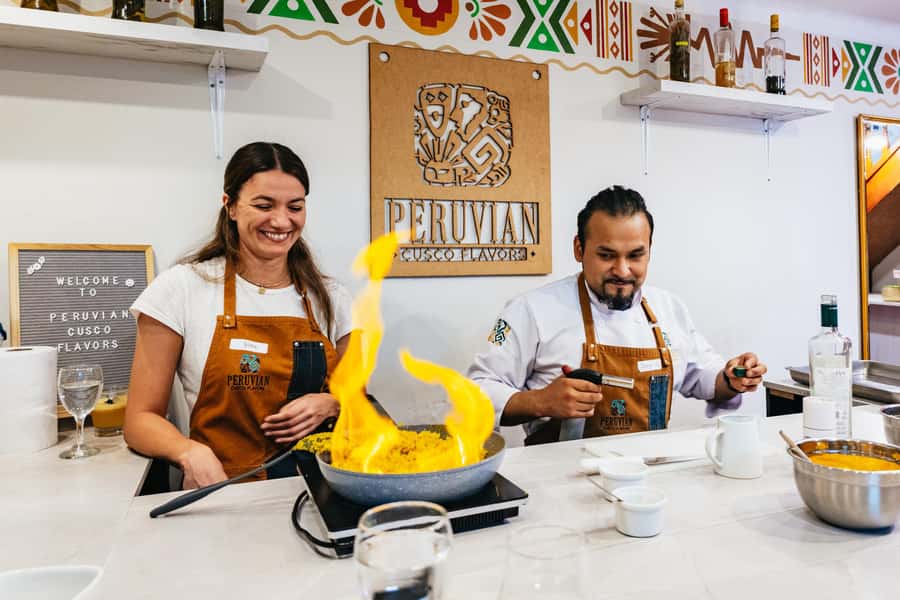
- San Pedro Market starts the meal before cooking begins, with tastes of fruits, cheeses, bread, chocolate/cacao, quinoa, potatoes, and more
- You make pisco cocktails and you can get non-alcoholic versions
- Hands-on instruction for three dishes: cebiche, causa limeña, and quinoa tamal
- Small-group feel (up to 10 people), so questions don’t get lost in the crowd
- Picarones with honey to finish, with gluten-free and sugar-free options available
San Pedro Market: the real taste of Cusco starts here
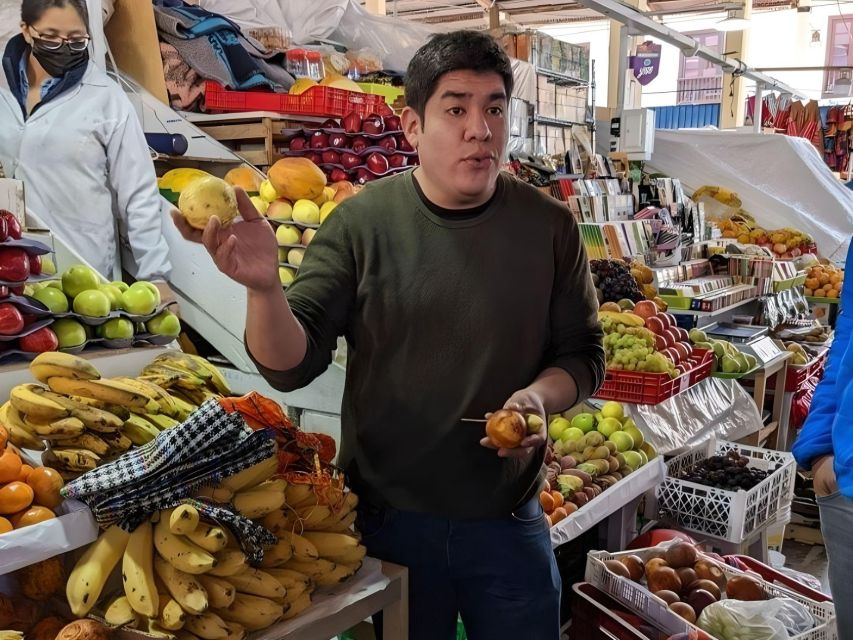
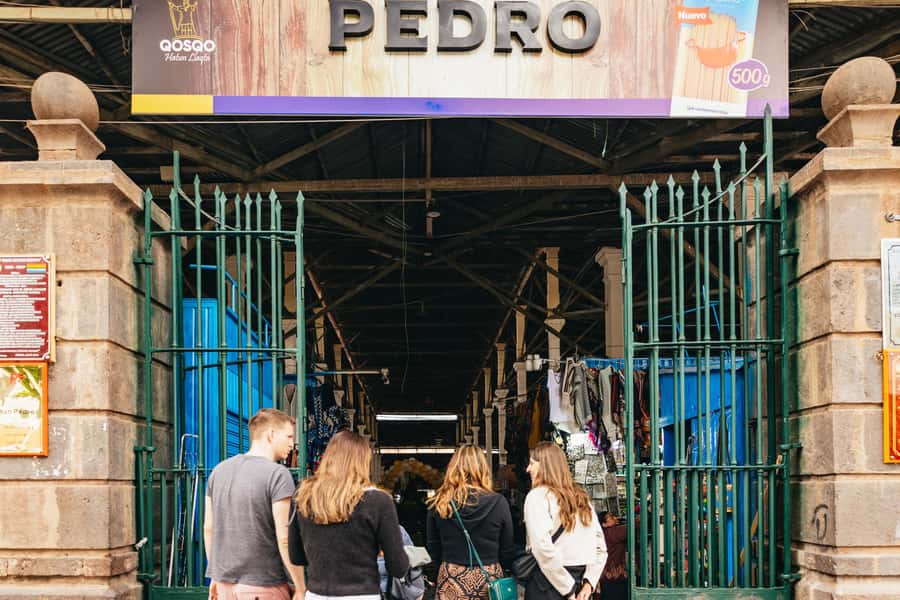
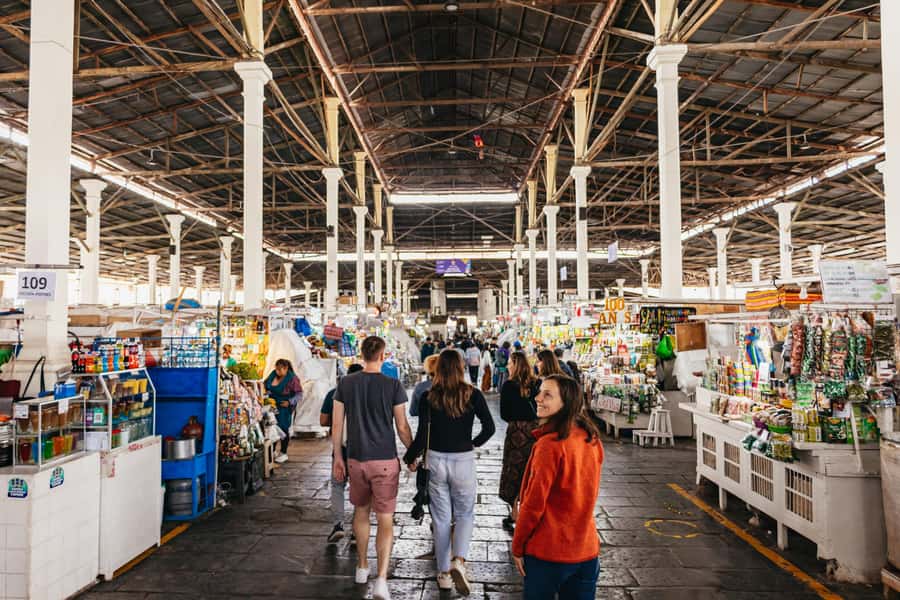
This experience doesn’t begin in a kitchen. It starts at San Pedro Market, one of Cusco’s oldest markets, where food is the main language.
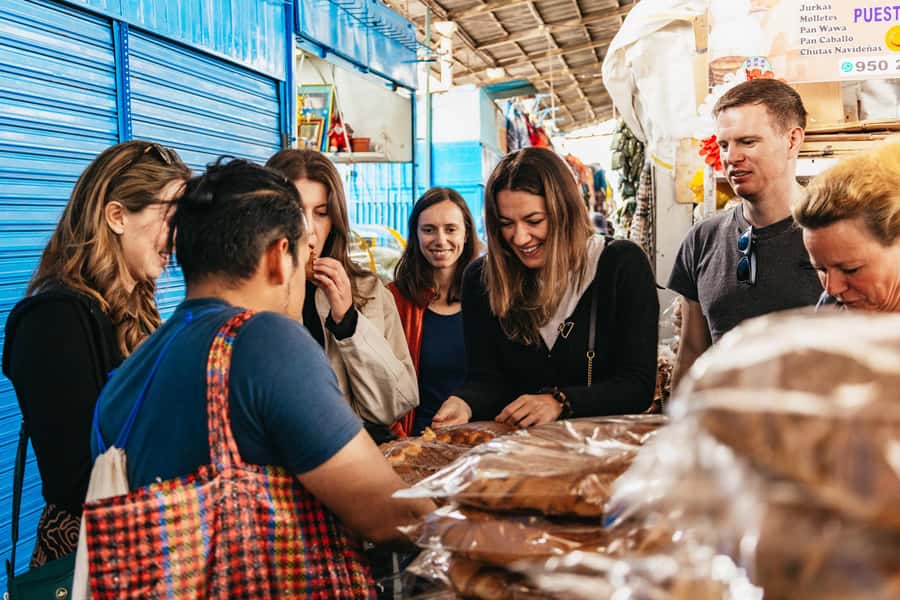
You’ll walk through stalls stocked with everyday Peruvian staples and the stuff you only see when you’re there in person. Expect to run into things like colorful fruits, local cheeses, bread, chocolate and cacao products, quinoa, potatoes, and plenty of other ingredients that show up later in your cooking. The point isn’t to memorize a supermarket list. It’s to understand why Peruvian food tastes the way it does: sour, citrusy, savory, and comforting all in the same meal.
I also like that you’re guided through the market as you go, so the tour doesn’t feel like random wandering. You learn what to look for and why certain ingredients matter, which makes the cooking part click faster.
You can also read our reviews of more shopping tours in Cusco
The 4-hour flow: market tour, cocktails, three recipes, dessert
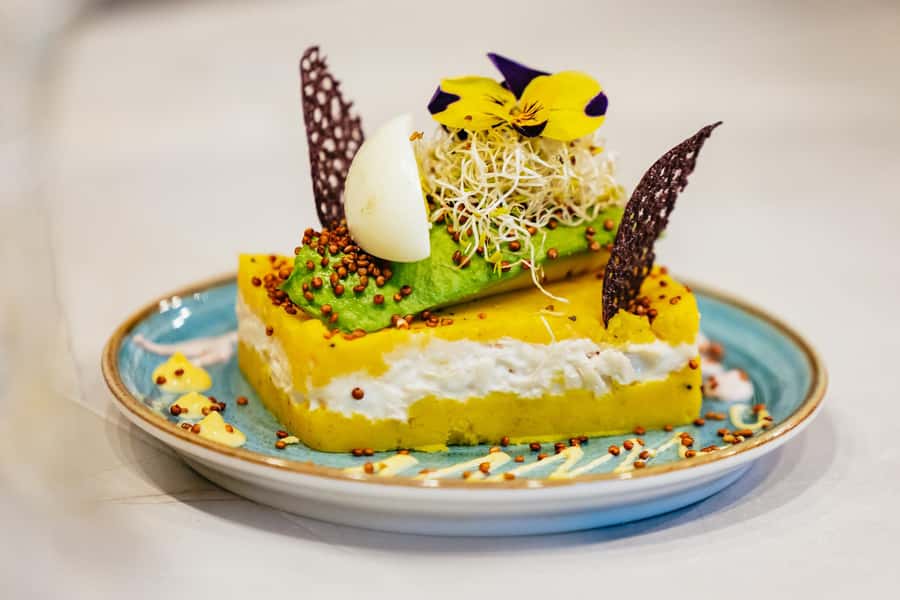
The schedule is structured, but it never feels rushed. You’ll do three main phases: market tour, cocktail-making, then cooking the dishes and sitting down to eat.
Phase 1: San Pedro Market (the warm-up)
You meet at Door Number 1 at San Pedro Market, then get oriented in the market with a local guide. You’ll also taste along the way, including samples like cheeses, bread, and chocolate/cacao items. This is where you start getting your bearings and building a mental map of the ingredients you’ll use later.
Phase 2: walk to the cooking studio
After the market, you take a short walk into the historic center to the cooking studio where the class happens. This matters because it turns a food tour into a full-on food-making experience in one afternoon.
Phase 3: cocktails first
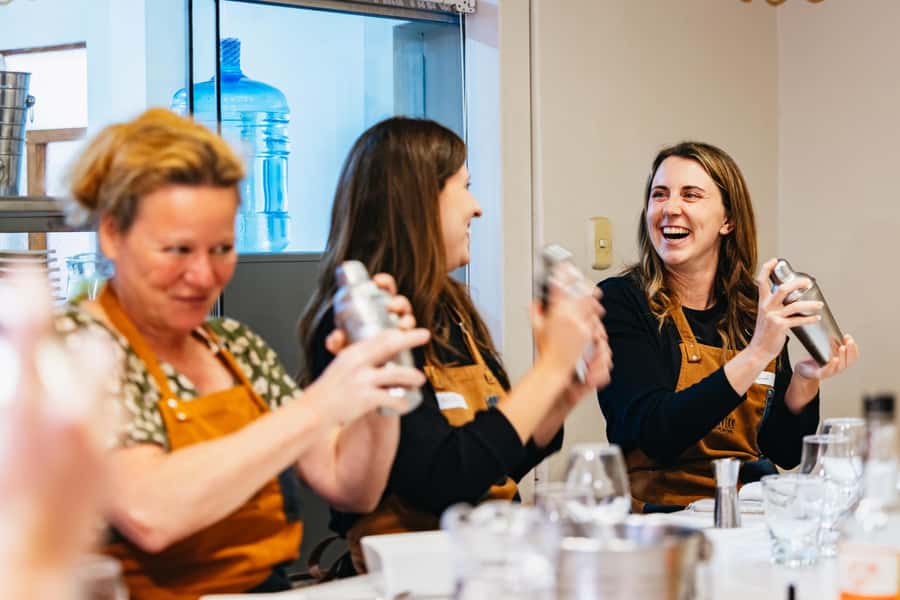
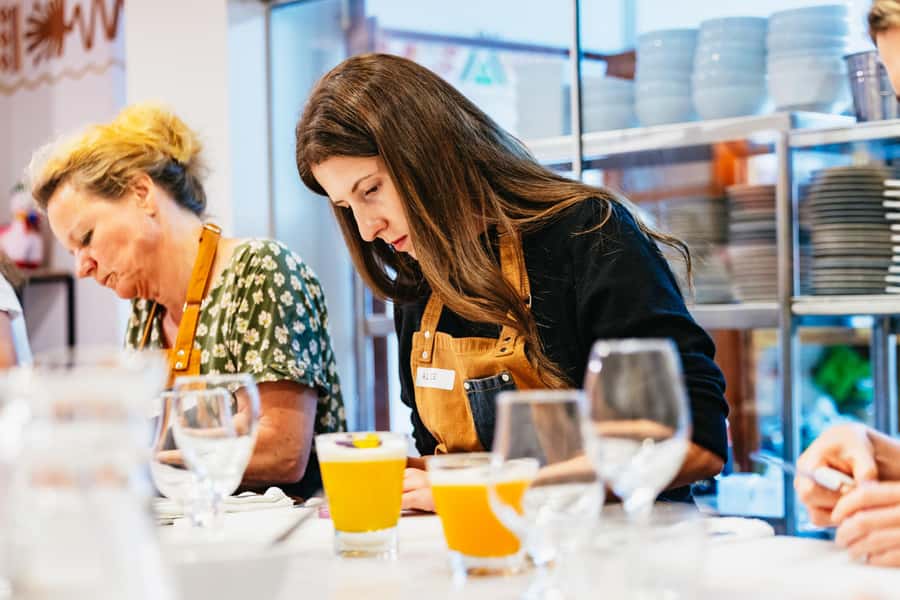
Before you start chopping or mixing sauces, you make Peruvian cocktails. You’ll learn how to craft them with step-by-step guidance from the chef. The class includes two cocktails, and there’s the option for non-alcoholic versions.
Phase 4: three dishes, then you eat what you made
Next comes the cooking: cebiche, causa limeña, and quinoa tamal. When the plates are done, you sit down as a group and savor everything together.
Phase 5: sweet ending
You finish with picarones with honey. There are sugar-free and gluten-free options available, so dessert doesn’t get cut out if you’re avoiding certain ingredients.
What you’ll actually cook: cebiche, causa limeña, quinoa tamal
You’re taught three classic Peruvian dishes, and each one gives you a different window into local flavors.
Cebiche: the citrus and the balance
Cebiche is often the dish people think of first with Peru, but here you learn it hands-on. You’re not just assembling a plate. You’re being guided through the steps so you understand what the ingredients are doing—especially how the citrus component shapes flavor and texture.
If you enjoy food that’s bright and clean-tasting, this is the dish that will likely feel like a revelation. Even if you’ve eaten cebiche before, making it yourself helps you notice details you’d usually skip as a diner.
Causa limeña: smooth, layered, and comforting
Causa limeña is one of those dishes that looks simple but rewards technique. You’ll learn how to build the dish so the layers hold together and the flavors stay balanced.
This is a great choice for a cooking class because it’s not just about one skill. You practice preparation and assembly, and you get to see how the final presentation comes together at the end.




Quinoa tamal: Peru’s comfort food side
Quinoa tamal brings in a different vibe—earthy and filling. You’ll learn how quinoa fits into a dish that feels cozy and hearty, not delicate.
For a lot of people, this is the most surprising recipe. Many travelers know quinoa as a “healthy side,” but here you experience it in a Peruvian classic format.
Cocktail-making with pisco: learn, mix, sip
I like that the class starts with cocktails. It breaks the afternoon into something fun and social, and it also gives you a chance to get comfortable with the rhythm of the kitchen before the heavier cooking starts.
You’ll make two pisco cocktails as part of the class. If you don’t want alcohol, non-alcoholic recipes are available, and you can still get the same attention to flavor and method. That’s a big deal, because it means you’re not stuck watching others drink while you sit out.
The practical win: you’ll leave knowing how the drink is built, not just what it tastes like. That makes it easier to recreate at home when you’re craving Peru again.
Dietary options: vegetarian, vegan, and gluten-free can still be fully you
This class offers vegetarian options, a vegan menu, and a gluten-free menu. That matters because Peruvian cooking uses ingredients that can often be adjusted without turning the meal into a sad substitute.
In my view, the key is that you’re not asked to shrink your experience. You’re still participating in the recipes and finishing the meal together. I’d still recommend telling the team your needs clearly when you reserve, so they can plan the menu from the start.
Also, remember the “finish strong” part: picarones with honey are included, and there are sugar-free and gluten-free options available. Dessert is usually where restrictions get ignored. Here, it’s built into the plan.
The chef-led teaching style: less stress, more confidence
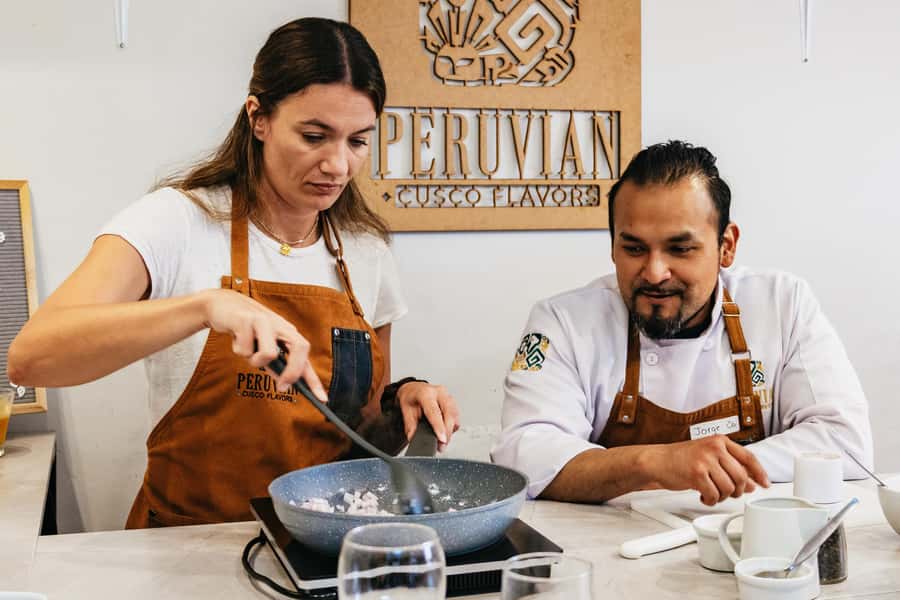
Chef Jesus provides guidance throughout the class. From what people share about this experience, the instructors focus on teaching the dish plus the context: what ingredients are doing, how the process works, and how to plate so it looks like it belongs on a real Peruvian table.
This is one of the reasons the class scores so high overall. The small group size (up to 10 people) helps too, because it’s easier to ask questions and get real help when you’re mid-recipe.
You’ll also likely have assistants in the kitchen supporting the flow, which helps the class stay organized even when everyone is learning at their own speed.
Value check: is $67 really a good deal?
At $67 per person for about 4 hours, the price feels fair when you look at what’s included.
You’re getting:
- a guided visit through San Pedro Market
- ingredients used for your cooking
- hands-on instruction from the chef
- three dishes you make and eat
- two cocktails (with non-alcoholic options available)
- picarones with honey
- water
A lot of food tours might give you a tasting here and there, then send you on your way. This one keeps you in the food zone longer. You’re not only trying flavors—you’re learning the method and leaving with a meal you can recreate later.
If you’re already planning to spend money on lunch, drinks, and a cultural activity in Cusco, this tends to line up well. It’s a single ticket that covers the whole arc of a food day.
Who this class is perfect for (and who should skip it)
This is a strong fit if you want:
- a hands-on food experience in Cusco
- a compact way to learn multiple Peruvian dishes in one go
- small-group attention
- a market tour that feels guided instead of random
It may not be the best fit if you:
- dislike cooking classes or standing at a counter for a few hours
- don’t want to eat as much food as you’ll be making
- need something for young kids, since the class isn’t suitable for children under 10
- only want a non-English experience, because the class is in English
Also, this is a good idea as an acclimizing activity in your schedule because it’s structured and social. You’ll meet others, share the table, and leave with a full belly.
Tips so you get the most out of it
These are simple things that make the day smoother:
- Wear comfortable shoes. You’ll be on your feet during the market part and in the studio.
- Wear comfortable clothes. You’re cooking and tasting; you don’t want to be fussing with restricted movement.
- Bring a snack plan in your head, not in your bag. People often start this hungry and are glad they did.
- If you’re vegan or gluten-free, confirm your menu when booking, and speak up at the start.
And yes, you should expect to leave with a stronger sense of Peruvian ingredients than you had when you arrived.
Should you book this Cusco cooking class?
If you want more than a food stop and you like learning by doing, I’d book it. This is one of the better ways to connect Cusco’s food culture to real skills: market ingredients, cocktail craft, and three recognizable Peruvian classics—all in a small group, guided by Chef Jesus and the team.
Skip it only if you’re looking for something short, quiet, or purely observational. This is a hands-on, eat-what-you-make kind of afternoon.
FAQ
Where is the meeting point for the class?
Meet at Door Number 1 at San Pedro Market.
How long is the experience?
It lasts 4 hours.
How big is the group?
The group is limited to 10 participants.
What dishes do you cook?
You learn to prepare three dishes: cebiche, causa limeña, and quinoa tamal.
Are cocktails included, and is there a non-alcoholic option?
Yes. The class includes two pisco cocktails, and non-alcoholic recipes are available.
Do they offer vegetarian, vegan, or gluten-free menus?
Yes. Vegetarian options, a vegan menu, and a gluten-free menu are available.
What should I bring?
Bring comfortable shoes and comfortable clothes.
Who is the tour not suitable for?
Children under 10 years old are not suitable for this activity.