REVIEW · CUSCO
Cusco: Walking Tour Cusco
Book on GetYourGuide →Operated by LimaTours · Bookable on GetYourGuide
Cusco clicks into focus on foot. This 210-minute route pairs the sensory rush of San Pedro Market with the precision of the Twelve-angled stone, then flows through squares framed by major churches and colonial-era corners. Main catch: there’s no pickup, and it isn’t wheelchair-friendly, so you’ll want to plan your meeting and wear real walking shoes.
I also like how the tour starts right in the heart of town. When you begin at Plaza de Armas, it’s easier to understand Cusco’s layout instead of guessing where everything sits.
Expect a professional guide in English, Spanish, or Portuguese, and I’ve seen guides—like Juan—bring the Inca and Spanish layers to life with clear, practical explanations.
In This Review
- Key highlights you’ll feel right away
- Plaza de Armas: Catedral area and La Compañía de Jesús as your launch pad
- The Twelve-angled stone: Inca precision you can clock in minutes
- San Blas: artisan streets in a neighborhood that began with Inca nobility
- Coricancha: the Temple of the Sun and what Inti worship meant here
- Plaza Regocijo and Plaza San Francisco: Quechua roots meet colonial squares
- San Pedro Market: thousands of products across Cusco regions
- What $29 buys you in Cusco (and what might cost extra)
- Who this Cusco walking tour suits best
- Should you book this Cusco walking tour?
- FAQ
- How long is the Cusco walking tour?
- Where do I meet the guide?
- Is pickup and drop-off included?
- What languages does the guide speak?
- Is the price all-inclusive?
- Is this tour wheelchair accessible?
Key highlights you’ll feel right away
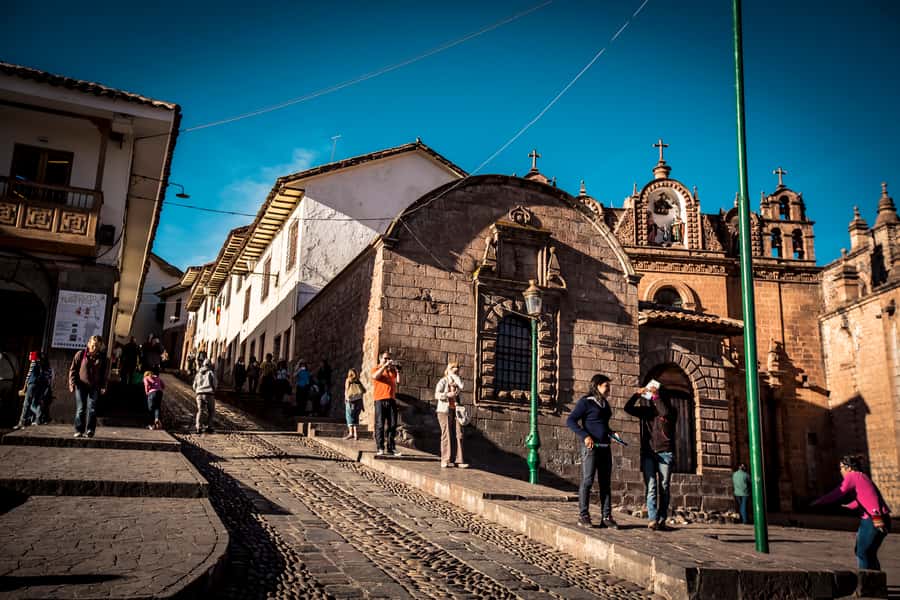
- Plaza de Armas orientation: see the Cathedral area and La Compañía de Jesús as your starting anchor
- The Twelve-angled stone lesson: learn why its geometry is famous and easy to spot
- San Blas street atmosphere: artisan workshops in a neighborhood that started as Inca nobility housing
- Coricancha (Temple of the Sun): a stop focused on Inti and Inca worship
- Plaza Regocijo meaning: a Quechua-rooted name tied to public celebrations like bullfights
- San Pedro Market finale: thousands of items across Cusco regions, experienced with all your senses
Plaza de Armas: Catedral area and La Compañía de Jesús as your launch pad
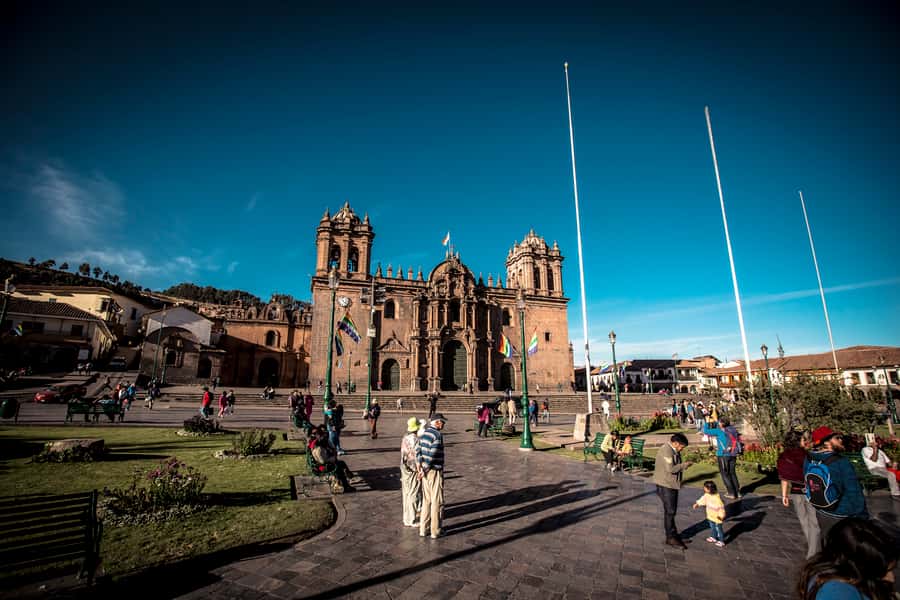
The tour begins at Plaza de Armas, Cusco—specifically where you can find the inca monument. The reference point is Calle Portal Belén, so if you’re looking at your map, keep that street name in mind. Arrive about 15 minutes early. In Cusco, being a few minutes late can matter more than you expect, especially with tight walking schedules.
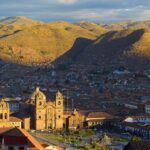
This first stretch is all about getting your bearings. You’ll see the Cathedral area and the church of La Compañía de Jesús right away, which helps you understand that Cusco isn’t a single “old town” look. It’s a layered city: Inca stone logic in one direction, then Spanish colonial grandeur in another.
What I like here is that your guide isn’t just saying names. The buildings become clues. You start to notice how religious and civic spaces shaped daily life, then you carry that mindset to the smaller streets that come next. If you’re the type who loves architecture but hates guessing what you’re actually looking at, this opening helps a lot.
One practical note: there’s no pickup or drop-off. You’ll be responsible for getting yourself to Plaza de Armas and later back to your hotel after the walk. If you’re staying a bit away, build in extra time so you don’t feel rushed before you even start.
You can also read our reviews of more walking tours in Cusco
The Twelve-angled stone: Inca precision you can clock in minutes
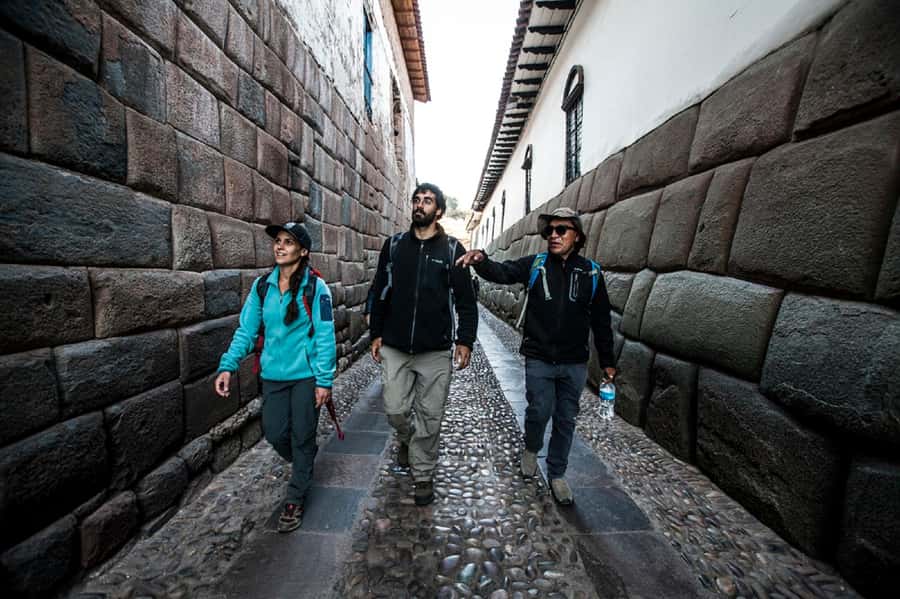
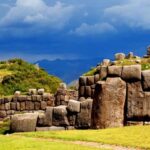
Soon after the Plaza de Armas start, the route moves toward San Blas and includes a stop at the street where the famous Twelve-angled stone sits. You’ll know you’ve reached it because it’s instantly visual: twelve corners and sides arranged with a level of fit that’s hard to ignore.
Here’s the real value of this stop: it turns “cool Inca ruins” into “I understand why people keep talking about Inca engineering.” Your guide explains what makes the geometry famous, and once you look at it, you start seeing patterns in surrounding stonework. Even if you’ve visited other parts of Peru, this one pushes you to pay attention to craftsmanship at a small scale—how edges meet, how angles are made to align, and how the blocks behave as a system.
A drawback to consider: this is a quick photo moment on a street. If you expect a big dedicated viewpoint or a slow-moving interpretive space, you might be slightly underwhelmed by the size of the moment itself. The payoff is what you take away afterward—because the tour builds momentum from this point into bigger neighborhoods and larger religious sites.
If you want your photos to turn out, bring sunscreen and keep your camera strap handy. Cusco sun can be strong, and the walk includes both shaded streets and open light.
San Blas: artisan streets in a neighborhood that began with Inca nobility
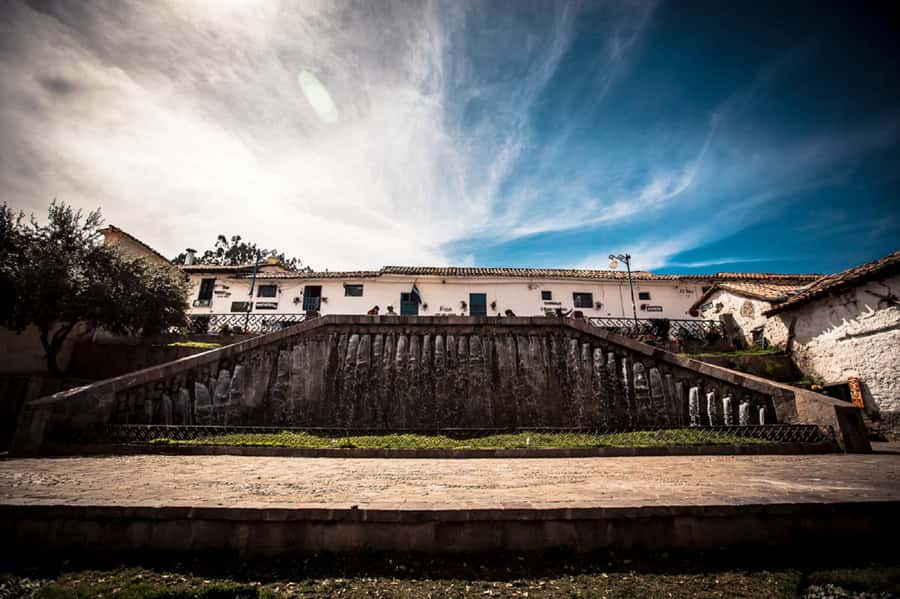
San Blas is one of those Cusco districts that feels like walking through stone and craft at the same time. On this tour, you’ll reach it as part of the descent toward the next major sights, and you’ll learn that San Blas was originally inhabited by Inca nobility.
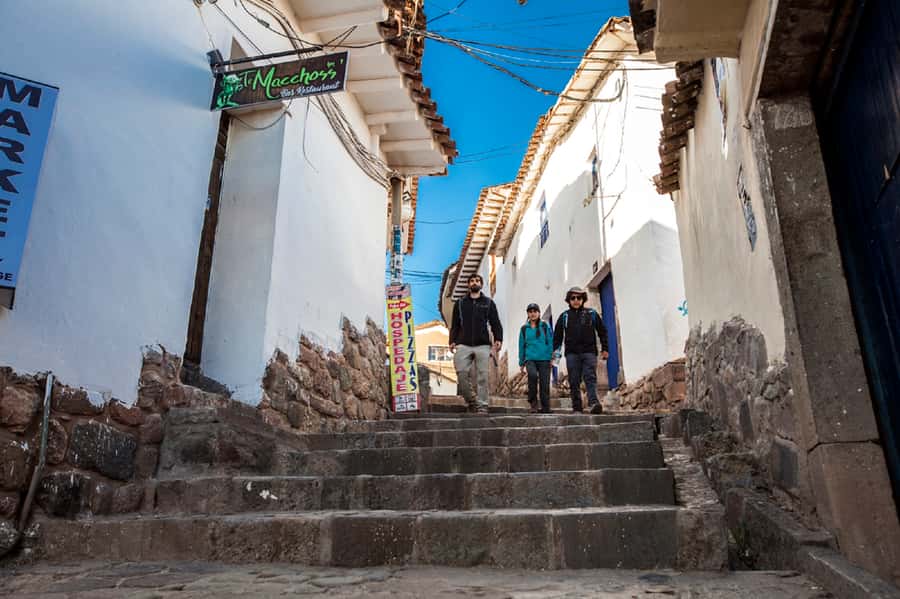
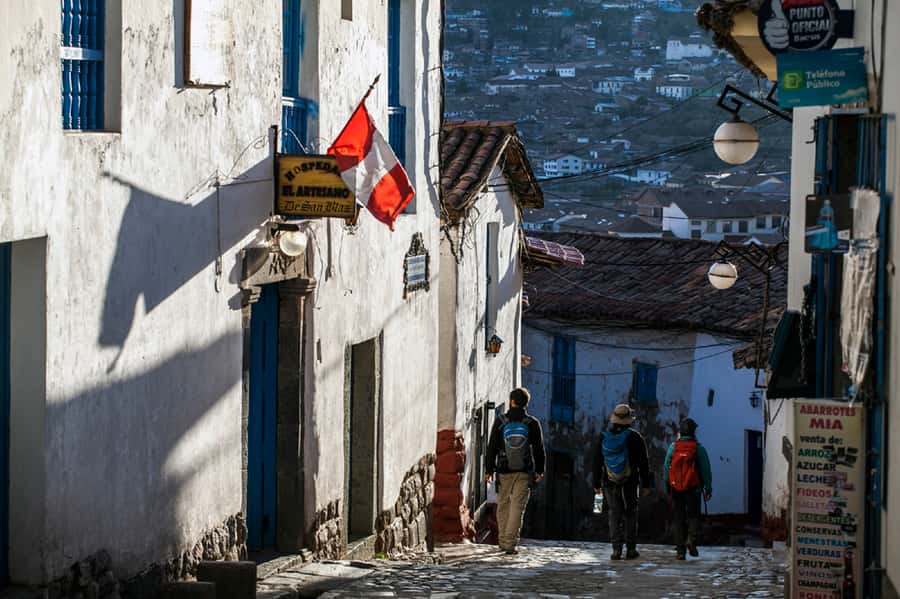
Today, San Blas is known for hosting prestigious artisan workshops. The streets are full of impressive stone constructions, and the neighborhood’s vibe is practical: you’ll see the places where people work, not just sightseeing backdrops. That’s why it’s a strong mid-tour stop. It’s quieter than a major landmark, but it’s still culturally “live.”
What you’ll likely enjoy most is the way your guide connects the past to what you see now. Inca nobility housing sounds like a distant label—until you notice the stonework and the way the streets sit within the slope of the city. Then the connection becomes real: Cusco’s geography and building style didn’t vanish after the Spanish arrived. It got re-used, repurposed, and reinterpreted.
A small watch-out: this portion of the walk involves uneven sidewalks and sloped streets. Comfortable shoes are a must. If you’re only wearing thin sandals or plan to wear dress shoes, you’ll probably pay for it later.
Coricancha: the Temple of the Sun and what Inti worship meant here
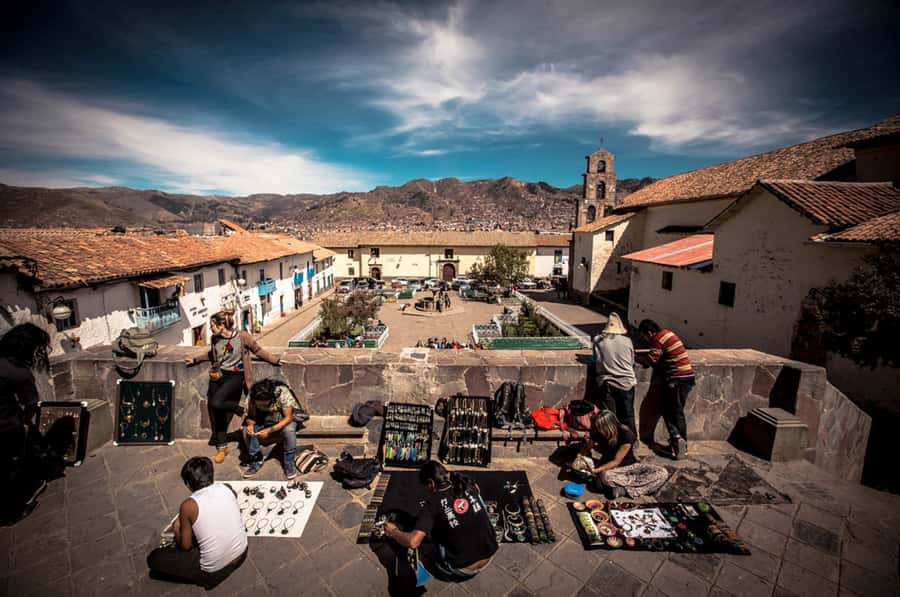
From San Blas, the tour continues toward Coricancha, also known as the Temple of the Sun. This stop is anchored in a clear idea: during the Inca Empire, homage was paid to the sun (Inti).
This is a good moment on the itinerary because it shifts the focus from neighborhoods and street-level craft to a major sacred site. You’ll get context for how the Inca viewed the sun and how that devotion translated into sacred architecture. Your guide’s job here is to connect the meaning to the physical place, so the stop isn’t just a photo of old stones—it becomes a story about belief and planning.
One budgeting consideration: admissions are not included. Coricancha is the type of site that can involve an entry fee depending on current rules. Your guide may explain what’s needed, but you should be ready to pay admissions if they apply.
Also, this is part of the walking sequence, not a long sit-down. If you want extended time to wander or linger, you’ll need to do it either before or after the tour ends. On the plus side, being carried from stop to stop means you’re always moving with a purpose.
Plaza Regocijo and Plaza San Francisco: Quechua roots meet colonial squares
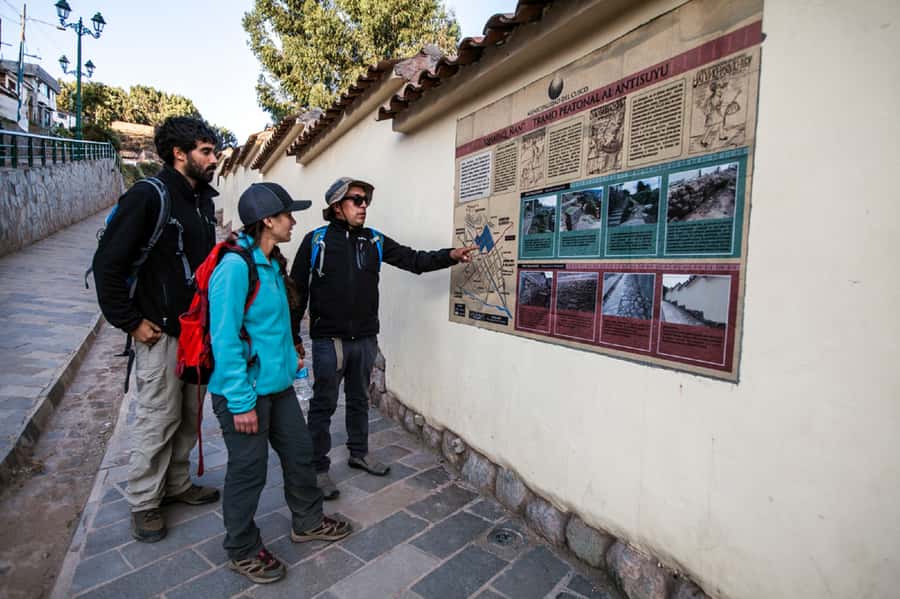
Next comes Plaza Regocijo, a square your guide explains through its name. The name comes from the Quechua word Cusipata, often described as patio of joy. It also ties to public celebrations such as bullfights held there.
That’s a helpful lens. Instead of treating a plaza as just a backdrop, you start thinking about how people used these spaces for communal moments. It makes sense of why the square matters even if you don’t attend an event—because plazas like this are built for gathering.
Plaza Regocijo is also surrounded by colonial houses, including the Casa de Garcilaso de la Vega. That matters for understanding Cusco’s story: you’re watching layers of culture interact in real time. Then the route continues to Plaza San Francisco, keeping the focus on the city’s core public spaces and how different eras shaped the streets around them.
If you’re someone who tends to move through plazas quickly, this part is worth slowing down for. Look at the edges, the doorways, and the way the square opens out. With the tour framing, the city starts to read like a map of power, not just a set of famous landmarks.

San Pedro Market: thousands of products across Cusco regions
The tour ends at San Pedro market, and it’s a strong finale. Your guide leads you through an atmosphere that’s less about monuments and more about everyday life. This market is described as an exquisite display of thousands of products from different areas of Cusco, and you experience it with all your senses—sight, smell, sounds, and the energy of constant activity.
Why this makes a great ending: it gives you a reset. After churches, plazas, and sacred sites, the market puts Cusco back into your hands and eyes. Even if you don’t buy anything, it helps you understand the region through what people cook, craft, and trade.
A practical note: the tour is walking-based, so after this you’ll likely still have to find your way back to your hotel. The good news is that the market gives you an easy sense of “what’s around,” which can make the post-tour wandering less stressful.
What to watch for: markets are crowded and sometimes hot inside. Keep hydrated, and don’t plan to do heavy shopping if your feet are already tired. If you do buy small items, think about how you’ll carry them—especially if you’re planning on moving around Cusco after the tour.
What $29 buys you in Cusco (and what might cost extra)
At $29 per person for 210 minutes, this walking tour is priced like a value option—especially because it includes a professional guide in English, Spanish, and Portuguese. That matters more than people think. In Cusco, names and details can blur together fast. Having someone connect the meaning—Inti at Coricancha, Cusipata at Plaza Regocijo, the geometry lesson from the Twelve-angled stone—can save you hours of figuring it out on your own.
Here’s what’s not included:
- Pickup and drop-off
- Snacks and beverages
- Admissions
- Personal expenses
So, plan on handling food, drinks, and any entry fees that come up during the route. The walking format also means you’re paying for guidance and context more than for “access.” If you’re the type who enjoys guided interpretation and wants a quick, structured overview of major Cusco spots, this price makes sense.
One more logistics point: the tour isn’t wheelchair-friendly. Also, pets aren’t allowed, and children must be accompanied by an adult. If that affects your group, it’s better to know early rather than arrive at the meeting point and deal with changes.
Who this Cusco walking tour suits best
This is a good fit if you want:
- A fast orientation to Cusco’s main sights without spending your whole day planning
- A guide who can translate the city’s layout into a story (Inca precision, then Spanish-era civic spaces, then modern market life)
- A mix of landmarks and local neighborhood streets, not only big-ticket monuments
It’s also ideal for first-timers who feel overwhelmed by the number of famous names in Cusco. The route is designed to create a sequence you can remember: start at Plaza de Armas, move to San Blas and its artisan district, reach Coricancha, pass through key plazas, and finish where locals actually shop.
If you’re the kind of traveler who hates structure and wants full freedom to linger at one site for 60 minutes, this may feel a bit like a highlight reel. The stops are focused, and you might wish you had more time at just one location. In that case, consider booking the tour as a foundation, then scheduling extra independent time afterward.
Finally, because there’s no pickup, it works best if you’re staying near the center or you’re comfortable navigating to Plaza de Armas early.
Should you book this Cusco walking tour?
Yes—if you want a practical, well-paced introduction to Cusco with a guide who can explain why each stop matters. For $29 and about 3.5 hours, you get a lot of major scenery plus a strong cultural ending at San Pedro Market. It’s also a good way to learn the city’s Inca-to-colonial connections without turning your day into a self-guided scavenger hunt.
I’d think twice if you need wheelchair access, want pickup, or plan to arrive late. Since there’s no transfer help, your timing affects your experience. Also, because admissions aren’t included, you should budget a little extra for any entry fees that apply during the tour.
If you like city walking tours that teach you what to notice, this one is an efficient bet.
FAQ
How long is the Cusco walking tour?
It lasts about 210 minutes (around 3.5 hours).
Where do I meet the guide?
Meet in Plaza de Armas, Cusco (the inca monument). The reference is Calle Portal Belen, Cusco. Arrive about 15 minutes early.
Is pickup and drop-off included?
No. Pickup and drop-off aren’t included, though the tour ends with you returning to your hotel.
What languages does the guide speak?
The guide offers English, Spanish, and Portuguese.
Is the price all-inclusive?
Not fully. The price includes the professional guide, but admissions and snacks or beverages are not included.
Is this tour wheelchair accessible?
No, it’s not suitable for wheelchair users.