REVIEW · CUSCO
Cusco : Half-Day Explore Inca Ruins qoricancha sacsayhuaman
Book on GetYourGuide →Operated by tour machupicchu best E.i.r.l · Bookable on GetYourGuide
Five hours can rewrite your idea of Cusco. This half-day morning circuit strings together the biggest Inca hits—Qoricancha and Sacsaywaman—with sweeping viewpoints and clear explanations from a bilingual guide. The trade-off is that Cusco’s altitude doesn’t care about schedules, so if you’re not acclimated yet, the walking and time outdoors may feel like a lot.
I like how straightforward the day is: pickup at 8:45 am from the Plaza de Armas fountain, then you’re whisked between sites with transport and stops that don’t waste your daylight. Just plan for the one extra cost: you’ll need entry tickets on the ground, so have 90 soles in cash ready.
In This Review
- Key Highlights Worth Your Morning
- How The 8:45 Pickup Works In Plaza de Armas
- Coricancha (Qoricancha): Cusco’s Sacred Start
- The Short Ride To Sacsaywaman: Where Views Take Over
- Q’enqo: Rock Shapes That Make You Look Twice
- Puca Pucara: The Stop That Adds Personality
- Tambomachay: Water, Stone, and Inca Practical Genius
- Price and Entry Tickets: What $15 Really Means
- The Language Mix: How English Gets Handled
- Pace, Altitude, and That Pressure to Keep Moving
- Watch For Ongoing Sales Stops While You’re Out
- Who This Cusco Half-Day Ruins Tour Is For
- Should You Book It? My Practical Take
- FAQ
- How long is the Cusco half-day ruins tour?
- Where do I meet the tour?
- Which sites are included?
- Are entry tickets included in the price?
- What languages will the guide speak?
- Is the tour wheelchair accessible?
- What is the cancellation policy?
Key Highlights Worth Your Morning
- Qoricancha first stop: You start at one of the most important Inca sacred sites, so the day sets the tone fast.
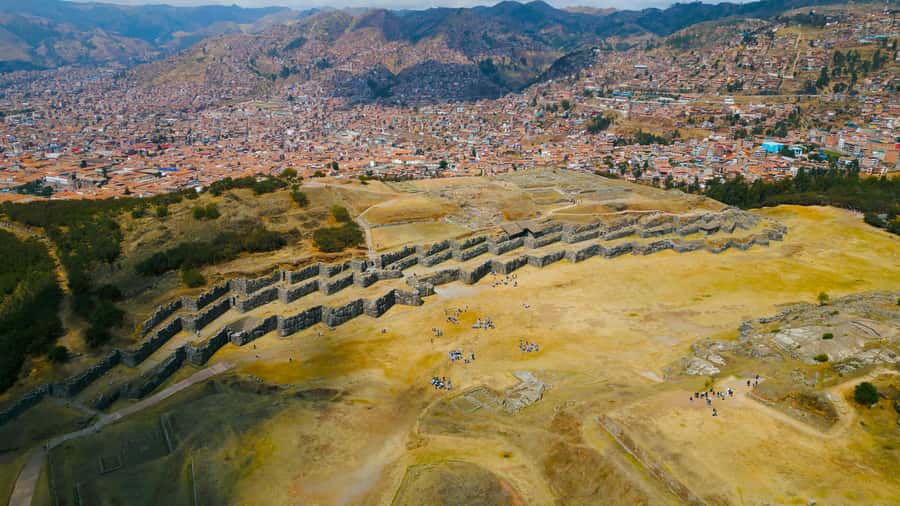
- Sacsaywaman panoramic views: This is where the landscape and stonework feel most dramatic.
- Multiple smaller complexes: Q’enqo, Puca Pucara, and Tambomachay add variety beyond the headline ruins.
- Transport included: You spend less time figuring out logistics and more time watching the scenery.
- Bilingual guide support: You’ll get explanations in both Spanish and English, though the mix can vary.
How The 8:45 Pickup Works In Plaza de Armas
Your morning begins at 8:45 am at the water fountain in the center of Cusco’s main square (Plaza de Armas). The meeting point is easy to find on foot, and they’ll call your name. If you’re juggling altitude and jet lag, this is a real comfort: you’re not hunting for a van or trying to match a meeting pin on your map while the city feels huge.
The tour runs about 5 hours, and it’s built around a morning pace—enough time to see several major Inca sites without turning the day into a long grind. You’ll also get tourist transport between stops, which matters here because Cusco’s streets can be steep and busy. End point is in the central area around Plaza Kusipata, so you’re not dropped into the middle of nowhere.
One small practical note: the itinerary is timed and you’ll move on fairly quickly. If you like lingering, take that into account. This is a “see the key things and learn them well” format, not a sit-and-stare format.
You can also read our reviews of more tours and experiences in Cusco
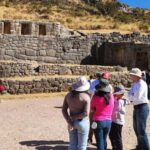
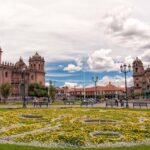
Coricancha (Qoricancha): Cusco’s Sacred Start
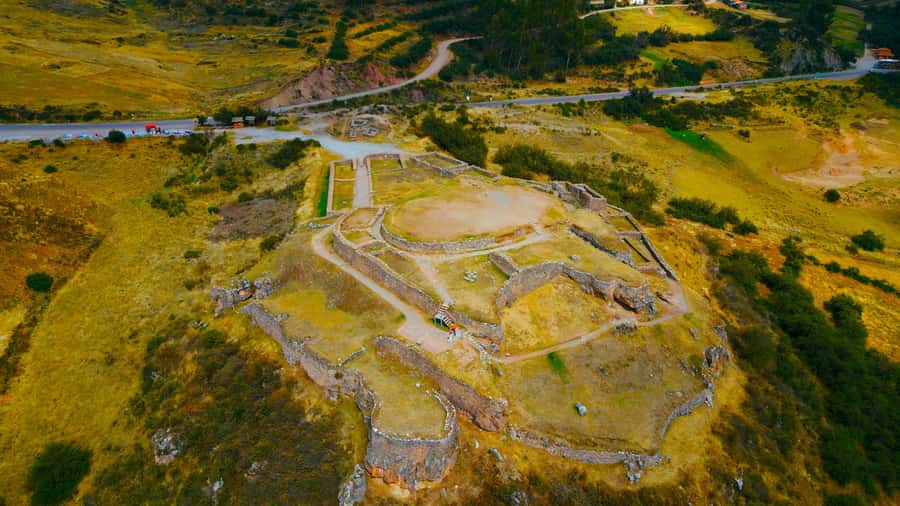
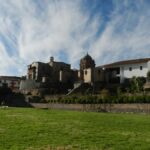
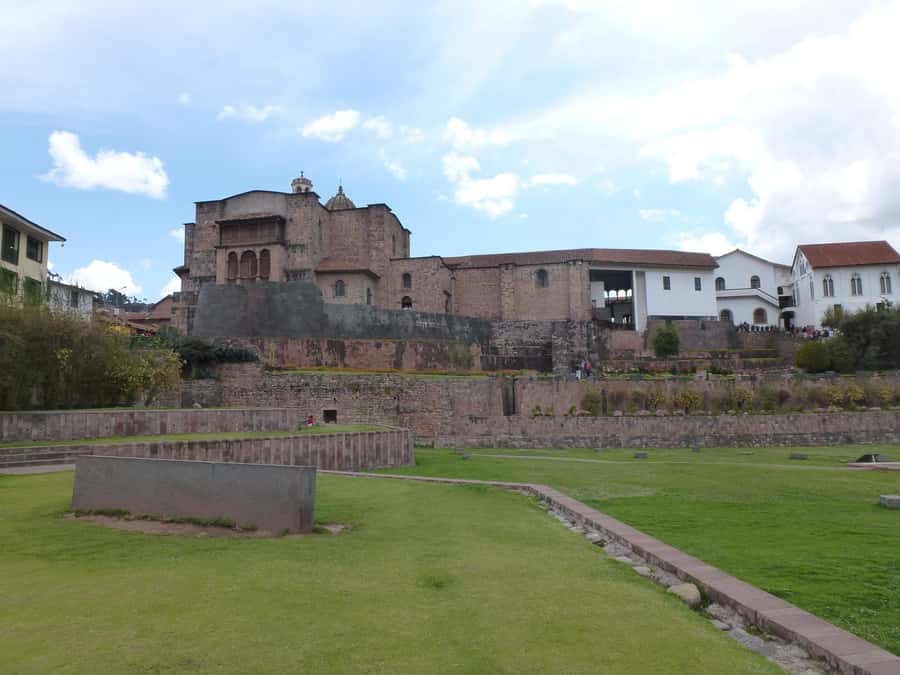
The tour starts with the Temple of the Sun at Qoricancha for about 40 minutes. This is a smart opening stop because it gives you context before you go looking at larger fortress-style ruins. You’ll hear how Inca sacred spaces were organized and why the site mattered.
What you’ll feel here is the sense of layers. Even if you already know the headline story, standing in the space helps you understand how power and belief worked in Inca Cusco. The explanations from the bilingual guide are geared toward helping you connect what you’re seeing with what it likely meant to the people who built it.
A bonus is how the lighting works in the morning. Even with moving clouds, the stone surfaces and surrounding viewpoints help you orient yourself for the rest of the day. Think of Qoricancha as your visual “map key.” After this, Sacsaywaman will make more sense.
The Short Ride To Sacsaywaman: Where Views Take Over
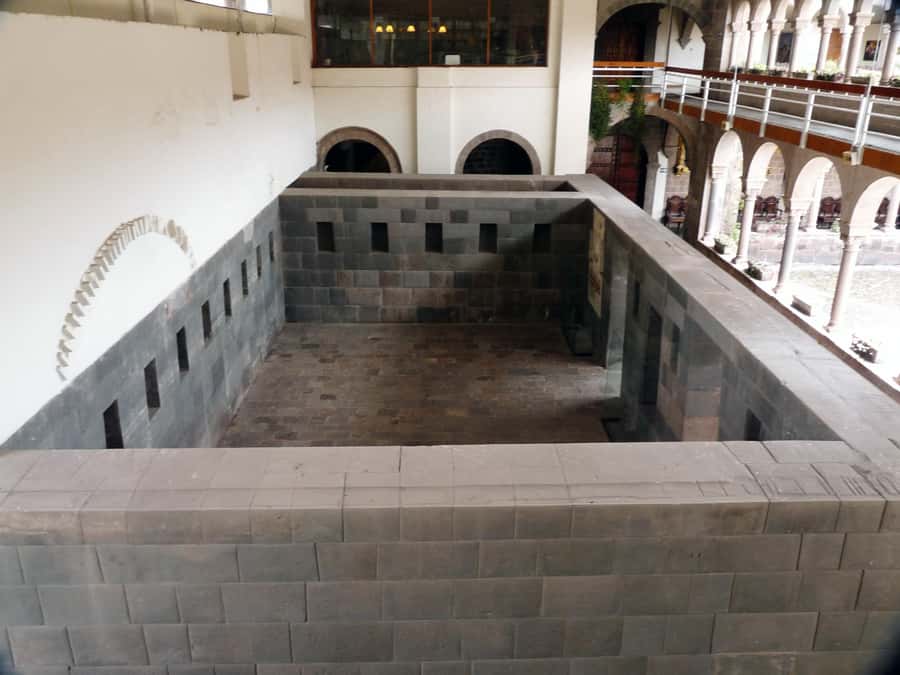
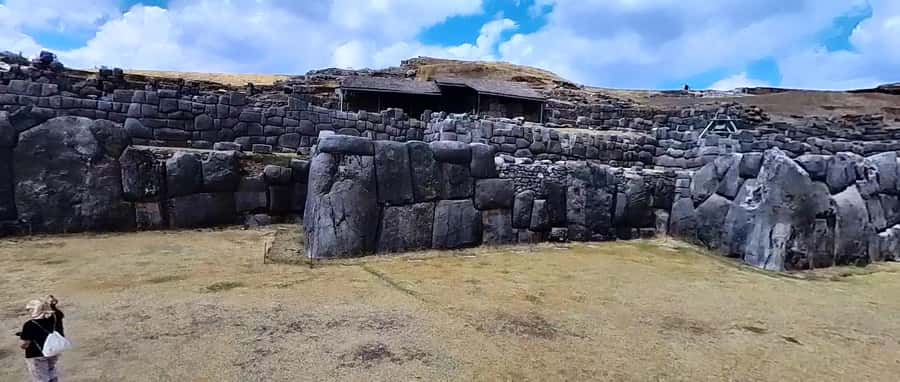
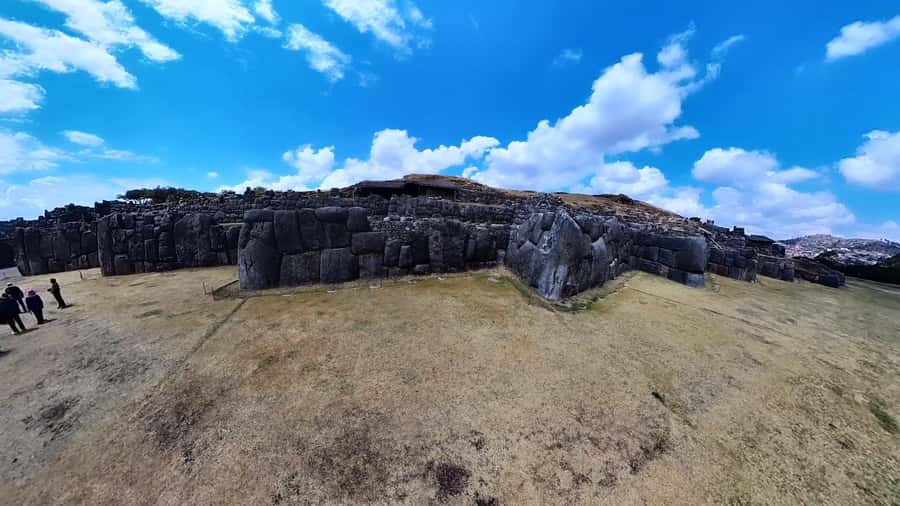
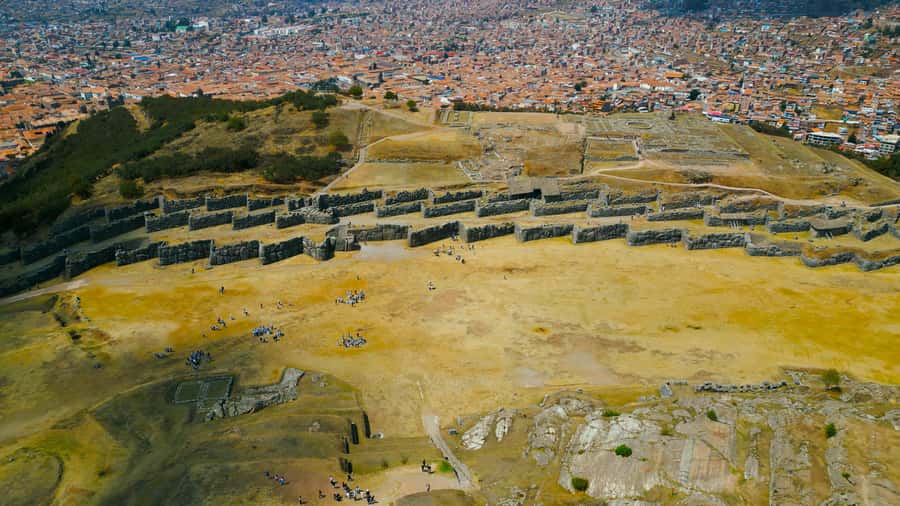
After Qoricancha you’ll transfer by bus/coach for about 20 minutes, then arrive at Sacsaywaman for another 40 minutes. This is one of the stops where Cusco looks like Cusco—high, dramatic, and surrounded by stone.
Sacsaywaman is famous for scale, but what I like most is the way the site frames the city and surrounding terrain. When you’re there with a guide, you’re not just staring at rocks. You’re learning how the fortress area fits into Inca power—both the military angle and the ceremonial/civic connection.
Here’s a practical reality check: the viewpoint benefits come with being outside and moving around. If you’re prone to altitude headaches, treat this stop as your “slow down” moment. Move carefully, drink water, and don’t force pace just to match the group’s rhythm.
Q’enqo: Rock Shapes That Make You Look Twice
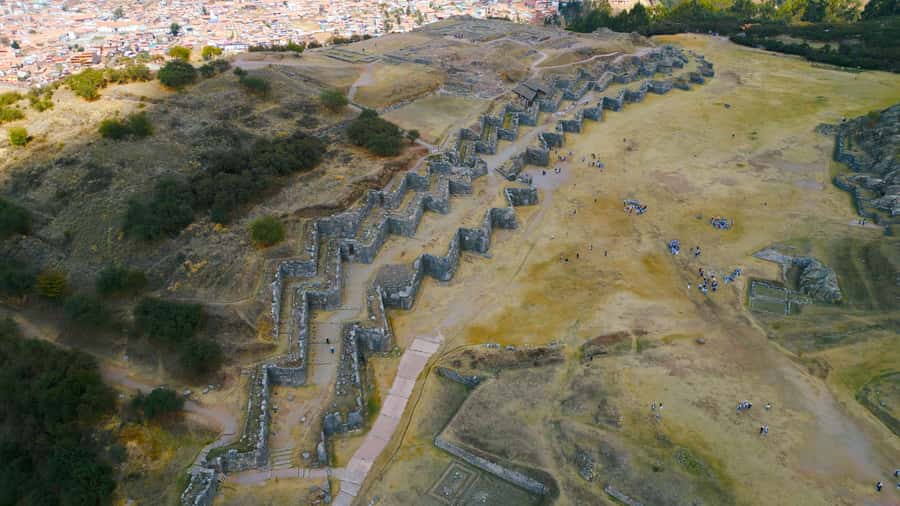
Next up is Q’enqo Archaeological Complex for about 30 minutes, with a short 5–10 minute ride between stops. Q’enqo is the kind of place where you start spotting details you’d miss if you only had a quick look.
This stop is valuable because it breaks the pattern. Instead of only fortress walls and broad panoramas, Q’enqo invites you to notice the relationship between carved rock features and the terrain. With the guide explaining what you’re looking at, the strange shapes start feeling intentional rather than random.
If you learn best through specifics, Q’enqo will work for you. It’s a reminder that Inca engineering wasn’t only about big structures. It was about how the landscape could become part of ritual and function.
Puca Pucara: The Stop That Adds Personality
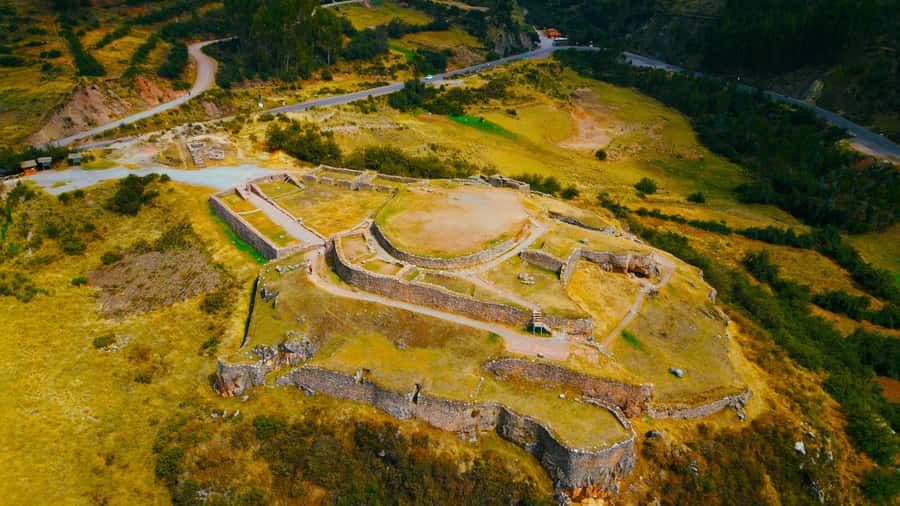
You’ll then head to the Puca Pucara area (about 20 minutes). This isn’t the biggest name on the list, and that’s exactly why I like it. It adds texture to the day. By now, you’ve seen sacred space and fortress energy. Puca Pucara helps you round out the Inca picture without making the day feel repetitive.
You’ll likely notice how the site’s setting changes your viewing angle. It’s a more “look around” stop, and it helps you get a better feel for why these places were placed where they were. The guide’s job here is key: they’ll keep you from treating it like a roadside detour and help you understand what makes it matter.

Tambomachay: Water, Stone, and Inca Practical Genius
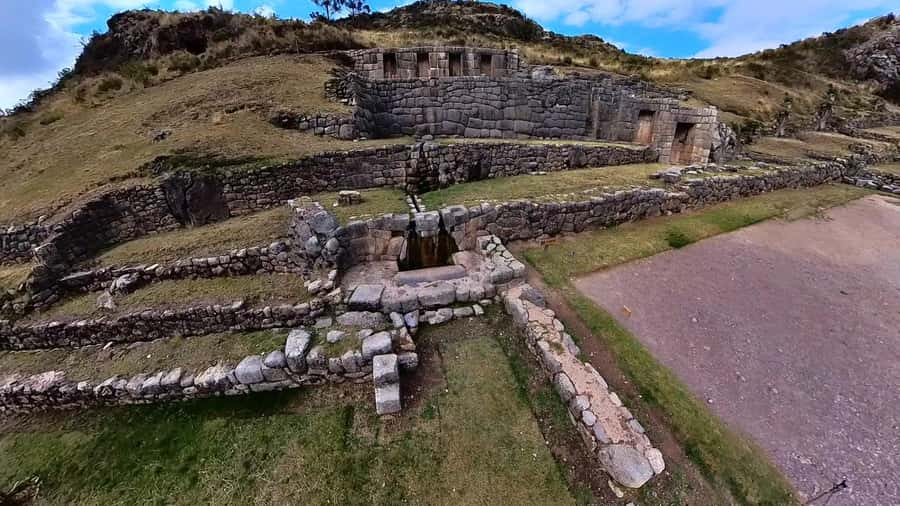
The final archaeological stop on the circuit is Tambomachay for about 30 minutes. It’s a great way to end because it leans into something practical and human: the relationship between water, maintenance, and landscape design.
Even if you’re tired by this point, Tambomachay is the kind of place where the physical setting helps the explanation stick. You’re not just hearing about Inca life—you’re looking at the infrastructure that supported it.
The ride back to Cusco is about 20 minutes, and your tour finishes close to the central area (Plaza Kusipata). That’s helpful. You can return to your afternoon plans without needing to figure out transportation from a far edge of the region.
Price and Entry Tickets: What $15 Really Means
At about $15 per person, this tour is priced like a practical sampler: transport and a bilingual guide included, plus the core stops most people come for. The thing to know is that archaeological entry tickets are not included. You’ll need to bring 90 soles in cash for the ticket cost.
So the real value is in the guidance and logistics. You’re paying to avoid the hassle of coordinating multiple sites on your own, while still getting explanations at each stop. If you’re the type who enjoys learning what you’re seeing (not just taking photos), that’s where the money makes sense.
If you’re on a tight budget, double-check your total. You’ll want cash for tickets. If you don’t carry cash easily, factor in time and effort to get it before the morning start.
The Language Mix: How English Gets Handled
The guide is listed as bilingual (Spanish and English). That’s good news, but real-world language balance can vary.
On one booking experience, there were only a couple of English speakers on the tour, and the guide attempted to balance languages but spoke more Spanish. That doesn’t mean you’ll be left out—but it does mean you should prepare yourself for partial English depending on the group.
My advice: if you want the most English support, ask questions early. Point out what you’re confused about. Even short exchanges can help you track the story the guide is telling.
If Spanish is your stronger language, you’ll likely find the explanations easier to follow in real time. Either way, bring your patience. Cusco history can be detailed, and there’s a lot of information packed into a short morning.
Pace, Altitude, and That Pressure to Keep Moving
This half-day tour is built around multiple stops, timed visits, and frequent transitions by bus/coach. That structure is efficient. It’s also why altitude can feel more intense than you expect.
One helpful caution from an experience: if you’re still adapting to Cusco altitude, this might feel harder than other famous high-altitude sites you’ve heard about. That doesn’t automatically mean “don’t do it,” but it does mean you should judge how your body is doing right now.
If you’re new to altitude:
- take it slow at the first outdoor viewpoints
- stop for breath even if it feels like you’re falling behind
- drink water and don’t treat this like a quick hike
If you’re already acclimated and your breathing feels steady, this tour is a strong way to learn the region’s Inca layout without committing to an entire day.
Watch For Ongoing Sales Stops While You’re Out
Here’s the part many people don’t plan for: you may be asked to buy things during the ride and at stops where you’re brought in. In at least one experience, sellers kept showing up continuously during transport and where the group was taken.
This doesn’t ruin the tour. It’s more a question of your expectations and your boundaries. If you dislike sales pressure, be ready to politely decline and keep your eyes on the ruins.
If you want souvenirs, this tour might accidentally become your shopping route. If you do not, it still can work—just don’t assume you’ll have a totally distraction-free morning.
Who This Cusco Half-Day Ruins Tour Is For
This tour is best for you if you want:
- a focused Cusco introduction to major Inca sites
- a guided explanation instead of a self-guided scramble
- panoramic viewpoints without spending all day traveling
It’s especially good as your second or third day in Cusco, when you’ve already wrapped your head around breathing and walking at altitude. If you’re still adjusting, consider spending more time acclimating first.
It’s also a solid choice for travelers who like an organized structure. You’ll hit Qoricancha, Sacsaywaman, Q’enqo, Puca Pucara, and Tambomachay without needing to stitch together a plan across multiple tickets and transport choices.
On the other hand, if you hate any sales activity at all, or you want long, slow exploration with zero pressure, you may find the schedule and interruptions less enjoyable.
Should You Book It? My Practical Take
I think you should book this tour if you want a high-impact morning with the right mix of sacred space, fortress viewpoints, and smaller complexes that round out the Inca story. For around $15, with transport and a bilingual guide, the value is strong—as long as you show up prepared for the cash entry ticket.
You shouldn’t rush into it if you’re not acclimated yet, or if you’re very sensitive to outdoor time at altitude. Also, if sales pressure will annoy you, go in with a plan to decline calmly and move on.
If you match those conditions, this is a smart way to understand Cusco’s Inca landscape quickly and get your bearings fast for the rest of your trip.
FAQ
How long is the Cusco half-day ruins tour?
It lasts about 5 hours in total.
Where do I meet the tour?
Pickup is at 8:45 am at the water fountain in the center of Cusco’s main square (Plaza de Armas). They will call you by name.
Which sites are included?
You visit Coricancha (Temple of the Sun), Sacsaywaman, Q’enqo, Puca Pucara, and Tambomachay.
Are entry tickets included in the price?
No. Entry tickets are not included, and you need to bring 90 soles in cash for the archaeological centers.
What languages will the guide speak?
The tour guide provides bilingual service in Spanish and English.
Is the tour wheelchair accessible?
Yes, it is listed as wheelchair accessible.
What is the cancellation policy?
You can cancel up to 24 hours in advance for a full refund.