REVIEW · BUENOS AIRES
Buenos Aires: 7 Hour Small Group “BA 101” Walk
Book on GetYourGuide →Operated by BuenosTours · Bookable on GetYourGuide
Buenos Aires rewards slow looking, and this walk is built for it. I like the semi-private small group feel and the way you cover big-city landmarks without feeling rushed. You also get a guide who answers real questions about history, culture, and everyday life while keeping things lively.
Two things I’d pick as top strengths: you hit signature sights like Recoleta Cemetery and Plaza de Mayo, and you move efficiently using metro/public transport instead of just waiting around. One thing to consider is that it is an all-day walk (7 hours), so comfy shoes matter, and it’s not suitable if you’re dealing with a cold or mobility limits.
In This Review
- Key Takeaways: BA 101 in a Nutshell
- Entering Buenos Aires on Foot: Why This 7-Hour Plan Works
- Barrio Norte Morning: El Ateneo, Plaza Rodriguez Peña, and a Can’t-Miss City Park Moment
- Palacio de Aguas Corrientes: The Waterworks Building That Feels Like a Surprise
- Recoleta Cemetery and Evita’s Lasting Presence
- Plaza Francia, Our Lady of Pilar Church, and Colonial-Era Architecture
- Teatro Colón and Plaza Lavalle: Opera, Power, and Government Buildings
- Avenida 9 de Julio and Avenida Corrientes: The Famous Avenue, the Photo Op, and Classic Cafés
- Florida Street and Galería Güemes: Shopping Streets with Real Architecture
- Plaza de Mayo and Casa Rosada: From 1580 Founding to Today’s Balcony Politics
- San Telmo Ending: Plaza Dorrego, the Indoor Market, and Defensa Street Cobblestones
- What $160 Buys You: Value, Included Costs, and the Real Time-Saver
- Guide Style: Why Personal Stories Make the Architecture Stick
- Who Should Book This Walk (and Who Might Skip)
- Should You Book BA 101?
- FAQ
- Where does the tour start and where does it end?
- How long is the Buenos Aires BA 101 walk?
- Is this tour private or group-based?
- What language is the guide?
- What’s included for food and drinks?
- Are transportation costs included?
- Are entrance fees included?
- What should I bring, and what should I avoid?
- Is the tour suitable for families or wheelchair users?
Key Takeaways: BA 101 in a Nutshell
- Small group capped at 7 means more back-and-forth with your English-speaking guide.
- Entrance fees are included, including Recoleta Cemetery (listed as value starting around US$15+ per person).
- You get local lunch plus coffee, so you’re not hunting for food between neighborhoods.
- Metro and public transport are part of the plan, helping you see more in a single day.
- The route covers multiple Buenos Aires styles, from leafy Barrio Norte to atmospheric San Telmo.
Entering Buenos Aires on Foot: Why This 7-Hour Plan Works
This BA 101 walk is a smart way to get oriented fast, especially if you only have one day (or just want a strong first day that helps you plan a return). The day is paced like a city tour should be: enough structure to cover the classics, plus guide-led stops where you actually learn what you’re looking at.
You start in Barrio Norte and end in San Telmo, so you’re moving through the city’s personalities rather than repeating the same blocks. And because the group is small, the guide can tailor answers as people ask about politics, architecture, food, or what certain neighborhoods feel like day to day.
You can also read our reviews of more walking tours in Buenos Aires

Barrio Norte Morning: El Ateneo, Plaza Rodriguez Peña, and a Can’t-Miss City Park Moment
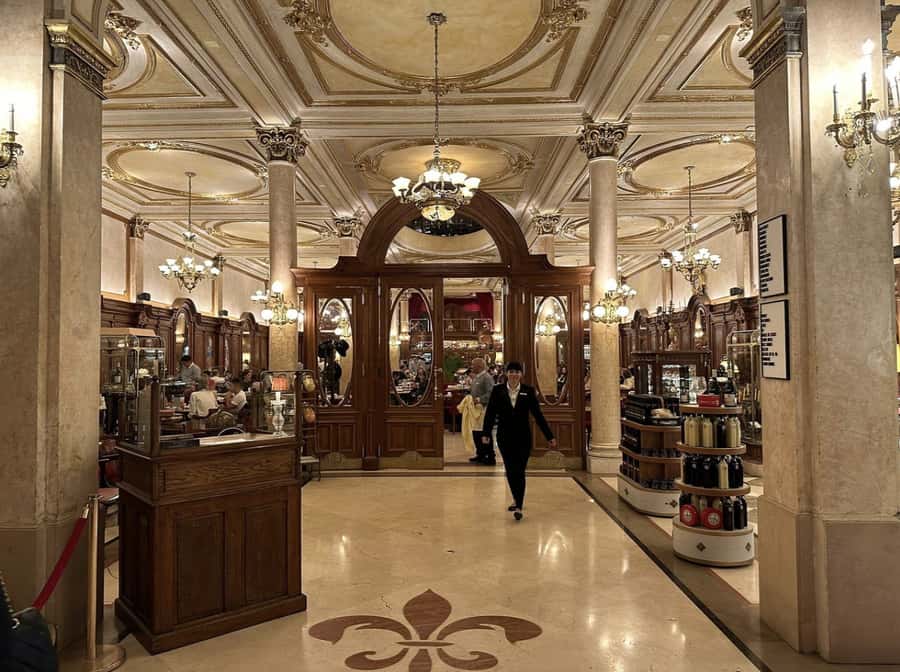
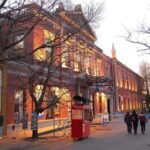
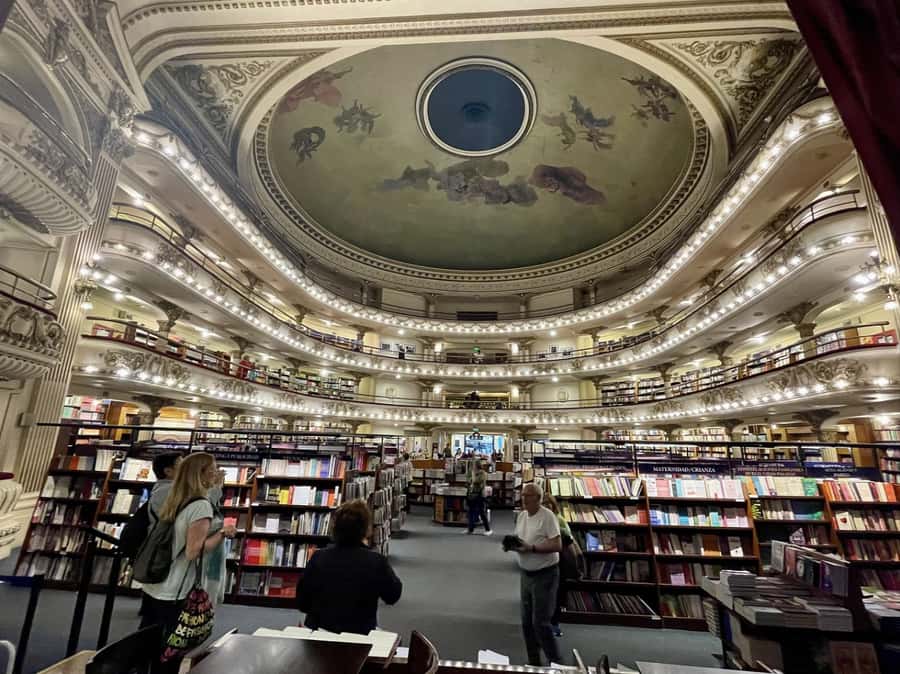
Your morning begins in the Recoleta/Barrio Norte area near the Santa Fe and Callao intersection, and right away you get that Buenos Aires “how is this so beautiful?” feeling. One of the first major stops is El Ateneo Grand Splendid, widely known as one of the most beautiful bookstores in the world. Even if you’re not a book person, it’s a great lesson in how the city reuses dramatic old spaces.
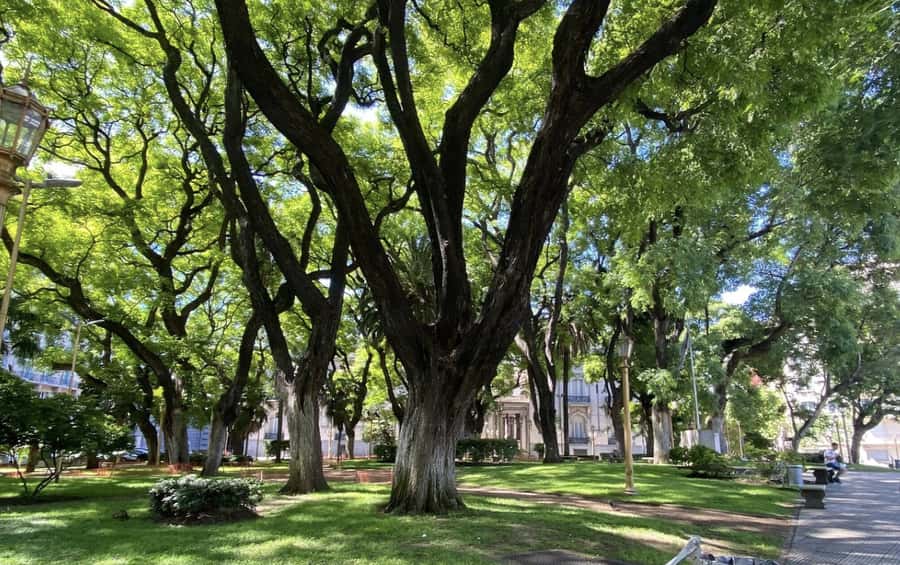
Next comes the leafy calm of Plaza Rodriguez Peña. This is where the tour shifts from landmark sightseeing to context: you learn what the area has meant over time, and you’ll see Palacio Sarmiento, tied to Argentina’s Ministry of Education. It’s the kind of stop that helps you read the city—beyond facades—so later plazas and buildings make more sense.
Practical note: plazas like this are also perfect for regrouping. If you need a breather, it’s built into the rhythm.
Palacio de Aguas Corrientes: The Waterworks Building That Feels Like a Surprise
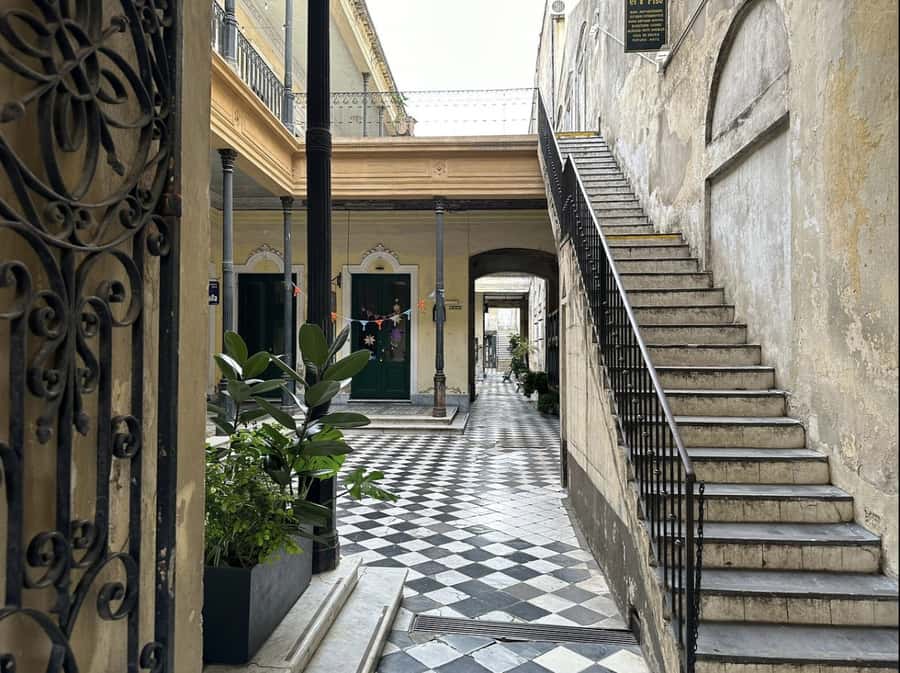
After the bookstore and park, you’ll visit Palacio de Aguas Corrientes, one of those Buenos Aires spots that looks like a movie set. The tour doesn’t treat it like a quick photo stop. Instead, you get the story behind the building, which makes the architecture feel earned rather than random.
This is a good example of what makes a guided walk more valuable than a self-guided route: you can see a stunning facade, but without the background you might miss why it exists in this particular place and what it signaled at the time.
Recoleta Cemetery and Evita’s Lasting Presence
Then comes Recoleta Cemetery, and it deserves its own focus. The tour describes it like a city within a city, and that’s exactly the feeling you get when you’re walking among elaborate tombs and mausoleums. It’s not just a cemetery; it’s a public history lesson written in stone and symbolism.
A centerpiece here is Eva Perón’s final resting place—Evita’s tomb. Alongside it, you’ll see countless elaborate mausoleums that reflect Argentina’s prominent families and the way status and memory were expressed. The guide helps you understand how to look: who built what, why certain designs appear, and how the cemetery fits into the city’s story.
A heads-up: cemeteries are emotionally heavier spaces. If you’d rather keep things light, plan to take breaks and don’t rush the walking portions inside.
Plaza Francia, Our Lady of Pilar Church, and Colonial-Era Architecture
From Recoleta you continue into stops that feel calmer but equally meaningful. Plaza Francia and the Our Lady of Pilar Church give you a strong look at colonial-era architecture that has held up well over time.
This section is useful because it balances the more dramatic moments. After Recoleta Cemetery, it’s nice to reset your eyes with a different kind of detail—church shape, materials, and design choices that help you understand Buenos Aires’ layering of eras.
Teatro Colón and Plaza Lavalle: Opera, Power, and Government Buildings
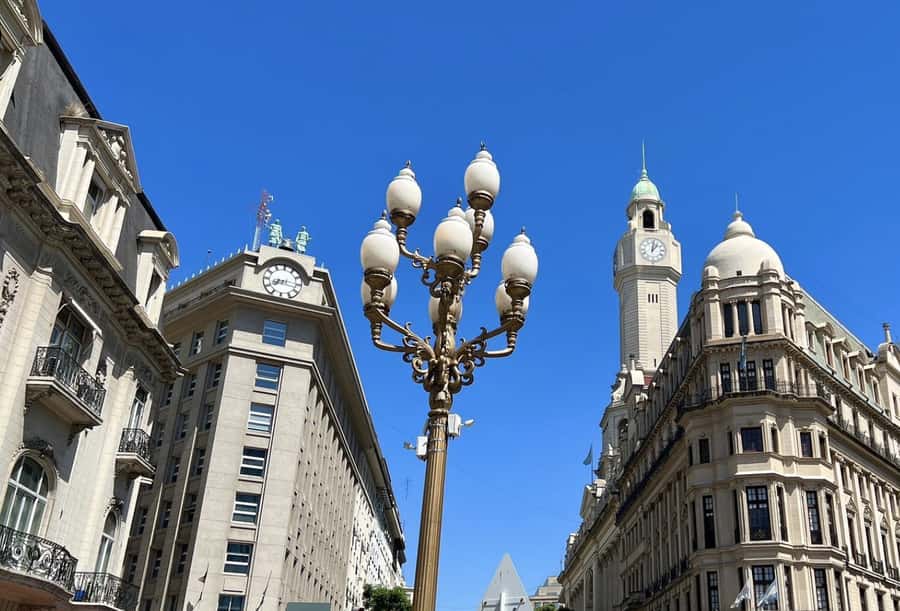
Next, the tour heads toward the San Nicolás neighborhood with stops that explain the city’s cultural and political center. Teatro Colón is on the list, and even if you don’t catch a performance, seeing the outside with context is worth it. It’s one of the symbols that tells you Buenos Aires has long treated the arts as a serious business.
You’ll also stroll through Plaza Lavalle, including the Palacio de Justicia de la Nación, home to Argentina’s Supreme Court. This is a good contrast with earlier stops: you move from art and faith to institutions and authority, and the guide ties the visual cues back to what’s happening in the country’s public life.
If you like photos, this area gives you lots of “vertical” material—columns, facades, and wide squares that frame well.
Avenida 9 de Julio and Avenida Corrientes: The Famous Avenue, the Photo Op, and Classic Cafés
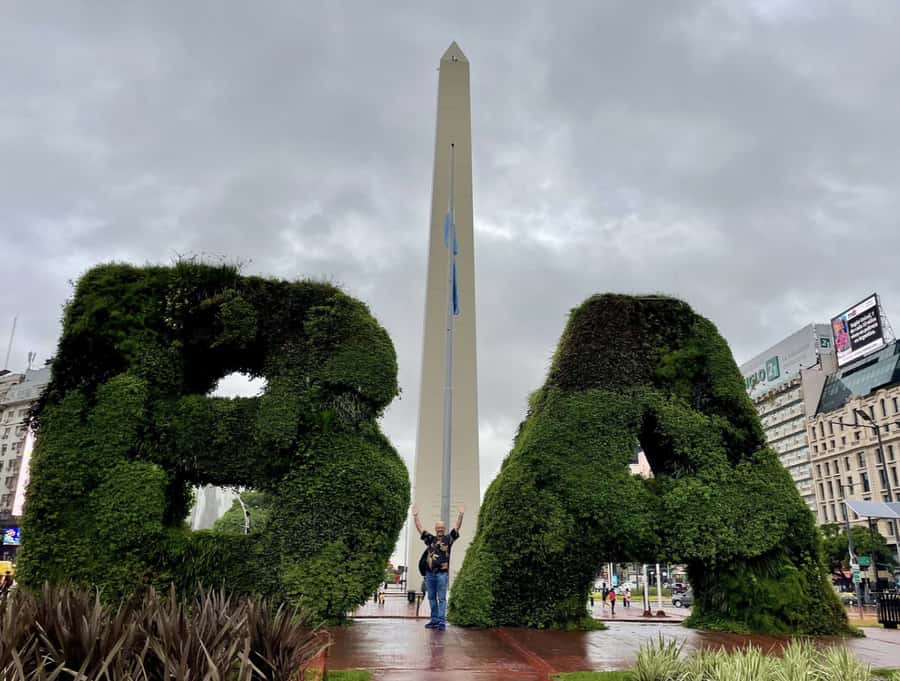
Now you hit one of the most iconic city streets in the world: Avenida 9 de Julio. This is where the day turns outward, with open views and big scale. You’ll see the Buenos Aires Obelisco and get the chance for that “green BA” photo opportunity.
After that, you walk down Avenida Corrientes, known as the street that never sleeps. The tour also includes Confiteria La Ideal, a restored old cafe. This stop works well if you like architecture and atmosphere, because it shows how Buenos Aires preserves older interiors while still functioning as a living city.
Timing matters here: Corrientes can feel energetic and crowded. The group size keeps it manageable, but if you’re sensitive to noise, keep that in mind.
Florida Street and Galería Güemes: Shopping Streets with Real Architecture
From there, you move through Florida Street, the main pedestrian shopping area. The highlight here is Galería Güemes, a gorgeously detailed building. Even if you’re not planning to buy anything, it’s an easy place to slow down and look at the design.
This is the “city pulse” section: storefront energy, people-watching, and that sense that Buenos Aires is always doing something. It’s also a nice reset before the heavier political and historic stops ahead.
Plaza de Mayo and Casa Rosada: From 1580 Founding to Today’s Balcony Politics
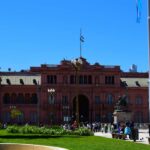
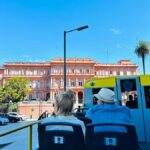
In the City Center area (Monserrat), you get to the heart of the story: Plaza de Mayo and the Casa Rosada. The tour frames the square in the founding timeline—how Buenos Aires began to grow from this central point in 1580—so you’re not just walking past a postcard.
At Casa Rosada, you’ll see the executive government branch and the famous balcony where President Perón and first lady Evita used to address crowds. Whether you’re a politics person or not, this stop clarifies why the city’s central buildings keep repeating in public memory.
The tour also points out older sites in Buenos Aires, including the first church, street, and business in the city, plus the oldest subway line in the southern hemisphere. Even if you don’t ride it, knowing that it exists right here changes how you interpret the modern street grid.
Then you’ll visit the Buenos Aires Cathedral, described in the itinerary as the resting place of Argentina’s independence hero. It also notes that Pope Francis used to give mass here. That kind of detail matters because it turns a big building into a living reference point.
San Telmo Ending: Plaza Dorrego, the Indoor Market, and Defensa Street Cobblestones
The tour finishes in San Telmo, which is a perfect way to end a long walking day because the neighborhood feels like it’s for strolling. You start with Plaza Dorrego, one of the oldest and most popular squares, where bars and restaurants line the edges and handicraft sellers add that market-slow vibe.
Then comes the San Telmo Indoor Market—an iron structure built in 1897. You’ll find antiques, souvenirs, and restaurants, plus local market vendors with fresh produce. This is where the day gets practical: if you want to keep exploring after the tour ends, you’re surrounded by places to eat and browse without needing a long transit plan.
Finally, you’ll walk Defensa Street, a cobblestone road through the heart of San Telmo, famous for antique dealers and original Spanish and Italian architecture. Ending on cobblestones and old storefronts is a great way to carry the city’s “texture” in your mind after you leave.
What $160 Buys You: Value, Included Costs, and the Real Time-Saver
At US$160 per person for a 7-hour small group walk, the value depends on what you’d otherwise do on your own. The tour includes an expert guide, entrance fees (including Recoleta Cemetery), coffee, a local lunch (main + beverage), all public transport, and a bottle of water.
That list matters because it removes the usual Buenos Aires uncertainty: you don’t have to figure out which sites are worth paying for, you don’t have to plan transit between distant neighborhoods, and you don’t have to hunt for food until you’re tired. Lunch plus beverage alone can be a big chunk of the day, and adding metro/bus costs without thinking about it makes the total feel more reasonable.
It’s also worth noting the group size: with only up to 7 participants, you’re paying for a guide’s time and attention, not just a ticket to a checklist of stops.
Guide Style: Why Personal Stories Make the Architecture Stick
One of the best parts of BA 101 is the way the guide connects people to places. In the feedback you’ll hear a lot about guide skill and language comfort, and it’s easy to see why: at the landmarks like Recoleta and Plaza de Mayo, a simple walkthrough won’t explain how Buenos Aires became what it is.
I especially like the idea that you’ll get both history lessons and the kind of human, day-to-day details that help you interpret the city. If you end up with a guide like Tracy or Chris, the tone is described as friendly, confident, and strong on answering questions—exactly what you want when your schedule is tight.
Who Should Book This Walk (and Who Might Skip)
This tour fits best if you want a strong overview and you enjoy walking between different neighborhoods. It’s ideal if you’re the type who likes to understand what you’re seeing—architecture, public spaces, and how culture and politics intersect.
It’s not the best match if you need wheelchair access, if you’re traveling with children under 10, or if you’re dealing with illness (it lists people with a cold as not suitable). It also notes that people over 95 aren’t suited, which is important for a long day on foot.
If you’re visiting in a limited time window, this is a practical way to decide where you want to return. After a route like this, your second day can be more targeted instead of guesswork.
Should You Book BA 101?
Book it if you want a guided day that covers the big Buenos Aires hits—Recoleta Cemetery, Plaza de Mayo, Teatro Colón, San Telmo—and you prefer learning while you walk. You’ll also appreciate the small group size and the fact that food and key transit elements are included.
Skip or consider something else if you hate long walking days, need strong mobility support, or want a more relaxed pace with fewer “scheduled” stops. For most visitors, though, this is a solid use of one day: you get bearings, context, and plenty of photo-worthy city moments.
FAQ
Where does the tour start and where does it end?
The tour starts at 10:00am in the Recoleta/Barrio Norte area near the corner of Av. Santa Fe and Av. Callao. It ends at 5:00pm in San Telmo, near plenty of places to eat, drink, and shop.
How long is the Buenos Aires BA 101 walk?
The total duration is 7 hours, walking through multiple neighborhoods and seeing major landmarks along the way.
Is this tour private or group-based?
It’s a small group tour with a limit of 7 participants.
What language is the guide?
The live tour guide speaks English.
What’s included for food and drinks?
You get morning coffee (or an equivalent-priced drink), plus a local lunch that includes main + beverage. The tour also includes a bottle of water.
Are transportation costs included?
Yes. All public transport used during the tour (local bus and subway) is included.
Are entrance fees included?
Yes. Entrance fees are included for historical sites, including Recoleta Cemetery (listed as value starting around US$15+ per person).
What should I bring, and what should I avoid?
Bring comfortable shoes for the walking. Smoking is not allowed.
Is the tour suitable for families or wheelchair users?
It’s not suitable for children under 10, and it’s not suitable for wheelchair users. It also lists people with a cold and people over 95 years as not suitable.