REVIEW · CUSCO
Cusco: Half-Day Horseback Riding at Devil’s Balcony
Book on GetYourGuide →Operated by Andina Expeditions · Bookable on GetYourGuide
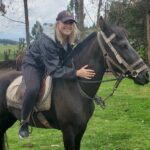
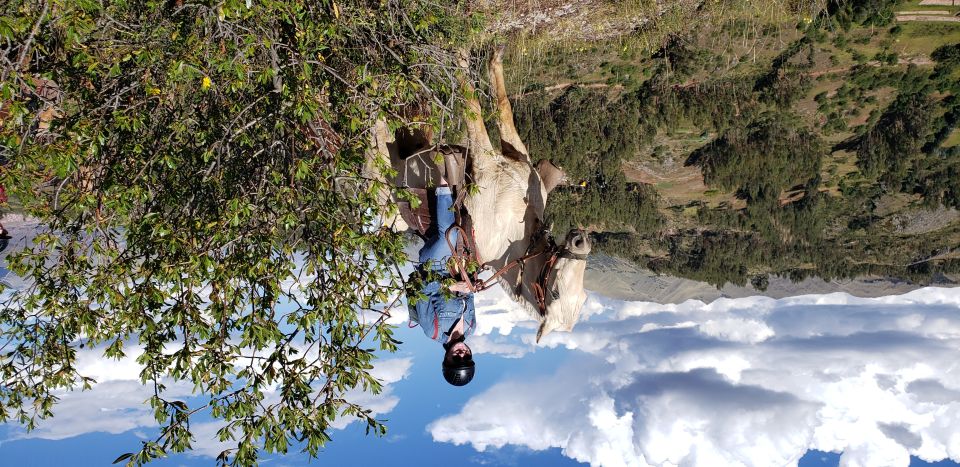
Horseback over Cusco feels unreal. I like how the tour uses well-trained horses matched to your experience, and I love the mountain-top views above the city. One caution: it’s a half-day that centers on Devil’s Balcony, so the Moon Temple may not be part of this shorter option.
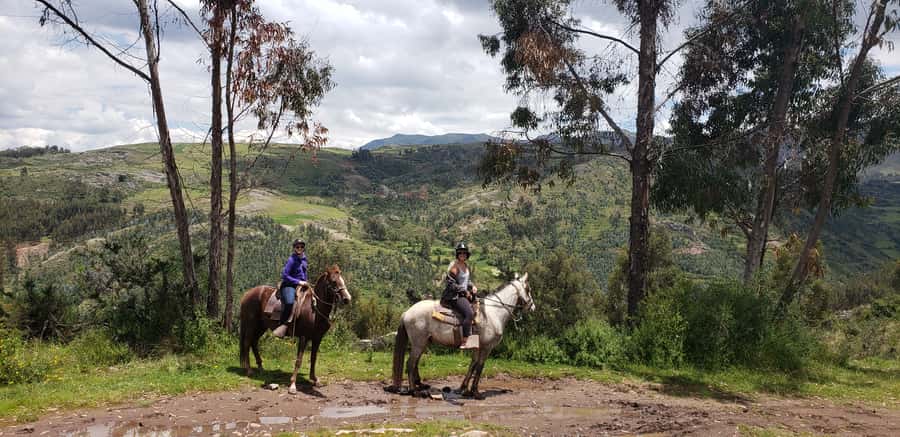
After pickup from central Cusco, you’re taken to a ranch near Sacsayhuaman for a short ride briefing and safety helmets. Then you head out toward Chacan (Devil’s Balcony), with guided stops where your guide explains what you’re seeing.
The whole thing runs about 4 hours, but it can stretch depending on how quickly you get comfortable in the saddle. If you’re over 200 lbs (91 kg) or pregnant, this ride isn’t suitable.
In This Review
- Key Points You’ll Care About
- Why Devil’s Balcony Plays So Well With Horses
- From Central Cusco to the Ranch by Sacsayhuaman
- The Horse Induction: How You Get Comfortable Fast
- The Ride Above Cusco: Farms, Animals, and Wide Views
- Chacan (Devil’s Balcony): The Rock Window and the River Cave
- Lanlakuyoc Stops and the Built-In Break
- Price and What $85 Buys You in Cusco
- Comfort Tips: What to Wear, How to Pace Yourself
- Guide Style and Names You Might Get (Ogir, Benny, Galan, Holger)
- Should You Book This Cusco Half-Day Horse Ride?
- FAQ
- How long is the Cusco horseback riding tour?
- Where do you get picked up?
- What languages are the guides?
- Is this tour suitable for beginners?
- What is Devil’s Balcony (Chacan)?
- Besides Devil’s Balcony, what other stops are included?
- Will I see the Temple of the Moon on this half-day?
- What’s included in the price?
- What should I bring?
- Who isn’t able to join?
Key Points You’ll Care About
- Trained horses for your level so first-timers still have an easy start
- Skip-the-line access at the Devil’s Balcony area via a separate entrance
- Chacan’s rock-and-window setup with a view down to the river and cave shrine
- Off-the-beaten-track countryside passing farms, herds, and less-frequented viewpoints
- Photo help from your guide in a way that’s actually useful
- A realistic pace with breaks built in so you don’t feel wrecked after
Why Devil’s Balcony Plays So Well With Horses
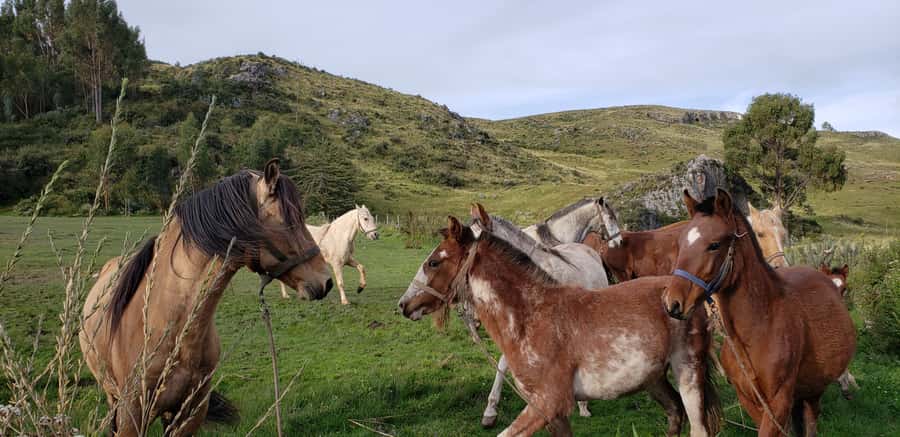
Devil’s Balcony (also called Chacan) is the kind of place that looks dramatic on a map—and even better once you’re there. It’s a large rock on the backside of Sacsayhuaman with a spectacular drop into a chasm. The feature that makes it click is simple: there’s a window/balcony where you can look down toward a river running underneath the rock, and below that balcony the river moves through a huge cave.
Seeing it while mounted changes the feel. You’re not just walking a path. You’re taking in Cusco from above, then rolling right into a viewpoint that has Inca-era spiritual gravity. The tour also breaks the day into stops, so it’s not just one long ride and then you’re dropped off.
One more plus: because it’s a half-day, you get out of the busy Cusco center and back without needing to block the whole day.
You can also read our reviews of more tours and experiences in Cusco
From Central Cusco to the Ranch by Sacsayhuaman
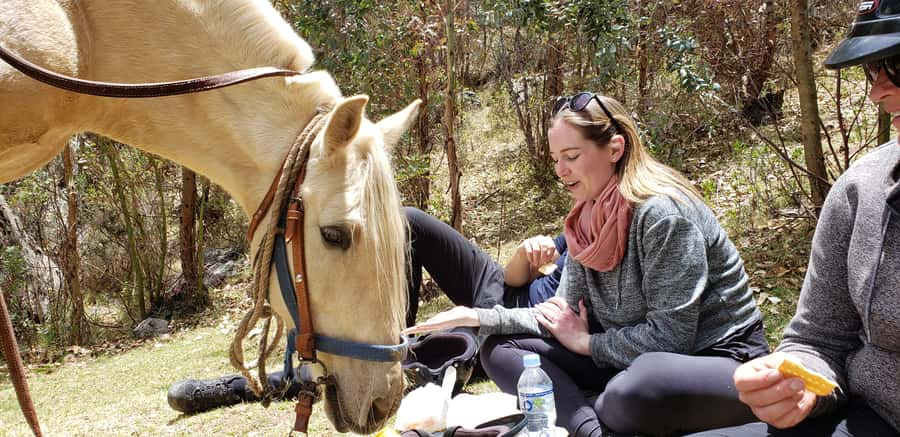
Pickup is included from central hotels in Cusco. You’ll want to wait in the lobby or at the hotel entrance for your guide. This matters more than you’d think in Cusco, where it’s easy for drivers to get turned around or for pickup points to get mixed up.
I’d also double-check the exact pickup spot the night before (and again that morning). One rider had pickup confusion when the group was sent to a wrong hostel, then it was corrected after verifying the reservation details. Small effort, big peace of mind.
Once you’re picked up, the drive takes you to a ranch near Sacsayhuaman—close enough to connect the dots with the broader Inca landscape, but far enough that the ride feels like an escape into the countryside.
The Horse Induction: How You Get Comfortable Fast
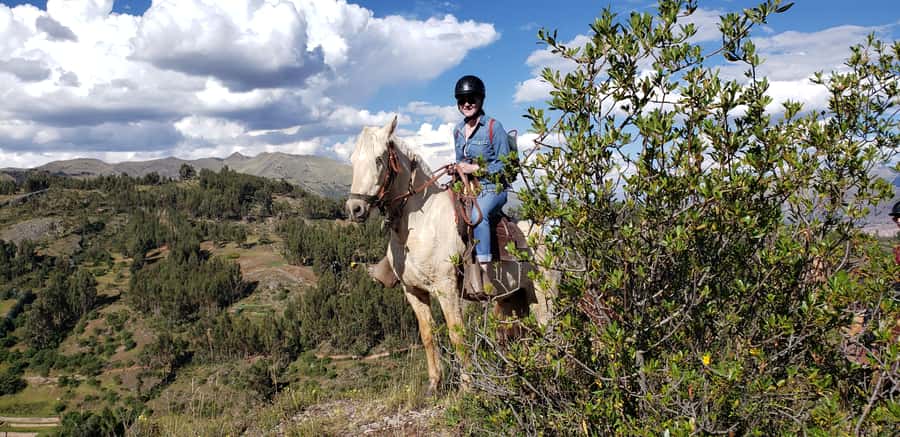
Before you start riding, you meet your horses and the muleteers. Then your guide runs a short induction—how to control the horse and how to lead it safely. This is where the tour earns its “works even if you’re new” reputation.
A few practical things this induction covers:
- getting on and off safely
- learning the basics of how your horse responds
- understanding how your guide will manage the group on the trail
Your horses are selected based on your experience and mood. That’s a smart approach. If you’re new, you don’t want a horse that’s going to test your nerves. If you have riding experience, you still want something responsive without turning the half-day into an advanced course.
Safety-wise, you get saddles, safety helmets, and a muleteer on hand. In the real world, that combination usually means fewer surprises and more confidence if something feels unfamiliar at first.
The Ride Above Cusco: Farms, Animals, and Wide Views
Once you’re mounted, the trail heads toward Devil’s Balcony. Along the way, you’ll pass farms and see herds of local animals. It’s not a staged set of scenery. It’s working countryside, with the Andes doing what the Andes do: changing light and depth every few minutes.
You’ll also get repeated viewpoints of Cusco and the surrounding area. This is one reason the tour feels different from the typical Cusco routine. You’re getting a bird’s-eye view while also moving through real terrain—not just one fixed lookout.
Your guide will stop along the way to explain points of interest. In several guides’ styles you can spot a pattern: they’re attentive, patient, and quick to help you frame photos. If you care about photography, this is one of the practical benefits—guides often help with timing and angles, and some provide picture support after the ride.
Chacan (Devil’s Balcony): The Rock Window and the River Cave
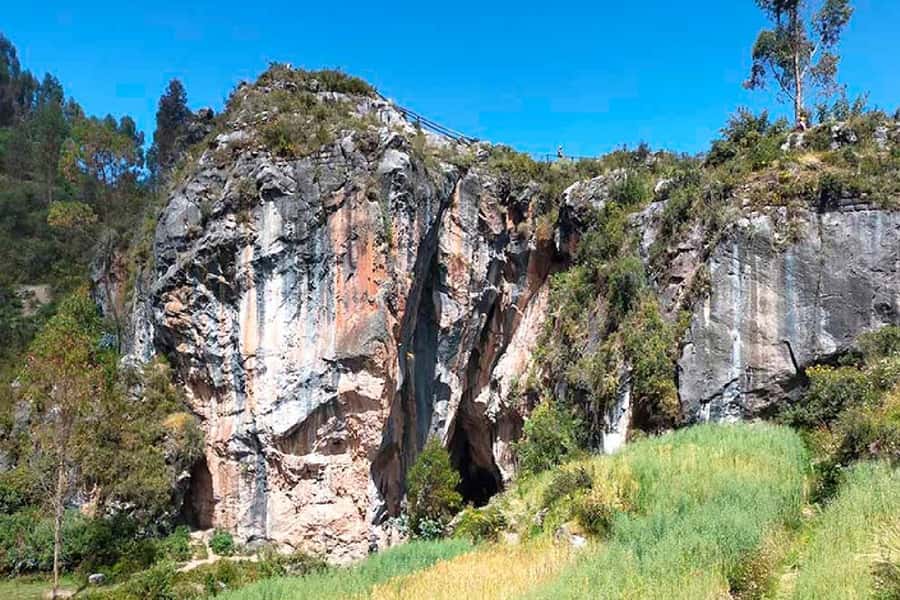
This is the headline stop, and it’s worth going in expecting something very specific.
Chacan/Devil’s Balcony is:
- on the backside of Sacsayhuaman
- a rock feature with a dramatic view into a chasm
- shaped around a window/balcony that overlooks a river below
- connected to a natural cave formation used as an Inca shrine
The view is the magic. You look through the balcony window area and down you can see the river’s path through a huge cave. Your guide pauses here so you’re not just staring—you understand what the place was used for and why the architecture and natural rock formation mattered to the Inca.
Another practical perk: the tour includes skip-the-line access via a separate entrance. That’s a real time-saver in a busy area where every minute counts.
How long you’ll spend at Devil’s Balcony depends on your pace, but the tour format is designed so you can look, listen, and take photos without feeling rushed or stranded.
You can also read our reviews of more tours and experiences in Cusco
Lanlakuyoc Stops and the Built-In Break
After Devil’s Balcony, the ride continues toward Lanlakuyoc. This is where the tour shifts from pure viewpoint time into more of the “why is this here?” side of the day.
Lanlakuyoc includes guided segments on horseback plus time where the guide explains what you’re seeing. It also includes a break—around 20 minutes—so you can catch your breath and reset. That break is more than comfort. It helps you stay present for the next stretch, especially if your first-time riding nerves are starting to fade (or if your legs are just getting a little tired).
Some riders were happy because the stops felt off the usual tourist path. If you want a Cusco experience that feels like it goes somewhere beyond the standard photo circuit, these additional stops are a big part of the value.
Price and What $85 Buys You in Cusco
At $85 per person for about 4 hours, this isn’t the cheapest thing you can do in Cusco—but it’s also not priced like a luxury ride. You’re paying for a full package of what matters on a horseback outing:
- hotel pickup and drop-off from central Cusco
- bilingual guide (English/Spanish)
- helmet and saddle setup
- muleteer support
- a route that combines scenic riding with structured interpretation at archaeological/natural sites
- skip-the-line style access at Devil’s Balcony
Compared with paying separately for transport, entry friction, and a guide, the bundled nature of the price is the point. It’s also a good value if you want “Cusco altitude, Inca sites, and countryside riding” without committing to an all-day program.
If you’re wondering about the Moon Temple specifically: one rider expected Moon Temple but was told that shorter tours focus elsewhere and full-day tours are the ones that reach it. That’s a good reminder to set expectations upfront based on your time window.
Comfort Tips: What to Wear, How to Pace Yourself
You don’t need special gear, but you do need the basics right.
Bring:
- hiking shoes
- long pants
- a daypack
Long pants help with saddle comfort and protect your legs. Hiking shoes matter more than sneakers because you’re moving in real terrain—getting on/off the horse and walking short sections near viewpoints.
Also go in knowing the timing is approximate. The tour adjusts to your experience and riding skills. If you’re cautious, it may feel slower. If you’re comfortable and you pick up the technique quickly, it can feel smoother.
One more small real-world note: you might notice plastic trash in some open areas near viewpoints. It’s not something you can fix on a half-day tour, but it’s good to be mentally prepared so it doesn’t distract you from the big views.
Guide Style and Names You Might Get (Ogir, Benny, Galan, Holger)
The guide can make or break a horseback tour because you’re always balancing motion, terrain, and explanations.
In the guide experiences shared, a few names keep coming up:
- Ogir
- Benny
- Galan
- Holger (sometimes spelled Olgar/Olgar in confirmations)
Common threads across these guides:
- they teach technique before you ride
- they’re patient with first-time questions
- they share historical context tied to what you’re seeing
- they help with photos (including taking pictures for later)
If you’re riding for the first time, you can take comfort that your guide’s job includes getting you on and off the horse confidently. If you already have experience, you might even get a chance to try the Peruvian gait style on a suitable horse—but don’t assume. Ask your guide once you’re comfortable.
Should You Book This Cusco Half-Day Horse Ride?
Book it if you want:
- a short escape from Cusco with real countryside riding
- a guaranteed viewpoint moment at Chacan/Devil’s Balcony
- a tour format that includes safety gear, induction, and guided stops
- off-the-usual-path Inca sites around Sacsayhuaman
Skip it if:
- you need the Moon Temple as a must-do and only have half a day (you may need a full-day option)
- you fall under the limitations: pregnancy or over 200 lbs (91 kg)
- you’re unwilling to ride a few hours with basic technique adjustments
One last practical tip: if your schedule is flexible, look for the free cancellation window offered (up to 24 hours in advance) so you can adjust if weather or your Cusco rhythm changes.
FAQ
How long is the Cusco horseback riding tour?
It’s listed at about 4 hours total, though the exact duration is approximate and can depend on your riding experience and comfort.
Where do you get picked up?
Pickup is included from central Cusco hotels. You should wait in the lobby or at the hotel entrance for your guide.
What languages are the guides?
The guide speaks both English and Spanish.
Is this tour suitable for beginners?
It includes a basic induction so you learn how to control and lead the horse safely, and horses are selected based on your experience and mood—so first-time riders are able to join.
What is Devil’s Balcony (Chacan)?
Chacan is an archaeological and natural heritage site on the backside of Sacsayhuaman. It’s a large rock with a spectacular view of a chasm, including a balcony/window overlooking the river, with a cave formation below that was used as an Inca shrine.
Besides Devil’s Balcony, what other stops are included?
You’ll also visit Lanlakuyoc and have a break during that part of the ride.
Will I see the Temple of the Moon on this half-day?
This half-day focuses on Devil’s Balcony/Chacan and nearby stops. If you specifically want the Moon Temple, you may need a full-day tour.
What’s included in the price?
Included are hotel pickup and drop-off from central Cusco, a bilingual English/Spanish guide, saddle, safety helmets, and a muleteer.
What should I bring?
Bring hiking shoes, long pants, and a daypack.
Who isn’t able to join?
The tour is not suitable for pregnant women and people over 200 lbs (91 kg).
If you want, tell me your riding experience (first-timer or not) and your hotel area in Cusco, and I’ll help you decide whether a half-day is enough or if you should plan for a longer Inca day.