REVIEW · BOGOTA
Bogotá: Guided La Candelaria Walking Tour
Book on GetYourGuide →Operated by Gran Colombia Tours · Bookable on GetYourGuide
Bogotá can feel like a puzzle at first, but La Candelaria helps it click. I like the mix of architecture and street art you can only really notice when you walk slowly, and I also like the food tastings that turn the neighborhood into something you taste, not just photograph. One thing to weigh: this is a walking tour, and time at the market can feel tight if you want to linger.
What makes this tour work is the guide. Names like Juana, Jose, Luis, and Lesley come up again and again for strong English, clear explanations, and the way they connect today’s streets to Colombia’s social and political past. If you hate crowds or long history talk, tell your guide early so they can pace the story around you.
In This Review
- Key things you will notice on this tour
- La Candelaria is the fast track to real Bogotá
- Baroque, Art Deco, and colonial houses: your camera will work harder here
- A practical note
- Street art alleys: the story behind the walls
- La Concordia market: fruit tasting that feels like a local errand
- What to do with the market stop
- One drawback to consider
- Carrera Séptima and Bolívar Square: the big-city heartbeat
- Why this stop is worth your time
- The Gold Museum area and other central sights you will understand better later
- How long is enough: 3 to 7 hours and what changes on the ground
- Price and value: why $16 can feel like a bargain in Bogotá
- One more value tip
- Who this La Candelaria tour fits best
- Should you book this La Candelaria walking tour?
- FAQ
- What’s included in the Bogotá La Candelaria walking tour?
- How long is the tour?
- What languages are the guides?
- What should I bring?
- Will the tour run in bad weather?
- Can I add a bike tour on the same day?
- What’s the cancellation policy?
Key things you will notice on this tour
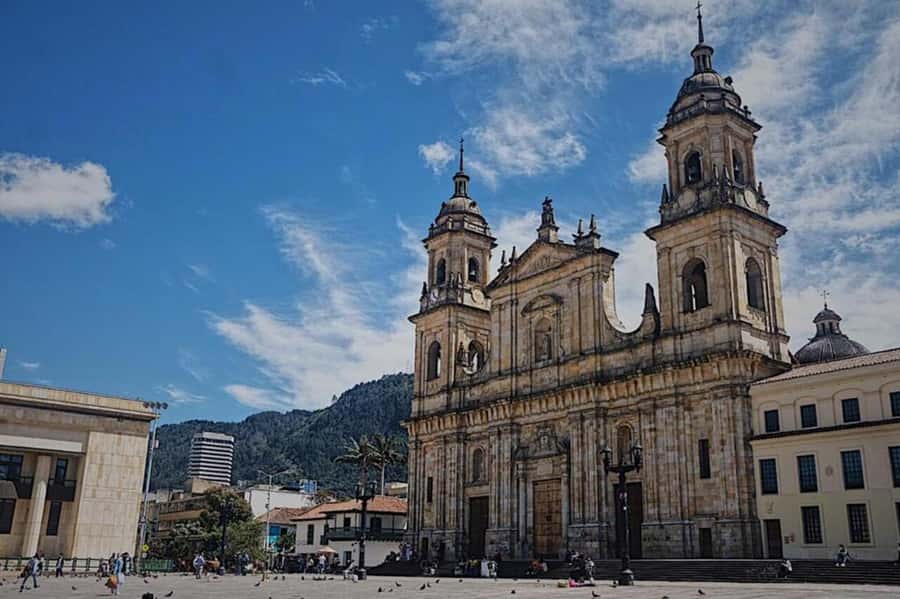
- La Candelaria’s architectural contrasts: Baroque, Art Deco, and colonial styles in the same neighborhood
- Street art alleys with context: not just photos, but why the art exists and what it says
- La Concordia market time plus fruit tasting: a local-feeling stop instead of a tourist snack
- Carrera Séptima and Bolívar Square: the big-city spine and the political heart
- A guided route that usually covers more than the postcard spots—including passing key museums and central sights
La Candelaria is the fast track to real Bogotá
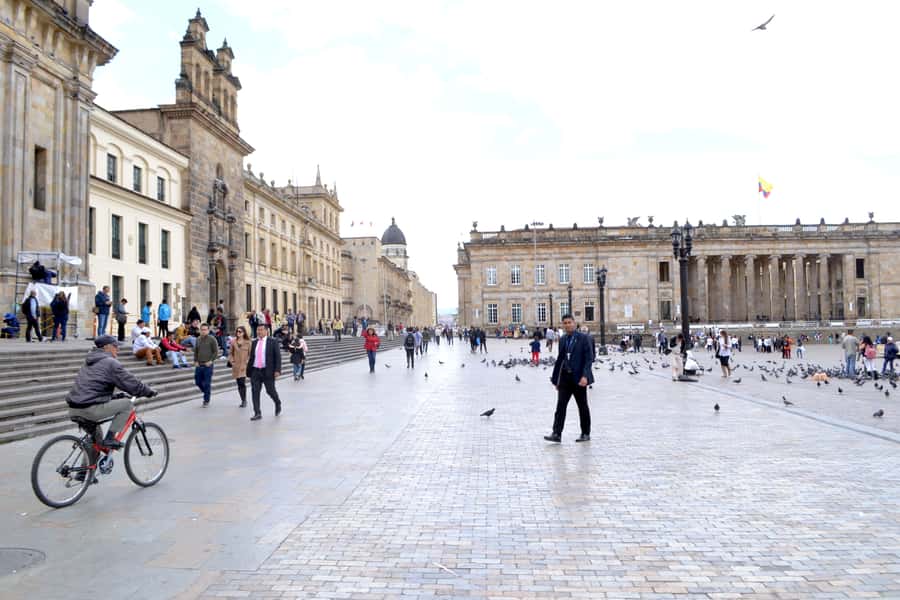
La Candelaria is Bogotá’s downtown “inside scoop.” It sits close enough to the action that you can connect dots quickly, but it also has that layered feel where old churches, colonial facades, and modern details share the same block. With a dedicated guide leading the way, you don’t just look at the neighborhood—you understand why it looks the way it does.
This tour is also designed for first-timers and repeat visitors. If it is your first day, you get quick orientation: where the important streets run, where the energy is concentrated, and what neighborhoods relate to one another. If you are revisiting, you will likely notice things you missed earlier, like the way architecture changes block by block and how the street art fits into that story.
You can also read our reviews of more walking tours in Bogota
Baroque, Art Deco, and colonial houses: your camera will work harder here
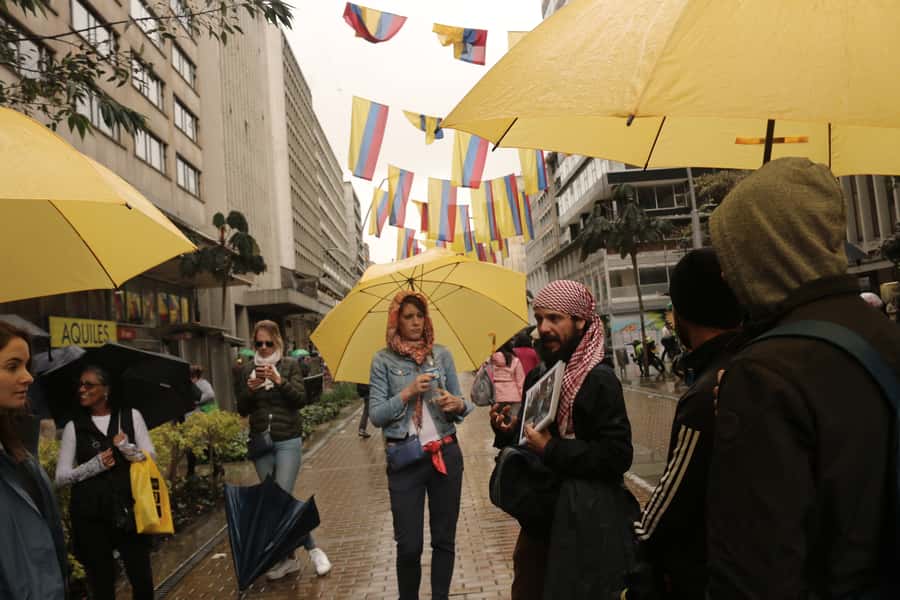
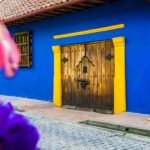
One of the best parts of this walk is the architecture sprint without it feeling rushed. Your route includes a standout mix of Baroque, Art Deco, and colonial structures, and the guide helps you spot the differences. That matters because in a place like Bogotá, the streets can look similar at a glance, but the buildings reveal the time periods and influences.
Expect frequent stops for photos, but also for “what you are looking at” explanations. Guides like Jose and Luis are praised for connecting the visuals to meaning, including how different eras left physical clues. Even if you are not an architecture nerd, it helps you read the neighborhood like a map.
A practical note
Bring your camera and plan to raise it often. The contrast is the point: one street can include old stone details, and the next can show a more modern style that feels almost out of place. That is why walking works better than trying to drive or hop in taxis.
Street art alleys: the story behind the walls
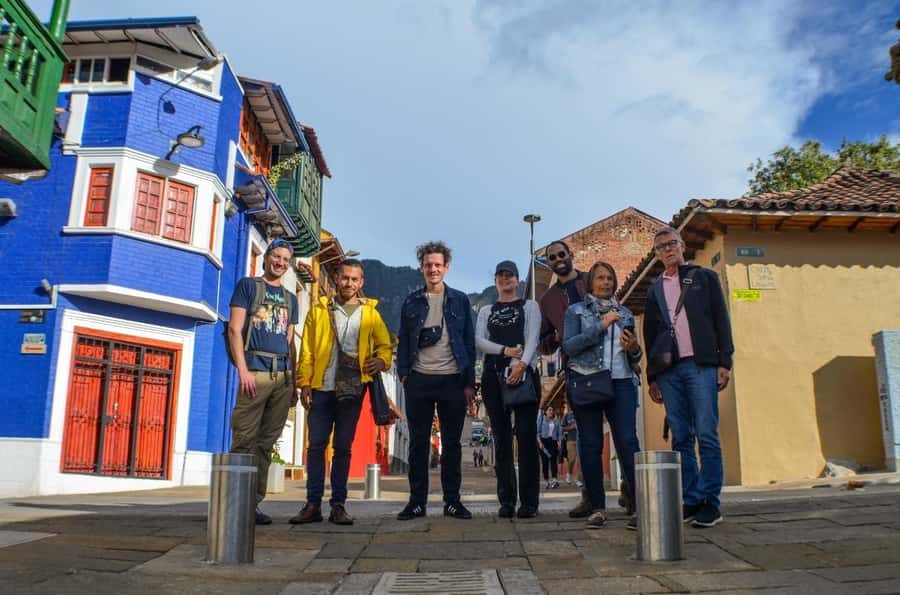
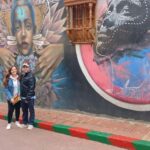
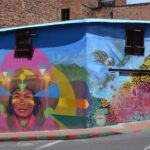
La Candelaria is known for street art, and this tour treats it as more than background. You will walk through historic alleys where the murals and tags show up alongside older structures. The guide’s job is to give you context—how artists fit into Colombia’s social and political conversations, and how public art can become a kind of public memory.
In the best moments, you stop for a mural and the guide explains what to notice: style choices, symbols, and what the artwork responds to. People in the group often ask questions, and guides such as Juana, Christian, and Bernardo tend to answer with clarity and energy. The result is that the art becomes part of your understanding of the city, not just a nice picture.
If you are short on time in Bogotá, I still like doing this walk early. Street art is everywhere once you know where to look, and this route helps you learn the neighborhood’s visual language fast.
La Concordia market: fruit tasting that feels like a local errand
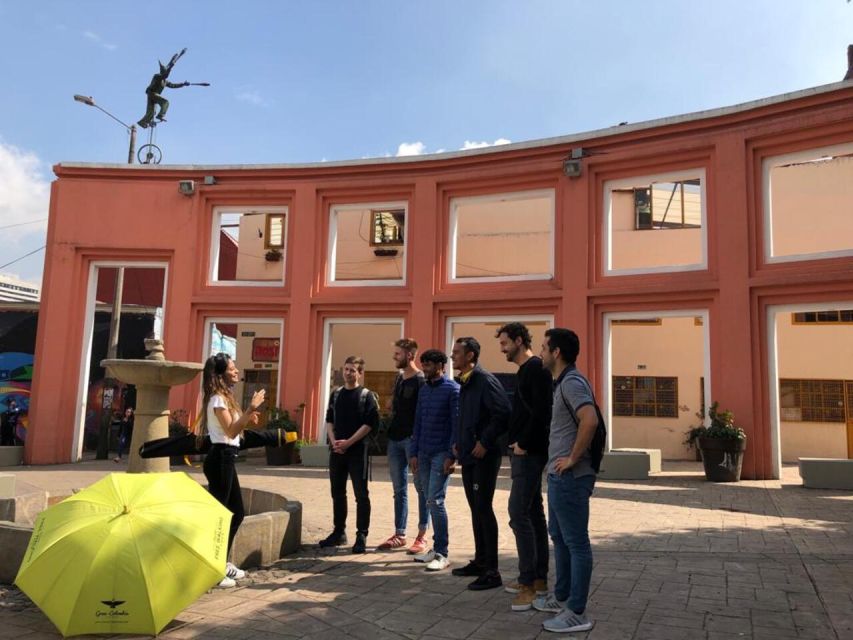
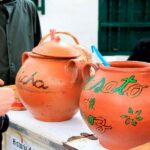
After walking the quieter-looking corners, you shift to the La Concordia market area. This is where the tour changes texture: from history and architecture to everyday life. The market stop is also where the tastings happen, and this is one of the most praised parts of the experience.
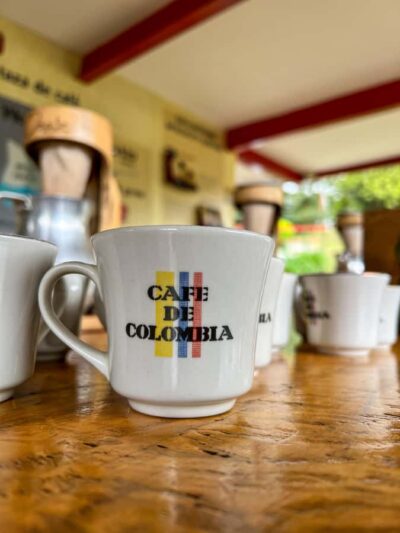
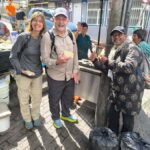
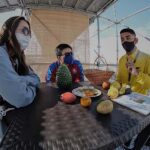
You should expect refreshing local fruit as part of the included food tasting. Many groups also get additional samples during the walk, including coca tea and coffee, and some guides even mention chocolate. The common thread is that these tastes help you understand the region beyond the main sights.
You can also read our reviews of more guided tours in Bogota
What to do with the market stop
Go with a curious mindset and a small appetite. Try the fruit, ask what it is, and pay attention to how locals move through the space. This is not just a place to eat; it is where you see how people shop, chat, and keep life going amid a neighborhood that also carries heavy history.
One drawback to consider
The market time can feel limited. A couple of comments note that the fruit and coffee tastings are more like samples than a full meal. If you know you get hungry fast, pack a snack just in case so you can enjoy the market without rushing.
Carrera Séptima and Bolívar Square: the big-city heartbeat
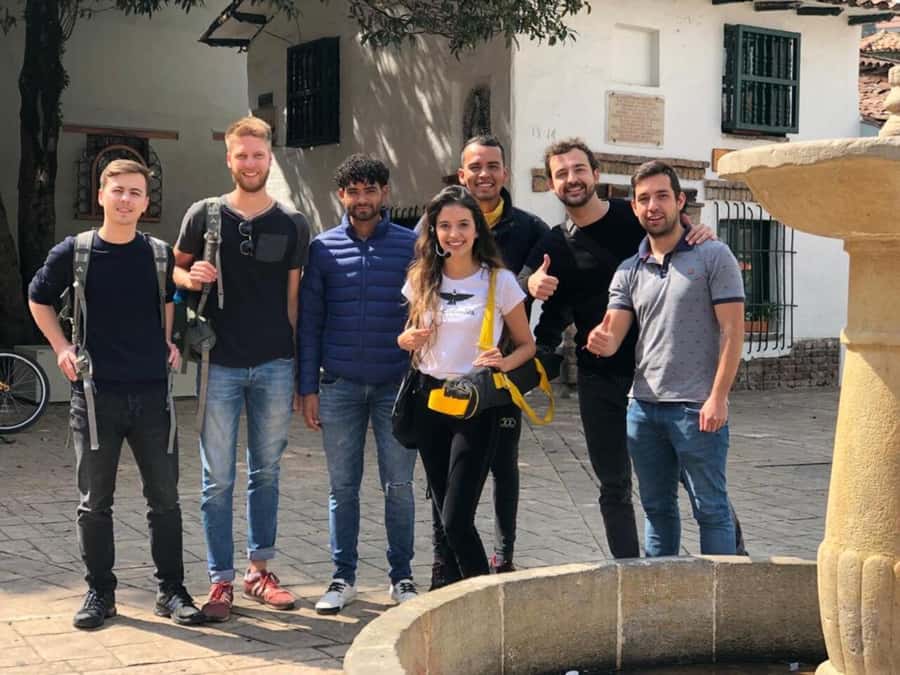
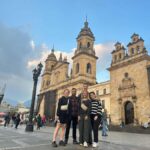
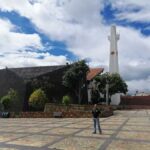
From La Concordia and the surrounding streets, you move toward the central avenues, including Carrera Septima, and then to Bolívar Square. These are the kinds of places where Bogotá’s public life shows itself in scale. Streets widen, buildings become more monumental, and the city starts to feel like it is speaking loudly.
The guide ties this area to key events in Colombia’s social and political past. You do not need to know dates going in. What you need is the human context: how these places became symbols and how people experienced change, resilience, and conflict. Past guides such as Colin and Sara are specifically praised for summarizing Colombia’s recent complex history in a way that feels understandable.
Why this stop is worth your time
Bolívar Square can look like “just another central plaza” until someone tells you what happened around it and why it still matters. This tour uses the setting to help you interpret the city’s public spaces. After the walk, you will likely see Bolívar Square differently the next time you pass it.
The Gold Museum area and other central sights you will understand better later
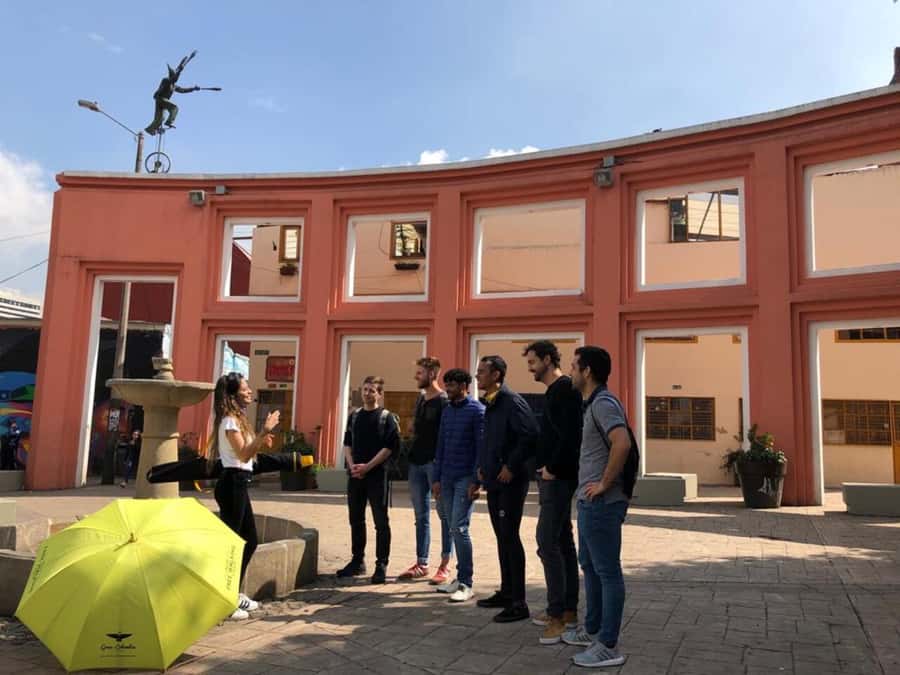
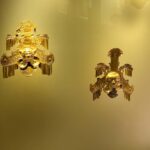
Even if you do not go inside every museum, this tour helps you see where the cultural landmarks sit in relation to the neighborhood. The walk includes passing by the area connected to the Gold Museum, and then you continue onward toward central highlights like Bolívar Square.
Why that helps: when you later decide what to add to your day, you will know the city’s layout. You will also be less intimidated by the logistics of moving around downtown on your own. Many guides end the walk with practical suggestions, which is a big part of the value for me. When someone who knows the area points you toward the right next stop, you waste less time guessing.
Some groups also note a possible bonus stop experience, like a visit connected to the Botero Museum depending on time and the guide’s flow. Treat that as a possibility, not a guarantee, but it is a reminder that the tour often aims to give you more than a simple checklist.
How long is enough: 3 to 7 hours and what changes on the ground
The duration is listed as 3 to 7 hours, which is a wide window. In practice, that likely means different starting times and a route that can expand or tighten based on the day and group. Since this is a walking tour, length really affects how much you linger at each stop.
Here is the tradeoff I think about before booking:
- A shorter version is better if you want the core sights quickly and you plan to add museums later.
- A longer version works better if you like slower pacing, more questions, and time to eat or browse more at the market.
Group size is kept small, which makes the experience feel more personal and helps if you want to ask things like how locals use the neighborhood or what certain murals represent. Small-group formats also tend to keep photos from turning into a traffic jam.
Price and value: why $16 can feel like a bargain in Bogotá
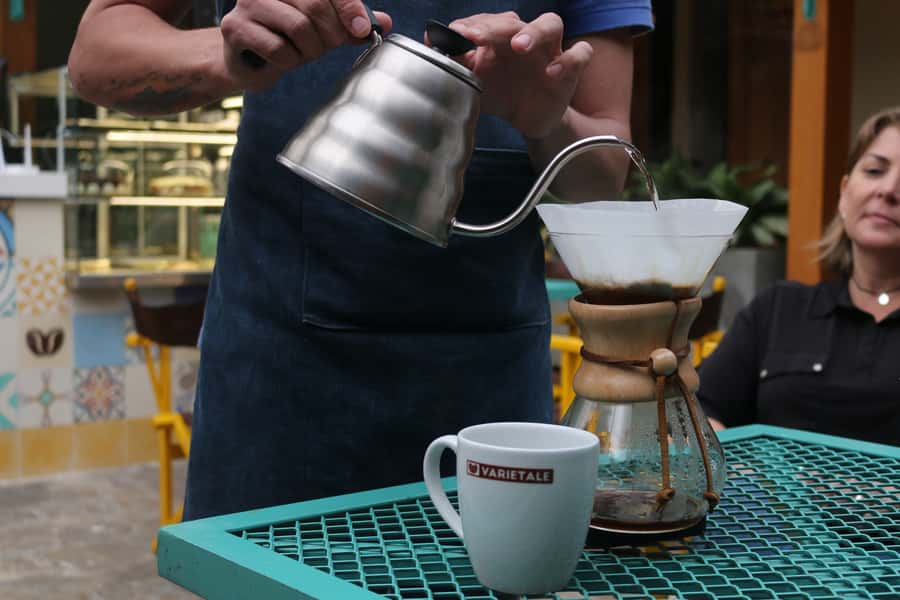
At $16 per person, this tour is priced to be accessible, and you get a lot packed into the time on foot. You are paying for three big things: a guide, walking time through La Candelaria’s most important streets, and included tastings. That is the “value math.”
Where the value shows up:
- You save time by not needing to plan the route yourself.
- You get context that makes the sites more meaningful, especially around Colombia’s social and political past.
- You get food samples without having to guess what is worth trying at the market.
Also, guides like Jose, Roberto, and Luis are repeatedly praised for keeping energy high and answering questions without making you feel rushed. For $16, I expect effort and clarity. This tour’s feedback pattern suggests you tend to get exactly that.
One more value tip
If the tour provides fruit and coffee samples, treat it as tasting, not a full meal. Consider eating a light lunch beforehand or bringing a snack. That small prep lets you enjoy the walk instead of counting the minutes until you can eat.
Who this La Candelaria tour fits best
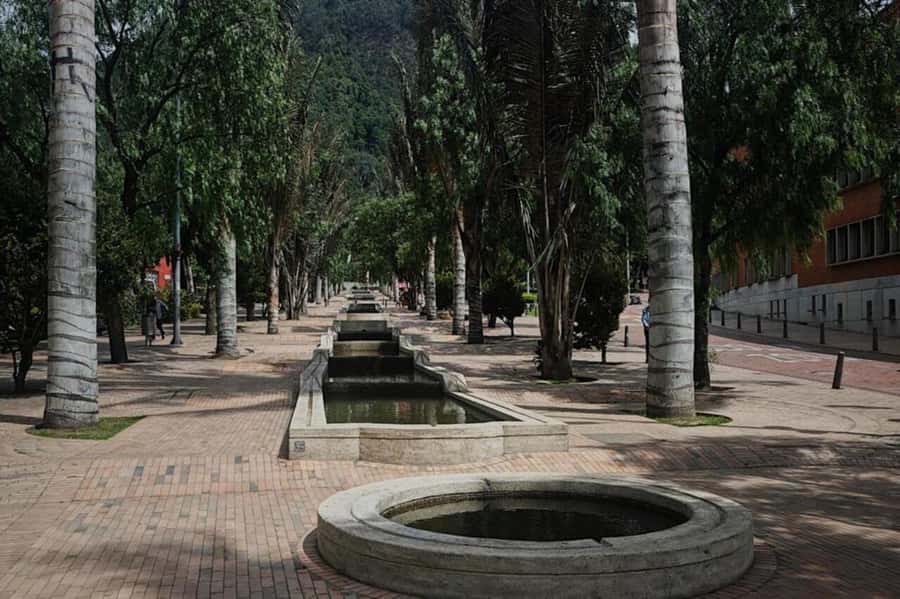
This is a good match if you fall into one (or more) of these categories:
- You want a first-day introduction to Bogotá’s historic center with context, not just photos
- You like street art and want more meaning behind it
- You care about practical local taste experiences, especially fruit and market life
- You prefer small groups so you can ask questions
It is less ideal if you struggle with walking for multiple hours or if you want a totally silent museum-style visit. This tour is lively by design, and the story is part of the sightseeing.
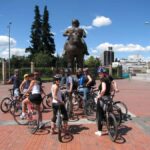
If you are already planning to do a bike option in Bogotá, the tour can pair well with it. Some departures allow adding a Bike Tour on the same day, which can be a smart way to cover more ground without turning your whole vacation into one long transit session.
Should you book this La Candelaria walking tour?
Yes, if you want a guided, small-group way to get oriented in Bogotá’s most story-rich neighborhood. I think this is especially worth it early in your trip because it teaches you how to read the streets: architecture, street art, markets, and central plazas all connect into one big picture.
If you book, pack comfortable shoes, water, sunscreen, and a camera. Go in hungry enough for tastings, but not dependent on them for a full meal. And if you care about a specific angle—art, history, or architecture—ask your guide to focus more there. The best tours happen when you treat it like a conversation, not a lecture.
FAQ
What’s included in the Bogotá La Candelaria walking tour?
The tour includes a walking tour, a live guide, and a food tasting.
How long is the tour?
The duration is listed as 3 to 7 hours. Starting times depend on availability.
What languages are the guides?
The live tour guide is available in Spanish and English.
What should I bring?
Bring comfortable shoes, a camera, sunscreen, and water.
Will the tour run in bad weather?
The tour takes place in all weather conditions.
Can I add a bike tour on the same day?
If you wish, you can add a Bike Tour and enjoy both activities on the same day.
What’s the cancellation policy?
Free cancellation is available up to 24 hours in advance for a full refund.