REVIEW · CUSCO
Cusco: Walking Tour with a Local Guide
Book on GetYourGuide →Operated by Free Walking Cusco Tour · Bookable on GetYourGuide
Cusco makes sense on a walking tour. In 150 minutes with a local guide, you get a clear thread through Inca traditions and Spanish-era Cusco, without spending your day guessing where to go.
I particularly like two parts: the focused stop at Qoricancha (Temple of the Sun), and the walk into San Blas, where the streets feel lived-in rather than staged. The guide’s pacing also matters here, because this is a route built for steady walking, not long stops that drag.
One drawback to consider: it’s moderate walking on cobblestones, and it’s not wheelchair accessible. If you’re dealing with mobility limits or low stamina, this route may feel like a grind instead of a calm orientation.
In This Review
- Key highlights I think you’ll care about
- Getting oriented fast: meeting point near Plaza de Armas
- Plaza de Armas: the plaza that tells two stories
- Loreto Street: colonial facades and local shops
- Qoricancha (Temple of the Sun): how to read the symbolism
- Inka Palace Cusicancha: from Inca temple to church
- Inka Roca Street: cobblestones, houses, and everyday Cusqueños
- San Blas: artisan workshops and church stops with real street energy
- Ending at Mirador de San Blas: a natural place to pause
- Price and value: why $15 for 150 minutes can make sense
- What to bring so the walking feels easy
- Best-fit traveler: who this Cusco walk works for
- A balanced reality check: when things can go wrong
- Should you book this Cusco walking tour?
- FAQ
- How long is the Cusco walking tour with a local guide?
- What is the price per person?
- Where do we meet the guide?
- Is pickup and drop-off included?
- Which languages are available?
- Do I need to buy tickets for the stops?
- What should I bring?
- Is food and drinks included?
- Is there a lot of walking?
- Is it wheelchair accessible?
Key highlights I think you’ll care about
- A route that stitches Inca and colonial Cusco together instead of treating them as separate stops
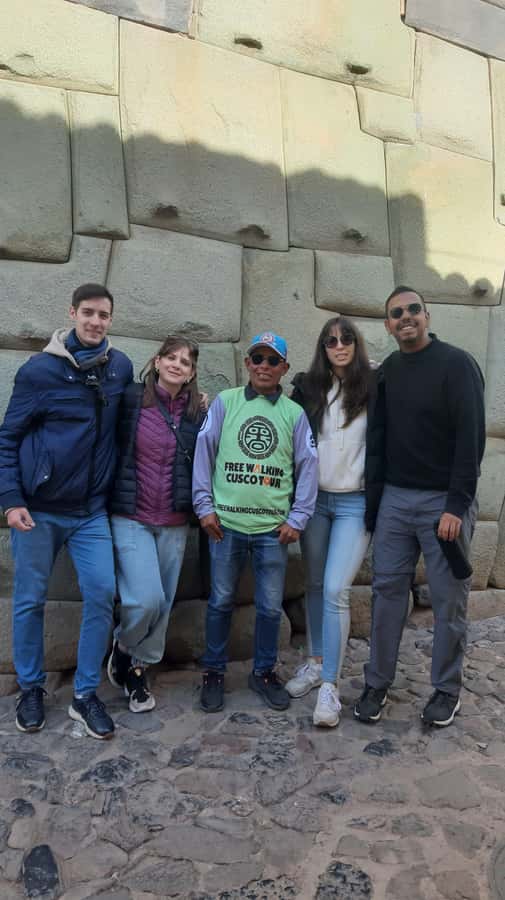
- Qoricancha teaches why the Sun mattered in Inca culture, not just what to photograph
- San Blas for daily life plus churches and artisan workshops along the way
- Cobblestone streets with a purpose, including Loreto Street and Inka Roca Street
- Finish at Mirador de San Blas, so the tour ends with a change of pace
Getting oriented fast: meeting point near Plaza de Armas
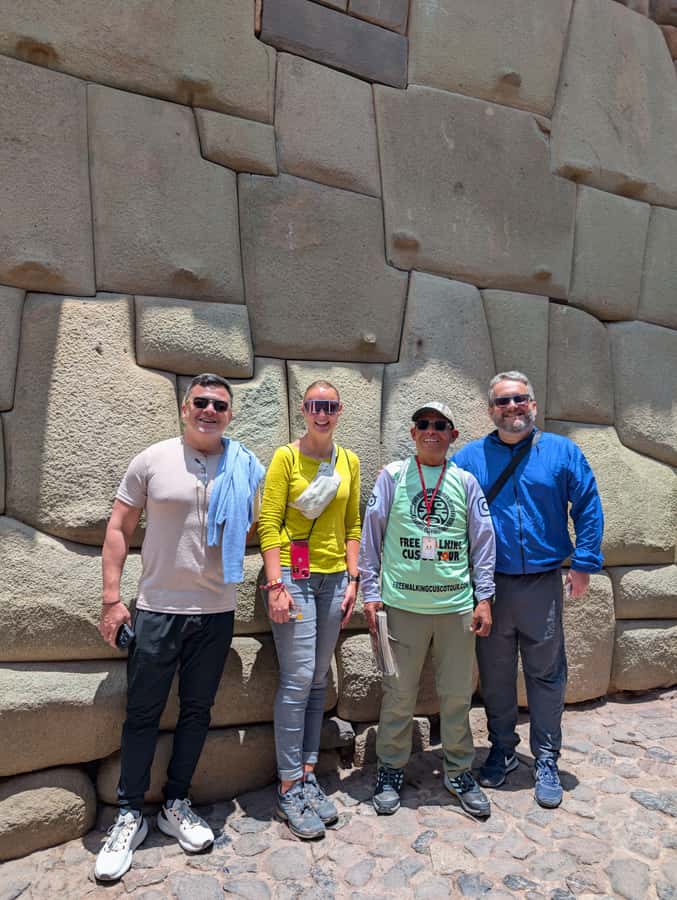
You start between Calle del Medio and Plaza de Armas. That’s a smart location because Cusco’s biggest sights cluster here, and you can already feel the city’s rhythm before you even set off.
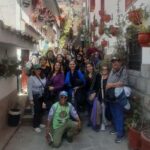
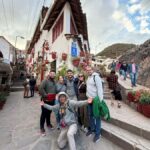
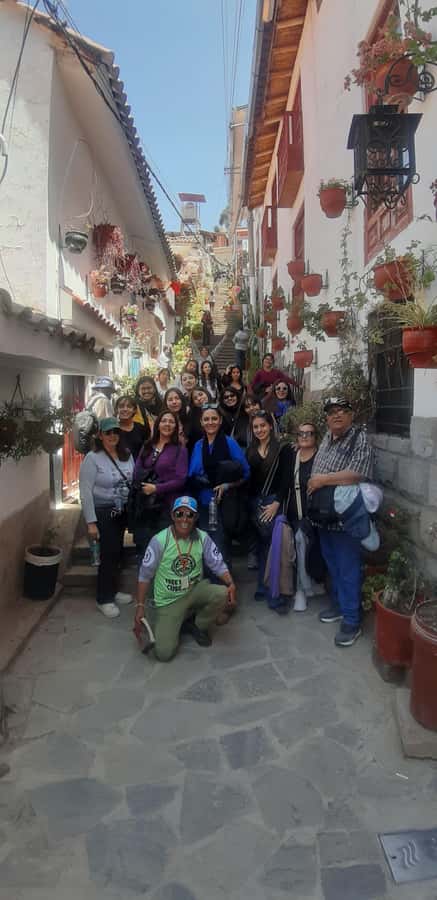
Look for the team in a green T-shirt. If you’ve got your phone with you, it also helps to walk up to the plaza edge and confirm you’re at the correct entrance area before the group starts.
This is also where you’ll likely notice how the tour works as a guided “map in motion.” Instead of checking your own route every ten minutes, you follow a logical path that keeps you moving through the parts of town most people mention, plus streets that make the city feel real.
You can also read our reviews of more walking tours in Cusco
Plaza de Armas: the plaza that tells two stories
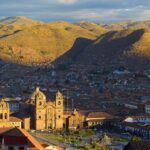
Plaza de Armas is where Cusco’s layers start to click. Your guide walks you through the plaza’s history and the colonial buildings that frame it, while also connecting it to Inca legends you’ll hear along the way.
The value here isn’t just the architecture. It’s the sense-making: once you understand why the plaza matters historically, the rest of the walking route feels less like random sightseeing and more like a story you can track step by step.
Practical note: the plaza area can be busy and noisy. Give yourself a moment to settle in with your group before you start listening closely, especially if you’re tired from altitude or travel days.
Loreto Street: colonial facades and local shops
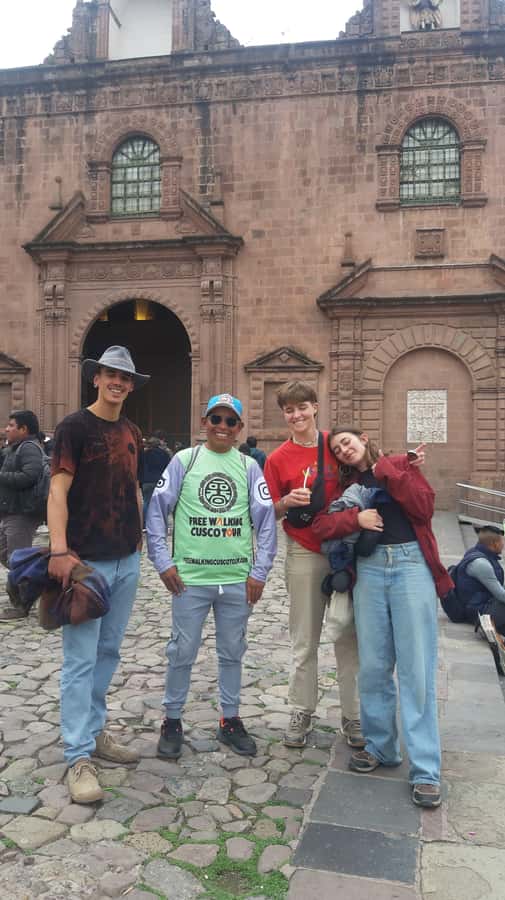
After the plaza, you head toward Loreto Street. This is one of those stretches where the “wow” isn’t a single monument—it’s the flow: colonial-looking architecture, local shops, and artisan workshops threaded along the route.
I like this part because it slows the tour down in a way that’s still efficient. You’re not stopping for an hour-long lecture; you’re seeing how the city looks and functions at street level.
If you like browsing, keep your wallet ready but your expectations realistic. Shops here are part of daily life, so the goal is to notice and learn from what you see, not to treat it like a museum store.
Qoricancha (Temple of the Sun): how to read the symbolism
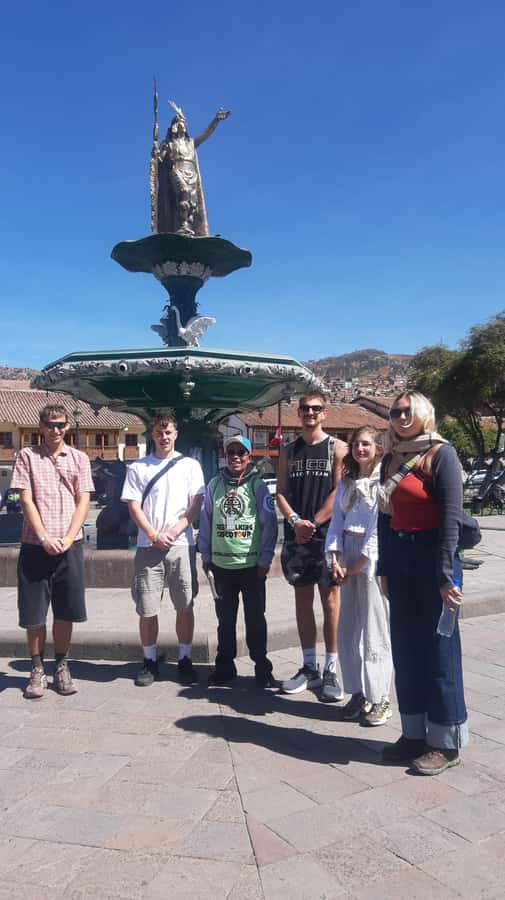
Next comes Qoricancha (Temple of the Sun), and the tour’s focus is clear: the guide explains the importance of the Sun in Inca culture and connects that meaning to the site’s architecture.
This stop is valuable because it gives context, not just a checklist. You’ll come away knowing what to pay attention to while you’re standing there—rather than staring at stones and hoping the story lands on its own.
The pacing here is also built for a walking tour. You’re not stuck for a full afternoon at one location, but you get enough explanation to make the visit feel purposeful and memorable.
Inka Palace Cusicancha: from Inca temple to church
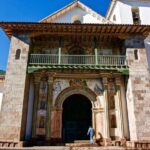
After Qoricancha, you visit Inka Palace Cusicancha, described as an Inca palace and temple that’s now a church. That time-layer matters in Cusco, and this stop is the kind that helps you see history as something that changed form rather than disappearing.
What to watch for: notice how the site’s current use as a church coexists with its Inca identity. Even if you don’t know every term, a good guide will point out the visible links so your brain can connect the dots.
This is also a nice tonal shift. Qoricancha is tied to Sun symbolism; Cusicancha adds a second theme—how later cultures adapted older sacred spaces.
You can also read our reviews of more guided tours in Cusco

Inka Roca Street: cobblestones, houses, and everyday Cusqueños
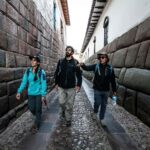
Then you move into Inka Roca Street, a narrower cobblestone stretch with colonial houses and everyday local life. This is where the tour starts to feel less like “sightseeing” and more like walking through a neighborhood that still works for the people who live there.
Why I recommend this section: it grounds the historical stops. When you see the way daily routines share space with older structures, the city stops feeling like a list of monuments and starts feeling like a real place you could spend time in.
If you’re sensitive to uneven ground, keep your eyes a few steps ahead. Cobblestones look charming on postcards, but your feet will thank you for comfortable walking shoes.
San Blas: artisan workshops and church stops with real street energy
Finally, you reach San Blas. The tour aims straight at the neighborhood’s atmosphere: artisan workshops, colonial churches, and the daily rhythm of Cusqueños.
This is the part of the route that many first-timers remember because it feels human-scaled. You’re not just looking at Inca-and-colonial “high points.” You’re getting a sense of where crafts and community show up in the physical layout of the streets.
Expect more small turns and street-level details than you’d get from a big bus tour. That’s good for photos too, as long as you follow the rules—flash photography isn’t allowed here.
Ending at Mirador de San Blas: a natural place to pause
You finish at Mirador de San Blas. Even if you don’t linger long, this kind of endpoint helps walking tours feel complete—you close the loop with a spot that’s meant for a pause, not another hour of concentrated browsing.
I also like that the finish is in a neighborhood, not back at the busiest transit hub. It gives you a graceful transition to your own plans after the tour ends.
Price and value: why $15 for 150 minutes can make sense
At $15 per person for about 150 minutes, the value is mostly about what you’re buying: guidance plus time. Cusco’s streets are not hard to walk, but they’re hard to interpret. A local guide turns “I visited a place” into “I understood what I saw.”
You also get a live guide in Spanish and English. That matters because the tour’s key stops—Plaza de Armas, Qoricancha, and the Cusicancha church—make sense faster when someone explains the connections while you’re actually there.
One more value angle: you skip the ticket line. That’s small but helpful in a city where time and patience can be tested, especially when you’re trying to fit multiple sights into one day.
Not included things are straightforward: no pick-up or drop-off, and no food or drinks. For $15, that’s normal. Just plan to handle your own water and snacks before or after, and you’ll keep the tour experience comfortable.
What to bring so the walking feels easy
This tour is built around walking and street-level stops, so pack for comfort. Bring comfortable shoes, plus a hat and sunscreen since you’ll be out in the sun.
Also bring water. Even if you feel fine at the start, walking adds up in altitude and on cobblestones. Hydration helps you stay focused on listening, not on fatigue.
And a quick etiquette check: no smoking, and no flash photography. If you’re used to shooting quickly, turn off flash in advance so you don’t forget halfway through.
Best-fit traveler: who this Cusco walk works for
This tour is a good match if you want a guided path through top Cusco highlights with local context. I’d especially recommend it if you’re the kind of person who enjoys learning why places matter, not just collecting photos.
It also suits you if you like neighborhood atmosphere. The route includes San Blas for artisan workshops and daily life, plus street walks like Loreto Street and Inka Roca Street that show the city in motion.
It may not suit you if you have mobility impairments. It’s not wheelchair accessible, and the cobblestones plus moderate walking level are part of the experience.
A balanced reality check: when things can go wrong
Most tours run smoothly, but there’s one operational risk worth acknowledging: if a guide doesn’t show up, your best fallback is to be at the correct meeting point promptly and check in with the organizer if something seems off.
This is also why arriving early is smart. You’ll confirm the green T-shirt team, get settled, and start listening before the group moves out. In a city like Cusco, a calm start keeps everything else from feeling stressful.
Should you book this Cusco walking tour?
Book it if you want a guided orientation that hits the big Cusco anchors—Plaza de Armas, Qoricancha, and the Inca-to-colonial story of Cusicancha—and then finishes with real neighborhood life in San Blas. It’s a strong value when you’d rather understand the city than just pass through it.
Skip it (or choose something else) if you can’t handle moderate walking on uneven surfaces, or if you want long, sit-down time at each major site. For everyone else, this route is an efficient way to turn a day in Cusco into a day with meaning.
FAQ
How long is the Cusco walking tour with a local guide?
It lasts about 150 minutes.
What is the price per person?
The tour costs $15 per person.
Where do we meet the guide?
You meet between Calle del Medio and Plaza de Armas, and you should look for a green T-shirt.
Is pickup and drop-off included?
No. Pickup and drop-off are not included.
Which languages are available?
The live tour guide is available in Spanish and English.
Do I need to buy tickets for the stops?
The tour includes skipping the ticket line.
What should I bring?
Bring comfortable shoes, a hat, sunscreen, and water.
Is food and drinks included?
No. Food and drinks are not included.
Is there a lot of walking?
Yes, there is a moderate amount of walking, and you should wear comfortable shoes.
Is it wheelchair accessible?
No, it is not wheelchair accessible, and it isn’t suitable for people with mobility impairments.