REVIEW · CUSCO
From Cusco: 4-Day Manu National Park Guided Tour
Book on GetYourGuide →Operated by Viaja con Amaru Explorer · Bookable on GetYourGuide
Cloud forest to river night, fast. This 4-day Manu National Park guided tour stacks big wildlife moments with a realistic mix of driving, walking, boating, and lodge time. I especially liked the way it builds from Andean ecosystems into the lowland river world, and I found the wildlife focus practical, not just scenic. The best parts for me are the macaw clay lick morning ritual and the night chances to spot caimans’ eyes at dark. One caution: the lodges are described as basic, and the jungle days include rougher footing, longer travel, and hikes that are not for everyone.
You also get the kind of structure that helps you enjoy the outdoors without constantly worrying about details. Pickup is built into Cusco (with options in Santa Ana, Avenida El Sol, and Plaza San Blas), the group is kept small (up to 10), and the guiding is bilingual (Spanish and English). Boat travel is handled with efficient drivers and safety equipment, which matters when you’re heading into river country.
The possible drawback is that jungle travel can be physically demanding and logistics can shift with conditions. This trip can vary due to weather, rains, floods, strikes, or demonstrations, and the operator may adjust the route to keep things safe. If you’re sensitive to heights, steep roads, insects, or walking on uneven ground, plan carefully. And if your definition of comfortable lodging is high, come in with the right expectations.
In This Review
- What you’ll love most (quick hits)
- Day 1: Cusco valleys, Lupaca tombs, and the cloud forest descent
- Day 2: Pilcopata to Puerto Atalaya, coca fields, and riverbird time
- Day 3: Parrots at the clay lick, hikes through forest, and Machuwasi Lake by raft
- Day 4: Hummingbirds, the river ride back, and Cusco by mid-evening
- Price and value: is $427 fair for this kind of Manu access?
- Fitness, bugs, and comfort reality check
- Should you book this Manu National Park tour?
- FAQ
- How long is the Cusco to Manu National Park guided tour?
- What is the price per person?
- How large is the group?
- What languages will the guide speak?
- Are meals included?
- Is there vegetarian or vegan food?
- Is there boat or river transportation?
- Does the tour provide binoculars?
- What are the pickup locations in Cusco?
- Who is this tour not suitable for?
- What should I bring?
What you’ll love most (quick hits)
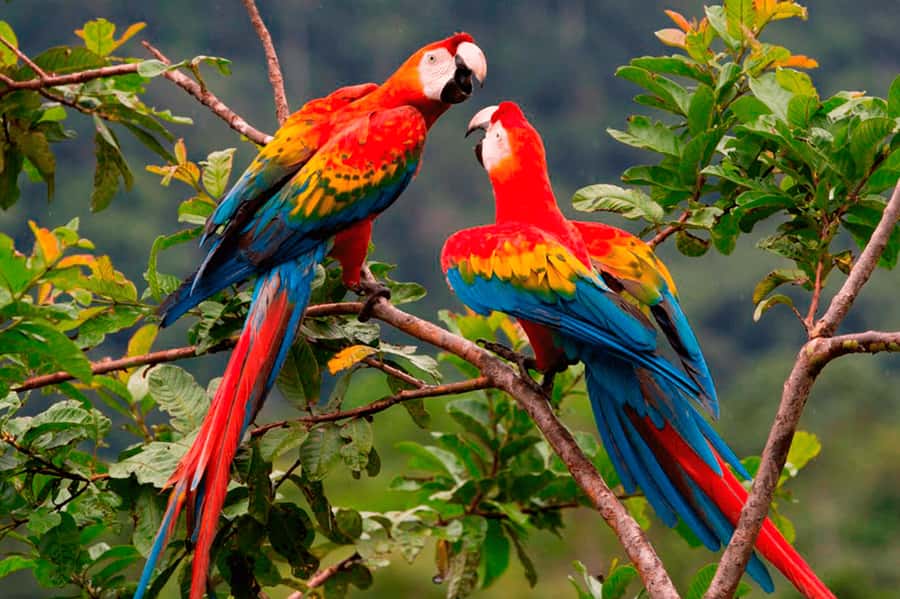
- Macaw clay lick mornings at a riverbank wall where multiple parrot species gather early
- Cloud forest wildlife signals like the cock of the rock and spectacled bear chances on the descent
- Boat time on the Alto Madre de Dios River with safety gear and a real wildlife-viewing pace
- Swamp and lake bird watching using swamp stops and rafts on Machuwasi Lake
- Night walks after dark for insects, amphibians, and caimans’ eyes
- Small-group guiding (max 10) plus shared equipment like binoculars and a telescope
Day 1: Cusco valleys, Lupaca tombs, and the cloud forest descent
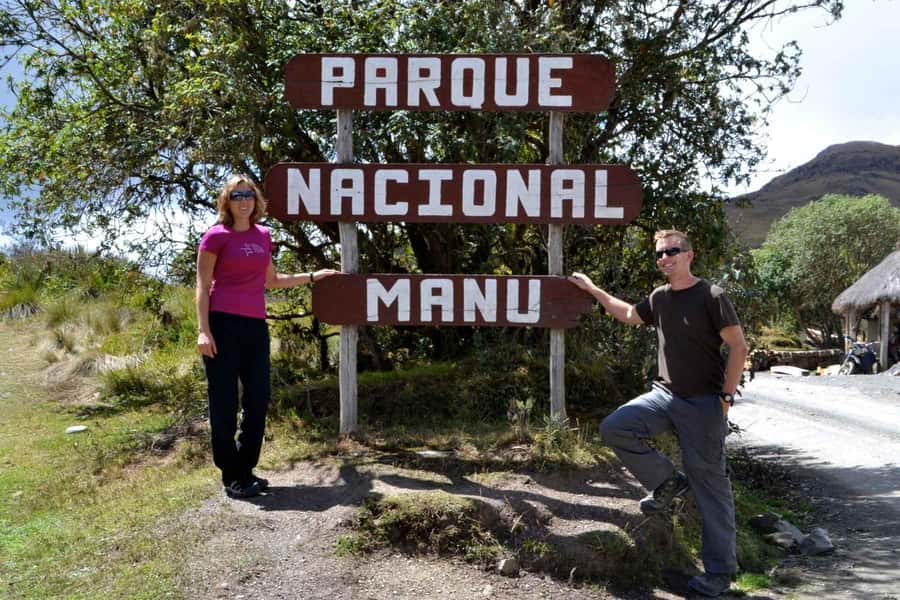
Day 1 starts very early. You’ll leave Cusco in the morning and spend much of the day traveling through Andean valleys with rural communities you only notice when you’re actually on the road. Expect big scenery, lots of winding roads, and the kind of early start that makes you glad you packed snacks and water.
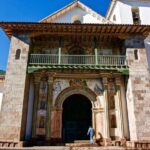
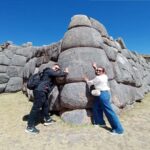
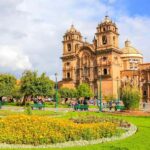
First stop on the journey is the pre-Inca tombs linked to the Lupaca culture. This isn’t just a quick photo stop. It gives you a sense that this region’s story is older than the colonial towns you’ll also visit. Then you head to Paucartambo, a colonial town, where you’ll have guided time plus a longer walk and free time (around five hours total). There’s a town museum to visit, which helps you connect the modern town with the surrounding highlands.
The cloud forest lunch is one of the smartest pieces of the schedule. Breaking up the long travel with a meal in the higher-biodiversity zone keeps the day from feeling like nonstop transit. After lunch, you continue the descent into the cloud forest, a place where endemic species are part of the daily rhythm. You’re not guaranteed specific animals, but you’re set up for real viewing opportunities, including chances to see orchids, bromeliads, and ferns, plus wildlife like the cock of the rock (Peru’s famous national bird) and even spectacled bear sightings depending on conditions.
If you like nature guides who know how to read the landscape, Day 1 can click fast. One of the most memorable guide styles from recent trips was the way guides never stopped scanning for movement and sounds. That approach matters in cloud forest settings, where animals can be present but hidden.
Potential drawback on Day 1: that early travel and the descent mean you should dress for wet and cool conditions. If you’re prone to motion sickness on winding mountain roads, plan for it. And bring comfortable shoes; you’ll be walking more than you might expect for a “transfer day.”
You can also read our reviews of more guided tours in Cusco
Day 2: Pilcopata to Puerto Atalaya, coca fields, and riverbird time
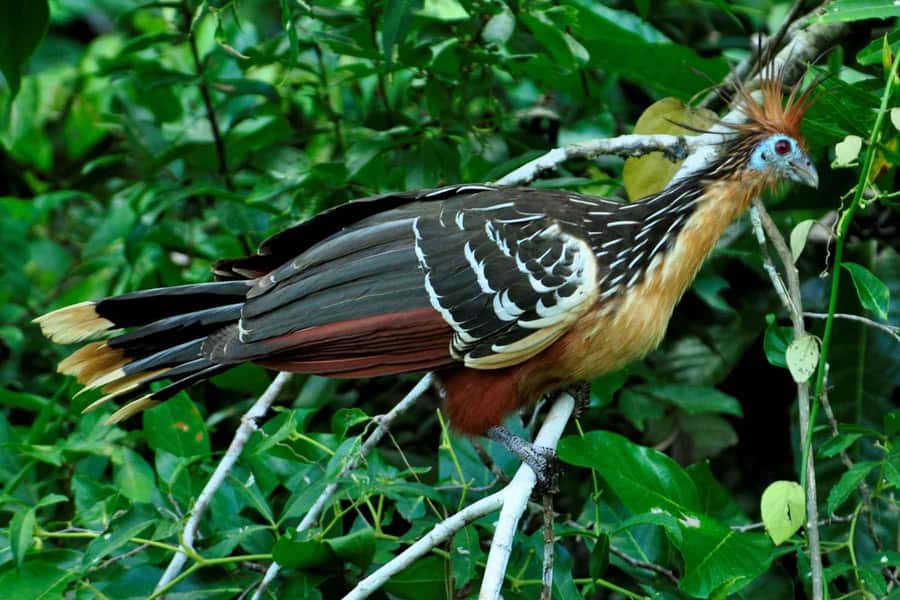
Day 2 shifts from mountains to forest edges and deeper river access. After an early breakfast, you’ll take a walk focused on fauna. This is where the tour’s wildlife “tone” becomes clear: your guide is supposed to help you spot animals like monkeys and birds without you needing to be an expert birder to feel successful.
Next come two very practical cultural-nature stops: a coca plantation visit and a wildlife rescue center. This blend is valuable because it shows the human side of the region while still keeping the theme on conservation and ecology. You get a chance to see how plants and wildlife coexist—and how rescues become a bridge between everyday life and protected habitats.
Then you travel to Puerto Atalaya on the Alto Madre de Dios River (at about 500 meters). This is your gateway into the river system that supports so much of the Manu region’s bird and reptile life.
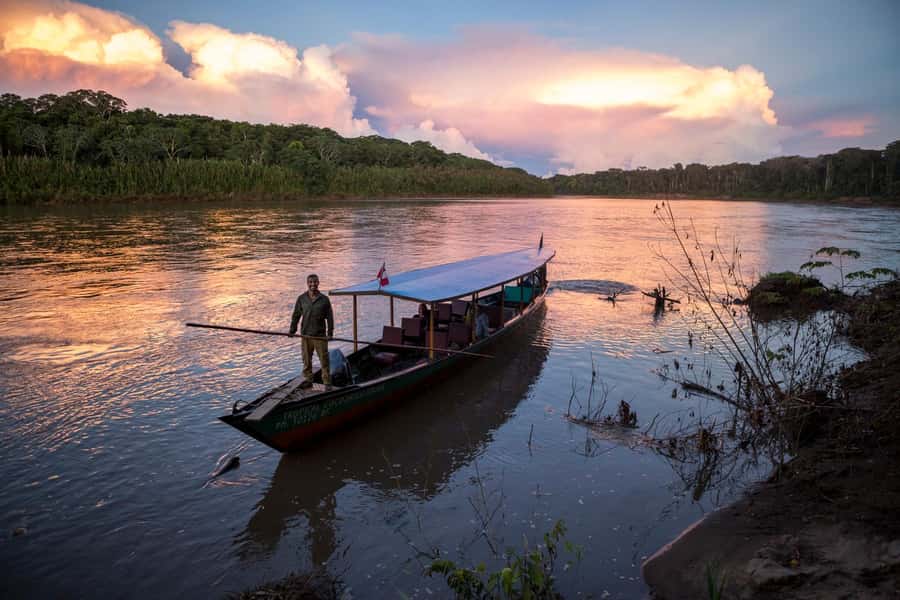
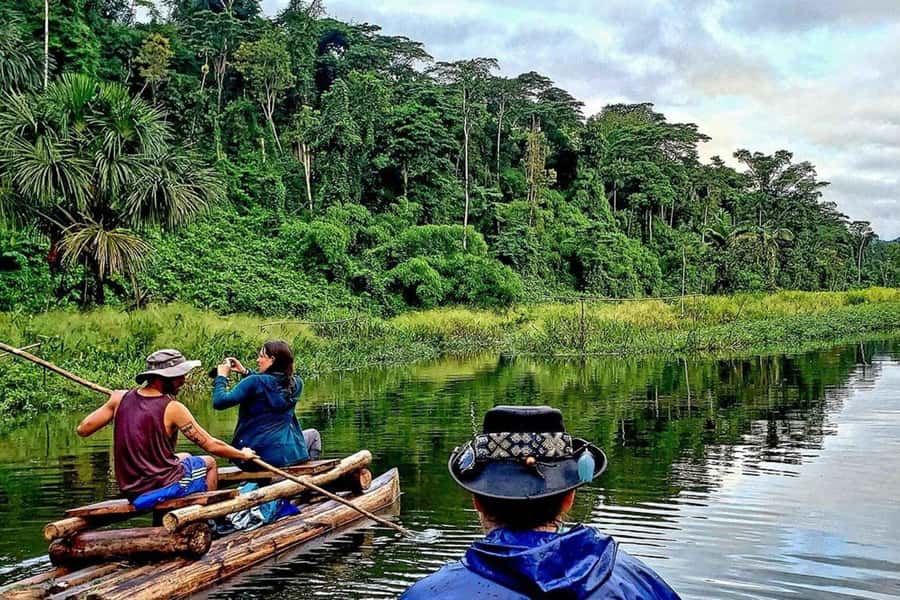
Once you’re there, you start the boat descent. This part is a big deal for your experience. Instead of only hiking, you get time on the water where you can spot birds like herons, vultures, and cormorants along the way. The highlight here is that the boat ride isn’t treated as a boring shuffle. It’s timed for wildlife viewing, and you’re using a private boat with efficient drivers and safety equipment.
When you reach the lodge area, you’ll have lunch, and you may even get time to swim in the river. In the afternoon, you’ll visit a swamp where the bird watching gets more intense: toucans, woodpeckers, and macaws can show up depending on the day’s activity and light.
As the sun drops, the tour pivots to one of Manu’s signature thrills: caimans at night. You’ll go out in the dark to look for caimans’ eyes reflecting light. If you’re imagining a horror-movie scenario, relax. It’s usually more about patient scanning than anything dramatic. But it is an adrenaline spike because you’re seeing a predator’s presence without needing it to get close.
Optional fishing is offered in the evening too. Even if you skip it, the offer is a reminder that this tour has a working-river rhythm, not just “tourist spectacle.”
Potential drawback on Day 2: expect real humidity and insects. If you’re the type who hates bugs, you’ll still have a good time, but you’ll want good insect repellent and clothing that doesn’t leave skin exposed.
Day 3: Parrots at the clay lick, hikes through forest, and Machuwasi Lake by raft
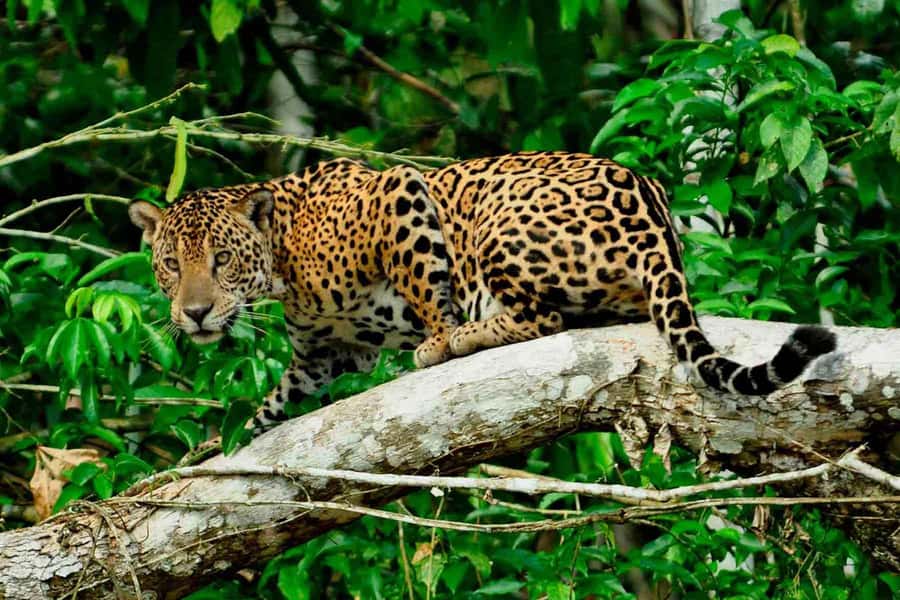
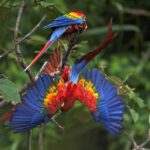
Day 3 begins early on the river again. You board the boat and head to the macaw clay lick. This is one of the strongest “Manu in a nutshell” experiences because it’s a daily meeting point. Different parrot species gather each morning at a wall along the riverbank to feed on the clay. Even if you’re not a bird-nerd, you’ll understand quickly why this spot matters. It’s food, mineral intake, and routine all in one place.
After you return to the lodge for breakfast, you get a forest hike lasting about 2.5 to 3 hours. This is not a flat stroll. You’re moving through uneven ground, so good shoes and steady pacing matter. The payoff is the small things you’d otherwise miss: bird calls, insect rhythms, changes in plant structure, and the guide’s skill at pointing out life that blends into the canopy.
There’s also an optional zip lining break after lunch. If you like adrenaline and quick “time-out” from hiking, it’s a fun contrast. If you’d rather focus on birds and insects, you can skip it and just rest or swim in the river.
In the afternoon, you’ll head to Machuwasi Lake. You explore it by raft with a bird-watching focus. Raft time is different from shore time. You can scan edges and water movement in a way that’s harder to do on land.
Then comes a night walk through the forest for insects and amphibians. This is one of those experiences that either becomes a core memory or a quick reality check. If you don’t mind creepy-crawly life (and you understand it’s part of the ecosystem), it can feel almost like a science museum after hours. Dinner follows, and you sleep overnight again.
Potential drawback on Day 3: insects and spiders are part of the lodge and night activity environment. Plan to be okay with that reality, not to fight it. If you know you’ll panic when you see spiders, think twice about this style of lodge-based jungle trip.
Day 4: Hummingbirds, the river ride back, and Cusco by mid-evening
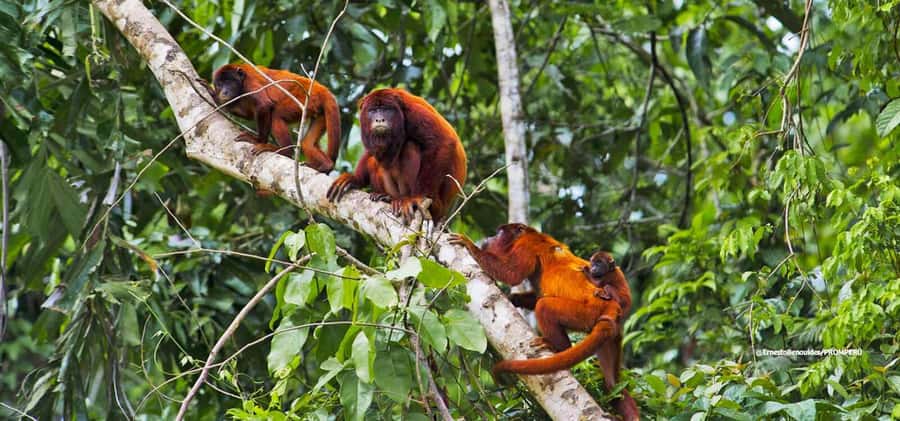
Morning on Day 4 is calmer and more photogenic. You can watch hummingbirds around the lodge before you travel onward. Then you head back by boat to Puerto Atalaya where the bus will wait for the ride back to Cusco.
You’ll have lunch along the route back and arrive around 5:30 pm. That timing matters because it gives you enough time to recover and still feel like you have a day to yourself afterward, rather than landing exhausted late at night.
This final day is less about new wildlife categories and more about consolidating what you already saw. By then, you’ll probably recognize the way your guide tracks movement, and you’ll have a sharper sense of what habitats you passed through.
Potential drawback on Day 4: it’s still a long travel day. Your body may feel the earlier hikes by this point, so keep water handy and don’t treat the ride back as “just a transfer.”
Price and value: is $427 fair for this kind of Manu access?
At about $427 per person for four days, this is priced in the range of an organized, lodge-based jungle experience. The value comes from what’s included, not from any single “wow” moment.
Included basics that matter for value:
- Inland and river transportation, plus the private boat time
- Lodging: 1 night at Pilcopata Lodge Basic and 2 nights at the Manu lodge Basic
- 3 meals and 1 snack each day (vegetarian option available upon request; the overall program highlights vegetarian and vegan options)
- A professional bilingual guide and shared spotting equipment like binoculars and a telescope
- Mineral water
What’s not included, which you should budget for:
- Breakfast and water on the first day
- Dinner on the last day
- Drinks like soft drinks or alcohol
- Binoculars per person (you’ll have shared equipment, not guaranteed personal gear)
Is it worth it? If you want a guided wildlife itinerary that does the work for you—finding animals, managing timing, moving you between ecosystems—you’re paying for time, logistics, and interpretation. If your ideal trip is “luxury lodge + short walks + guaranteed sightings,” you’ll likely feel the price squeeze.
Also note that quality can vary at the lodge level because you’re in basic accommodation territory. Some guests have described strong food and solid lodging, while others have reported rougher conditions like missing towels, basic cleanliness problems, and meals that felt simple or limited. That doesn’t mean you’ll have a bad stay, but it does mean you should treat this as a nature-and-wildlife trip first.
You can also read our reviews of more tours and experiences in Cusco

Fitness, bugs, and comfort reality check
This tour isn’t sold as an easy stroll. The route includes steep road segments, hikes of a few hours, wet footing potential, and nighttime forest time. It also explicitly isn’t suitable for pregnant women, or people with back problems or heart problems. If any of those apply, don’t try to “tough it out.”
What to bring from the essentials list:
- Hat and camera
- Snacks and water
- Waterproof camera option
- Biodegradable sunscreen
- Insect repellent
- Comfortable clothes
- Binoculars (helpful even though shared optics are provided)
- A light layer for cool, damp conditions
Practical comfort moves:
- Pack for rain. Even if the forecast looks okay, cloud forest weather can change fast.
- Keep your shoes ready for slippery surfaces.
- Bring a plan for evenings: bug spray, long sleeves or light pants, and a tolerant mindset.
There’s also a behavioral side you should respect. Smoking and littering are not allowed, and you shouldn’t touch plants. If you want to photograph wildlife, you’ll do better by keeping distance and staying still.
Finally, remember the itinerary can vary for safety due to rain, floods, strikes, or other events. That means a perfect “checklist” day isn’t guaranteed. The upside is that the operator is adjusting for conditions, not forcing you through something unsafe.
Should you book this Manu National Park tour?
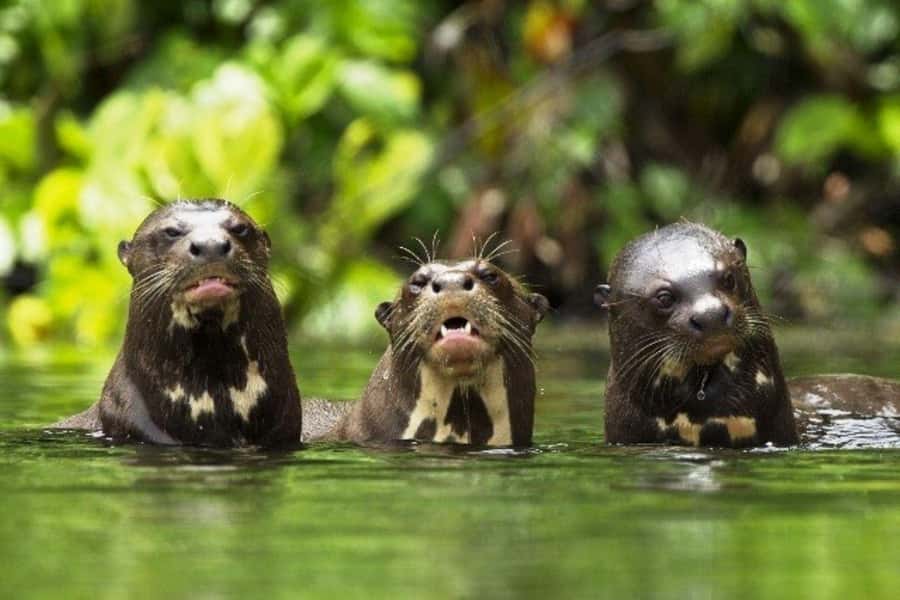
You should book if you want:
- A small-group Manu experience with real guiding and wildlife focus
- Multiple ecosystems in four days: cloud forest, river, swamp, lake
- Night wildlife time, including insects and amphibians, plus caimans’ eyes
- A trip that’s heavy on nature and light on luxury expectations
You might skip it if you:
- Need high-comfort lodging and fully predictable schedules
- Have back, heart, or pregnancy constraints
- Strongly dislike insects, spiders, or the idea of sleeping in basic lodge conditions
- Expect guaranteed sightings without any hiking or waiting
If you do book, I’d treat this like a jungle expedition, not a hotel break. Ask your operator and guide what to prioritize on your specific dates, especially if weather is active. Then show up ready to walk, scan, and be patient. In Manu country, that’s usually what turns a good tour into a memorable one.
FAQ
How long is the Cusco to Manu National Park guided tour?
It lasts 4 days.
What is the price per person?
The price is $427 per person.
How large is the group?
The group is limited to 10 participants.
What languages will the guide speak?
The guide is bilingual, offering Spanish and English.
Are meals included?
Yes. You get 3 meals and 1 snack each day, with vegetarian options available upon request. Breakfast and water on the first day and dinner on the last day are not included.
Is there vegetarian or vegan food?
The tour includes vegetarian options, and the program summary highlights vegetarian and vegan options. Request it ahead of time.
Is there boat or river transportation?
Yes. The tour includes river transportation, including a boat ride and return by boat.
Does the tour provide binoculars?
There’s equipment provided such as binoculars and a telescope, but binoculars per person are not included (it’s shared equipment).
What are the pickup locations in Cusco?
Pickup options include Santa Ana, Avenida El Sol, and Plaza San Blas, and pickup is also offered from any hotel in Cusco.
Who is this tour not suitable for?
It is not suitable for pregnant women, people with back problems, or people with heart problems.
What should I bring?
Bring a hat, camera, snacks, water, waterproof camera if needed, biodegradable sunscreen, insect repellent, comfortable clothes, and binoculars.