REVIEW · CUSCO
Cusco: Pisac, Ollantaytambo, & Chinchero Sacred Valley Tour
Book on GetYourGuide →Operated by MPTC GETS · Bookable on GetYourGuide
Sacred Valley in one long day. This 12-hour route is a strong first taste of Inca-era Cusco: Ollantaytambo’s giant stonework and a stop to meet an Alpaca Inca textile operation sit alongside Pisac and Chinchero. You get a real guide for the main archaeology stops, plus built-in time for photos.
The main thing to keep in mind is time pressure. The tour packs a lot into a single day, and if the morning pickup or drive runs late, the later stop at Chinchero can feel rushed.
In This Review
- Key things I’d focus on
- Cusco pickup and the 12-hour Sacred Valley rhythm
- Entering Pisac: archaeology plus the village market feeling
- Urubamba and the Vilcanota River: lunch plus a breather
- Ollantaytambo citadel: the massive Inca rocks
- Chinchero: royal-legacy archaeology and an Alpaca Inca textile stop
- Price and what your $31 is really covering
- Who should pick this tour (and who should skip it)
- Tips to make the day smoother (and better photos)
- Should you book the Cusco Sacred Valley tour?
- FAQ
- How long is the Sacred Valley tour from Cusco?
- What are the main stops included in the tour?
- Is hotel pickup included?
- Is lunch included, and what is it?
- What tickets or add-ons are not included?
- What should I bring?
Key things I’d focus on
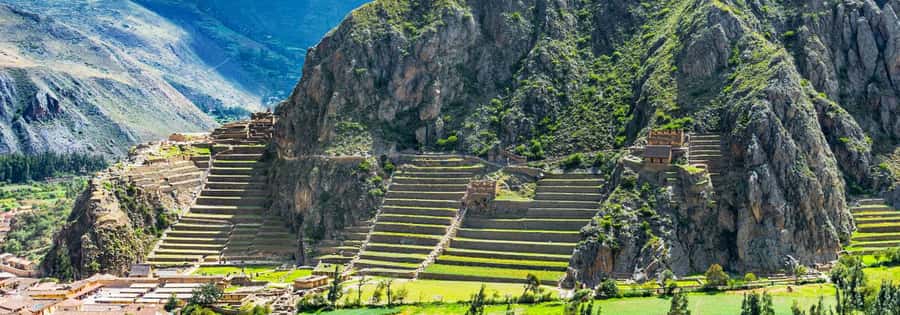
- Ollantaytambo’s “wow” factor comes from massive Inca rocks and an easy-to-follow guided walk.
- Pisac gets you both ruins and local market life, so it’s not just stone and viewpoints.
- Urubamba is your reset point, with a buffet lunch and scenic riverbank breaks.
- Chinchero blends archaeology with living craft, including an Alpaca Inca textile visit.
- Long day, early start, late return means planning your energy like you’re hiking, even if you’re mostly on a bus.
Cusco pickup and the 12-hour Sacred Valley rhythm
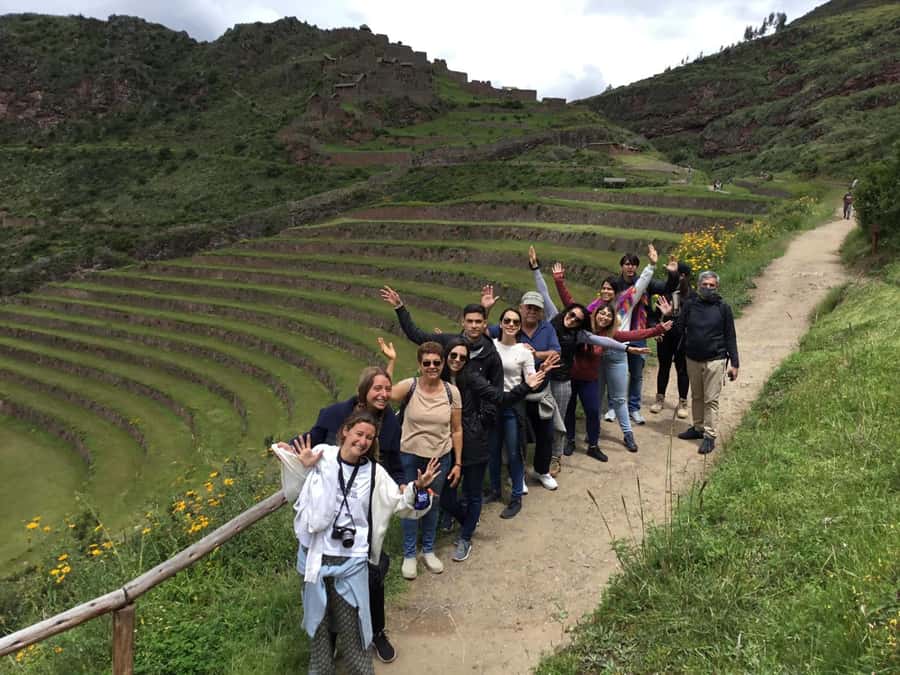
This tour starts early, with pickup around 8:15 am from your Cusco hotel (or a nearby meeting address if your place is farther out). Expect a full day: you’ll be back in Cusco by about 7:30 pm, after moving between sites by bus and taking short photo and walking breaks.
The schedule is built around the classic Sacred Valley hits. You’ll first head out toward Pisac, then work your way through Urubamba and Ollantaytambo, and finish at Chinchero before returning to town. Total travel time includes several bus rides, including roughly 80 minutes to Pisac and multiple transfer legs afterward.
What I like about this format is that it reduces decision fatigue. You don’t need to figure out routes, timing, or which ruins are worth your attention first. The trade-off is you’re always on the clock. This is especially true because the group is split English or Spanish, which is great for comprehension, but it also means everyone follows the same day flow.
Tip: If you’re prone to getting motion-sick or start the day groggy, bring what you need. A smooth day here depends on starting strong.
You can also read our reviews of more tours and experiences in Cusco.

Entering Pisac: archaeology plus the village market feeling
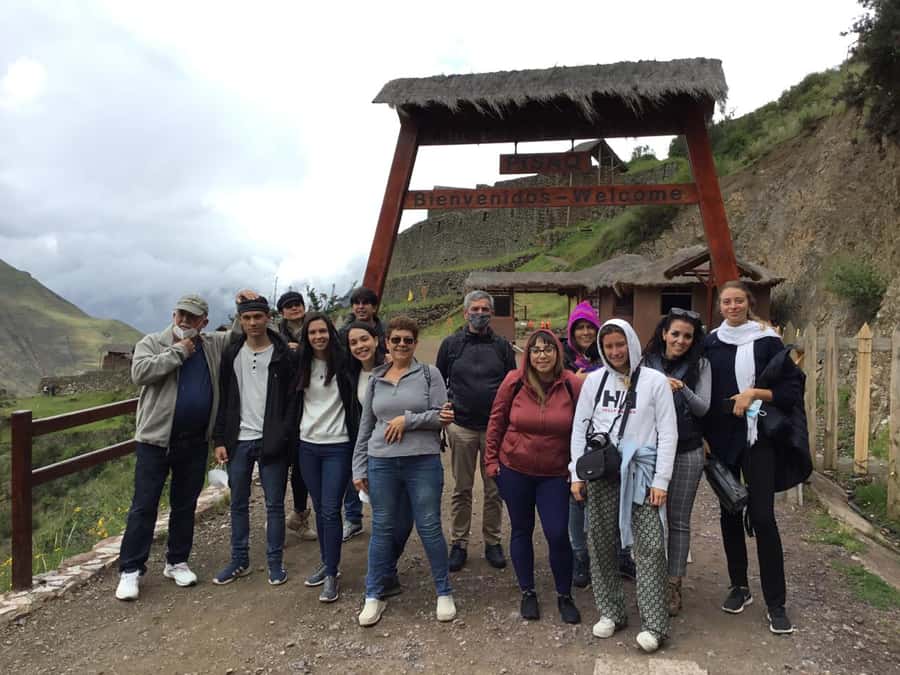
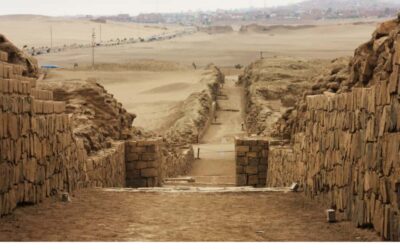
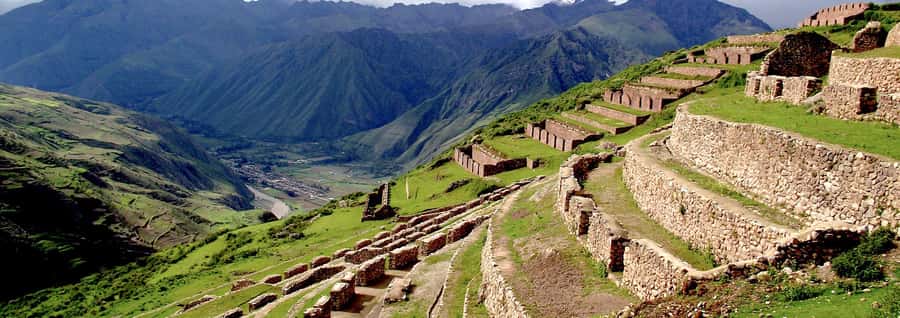
Pisac Archaeological Park is your first major stop, with a photo stop and guided visit that lasts about 50 minutes. Even in that short window, Pisac can land big because you’re not just looking at walls—you’re seeing how the Inca shaped a whole hillside for living and ritual life.
There’s also a built-in chance to experience the local market atmosphere in the Pisac area. You’ll be able to check out the native market of the Pisac village, and this is where the tour becomes more than archaeology. You get a sense of everyday exchange—crafts, trade, and the kind of market energy that helps you remember the ruins are part of a living region, not just a museum outside town.
A practical caution: Pisac is typically hot in the Sacred Valley. So even if the walking isn’t huge, you’ll want comfortable shoes and water ready. A short visit can still tire you out if the sun’s cooking.
One more thing to watch: the tour is paced so you can move on to Urubamba for lunch. If you want longer lingering time at Pisac, this may feel quick. You’ll get the highlights, but not a slow, wandery day.
Urubamba and the Vilcanota River: lunch plus a breather
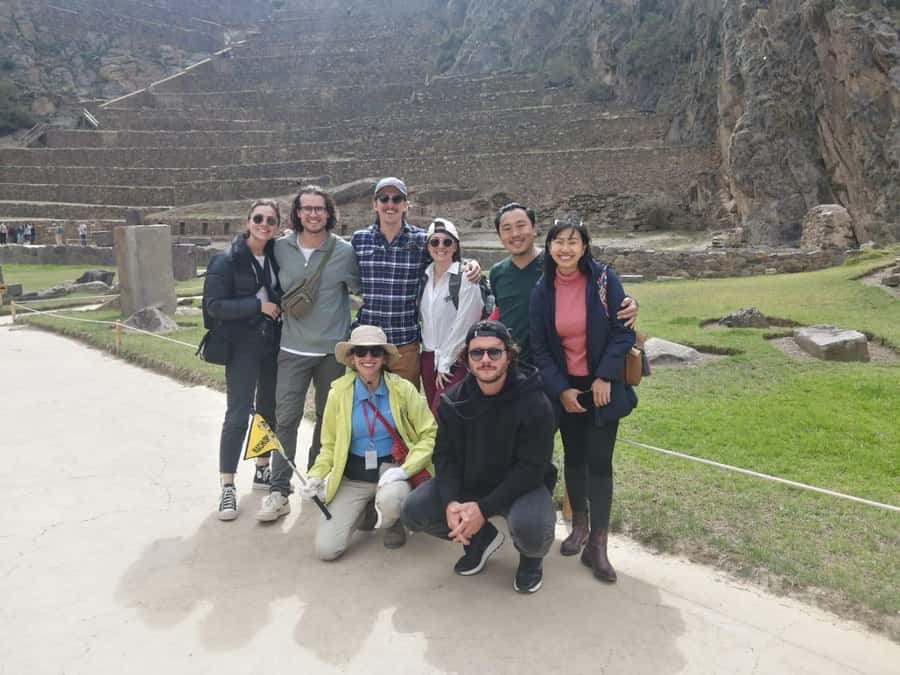
After Pisac, you’ll go to Urubamba. There’s a photo stop and guided visit of about 45 minutes, plus time for lunch in the city area. The day is arranged so you’ll tour along the banks of the Vilcanota River, which is a nice reset from the stone and steep slopes.
Lunch is a tourist buffet featuring Peruvian dishes. This matters more than people think. If you skip a real meal on a day tour like this, the timing later gets harder and your energy drops—especially with afternoon walking and photo stops.
This is also the point where you can gauge how the day is tracking. If the tour has been delayed in the morning, you’ll likely feel it here, because Urubamba is one of your longer “park and regroup” moments. If things are running well, it’s the calm intermission that keeps the whole schedule comfortable.
Small advice: eat a normal portion. Buffet lunches are easy to overdo, and then you’re stuck feeling heavy on the bus.
Ollantaytambo citadel: the massive Inca rocks

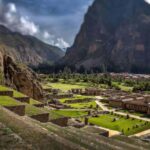
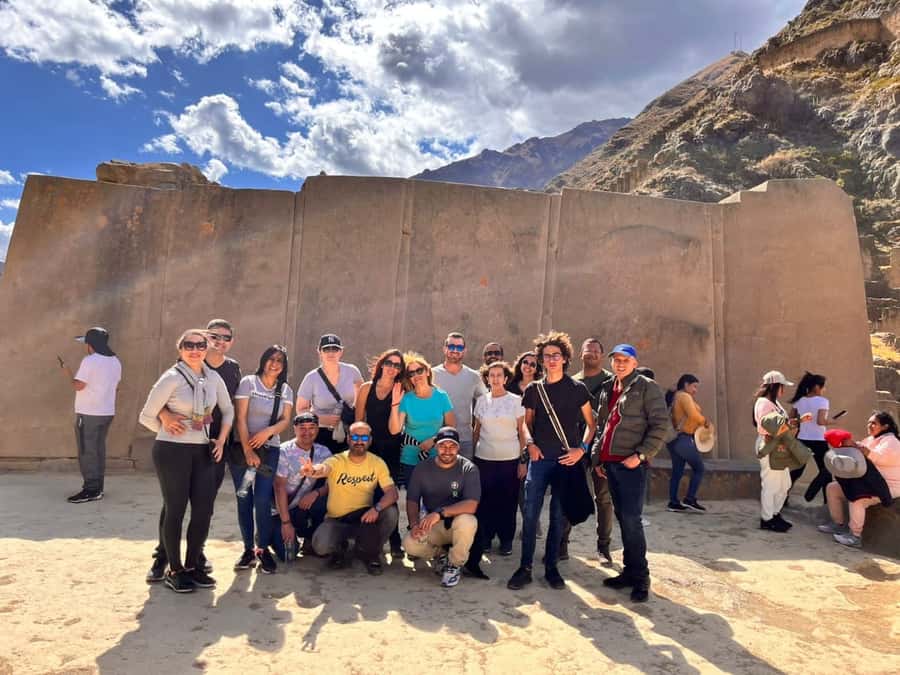
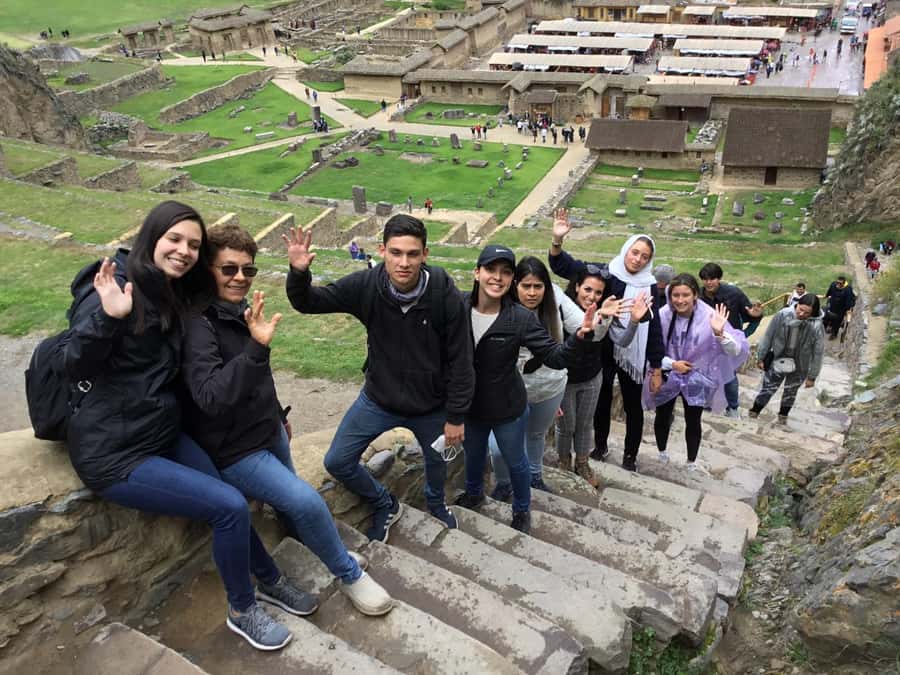
Ollantaytambo is often the star of Sacred Valley itineraries, and this one gives it 50 minutes of guided time. You’ll have a photo stop, then a guided visit that includes walking through the town so you can picture how this place functioned during the Inca empire.
What I love here is the sheer scale. The highlights are the immense Inca stones, and you can actually see the engineering intent when you’re guided. It’s not just big rocks; it’s a system—terraces, walls, and how the site holds its shape as the landscape rises around it.
This is also where your camera skills start to matter. The guided pacing plus the stop-and-look structure helps you get better photos instead of just snapping while walking. Even if you’re not an enthusiast, you’ll want to slow down for a few views so the stonework doesn’t turn into a blur.
The only drawback with a popular stop like this: it’s packed into the middle-to-late part of the day. If the morning ran behind, Ollantaytambo can still be great, but it may feel more rushed than you’d prefer. Keep your expectations realistic: you’ll get a satisfying visit, not an all-day deep study.
Chinchero: royal-legacy archaeology and an Alpaca Inca textile stop
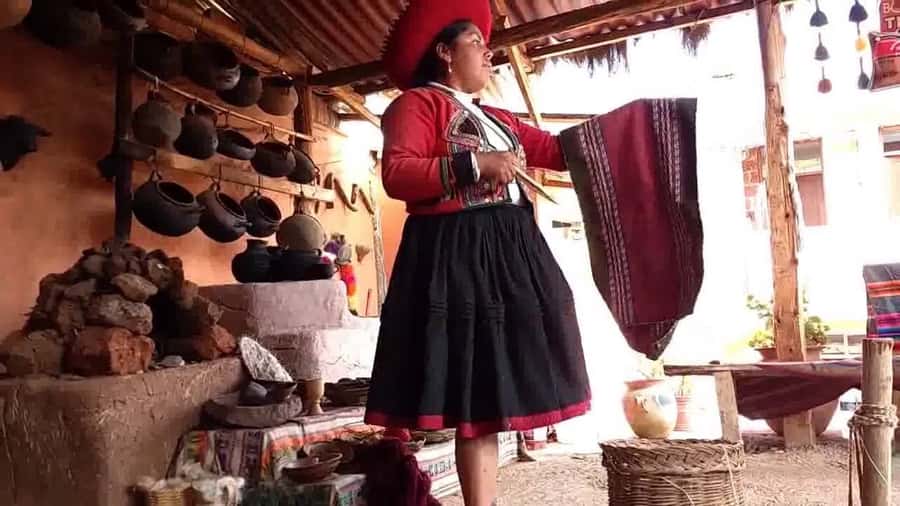
Your final major stop is Chinchero, with a photo stop, guided visit, and about 50 minutes on-site at the Centro Arqueológico de Chinchero.
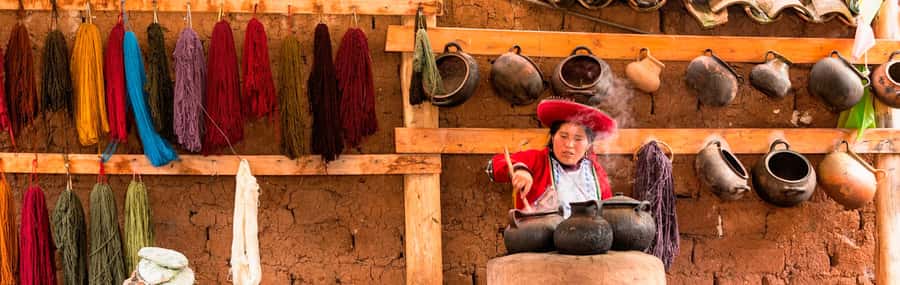
What makes Chinchero special in this itinerary is the blend of archaeology and craft. You’re told you’ll see the remains connected to the royal treasure of Tupac Inca Yupanqui, and you’ll also have a chance to meet an Alpaca Inca textile factory. For many visitors, this is the most “human” part of the day—because textiles connect Inca and post-Inca life in a way that ruins alone can’t always show.
Look for details you might usually skip: the patterns, how materials are handled, and the idea that weaving isn’t random decoration—it’s part of identity and tradition. Even if you don’t buy anything, watching the process helps you translate what you saw earlier in stone into something practical and lived.
Timing matters here. Some tours can run with unexpected slowdowns, and Chinchero is one of the places where the day’s schedule can squeeze you. If your pickup or early drives were delayed, you might feel the pressure to keep moving rather than lingering. The upside? Even a short guided visit can still give you real takeaways when you’re looking for meaning, not just photos.

Price and what your $31 is really covering
At around $31 per person, this tour is good value if what you want is a single-day route with the heavy lifting done for you. The key included items are:
- Hotel pickup in Cusco (or a nearby meeting point)
- An expert guide in English or Spanish
- All transport between stops
- A buffet lunch with Peruvian dishes
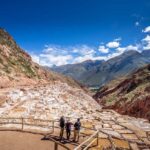
What’s not included is where you need to budget separately. You pay the tourist ticket on the day for 70 soles. And if you’re thinking about other regional add-ons, note that entrance to the salt mines of Maras is 10 soles (even if it’s not part of the main listed stops in your day plan).
So the value equation is this: you’re paying for convenience (transport + pickup + guide + lunch) while the entrance ticket is handled separately. For a first-time Sacred Valley day, that separation still often makes sense because you avoid the hassle of sorting entry fees and logistics on your own.
Also, the day is long, so the included lunch is not fluff. It’s one of the things that keeps the tour from turning into a snack-and-suffer day.
Who should pick this tour (and who should skip it)
This tour is a good match if:
- You’re seeing Sacred Valley for the first time and want the main archaeological highlights in one day.
- You like guided interpretation more than wandering alone.
- You want an organized day with pickup and transport handled.
It’s not ideal if:
- You dislike long days with lots of moving parts.
- You need wheelchair access (this isn’t set up for wheelchair users).
- You’re pregnant (it’s listed as not suitable).
And because the tour involves walking through ruins and town areas, comfortable footwear matters more than you’d think. Even with guides and short segments, you’ll still be on your feet enough to feel it by the end.
If you’re the type who wants to sit longer at viewpoints, shop calmly, or take your time at each site, you may feel slightly rushed. This is a highlights tour, not a slow, deep exploration.
Tips to make the day smoother (and better photos)
A great tour day is half planning, half flexibility. Here are the practical moves that fit this itinerary:
- Bring passport or ID. You’re explicitly asked to have it.
- Wear comfortable shoes. Pisac and Ollantaytambo will punish flimsy footwear fast.
- Carry water, because the Sacred Valley can be hot.
- If weather looks questionable, be ready for a change. It can sometimes rain, and you’ll be outside during parts of the visit.
- Bring your camera—photo time is built in via photo stops and guided viewing.
One more timing strategy: treat lunch as your anchor. Once you eat in Urubamba, you’ll have a better sense of whether the day is running on time or not. If it’s behind schedule, focus on getting the most from the last stop rather than trying to win time back everywhere.
And a small human note: guides matter. One guide named Jenni received standout praise for making the experience amazing. If you’re lucky enough to get a guide who knows how to keep energy up, the long day feels less like a grind and more like a guided adventure.
Should you book the Cusco Sacred Valley tour?
I’d book it if your priority is a full-day Sacred Valley introduction with transport, pickup, a real guide, and a Peruvian buffet lunch all arranged for you. At this price level, you’re paying for the logistics so you can spend your attention on the sites—especially Ollantaytambo’s stonework and the Chinchero mix of archaeology plus textile craft.
I’d think twice if you hate tight timing. The schedule is ambitious, and delays in the morning can compress the later part of the day. If you’re a slow explorer, you might find yourself wishing for more hours at each stop.
FAQ
How long is the Sacred Valley tour from Cusco?
The tour duration is 12 hours.
What are the main stops included in the tour?
You visit Pisac Archaeological Park, Urubamba, Ollantaytambo, and Chinchero (Centro Arqueológico de Chinchero).
Is hotel pickup included?
Yes. Pickup is included from Cusco accommodations near the main square. If your hotel is farther away, you’ll be given a specific meeting address.
Is lunch included, and what is it?
Yes. The tour includes a tourist buffet lunch with Peruvian dishes.
What tickets or add-ons are not included?
The tourist ticket to pay on the day costs 70 soles. Entrance to the salt mines of Maras costs 10 soles and is not included.
What should I bring?
Bring passport or ID card, comfortable shoes, and water.