REVIEW · CUSCO
From Cusco: Via Ferrata and Sky Lodge Zipline
Book on GetYourGuide →Operated by Peru & U · Bookable on GetYourGuide
Rock climbing can be calm when the safety system is solid. This Cusco Region combo packs a via ferrata ascent and a set of zip-lines into one smooth 5-hour outing with pro guides and serious Sacred Valley views.
I really like how the activity is built around certified equipment and trained instruction, so the adrenaline comes with structure, not guessing. I also love the viewpoint payoff: you stop mid-way for lunch with Vilcanota River scenery, then you “travel” along mountain faces on six different cables. One consideration: it’s hands-on and physical, with a 300-meter climb and some time suspended while you zip across—so wear proper shoes and don’t expect it to be easy-peasy.
In This Review
- Key Highlights You’ll Remember
- From Cusco Morning to Sky-High Thrills
- The 8:00 AM Pickup and Scenic Ride Out
- Getting Geared Up for Via Ferrata Safety
- Climbing 300 Meters: What the Via Ferrata Feels Like
- Box Lunch With Big Valley Views
- Six Zip-Lines Up to 700 Meters Long
- Price and Value: What Your $167 Covers
- Sky Lodge Note and How This Fits Machu Picchu Plans
- What to Bring for Comfort (and Better Control)
- Who This Is Best For (and Who Should Reconsider)
- Should You Book the Via Ferrata and Zip-Line Combo?
- FAQ
- What time is pickup in Cusco?
- How long is the tour?
- What does the tour include?
- Is lunch included?
- Is this suitable for beginners?
- What should I bring?
- Are children allowed?
Key Highlights You’ll Remember
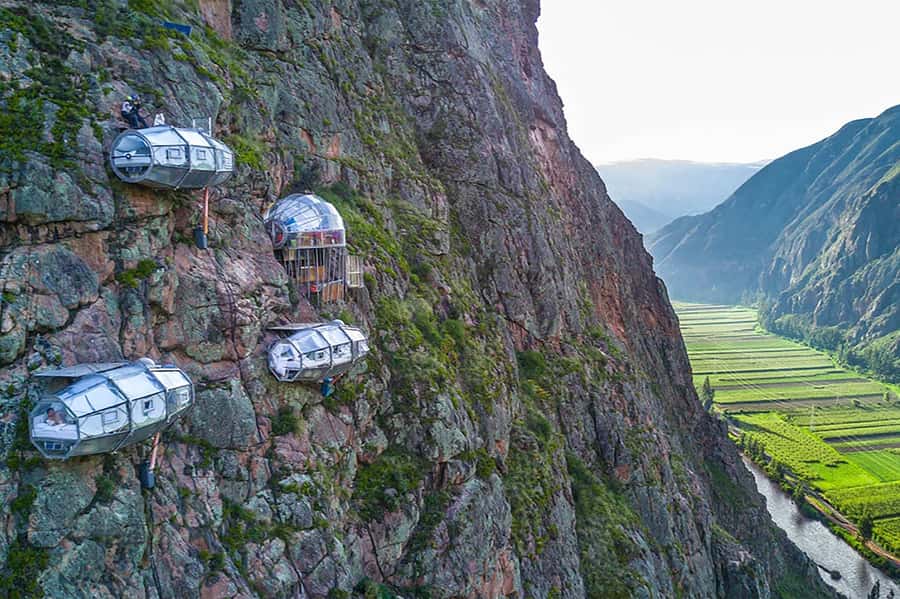
- 300 meters of via ferrata climbing, using permanent metal steps plus a lifeline system
- Expert guidance throughout, with safety equipment fitted before you start
- Box lunch at the top, paired with wide views over the Sacred Valley
- Six zip-line cables (250 to 700 meters), for a total of up to 2400 meters of flying
- A big descent in zig-zag, dropping more than 300 meters on the zip-lines
- Drop-off in Cusco or the Sacred Valley, including options like Ollantaytambo for Machu Picchu plans
From Cusco Morning to Sky-High Thrills
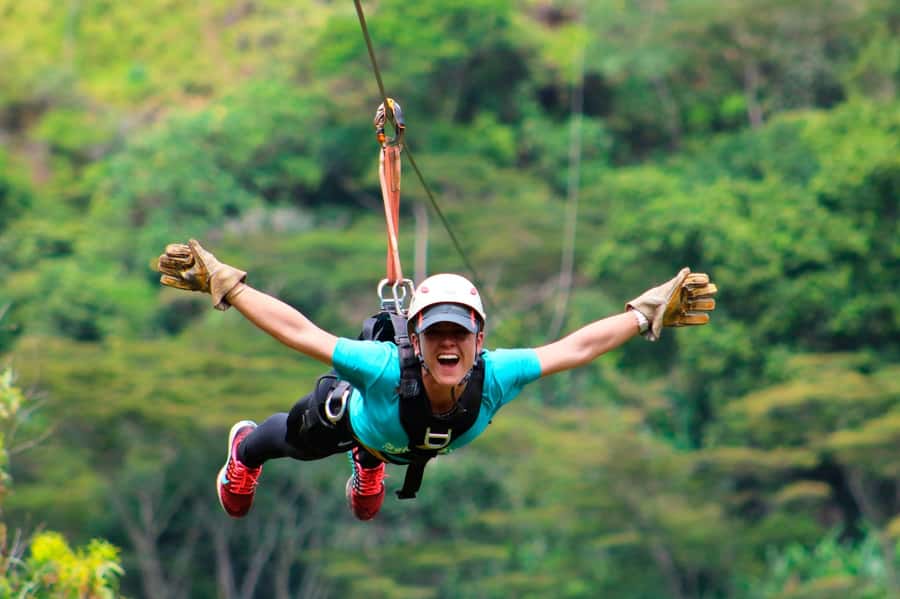
This is one of those Cusco experiences that feels like two activities married together. You get the grounded thrill of ascending a rock face with a built-in safety setup, then you switch to the airborne version—hanging in harness and helmet as you cross between mountain faces.
The timing is built for an efficient day. You’re picked up around 8:00 AM, then you ride out for about an hour before you even touch the climbing gear. After that, it’s steady action: climb for about an hour, lunch with the view, then zip-line across multiple cables before the ride back.
If you want an adventure day that doesn’t eat your whole schedule, this hits a sweet spot. The total duration is 5 hours, which also makes it easier to plan around other Cusco plans—especially if you’re thinking ahead to Machu Picchu.
You can also read our reviews of more tours and experiences in Cusco.

The 8:00 AM Pickup and Scenic Ride Out
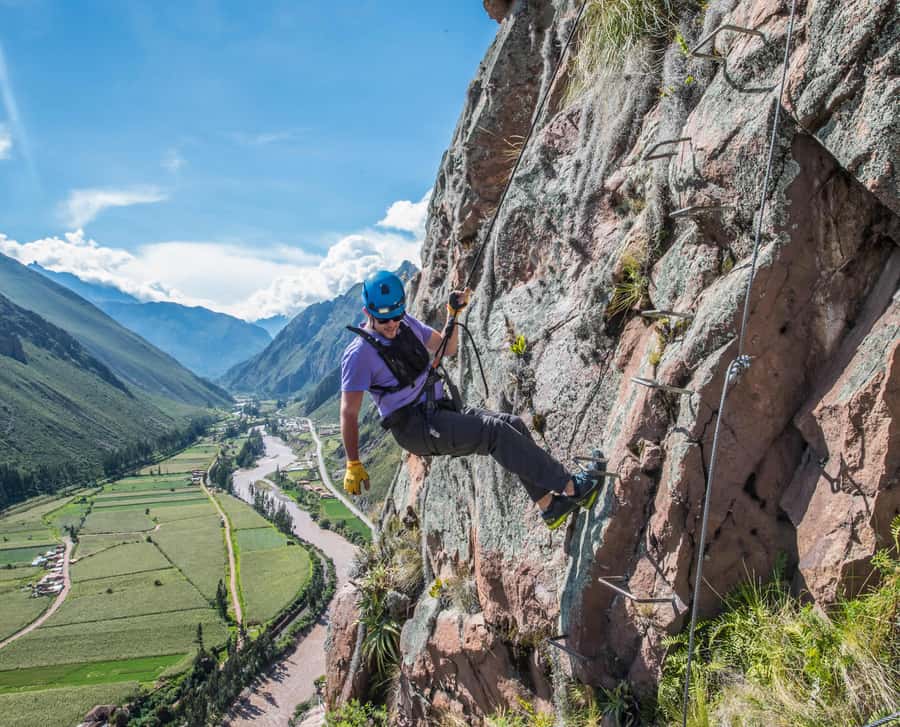
Your day starts with hotel pickup in downtown Cusco. The pickup is around 8:00 AM, and you’ll have a scenic drive of about 1 hour to reach the via ferrata base.
This drive matters more than you might think. Cusco altitude and the surrounding valleys can make you feel “ready but cautious.” The ride gives you a buffer: you arrive, you get briefed, and you shift from city motion to countryside focus. If your hotel is outside downtown Cusco, you’ll meet at a designated point instead—so double-check where you’re supposed to be.
Expect the day to move at a quick pace after pickup. This isn’t a leisurely half-day with lots of standing around. Plan to be present and ready when they call your group.
Getting Geared Up for Via Ferrata Safety
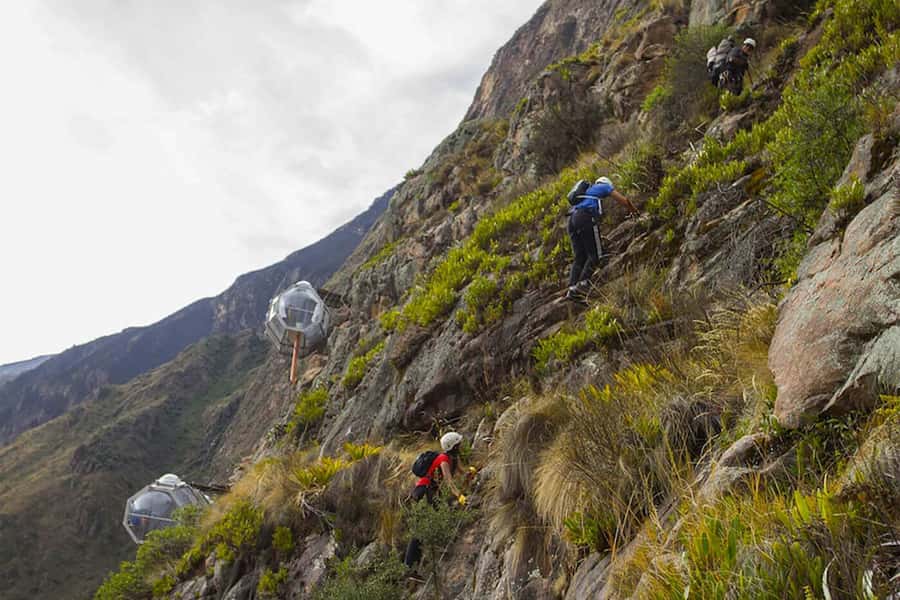
Before you climb, you’re provided with the safety setup. That includes a body harness and helmet, plus gloves and the via ferrata safety facilities that connect you to the fixed lifeline system.
The big idea with via ferrata is simple: you’re not free-climbing with only rope and hope. It’s a marked route on a rock face with permanent safety features—metal steps and a lifeline system that helps keep you attached as you move along the route.
Your expert guide stays with you during the ascent. That’s a relief if you’re new to heights. Even if you’re experienced, it keeps things smooth and reduces the “what now?” moments that can drain fun from the experience.
Practical note: they recommend comfortable clothes, a windbreaker, and rubber or hiking shoes. That’s not just for comfort—it’s for grip and stability while you’re stepping up metal footholds and navigating rocky sections.
Climbing 300 Meters: What the Via Ferrata Feels Like
The via ferrata portion is a 300-meter ascent. Plan on about 1 hour to reach the highest point, though your pace will depend on comfort and how often you stop to take in the view.
What makes this climb worthwhile is the combination of physical effort and constant scenery. As you climb, you’re not just working your legs—you’re also gaining altitude over the Sacred Valley, with the Vilcanota River visible below.
At the top, there’s a natural “pause point.” You stop for a quick box lunch and get the kind of perspective that makes the climb feel earned. This is also a smart moment to check how you’re doing physically before the zip-line portion starts. If you’re low on water or feeling chilly, this is when you’ll want to fix it.
One more thing: via ferrata can be suitable for beginners or expert climbers, but it’s still a rock-face activity. You’ll want to be comfortable following directions quickly, keeping both hands free when needed, and moving steadily while clipped in.
Box Lunch With Big Valley Views
After you reach the highest point, you get a box lunch. It’s quick—this is still an adventure schedule—but it’s placed at a high-impact moment, which makes the meal feel like part of the experience instead of a break you forgot about.
This is when the views peak. You’re looking over the Sacred Valley area, with the Vilcanota River below. Even if you don’t usually care about scenery, you’ll likely appreciate how the terrain opens up from that angle.
Bring your daypack for the basics you’ll want during the day: water, a wind layer, and anything small like lip balm or sunscreen. Even if you think you won’t need a windbreaker, mountains can change the weather quickly.

Six Zip-Lines Up to 700 Meters Long
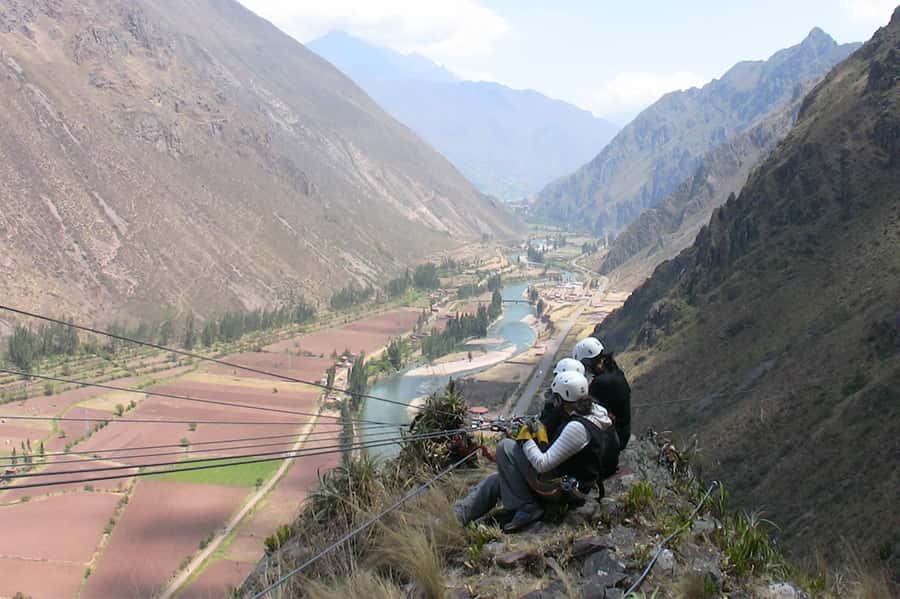
Then comes the shift from “climb and pause” to “fly and flow.”
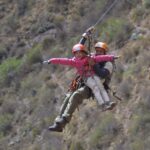
You’ll zip along six cables, with lengths that range from about 250 meters up to 700 meters. In total, the cables add up to up to 2400 meters of zip-line travel. That’s a lot of airtime for a single half-day, and it’s why this combo feels like real value.
From the start, you’re attached to the line with your harness system. As you leave the platform, you get that suspended feeling that’s equal parts thrilling and surprisingly controlled. The guide support and gear are the reason the experience can feel fun instead of chaotic.
The ride includes multiple segments across the mountain faces. Expect to zig-zag during the descent, dropping more than 300 meters before you reach the base.
What I like about this setup (and what you should look for in any zip-line program) is that the schedule doesn’t rely on one “big moment.” You get repeated moments: takeoff, glide, land, reset, and go again.
Price and Value: What Your $167 Covers
At $167 per person for about 5 hours, the headline cost isn’t the whole story. The value comes from three things that add up fast if you tried to DIY it:
- Certified safety equipment
You’re not just paying for the activity. You’re paying for a full kit: harness, helmet, gloves, and the safety facilities needed to participate.
- Round-trip transportation plus drop-off
You get hotel pickup from downtown Cusco and return transport. Then you’re dropped off back in Cusco or the Sacred Valley, such as Ollantaytambo—useful if you’re connecting onward.
- Guides who handle the scary parts
The route includes heights and fixed safety systems. Having trained guidance matters, and the tour includes an English and Spanish speaking guide.
There’s also an advantage in how tightly the day is structured. You start around 8:00 AM, climb, lunch, then zip-line, without long downtime. For many people, that’s what makes this feel worth the money.
Just note what’s not included: the stay in Sky Lodge. If you’re planning to sleep there, you’ll need separate arrangements.
Sky Lodge Note and How This Fits Machu Picchu Plans
This experience is often paired in people’s minds with Cusco-region adventure plans. But one clear point: your ticket doesn’t include staying at Sky Lodge—only the climbing and zip-line day.
On the logistics side, the drop-off is flexible. You’ll return to Cusco or areas in the Sacred Valley, including places like Ollantaytambo, so you can connect to Machu Picchu plans afterward.
That matters if your schedule is tight. A day that ends with a convenient Sacred Valley drop-off can save time versus forcing an immediate return to Cusco and then turning around again.
What to Bring for Comfort (and Better Control)
For this tour, you’ll want practical gear more than “adventure fashion.” The essentials are:
- Comfortable shoes (rubber or hiking shoes are recommended)
- Windbreaker (mountain weather can shift)
- Water
- Comfortable clothes and a daypack
If you run cold easily, dress with layers. If you’re worried about blisters, good shoes matter more than you think. The climb is about 300 meters, and the zip-line gear experience is physical too—your body needs to feel steady, not cramped.
Also think about gloves and warmth at the top. You’ll be moving and sweating on the ascent, then you’ll stop briefly. That stop is when you might feel a chill.
Who This Is Best For (and Who Should Reconsider)
This activity is described as suitable for beginners or expert climbers, which is a helpful sign that the guide and safety system are designed for a range of skill levels.
But it’s still not a passive attraction. If you can handle heights with some physical effort—follow instructions, stay calm, and move with purpose—you’re likely going to enjoy it.
Here’s the main “not suitable” rule: children under 8 can’t participate. If you’re traveling with kids over 8, this could be a good family adventure day depending on their comfort level with heights and equipment.
If you’re someone who hates the idea of being clipped in and suspended, be honest with yourself. The whole point here is controlled adrenaline. The rewards come from trusting the safety setup and leaning into it.
Should You Book the Via Ferrata and Zip-Line Combo?
I’d book it if you want a single half-day in the Cusco region that delivers real variety: rock-face climbing with permanent safety features, then six zip-line rides with serious distance. It’s also a good choice if you care about value—your price includes transportation, safety equipment, a guide, and lunch, not just the thrills.
I’d hold off if you’re looking for a gentle, low-physical-effort outing. The climb is real, and the zip-lines involve that “floating” feeling. Plan to wear proper shoes, bring a windbreaker, and treat the guide directions like part of the experience—because they are.
If your goal is to see the Sacred Valley from above in a way that’s more than photos, this one delivers.
FAQ
What time is pickup in Cusco?
Pickup is around 8:00 AM from downtown Cusco.
How long is the tour?
The total duration is 5 hours.
What does the tour include?
It includes hotel pickup, round-trip transportation, certified safety equipment (harness, helmet, gloves, and safety facilities), box lunch, and a Spanish and English-speaking guide, with drop-off in Cusco or the Sacred Valley.
Is lunch included?
Yes. You get a box lunch during the via ferrata portion after reaching the highest point.
Is this suitable for beginners?
Yes, it’s described as suitable for beginners or expert climbers.
What should I bring?
Bring comfortable shoes, a windbreaker, water, comfortable clothes, and a daypack.
Are children allowed?
Children under 8 are not suitable. Children over 8 can participate.