REVIEW · CUSCO
Cusco: Private City Tour and Trip to Archeological Sites
Book on GetYourGuide →Operated by LimaTours · Bookable on GetYourGuide
One look at Cusco hills and you start getting curious. This private tour strings together the key sites fast, with Coricancha and the high-fortress views that make the city click for first-timers.
I like that the route feels organized, not rushed, and you learn the story of how Inca worship and engineering got layered under Spanish-era buildings. The other thing I really appreciate is the practical pacing: comfortable vehicle transfers and a guide who keeps explanations clear in English, Spanish, or Portuguese.
The only real catch: you’ll be walking and heading uphill to viewpoints. If you’re expecting flat, easy sightseeing, adjust your expectations and wear comfortable shoes.
In This Review
- Key points I’d plan around
- A smart 4-hour Cusco intro: why this mix works
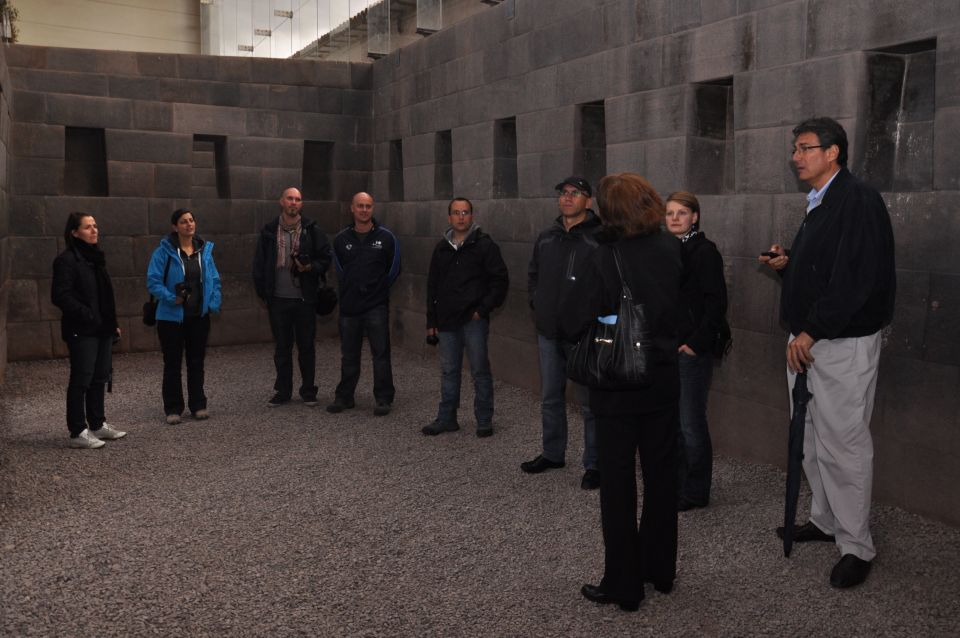
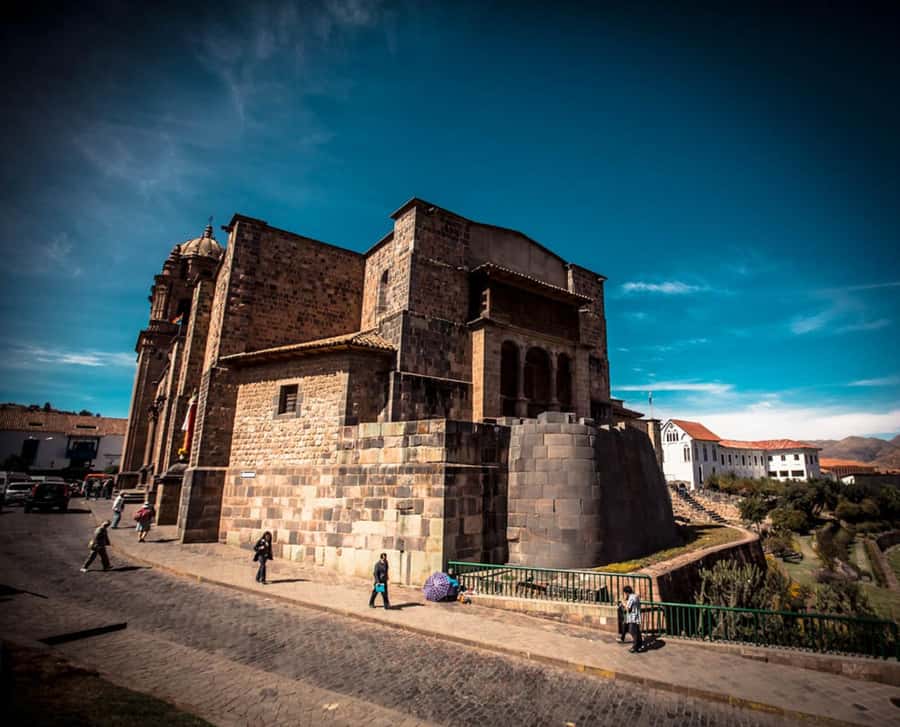
- Santo Domingo Convent and the Coricancha foundations
- Cusco Cathedral: your Main Square landmark reset
- Sacsayhuaman: mega ramparts and the view that explains everything
- Qenqo’s amphitheatre ruins and agricultural ritual clues
- Puka Pukara: the red fortress and its still-visible systems
- Price and value: what’s included, what you still need
- Practical stuff that makes the day go smoothly
- Should you book this private city tour?
- FAQ
- How long is the Cusco private city tour?
- What is the price per person?
- Is hotel pickup and drop-off included?
- What does the tour include?
- What is not included in the price?
- Do I need the Cusco Tourist Ticket (BTC)?
- What languages does the guide speak?
- What should I bring?
- Is the tour suitable for wheelchair users and are pets allowed?
Key points I’d plan around
- Coricancha under Santo Domingo: the convent sits on Inca sun-temple foundations you can still spot.
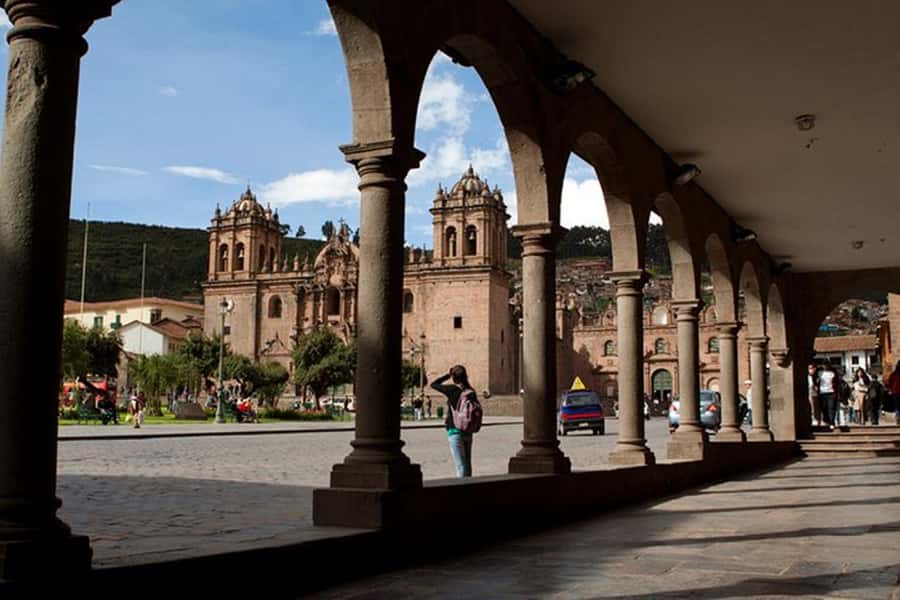
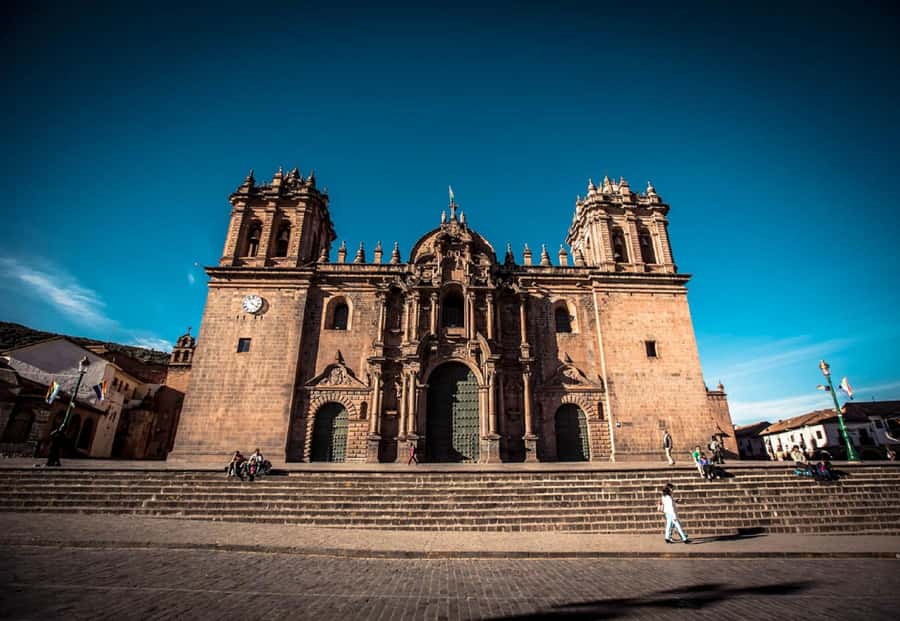
- Cusco Cathedral in the Main Square: the biggest landmark stop right where you’re likely to wander anyway.
- Sacsayhuaman uphill payoff: ramparts plus panoramic Cusco views, with the sheer scale doing half the teaching.
- Qenqo’s ritual setting: temple and amphitheatre remains tied to agricultural ceremonies.
- Puka Pukara’s military life: dwellings, bathrooms, aqueducts, and towers still readable on the ground.
- Admissions partially included: Coricancha and Cusco Cathedral entries are covered, but you must handle the BTC for other sites.
A smart 4-hour Cusco intro: why this mix works
Cusco is one of those cities where you can easily feel like you’re moving between photo stops. This tour avoids that problem by combining three things you actually need on day one: an anchor site in the center, an iconic viewpoint above town, and a pair of Inca-era ruins that explain how daily life and ritual worked.
You get the classic Cusco arc in one go. You start at the place where Inca sun worship landed under a later religious complex, then you hit the cathedral that defines the Main Square, and then you climb to the hilltop structures—built with serious intent, not just scenery in mind.
And since this is a private group with hotel pickup in the Historic Center, you don’t waste time figuring out transport. A guide does the heavy lifting on context so you can do the fun part: looking closely.
You can also read our reviews of more city tours in Cusco
Santo Domingo Convent and the Coricancha foundations
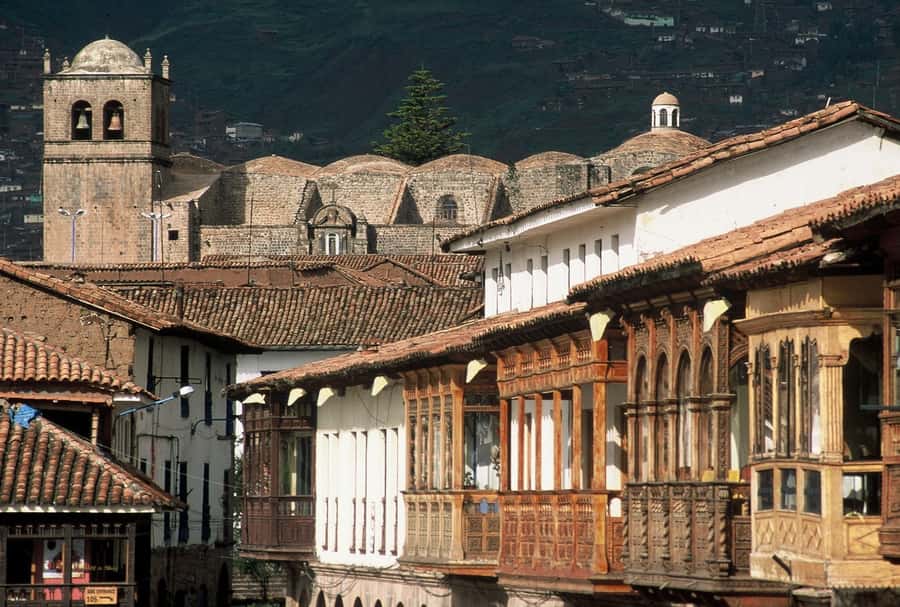
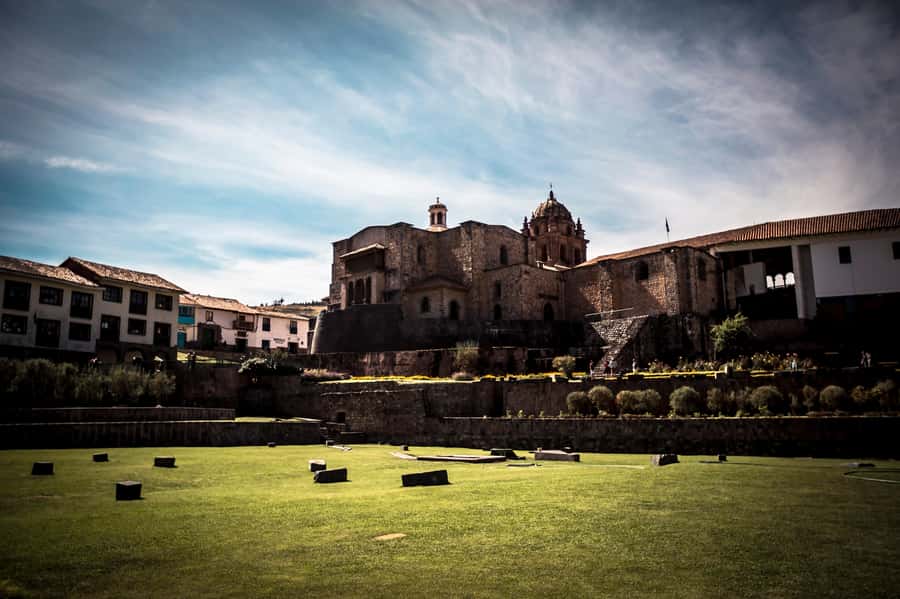
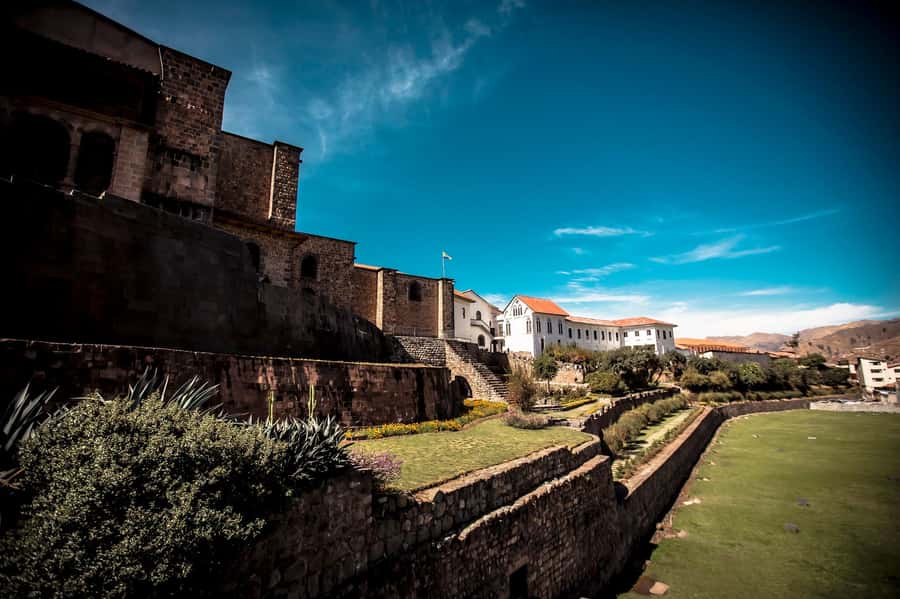
The tour begins at Santo Domingo Convent, a large Renaissance–baroque complex built over the Inca Coricancha temple. This isn’t just a historical trivia moment. It’s a physical reminder that conquest in this region wasn’t just political—it rewired sacred space.
What you’ll notice at the convent is that Inca foundations still show up right at the base. That detail matters. It helps you stop treating the Inca period and Spanish period like separate chapters and start seeing them as overlapping layers you can literally walk across.
You also get the story of Coricancha as one of the most important temples dedicated to worship of the sun. Ancient chronicles describe the temple as being covered in gold leaf and filled with golden representations of nature. Even if gold isn’t there anymore, the symbolism is the point: this was where power, astronomy, and religion met in a single place.
Practical note: you’ll want your eyes open here. The meaningful parts aren’t only the big buildings, but the way the stonework and layout reveal what existed underneath.
Cusco Cathedral: your Main Square landmark reset
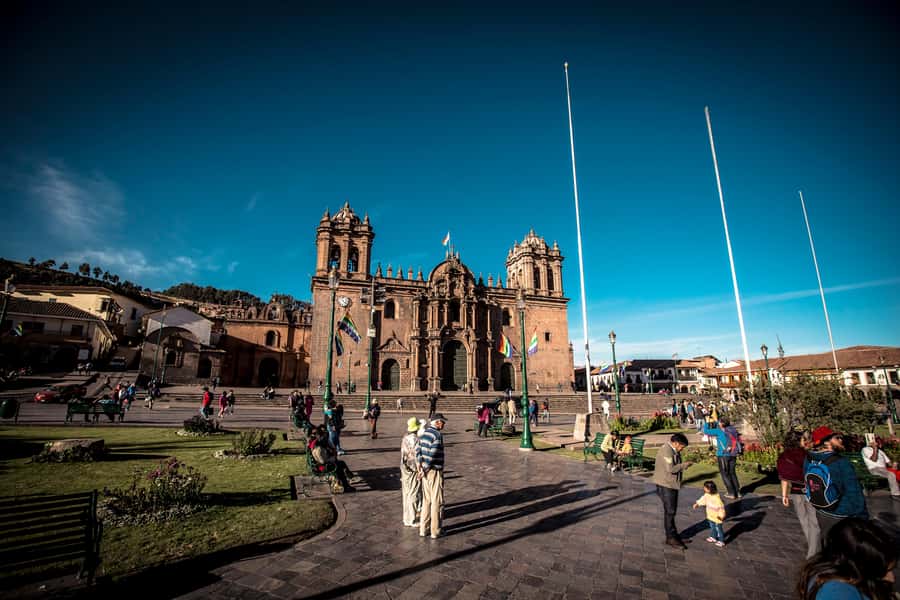
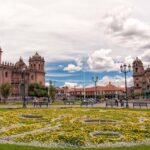
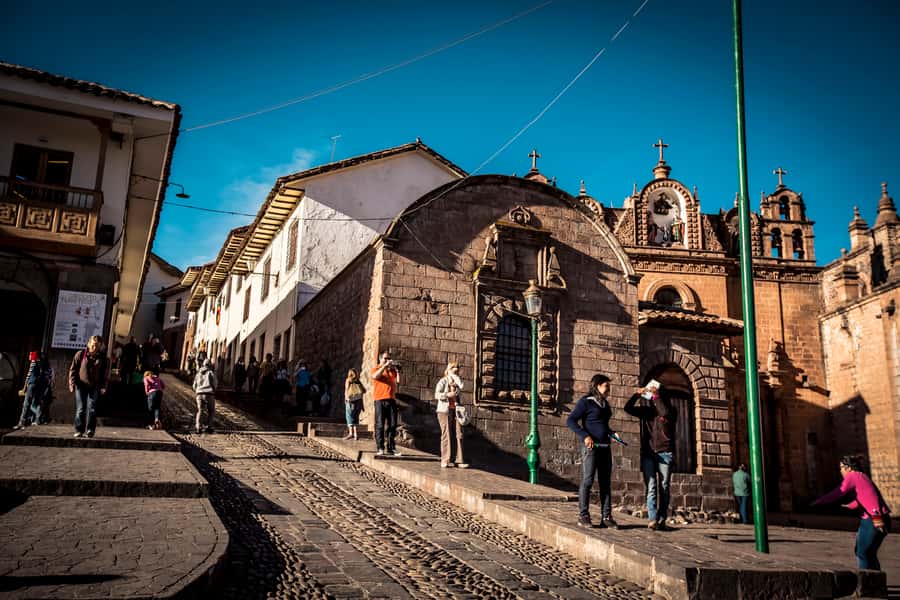
After Coricancha, you head to the Cusco Cathedral, described as the most imposing monument of the Main Square. This stop works because it resets your orientation. Once you’ve seen how the Inca used sacred ground in the center, the cathedral gives you the next layer of what Spanish rule emphasized: a monumental centerpiece that pulls you into the city’s civic heartbeat.
Even if you’re not the kind of person who reads every plaque, this is still worth a quick, guided look. The guide’s job here is to connect what you’re seeing to where you are in the city. You’ll leave with a better sense of how Cusco organizes itself around the square and how that structure shaped everyday movement.
Value tip: this is one of the entrances that’s included on the tour, so you’re not juggling extra tickets for this specific site.
Sacsayhuaman: mega ramparts and the view that explains everything
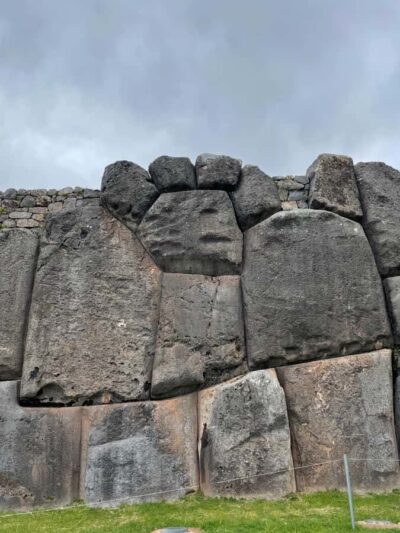
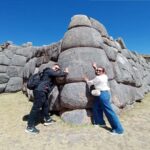
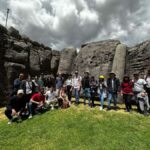
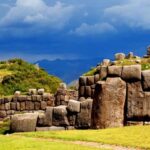
Then comes the uphill part: Sacsayhuaman, the mega fortress above Cusco. The ramparts are imposing in a way that photos sometimes fail to capture. Up close, you feel the engineering and the defensive logic. The stones aren’t just decorative; they’re the message.
The panoramic view is the obvious payoff. But the smarter payoff is what the view helps you understand: you can see why hilltop control mattered. Cusco wasn’t only beautiful to look at. It was strategic to defend, and the fortress layout reflects that.
If you’re short on energy, pace yourself. The climb is part of the experience, but you don’t have to pretend you’re training for a mountain race. Take a slow moment when you reach the ramparts and let your eyes adjust. That’s when the details start making sense.
This is also a site where your guide’s explanations pay off. Without context, it’s just big stone walls. With context, it becomes a system: sightlines, topography, and human planning all working together.
Qenqo’s amphitheatre ruins and agricultural ritual clues
Next up is Qenqo, where you’ll see the remains of a temple and an amphitheatre. The key idea you’ll learn here is that it’s believed the Incas practiced agricultural rituals at this site.
That matters because it changes how you look at the space. It’s not only a religious monument; it’s tied to land, seasons, and food production. When you connect the amphitheatre shape to the idea of ceremony, you start imagining how people gathered and how the site functioned beyond pure decoration.
You’ll likely walk around enough to get a sense of layout rather than just posing for pictures. If you enjoy ruins that still “read” like places people used, Qenqo is the kind of stop that sticks.
One consideration: Qenqo can feel a bit less dramatic than Sacsayhuaman from a distance. Up close, though, the guided context helps you see the purpose.
You can also read our reviews of more private tours in Cusco



Puka Pukara: the red fortress and its still-visible systems
Finally, you’ll head to Puka Pukara, which means Red Fortress in Quechua. This is an Inca military complex on a prominent hill, and it’s often the stop that reveals how practical Inca engineering could be.
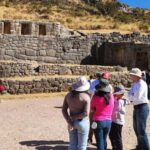
What you can still appreciate here includes dwellings, square areas, bathrooms, aqueducts, walls, and towers. That list is a big deal. It means Puka Pukara isn’t just ruins shaped like history—it’s a place that contains clues about daily routines, water management, and defense planning.
This is also where I’d lean into the guide’s explanations, because military complexes aren’t always intuitive to read. With the right framing, you start noticing patterns: how water would have been routed, how spaces might have been used, and why the layout would support people living and working on a hilltop.
Wear shoes with grip. You’ll be moving on uneven ground, and that’s the difference between seeing thoughtfully and rushing through.
Price and value: what’s included, what you still need
The price is $101 per person for about 4 hours, and the value depends on what you’d otherwise pay for on your own.
Here’s the practical breakdown:
Included
- Hotel pickup and drop-off (from the Cusco Historic Center)
- A professional guide (English, Spanish, Portuguese)
- Admission to Coricancha and Cusco Cathedral
Not included
- The Cusco Tourist Ticket (BTC), which you need for Sacsayhuaman, Qenqo, Puca Pucara, and Tambomachay
- Food and drink
- Personal expenses
- Gratuity
If you’re doing these sites solo, the costs and logistics add up fast—especially when you factor in multiple admissions and the effort of coordinating transport. In that sense, this tour’s price can be a good deal for what you get: guided interpretation across several major ruins plus the convenience of pickup.
The main thing to budget for is the BTC. Make sure you have it before you arrive at the hill sites, or the day can feel unnecessarily stressful. Also remember you’ll likely want water and a snack plan, since food isn’t included.
Practical stuff that makes the day go smoothly
Cusco hill sites reward the right preparation. If you go in with the right basics, the tour feels easy. If you don’t, you’ll feel every step.
What to bring
- Comfortable shoes (this is non-negotiable for the uphill portions)
- Sunscreen
- Comfortable clothes for changing light and temperature
What not to bring
- Pets
- Luggage or large bags
- Unaccompanied minors (children must be accompanied by an adult)
Where pickup happens
- Pickup is from hotels in the Cusco Historic Center, and you should arrive about 15 minutes before your scheduled time.
How fit you need to be
- The tour isn’t listed as wheelchair-friendly, and it involves walking plus hills. If you have mobility limitations, you’ll want to check with the operator directly about your situation before you commit.
And one small but real tip: bring your patience. Ruins take time to look at. The best moments are usually the ones where you slow down and let the guide point out what you might otherwise miss.
Should you book this private city tour?
Book it if you want an efficient, guided way to understand Cusco in a half-day. This is ideal for first-time visitors who want the core hits: Coricancha’s layered sacred space, the Main Square power of the cathedral, and hilltop ruins where panoramic views and Inca-era structure connect to real purpose.
Don’t book it if you need very flat, low-walking sightseeing, or if your schedule can’t handle a hilltop day. In that case, you might prefer a more center-focused plan.
If you do book, I’d also make sure you sort your BTC ahead of time for Sacsayhuaman, Qenqo, Puka Pukara, and Tambomachay. Then you can focus on the main reward: a guided day where the stones and symbols start telling a coherent story.
FAQ
How long is the Cusco private city tour?
It lasts about 4 hours.
What is the price per person?
The price is listed as $101 per person.
Is hotel pickup and drop-off included?
Yes. Pickup and drop-off are included, and pickup is from hotels located in the Cusco Historic Center.
What does the tour include?
It includes a professional tour guide (English, Spanish, Portuguese), hotel pickup/drop-off, and admission to Coricancha and the Cusco Cathedral.
What is not included in the price?
Not included are the Cusco Tourist Ticket (BTC), food and drink, and personal expenses. Gratuity is also not included.
Do I need the Cusco Tourist Ticket (BTC)?
Yes. The BTC is important for visiting Sacsayhuaman, Qenqo, Puka Pucara, and Tambomachay.
What languages does the guide speak?
The guide is available in English, Spanish, and Portuguese.
What should I bring?
Bring comfortable shoes, sunscreen, and comfortable clothes.
Is the tour suitable for wheelchair users and are pets allowed?
It is not suitable for wheelchair users, and pets are not allowed.