REVIEW · BOGOTA
Anti-tour Bogotá
Book on GetYourGuide →Operated by Tripcol · Bookable on GetYourGuide
Bogotá can feel like a thousand stories at once. This anti-tour focuses on the ones most guidebooks skip, mixing chicha and viche tastings with lessons about resistance. I like how hands-on it is, and I also like that it uses real neighborhoods instead of just photo stops, though you should be ready for a fast pace and a bit of backstreet walking.
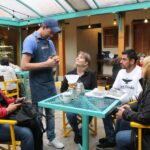
You’ll move through the city with an English-speaking guide in a small group (max 10), usually wrapping up near La Trocha, Casa de la Paz after about four hours. The main “gotcha” is simple: this is not a sit-down culture class. It’s active, you’ll be out in the sun, and you’ll be offered traditional drinks that some people won’t love.
In This Review
- Key things that make this anti-tour worth your time
- Why an anti-tour works better than a checklist in Bogotá
- Starting at Parque de los Periodistas and the La Pola connection
- Chorro de Quevedo: where chicha becomes a workshop, not a theory
- TransMilenio and the Gold Museum stop: moving through the city’s pulse
- La Trocha, Casa de la Paz: peace work, crafts, and viche tasting
- La Candelaria and Manu Chao’s former home: music as a map of the city
- Price and value: what $42 buys you in real experience
- Getting the most out of the day: pacing, transit, and what to pack
- Who should book Anti-tour Bogotá, and who might skip it
- Should you book this anti-tour?
- FAQ
- Is this tour in English?
- How long is the Anti-tour Bogotá experience?
- What’s included in the price?
- Is it a small group?
- What should I bring with me?
- Where does the tour start and end?
Key things that make this anti-tour worth your time
- Chicha workshop: learn to make the indigenous corn brew and taste it right after
- La Pola stop: connect today’s Bogotá to the independence story behind Policarpa Salavarrieta
- TransMilenio + Gold Museum timing: see the city in transit, then pause for a focused cultural visit
- La Trocha, Casa de la Paz: taste viche and hear how ex-combatants build peace through arts and work
- Manu Chao’s former home in La Candelaria: a street-to-music connection, not a concert poster version
- Small group with English guides: you get space for questions, not just a headset stream
Why an anti-tour works better than a checklist in Bogotá
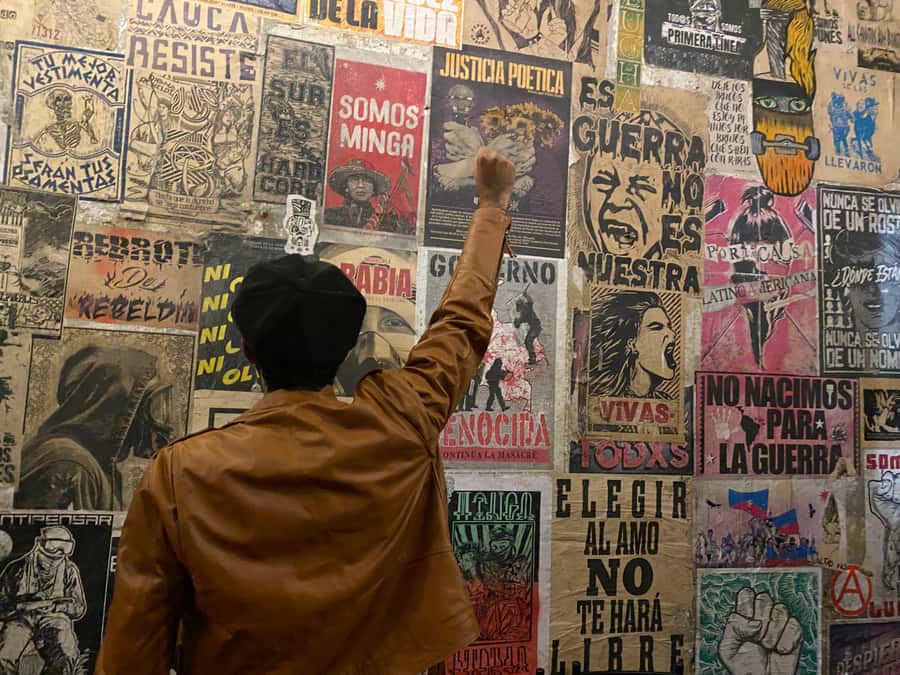
If you only do the usual attractions, Bogotá can start to feel like a theme park: bright murals here, an overlook there, and then you’re back on the main road. This tour takes a different approach. It treats the city like a living argument—between old and new, between official narratives and what communities actually lived.
Two things I really appreciate are the hands-on tastings and the way the stops connect to people’s choices. You don’t just hear that Colombia has a complicated past. You taste ancestral drinks and talk with people transforming difficult histories into something constructive.
The only trade-off: this route leans into raw, sometimes heavy topics. If you want a purely relaxing day with zero discomfort, you might find this too real.
You can also read our reviews of more tours and experiences in Bogota.

Starting at Parque de los Periodistas and the La Pola connection
Your tour begins at Parque de los Periodistas Gabriel García Márquez, meeting in front of the sign area. It’s a practical start: you’re in the center of Bogotá’s “people life,” not out on the edge where taxis feel mandatory.
The first guided stop is La Pola – Policarpa Salavarrieta Monument. This is more than a statue moment. It’s a setup for how the tour frames Bogotá’s identity: independence isn’t just an old textbook line. La Pola is presented as a revolutionary heroine whose bravery fed Colombia’s fight for independence, which makes what you see later feel less random.
A small detail that matters here: the first stop is short (about 15 minutes). That’s good. You get context early without dragging you into a long historical monologue.
Chorro de Quevedo: where chicha becomes a workshop, not a theory
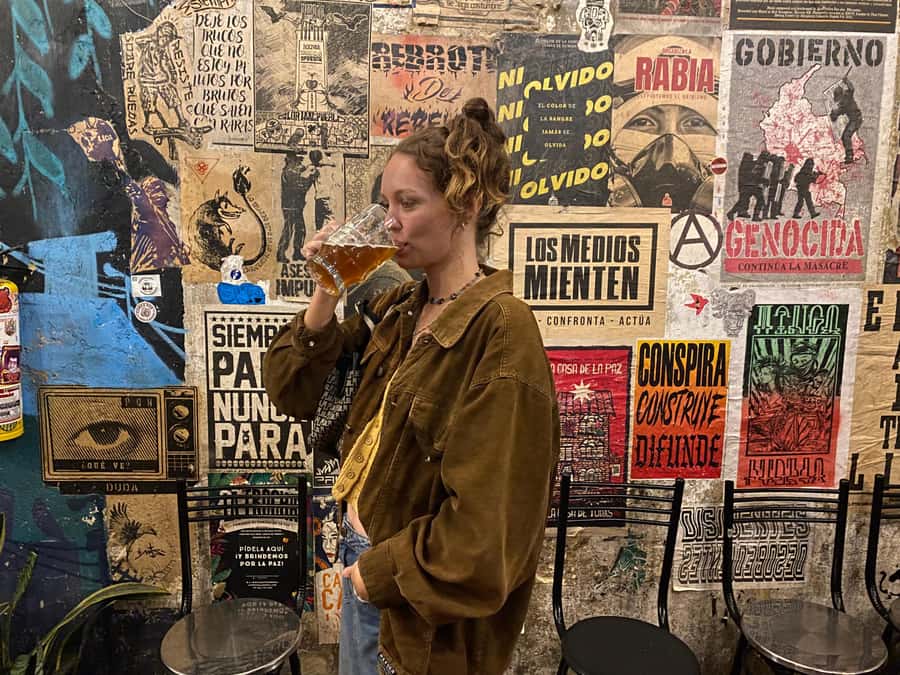
Next you head to Chorro de Quevedo Plaza. This is where the tour turns from walking-and-listening into making-and-tasting. You’ll get a guided visit of the area, then settle in for the chicha workshop (about 1.5 hours).
Chicha, in this context, is presented as a traditional indigenous corn brew. The value is not just that you’ll taste it. You learn the process as a skill and a cultural practice, which helps you understand why drinks like this carry meaning beyond flavor. When you can connect the steps to the ingredients and the tradition, you’re less likely to treat it like a gimmick.
You’ll also get a guided explanation of the clash between modernity and ancient traditions—again, tied to the city’s broader story. Bogotá is full of contrasts: fast urban change right beside older customs that refuse to disappear.
Practical note: plan to wear comfortable shoes and expect to be out of direct sun at times and in full sun at other times. Bring water, and don’t assume you can buy everything on the go.
TransMilenio and the Gold Museum stop: moving through the city’s pulse
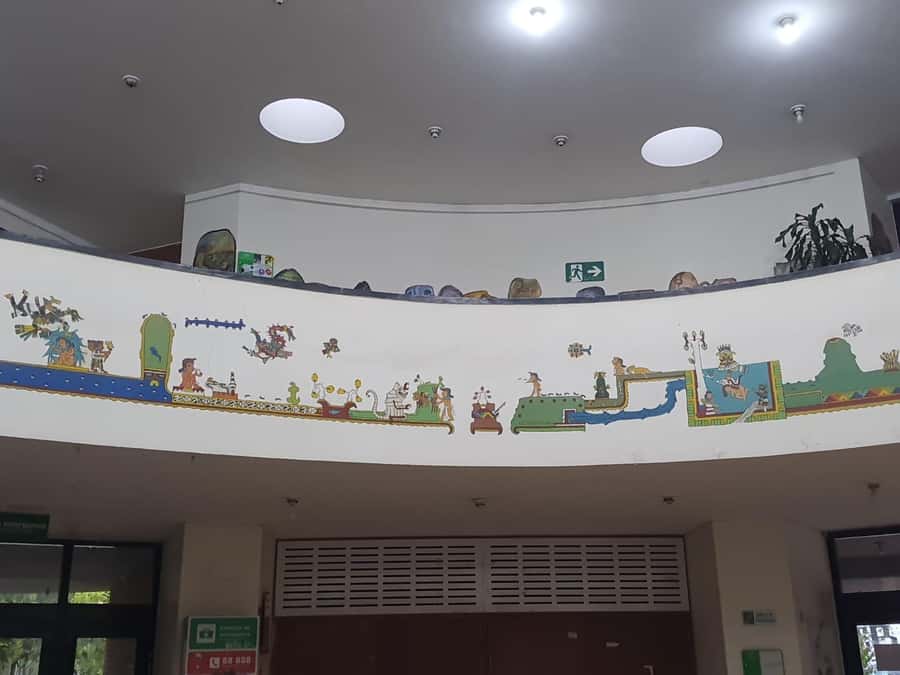
From Chorro de Quevedo, you’ll use public transport, including TransMilenio. The tour includes a stop at the Gold Museum for about 30 minutes, with guided time built in.
Why I like this structure: TransMilenio is part of Bogotá’s daily rhythm. Taking it during a tour changes your sense of scale. Instead of seeing the city as a set of isolated sights, you start to see it as a system—people commuting, connecting, and moving through the same streets you’re walking.
Then you get a short museum visit rather than an open-ended museum wandering session. That timing matters because it keeps the day from expanding into “just one more thing.” You see the museum in a focused window, then you’re back outside, ready for the more human, story-led stops.
If you’re the type who hates transit segments, you’ll want to mentally accept that part of the experience here is actually riding the city’s infrastructure.
La Trocha, Casa de la Paz: peace work, crafts, and viche tasting
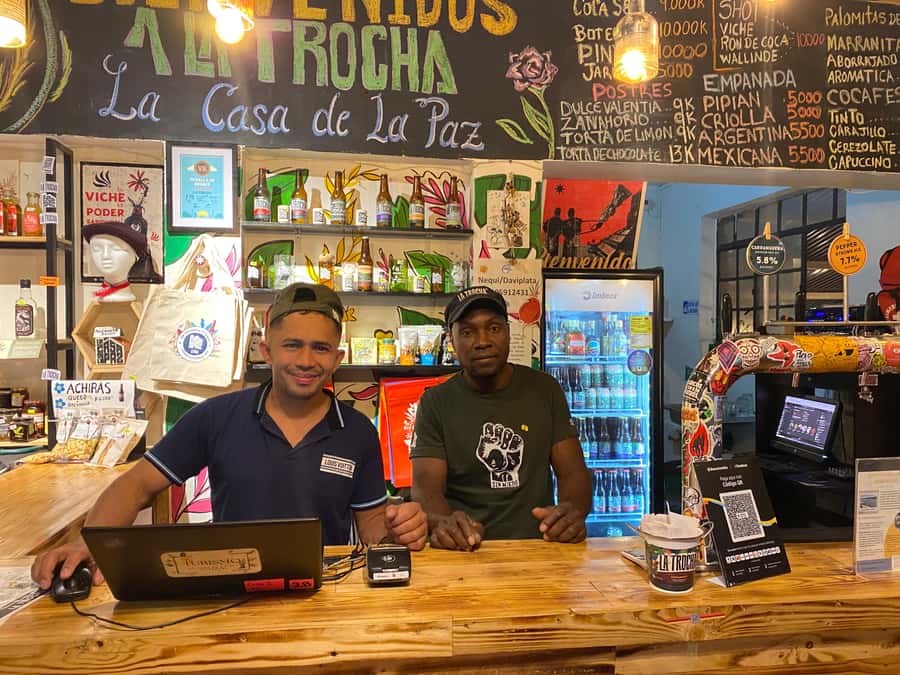
This is one of the tour’s core moments. You ride across the city (there’s a short public transport stretch, around 12 minutes), and then you land at La Trocha, La Casa de la Paz.
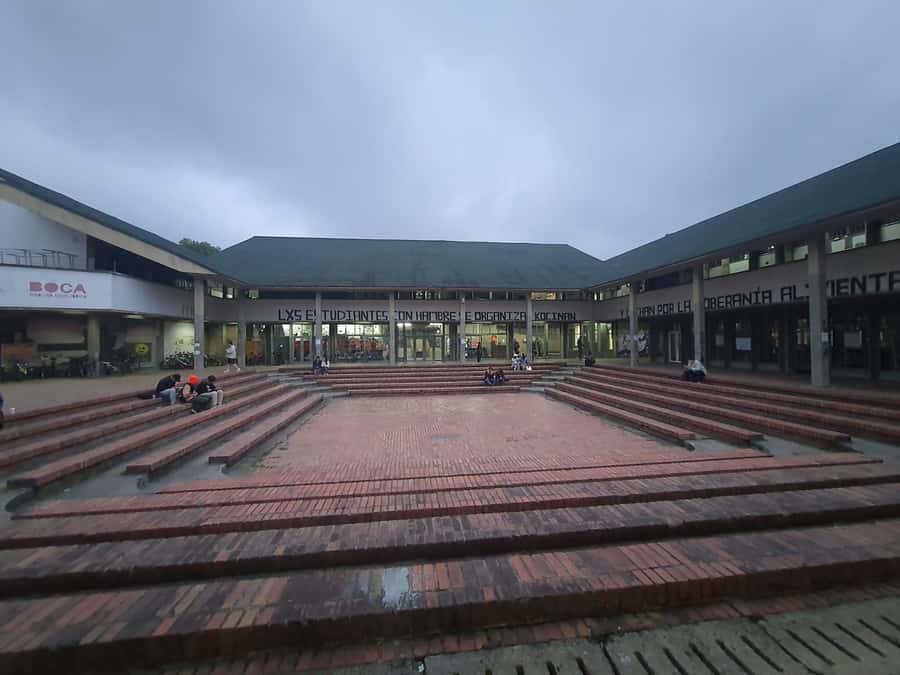
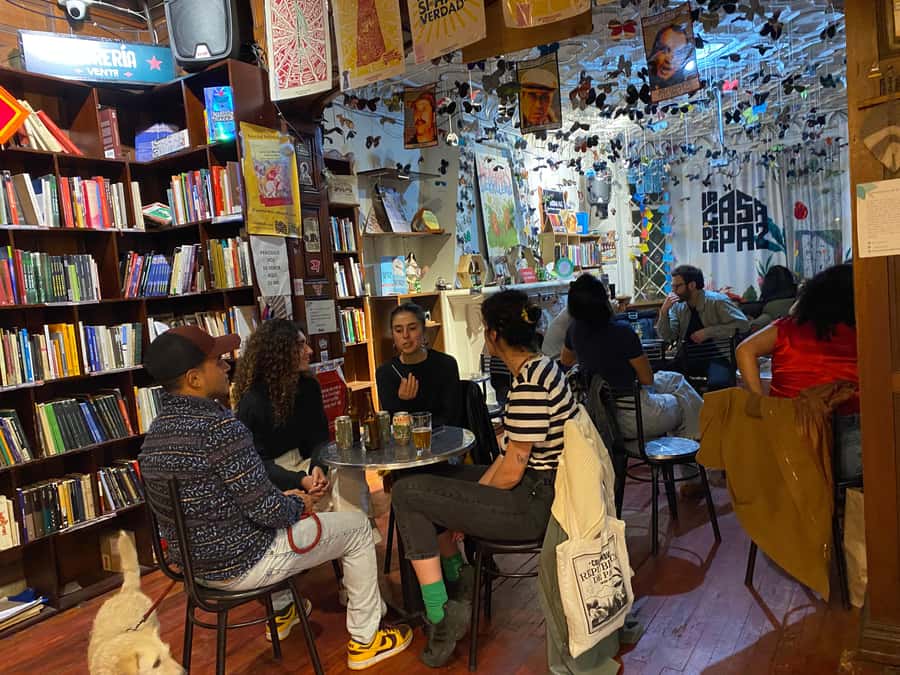
Expect an arts and crafts market visit (about 80 minutes). This is not a quick photo op. You get time to browse and take in how the space works, and you’ll also be part of the tour’s most direct “past to present” storytelling.
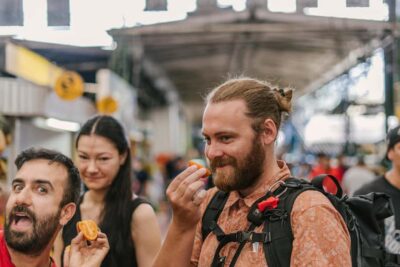
Here’s where the drink comes in: you’ll taste viche, described as an ancestral sugarcane spirit. Again, the point isn’t only flavor. It’s how tradition gets carried forward, even when communities face huge pressure to conform.
Most important, you’ll have conversations tied to transformation—how ex-combatants are building peace through what they do now. That’s also why this stop feels different from a typical cultural market. You’re meeting people whose stories don’t fit neatly on a souvenir shelf.
A small caution: this is one of the spots where the tone can get serious. If you’re prone to shutting down when conversations get real, you may still enjoy the crafts and tastings, but you might need a little patience with the emotional weight.

La Candelaria and Manu Chao’s former home: music as a map of the city
After the chicha workshop, the tour includes a stop in La Candelaria to visit a former home of Manu Chao. This is the tour’s cultural left turn: instead of focusing on political monuments only, it looks at art and street energy as a source of inspiration.
The value here is subtle. You’re not just visiting a celebrity address. You’re connecting the dots between the artist’s time in Bogotá and how the city’s streets and attitudes can shape a creative life.
This stop pairs well with everything before it. By the time you get here, you’ve already seen how Bogotá tells stories through resistance, tradition, and identity. Manu Chao’s former home fits because music is another kind of narrative power.
If you’re the sort of person who likes cultural sites you can actually feel through the neighborhood, La Candelaria is a strong finish point. If you prefer purely structured sights with timed rooms and strict rules, you might want to keep your expectations flexible.
Price and value: what $42 buys you in real experience
At around $42 per person for a 4-hour tour, the best “value” isn’t the number. It’s what’s packed in and how much of it is included.
In the price, you get:
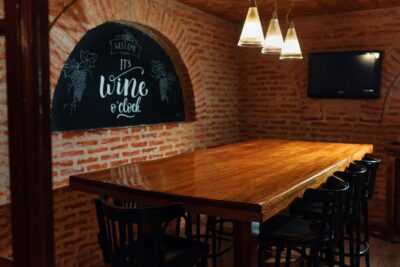
- a hands-on chicha workshop
- viche tasting
- entrance to Manu Chao’s house
- guided visits to the historical stops on the route
- personal stories of transformation
- an English live tour guide
- small group size (up to 10)
That mix is why this doesn’t feel like a basic sightseeing add-on. Tastings alone can be pricey in cities where everything is “one drink, one price.” Here, you’re learning the context and then tasting, which makes the cost feel more honest.
The one thing not included is personal spending. So bring a small buffer if you want extra water, snacks, or keepsakes from the market.
Getting the most out of the day: pacing, transit, and what to pack
This tour is active, with multiple stops and transit segments. The total duration is about four hours, and the schedule is tight enough that you shouldn’t plan to wander off to buy extras.
Bring:
- comfortable shoes (you’ll walk between several areas)
- a hat for sun
- sunscreen
- water
- a camera if you like documentary-style shots
One review detail that matters for your expectations: the flow at the start may feel like it could be smoother depending on how the day is timed. That’s not a dealbreaker, but it’s a good heads-up if you’re the kind of person who likes a very orderly beginning.
Also, consider your drink comfort. You’ll be offered chicha and viche. If alcohol or strong traditional spirits are a hard no for you, you’ll need to decide ahead of time how you feel about tasting.
Who should book Anti-tour Bogotá, and who might skip it
This tour is a great match if you:
- want Bogotá beyond the usual postcard circuit
- enjoy hands-on experiences like making and tasting local drinks
- like guided storytelling that connects politics, culture, and daily life
- want small-group access to ask questions, not just watch from a distance
It may be less ideal if you:
- want a relaxed, low-walking day
- dislike discussion of serious histories
- prefer standard museum time with lots of free roaming
If you’re somewhere in the middle, you can still have a very good day. Just go in knowing this is shaped like a conversation with the city, not a list of achievements.
Should you book this anti-tour?
If your goal is to understand Bogotá’s contradictions—modern streets next to older traditions, official narratives next to community truth—this is one of the more satisfying ways to do it in a half-day. You get chicha and viche, real cultural stops, and a peace-focused visit at La Trocha that makes Colombia’s present feel connected to its past.
Book it if you’re curious and open-minded. Skip it if you want a simple, light, purely sightseeing day. Either way, you’ll leave with stories that don’t fit in a typical photo album.
FAQ
Is this tour in English?
Yes. The tour guide is live and the tour runs in English.
How long is the Anti-tour Bogotá experience?
It lasts about 4 hours.
What’s included in the price?
You get a hands-on chicha workshop, viche tasting, entrance to Manu Chao’s house, guided visits to historical sites, and personal stories of transformation.
Is it a small group?
Yes. The group is limited to 10 participants.
What should I bring with me?
Bring comfortable shoes, a hat, sunscreen, water, and a camera.
Where does the tour start and end?
It starts at Parque de los Periodistas Gabriel García Márquez, and it finishes at La Trocha, La Casa de la Paz.