REVIEW · CUSCO
Cusco : City Tour of 4 Ruins and Sun Temple
Book on GetYourGuide →Operated by PeruVibes · Bookable on GetYourGuide
Stone fortresses and sacred water in one day. This 5-hour guided loop links Coricancha with Sacsayhuamán, plus Qenqo, Tambomachay, and Puca Pucara, so you get a fast, connected picture of Cusco’s Inca world without spending the day bouncing around town.
I especially like two things: the included hotel-area pickup and transport, and the professional guide who works in English and Spanish (helpful in Cusco, where your Spanish and your comprehension might not match your confidence). You’re not just dropped at ruins and left to guess.
One consideration: the tour runs on a tight clock. On some departures it can feel rushed and pick up extra stops geared toward selling, which can squeeze time at the archaeology when you’d rather slow down.
In This Review
- Key Highlights You’ll Actually Feel
- A Fast Cusco Loop That Still Feels Like a Story
- Coricancha (Temple of the Sun): Where Sacred Architecture Got Reused
- Tickets and budget note
- Sacsayhuamán: The Fortress Above Cusco That Makes Stone Feel Heavy
- A good sign
- Qenqo: Ceremonial Rock Shapes and the Geometry of Belief
- Tambomachay: Water Sources and Purification in Stone Channels
- Puca Pucara: A Military Fortress and Big Views That Reward the Climb
- Price and Tickets: Is It Good Value for $16?
- Tour Pacing, Shopping Stops, and Protecting Your Time
- What It Feels Like to Walk the Route (Without Burning Out)
- Altitude, Rain, and Small Safety Stuff That Actually Matters
- Who This Tour Fits Best
- Should You Book This Cusco Ruins and Sun Temple Tour?
- FAQ
- How long is the Cusco City Tour of 4 Ruins and Sun Temple?
- Does the tour include hotel pickup?
- What languages is the guide available in?
- Are tickets included for archaeological sites?
- What should I bring to the tour?
- Is this tour suitable for altitude sickness?
- Is there free cancellation?
Key Highlights You’ll Actually Feel
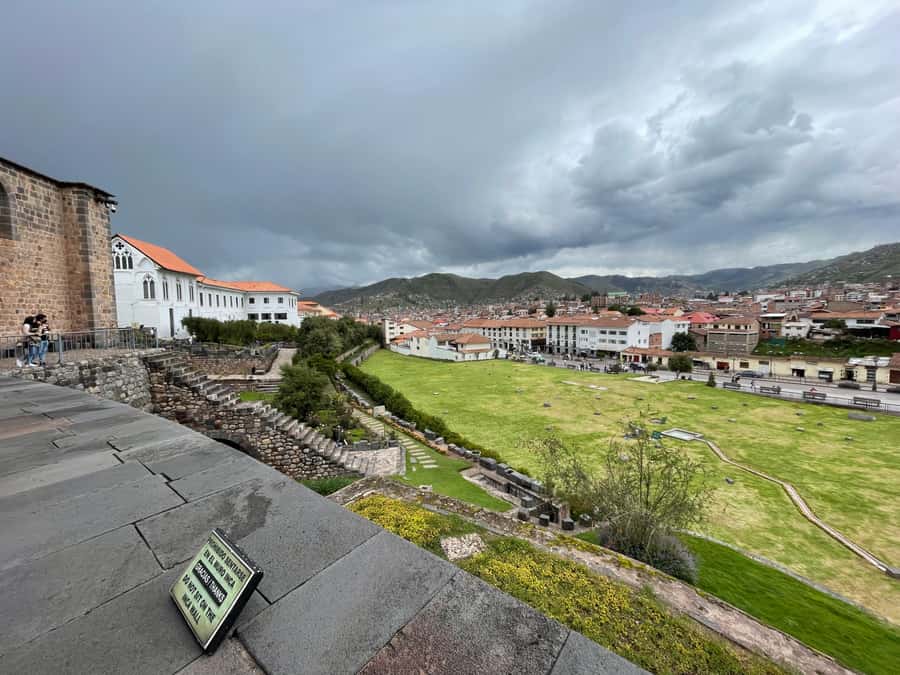
- Coricancha’s Sun Temple layers Inca stonework and Spanish colonial influence in the same footprint
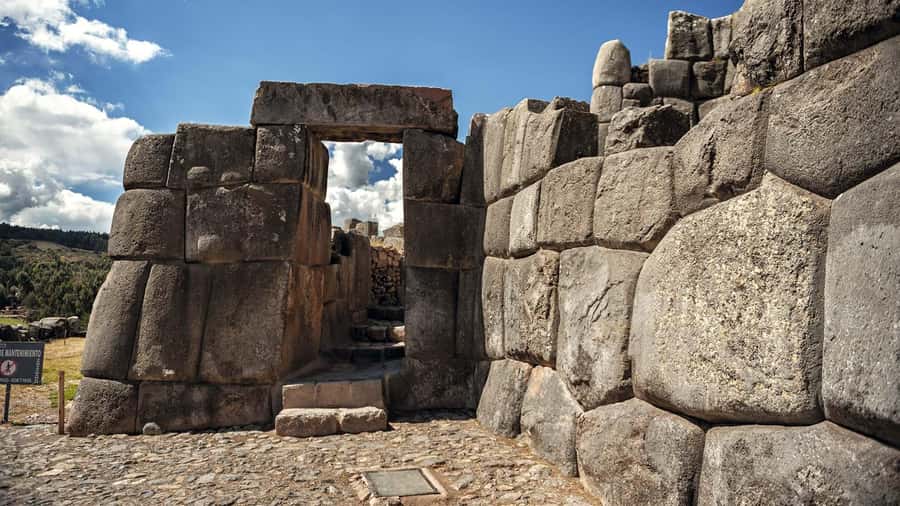
- Sacsayhuamán’s fortress engineering massive carved blocks with wide Cusco views
- Qenqo’s ceremonial rock work including carved rock forms and stone features that feel intentionally placed
- Tambomachay’s water channels a clear look at how water was used for sacred routines
- Puca Pucara’s military location an Inca control point with big panoramas over Cusco
- Bilingual guiding that can vary by timing so your best experience depends on how the group is managed
A Fast Cusco Loop That Still Feels Like a Story
This tour is built for momentum. In about five hours, you move through four major Inca sites and finish at a Sun-temple landmark, with guided stops plus photo moments. The point isn’t one deep, slow ruin day. It’s a connected route that helps you understand how Inca Cusco was organized—religion, ceremonies, water, and defense—around the city you’re standing in.
You’ll start with hotel pickup near the historic center. Then the route runs by foot and van between sites, so you’re not burning time figuring out transport. It’s also a good choice if you’re trying to fit Cusco archaeology into a packed itinerary and want a guide to translate what you’re looking at.
Two departure windows run in the day, with meeting points around morning and afternoon. That matters because if you’ve just arrived and your altitude still feels new, a less early start can help you pace your effort.
You can also read our reviews of more city tours in Cusco
Coricancha (Temple of the Sun): Where Sacred Architecture Got Reused
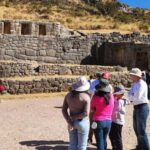
Your tour begins at Coricancha, often called the Temple of the Sun. What I like here is the physical contrast: you see Inca design alongside colonial-era changes in the same area. Even if you don’t know the story yet, the feel of the place hits fast—this wasn’t a small ceremonial stop. It was a center.
Expect a guided visit with time for photos and sightseeing. You’ll be looking at how the Inca built with precision and then how later builders adapted the space. That’s not just aesthetic trivia. It’s a snapshot of Cusco’s cultural shift, visible in stone and layout.
Practical tip: plan to spend your best attention span here. Coricancha is one of the best places to get your bearings for the rest of the day. If your guide explains the Inca concept of sun worship early, the later sites start to make more sense.
Tickets and budget note
Admission to Qoricancha/Coricancha is listed as not included, at 15.00 soles. Since archaeological sites operate on soles, bring cash and be ready to pay at the entrance. The tour also flags a partial tourist ticket (70 soles) that may apply depending on what you already have.
Sacsayhuamán: The Fortress Above Cusco That Makes Stone Feel Heavy
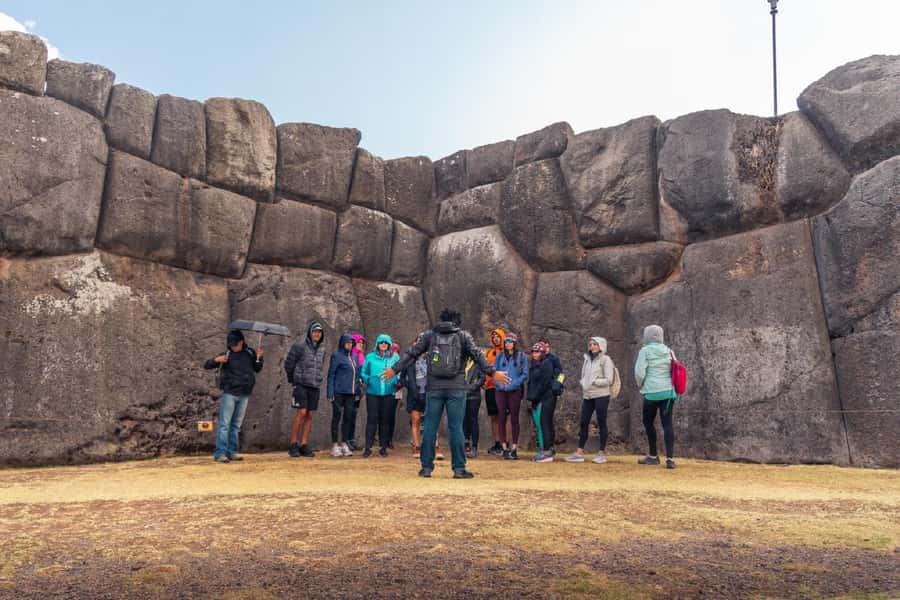
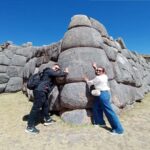
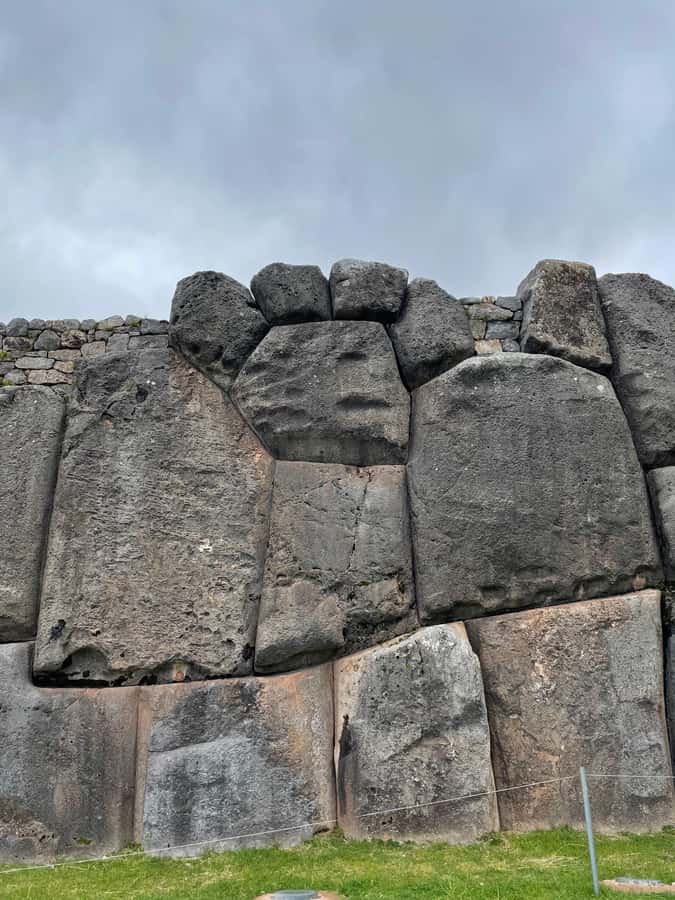
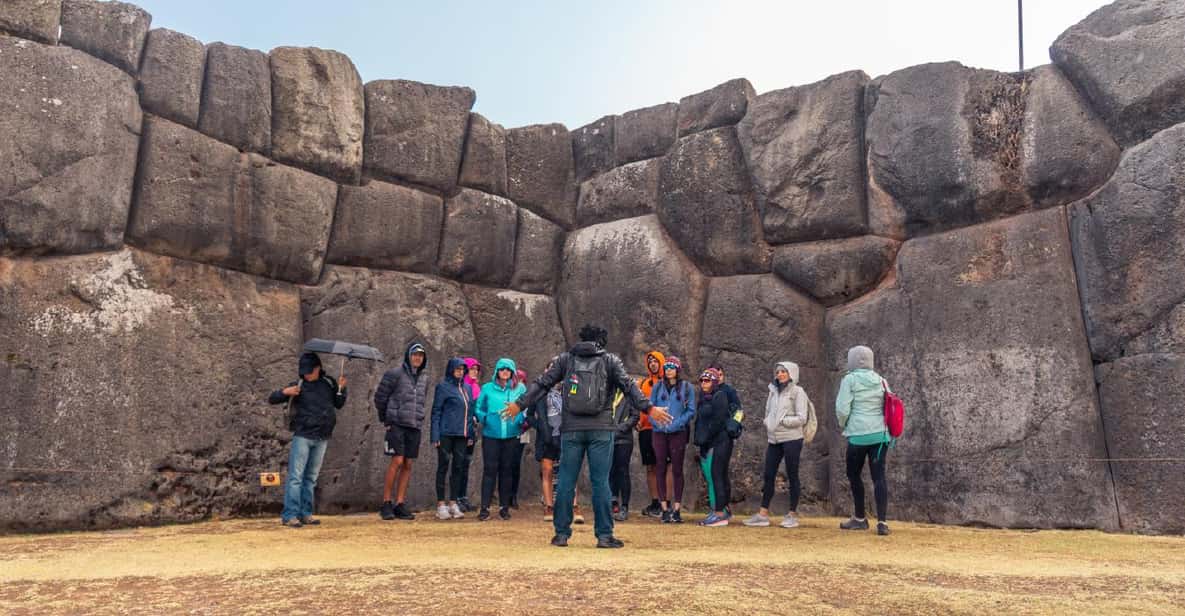
Sacsayhuamán is where Cusco starts flexing. This archaeological complex is famous for its massive carved stone blocks and its fortress layout, with panoramic views over the city.
You’ll have a mix of guided explanation, photo stops, and some free time. One reason this site works on a short tour is that the visuals do a lot of teaching. The scale of the walls and the way the blocks are fitted together show real engineering intent, not decoration.
What to watch for: this is also the place where time can get squeezed. Some departures have less time than expected at Sacsayhuamán, which makes it harder to take in the details and get the view right. If you’re the kind of person who likes to walk up to the best angles and linger, speak up with your guide early and ask for a realistic amount of time here.
A good sign
On at least one solid run, the guide Yako stood out for being caring and for providing appropriate context on Inca civilization. That’s exactly what makes a fast fortress visit feel worth it.


Qenqo: Ceremonial Rock Shapes and the Geometry of Belief
Next comes Qenqo, a ceremonial site with intriguing rock structures. This is a different vibe than Sacsayhuamán. Instead of defensive walls, you’re looking at carved rock forms that feel built for ritual focus.
On this tour, you’ll get a guided visit plus photo time and some sightseeing time. The highlights to keep in mind: Qenqo is known for stone features that suggest intentional design, including carved rock mazes and water-channel elements tied to ceremonial use.
Even if you can’t fully decode every marking, the value here is pattern recognition. Once you’ve seen where the Inca placed defensive power and then shifted to ceremony and structured space, Qenqo becomes the connective tissue between the two worlds.
Tambomachay: Water Sources and Purification in Stone Channels
Tambomachay is one of the most “hands-on” stops conceptually, even though you’re not touching much. It’s known for water sources and stone channels, and the idea is tied to purification and sacred routine.
You’ll visit with guidance, plus photo and sightseeing time. There’s also time that feels more open, so you can stand back, look for the channels, and understand how water was directed through stone. If you’ve ever wondered how Inca engineering supported spiritual practice, Tambomachay gives you a tangible answer.
Small caution: if it’s rainy, surfaces can be slick. Wear shoes you trust. The tour suggests long pants and comfortable footwear, plus breathable layers that you can keep under a poncho if weather turns.
Puca Pucara: A Military Fortress and Big Views That Reward the Climb
Puca Pucara rounds out the day as a military fortress and strategic control point. It’s famed for panoramic Cusco views, and the fortress feel is easy to read once you’re there—this place is meant to watch and to control movement.
You’ll visit with guidance and photo time. There’s also time for walking around enough to orient yourself and get at least a couple of viewpoints. If you missed some of the view at Sacsayhuamán (because time got shortened on your day), Puca Pucara can still deliver the payoff.
If you’re feeling altitude fatigue by the final stop, prioritize the viewpoint. You can always let the “perfect photo” go. The important part is seeing how the site’s location ties into the idea of control over the Cusco area.
Price and Tickets: Is It Good Value for $16?
On paper, $16 per person sounds like a bargain for five hours of guiding and transportation. Here’s what you’re actually buying:
- Pickup near the historic center, so you don’t waste half the day organizing transport
- Tourist transportation between sites
- A professional bilingual guide (English and Spanish)
- Permanent assistance during the experience
What’s not included is where you should plan your cash: admission to Coricancha is 15.00 soles, and a partial tourist ticket is listed as 70 soles.
So is it value? Yes, if you treat it like a guided route, not like a private, slow archaeology day. The included guide is what turns ruins into a readable experience. The transportation is what makes it feasible in five hours. If you’re happy to accept a bit of site-time pressure and you keep an eye on where the group spends extra minutes, the deal is strong.
Tour Pacing, Shopping Stops, and Protecting Your Time
I’ll be blunt, because it matters: on some departures, the pacing can drift. The tour may shift into more of a sales-oriented rhythm, with frequent stops that aren’t always clearly part of the core archaeology time. That can mean less time at major sites and less depth in explanations.
This is where you’ll want to manage expectations. If your goal is maximum quiet time at ruins, you might feel underfed. If your goal is a guided overview and you’re okay with a brisk rhythm, it can still work well.
How to protect your experience:
- Ask your guide early how much time you’ll have at Sacsayhuamán and whether extra stops will be added.
- Keep your water and snacks ready so you’re not distracted by delays.
- If you see a shop stop starting to appear, decide before you enter how you’ll handle it. That way you’re not stuck later thinking you lost time you can’t get back.
The upside is real: when the guide keeps the focus on the sites and the explanations, this route can feel like a clean, structured introduction to Cusco.
What It Feels Like to Walk the Route (Without Burning Out)
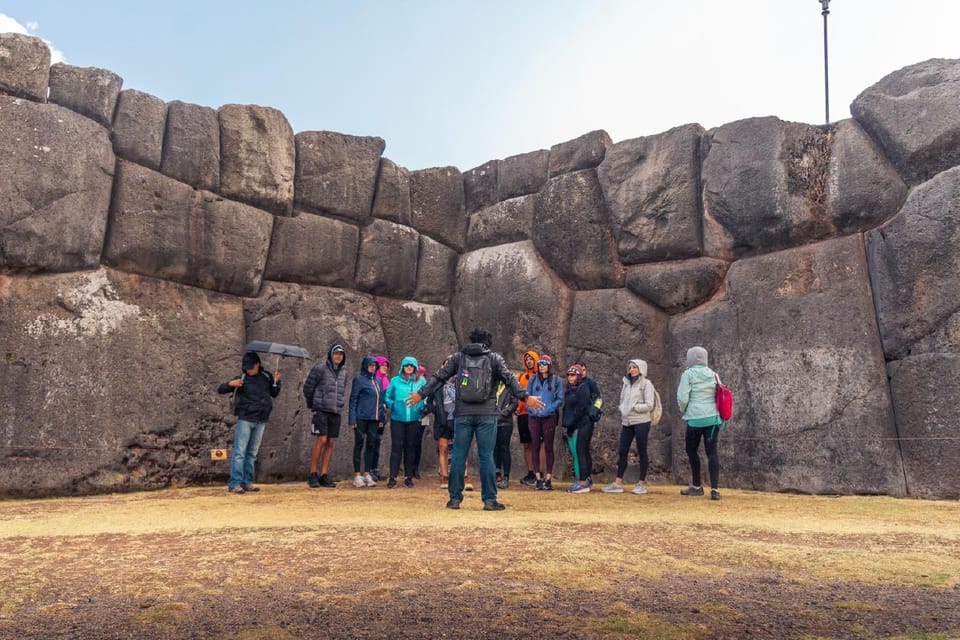
This tour includes both walking and van time. You’ll move on foot between specific points and then ride between sites. That mix is helpful in Cusco’s altitude because you get breaks, but you still get enough walking to feel like you had an active day.
Wear comfortable shoes. The tour also suggests hiking shoes, long pants, long-sleeved layers, and breathable clothing. Add a charged smartphone for photos (and for your own navigation afterward), plus biodegradable sunscreen because you’ll likely be outdoors for many minutes at a time.
Also: clothes that can get dirty. That’s a practical Cusco instruction. Even if the ground looks okay, roads and paths can kick up dust.
Altitude, Rain, and Small Safety Stuff That Actually Matters
Altitude is part of the Cusco experience, and this tour is explicitly not suitable for people with altitude sickness. If you’re prone to it, don’t treat this as a stubborn challenge.
If you’re traveling with kids, it’s not suitable for children under 3 years (and babies under 1 year are also noted). If someone uses strollers, baby carriages are listed as not allowed, so plan accordingly if your group includes small children.
Weather-wise, Cusco can shift fast. The tour suggests waterproof clothing or a poncho during the rainy season. That matters because wet stone paths can feel slick, and you’ll want your footing to stay reliable.
Who This Tour Fits Best
This tour is ideal if you:
- Want a guided overview of major Inca sites around Cusco in about five hours
- Like the idea of starting at Coricancha and then moving through ceremony, water, and defense
- Prefer convenience: pickup, transportation, and a guide who explains in English and Spanish
It’s less ideal if you:
- Want a slow, deep archaeological experience with lots of quiet time
- Get frustrated when schedules tighten and extra stops appear
- Need extra time at the biggest viewpoint sites to truly absorb them
Should You Book This Cusco Ruins and Sun Temple Tour?
Book it if you want a practical, structured introduction to Cusco’s Inca core and you’re okay with a brisk pace. At $16, the included pickup, transport, and bilingual guide are a strong value—especially if you’re short on time.
Think twice if you’re sensitive to schedule drift. Keep your priorities straight: you want Coricancha, Sacsayhuamán, and the later sites for their specific functions (ceremony, water, military control). If extra shopping stops reduce your time at those places, you’ll feel it.
If you decide to go, do one smart thing: show up ready with cash in soles for the Coricancha admission, wear shoes you trust, and ask your guide how the time will be handled at Sacsayhuamán.
FAQ
How long is the Cusco City Tour of 4 Ruins and Sun Temple?
The tour duration is about 5 hours.
Does the tour include hotel pickup?
Yes. Pickup is included at the hotel near the historic center of Cusco.
What languages is the guide available in?
The live guide provides English and Spanish.
Are tickets included for archaeological sites?
Admission to Qoricancha/Coricancha is not included (15.00 soles). A partial tourist ticket is also listed as not included (70 soles). You can purchase tickets at the entrance of any archaeological site, and payments are made in soles.
What should I bring to the tour?
Bring passport or ID, comfortable shoes, a camera, and breathable clothing. Long pants and long-sleeved shirts are recommended, along with biodegradable sunscreen and a charged smartphone. Also bring cash and clothes that can get dirty.
Is this tour suitable for altitude sickness?
No. People with altitude sickness are not suitable for this activity.
Is there free cancellation?
Yes. You can cancel up to 24 hours in advance for a full refund.