REVIEW · CUSCO
Cusco: 3-Hour Peruvian Cooking Class
Book on GetYourGuide →Operated by ChocoMuseo · Bookable on GetYourGuide
Cooking in Cusco turns dinner into a lesson. What makes this 3-hour class fun is how it starts with a real Peruvian market and ends with you plating (and eating) a 4-course meal you helped make. You get expert guidance, plus that satisfying feeling of knowing where the ingredients come from before they hit the pan.
I especially like the clear, step-by-step way the instructors teach classic dishes, including your choice of Lomo Saltado or Ají de Gallina. My one caution: one past experience noted the main course components (rice and potatoes) can come out earlier than the rest, so if you are picky about serving temperature, plan to eat promptly once it is served.
In This Review
- Key Highlights You’ll Actually Care About
- ChocoMuseo and Plaza Regocijo: where this class starts
- The Peruvian Central Market stop: ingredients with a story
- Your 4-course menu: ceviche, your main choice, pisco sour, and chocolate fondue
- Starter: ceviche
- Main course: Lomo Saltado or Ají de Gallina
- Drink course: pisco sour (with a fruit juice option)
- Dessert: chocolate fondue with seasonal fruit
- How the cooking lesson works in a small group
- From market walk to dinner table: what the timing feels like
- Pisco sour and fruit swaps: choosing your drink version
- Price and value: is $49 a fair deal in Cusco?
- Who should book this class (and who might pass)
- A few smart booking tips before you go
- Should you book the Cusco 3-Hour Peruvian Cooking Class?
- FAQ
- How long is the Cusco Peruvian cooking class?
- Where do I meet for the class?
- How many people are in the group?
- What dishes are included in the menu?
- Can I request vegetarian options or a non-alcoholic drink?
- Is wine included?
Key Highlights You’ll Actually Care About
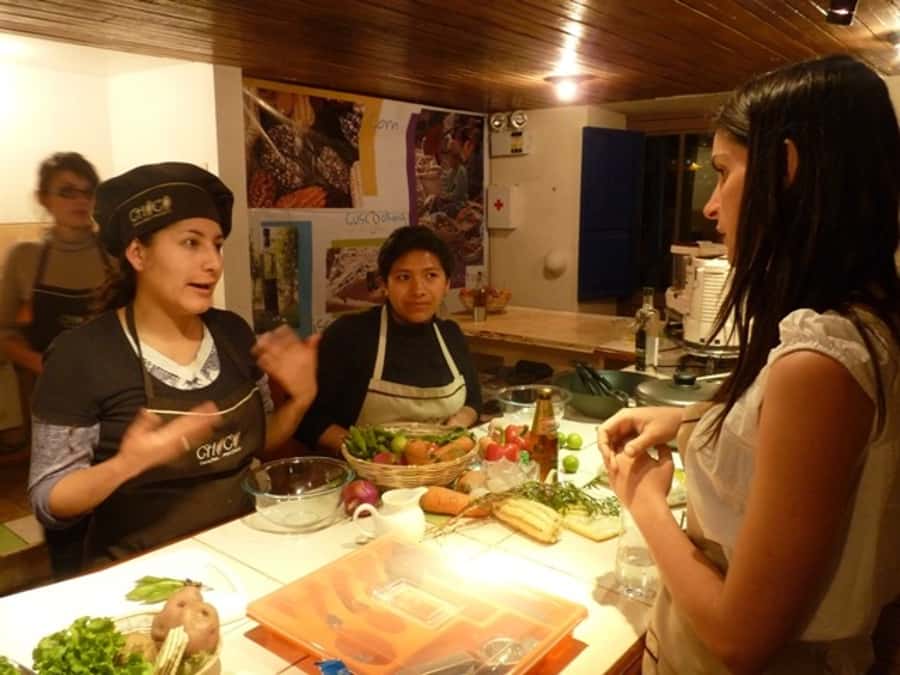
- Peruvian Central Market walk to learn what you are really shopping for
- A full 4-course menu taught by an instructor in a small group (up to 10 people)
- Choose between Lomo Saltado or Ají de Gallina, with vegetarian swaps possible by request
- Learn how to make the famous pisco sour (with a non-alcoholic fruit juice option available)
- Finish with chocolate fondue and local seasonal fruits
ChocoMuseo and Plaza Regocijo: where this class starts
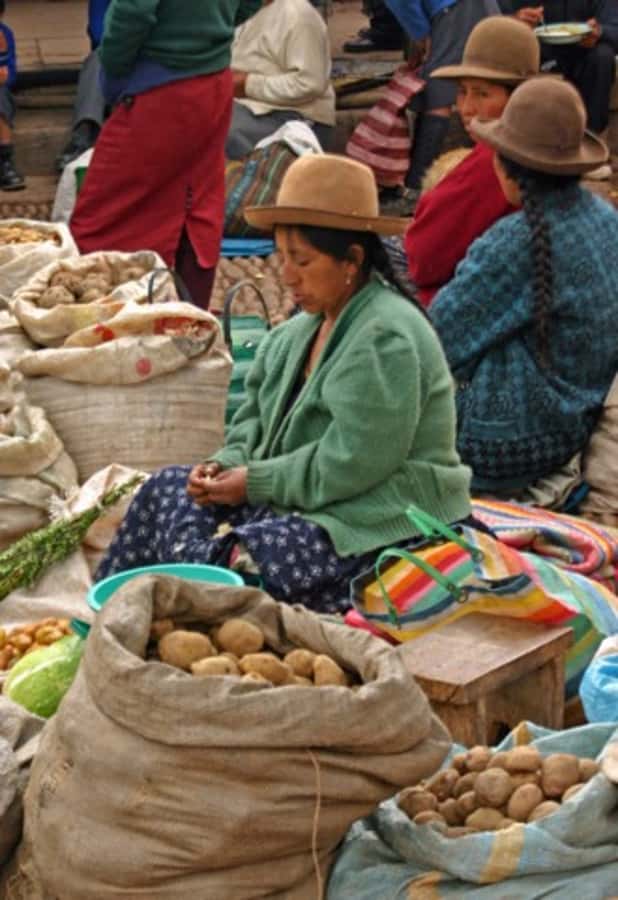
The class takes place inside ChocoMuseo, right on the corner of Plaza Regocijo. When you arrive, look for the green and orange flags hanging from the balconies. It is a helpful landmark in a city where streets can feel like they all run into each other.
Once you’re inside, the vibe is practical and friendly. You are not showing up to watch someone else cook. You’re going to get hands-on, and you’ll be moving between shopping, prep, and cooking steps. That matters because Cusco is high, and slow routines can feel even slower. This kind of class keeps a steady pace.
Another small plus: the lesson is offered in Spanish and English, so you should be able to follow even if your Spanish is still in training wheels.
You can also read our reviews of more cooking classes in Cusco
The Peruvian Central Market stop: ingredients with a story
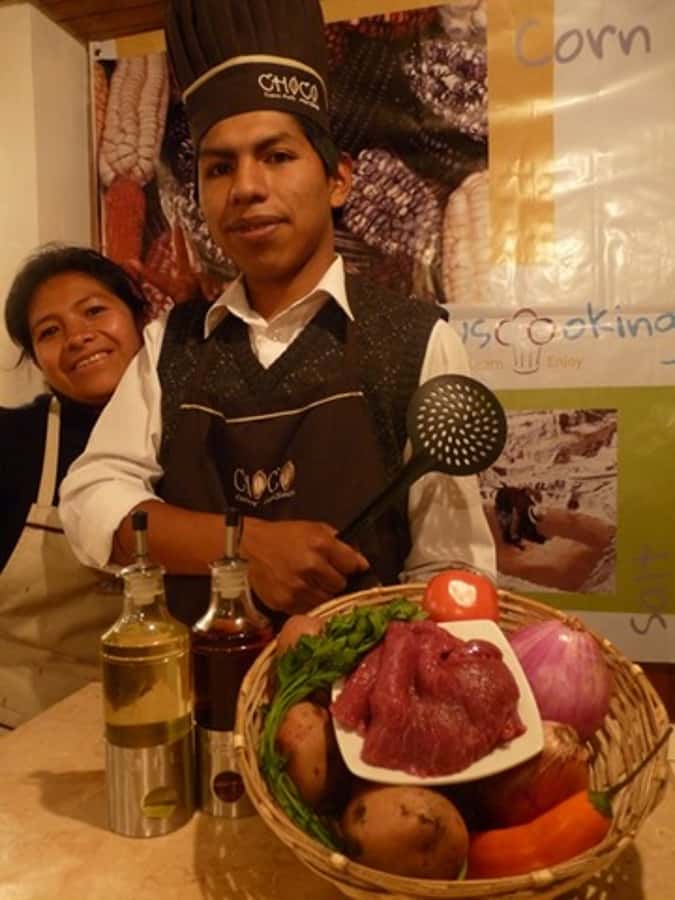
This experience really earns its keep at the start. You go to the Peruvian Central Market to see the range of produce Peru uses every day, not just what is easy to find in a tourist shop.
Here’s what you will notice quickly. Peru cooks with ingredients that have personalities: potatoes that vary a lot by type, peppers that bring heat and flavor depth, herbs and aromatics that change the whole dish, and fruit that is not just for dessert. In this market portion, you learn what you are picking and why it matters to the final plate.
Even better, the guidance tends to include cultural context. In past classes, instructors have shared fun facts about ingredients and how they connect to everyday Cusco food culture. That turns a shopping walk into something closer to a mini lesson. You’ll come away with a mental map of what flavors to look for later, even if you can’t reproduce everything exactly at home.
Practical tip: come hungry but not desperate. A market walk plus prep work can build appetite fast, and you will be eating soon after. Also, if you have dietary restrictions, flag them early so the kitchen can plan vegetarian substitutions where possible.
Your 4-course menu: ceviche, your main choice, pisco sour, and chocolate fondue
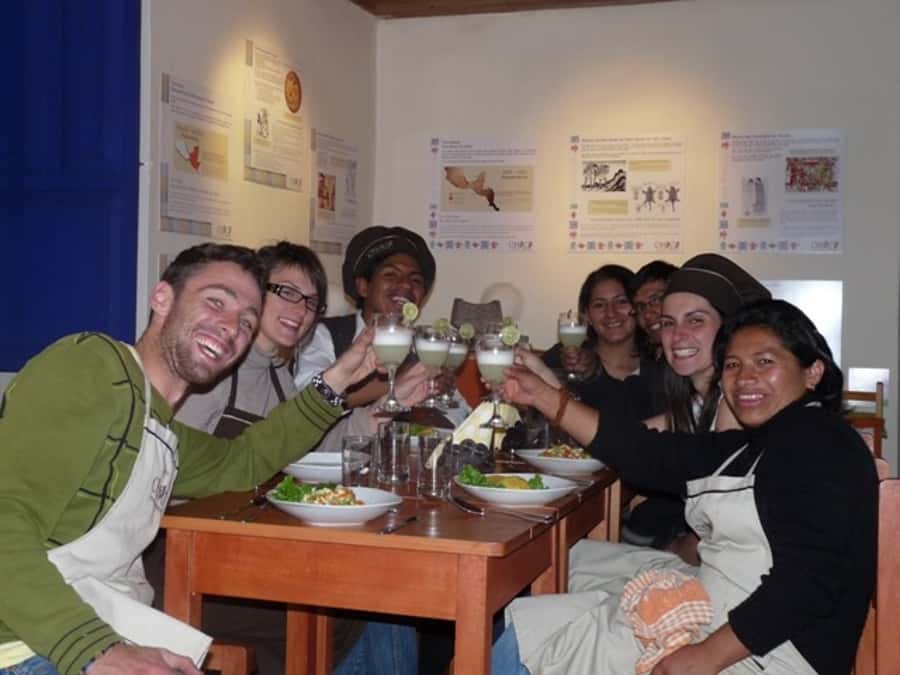
The menu is the heart of the class. You will cook four courses, guided from start to finish, and then sit down to enjoy what you made.
Starter: ceviche
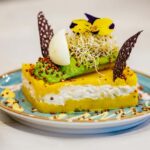
You begin with ceviche. It is not just a seafood dish; it is a lesson in balance. Expect to learn how acidity, freshness, and seasoning work together, and why ceviche tastes different depending on how it is put together.
Main course: Lomo Saltado or Ají de Gallina
For the main, you will cook either:
- Lomo Saltado (a sautéed beef dish), or
- Ají de Gallina (chicken in a yellow pepper sauce)
Your exact main depends on the group decision. The information provided for the class notes that the first participant booking chooses which option. That means you might not get to pick your favorite dish unless you book early, but it also keeps the class organized.
Good to know: vegetarian swaps are available on request. The class information specifically says the meat can be replaced by vegetarian options. If you care about flavor, don’t just mention vegetarian—ask whether you can get a similar sauce experience with your substitution.
You can also read our reviews of more tours and experiences in Cusco

Drink course: pisco sour (with a fruit juice option)
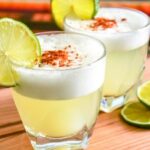
You learn how to prepare a pisco sour. Pisco sour is Peru’s signature: it is tangy, creamy (depending on the preparation), and balanced. In one recent class experience, a guide referred to a Chicha-style pisco sour, which hints at how varied pisco sour versions can be depending on the instructor and ingredients used that day.
You can request a swap if you prefer not to drink alcohol. The class notes say the pisco sour might be replaced with a fresh fruit juice upon request.
Dessert: chocolate fondue with seasonal fruit
Finally, you finish with chocolate fondue and local seasonal fruits. This is a nice closer because it breaks the rhythm after the savory courses. Plus, you get a chance to taste fruits you may not recognize from home, which makes the earlier market visit feel extra relevant.
How the cooking lesson works in a small group
This is a small group class limited to 10 participants. That size is not random. It affects everything: you get more attention at the counter, you can ask questions without shouting, and the instructor can check your technique as you go.
In past sessions, instructors such as Miguel and Yil have been praised for teaching step by step and for explaining both cooking technique and cultural context. That teaching style shows up in how the class is structured. You are not tossed into the kitchen with vague instructions. You are guided through choosing ingredients, prepping, cooking, and plating.
You can also expect practical skills. One review highlighted learning handy knife skills. Another stressed how the instructor walked the group through ingredient selection and impiattamento, the plating part. That last step is underrated. A good sauce might still taste better when it is arranged well.
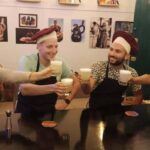
And yes, you will probably laugh at least once. The best cooking classes feel like a shared project. Cooking in a group does that naturally.
From market walk to dinner table: what the timing feels like
The class runs for 3 hours, and the structure is efficient: market visit first, then cooking, then a relaxed meal at the end.
The included dinner is described as a 3-course meal and a pisco sour. Since the class itself includes a four-course cooking lesson, you can think of it like this: you cook multiple parts as training, then you sit down for the courses that are ready in sequence.
Here’s the consideration from real experience: one past participant noted that rice and potatoes for the main course were cold because those components were prepared earlier. That does not mean it will happen every time, but it is worth keeping in mind.
If temperature matters to you, the best approach is simple:
- eat soon after it is served, and
- don’t treat the main like a slow buffet
You’re there to learn and taste. Give it the same mindset.
Pisco sour and fruit swaps: choosing your drink version
The pisco sour portion is one of the most recognizable parts of Peruvian food culture. The class doesn’t just hand you a drink; it teaches you how to make it.
If you would rather skip alcohol, you can request a fresh fruit juice replacement. That is a smart option if you are sensitive to alcohol, don’t want to deal with how high altitude might affect you, or simply want the flavor without the buzz.
One more nuance: pisco sour can vary. In at least one instance, the class description and the review language pointed toward a Chicha-style approach. In real life, that could mean different flavor accents. So think of it as learning a method, not just copying one exact taste.
Price and value: is $49 a fair deal in Cusco?
At $49 per person for about 3 hours, you are paying for more than a meal. You are getting:
- a guided market tour
- the ingredients for your cooking
- instructed cooking time
- a dinner experience with food you made, plus water
- and the pisco sour component (or its juice swap)
When you break it down, the value makes sense. Market shopping plus guided teaching is hard to replicate on your own unless you already know the ingredients and cooking steps. Also, the group size being capped at 10 means you are paying for actual attention, not just a cooking demonstration.
Is it a bargain? It is priced like a proper class—because that is what it is. But for Cusco, where food tours can be hit-or-miss and cooking options can range widely, this is a pretty clean deal: you leave with skills you can reuse, not just photos.
Who should book this class (and who might pass)
This is a strong fit if:
- you love food and want the how, not just the what
- you like learning through hands-on tasks
- you want a small group evening with a structured flow
- you want to experience Peruvian flavors in a way that connects to ingredients you actually see at the market
It may be less ideal if:
- you want a long, multi-stop food crawl instead of a single focused market-to-kitchen loop
- you have extremely strict dietary needs beyond vegetarian swaps (the class data mentions vegetarian replacement for meat, but it does not spell out other restrictions)
- you are very sensitive to food temperature timing for multi-component dishes
If you fall into the middle, you can usually make it work by clarifying your preferences ahead of time.
A few smart booking tips before you go
Two practical reminders from the info provided:
- Let them know your preferred main option (Lomo Saltado or Ají de Gallina) if you can. The group’s first booking matters, so early is helpful.
- Book with at least 24 hours notice. The class notes say they might have to cancel if they cannot get ready on time.
If you are choosing between alcohol and no alcohol, tell them up front that you want the pisco sour swapped to fruit juice. Planning ahead makes it smoother for everyone in the kitchen.
Should you book the Cusco 3-Hour Peruvian Cooking Class?
Yes, I would book it if you want a fun, hands-on way to understand Peruvian food in a short time. The market stop adds real context, and the cooking instruction is built around making you capable, not just entertained. Add the small group setup, the taught pisco sour, and the dessert finish, and you get a meal with memory—not just a checklist.
You might skip it only if you are looking for a longer adventure-style tour or you have specific dietary needs that go beyond vegetarian substitutions. Otherwise, this is one of those Cusco evenings that gives you both flavor and technique, and you can actually use it later at home.
FAQ
How long is the Cusco Peruvian cooking class?
It lasts 3 hours.
Where do I meet for the class?
The class takes place inside ChocoMuseo, on the corner of Plaza Regocijo. Look for the green and orange flags on the balconies.
How many people are in the group?
The group is small, limited to 10 participants.
What dishes are included in the menu?
You’ll cook ceviche as a starter, a main course that is either Lomo Saltado or Ají de Gallina, learn to prepare a pisco sour, and end with chocolate fondue with local seasonal fruits.
Can I request vegetarian options or a non-alcoholic drink?
Yes. You can request vegetarian options (the meat can be replaced) and the pisco sour might be swapped with a fresh fruit juice.
Is wine included?
No. Wine is available for purchase, but it is not included. Other alcoholic beverages are also not included.