REVIEW · RIO DE JANEIRO
Tijuca Forest´s hike: caves, waterfalls and great views
Book on GetYourGuide →Operated by Trilhas e Cachoeiras · Bookable on GetYourGuide
Rio’s city jungle starts with a waterfall. This guided hike takes you into Tijuca Forest National Park, the world’s largest urban forest, where you’ll move from viewpoints and streams to caves and hidden waterfalls.
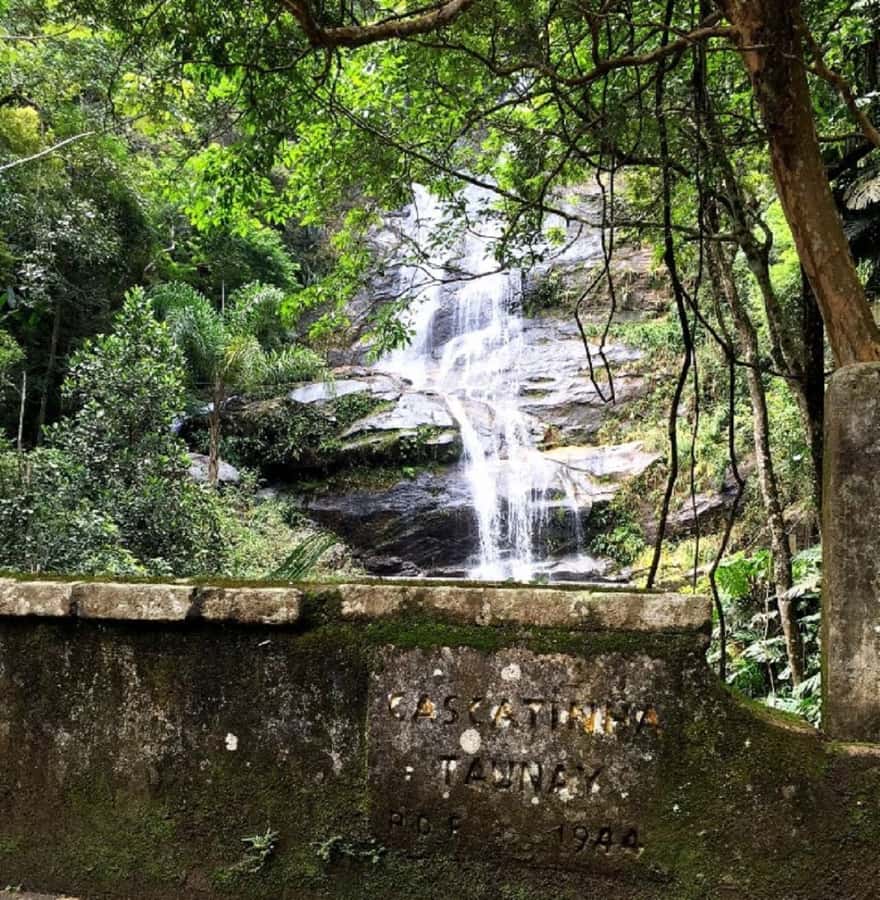
One thing I really like is how quickly you get beauty and variety: a short walk brings you to Cascatinha Taunay, the 35-meter waterfall that locals know by heart.
I also love the pacing and the small-group feel. With a bilingual guide (and small groups capped at 8), you’re not just following a trail—you’re walking with context, stopping for photo moments, and getting time to relax at waterfalls.
One possible drawback: the route is “easy” in terms of technical difficulty, but it’s still a long circuit with uneven, sometimes slippery ground, so you’ll want to show up with decent stamina.
In This Review
- Key highlights you’ll feel fast
- Tijuca Forest: a rainforest hike with Rio in the background
- Getting to Praça Afonso Viseu and finding the entrance
- Cascatinha Taunay: the 35-meter waterfall that kicks off the day
- Uphill trails, ruins, and rainforest details that make the walk worth it
- The historical circuit: Cachoeira das Almas and A Floresta stop
- The cave circuit: a fun challenge with stated safety
- Waterfalls with clean water, plus real natural shower time
- Views and animal moments happen when you slow down
- Guides and pacing: why Lucas (and Mirna) get praised
- Price and what’s actually included for $40
- What to bring for comfort (and for the waterfall part)
- Who should book, and who should skip this hike
- Should you book this Tijuca Forest hike?
- FAQ
- How long is the Tijuca Forest hike?
- How much does the hike cost?
- Where do I meet the guide?
- What languages are the tours offered in?
- Is the tour good if I want to swim?
- Are the caves visited during the hike safe?
- Is there anything I should bring?
- Who should not book this tour?
Key highlights you’ll feel fast
- Cascatinha Taunay (35 meters): the forest’s most famous waterfall right at the start
- World’s largest urban forest: a real rainforest experience minutes from the city
- Cave circuit with safe stops: guided exploration where the caves visited are stated as safe
- Cachoeira das Almas + A Floresta: named waterfall + a break at the forest restaurant area
- Clean-water waterfall time: you can cool off and enjoy a natural shower
- Small group (up to 8): easier conversations, better pacing, and less waiting
Tijuca Forest: a rainforest hike with Rio in the background
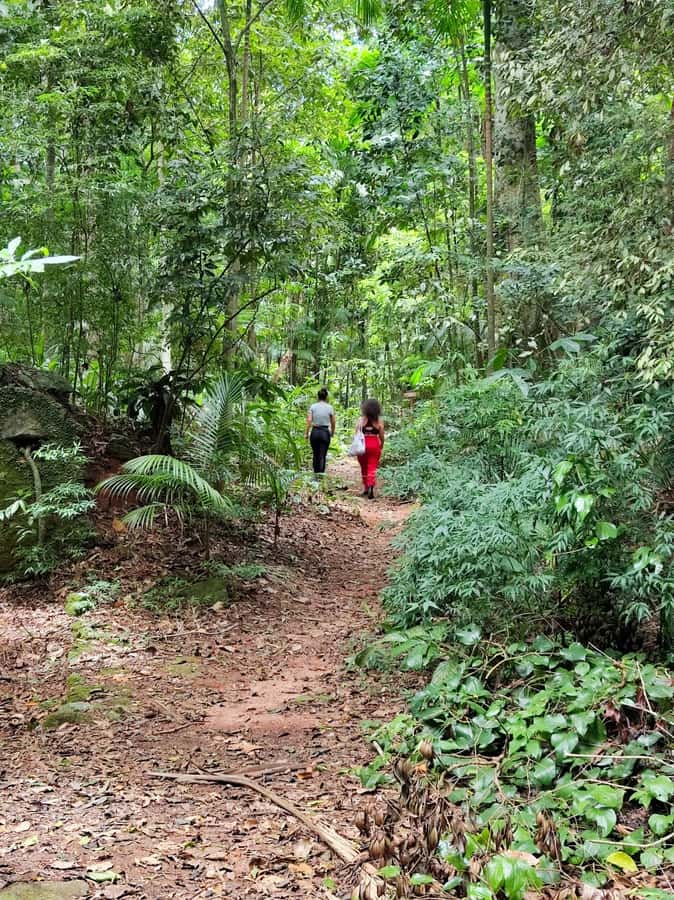
Tijuca Forest doesn’t feel like a museum trail. It feels alive. One minute you’re in the foothills above Rio, the next you’re under dense greenery, hearing water nearby, and spotting streams cutting through the rocks. The big idea here is simple: you’re not just walking in the trees. You’re walking inside a massive urban forest that still behaves like a real rainforest.
I like that the tour is built around variety. You get the famous waterfall moment early, then you keep moving through trails lined with rainforest vegetation and rock formations. Along the way, there are named stops tied to the park’s history—so the hike isn’t only about exercise. It’s about understanding what you’re seeing as you go.
And yes, you’ll likely spot wildlife if conditions are right. In my experience on similar rainforest hikes, monkeys and other animals tend to show up when the group slows down—especially around quieter water areas. This route includes those calmer moments.
You can also read our reviews of more hiking tours in Rio De Janeiro


Getting to Praça Afonso Viseu and finding the entrance
The hike starts at Praça Afonso Viseu, in Alto da Boa Vista, where the entrance to Tijuca Forest is located. Your job at the start is easy: look for the entrance on the opposite side of the restaurant at the center of the plaza.
This matters because it sets the tone. If you arrive early, you can settle your shoes, grab sunscreen, and check that you have insect repellent and water ready before the uphill starts. If you arrive late, you’ll feel rushed on a route that rewards steady steps.
Transportation isn’t included, so plan how you’ll get there. Treat the meeting point like a start-line. Once you’re inside the forest, you’re committing to time on uneven trails.
Cascatinha Taunay: the 35-meter waterfall that kicks off the day
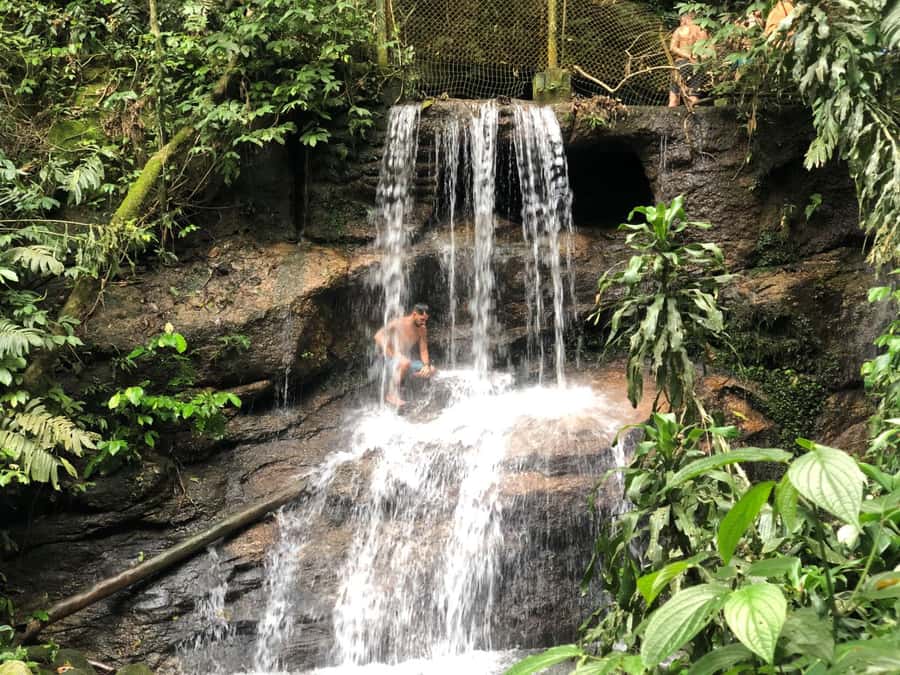
Right after you begin, you’ll hit the first big payoff: Cascatinha Taunay, a waterfall that drops about 35 meters. It’s described as the most famous waterfall in the forest, and you can see why. Big water like that changes the whole feel of the hike—sound first, then mist, then that “oh wow” moment when you finally see the drop.
This is a smart move by the tour. Starting with the waterfall means:
- You get a reward before you’re tired.
- You learn the rhythm of the hike—pause, look, listen, then keep climbing.
Also, this waterfall area is where you can shift from “city mindset” to “forest mindset.” That transition is part of the value of a guided route. Your guide helps you notice what you’d otherwise walk past.
Uphill trails, ruins, and rainforest details that make the walk worth it
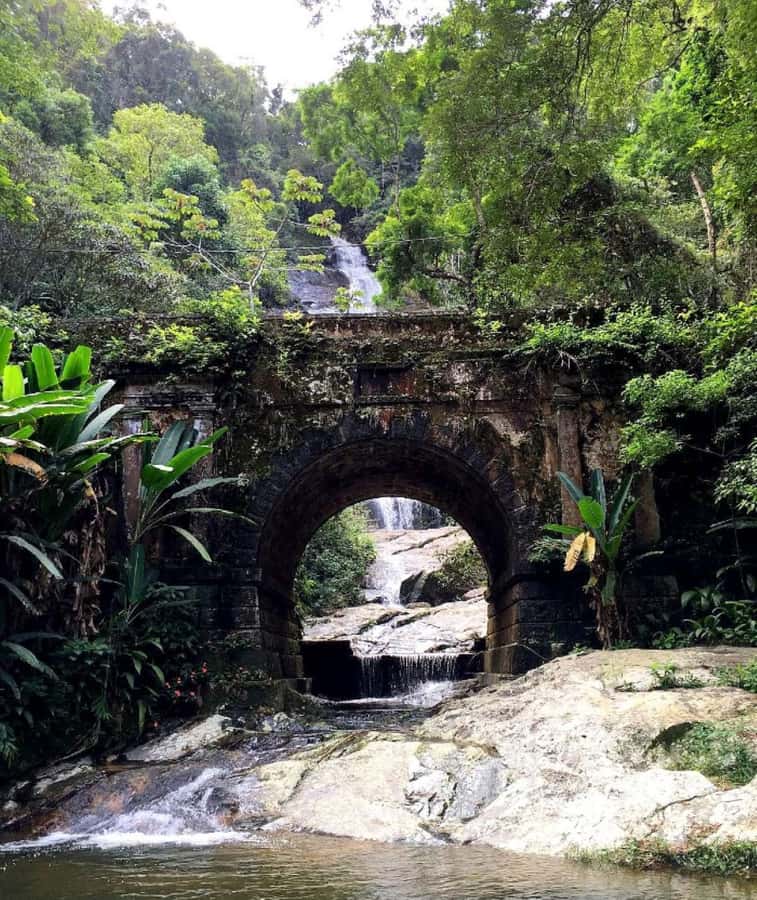
After the first waterfall, the route becomes the real experience: uphill walking on trails with historical stops and lots of vegetation. This is where the forest stops being scenery and becomes a place you understand.
You’ll follow areas described as part of the historical circuit, and you’ll pass spots that connect the park to its human past. You may also notice lakes, streams with crystalline water, and natural rock formations. These details matter because they explain how water shaped the forest—and how people historically interacted with it.
One practical truth: the trails are labeled easy, but they’re not flat. Expect irregular ground—stones, roots, trunks, and the chance of wet or slippery soil. That’s why sturdy shoes matter more than fashion. If you’re careful with footing early, you’ll enjoy the whole day instead of fighting your ankles later.
The historical circuit: Cachoeira das Almas and A Floresta stop
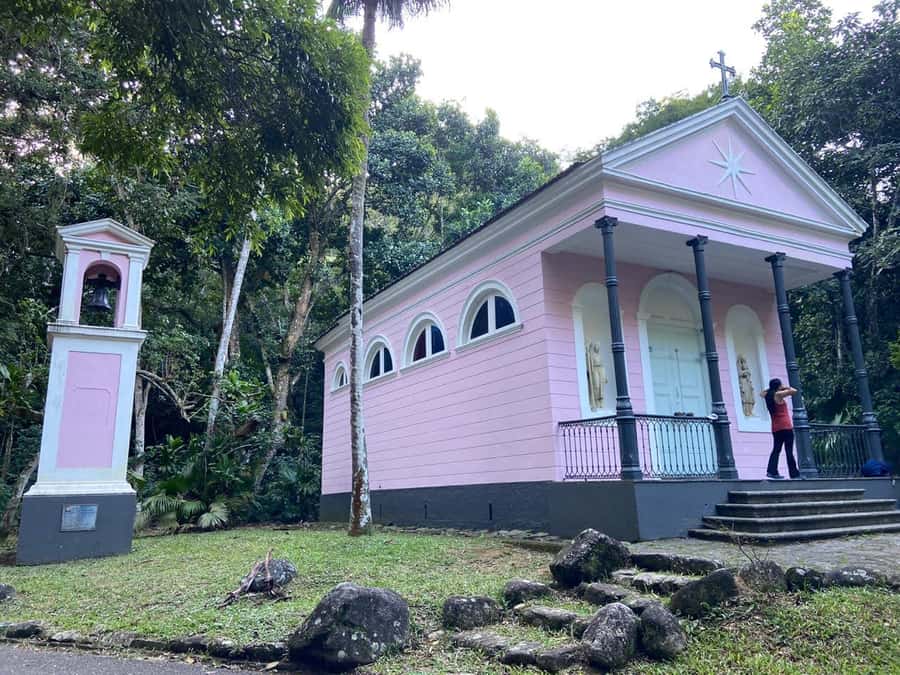
As you move through the historical portion of the route, you’ll reach Cachoeira das Almas. The name helps give the stop identity, and that’s the advantage of guided hiking: you’re not just passing a waterfall. You’re arriving with context.
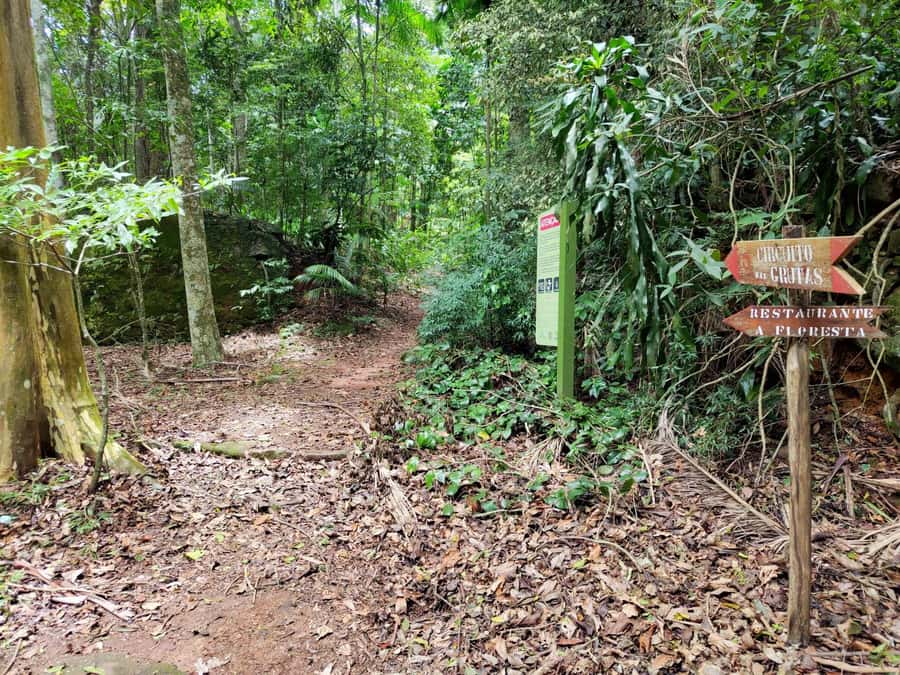
Along the way, there’s also a stop at A Floresta Restaurant. Even if you don’t plan to eat a full meal, the point is a break in the middle of moving time. This forest route can feel like “go, go, go,” and the restaurant stop helps reset you. You can use it to hydrate, wipe off sweat, and prepare for the next stretch.
The best way to enjoy these stops is to slow down for photos, yes, but also for looking at the small stuff. Water trails, rock angles, and plant textures tell you more about the park than a wide view alone. This hike balances big sights with “look closer” moments.






The cave circuit: a fun challenge with stated safety
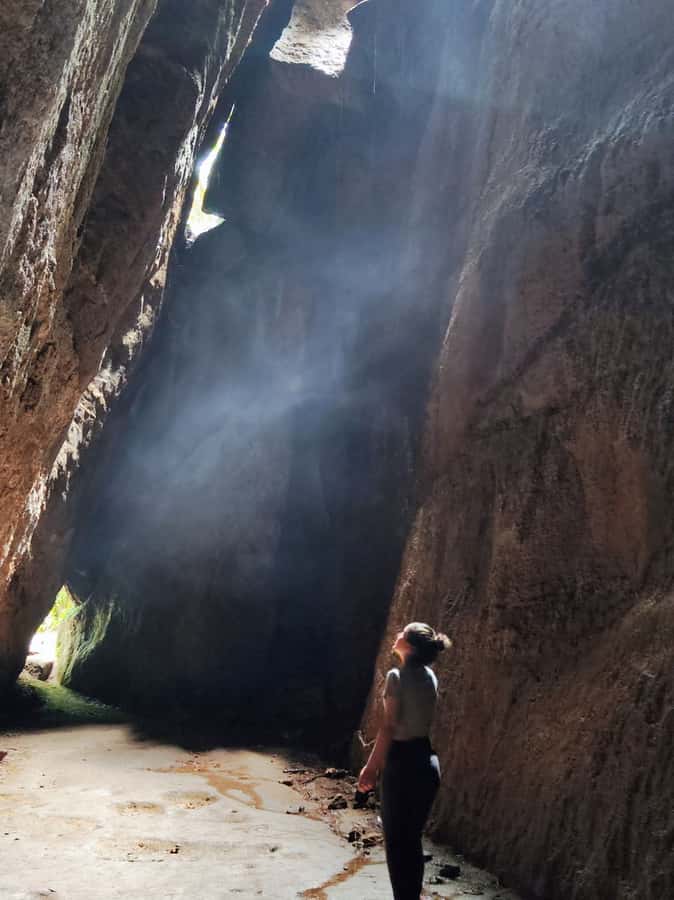
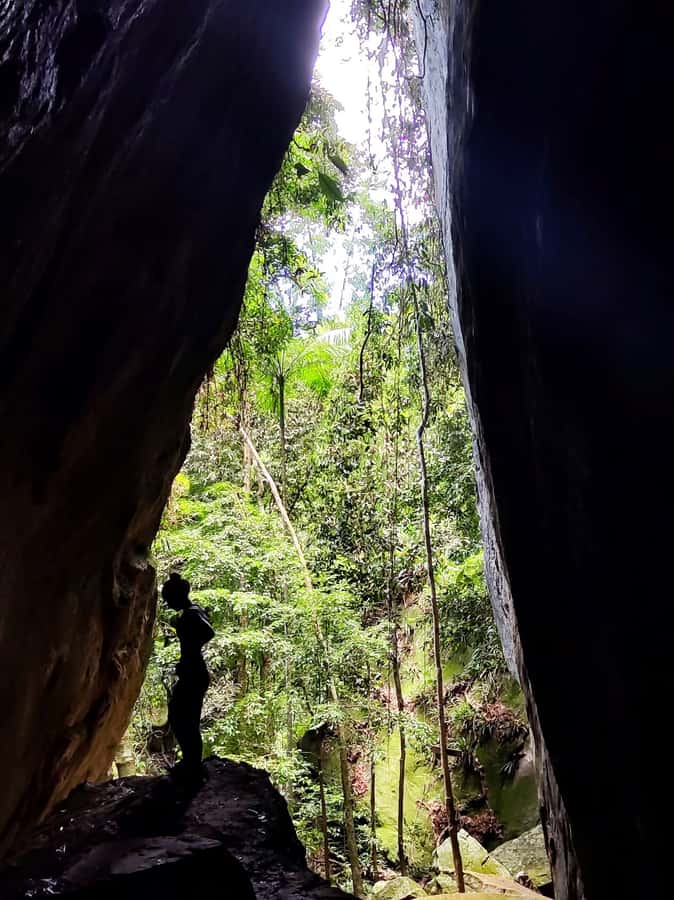
One of the tour’s standout themes is the caves circuit. You’ll visit caves as part of the guided walk, and the tour information is clear about safety: the caves visited are safe and pose no danger to participants.
That said, cave time is still cave time. Humidity, cooler air, and uneven footing can make a short walk feel longer. This is not the moment to rush or stride like you’re on a treadmill. Let the guide set the pace and pay attention to where you place your feet.
If you like a bit of adventure but don’t want risky scrambling, this works well. You get the thrill of going somewhere special without turning the hike into a technical expedition.
Waterfalls with clean water, plus real natural shower time
This tour is built for people who want more than “look at a waterfall, take a picture, move on.” There are multiple waterfall stops where you can bath, relax, and enjoy snacks.
The key detail here is that the waterfalls have clean water (as stated). You’ll also be encouraged to bring what you need for a swim—specifically a towel and swimwear. It’s a nice perk because it turns your legs into something more than a workout. You’re also cooling down, which helps you keep energy for the return walk.
There’s also a moment of free time included—about 30 minutes—so you’re not locked into constant movement. That breathing space helps if your legs get tired on uneven terrain.
Views and animal moments happen when you slow down
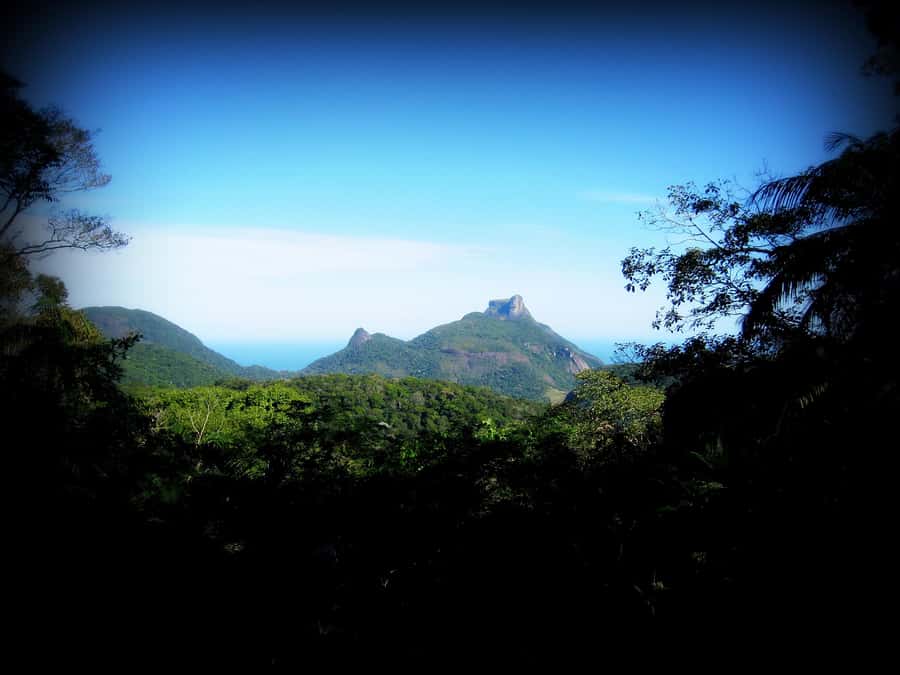
Tijuca Forest offers “great views” during the walk, and they tend to show up when you’ve earned them: after climbing, after reaching a trail point where the greenery opens, or after a stop that pulls you toward a better perspective.
In rainforest hiking, views often come in short windows. The trick is to stop, look longer than you think you need, then move. If you keep walking while checking the view only for one second, you miss the actual payoff.
The other big surprise on rainforest hikes is wildlife. In my case, I saw animals during the hike, and the guide helped us notice what was moving instead of missing it. A good guide slows the group down for the right reasons, not for show.
Guides and pacing: why Lucas (and Mirna) get praised
The tour is led by a bilingual guide in English and Portuguese, and the small group format really matters. In past experiences on this route, the guides (including Lucas, with Mirna in the mix) were attentive to pace and comfort. You could feel that they were watching the group, not just leading from the front.
That’s a practical advantage for you. Not everyone climbs at the same speed. If the group is large, the slowest person gets dragged forward or left behind. With groups limited to 8, your guide can hike at the pace of the group and check in with breaks.
If you’re physically fit, you’ll still get a solid workout. If you need to take it slower, you’ll likely feel less pressured.
Price and what’s actually included for $40
The price is $40 per person for a 4-hour guided hike, with small groups limited to 8. Here’s how I think about value:
You’re paying for:
- A bilingual guide (English/Portuguese)
- Guided access through the forest with structured stops
- Cave and waterfall route planning (including areas where you’d otherwise wonder where to go)
You’re not paying for:
- Transportation
- Water
- Sunscreen and repellent
- Snacks
That last part is important. If you show up without a water plan, you’ll feel the cost later in tired legs and slower pace. Same for insect repellent. Rainforest areas can be mosquito-heavy, and the tour specifically calls out repellent and sunscreen, so don’t treat those as optional.
A good way to keep this “good value” feeling is to bring your own water and a simple snack kit. Then your money stays focused on the guiding and the route.
What to bring for comfort (and for the waterfall part)
The tour listing is practical about what you need, and you should listen. Pack for uneven trails and for the possibility of getting wet.
Bring:
- Comfortable shoes (non-negotiable for roots and wet ground)
- Water
- Towel
- Swimwear
- Insect repellent
- Sunscreen
- Breathable clothing
- Snacks
- Cash (if you plan to purchase something at stops)
- Passport or ID card
- Personal medication
Also note what’s not allowed: no pets, no weapons or sharp objects, no explosive substances, and no oversize luggage. Keep it simple and light.
Who should book, and who should skip this hike
This is not a wheelchair-friendly route, and it’s not designed for people with mobility impairments. People with heart problems should also skip it.
Kids: it’s not suitable for children under 12. That makes sense because you’re dealing with a long circuit and irregular terrain.
If you’re generally healthy and you can handle a steady hike with uphill sections, you’ll probably enjoy it. The terrain is varied and can be slippery, but it’s not described as having major technical difficulties. The biggest risk is endurance and footing, not rock climbing.
Should you book this Tijuca Forest hike?
If your dream day in Rio includes waterfalls, caves, and rainforest walking with a guide, I’d say book it. The structure makes sense: you get the famous Cascatinha Taunay early, then you work through historical and cave circuits, and you finish with time to cool off at waterfalls.
Skip it if you can’t handle uneven, possibly slippery trails or if you need accessible routes. Also, don’t underestimate the “long circuit” part just because it’s labeled easy. Bring proper shoes and plan for water and repellent.
FAQ
How long is the Tijuca Forest hike?
The tour lasts 4 hours.
How much does the hike cost?
It costs $40 per person.
Where do I meet the guide?
Meet at Praça Afonso Viseu, in Alto da Boa Vista. Look for the entrance of Tijuca’s Forest on the opposite side of the restaurant at the center of the plaza.
What languages are the tours offered in?
The tour guide speaks English and Portuguese.
Is the tour good if I want to swim?
Yes. There are waterfall stops where you can bathe, and the waterfalls are described as having clean water. Bring swimwear and a towel.
Are the caves visited during the hike safe?
The caves visited are stated to be safe and pose no danger to participants.
Is there anything I should bring?
Bring comfortable shoes, water, insect repellent, sunscreen, breathable clothing, snacks, a towel, swimwear, and your passport or ID card. Cash is also suggested.
Who should not book this tour?
It’s not suitable for people with heart problems, wheelchair users, people with mobility impairments, or children under 12 years old.