REVIEW · AREQUIPA
Andes: Colca Canyon Day-Trip
Book on GetYourGuide →Operated by Bamba Travel · Bookable on GetYourGuide
Condors fly at sunrise in Colca Canyon. This full-day tour mixes giant Andean condor watching with a high-altitude route that keeps surprises coming, from small villages to Andean wildlife. You also get breakfast in Chivay, then a chance to soak afterward in La Calera Hot Springs.
What I like most is the way the itinerary is built around real viewing time—quiet, patient waiting at the best viewpoint. You’ll also pass through Maca Village and nearby stops where you’ll see everyday farm life, plus vicuñas and other animals later in the day. One consideration: the schedule is very demanding, with a pickup around 2:30–3:00AM and a long, mostly road-based day that can feel rough.
Key highlights you’ll care about
- Cruz del Condor viewpoint: the main spot for silent condor glides
- Maca Village stop: a rural look at agricultural life and timing with the farms
- Chivay + La Calera Hot Springs: built-in recovery time after altitude and early hours
- Patapampa (4,800 m): big mountain views on the way back toward Arequipa
- Pampa Cañahuas National Park: a wildlife-focused finish with llamas, alpacas, and vicuñas
In This Review
- A 2:30–3:00AM Start for the Colca Canyon Sky Show
- Getting to Colca Canyon: Why the Ride Feels Like Part of the Experience
- Cruising to Cruz del Condor: Where You Quietly Wait for Condors
- What you’re likely to see
- Maca Village and the Rural Life Detour You’ll Appreciate
- Chivay Breakfast, Lunch on Your Own, and La Calera Hot Springs
- La Calera Hot Springs: worth factoring into your day
- The Return Route: Patapampa at 4,800 Meters and Ampato’s Story
- How to handle the altitude feeling
- Toqrapampa Lagoons and Pampa Cañahuas Wildlife Finish
- Price and Value: What $36 Actually Buys (Plus the Fees)
- Guide Experience and Language: English Help That Makes the Day Easier
- What to Pack: Sunscreen, Layers, and Hot Springs Reality
- Who This Tour Suits Best (And Who Might Want a Different Plan)
- Book or Skip: My Bottom-Line Take
- FAQ
- What time does the pickup start in Arequipa?
- What’s included in the tour price?
- What entrances or meals cost extra?
- Where do you go for the best condor viewing?
- Do you stop for hot springs?
- When do you return to Arequipa?
A 2:30–3:00AM Start for the Colca Canyon Sky Show
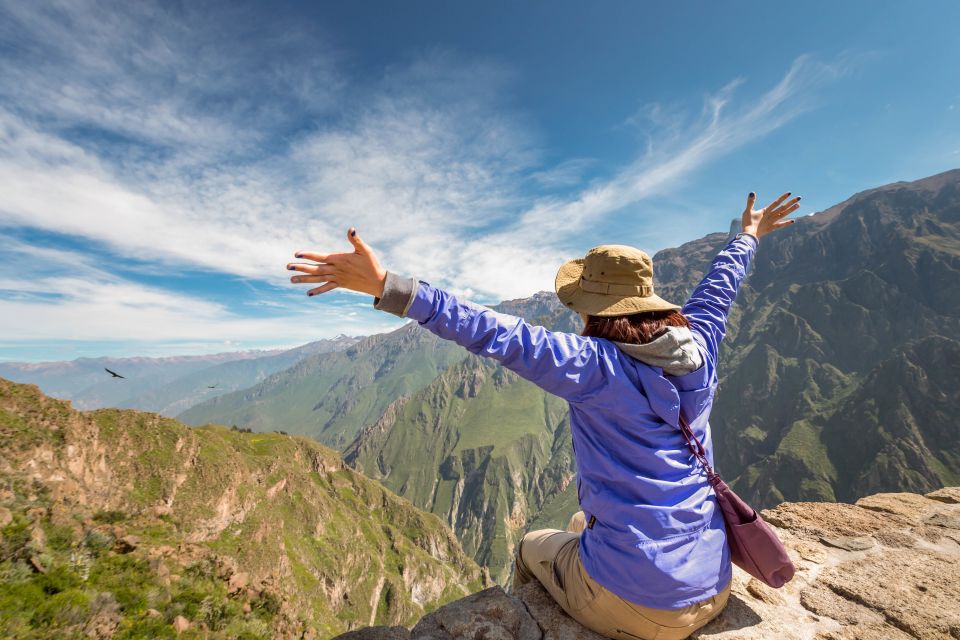
Let’s be honest: this tour begins early enough to qualify as a morning. Pickup from your Arequipa hotel is scheduled between 2:30–3:00AM, and the idea is simple—beat the crowds and hit the best viewing window for condors.
That early start matters because Colca Canyon is all about angles: wind patterns, light, and how long you can stand still without feeling rushed. You’ll reach Chivay in time for breakfast at 6:00AM, which helps you stay human before the day gets long and high.
I also like how the day isn’t just one lookout and done. You’re moving through several stages—valley viewpoints, a rural village, hot springs, then high passes and wildlife areas—so you’re not stuck staring at the same view for hours. It’s a full “Colca day” experience, even if it means you’ll want an actual recovery night after.
Getting to Colca Canyon: Why the Ride Feels Like Part of the Experience
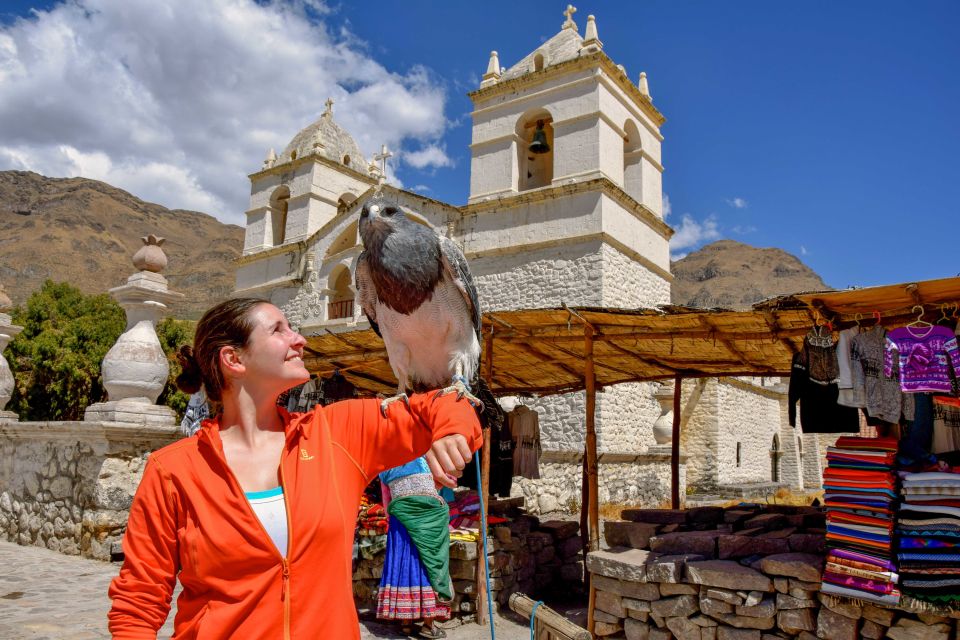
After pickup, you’ll ride by car for about three hours toward Colca Canyon. This isn’t a fast transfer. It’s a scenic push through agricultural areas and small sites, and the stops are designed to break up the drive and keep the morning moving.
Along the way, you’ll pass landmarks such as Antahuilque, the Choquetico Tombs, and the tiny village of Yanque before reaching the day’s big viewpoint. Even if you only get quick looks, these moments help you understand you’re not just traveling to a canyon—you’re traveling through a working region.
One practical note: long road days at altitude mean you’ll feel it later. Bring layers, even if Arequipa feels warm when you start. The higher you go and the earlier you wake up, the more you’ll want something warm against the chill.
You can also read our reviews of more tours and experiences in Arequipa.
Cruising to Cruz del Condor: Where You Quietly Wait for Condors
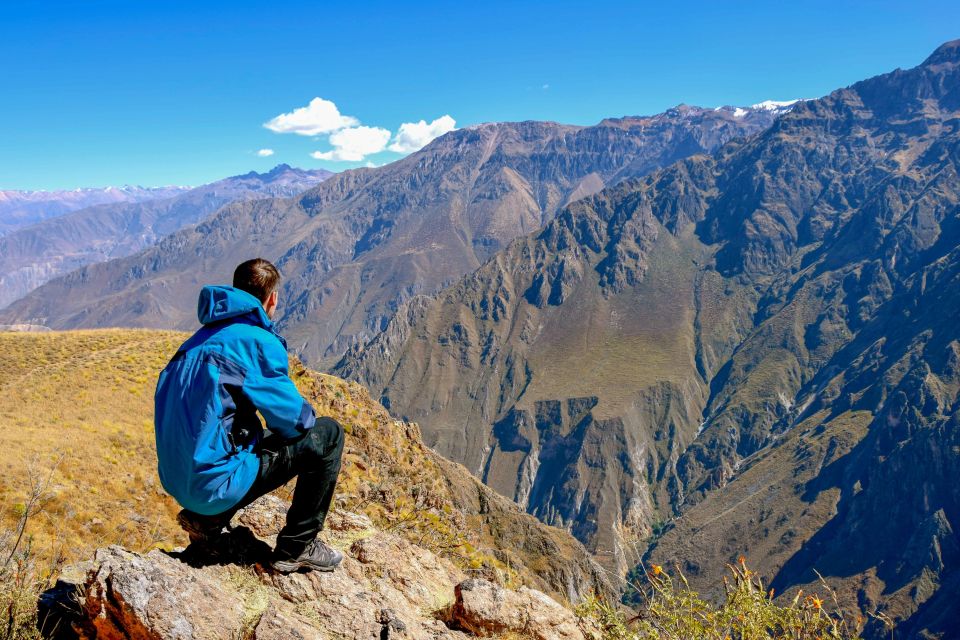
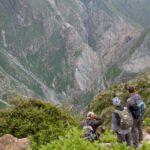
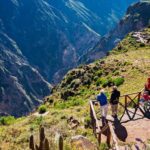
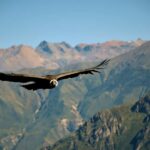
The center of the show is Cruz del Condor, the viewpoint where you’ll watch for Andean condors soaring overhead. The tour pacing here is built around patience. You’re told to watch quietly and wait for the moment—because when condors use the air currents right, they can glide in with almost no visible effort.
I like this approach because it shifts the focus from chasing wildlife to observing it. You’re at a serious viewpoint. You’ll want to be comfortable enough to stand still for a while, not constantly moving around.
What you’re likely to see
From the tour description, you’re specifically set up for:
- Giant Andean condors soaring
- A broader chance to spot vicuña somewhere in the overall route
- Multiple Andean wildlife moments later, after the main condor stop
The key thing: spotting isn’t guaranteed on any animal-watching day. But the structure is clearly meant to maximize your odds by putting you at the right place at the right time, then letting you stay there long enough to benefit.
Maca Village and the Rural Life Detour You’ll Appreciate
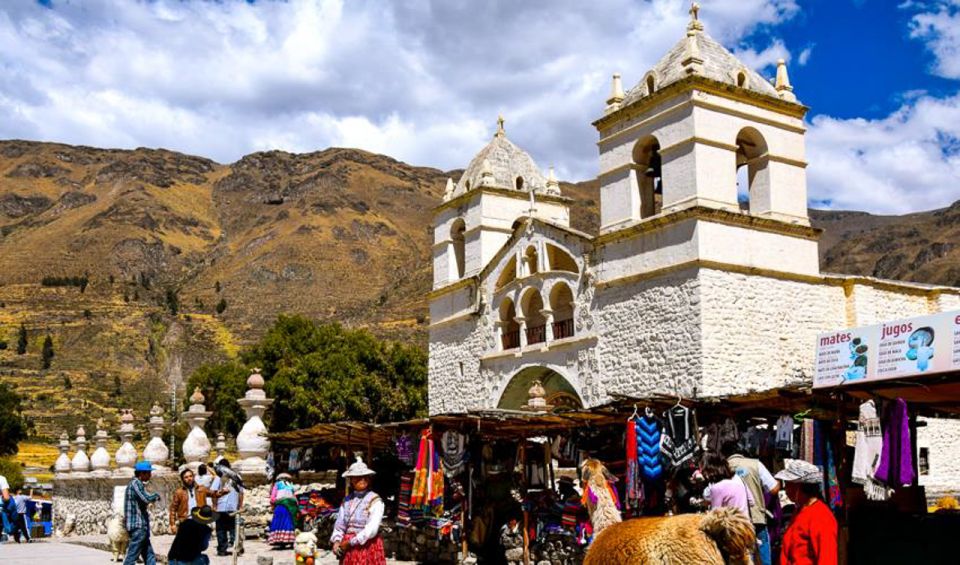
After the condor viewpoint, you head back toward Chivay via Maca Village. This is one of the most human parts of the day. You’ll have time to watch farmers working their fields—plowing is specifically mentioned—and you’ll pass through a more lived-in side of the region than you get from a quick photo stop.
This matters because Colca Canyon can feel like a “big nature” trip. Maca Village adds the other ingredient: daily routines. It’s also a visual reminder that this isn’t just a scenic corridor; it’s farmland and livelihoods.
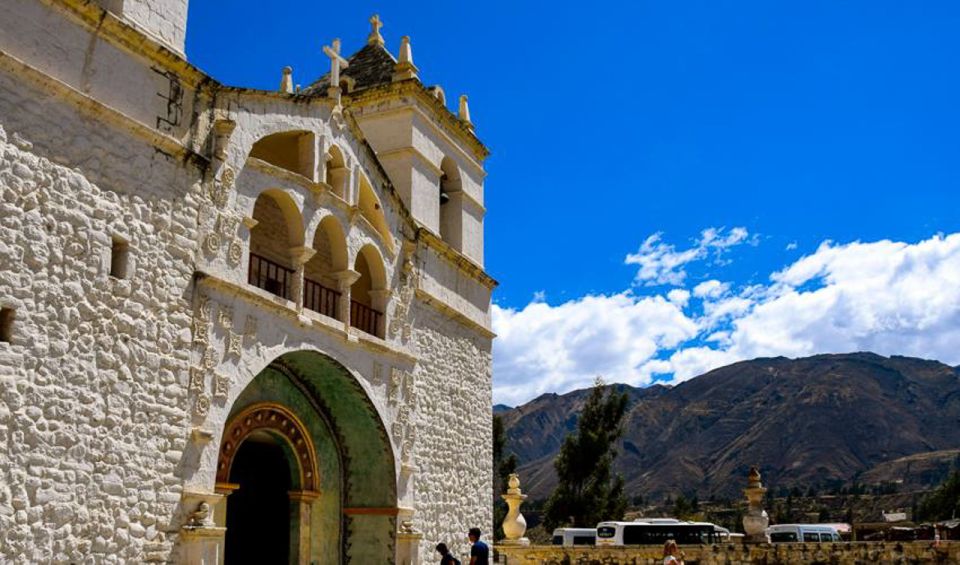
Before you’re fully back in Chivay, there’s also a stop at an 18th-century colonial church. It’s not the whole reason to go, but it gives you a cultural anchor between viewpoints and the hot springs.
Chivay Breakfast, Lunch on Your Own, and La Calera Hot Springs
You arrive in Chivay early enough to have breakfast at 6:00AM, and that meal is included. Based on what you’re told, you’ll then have a free window later in the day to eat lunch on your own.
Here’s the reality check: breakfast is included, but reviews have been mixed about its size and satisfaction. If you’re the type who needs a full meal to function, consider carrying a snack in your small backpack (something easy and light) so you don’t feel underfed between the early morning and the next meal.
La Calera Hot Springs: worth factoring into your day
At some point after getting back to Chivay, you’ll stop at La Calera Hot Springs so you can relax in the pools if you want. Hot springs entrance is not included (listed at 15 soles), so budget for it if you’re planning to soak.
Even if you skip the springs, plan your time around the stop. After early condensation of fatigue—sun, altitude, standing—you’ll feel the benefit of any break.
What to expect practically:
- Bring swimwear so you can actually use the pools
- Expect changing weather in the highlands; layers help afterward
- If you have sun sensitivity, you’ll want sunscreen even during relaxation time
The Return Route: Patapampa at 4,800 Meters and Ampato’s Story
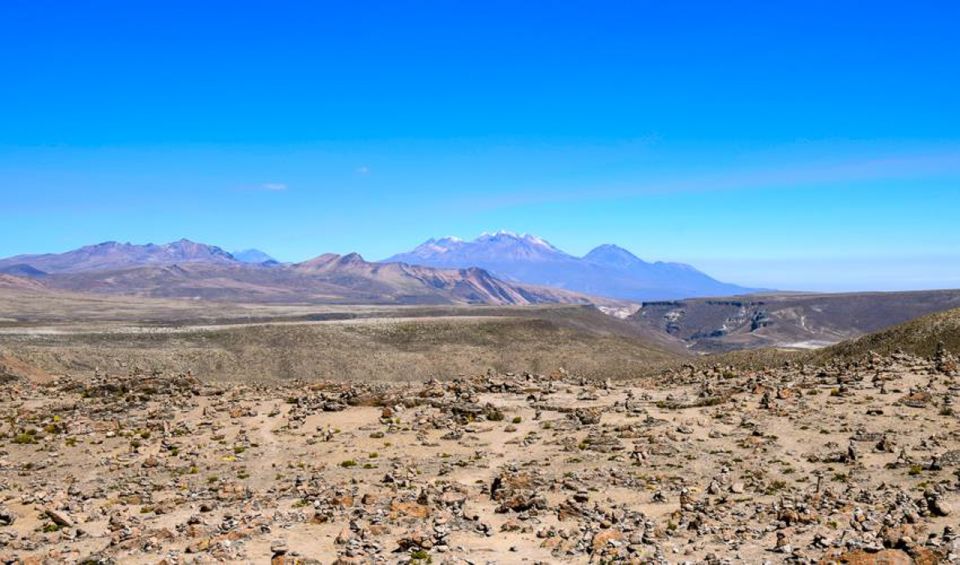
Your trip turns into a sightseeing loop on the way back to Arequipa. At 2:00PM, you head back and make a major high-altitude stop at Patapampa, at 4,800 meters.
From Patapampa, the tour focuses on views of the Ampato Volcano—the same mountain connected to the discovery of Juanita, the mummy found there. That connection gives the stop extra meaning: you’re not only looking at a big peak. You’re seeing a place tied to a famous archaeological story.
How to handle the altitude feeling
Patapampa is high enough that you’ll want to take altitude seriously. The tour doesn’t mention anything special like medication or medical stops, so your best move is to:
- Move slowly at the viewpoint
- Keep your camera ready but don’t rush
- Use sunscreen and a hat if you have one (the sun is intense at elevation)
Also, since this is still a long day, you’ll likely be tired by then. Patapampa rewards calm observation, not speed.
Toqrapampa Lagoons and Pampa Cañahuas Wildlife Finish
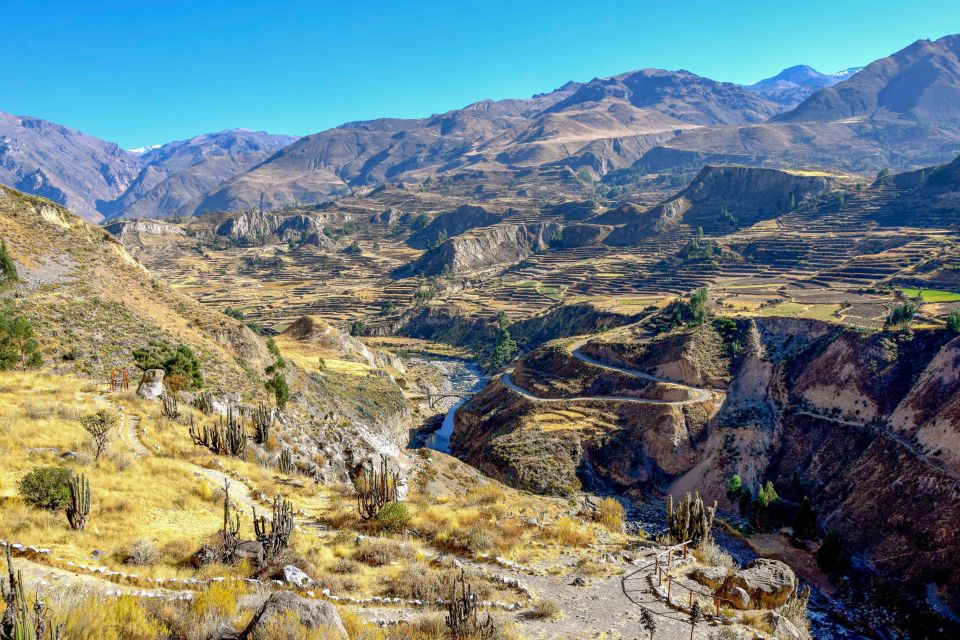
After Patapampa, the route continues to Toqrapampa, where you’ll be able to see small lagoons filled with Andean birds. This stop is shorter than the viewpoint drama earlier, but it’s a nice shift from mountain viewing to water-and-wildlife watching.
Then you reach the final wildlife-focused area: Pampa Cañahuas National Park. Entrance here is not included (listed at 70 soles). The animals you’re specifically set up to see are:
- Llamas
- Alpacas
- Vicuñas
This finish matters because it creates a full wildlife arc for the day. You start with condors overhead. You end with camelid sightings in open ground. It’s a good way to keep your attention engaged through the final stretch.
And there’s a pattern to how the tour works: each segment gives you a different “type” of viewing. You’re not just waiting for one animal all day.
Price and Value: What $36 Actually Buys (Plus the Fees)
The price is listed at $36 per person, and that number is appealing for a day trip that includes:
- Hotel pickup and transportation
- An English-speaking local guide
- Breakfast in Chivay
That’s solid value on paper. The day is long, and the logistics are heavy—early pickup, driving time, multiple stops, and guide interpretation.
But you should go into it knowing what’s extra:
- National Park entrance (70 soles)
- Thermal springs entrance (15 soles)
- Lunch in Chivay (on your own)
So the true cost isn’t just $36. Still, in many cases, the added entrance fees are a fair trade if you want the full set of stops—especially because the park entrance is tied to the chance to see vicuñas and other animals.
One more note on quality-to-price: the overall rating is 4.3 based on 50 reviews. That suggests most people feel the trip delivers. It also lines up with what seems to be the strongest part: the guide and the condor viewing time.
Guide Experience and Language: English Help That Makes the Day Easier
An important detail for English speakers: the tour includes an English-speaking local guide. Reviews specifically mention that the guide took care to explain in English, including for small groups. That’s a big deal because Colca Canyon’s stops are more meaningful when you understand what you’re looking at—tombs, viewpoints, and local life all benefit from explanations.
This also helps you focus on the viewing itself. When you know what a viewpoint is called and why you’re waiting there, you waste less time guessing. You get guidance that keeps the day moving without making it feel rushed.
If you prefer to follow a planned rhythm instead of freelancing through early-morning chaos, this kind of guided format is the practical way to do it.
What to Pack: Sunscreen, Layers, and Hot Springs Reality
The tour explicitly suggests bringing:
- Sunglasses
- Swimwear
- Sunscreen
It also recommends a few practical extras: a small backpack, sun-protective clothing, a camera, and a swimsuit for the hot springs. It also says to dress according to the season and weather.
Here’s how I’d use that list:
- Wear comfortable shoes you can stand in for viewpoints.
- Bring a light layer for the morning and at high altitude.
- Sunscreen is non-negotiable. Even with clouds, the sun at elevation can be intense.
- If you get motion sick on long car rides, consider preparing for it. Some reports mention transportation quality isn’t great, so this is one place to plan ahead.
Who This Tour Suits Best (And Who Might Want a Different Plan)
This is a strong choice if you want:
- One-day access to Colca Canyon highlights from Arequipa
- The best chance at condor viewing with real waiting time
- A mix of nature, wildlife, and a bit of local routine (Maca Village)
It’s also a good fit if you don’t want to coordinate permits, routes, and early-morning timing on your own.
You might want to rethink it if:
- You hate very early starts (pickup around 2:30–3:00AM)
- You’re sensitive to long road days
- You strongly rely on included meals and dislike surprises with food quality or portion size
Even though breakfast is included, lunch is on you. That can be a plus for picky eaters, but it also means you’re planning around your own meal timing.
Book or Skip: My Bottom-Line Take
If your goal is a high-impact Colca Canyon day—condors, rural villages, hot springs, and wildlife—this tour is a good value for your time. The included guide and breakfast simplify the early logistics, and the route is structured to keep you seeing new things, not just repeating the same stop.
I’d book it if you can handle the early start and you want the condor viewpoint built into the day. I’d pause if you’re fragile with altitude or you know long car rides wear you down fast. In that case, you’ll spend more energy managing discomfort than enjoying the views.
FAQ
What time does the pickup start in Arequipa?
Pickup is scheduled between 2:30–3:00AM, depending on your hotel location.
What’s included in the tour price?
Hotel pickup and transportation, an English-speaking local guide, and breakfast in Chivay are included.
What entrances or meals cost extra?
National Park entrance is 70 soles, thermal springs entrance is 15 soles, and lunch in Chivay is not included.
Where do you go for the best condor viewing?
You’ll visit the Cruz del Condor viewpoint, with quiet waiting for the condors overhead.
Do you stop for hot springs?
Yes. You can relax at La Calera Hot Springs in Chivay, if you wish (thermal springs entrance is extra).
When do you return to Arequipa?
You arrive back at about 5:00PM and are dropped off in Arequipa City Center.
If you want, tell me your travel dates and whether you plan to actually soak at La Calera. I can help you estimate a realistic total budget for entrances and give you a packing checklist tuned to that.