REVIEW · MENDOZA
Mendoza: Aconcagua, Uspallata & Puente del Inca Day Trip
Book on GetYourGuide →Operated by Tangol · Bookable on GetYourGuide
You can feel the Andes working on you all day. This trip strings together Uspallata, Puente del Inca, and major high-altitude viewpoints, with driving scenery and planned stops that make the route feel bigger than a simple bus ride. I especially like the way the day mixes natural sights with human history, including time at the pre-Hispanic Huarpes site in Uspallata and the Inca-related marker on the old trail route.
Two other standouts: the guide-led storytelling and the mountain-scale photo moments. On my shortlist, I’d trust a strong guide like Hugo (reported as informative and personable), plus the extra-language support when you’re traveling in a mixed Spanish/English group. One practical consideration: it’s a 12-hour day, and depending on pickup timing and how the stops are paced, the schedule can feel long—especially if pickup runs slow or if most explanations are delivered in Spanish.
In This Review
- Key points before you go
- The Andes Road Test from Mendoza: Why This Day Trip Works
- Following the Mendoza River: Potrerillos Dam and Cordón de Plata Views
- Uspallata and the Huarpes: History You Can Walk Through
- Puente del Inca: Natural Architecture and Hot-Spring Stops
- Cerro Aconcagua Viewpoint and Laguna Horcones: Seeing the Big One
- Las Cuevas at 3,200 m and Cristo Redentor at 4,200 m
- What the 12 Hours Feels Like: Timing, Breaks, and Energy
- Price and Value: Is $65 Fair for This Much Andes Time?
- Who Should Book This (and Who Might Prefer Something Else)
- Should You Book This Mendoza Aconcagua, Uspallata & Puente del Inca Day Trip?
- FAQ
- How long is the Mendoza Aconcagua, Uspallata & Puente del Inca day trip?
- What’s included in the price?
- Are meals included?
- What languages does the tour guide speak?
- Do I need a passport or ID?
- Is Cristo Redentor always visited on this tour?
- What’s the highest altitude stop mentioned?
- What’s the cancellation window for a full refund?
Key points before you go
- Cordón de Plata + Potrerillos Dam views early, following the Mendoza River corridor
- Uspallata gives you pre-Hispanic Huarpes remains and context for Huarpe and Inca-era influence
- Puente del Inca adds natural formations and hot-spring stops along the route
- Cerro Aconcagua viewpoint area reaches extreme altitude close to Laguna Horcones and Aconcagua Provincial Park
- Las Cuevas (3,200 m) sets up the final high point at Cristo Redentor (4,200 m), but only in summer months
The Andes Road Test from Mendoza: Why This Day Trip Works
This is the kind of tour that makes sense if you want big geography without planning a multi-day trek. You start in Mendoza and end still in the same area, but you pass through several distinct “worlds” as altitude and terrain change fast. That’s what you’re paying for: not just seeing places, but moving through Mendoza Province’s main Andes corridor in a guided, efficient way.
A key reason you’ll probably enjoy it is the rhythm. The day isn’t one long, unbroken drive. You get repeated photo stops and short blocks of time to look around on your own. That matters when you’re dealing with high elevation—being able to step off, take photos, and pause without guessing logistics is a real comfort.
You should also know that this is a high-altitude day. The trip includes viewpoints at very high elevations, including the 4,200-meter Cristo Redentor area (season-dependent). I’d plan on moving a bit slower than usual, drinking water, and keeping your expectations flexible if you feel the air being thinner.
You can also read our reviews of more tours and experiences in Mendoza
Following the Mendoza River: Potrerillos Dam and Cordón de Plata Views
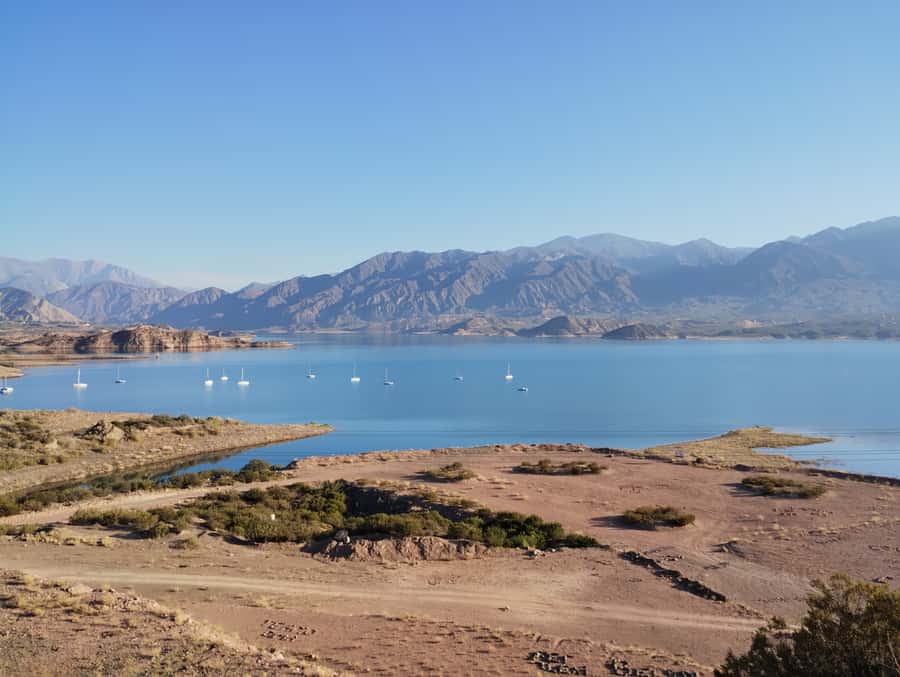
The day starts with pickup from local hotels in Mendoza, then you roll out early enough to get that crisp mountain-light feeling. One of the first big payoffs is the drive along the Mendoza River corridor, with repeated chances to look up at the Cordón de Plata range.
Potrerillos Dam is your first named stop. You’ll get time for photos and a visit, plus free time and scenic windows while you’re passing the dam area. I like this segment because it gives you a “why” behind the region. The dam isn’t just a photo spot—it generates hydropower and supports irrigation, so you’re seeing how the Andes connect to life in Mendoza, not just how pretty the mountains are.
Practical tip: bring a layer you can tolerate in the bus and then outside. Early in the day, you can get chilly even when Mendoza feels warm.
Uspallata and the Huarpes: History You Can Walk Through
Uspallata is where the day shifts from scenery to place-based history. You’ll have time for a break, photos, and a guided exploration of the pre-Hispanic settlement connected to the Huarpes people. This isn’t just a viewpoint with a few signs—you’re looking at remains of a community, and that changes how the mountains feel. The Andes stop being a backdrop and start feeling like a lived landscape.
What I find especially useful for you here is the context around “why this spot mattered.” The tour includes references to the southernmost point of Inca influence along the Inca Trail route out of Peru. Even if you’re not a hardcore history person, that detail helps you see Uspallata as part of larger Andes movement patterns, not isolated high-country villages.
You’ll also pass through or stop near smaller towns along the way—Picheuta, Polvaredas, and Punta de Vacas. They’re brief, but they give texture. You see local settlement shapes and road life, not just big-ticket monuments.
Drawback to keep in mind: this is a long day, and you’re doing Uspallata as a stop inside a full schedule. So if you want deep museum-style time, you’ll feel the limits of a day trip format. Here, the goal is meaning + orientation, not an all-day archaeology session.
Puente del Inca: Natural Architecture and Hot-Spring Stops
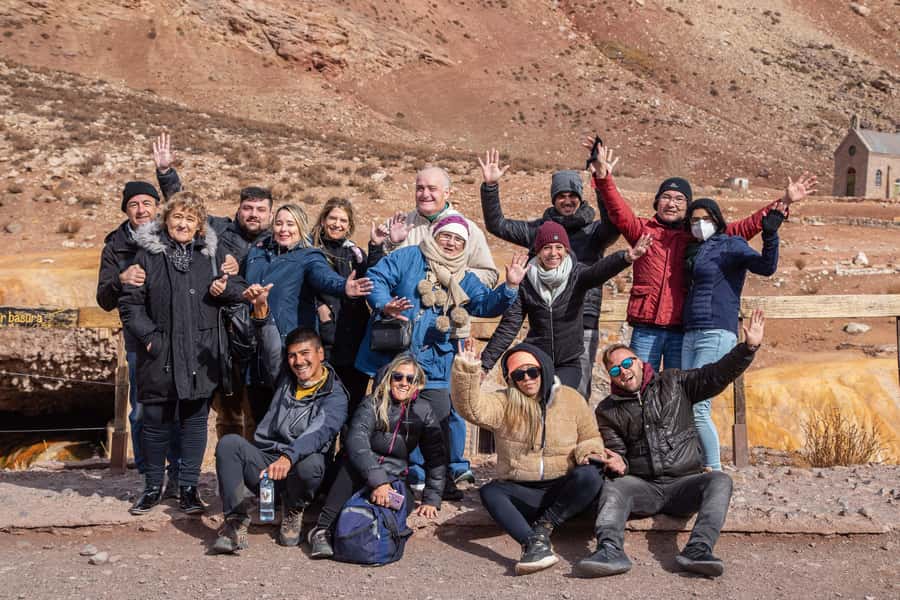
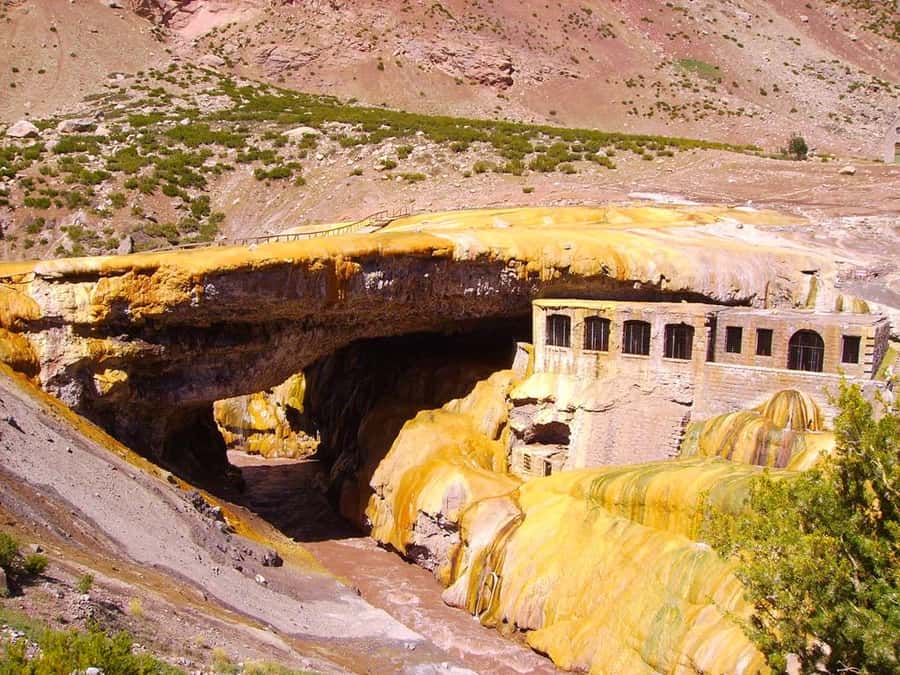
Next comes the route of Puente del Inca. This is the kind of place where the “wow” factor is visual and immediate: natural formations that look almost built, plus the idea of hot springs in the area. You’ll have photo time and time to visit, and the stop is long enough to take in the forms from different angles.
Why this works for you: it breaks up the day’s altitude push with something more playful. It’s not only about looking at high peaks—you’re also watching how geologic activity creates shapes and thermal features. That mix keeps you from feeling like it’s all “more mountains, more stairs.”
Also, this segment is often a mental reset. Even if you’re tired, you can still enjoy Puente del Inca because you can take photos, walk a bit, and then refocus on the next big viewpoint.
If you’re sensitive to height, remember that every short stop adds up. Use the free moments to slow down, breathe, and avoid racing from bus to photo to bus.
Cerro Aconcagua Viewpoint and Laguna Horcones: Seeing the Big One
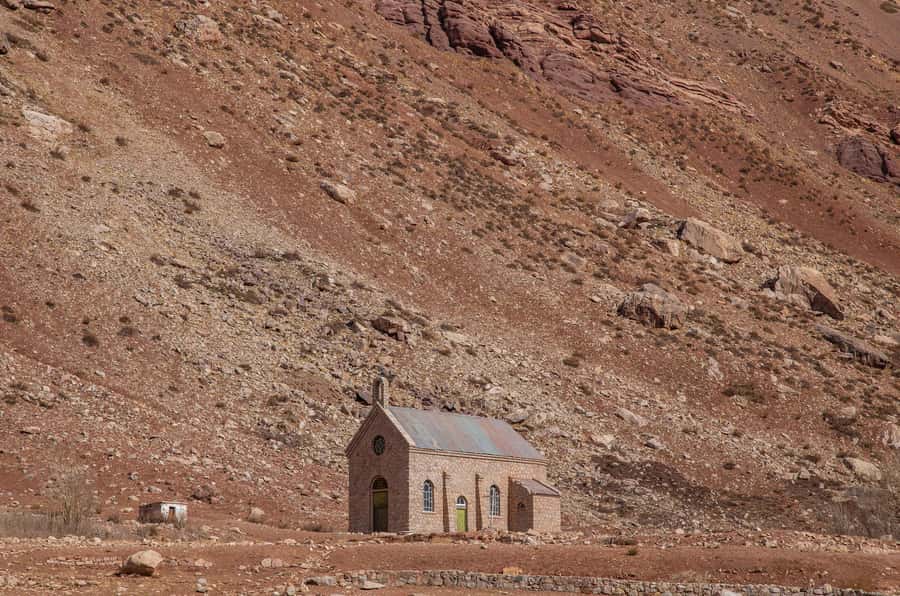
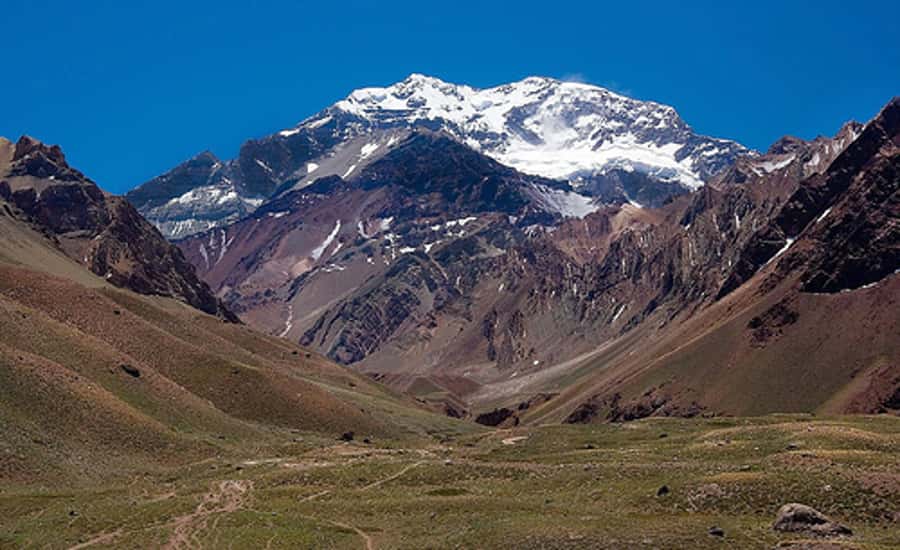
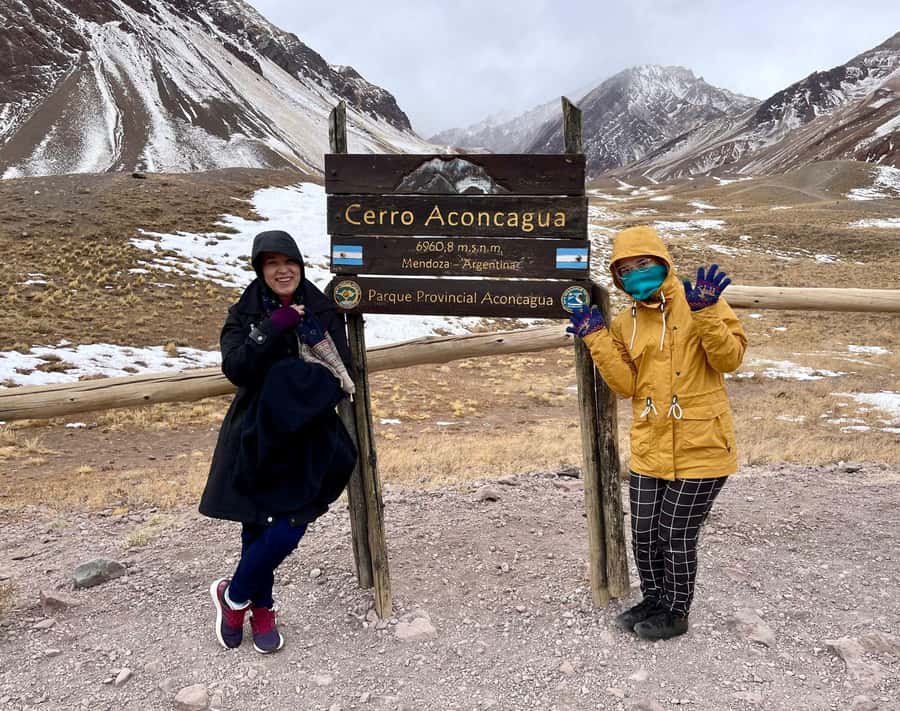
After Puente del Inca, the tour climbs into the Aconcagua-focused high-altitude zone. You’ll reach the viewpoint area associated with Cerro Aconcagua and the surroundings of Laguna Horcones and Aconcagua Provincial Park. The tour is designed around the idea of getting you close to Aconcagua’s presence without requiring mountaineering skills.
You’ll have a photo stop, time to visit, and time to walk around a bit. This is a great segment for photography because the scale is hard to fake. Peaks sit high in your frame, and the lighting tends to shift quickly. Even if you don’t think you’re a “serious camera” person, you’ll find yourself taking a bunch of photos just because the view keeps changing.
One consideration: the air can feel thin here, and the walk is likely short but still noticeable. If you’re the type who gets headaches or nausea at altitude, plan to go easy at the start of this segment and avoid overexerting right after you step off the bus.


Las Cuevas at 3,200 m and Cristo Redentor at 4,200 m
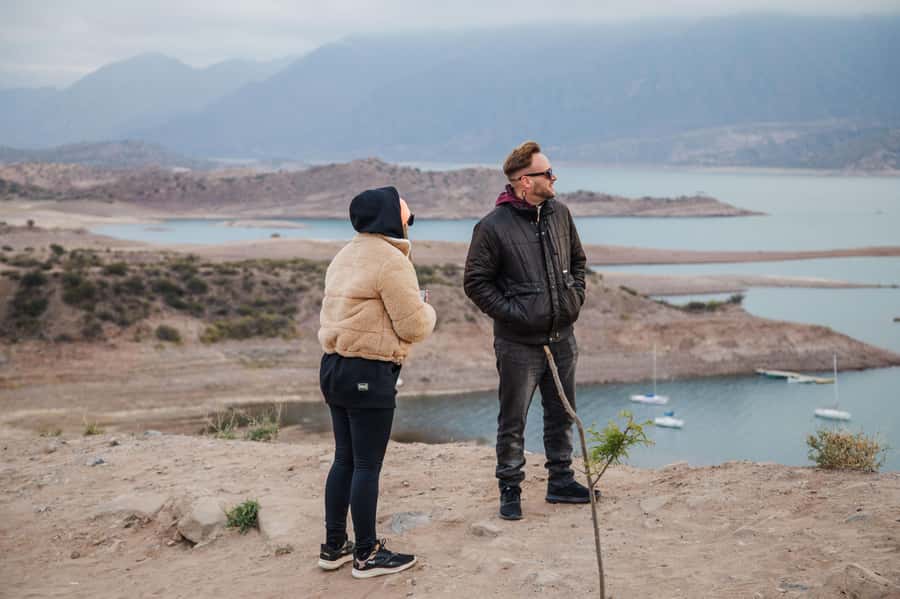
The final stretch is Las Cuevas, a European-style village area at about 3,200 meters. You get break time, and the schedule includes lunch time (meals aren’t included in the tour price). This is also where you’ll reset before the highest symbol of the route.
From Las Cuevas, the path leads toward Cristo Redentor, perched at about 4,200 meters. There’s an important catch: the monument is only visited during the summer months. If you’re traveling outside that period, you may miss that specific “top of the day” moment even though you still reach the Las Cuevas area.
I like this finish because it gives the trip an emotional shape. It’s not only about altitude; it’s about the unity story between Argentina and Chile that the monument represents. You also get that “I’m standing somewhere only a few people can reach” feeling—without needing a hiking permit or climbing equipment.
Practical advice: if you’re going for the Cristo area in summer, dress for real cold. At 4,200 meters, wind can turn a photo stop into a “take the picture fast” situation.
What the 12 Hours Feels Like: Timing, Breaks, and Energy
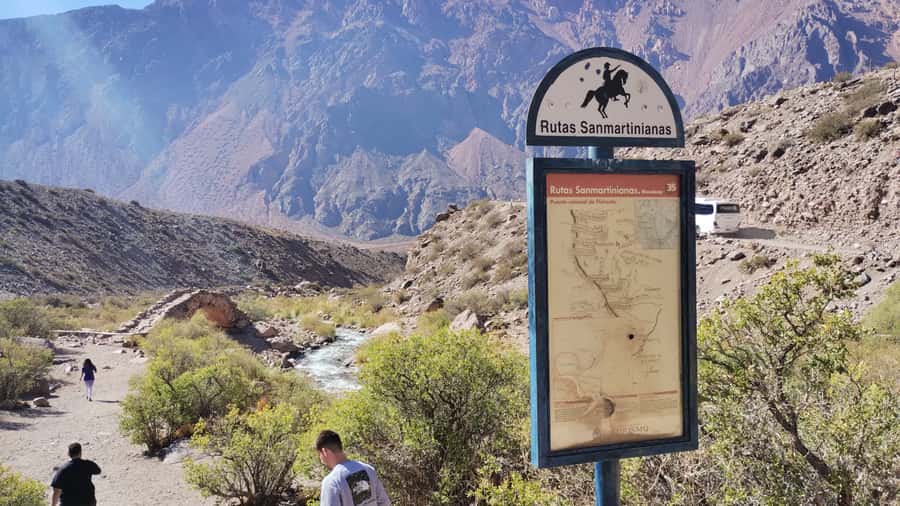
This is where the day can make or break your mood. On a good day, the route flows and the guide’s pacing keeps you interested. On other days, long pickups or extra time in each stop can add up.
The tour runs about 12 hours, with repeated hop-off style breaks and photo blocks. Potrerillos is roughly 25 minutes, Uspallata around 30 minutes, Puente del Inca about 35 minutes, and the main Aconcagua viewpoint about 40 minutes. Las Cuevas gives you around 1.5 hours, which is where lunch happens and where you can breathe a little.
Two timing-related tips for you:
- If pickup happens across many hotels, it can take close to an hour before you roll out. If you hate waiting, show up early and double-check your pickup location.
- If the guide is spending more time speaking in Spanish than you’d like, the day can feel slower. If you’re English-speaking, this is the place where a guide like Hugo or Federico (named for strong communication) can really help, especially with translation support.
Energy strategy: treat this as a high-output sightseeing day, not a relaxing one. Plan to eat something beforehand if you’re worried about getting hungry before lunch, and bring water even if you only use it during short stops.
Price and Value: Is $65 Fair for This Much Andes Time?
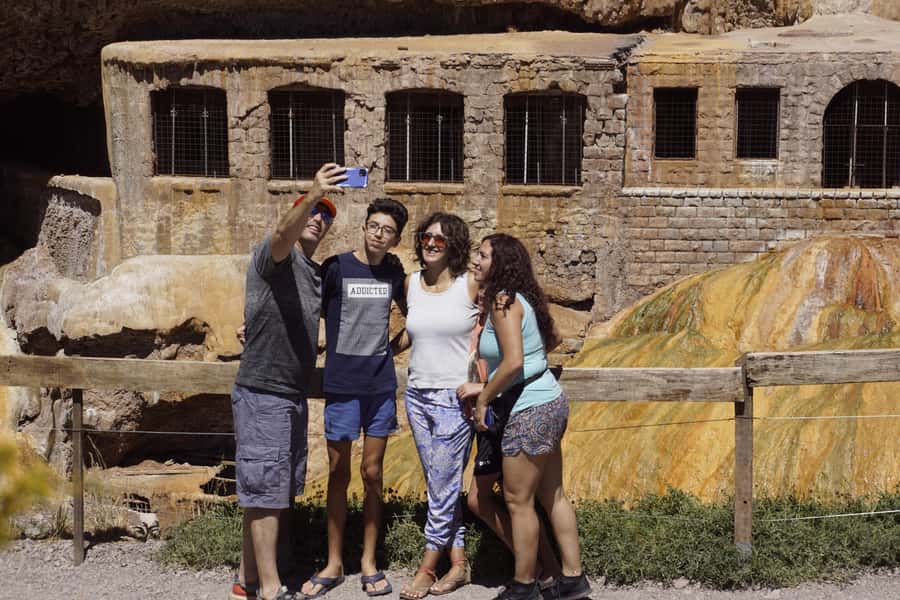
At $65 per person, you’re paying for a guided, full-day route that would be annoying to recreate on your own. What makes the price feel fair is what’s included: pickup/drop-off, air-conditioned transportation, and a guide who can explain what you’re seeing and where the route is going.
Meals aren’t included, so your real “out-the-door” cost depends on lunch. The tour provides lunch time at Las Cuevas, and you’ll likely pay at a local restaurant. One small warning for budgeting: even when you get an expected per-person lunch price in conversation, the final bill can come out slightly different. Bring a little extra cash or card buffer.
When you look at the full value math, this tour saves you from coordinating transport, timing, and interpretation across multiple high-altitude stops. It also gives you the safety net of someone organizing your day when the road and weather are in play.
Who Should Book This (and Who Might Prefer Something Else)
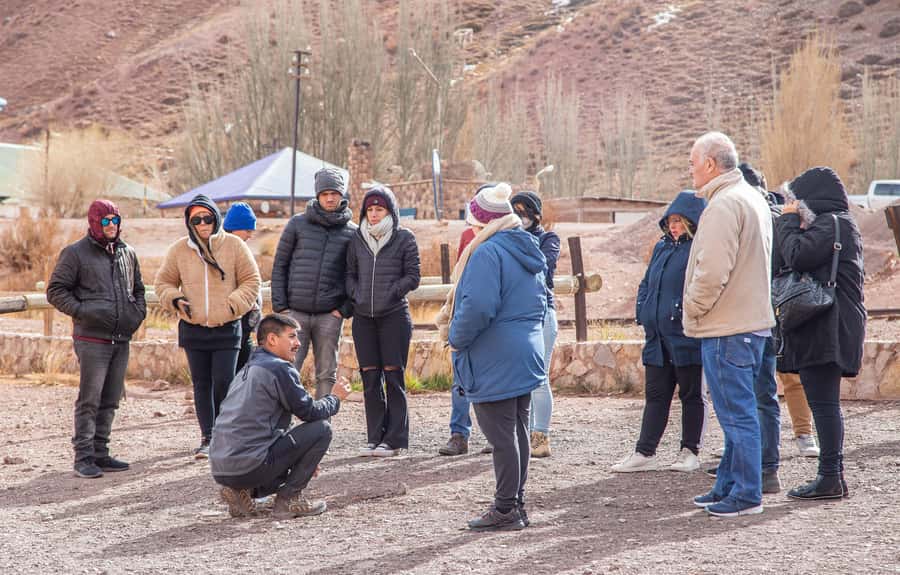
This tour fits you best if you want:
- A single-day hit of Uspallata, Puente del Inca, and major Aconcagua-area viewpoints
- Guided context, not just bus-window photos
- A structured day with short breaks that keep you from having to plan every stop
You might reconsider if:
- You’re looking for more time in one place. This is a “several highlights” format, not slow travel.
- You dislike long days. Between pickup time and multiple stop blocks, it can feel like a full-day grind.
- You’re very sensitive to altitude and don’t want to risk the thin-air end of the route. The day includes very high elevations, including the Cristo area at 4,200 meters (summer).
If you’re in Mendoza for a short stay and you want the best shot at experiencing this corridor, it’s a solid use of time.
Should You Book This Mendoza Aconcagua, Uspallata & Puente del Inca Day Trip?
I’d book it if your goal is one guided day that gives you history, geology, and towering Andes presence in a single loop. The strongest reason to go is how the day is structured: you don’t just see places—you get time in each one, plus guide context that helps you understand what you’re looking at.
If your Spanish level is limited, choose this tour with confidence only if you’re comfortable that the guide will support English-speaking guests. I’ve heard good results when guides like Hugo or Federico help bridge the language gap. And if you hate waiting, be mentally ready for pickup and stop timing to stretch a bit.
Finally, check the season question for Cristo Redentor. If your dates are in summer, you get the full top-of-day goal; if not, your experience may feel like a slightly different ending even though you still reach Las Cuevas.
FAQ
How long is the Mendoza Aconcagua, Uspallata & Puente del Inca day trip?
The duration is 12 hours.
What’s included in the price?
The tour includes pickup and drop-off, air-conditioned transportation, and a guide.
Are meals included?
No, meals are not included.
What languages does the tour guide speak?
The guide is listed as Spanish and English.
Do I need a passport or ID?
Yes, the tour requests bringing a passport or ID card.
Is Cristo Redentor always visited on this tour?
No. Cristo Redentor at about 4,200 meters is only visited during the summer months.
What’s the highest altitude stop mentioned?
Cristo Redentor is listed at about 4,200 meters. The Las Cuevas village area is about 3,200 meters.
What’s the cancellation window for a full refund?
Free cancellation is available up to 24 hours in advance for a full refund.