REVIEW · NAZCA
From Ica: Flight over the Nazca Lines
Book on GetYourGuide →Operated by Uyuni Experience EIRL · Bookable on GetYourGuide
Nazca Lines look different from the sky. This 35-minute flight in a tiny plane turns famous ground drawings into shapes you can actually follow.
What I like most is the window setup: each seat has its own view, so you’re not craning around strangers to see the condor, the spider, and the monkey. I also like that you get live in-flight guiding, with explanations as you look down.
The main drawback is timing and transport. The flight can be the smooth part, while the road transfers and airport waiting can run chaotic, especially if pick-up or return details shift.
In This Review
- Key points before you go
- Nazca Lines from Ica: why this flight is worth the early wake-up
- The morning schedule: Ica at 6:30 and the drive down to Nazca
- Inside the small plane: windows, capacity, and what the guide does in the air
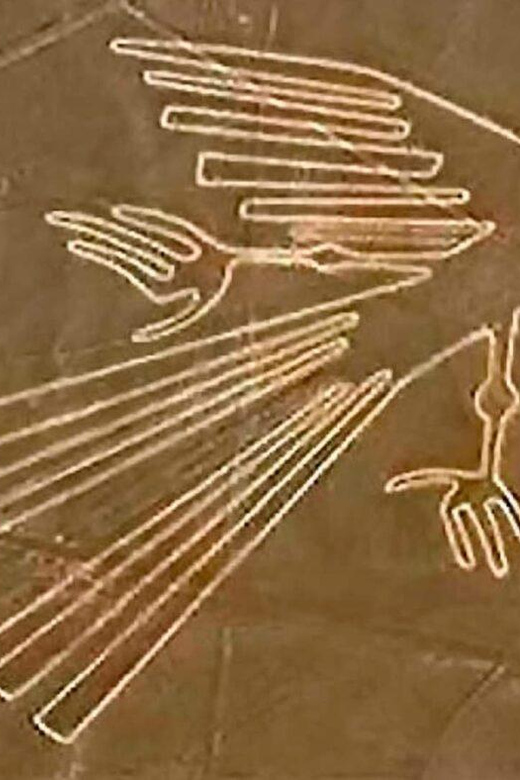
- Spotting the Nazca figures from above: spider, monkey, condor, hummingbird
- The aerodrome reality check: transfers, waiting, and communication
- Lunch in Nazca town: a small break that helps the long day
- The flight certificate: a small souvenir with real meaning
- Motion sickness and comfort: how to make the most of a short flight
- Value and who this Nazca flight from Ica is for
- Should you book this Nazca Lines flight from Ica?
- FAQ
- Will I see the Nazca figures from the plane?
- How long is the flight over the Nazca Lines?
- What size is the plane and do I get a seat with a window?
- How long is the whole tour from Ica?
- Is there lunch included?
- What languages is the guide available in?
Key points before you go
- Small plane, big views: 6 passengers plus 2 crew means fewer people between you and the geoglyphs.
- Panoramic windows for everyone: you’re seated with your own window view, not shared sightlines.
- Short flight window: 35 minutes in the air is fast, but packed with what to spot.
- Guided spotting of Nazca figures: you’ll get live commentary on what you’re seeing from above.
- Lunch time in Nazca town: you’re not stuck at the aerodrome for the whole day.
- Plan for logistics hiccups: some real-world trips report long waits and confusing transport changes.
Nazca Lines from Ica: why this flight is worth the early wake-up
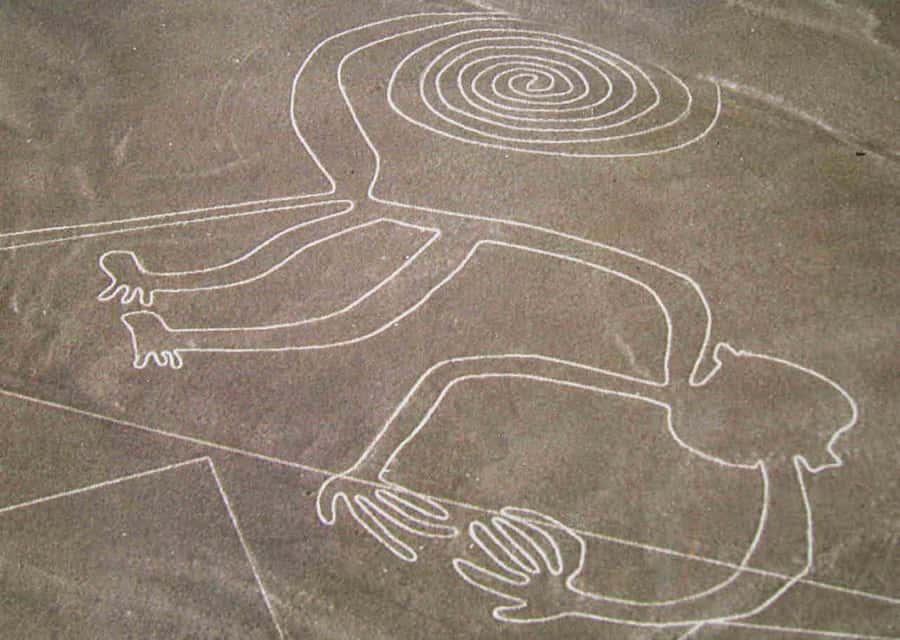
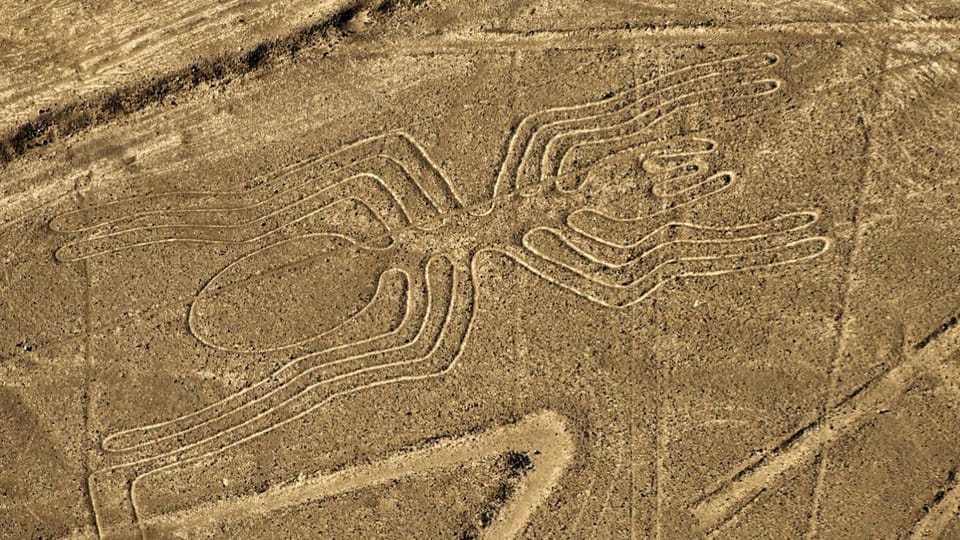
If you’ve ever seen Nazca Lines photos, you already know the problem: in pictures, the drawings can feel flat or vague. From the air, the lines suddenly behave like pathways through the desert. The forms get clearer fast, especially the best-known figures like the spider, the monkey, and the hummingbird.
This tour does one thing very well: it makes the Nazca Lines feel close to your eyes, not miles away on the horizon. The plane is small, the windows are individual, and the flight time is concentrated. In practical terms, that means you spend your money and time on the part you actually came for.
Still, don’t plan your day like everything will be perfectly timed. Based on recent experience patterns, transportation from Ica can take longer than expected, and waiting at the aerodrome can stretch. If you’re the type who hates uncertainty, bring patience.
You can also read our reviews of more tours and experiences in Nazca.

The morning schedule: Ica at 6:30 and the drive down to Nazca
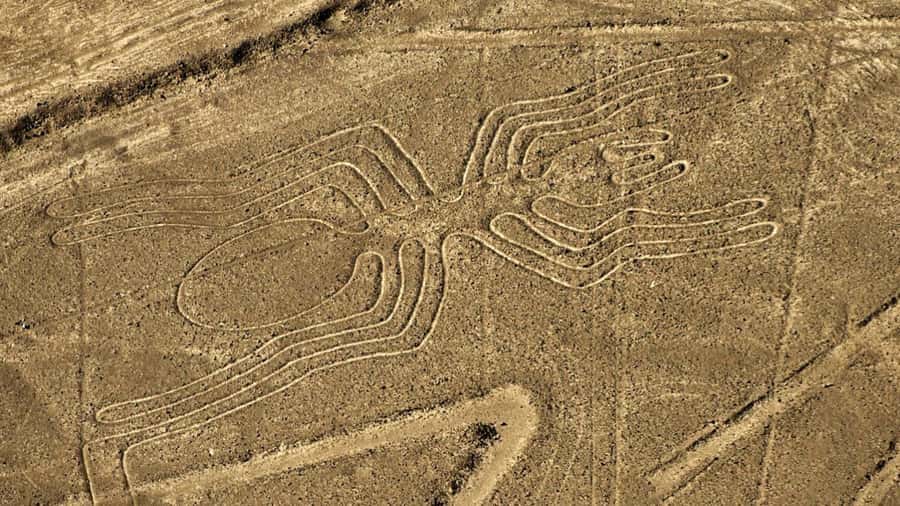
The day starts with departure from Ica at 6:30 am. You then drive south for about 2 hours and 15 minutes to reach the Nazca aerodrome area. It’s an early start, but it also matches how these flights typically operate when multiple departures are running.
Why this matters for you: that morning drive is your buffer. If you hit morning traffic, you’re less likely to miss your flight slot. If you’re prone to motion sickness, you’ll want to pay attention during the road portion too, since some vehicles can be tightly packed when transport is shared.
What I’d recommend for sanity: set expectations that the schedule might slide. The standard plan says you’ll be back in Ica by 3:30 pm, but real days can vary depending on pickup accuracy, airport timing, and how flight slots are managed.
Inside the small plane: windows, capacity, and what the guide does in the air
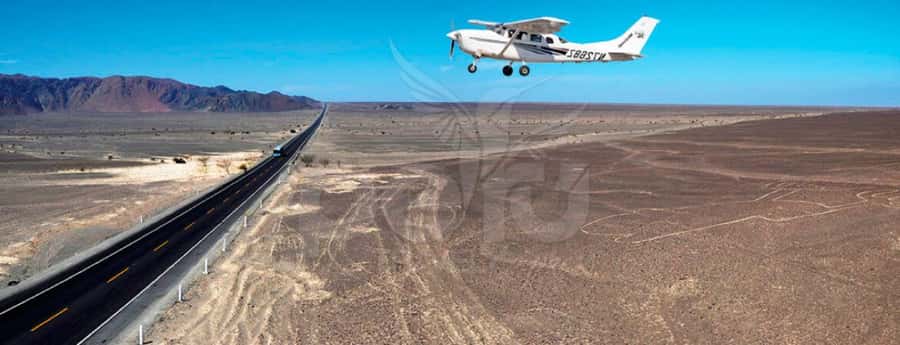
The flight is aboard a small plane built for this exact sightseeing job, with seating for 6 passengers and 2 crew members. Each traveler has their own seat with a panoramic window, which is a big deal in a place where the best sightings depend on angles.
The in-flight guiding is live, in English and Spanish. During the 35-minute flight, you’ll get explanations about the figures you’re seeing and questions like how the ancient inhabitants made these enormous geoglyphs and what they might mean. You’re not just looking down at shapes. You’re getting a story while the view is still fresh.
A small plane also changes the “feel” of the experience. You’re closer to the action, but motion can be more noticeable. If you’re sensitive to motion, consider bringing your preferred remedy (the choice is personal, but the need is real on small aircraft). Comfort matters when you’re trying to watch closely for the next figure.
Spotting the Nazca figures from above: spider, monkey, condor, hummingbird
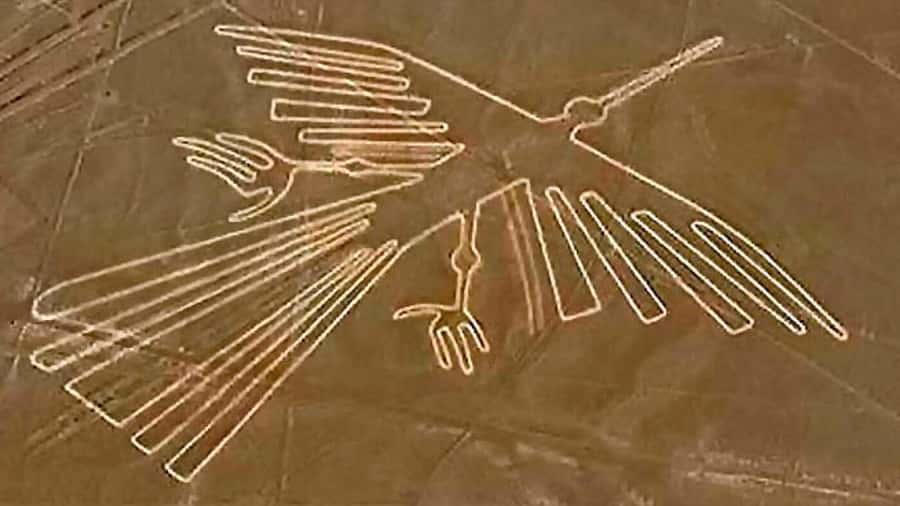
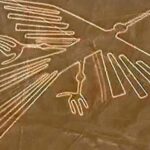
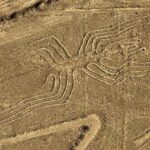
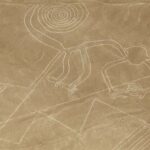
Here’s what you can count on seeing: the iconic Nazca figures and the lines that connect them. The activity description names the condor, spider, monkey, and hummingbird, and that lines up with what most people want when they book this flight.
From the air, the biggest difference is scale. On the ground, the drawings can look like they’re “just there.” In the sky, you’ll often notice how the lines lead your eyes. Straight stretches help you orient yourself. Then the animal forms appear, and suddenly you can follow the legs, wings, or body contours without guessing.
Another practical tip: watch your window direction at takeoff and during turns. In a small plane, positioning matters. If you’re hoping for a specific figure, look to where your window points as the pilot lines up the route.
You’ll get commentary while you look, which helps you avoid the common “we saw something, but what was it?” feeling. The guide’s job is to point out what each shape is, and to connect it to the broader mystery of Nazca markings.
The aerodrome reality check: transfers, waiting, and communication
The flight portion can be smooth. The weak link can be everything around it. The most common friction points are pickup timing accuracy, vehicle comfort during shared transport, and long waits at the aerodrome when flight schedules shift.
What that means for you:
- If your pickup time is strict on paper, treat it like a target, not a guarantee.
- If you’re traveling with a tight itinerary afterward, give yourself extra buffer time.
- If communication before the day is limited, stay ready to contact the operator through the number you provided.
One detail that comes up in the operational instructions: make sure your contact number is entered correctly with your country code and that you have WhatsApp available. That’s not just paperwork. It’s often how last-minute coordination happens in places where schedules can shift.
Also, keep in mind that airport waiting can vary. Some days a group flies right away. Other days people can wait while others go first. If you’re tempted to assume your flight time will be immediate, plan mentally for delays.


Lunch in Nazca town: a small break that helps the long day
After the flight, you head back toward Nazca’s departure area, and then you get free time for lunch in the center of Nazca at a restaurant. This is one of the more human parts of the itinerary. It breaks up the day so you’re not living on airport snacks and bottled water.
Why this matters: once you’ve spent time on the road and in the air, you’re likely hungry and a bit restless. Having an actual lunch window makes the whole experience feel less like a rushed checkpoint.
What to do with that free time: keep it simple. Eat something filling, hydrate, and don’t plan anything overly time-sensitive. The return transfer back to Ica is set for later in the afternoon, and the day’s timing can depend on how flight operations go.
The flight certificate: a small souvenir with real meaning
You’ll receive a flight certificate when you land back at the departure airport. It’s not a fancy keepsake, but it does give the experience a “finished” feeling.
I like this detail because it’s proof of the flight itself, not just a ticket stub. If you’re traveling with kids or friends who will forget the exact timing, the certificate is an easy way to remember that you actually did it.
Motion sickness and comfort: how to make the most of a short flight
The flight is only 35 minutes, so you might think comfort doesn’t matter. It does anyway, because if you feel off during the flight, it’s hard to watch closely. Small planes can feel bumpy, and turns can be noticeable.
Here’s a practical approach:
- If motion sickness is a known issue for you, prepare before you arrive at the aerodrome.
- Choose what works for you on flights (it’s personal), and give yourself time to settle.
- If you can, keep your head positioned so you’re watching out the window, not staring straight down.
It’s a short ride, but you’re paying for close-up viewing. Comfort is part of the value you get from those panoramic windows.
Value and who this Nazca flight from Ica is for
This tour is best for one kind of traveler: the person who wants the Nazca Lines view without extra stops. You’re buying a direct, focused experience—drive to Nazca, fly 35 minutes, then go eat lunch and return.
You’ll likely find it worth it if:
- You’re short on time and want the aerial view first and fastest.
- You want a guide actively explaining what you’re seeing during the flight.
- You value a small plane and individualized windows over larger group flights.
It may be a mismatch if:
- Your schedule after Nazca is rigid and unforgiving.
- You hate uncertainty around pickup times and airport waiting.
- You’re very sensitive to transport comfort, since shared transfers can make for tight seating.
Also, a fair note on value: the flight itself is the star. If the logistics go wrong on a given day, it can make the whole experience feel expensive for what you actually get. That’s why you should judge this as a package of two parts: the flight is the payoff, but the ground handling is what can make or break your mood.
Should you book this Nazca Lines flight from Ica?
Book it if your priority is the air view, you’re okay leaving room for schedule drift, and you want guided explanations while you look down. The combination of a small plane, panoramic individual windows, and a 35-minute guided flight is the heart of why this works.
Skip it or shop carefully if you need the day to run like clockwork. When transport is shared and timing at the aerodrome stretches, that stress can outweigh the thrill. If you do book, bring a flexible mindset, keep your WhatsApp contact ready, and treat lunch and the return ride as part of the plan that might shift.
FAQ
Will I see the Nazca figures from the plane?
Yes. The flight is designed for sightseeing from the air, with commentary while you look at famous Nazca figures such as the condor, spider, monkey, and hummingbird.
How long is the flight over the Nazca Lines?
The time in the air is about 35 minutes.
What size is the plane and do I get a seat with a window?
The plane fits 6 passengers plus 2 crew members. Each traveler has an individual seat with panoramic windows.
How long is the whole tour from Ica?
The total duration is listed as 7 hours.
Is there lunch included?
You’ll have free time to have lunch at a restaurant in the center of Nazca after the flight.
What languages is the guide available in?
The live tour guide is available in English and Spanish.