REVIEW · CALI COLOMBIA
Afro Walking Tour. The colors of Cali.
Book on GetYourGuide →Operated by Date un borondo ve. · Bookable on GetYourGuide
Cali shows its Afro soul on foot. This walking tour, The Colors of Cali, brings you face-to-face with the city’s Afro-descendant culture through street art, music, and dance stories led by certified guide Andrés Jiménez in English and Spanish. I like that the pace feels conversational, not lectur-y, and you get context for why Cali’s rhythm matters.
Second, I love the food piece. You’ll taste authentic Afro-Colombian cuisine along the way, mixing real neighborhood stops with cultural sights so the culture isn’t just something you read about. That combination is a big reason the tour sticks.
One consideration: it’s an active, interactive walk through the center of the city, and you may pass street vendors and beggars. If you prefer a quieter route or you’re traveling with someone who needs a very low-sensory experience, plan accordingly (and note it’s not suitable for children under 10 or for hearing-impaired people).
In This Review
- Key things to know before you go
- Meet Andrés Jiménez and the tone of the tour
- Getting to the meeting point in downtown Cali
- Your 150-minute route: what you actually do on the walk
- Street art and Afro stories: why the murals matter
- Salsa connection: how Cali earned its rhythm reputation
- The 3 cultural institutions that add structure
- Food tasting: Afro-Colombian flavors on the move
- What you’ll see beyond postcards
- The interactive part: questions, conversation, and context
- Walking through real Cali: vendors, beggars, and how to handle it
- Price and value: is $42 worth it for 2.5 hours?
- Who this tour fits best (and who should skip it)
- Should you book the Colors of Cali Afro Walking Tour?
- FAQ
- How long is the Afro Walking Tour The Colors of Cali?
- Where do I meet for the tour?
- How much does the tour cost?
- What languages is the guide available in?
- What’s included in the experience?
- Is the tour wheelchair accessible?
- What should I bring?
- Is the tour allowed to include alcohol or drugs?
- Is the tour suitable for children?
- Is the tour suitable for hearing-impaired people?
Key things to know before you go
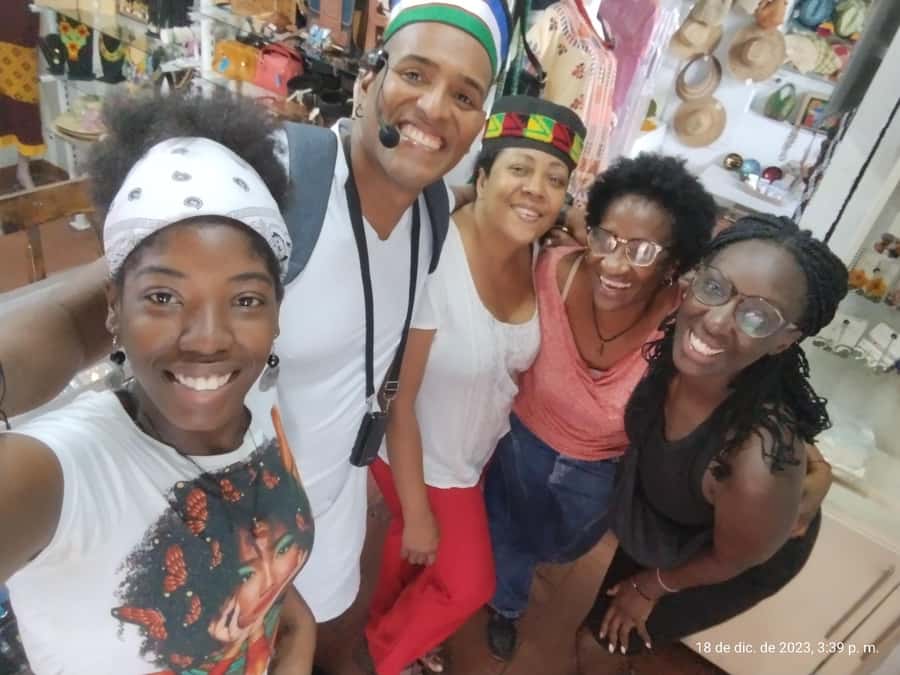
- Bilingual guide (English and Spanish) with a certified setup, great if you want Spanish practice.
- 150 minutes on foot through downtown areas, with multiple cultural stops.
- Street art with meaning, including murals that connect African heritage to modern Cali.
- Afro-Colombian food tasting as part of the experience, not just a photo stop.
- Visit to 3 cultural institutions, adding structure to the stories you hear on the street.
- Cali’s salsa identity is a core theme, with some hands-on rhythm moments mentioned by guests.
Meet Andrés Jiménez and the tone of the tour
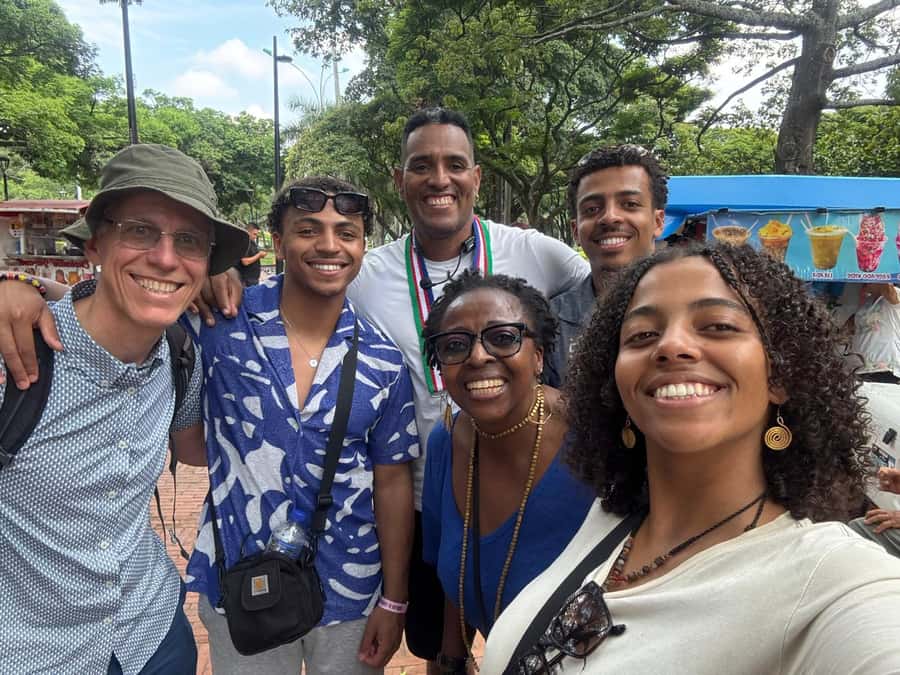
This tour is built around one guide: Andrés Jiménez, a certified driver/guide who works in English and Spanish. He’s described as friendly, attentive, dynamic, and genuinely proud of Cali—so the vibe isn’t stiff or scripted. Instead, you’re encouraged to ask questions and talk back, which matters because Afro-Colombian culture includes history, identity, and everyday life.
What I like most is how the stories connect big themes to street-level details. You’re not just shown a mural—you get the cultural meaning behind it. And when salsa shows up (and it shows up a lot), it’s tied to how people live and express themselves in Cali, not treated like trivia.
You can also read our reviews of more walking tours in Cali Colombia


Getting to the meeting point in downtown Cali

You’ll meet in front of the Subway (Sandwich restaurant). That’s an easy landmark to use when you’re already in the central area and want to avoid guesswork.
Because this is a walking tour, come ready to move. The tour asks for comfortable shoes, water, sunglasses, and a camera. If you want photos, wear something that lets you stop and shoot without feeling rushed.
Your 150-minute route: what you actually do on the walk
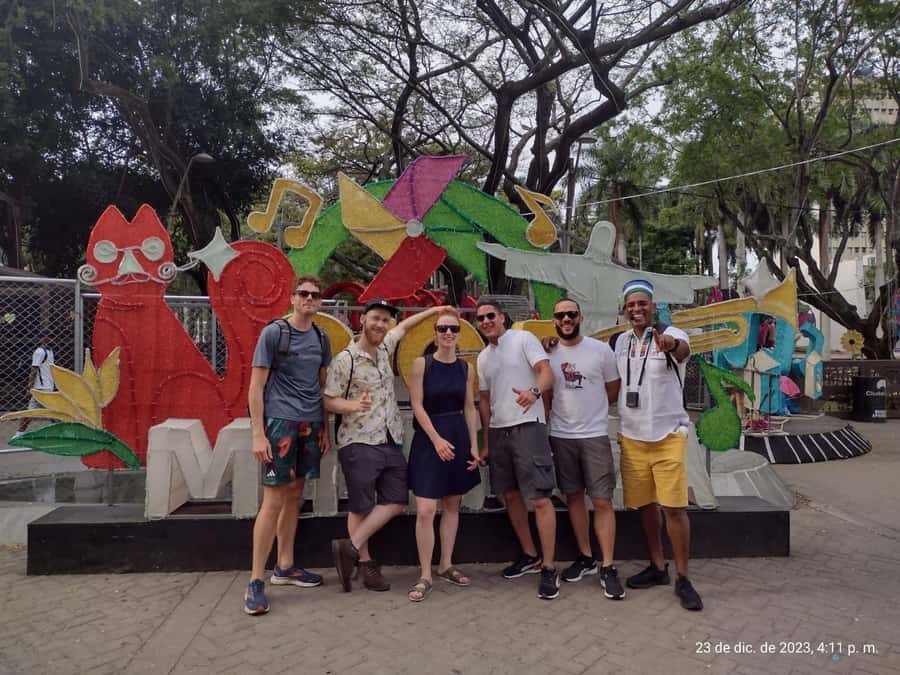
The full tour runs for 150 minutes, and it’s paced as an active stroll with stops for stories, sights, and bites. You’ll walk through the center of Cali, encounter everyday street scenes, and visit cultural places that help turn the themes into something real.
One thing to expect: the tour is described as very interactive. You’ll have moments where you’re invited to participate—through conversation, questions, and small activity-style segments. Some guests even mention a mini salsa class, which fits the tour’s focus on rhythm and movement, not just viewing.
Street art and Afro stories: why the murals matter
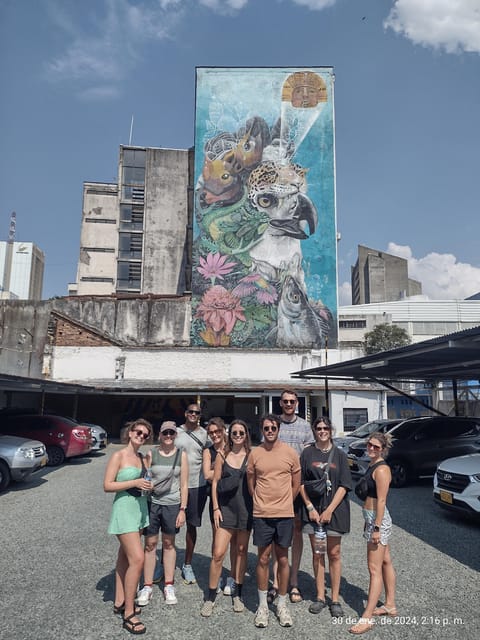
A huge draw is the way murals and street art are treated like living history. Guests talk about seeing murals around the city and understanding what they represent—African resilience, creativity, and the connection between heritage and today’s Cali.
This is where the tour’s title, The Colors of Cali, makes sense. The colors aren’t only aesthetic; they’re cultural signals. When you look at a wall after hearing the context, you start noticing the details you would’ve missed while speed-walking past it on your own.
And yes, you’ll also see the more everyday side of downtown—people, businesses, and street life—so the cultural stories don’t float in a vacuum.
Salsa connection: how Cali earned its rhythm reputation
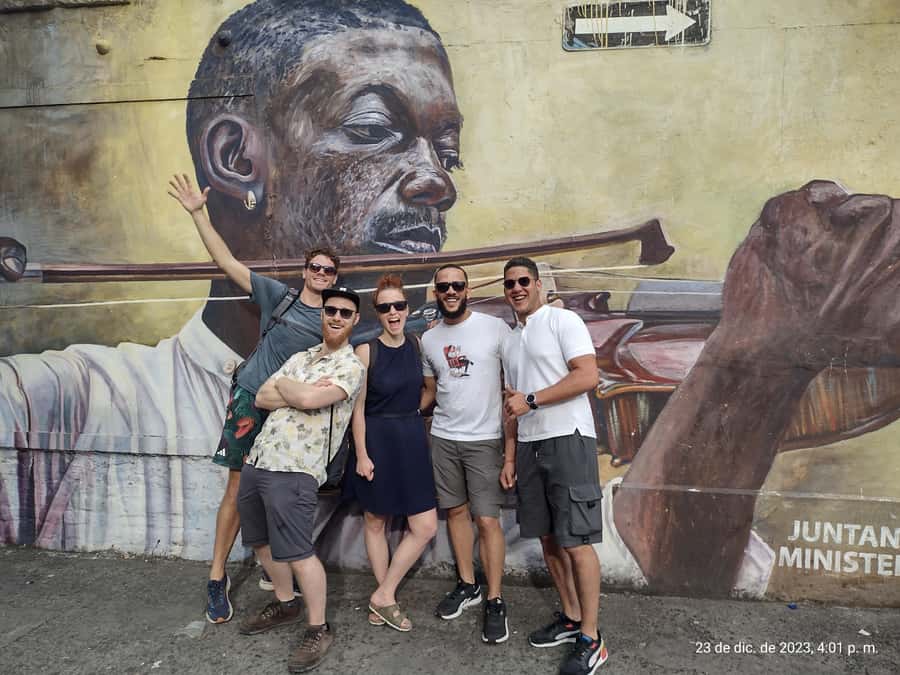
Cali’s reputation as the world capital of salsa isn’t treated like a marketing slogan here. It’s woven into the culture you’re learning about—music, dance, and community expression.
Some guests describe the guide bringing the rhythm into the tour through hands-on moments. Even if you’re not a dancer, you’ll get the meaning of salsa as a social language: a way people gather, celebrate, and carry identity through movement.





The 3 cultural institutions that add structure
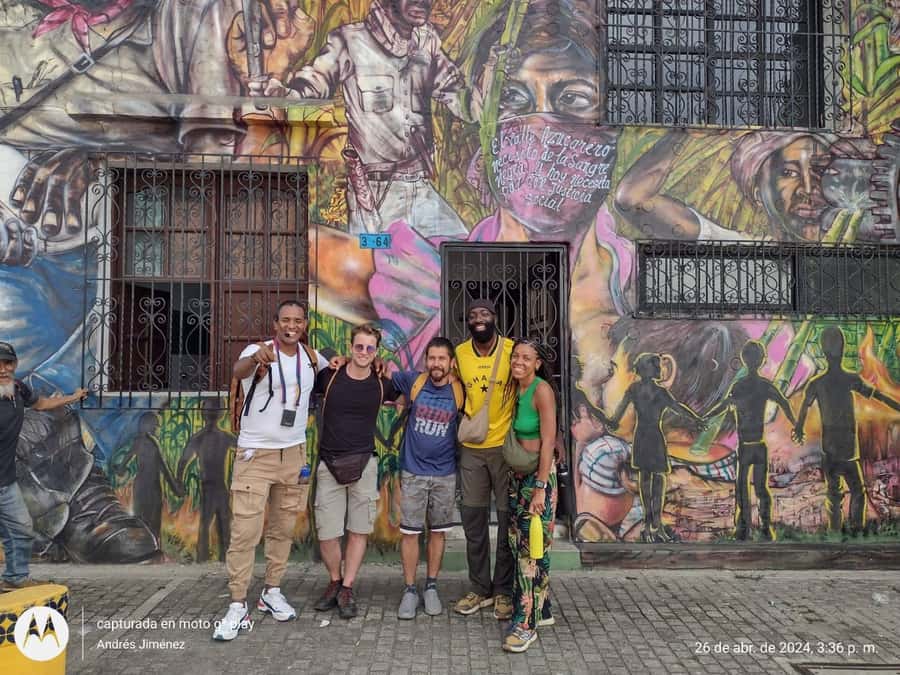
This tour includes a visit to 3 institutions of cultural interest. That’s important value because it gives you a break from pure walking and connects the street-level stories to places that preserve culture through programming, learning, and community.
What you can expect from these stops is not just decoration or quiet galleries. Guests mention cultural centers and activities that support skills, music, and intergenerational learning. Depending on what’s running that day, you might find more than one way to experience culture: watching, learning, and asking questions.
Practical tip: if you want the most out of these stops, listen for what the guide says you should notice on the spot—names, themes, and how each institution links back to Afro identity in Cali.
Food tasting: Afro-Colombian flavors on the move

You’ll taste local Afro-Colombian food during the tour. That’s a smart way to learn because cuisine is one of the fastest ways culture enters your senses. You don’t have to translate anything in your head when a flavor hits—your body gets it immediately.
Guests highlight that the food is enjoyable and part of the reason the tour feels more complete than a standard sightseeing walk. Since the tour expects you to carry some cash, bring it so you’re ready for whatever vendors and small stops may require.
Also bring water. This is walking in the center plus stops plus talking—so hydration keeps the experience comfortable, not hurried.
What you’ll see beyond postcards
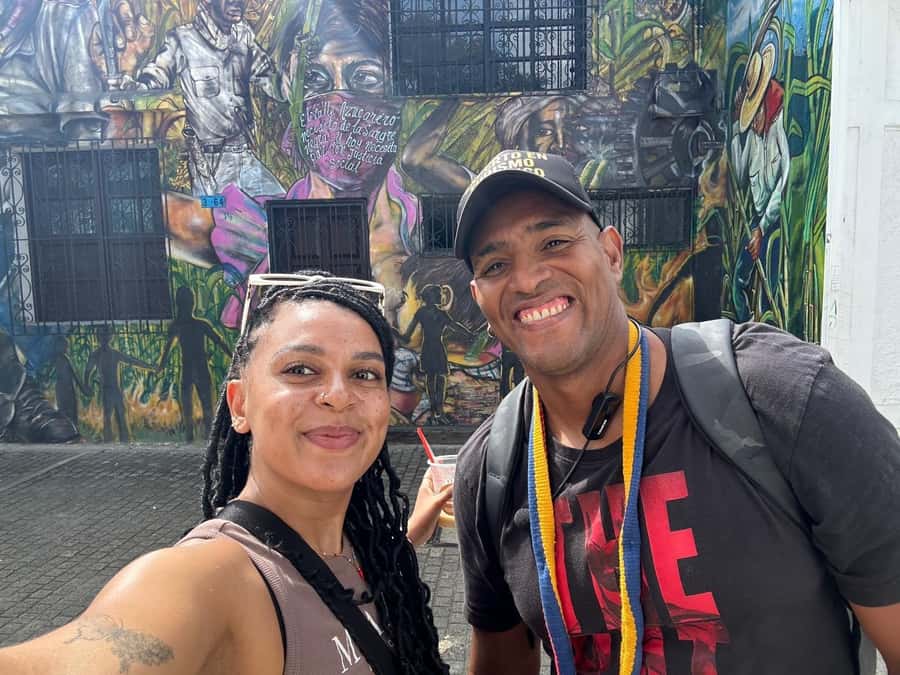
This tour isn’t only built from famous sights. Guests repeatedly mention getting to places they wouldn’t find on their own, plus seeing neighborhoods and daily life that show how culture actually fits into modern Cali.
You may also encounter black-owned businesses and Afro-focused products. One guest specifically mentioned finding beauty and hair-related items related to Afrocentric needs. So even if your main goal is history and street art, you might come away with practical shopping value too.
In other words, you’re not just collecting facts. You’re collecting cues—where culture shows up in commerce, in art, and in how people move through the day.
The interactive part: questions, conversation, and context
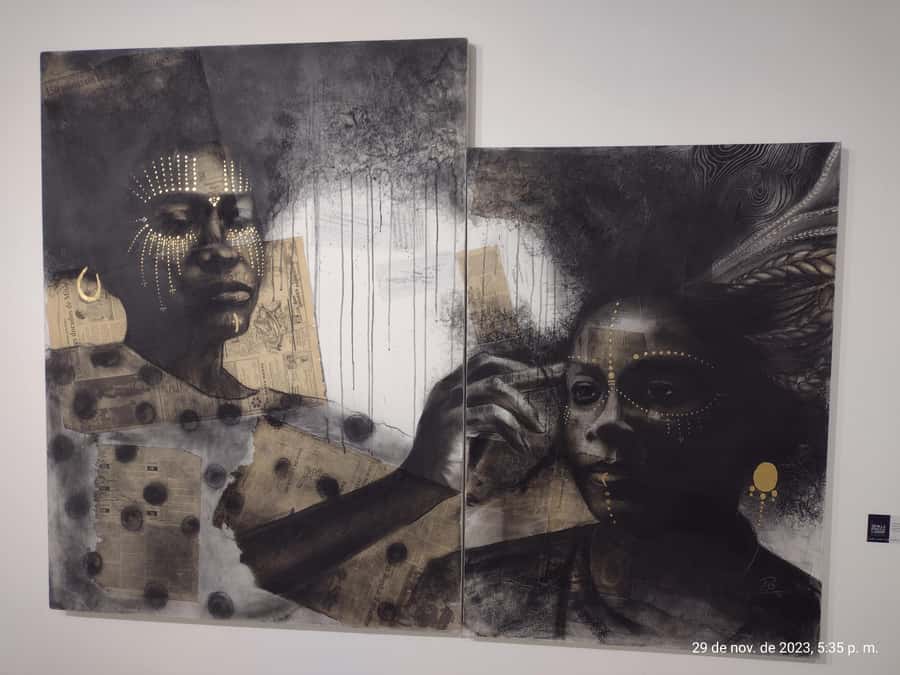
The guide’s style gets praised again and again: friendly, engaging, full of energy, and invested in making sure questions get answered. This matters because Afro-Colombian culture touches on difficult history and modern identity—and discussion is where the meaning becomes clearer.
Some guests mention deeper conversations related to race and the Afro diaspora, and others mention that the tour includes references to community resources tied to social issues. You should expect a guide who can pivot from story to explanation to practical advice.
If you’re curious and willing to ask questions, you’ll feel like you’re walking with a real person who cares, not a person reading a script.
Walking through real Cali: vendors, beggars, and how to handle it
This tour is described as walking through the center of Cali with street vendors and beggars in the mix. The instructions are basically: take it normally.
So here’s the practical approach: stay aware, keep moving at a comfortable pace, and treat it as part of the city’s everyday texture. If you get uncomfortable with street scenes, it’s worth knowing this is not a bubble-style tour.
Also remember the tour isn’t suitable for hearing-impaired people. That’s likely because it relies on conversation and audible storytelling—so if you’re relying on lip-reading, captions, or sound clarity, check with the provider before booking.
Price and value: is $42 worth it for 2.5 hours?
At $42 per person for 150 minutes, the price can feel fair or steep depending on your travel style. Here’s the value math as this tour is described:
- You’re paying for a certified bilingual guide in English and Spanish.
- You get street-art storytelling plus visits to 3 cultural institutions.
- You get a food tasting included during the route.
That combination is the key. If your goal is just a couple of photos and quick landmarks, you can probably find cheaper self-guided options. But if you want the context—why murals mean something, why salsa sits at the center of Cali’s identity, and how Afro-Colombian culture shows up in real places—then the guide and the included tasting do a lot of work for your wallet.
Who this tour fits best (and who should skip it)
Book this if you want:
- Afro-Colombian culture framed through stories, art, music, and food
- A walking route in central Cali with guidance that helps you notice what you’d otherwise miss
- English/Spanish interpretation (useful if you’re practicing Spanish)
Consider skipping if:
- You want a quiet, low-interaction experience
- Your group includes a child under 10 (it’s not suitable)
- You rely heavily on hearing-specific support (it’s not suitable for hearing-impaired people)
- You dislike walks that include street vendors and beggars in the middle of the city
Should you book the Colors of Cali Afro Walking Tour?
If you’re the kind of traveler who likes culture you can see and taste—and who enjoys a guide who talks with you instead of at you—this tour is a strong choice. It’s built around multiple senses: murals, music/dance themes, and Afro-Colombian food, plus cultural institutions that give the stories weight.
My recommendation is simple: book it if you want Cali to make sense beyond the surface. It’s not just a walk through pretty streets; it’s a guided tour through Afro heritage and how it lives in everyday downtown life.
FAQ
How long is the Afro Walking Tour The Colors of Cali?
The duration is 150 minutes.
Where do I meet for the tour?
You meet in front of the Subway (Sandwich restaurant).
How much does the tour cost?
The price is $42 per person.
What languages is the guide available in?
The tour is run with a certified guide in English and Spanish.
What’s included in the experience?
It includes learning about local Afro culture on a walking tour, tasting local Afro food, and visiting 3 institutions of cultural interest.
Is the tour wheelchair accessible?
Yes, it is wheelchair accessible.
What should I bring?
Bring comfortable shoes, sunglasses, a camera, water, comfortable clothes, and cash.
Is the tour allowed to include alcohol or drugs?
No. Alcohol and drugs are not allowed.
Is the tour suitable for children?
No, it’s not suitable for children under 10.
Is the tour suitable for hearing-impaired people?
No, it’s not suitable for hearing-impaired people.