REVIEW · CARTAGENA
From Cartagena: San Basilio de Palenque Tour
Book on GetYourGuide →Operated by Beyond Colombia · Bookable on GetYourGuide
A free black town with its own language. San Basilio de Palenque is about 50 km southeast of Cartagena, and it’s where you’ll learn how Afro-Colombians rebuilt life after escape from slavery—plus Palenquero language and culture that still feels alive today.
I love the structure of the day: a town walk led by local guides such as Alberto (and sometimes Ricardo, depending on the team), with stops tied to real landmarks like Benkos Biohó plaza. I also love the lunch, which includes meat, chicken, or vegetarian, with fish options like pepper-sauce mojarra/tilapia earning serious praise.
One drawback to consider: the optional African drum show may not be included in every departure, and small-group flow can vary—one past booking even got split and switched to a Spanish-speaking guide partway through.
In This Review
- Key things to know before you go
- San Basilio de Palenque: a freedom story you can walk through
- Getting there from Cartagena without turning it into a hassle
- The town route: cultural center, landmarks, and the walk that makes it real
- Palenquero language: what you’ll hear, and how it helps you connect
- Music and drums: where the rhythm comes from
- Women’s dress, hairstyles, and the liberty map idea
- Lunch in Palenque: the meal that makes the day feel worth it
- Optional drum show: how to avoid a letdown
- Price and Logistics: what $78 buys you (and what it doesn’t)
- Who this tour fits best
- Should you book this San Basilio de Palenque tour?
- FAQ
- Where is San Basilio de Palenque from Cartagena?
- How long is the tour from Cartagena to Palenque?
- What does it cost?
- What languages is the tour guide?
- Is lunch included, and what are the options?
- Is the African drum show included?
- Can I cancel for free?
Key things to know before you go
- Palenquero language basics: you’ll hear how the language grew from African, Indigenous, and Spanish influences, plus useful local phrases
- Benkos Biohó and the Cimarrones movement: stories anchored in places you can actually see
- Women’s traditional dress and hairstyles: history expressed through everyday style, including the idea of a liberty map
- Music stops you can participate in: some itineraries include a drumming session at Kombilesa Mi’s studio
- Lunch that feels like a meal, not a deal: meat, chicken, or vegetarian plus standout fish with pepper sauce
- Small group size (up to 10): easier questions and a more human pace than big buses
San Basilio de Palenque: a freedom story you can walk through
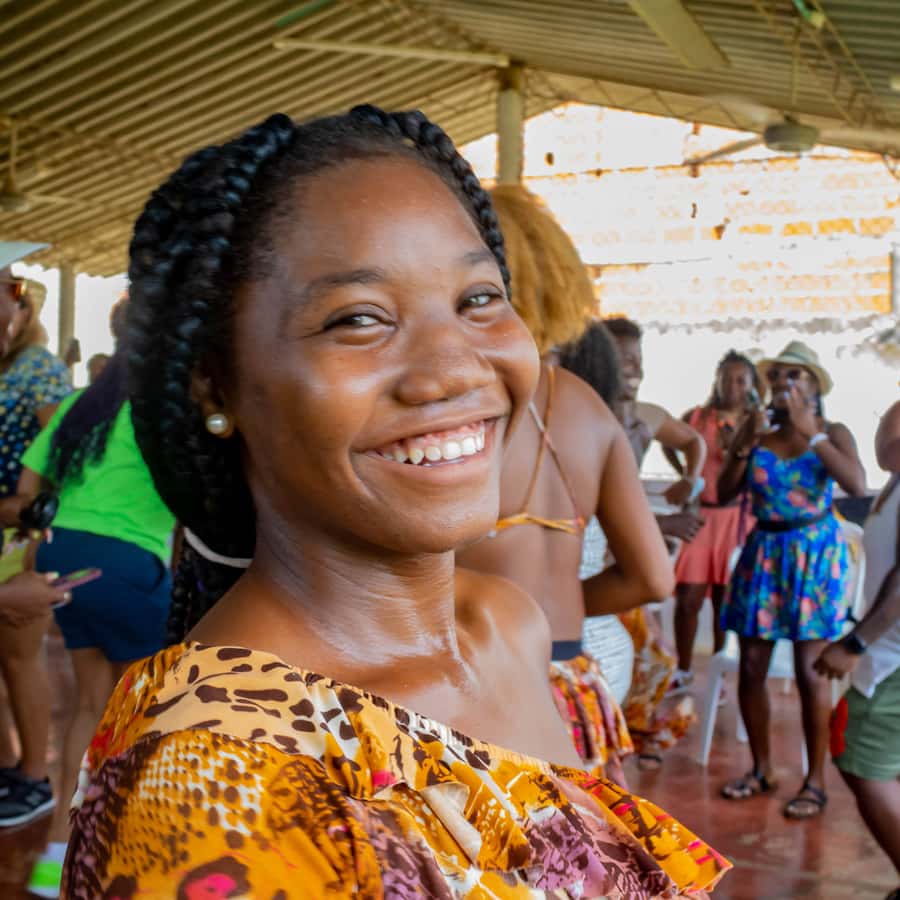
San Basilio de Palenque sits in Bolívar, and it’s known for being founded in the 17th century by Afro-Colombians who escaped slavery. That origin matters because the town isn’t presented as a museum piece. It’s a community with its own rhythms, language, music, dance, and daily life.
When I look at this tour, the best value is that it treats Palenque as a culture with agency—not just an interesting stopping point. You’ll hear how the town developed, why it mattered historically, and how resistance connected to people like Benkos Biohó and the Cimarrones movement. You also get the chance to see the places tied to those stories, including Benkos Biohó plaza.
You can also read our reviews of more tours and experiences in Cartagena.

Getting there from Cartagena without turning it into a hassle
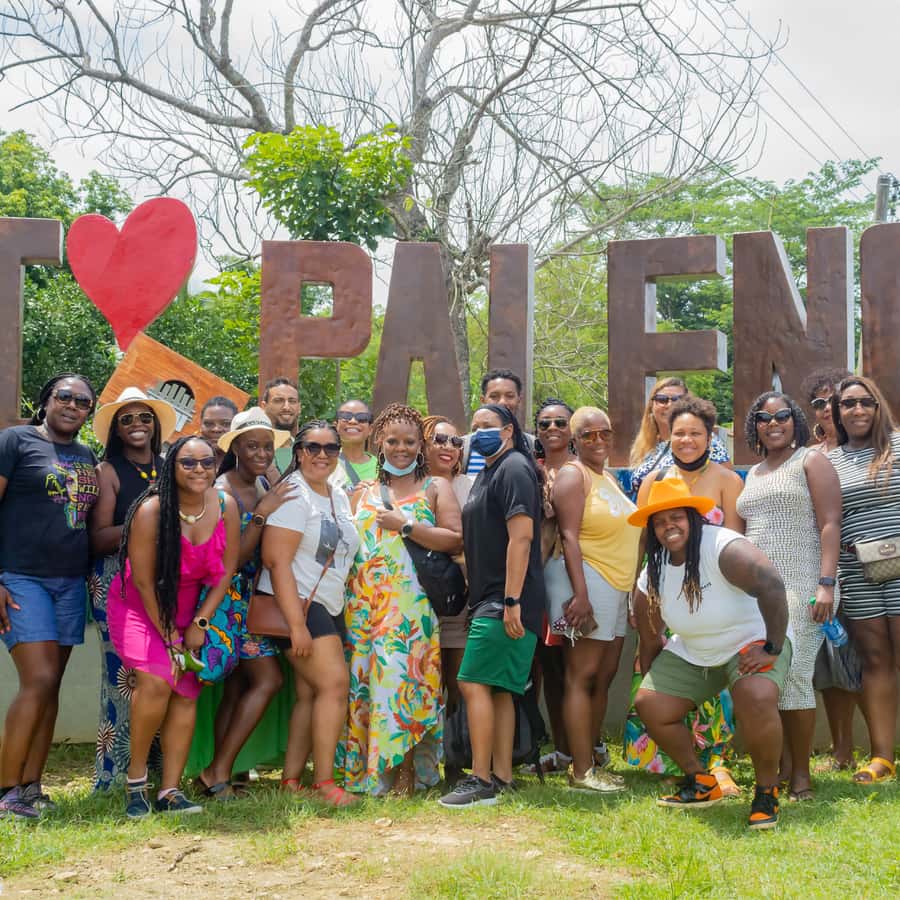
This is a day tour, built around the distance from Cartagena to Palenque (about 50 km southeast). The trip runs for 6 hours, so you’re not stuck all day in transit, but you should still plan for a full outing.
Roundtrip transportation is included, and pickup is optional from your hostel/hotel/Airbnb. In real terms, that means you can show up with less stress than you would if you tried to piece together your own route and timing. One past booking noted a comfortable car pickup and a smooth drive straight to Palenque—exactly what you want when you’re spending limited vacation hours away from Cartagena.
What to bring is simple and practical: comfortable clothes, sunscreen, drinks, and comfortable shoes. The walking is part of the point, and Palenque can get hot. If you’re the type who carries water everywhere, bring it from the start so you’re never rushed.
The town route: cultural center, landmarks, and the walk that makes it real
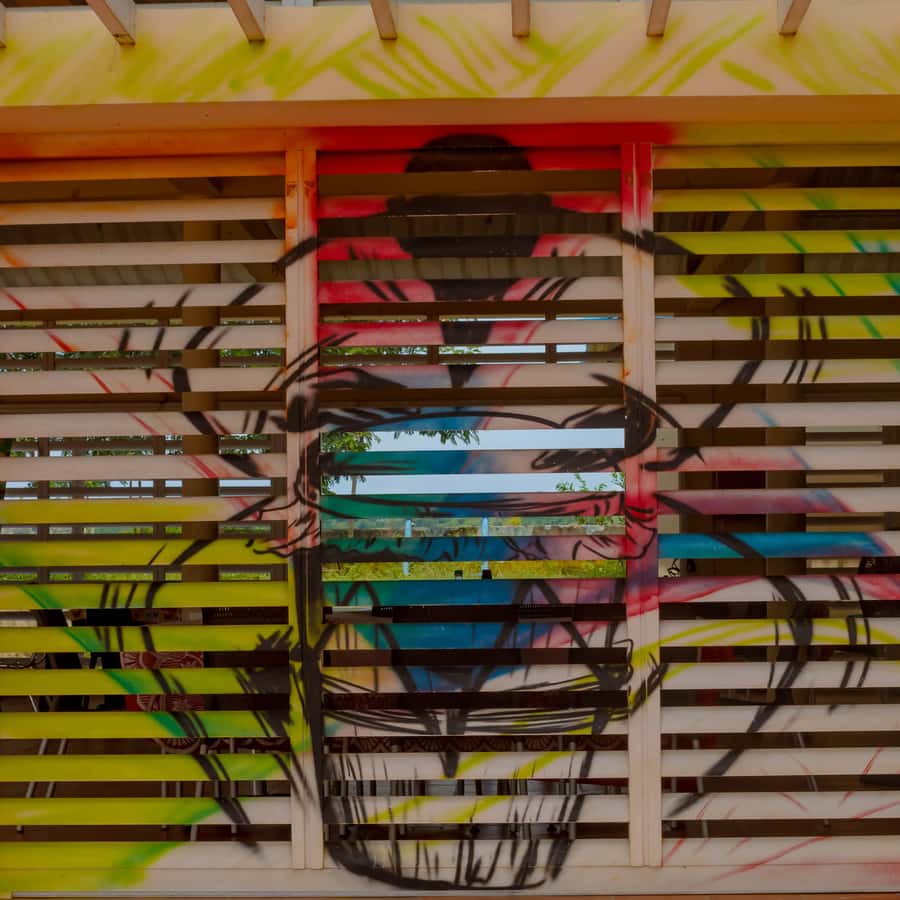
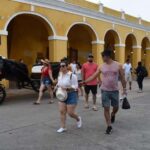
You’ll go with a local Palenque guide and spend time exploring the town itself. The plan includes visiting the cultural center first, where you get background on the community’s traditions and history. This start is helpful because it gives you a framework for what you’ll see next—especially if you’re not arriving with much prior knowledge.
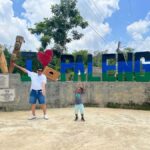
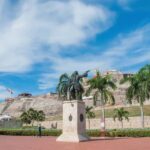
After that, the walk focuses on landmarks and historic sites. Benkos Biohó plaza is specifically called out, and it’s the kind of place where the story becomes concrete. Instead of only hearing about a movement, you’re looking at the setting where people gathered, lived, and built a new community.
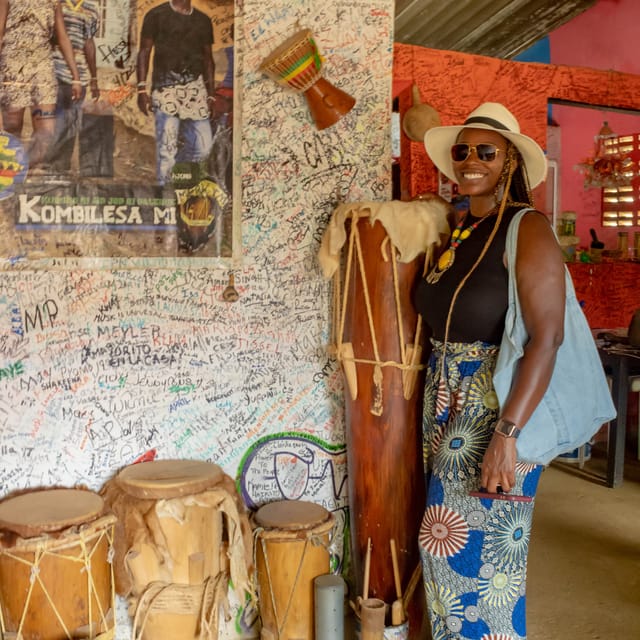
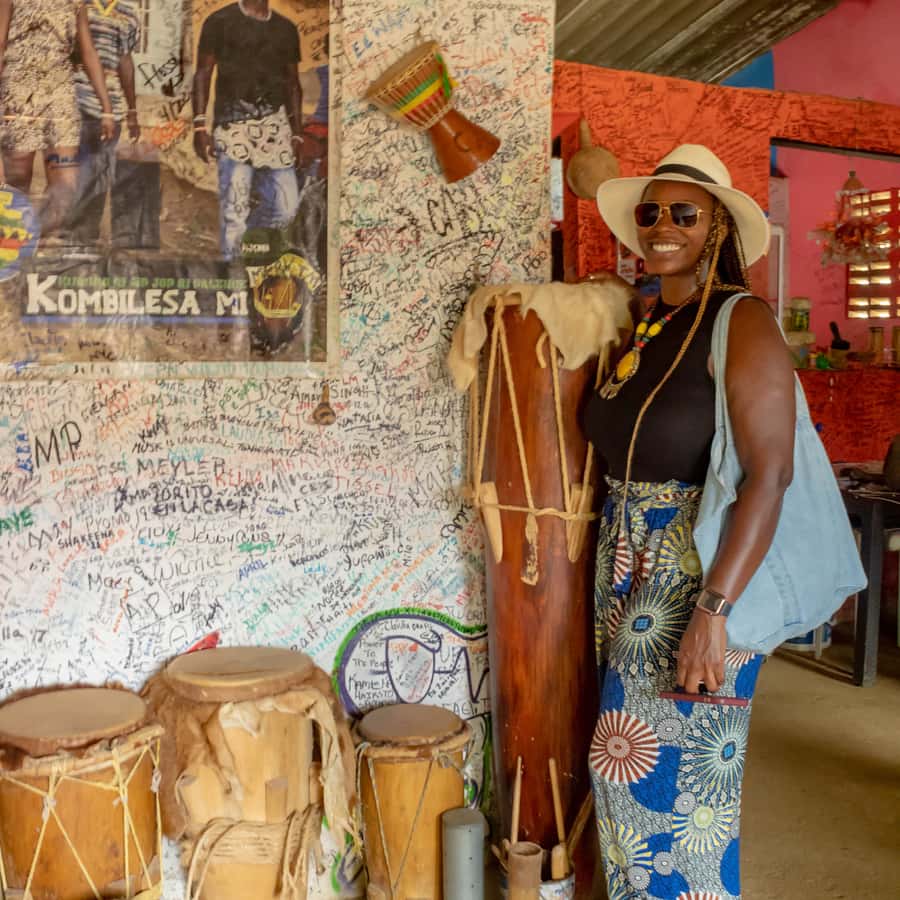
Some stops are also more experience-based than photo-based. For example, one itinerary included a stop at Kombilesa Mi’s studio for a short drumming session, plus a stop with a local healer. Those kinds of pauses tend to make the day feel like a conversation, not a checklist. Still, if you’re hoping for lots of free time to wander on your own, keep expectations realistic: this is a guided structure with set stops.
Palenquero language: what you’ll hear, and how it helps you connect
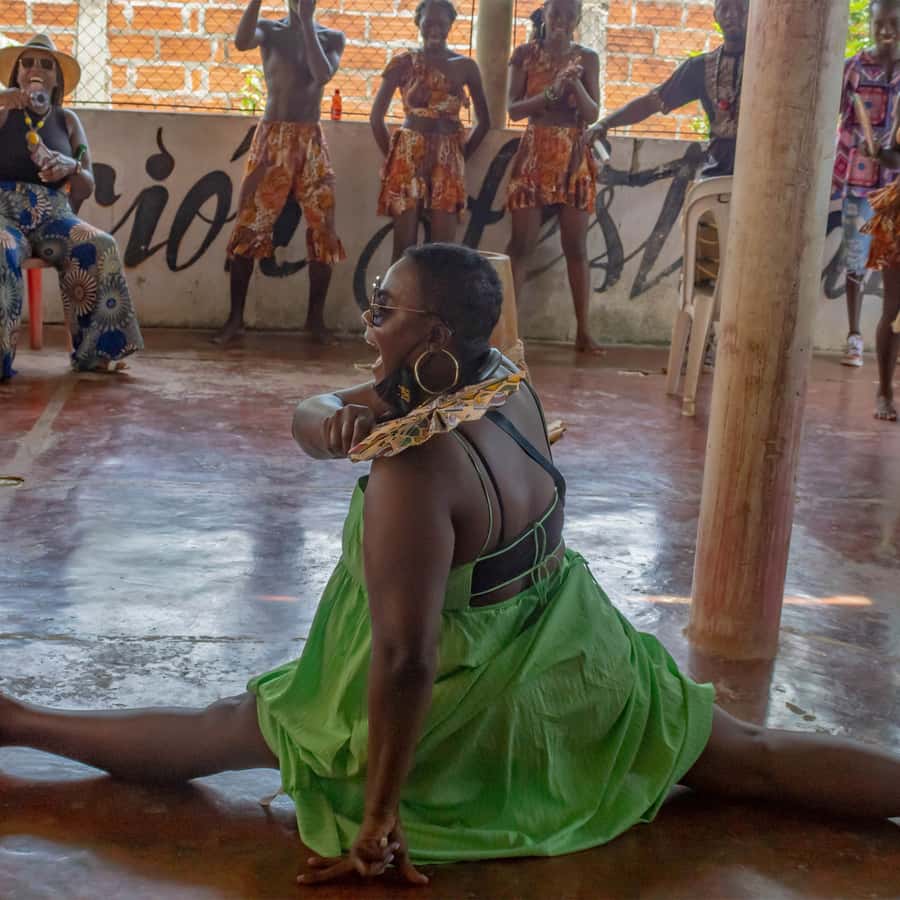
San Basilio de Palenque has its own distinct culture and language. The tour highlights the Palenquero language and how it traces back to African roots, shaped over time with Indigenous and Spanish influences.
Even if you don’t speak Palenquero, you’ll benefit from hearing it spoken in context—because it’s one thing to read about language mixing, and another to hear local slang and everyday phrasing during a town walk. One of the most memorable takeaways from a past participant was a Palenquero phrase: Ata uto bega. That kind of moment sticks because it feels like you learned something you can actually use, even if it’s just one sentence.
A practical tip: if you’re curious, ask your guide to explain pronunciation and meaning while you’re walking. It’s usually easier when you’re moving through the places the language describes, rather than trying to remember everything after the fact.
Music and drums: where the rhythm comes from
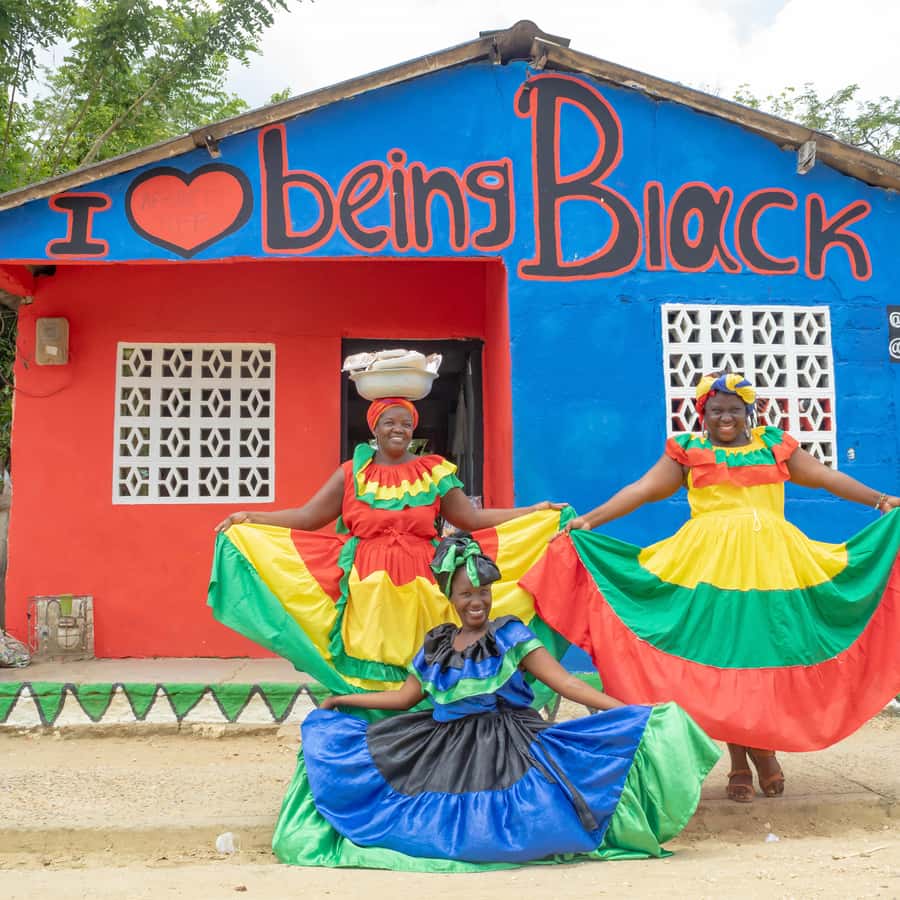
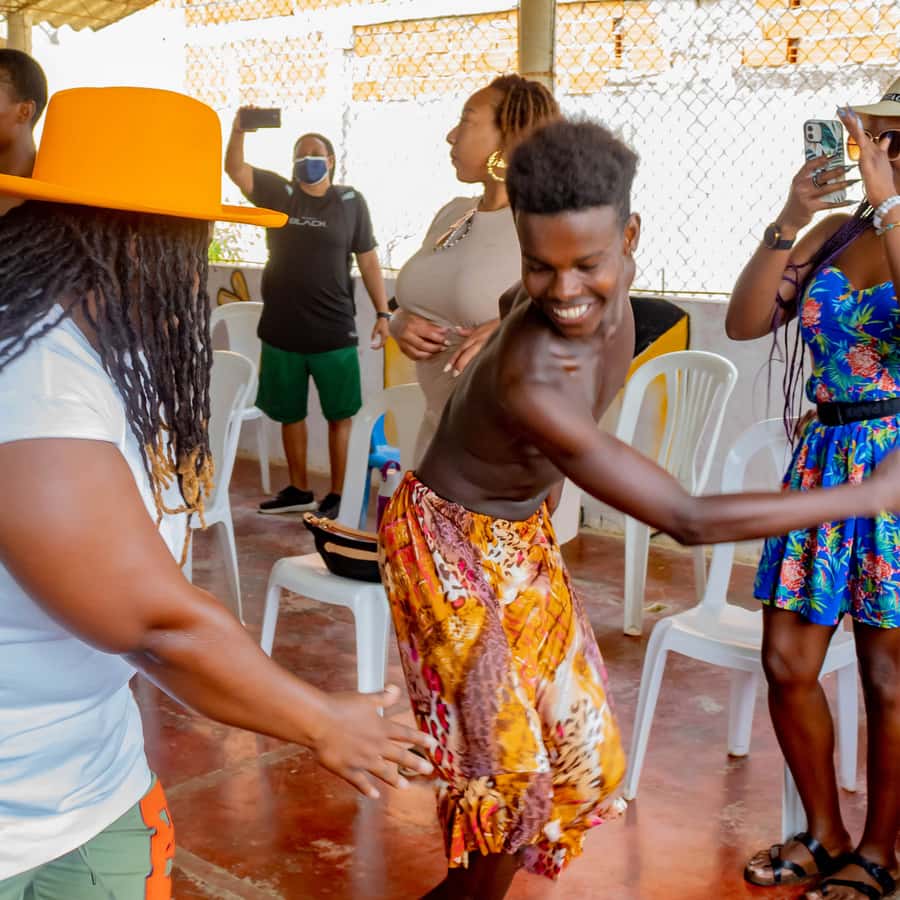
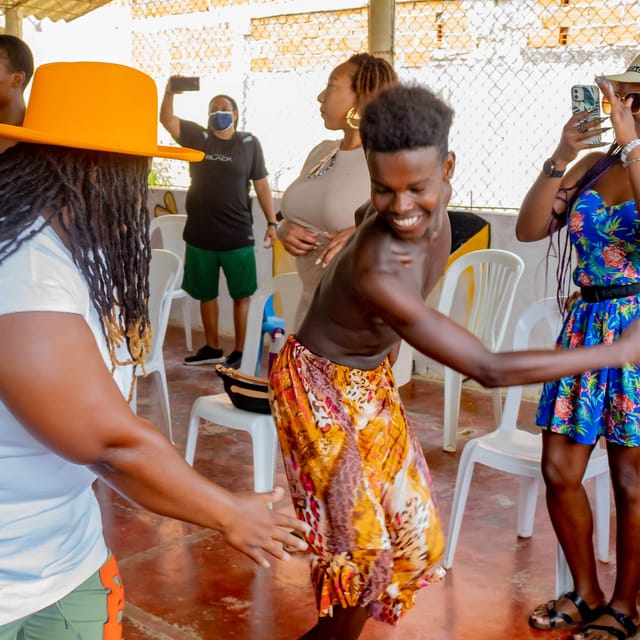
Music is a major thread in Palenque. The tour includes an emphasis on music influence, instruments, local sounds, and dances. The goal isn’t just to watch from the edge—it’s to understand how sound relates to identity and community memory.
There’s an optional African drum show built into the experience. Some departures include a drum session as part of the day, and one past booking even mentioned a drumming session at Kombilesa Mi’s studio. That matters because it turns the day from passive sightseeing into something more hands-on.
One caution: a review specifically called out disappointment when the drum performance didn’t happen as expected. So if drums are a top reason you’re booking, I’d treat the wording around the optional show as something to confirm before you go. When music is your priority, you deserve a clear answer.
Women’s dress, hairstyles, and the liberty map idea
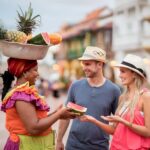
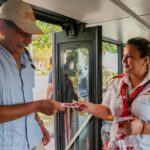
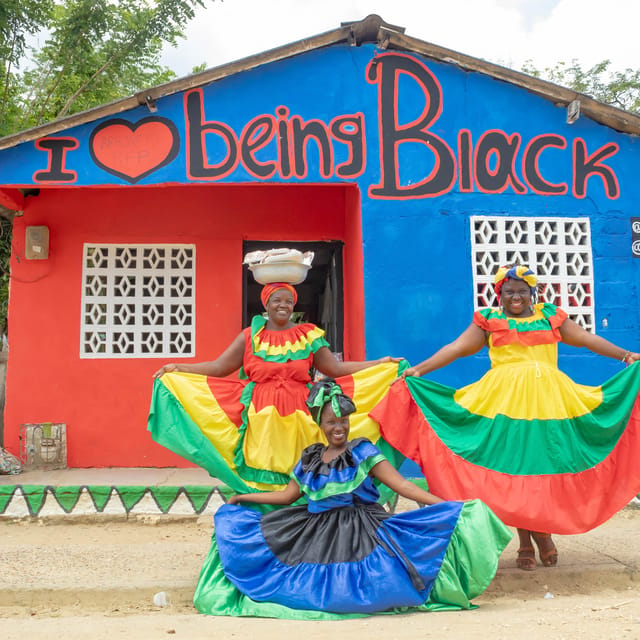
One of the most visually striking parts of Palenque is the tradition of colorful women’s dress inside the walled city area. The tour ties these visual cues to cultural blending—African, Indigenous, and Spanish influences—plus resilience and creativity that grew under pressure.
You’ll also hear about African hairstyles and an idea described as a hidden map toward liberty. The way it’s presented is important: it frames hairstyles as more than style. It’s history embedded in everyday choices.
If you’re thinking about photos, go respectfully. Ask before photographing someone up close, especially if the person isn’t part of a staged stop. The best cultural moments feel like permission and participation, not extraction.
Lunch in Palenque: the meal that makes the day feel worth it
Lunch is included, with options for meat, chicken, or vegetarian. That’s already a win for value because it removes one of the easiest ways day tours nickel-and-dime you.
What pushed this lunch into standout territory is quality. Multiple mentions praised fish dishes—especially mojarra/tilapia with pepper sauce. One reviewer even said they couldn’t get enough of it. Another described one of their best meals in Colombia from this lunch stop.
There’s also a hint of deeper food culture in the stops. One itinerary included meeting a woman who taught how to make corn juice. Even if you don’t get that exact stop, the overall point is clear: the day uses food as connection, not just fuel.
If you have dietary needs beyond vegetarian (allergies, gluten issues), the tour data doesn’t specify. In that case, message the operator before booking so you’re not guessing.
Optional drum show: how to avoid a letdown
The African drum show is listed as optional. That means it may depend on how your specific departure is arranged.
Here’s how to protect yourself:
- If drums are a must, confirm whether your departure includes the show (not just a possibility).
- Keep the rest of the day in mind, because the tour also includes music, instruments, dance, and at least some drumming experiences on certain routes.
Even when the drum show isn’t included, you’re still going to Palenque for the language, stories, and town walk. But if you’re booking mainly for a performance, don’t assume it’s guaranteed.
Price and Logistics: what $78 buys you (and what it doesn’t)
At $78 per person for 6 hours, this is positioned as a value-focused cultural day trip from Cartagena. The big reason is that it includes the stuff that often costs extra on other tours: roundtrip transportation, a local English-speaking guide (with English/Spanish in the mix), a tour in Palenque town, and lunch.
You’ll also notice what’s not included: extra drinks, extra food, or souvenirs. Tickets or entrances are not included, but the tour states you won’t be taken to places where sudden extra charges apply. That’s worth noting if you’ve had day tours where you get hit at every stop.
Also look at the group size: limited to 10 participants. That matters for the experience. With fewer people, you’re more likely to get questions answered, and you’re less likely to feel like you’re being rushed through cultural stops.
Possible downside on logistics: because it’s a shared tour, group dynamics can change. One past participant reported being merged into another group partway through and later being left with a Spanish-speaking guide when their husband didn’t speak Spanish. If language comfort is critical for you, consider asking about guide assignment early and bring your patience.
Who this tour fits best
This works especially well if you want more than sightseeing. If your interests include Afro-Colombian heritage, the Cimarrones story, and Palenquero language and music, you’ll probably feel satisfied by how the tour connects history to daily life.
It’s also a solid option for travelers who like structured time. The day is planned: cultural center, landmarks, community stops, and lunch. One family-style pairing (a participant and their 16-year-old grandson) found the oral history and walking through the community especially meaningful.
Who might feel less happy: if you want long free exploration time, or if you strongly dislike tight schedules, this may feel a bit quick. One review noted that more town activity could be welcome, even though the guide covered the key points.
Should you book this San Basilio de Palenque tour?
I’d book it if you want a focused day in a place that holds real historical weight and still runs on living culture. The combination of a guided town walk, Palenquero language elements, music/dance emphasis, and an included lunch that people actually rave about makes it a strong value at $78.
I’d think twice if your experience depends on the optional African drum show happening for sure. Treat drums as important but confirm your departure. And if you’re relying on English the entire time, ask how language coverage will work with small-group changes.
If you want a day that feels grounded—stories attached to streets, not just captions—San Basilio de Palenque is one of the best uses of your time outside Cartagena.
FAQ
Where is San Basilio de Palenque from Cartagena?
San Basilio de Palenque is about 50 kilometers southeast of Cartagena in Bolívar, Colombia.
How long is the tour from Cartagena to Palenque?
The tour lasts 6 hours.
What does it cost?
The price is $78 per person.
What languages is the tour guide?
The tour includes a local Palenque English-speaking guide, with English and Spanish listed as tour languages.
Is lunch included, and what are the options?
Yes. Lunch is included and options are meat, chicken, or vegetarian.
Is the African drum show included?
It’s optional. You should check the option selected above, since some departures may not include it.
Can I cancel for free?
Yes. Free cancellation is available up to 24 hours in advance for a full refund.