REVIEW · AREQUIPA
From Arequipa: Pillones Waterfall and Stone Forest Day Trip
Book on GetYourGuide →Operated by PVTravel · Bookable on GetYourGuide
Pillones brings the drama, and Imata brings the weird. On this Pillones Waterfall and Imata stone forest day trip, you’ll ride out from Arequipa with a guide, spot wildlife in the Aguada Blanca/Salt flats area, sip coca tea, then walk among rock columns that look shaped by a sculptor with a sense of humor. One catch: it’s a long 12-hour day with a hike that will have you on your feet.
I like that the plan mixes big scenery moments with smaller, hands-on stops. You start at Pampa de Arrieros’ old train station, roll into the Salinas and Aguada Blanca National Reserve for a chance to observe vicuñas, then finish with time at the waterfall, including the option to go down near it for closer photos. If you’re the type who hates long car rides, you may want to choose a shorter option.
In This Review
- Key points to know before you go
- Why the Pillones + Stone Forest combo works
- Morning start: Pampa de Arrieros and the road toward the reserve
- The coca tea pause in Patahuasi (a small stop with big payoff)
- Imata stone forest hike: 45 to 60 minutes of rock columns
- Arriving at Pillones waterfall: 15 meters, several jumps, and erosion sculptures
- The guide and the small things that make the day easier
- Price and value: is $55 for 12 hours a good deal?
- What to expect on the ground (timing, pace, and realism)
- Who should book this day trip, and who should pass
- Should you book the Arequipa Pillones Waterfall and Stone Forest trip?
- FAQ
- How long is the Pillones Waterfall and Stone Forest day trip?
- What does the tour include?
- What is not included?
- Where does the tour start in Arequipa?
- What languages is the guide?
- Is there a hike, and how long is it?
- Where do you see vicuñas?
- Do you have time to take photos?
- How high is the Pillones waterfall?
- What is the cancellation policy?
Key points to know before you go
- Old train station stop in Pampa de Arrieros gives you a historic pulse before nature takes over
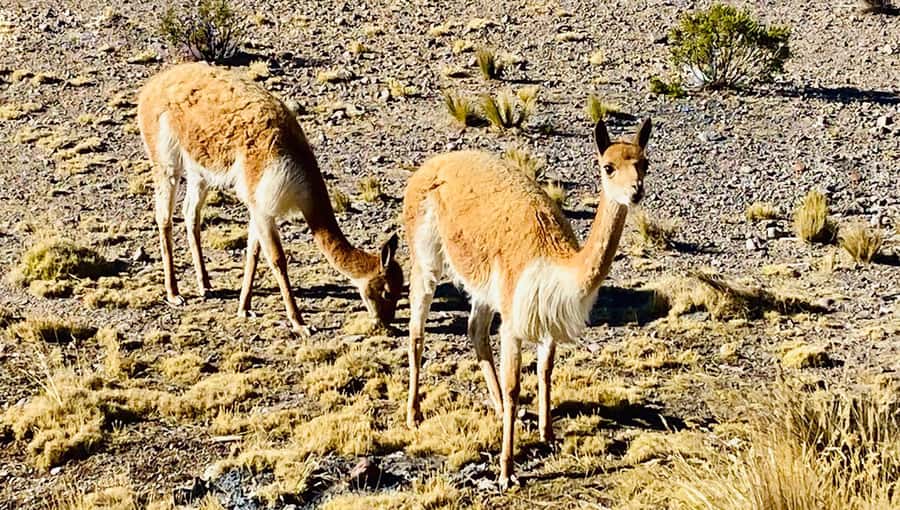
- Vicuña observation in the Salinas and Aguada Blanca National Reserve is a real wildlife-focused pause
- Coca tea in the Patahuasi sector adds local flavor to the route, not just sightseeing
- Imata stone forest hike (about 45 minutes to 1 hour) is the day’s walking highlight
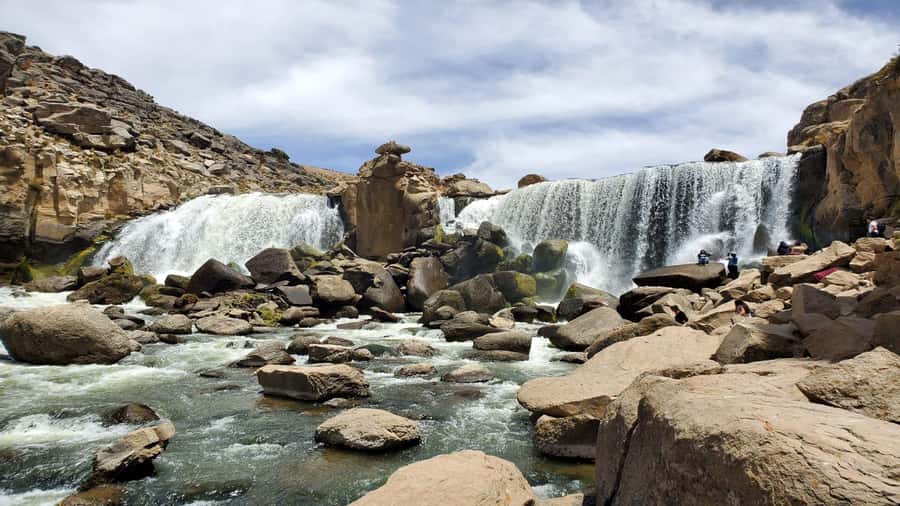
- Pillones waterfall is roughly 15 meters high, with several jumps and strong erosion shapes
- Pickup from Arequipa city center plus transport means you can focus on the experience, not logistics
Why the Pillones + Stone Forest combo works
This trip makes smart use of the day. The order matters: you ease in with the old train station, then shift to wildlife country, then to a hike that’s mostly about rock forms and angles, and finally end at the waterfall when you still have energy for photos.
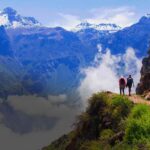
I also like that the day doesn’t rely on just one “wow.” You’re not only waiting for one big moment. You get multiple visual payoffs: stone columns at Imata, water-carved rock at Pillones, and a reserve stop aimed at seeing vicuñas. If you come to Arequipa looking for a day that feels like more than one viewpoint, this route fits.
You can also read our reviews of more tours and experiences in Arequipa
Morning start: Pampa de Arrieros and the road toward the reserve
You’ll begin in Arequipa with pickup from accommodations in the city center. From there, the route takes you first to Pampa de Arrieros and its old train station. This is a welcome palate cleanser before the high-altitude nature stops. It’s a reminder that this region isn’t only scenery—it also has a working, historical side.
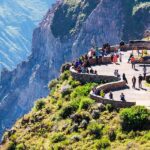
Next comes the Salinas and Aguada Blanca National Reserve area. The tour is built around observation, specifically with a focus on vicuñas. Even if you don’t see animals immediately, the reserve stop is useful because it’s where the day’s ecosystems feel the most distinct from the city.
Practical note: reserve and observation stops tend to be weather-dependent. Bring layers you can adjust quickly. Conditions can shift while you’re standing around waiting and scanning.
The coca tea pause in Patahuasi (a small stop with big payoff)
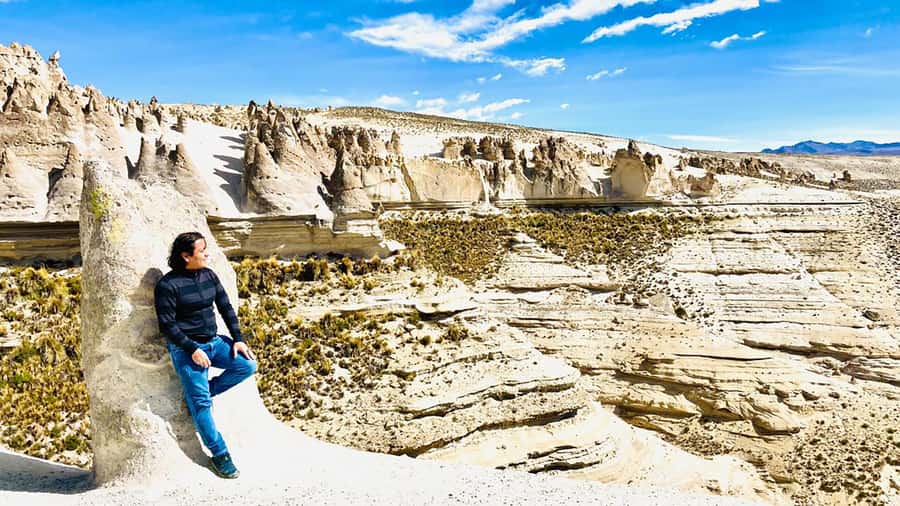
Before the hike, you’ll stop in the Patahuasi sector for coca tea. On paper, it sounds like a simple refresh. In practice, it helps you pace the day: you get a short break, you warm up depending on conditions, and you reset your legs before the walking portion.
I find these kinds of stops matter on long days. Without something like this, a 12-hour outing can feel like you’re only moving from one place to the next. With coca tea, the day gains a “local rhythm” that makes the itinerary feel more human and less like a checklist.
Keep expectations simple: this is a brief cultural and comfort moment, not a full meal stop. If you have a sensitive stomach or any dietary constraints, plan accordingly since meals are not specified later in the itinerary.
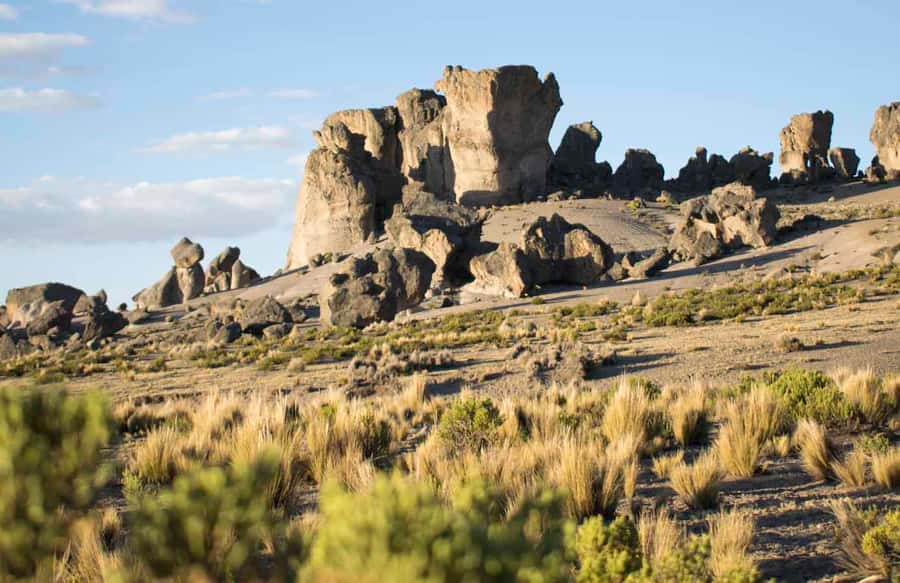
Imata stone forest hike: 45 to 60 minutes of rock columns
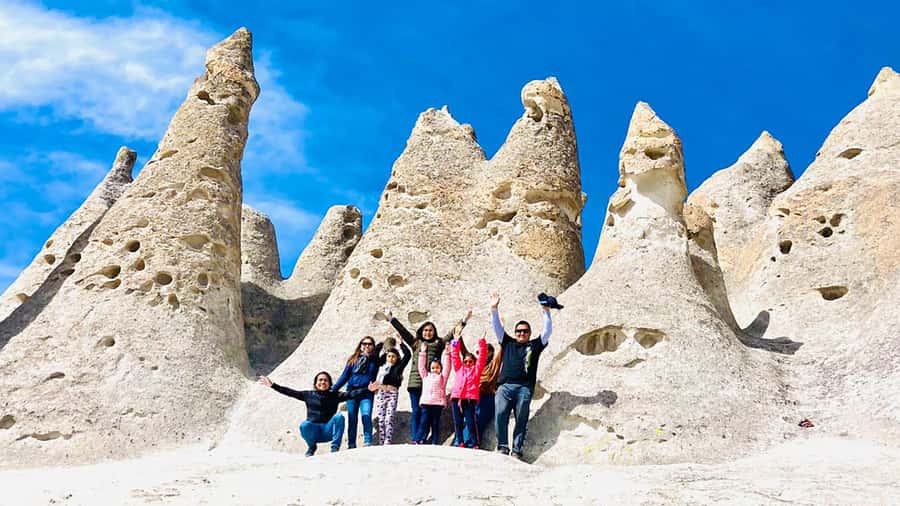
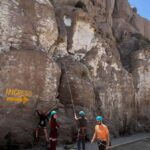
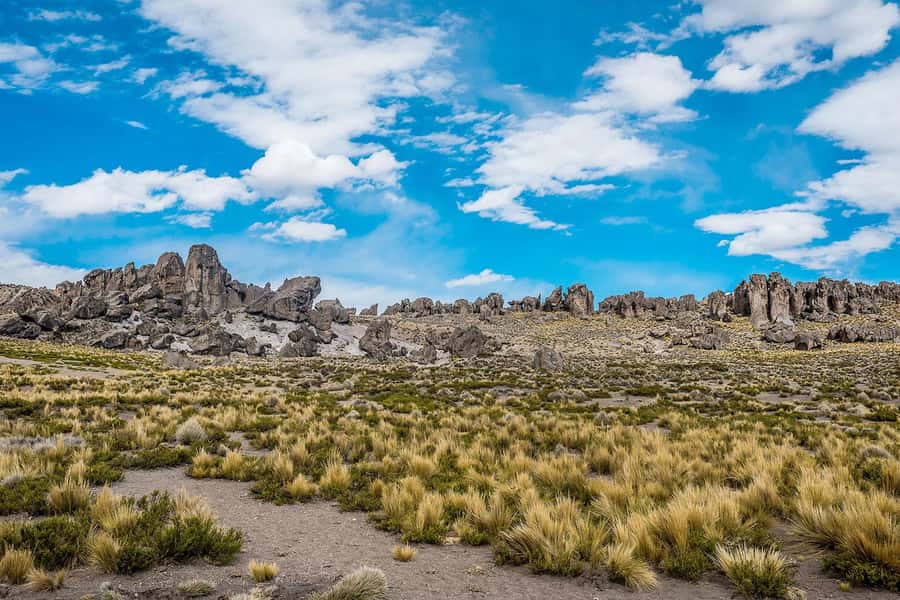
The Imata stone forest is where the trip gets interesting in a very literal way. You’ll start the hike roughly 45 minutes to 1 hour into the walking portion (timing depends on the pace of your group and the route that day).
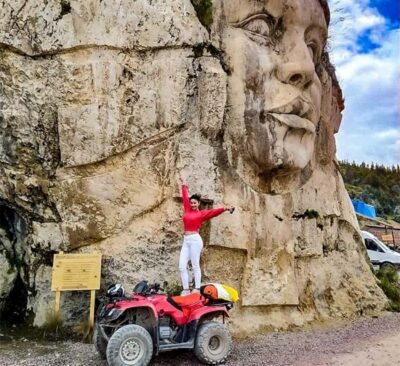
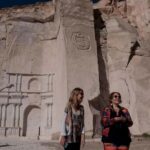
This is a natural area with strange rock formations and stone columns—so you’ll want to look at the details, not just the big overall view. In my experience, stone-formation hikes work best when you slow down and notice how water, wind, and time carve shapes. The formations here are the kind that spark imagination fast: you may find yourself mentally labeling shapes because your brain is trying to make sense of geometry.
The tour also includes a prudent time to take pictures. That’s important. Quick photo stops can feel stressful, like you have to perform. Here, you have a window to frame shots without running on fumes.
What to bring for the hike:
- Comfortable walking shoes (the ground can be unforgiving)
- A light layer for wind or chill
- A phone/camera with enough battery for photos (you’ll probably want more than you think)
Arriving at Pillones waterfall: 15 meters, several jumps, and erosion sculptures
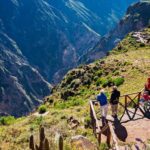
After the hike, you continue by car to Pillones, where the waterfall is located. When you get there, you’ll see rocks shaped by erosion from constant water action. That’s a key detail: Pillones isn’t only a single drop in a scenic setting. The water has been carving, shaping, and reshaping the rock into textures you can read up close.
The waterfall itself is about 15 meters high, and it has several jumps. That means instead of one flat curtain, you get step-like movement. From a photo standpoint, that’s great because it gives you layers of water motion to work with.
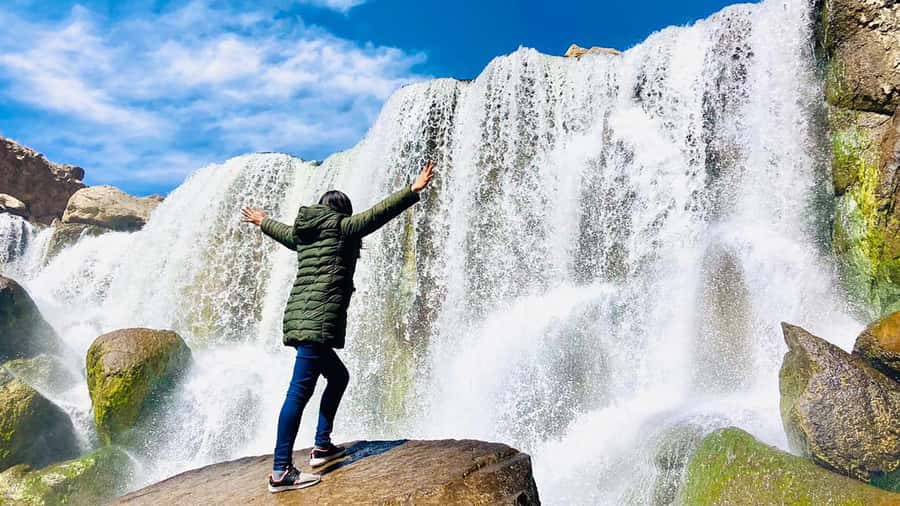
You can go down to the waterfall area once you arrive. Being closer changes everything: you’ll get more sound, misty air, and angles that a viewpoint can’t offer. If you like waterfall photography, this is where the time pays off.
A small but real safety mindset helps here. Water features can mean slick surfaces near the base or along access paths. Wear sturdy shoes and keep your attention on footing.



The guide and the small things that make the day easier
The tour includes a bilingual guide in English/Spanish, plus transport and pickup. That matters because it reduces friction. You don’t have to coordinate vehicles, interpret the route, or figure out what to pay attention to at each stop.
I especially value tours that explain what you’re seeing. With this kind of day—station history, reserve wildlife, stone formations, and waterfall erosion—having someone point out the right angles and what the stop is for makes your time feel efficient.
Also, because the guide is bilingual, you’re less likely to feel left out if your Spanish or English is basic. You can catch more of the story and ask quick questions without guessing.
Price and value: is $55 for 12 hours a good deal?
The price is $55 per person for a day trip that lasts around 12 hours. That’s not just a short excursion fare—it’s closer to what you’d pay when transport and a guide are doing most of the work.
Here’s what you’re getting for that money:
- Pickup from accommodations in Arequipa city center
- Transport throughout the day
- A bilingual guide (English/Spanish)
What’s not included:
- Meals are not specified
- Drop-off at your accommodation is not included
For value, I think the key is the mix of included services. If you had to arrange a driver, cover a guide, and get transportation between multiple remote stops, your costs would likely climb. Plus, the itinerary covers multiple distinct places—so one ticket buys several experiences without you needing to plan between them.
The tour also shows a 4.4 rating from 15 reviews, which is a helpful signal. Not perfect, not universal, but clearly not a one-off.
What to expect on the ground (timing, pace, and realism)
Even with a well-planned day, you should expect a rhythm: car time, short observation moments, a hike window, and then a main waterfall visit before heading back.
Your time will be mostly taken up by:
- Driving between sites
- Standing/looking during observation and photo times
- Walking during the stone forest hike
- Time at Pillones, including the chance to get closer
I’d plan for the fact that 12 hours includes real downtime waiting for the group to regroup and for the day to unfold at the right pace. Bring water and basic snacks if meals aren’t provided; the tour doesn’t list meals in the itinerary, so it’s smart to have a plan.
Who should book this day trip, and who should pass
You’ll like this trip if you:
- Want a full-day nature outing from Arequipa
- Enjoy variety: wildlife observation, rock formations, and a waterfall
- Don’t mind a moderate hike of about 45 minutes to 1 hour
You might think twice if you:
- Hate long car rides and long days
- Need a strictly low-walking plan
- Prefer tours with meals fully included (meals are not specified)
Also, if you’re very sensitive to crowds, keep in mind that group coordination can shape pacing. The data doesn’t specify group size, so you’ll want to trust your own tolerance for shared logistics.
Should you book the Arequipa Pillones Waterfall and Stone Forest trip?
If your goal is one memorable day that mixes the weird and the spectacular, I’d book it. The combination is strong: Pampa de Arrieros’ old train station for context, Aguada Blanca/Salt flats for vicuñas observation, a practical cultural pause with coca tea, a short hike through Imata’s stone columns, and then Pillones waterfall with a measurable height and multiple jumps.
I’d especially recommend it to first-time visitors who want a route that feels like a tour, not just a drive. And if you go in with smart expectations—bring layers, wear solid shoes, and plan for meals on your own—you’ll get a day that’s varied, photogenic, and genuinely Arequipa-region focused.
FAQ
How long is the Pillones Waterfall and Stone Forest day trip?
The duration is listed as 12 hours. Starting times are not fixed in the info here, so you should check availability.
What does the tour include?
It includes pickup from hotel in Arequipa city center, transport, and a bilingual guide (English/Spanish).
What is not included?
Meals are not specified in the itinerary, and drop-off at accommodation is not included.
Where does the tour start in Arequipa?
Pickup is available from accommodations around Arequipa city center.
What languages is the guide?
The guide is bilingual in English and Spanish.
Is there a hike, and how long is it?
Yes. The hike through the stone forest of Imata starts about 45 minutes to 1 hour into the day’s walking portion.
Where do you see vicuñas?
The tour includes an observation stop in the Salinas and Aguada Blanca National Reserve.
Do you have time to take photos?
Yes. You’ll be given a prudent time to take pictures during the stone forest hike and also at the waterfall.
How high is the Pillones waterfall?
The waterfall is described as about 15 meters high, with several jumps.
What is the cancellation policy?
There is free cancellation up to 24 hours in advance for a full refund.