REVIEW · LA PAZ
From La Paz: Uyuni Salt Flats Excursion + Round Trip Bus
Book on GetYourGuide →Operated by XPLORA AMERICA · Bookable on GetYourGuide
Uyuni turns everyone into a photographer. The train cemetery and the salt-flat sunset are the two moments that make this trip feel special, not just scenic. I also like the way the day is packed with the big-name stops, from Colchani to Incahuasi. One thing to consider: the schedule and meal setup can be a bit messy, especially in the morning after a long night on the bus.
You’ll spend Day 1 traveling overnight from La Paz toward Uyuni, then Day 2 doing the salt flat circuit in a 4×4, ending with sunset and another night ride back. This setup is efficient, and it’s why people do it instead of trying to cobble together transport on their own. The group stays small, capped at 15 participants, so you’re not lost in a crowd.
The main trade-off for that efficiency is control. Even when the salt flat itself delivers, you may run into long waits or unclear communication around meals and timing. If you like plans that run like clockwork, keep that in mind.
In This Review
- Key Highlights I’d Prioritize
- Overnight From La Paz: How the Trip Starts
- Morning in Uyuni: Breakfast Timing and the Reality Check
- Colchani to the Salt Flats: Why That Stop Matters
- Train Cemetery: The Best Photo Stop on Day Two
- Dakar Monument, Playa Blanca, and the Salt Flat Stops That Define the Day
- Incahuasi Island: Cacti Time and the Entrance Fee You Must Plan For
- Sunset and the Return Bus to La Paz: Don’t Miss the Timing
- Price and Food: Is $200 Worth It?
- Group Size, Guide Languages, and Communication in the Real World
- Who Should Book This Uyuni Trip (and Who Should Think Twice)
- Should You Book XPLORA AMERICA’s La Paz to Uyuni Bus + 4×4?
- FAQ
- How long is the Uyuni Salt Flats excursion from La Paz?
- What’s included in the tour price?
- Is the entrance to Incahuasi Island included?
- Is dinner included?
- How big is the group?
- What time does the tour return to La Paz?
Key Highlights I’d Prioritize
- Train Cemetery photo stop with abandoned 19th-century locomotives, built for original shots
- 4×4 access to the Salt Flats, so you actually get to the signature places like Dakar Monument and Playa Blanca
- Colchani iodization plant stop, a quick glimpse of the region’s salt process before you reach the flats
- Incahuasi Island cacti, with an important heads-up that the entrance fee isn’t included
- Sunset timing, one of the main reasons the day is structured the way it is
Overnight From La Paz: How the Trip Starts
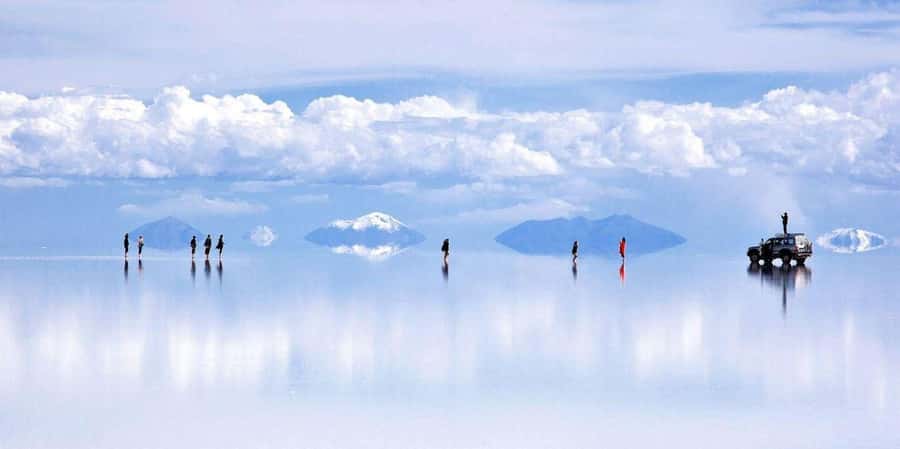
The experience begins in La Paz at around 8:00 pm, when you’re met by a bus headed toward Uyuni. It runs all night, so the idea is simple: sleep on the move, arrive with enough energy to start Day 2. There’s also dinner served onboard, which matters because you’re committing to that overnight rhythm.
This style of travel is common in Bolivia, but it’s still a real factor. You’re not choosing between sightseeing and comfort. You’re choosing between spending time in transit during the day versus at night. If you sleep better on buses than in trains, you’ll feel good about this. If you’re a light sleeper, plan to be a little tired by morning.
One practical tip: since the bus journey is part of the package, bring anything that helps you get through long stretches (water, something to snack on, and anything you need for comfort). Also, the group moves as a group, so it’s smart to keep your phone charged before you get on board for the night ride.
You can also read our reviews of more tours and experiences in La Paz.


Morning in Uyuni: Breakfast Timing and the Reality Check

On Day 2, the schedule has you arriving in Uyuni at about 7:00 am, followed by breakfast. The tour then shifts into 4×4 mode for the salt flat day.
Here’s the reality: mornings can be chaotic right when you want clarity. Some past departures have reported late starts after arrival, with people waiting around for the next step. That doesn’t change the fact that the salt flat day is the core of the experience. It just means you should emotionally budget for delays.
Breakfast is included in the tour cost, but it’s handled at a cafe stop as part of the operation. If you care about breakfast quality or temperature, don’t assume it will be perfect. The safest approach is to treat breakfast as a practical fuel stop rather than a highlight.
If you’re traveling with dietary needs, I’d be proactive. At least one group situation involved a vegan request not being communicated in advance, and the restaurant had to improvise. If you’re picky (or strict), message the provider ahead of time and don’t wait for the day-of moment.
Colchani to the Salt Flats: Why That Stop Matters
Before you reach the salt flat itself, you stop in Colchani, described as a community connected to iodization. It’s not a long stay, and it’s not meant to be a deep technical lesson. It’s more like a “context” stop: this is how salt is processed in the region, and it helps the salt flats feel less like a fantasy and more like an industry.
This stop also works as a transition. You’re moving from town timing into open-sky timing, where everything changes: light, distance, and how quickly you want to get to photo locations.
Even if you’re not there for the details, the stop is useful because it breaks up the route from Uyuni into the salt flat circuit. If your patience is short, don’t worry—you’re not stuck there for hours. You’re using it as a stepping stone to get to the famous places: the train cemetery, the monument stops, and finally the cactus island.
Train Cemetery: The Best Photo Stop on Day Two
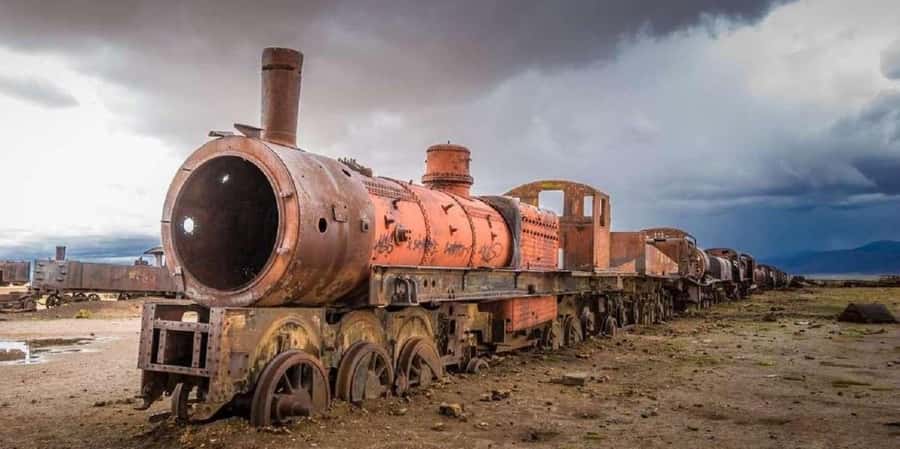
The train cemetery is one of the most memorable parts of the itinerary, and for good reason. This is an esplanade filled with abandoned 19th-century locomotives, sitting out in the open where the salt desert setting turns everything into a dramatic photo scene.
If you care about photography, this is where you’ll want to slow down. Unlike the salt flat areas that can feel wide and repetitive if you don’t plan shots, the locomotives give you strong shapes and textures. From a distance they’re striking, and up close they’re full of details you can frame.
The time you have here can vary depending on the day’s pacing. Some schedules treat it like a quick stop, while others allow more breathing room. Either way, bring the mindset of: you’re looking for angles, not just sightseeing.
Also, keep your expectations honest. This isn’t a museum with guided exhibits. It’s a photo-rich junkyard-like space. If you want tidy explanations, you might have to work a bit and rely on your guide’s brief context.
Dakar Monument, Playa Blanca, and the Salt Flat Stops That Define the Day

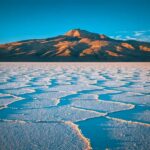
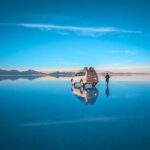
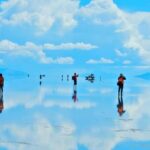
After the cemetery stop, you reach the signature salt flat viewpoints and landmarks that most people came for. The itinerary includes the Dakar Monument and the Playa Blanca salt hotel area, then continues onward toward Incahuasi Island.
Why these stops matter: they create variety. The salt flat can look like one giant blank surface, but landmarks break that up and give you reasons to reframe your shots. The Dakar Monument provides a recognizable focal point. Playa Blanca gives you a human-scale element, with the idea of structures built from and onto the salt environment.
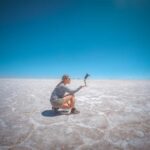
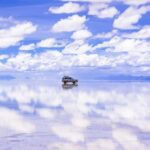
And yes, these are exactly the places where photos become the highlight. The salt flat is famous because it’s visual. The tour’s job is to move you efficiently between the “must-see” moments so you’re not wasting time searching.
A practical note: the day includes multiple photo and viewpoint segments, and the pacing can feel rushed if you’re trying to linger. If you’re traveling solo but prefer slower sightseeing, you may want to set expectations that you’re moving as a group with a tight loop.
Incahuasi Island: Cacti Time and the Entrance Fee You Must Plan For
The tour ends up at Incahuasi Island, which is known for its enormous cacti. This part can be a fun change of pace because it introduces living plants into a setting that otherwise feels completely artificial.
The important detail: entrance to Incahuasi Island isn’t included. That means you should plan extra cash and expect there to be a separate payment step. It’s also one of those moments where being ready and organized helps. If you wait until you arrive to figure it out, you’ll lose time while others get moving.
How long you’ll have here isn’t specified in your info, but the general flow suggests it’s a planned stop inside a packed day. If you’re the type who likes slow walks and careful viewpoints, come prepared to make the time you get count.
One more factor: photo lighting can be intense in open areas. You’ll likely spend time shooting both the cacti and the views from the island. Bring whatever helps you manage harsh sun and bright reflections, because the salt environment can be unforgiving for comfort.
Sunset and the Return Bus to La Paz: Don’t Miss the Timing
The trip is designed around one big payoff: sunset on the salt flats. After visiting the salt flat stops and Incahuasi Island, you’ll go for a beautiful sunset moment. It’s a logical ending for the day because it turns the earlier photos into a different mood—less harsh, more dramatic.
Then, at about 7:30 pm, you return to the bus and travel overnight back to La Paz, arriving around 6:30 am on Day 3.
This matters because your energy level at sunset is based on everything that happened earlier: transport delays, waiting time, and how much time you spent at each viewpoint. If you want the sunset to feel magical instead of stressful, treat your earlier stops as photo opportunities with purpose.
Also, remember that Day 2 is when you’ll feel the schedule most. If something runs long in the morning or lunch is delayed, it can shrink the time buffer later. So keep an eye on the clock and don’t assume the day will expand to fit everyone’s comfort.
Price and Food: Is $200 Worth It?
The price is $200 per person for 3 days, including transportation by bus and 4×4, a live guide (English and Spanish options), plus 1 breakfast and 1 lunch.
On value: the big cost drivers here are distance and vehicle type. Overnight bus transport and the need for a 4×4 on the salt flat circuit are not trivial. You’re paying for logistics that would be annoying to replicate independently, especially if you want a simple “show up, go, return” structure.
The weaker point is food and how reliably it matches expectations. Dinner isn’t included, and lunch is described as basic in at least one account. If you’re hoping for a standout meal day, you might feel let down. That said, lunch and breakfast being functional rather than fancy is common for remote tours, and it’s still part of keeping the itinerary moving.
Also, communication quality can affect the experience more than you’d expect. Some people have reported poor English communication and rough handling around meal details. Your best defense is to make your needs clear early—especially anything dietary—and to carry a little extra patience for morning transitions.
Group Size, Guide Languages, and Communication in the Real World
The tour is limited to 15 participants, which is a real advantage compared to larger bus crowds. In theory, it helps with movement, photo timing, and keeping the guide’s attention on the group.
However, language smoothness can vary. Your info says the live tour guide can be English or Spanish. Still, some groups have felt that English wasn’t handled as clearly as they expected, and they relied on Spanish to sort out what was happening. If you’re an English-only traveler, I’d take comfort in the fact that English is listed as available, but I’d also be prepared with basic Spanish phrases if possible.
Your other practical tool is the pre-departure contact: you’re asked to provide your contact number with country code and use WhatsApp. That’s not just paperwork. In remote areas, having the right contact info can prevent confusion around pickup times and meeting points.
If you want the best odds of a smooth experience, keep your messaging clear and your arrival details consistent.
Who Should Book This Uyuni Trip (and Who Should Think Twice)
I’d recommend this tour if you want the classic Uyuni highlights with minimal planning. You get the salt flat loop, the train cemetery, the cactus island, and a structured return to La Paz without having to map out transportation yourself.
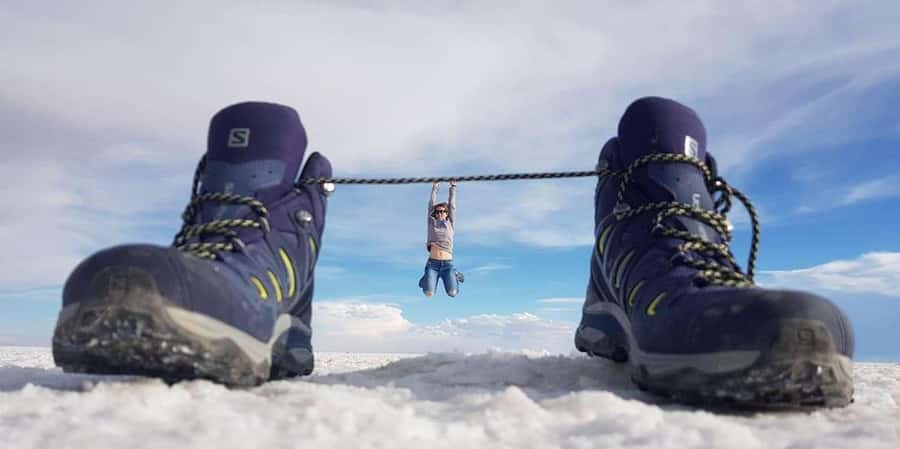
It’s also a decent fit if you like photography and enjoy landmark stops. The train cemetery and sunset are the kind of moments that reward being in the right place at the right time.
Think twice if you hate schedule uncertainty. Some departures have reported long waits after arrival in Uyuni and confusion around meeting points, plus basic meal setups that don’t feel like a gourmet package. If you’re traveling with high expectations for meal quality and perfect timing, you might find the experience more tiring than rewarding.
If you’re flexible, use the day for what it is—big visuals, remote driving, and a tight route—and you’ll likely come away happy.
Should You Book XPLORA AMERICA’s La Paz to Uyuni Bus + 4×4?
My take: book it if your priority is the salt flat circuit with the major photo stops and you’re okay trading some comfort and polish for getting it done.
Don’t book expecting a flawless morning timeline or restaurant-level meals. Instead, go in ready for remote logistics: long travel days, cafe-style meals, and separate payment for Incahuasi Island.
If you do book, do two things that make a big difference: confirm your needs (especially dietary) ahead of time, and double-check that you’ve shared the right WhatsApp contact number with country code so pickup and meeting points don’t become a scramble.
FAQ
How long is the Uyuni Salt Flats excursion from La Paz?
The trip runs for 3 days, with an overnight travel segment from La Paz to Uyuni on Day 1, a full salt flat day on Day 2, and a return to La Paz early on Day 3.
What’s included in the tour price?
Transportation by bus and 4×4 vehicle is included, along with a live guide (English and Spanish options) and 1 breakfast and 1 lunch.
Is the entrance to Incahuasi Island included?
No. Entrance to Incahuasi Island is not included, so you should plan to pay separately.
Is dinner included?
Dinner is not included. There is dinner onboard the bus during the overnight travel on Day 1, but dinner for the main Day 2 evening segment is not listed as included.
How big is the group?
It’s a small group limited to 15 participants.
What time does the tour return to La Paz?
The bus ride back starts at about 7:30 pm on Day 2, and you arrive in La Paz at approximately 6:30 am on Day 3.