REVIEW · LA PAZ
From La Paz: 3-Day Biking Tour Death Road & Uyuni Salt Flats
Book on GetYourGuide →Operated by Tours Uyuni Bolivia · Bookable on GetYourGuide
Three days of bikes, salt, and serious scenery—without the hassle. This tour strings together the famous Death Road descent with a full Uyuni Salt Flats day, all in a small group capped at 11. I especially like that you get an English-speaking guide plus full safety gear, and that the biking day is paced with a safety van and frequent stops.
One thing to watch is the logistics around the buses: after the Death Road day, you have to be ready to move fast, because you won’t return to your hotel and the bus timing can feel tight.
In This Review
- Key Things To Know Before You Go
- Death Road and Uyuni, Packed Into 3 Days
- What you’re paying for (and what’s extra)
- Day 1: The Morning Start and The Long Descent That Builds Confidence
- Step-by-step: how the ride is structured
- Lunch, showers, and the timing crunch after biking
- Who Day 1 is best for
- Day 2: Uyuni Salt Flats From Train Cemeteries to an Oasis Island
- Colchani and the salt-making world at the edge of the flats
- Train Cemetery: old machinery, perfect framing
- Uyuni Salt Flats basics: what to look for
- Flags of the World and the Dakar Monument
- Incahuasi Island: the cactus oasis (weather rules apply)
- Sunset with a glass of wine
- Day 3: Back to La Paz by 6:30 a.m.
- Price, Value, and the Reality of Timing
- What to Pack and Bring (So the Trip Feels Easy)
- Safety and Physical Fit: Read This Part Carefully
- Logistics to Get Right: Meeting Point and Bus Connections
- Should You Book This 3-Day Death Road and Uyuni Tour?
- FAQ
- What time does the Death Road biking start?
- Where do I meet the group in La Paz?
- Is an English-speaking guide included?
- Do I need cash for entrance fees?
- What bike and safety equipment are provided?
- What is the bus schedule between La Paz and Uyuni?
- What stops are included during the Uyuni Salt Flats day?
- Is Incahuasi Island always included?
- Is this tour suitable if I have back problems or I’m pregnant?
Key Things To Know Before You Go
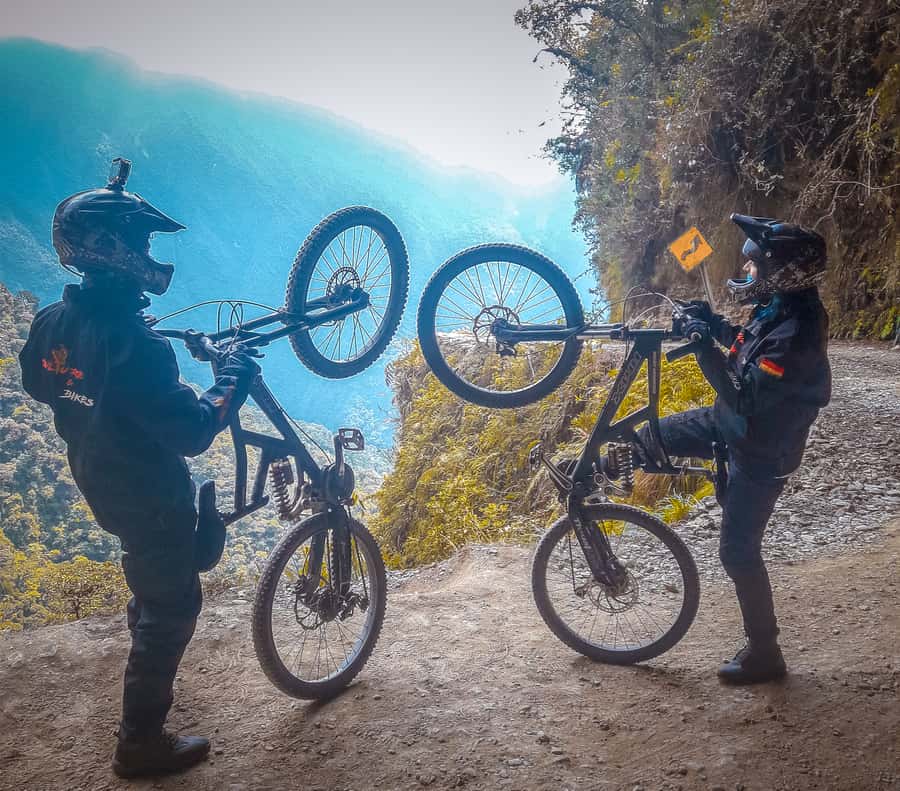
- Full suspension bike + full-face helmet included for the long, sketchy-feeling downhill
- Compact-group pacing on Death Road with a safety van staying behind you
- Uyuni day trip by 4×4 with a rooftop luggage rack for your camera gear and bags
- Many signature Uyuni stops like Train Cemetery, Colchani, Salt Hotel, and Incahuasi Island (weather permitting)
- You’ll need cash for entrance fees and a few along-the-way extras
- Small group size (11 people) means less waiting and easier bike checks
Death Road and Uyuni, Packed Into 3 Days
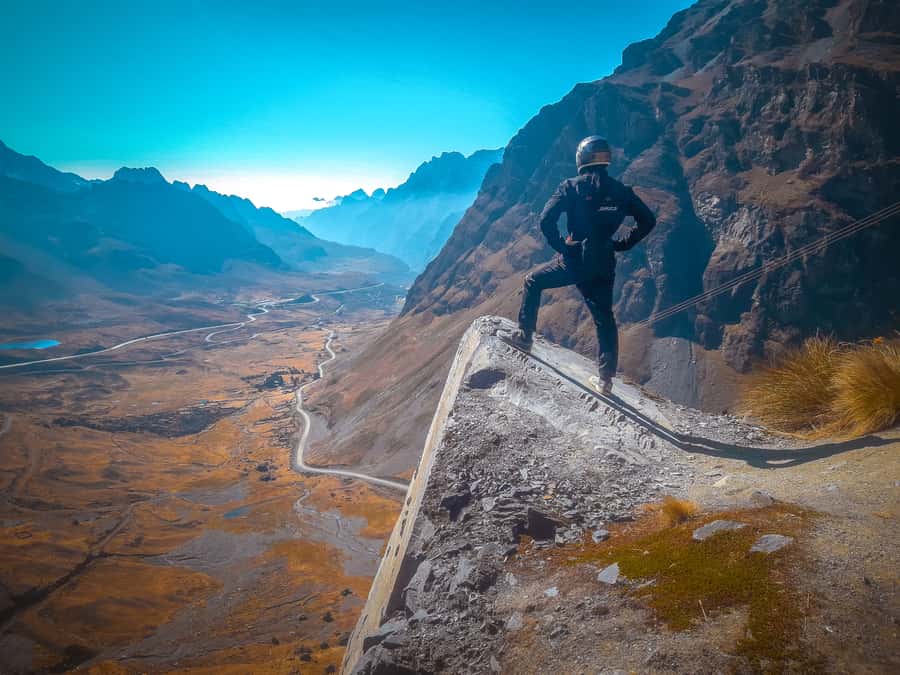
This is a high-impact itinerary that works well if you like big-ticket experiences but don’t want to piece together transportation on your own. You start in La Paz, tackle Death Road with the right bike and safety setup, then shift to Uyuni for the salt flats, salt sights, and the classic sunset moment. By the end, you’re back in La Paz—after a long but well-defined 3-day loop.
You can also read our reviews of more tours and experiences in La Paz.
What you’re paying for (and what’s extra)
At $429 per person, you’re covering a lot: Death Road biking, bike equipment (including a full-face helmet, gloves, jacket, and trousers), English-speaking guidance, and round-trip bus transport between La Paz and Uyuni. You also get the full-day 4×4 Uyuni tour, plus sunset with a glass of wine. That bundling is the value.
The add-ons are mostly cash-based fees and small extras:
- Death Road national park entrance fee (Bs. 50 cash)
- Uyuni salt flats entrance fee (Bs. 30 cash)
- Toilets along the way (Bs. 10)
- Drinks during the Death Road lunch (not included)
- Personal spending (they note Bs. 150, but that’s just guidance)
If you show up with some cash ready, the trip stays straightforward.
Day 1: The Morning Start and The Long Descent That Builds Confidence
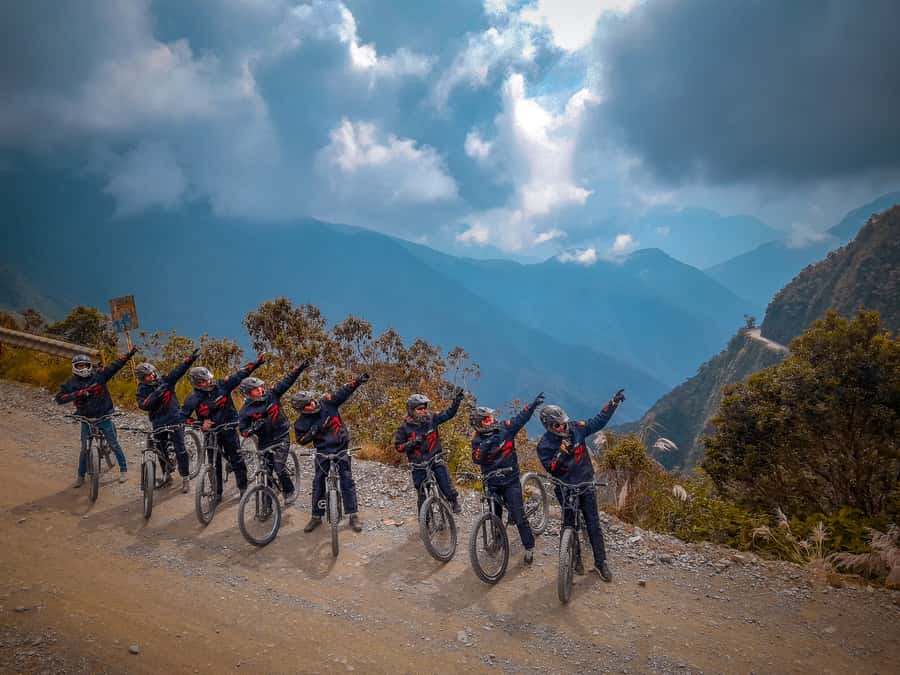
Your biking day begins at 7:30 a.m. at the Maria Auxiliadora Church on 16 de Julio Avenue – El Prado. It’s a good early start because Death Road is busiest in the morning and you’ll want daylight for the trickier sections and photo stops.
Step-by-step: how the ride is structured
The itinerary is built like a training ramp, so you build confidence before the famous parts.
1) First downhill on asphalt (about 22 km)
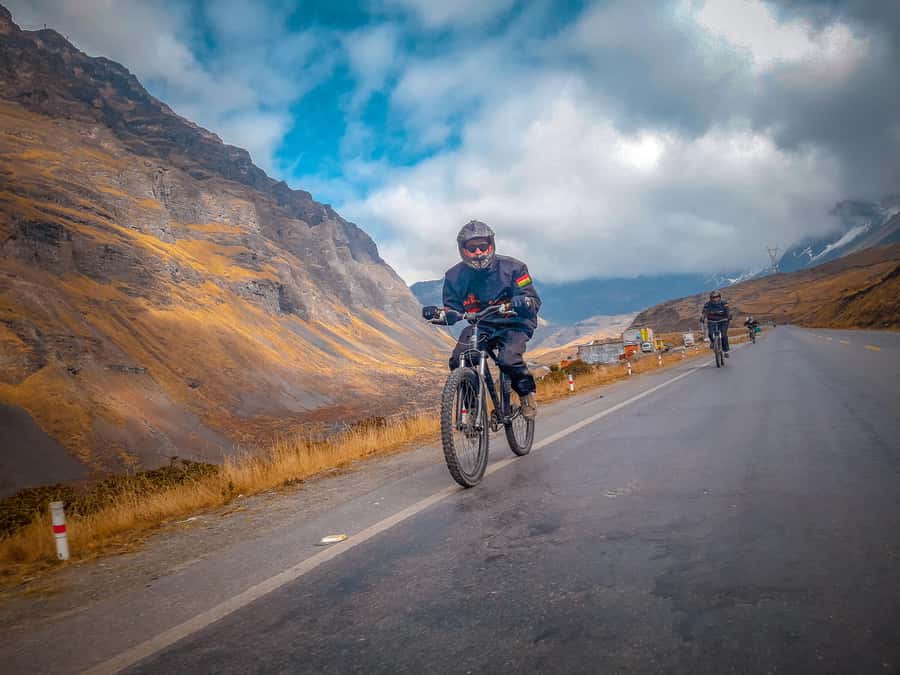
You’ll start with a long tarmac descent that’s meant to get your legs and hands comfortable on the bike. About 45 minutes in, you’ll reach a police checkpoint where visitors pay Bs. 50 for the national park entrance (cash). This is also where you should feel your first rhythm: steady pedaling, smooth braking, and watching the road, not the next cliff.
2) Death Road section (about 10 km in a compact group)
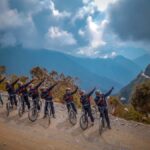
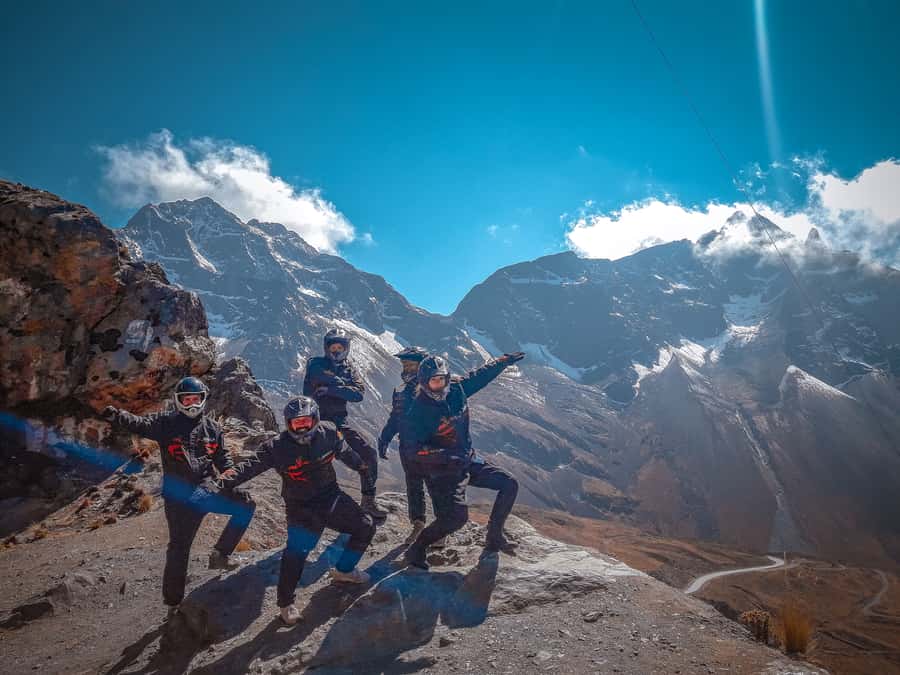
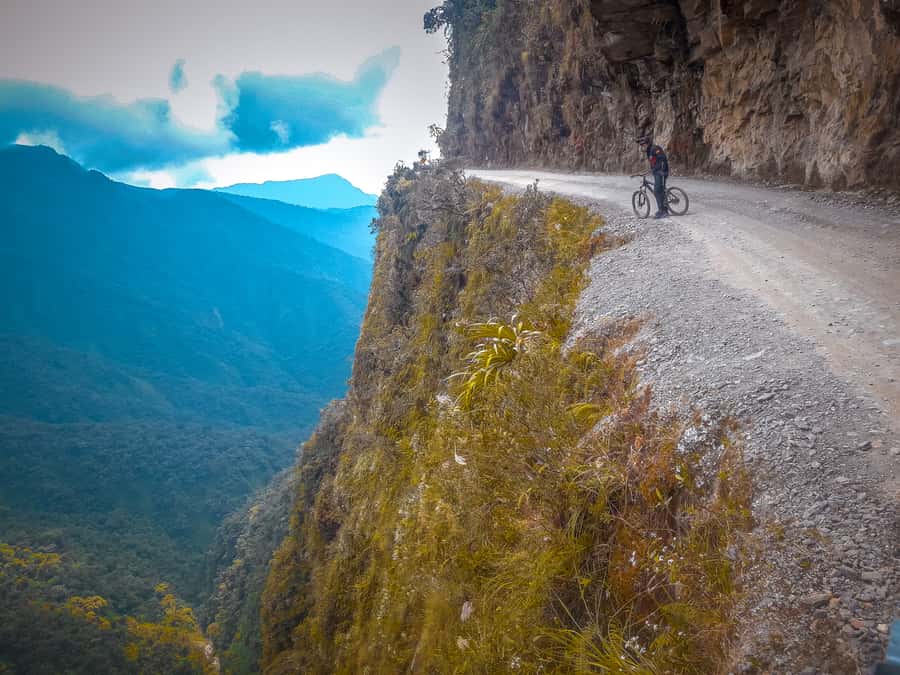
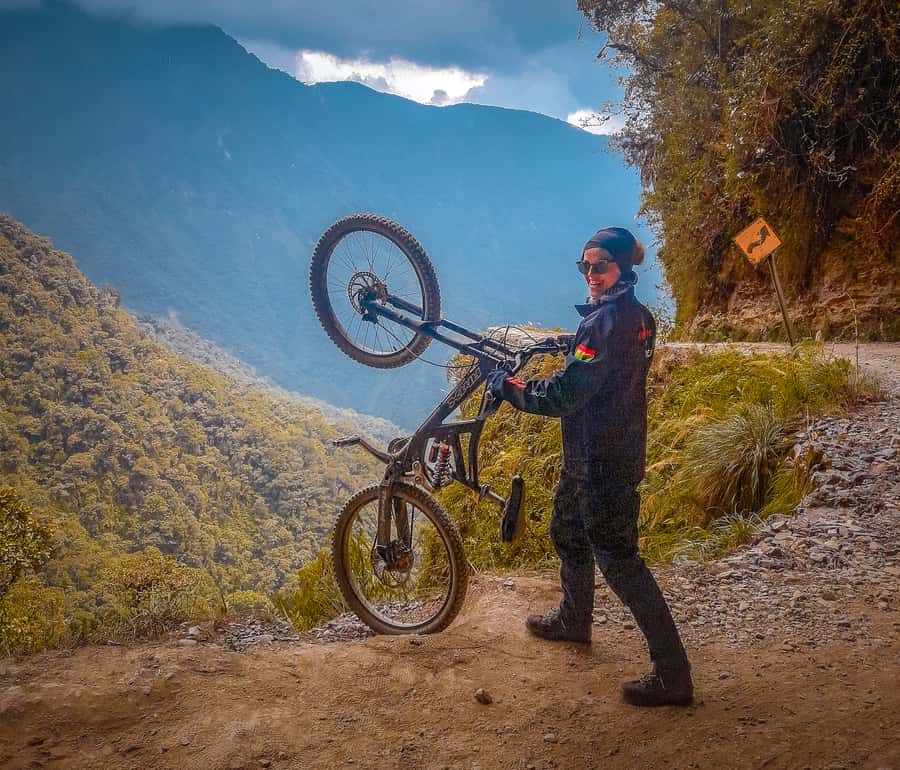
After the early acclimation, the ride moves into the Death Road portion. This part is designed around safety: you’ll stay in a compact group and keep moving together. There’s also snack time here, which matters more than you’d think because the ride asks a lot from your arms and core.
3) The final long section (about 32 km) with a waterfall splash
The last stretch includes a signature moment: a waterfall splash. It’s one of those parts that sounds like a gimmick until you’re actually there and feel it happen near the road. Plan for wet conditions—your gear is built for the day, but the road can be messy.
Throughout the ride, you’re not left to figure it out alone. The safety van stays behind the group, and you get regular stops for water, photos, and bike checks. That’s real comfort on a route where fatigue can sneak up fast.
Lunch, showers, and the timing crunch after biking
The ride ends in Yolosa, and then you transition to a hotel setup: showers, a swimming pool, and a buffet lunch. It’s a smart way to recover—especially after a day that can leave you stiff in places you didn’t ask permission from.
Then the schedule moves quickly. Around 5:00 p.m., it’s time to head back to La Paz by driving through the new road. The key detail: at the end of the Death Road tour, your guide drops you at the bus office, and you won’t return to your hotel. Bring your bags with you.
The bus from La Paz departs at 9:00 p.m., so you’ll want to be packed and ready before you even start the ride.
You can also read our reviews of more tours and experiences in La Paz
Who Day 1 is best for
This is ideal if you:
- Want a guided, safety-first way into mountain biking
- Like structured pacing rather than total free-for-all riding
- Appreciate getting a full kit and not renting things last-minute
It’s not a fit if you have back problems, and it isn’t suitable for pregnant women. If you’re on the edge physically, consider the bike day carefully; the braking and control demands are real.
Day 2: Uyuni Salt Flats From Train Cemeteries to an Oasis Island
You’ll arrive in Uyuni city at 7:30 a.m.. You get some free time and then head to the office near the bus station. The Uyuni 4×4 tour leaves at 10:30 a.m. and runs until sunset.
This day is where you swap adrenaline for wide-open stillness. The altitude is part of the feel too—Uyuni sits around 3,665 meters—so move gently at the start and give yourself a few minutes before you go full camera mode.
Colchani and the salt-making world at the edge of the flats
You start exploring beyond just the big photo spots. A stop at Colchani helps you understand how salt shows up as a product, not just a view. Here you can see the Rosario Cooperative, a salt iodization plant on the edge of the salt flats. You’ll also have a chance to browse:
- The salt artisanal market (salt handicrafts and clothing items)
- A small salt museum
This is a good reality check. You’re still in a surreal place, but you’re not only treating it like a postcard.
Train Cemetery: old machinery, perfect framing
The Train cemetery is one of those places that photographers love for a reason. You’ll see 19th-century locomotives that hint at how transport and trade once worked in a harsh environment. The broken lines of metal and the flat horizon make clean shots—especially if you keep your horizon level and let the trains do the heavy lifting.
Uyuni Salt Flats basics: what to look for
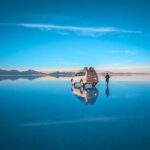
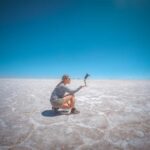
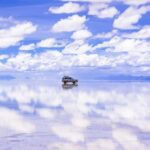
The tour highlights the salt flats’ scale: 12,000 km² of them, and that signature hard, reflective surface. During the drive, you’ll stop for key sights like:
- Salt eyes (crater-like features you can spot from viewpoints)
- “Salt” photo stops across the flats
- Different vantage points that help you see how the surface changes
You’ll also visit the unusual Salt Hotel, built entirely of salt blocks. It’s strange in the best way: a reminder that people make functional buildings from what the ground already offers.
Flags of the World and the Dakar Monument
You’ll stop at the Dakar Monument and the Flags of the World Island. The flags part is simple and fun—bring yours and you can place it for free. It’s one of those small activities that makes your photos feel personal.
Incahuasi Island: the cactus oasis (weather rules apply)
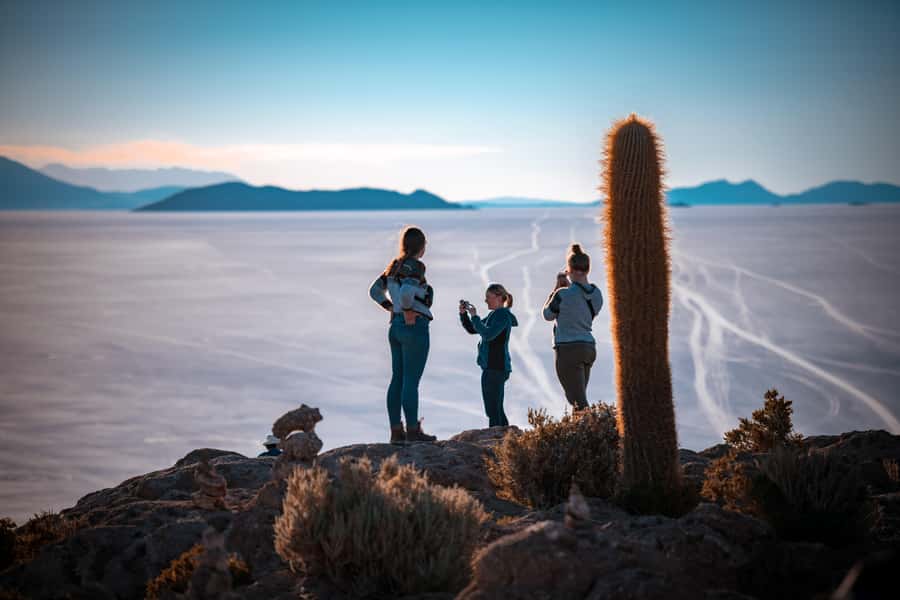
One of the main attractions is Incahuasi Island in the middle of the salt flats. It’s described as an oasis-like ecosystem with cactus reaching 1 to 4 meters. It’s also a strong rest stop, because the views and the silence can feel like a pause button.
Important note: during the rainy season (January to April), access to Incahuasi Island isn’t possible. If your trip overlaps those months, plan around the possibility of missing this stop.
Sunset with a glass of wine
The day tour wraps with sunset and a glass of wine. Even if you don’t care about the alcohol, it’s worth showing up. The salt flats change fast as light shifts, and you’ll get that classic moment where the horizon seems to flatten even more than before.
You’ll return to Uyuni by 7:30 p.m., and then there’s a bus at 9:00 p.m. back to La Paz. They note you’ll arrive at the office bus at 8:30 p.m., and then you transition into the final day’s early return.
Day 3: Back to La Paz by 6:30 a.m.
On Day 3, you arrive in La Paz at 6:30 a.m. The finish point is the La Paz City bus station. It’s early, but it keeps the overall loop tight and avoids adding extra days.
Price, Value, and the Reality of Timing
This is one of those trips where the value isn’t just the total cost. It’s what’s included that you’d otherwise pay for in pieces:
- Bike and safety gear for Death Road
- English-speaking guide services across both days
- 4×4 transport across the salt flats
- The big dinner-of-the-day moment: sunset in Uyuni (with wine)
What can throw people off is not the cost—it’s the pace. After the biking day, you’re moving straight to the bus office. If you like a relaxed finish, you may feel rushed. You can protect yourself by keeping your essentials accessible and having your bags ready before you end the Death Road portion.
What to Pack and Bring (So the Trip Feels Easy)
The essentials are simple:
- Passport
- Cash for entrance fees and small extras
Also think practically about biking. You’ll be given gear, but you still want the right mindset: your gloves and helmet are part of the safety package, and you should follow the guide’s instructions closely during braking and group riding.
Safety and Physical Fit: Read This Part Carefully
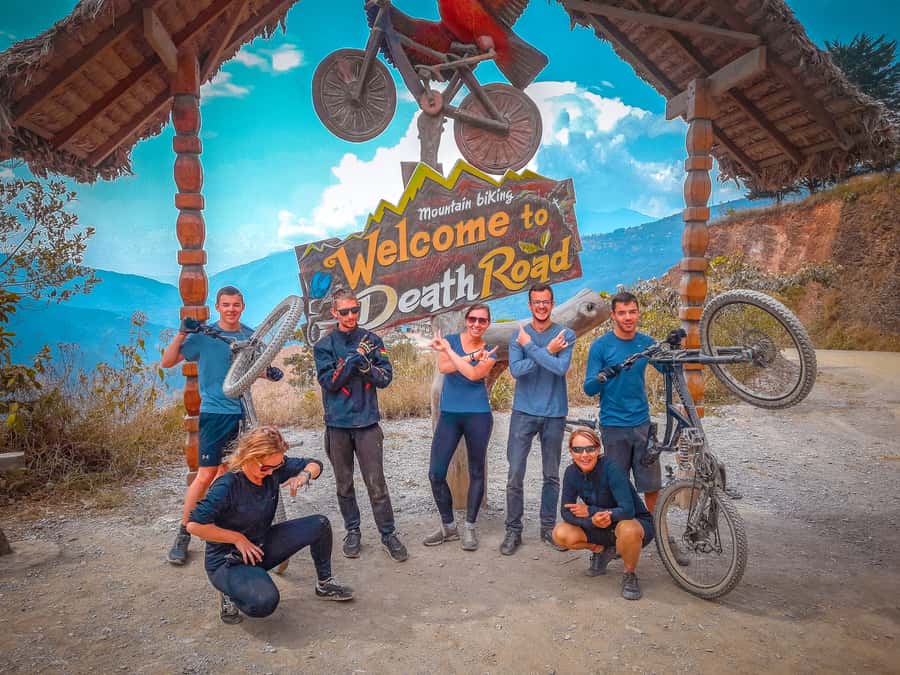
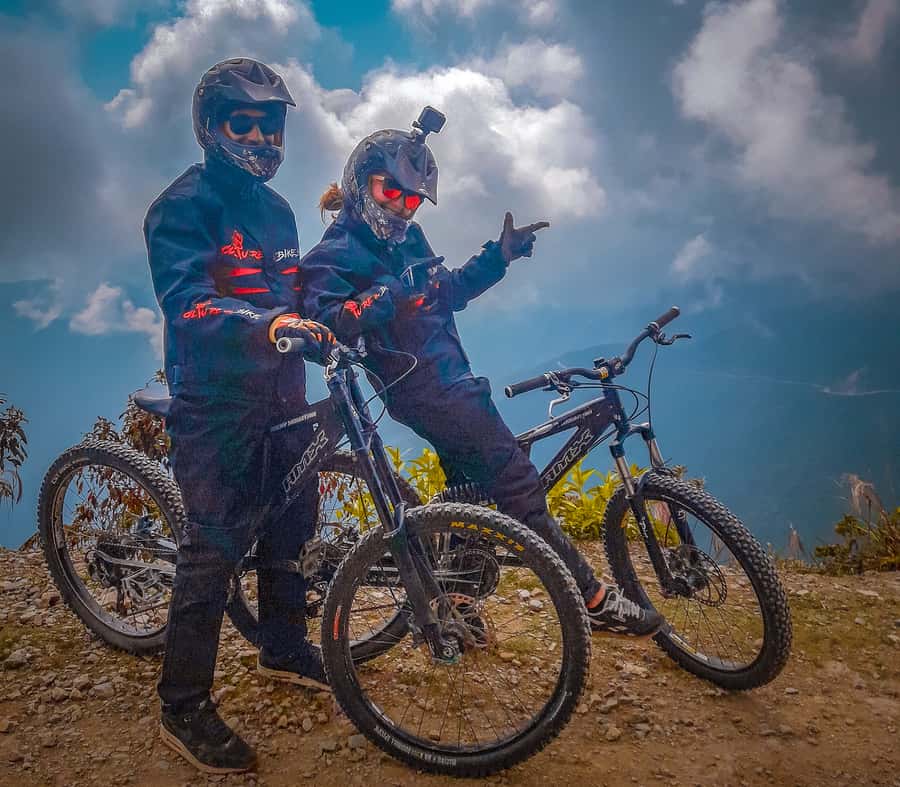
Death Road is a technical-feeling ride because it’s long and downhill, and you’re in control of a full suspension bike in a compact group. The company includes:
- Full suspension bike
- Full-face helmet
- Gloves, jacket, and trousers
- A safety van behind the group
- Stops for water, photos, and bike checks
That’s good. Still, you should consider your body and comfort. This tour isn’t suitable for pregnant women or people with back problems.
If you’re unsure about your fitness level, I’d treat the ride like a serious activity even if you ride bikes normally. The long descents and constant attention are the reason.
Logistics to Get Right: Meeting Point and Bus Connections
You’ll start at 7:30 a.m. at Maria Auxiliadora Church in La Paz (16 de Julio Avenue – El Prado). The best move is to arrive early and keep your day plan in mind.
For the bus timing: you’ll be dropped at the bus office after the Death Road tour, and you have to catch the bus departing at 9:00 p.m. One practical caution: you should plan your restroom breaks and bag handling with time pressure in mind, because there’s not a leisurely buffer built in.
In Uyuni, the pattern is similar: there’s a free window on arrival, then you head to the office near the bus station, then you’re on the road by 10:30 a.m. The upside is you won’t waste hours figuring things out.
Should You Book This 3-Day Death Road and Uyuni Tour?
Book it if you want:
- A guided, gear-provided Death Road biking day that doesn’t require renting or planning
- A full Uyuni day with multiple signature stops and a classic sunset
- A small group experience with English-speaking guidance
- Transportation that’s already handled end-to-end
Skip or rethink it if:
- You need a very relaxed schedule with lots of cushion time between activities
- You have back problems or a condition that makes downhill biking uncomfortable
- You’re traveling during January to April and Incahuasi Island is a must for your photos (it may be off the table)
If you’re the kind of traveler who likes action in the morning and rewarding stillness later, this one fits the bill. Just bring cash, keep your bags ready, and go into Death Road with the mindset that you’re building confidence as you go.
FAQ
What time does the Death Road biking start?
The biking starts at 7:30 a.m.
Where do I meet the group in La Paz?
Meet at Maria Auxiliadora Church on 16 de Julio Avenue – El Prado.
Is an English-speaking guide included?
Yes. An English-speaking guide is included for both the Death Road day and the Uyuni Salt Flats day.
Do I need cash for entrance fees?
Yes. You’ll need cash for the Death Road entrance fee (Bs. 50) and the Uyuni salt flats entrance fee (Bs. 30). There are also small cash costs like toilets on the way (Bs. 10).
What bike and safety equipment are provided?
You get a full suspension bike and equipment including a full-face helmet, gloves, a jacket, and trousers.
What is the bus schedule between La Paz and Uyuni?
There’s a bus from La Paz to Uyuni departing at 9:00 p.m., and a bus from Uyuni to La Paz departing at 9:00 p.m. on Day 2.
What stops are included during the Uyuni Salt Flats day?
The tour includes the Train Cemetery, Colchani (salt iodization and market area), Uyuni Salt Flats photo stops, the Salt Hotel museum, the Dakar Monument and Flags of the World Island, and Incahuasi Island (if accessible).
Is Incahuasi Island always included?
No. During the rainy season (January to April), it isn’t possible to access Incahuasi Island.
Is this tour suitable if I have back problems or I’m pregnant?
No. It’s not suitable for pregnant women or people with back problems.