REVIEW · LA PAZ
From La Paz: Tour of Tiwanaku Ruins
Book on GetYourGuide →Operated by Todo Turismo · Bookable on GetYourGuide
Tiwanaku hits different when you get a guide and a few hours of focused wandering. I love starting with the Ceramic and Lithic Museums, because it gives you a mental map before the big stones. I also like how the route strings together the key Tiwanaku landmarks, so the day feels like one story instead of random stops.
The main drawback? The experience can feel logistically shaky—La Paz traffic can slow things down, and meeting the group and understanding timing may not be crystal clear for everyone. If you’re the type who hates uncertainty, come prepared to ask questions fast.
In This Review
- Key highlights worth your time
- Tiwanaku tour from La Paz: why this day trip works
- Ceramic and Lithic Museums: the fastest way to understand the ruins
- Sun Gate and Kalasasaya Temple: the parts you’ll remember
- The Semi-Subterranean Temple with spiked heads
- Monoliths and Puma Punku: where the wow factor shows up
- Traditional lunch: a much-needed reset during a long day
- Price and what $59 really buys you (and what to verify)
- Timing and logistics: where the day can wobble
- What this tour is best for
- Quick packing checklist (the stuff that actually matters)
- Should you book this Tiwanaku tour from La Paz?
- FAQ
- How long is the La Paz to Tiwanaku tour?
- How much does the tour cost?
- Is transportation included?
- What languages is the guide?
- What does the tour include?
- Are entrance fees included?
- Is lunch included?
- Is flash photography allowed?
- What should I bring for the day?
- Is the tour suitable for wheelchair users or mobility impairments?
Key highlights worth your time
- Ceramic and Lithic Museums: artifacts first, ruins second
- Sun Gate and Kalasasaya: iconic Tiwanaku architecture you can actually interpret
- Semi-Subterranean Temple with spiked-head decoration: strange, specific, unforgettable
- Monoliths and Puma Punku: the “wow” stonework portion of the trip
- Traditional Bolivian lunch: a solid break before the return drive
Tiwanaku tour from La Paz: why this day trip works
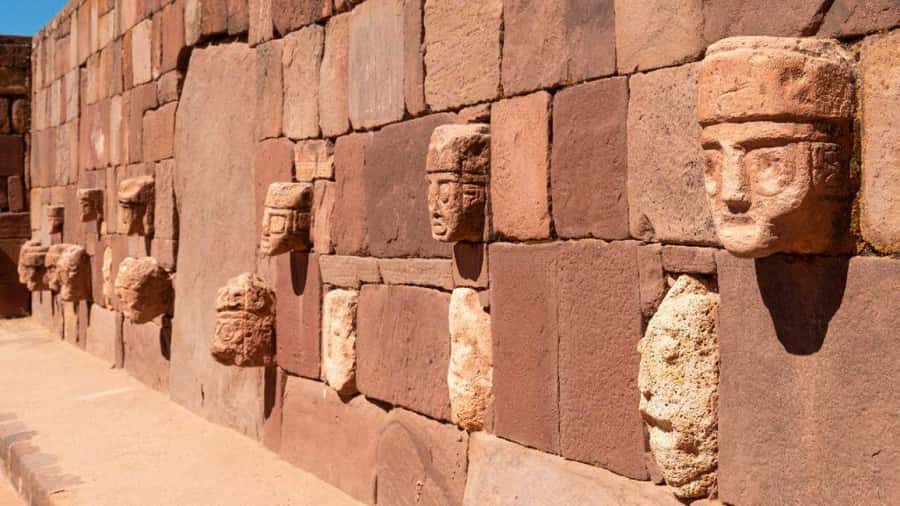
Tiwanaku is a UNESCO World Heritage Site, and it shows. What makes this tour feel worth it is the pacing: you don’t rush straight into ruins with zero context. You get museum time to learn what you’re looking at, then you walk through major monumental areas while a bilingual guide helps translate the meaning.
For me, the best value is that you’re not just staring at structures. You’re given enough explanation to notice patterns—how the site is laid out, which buildings matter, and what those famous features are for. That turns “cool rocks” into a real sense of place.
You can also read our reviews of more tours and experiences in La Paz.


Ceramic and Lithic Museums: the fastest way to understand the ruins
The tour starts at the Ceramic and Lithic Museums, and that’s a smart move. Before you see temples and monoliths, you get to handle the ideas behind them: everyday craft, stone tools, and artifacts that connect the archaeological site to real people.
You’ll walk through exhibits focused on ceramics and worked stone (lithics). This is where you pick up basic vocabulary and context, so when the guide points out features at the ruins, it clicks faster. If you’re visiting Tiwanaku for the first time, this first stop can make or break your day.
Two practical notes matter here. First, flash photography isn’t allowed inside the museums. Second, food and drinks aren’t allowed inside the museum spaces, so keep that water bottle for outside and have any snacks earlier or later.
Sun Gate and Kalasasaya Temple: the parts you’ll remember
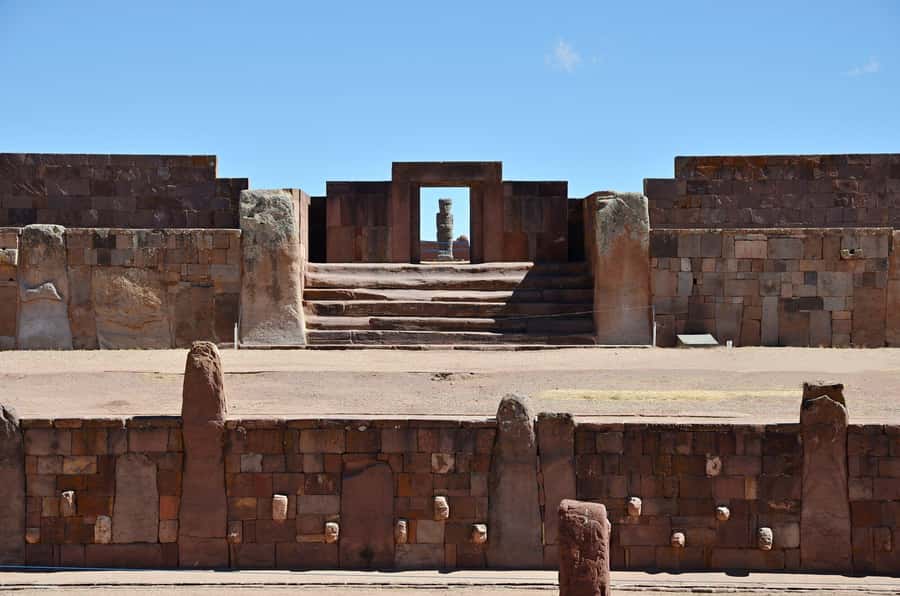
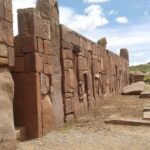
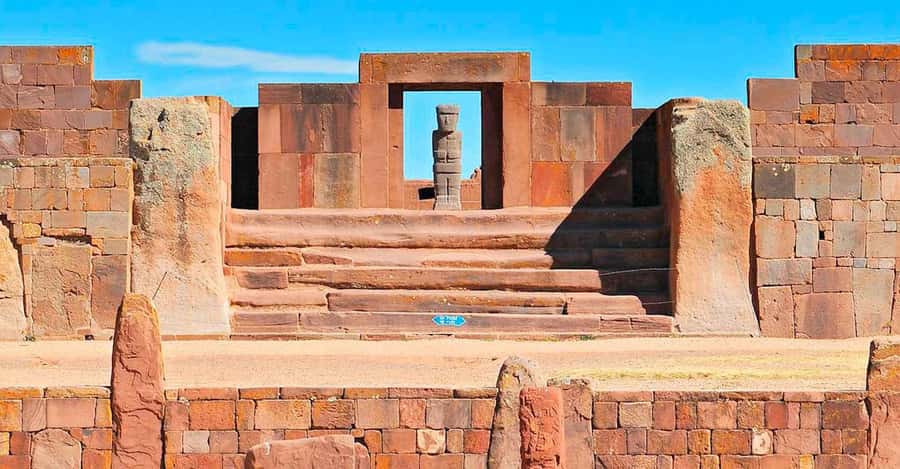
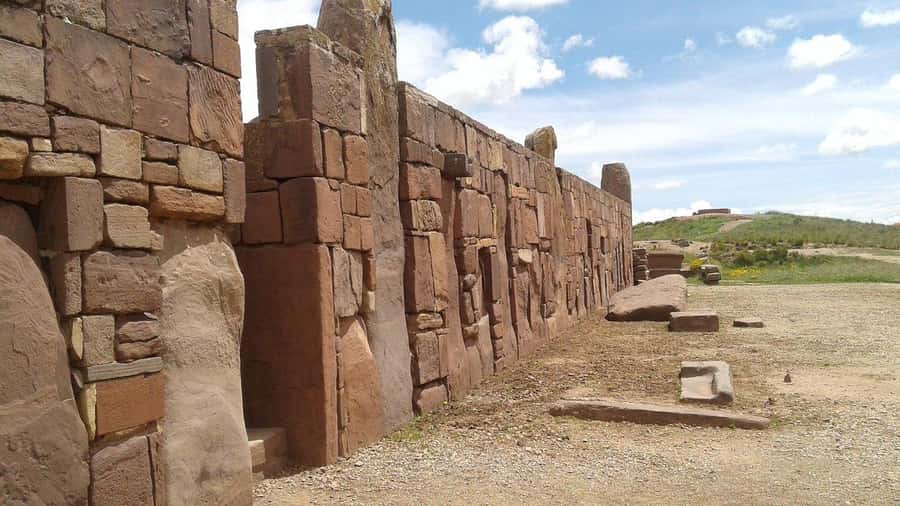
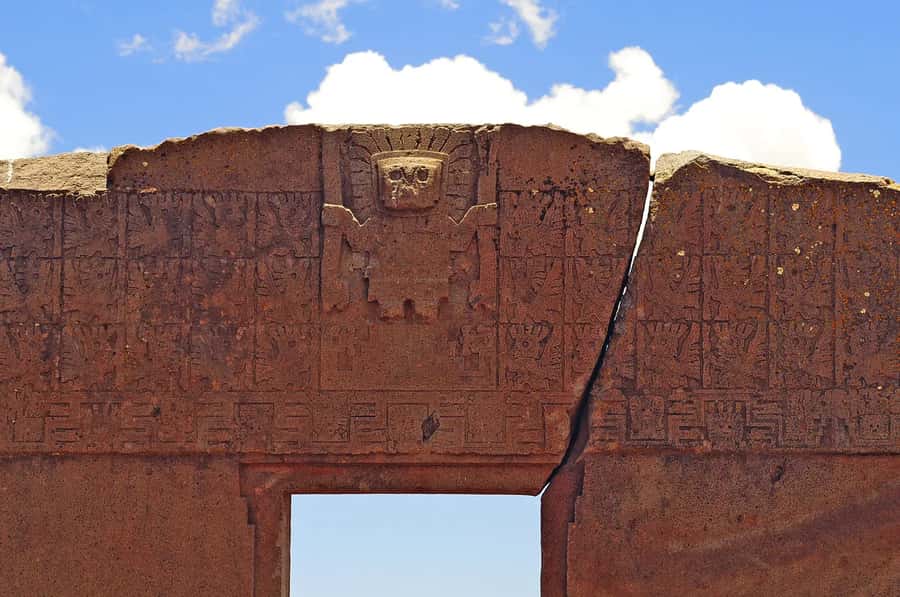
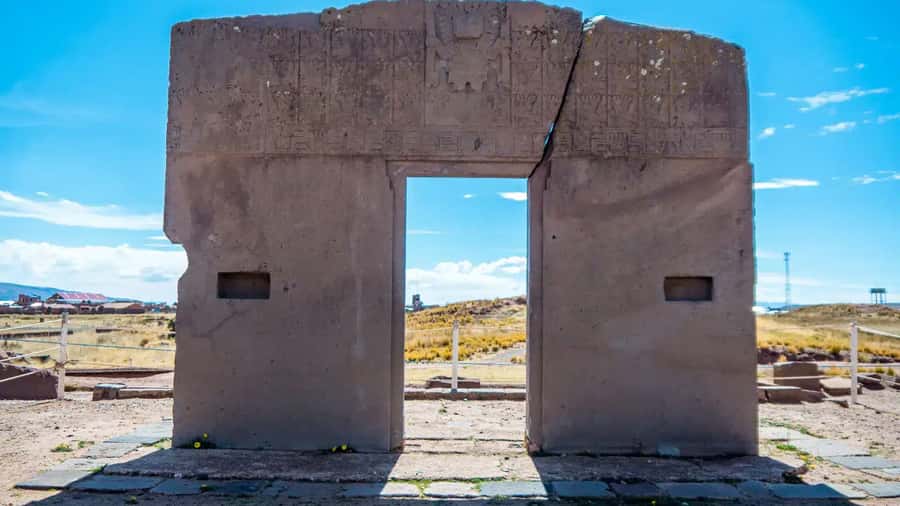
After the museums, the day moves into the Tiwanaku ruins with a guide. The standout classic stops include the Sun Gate and the Kalasasaya Temple. These are the places that turn up in photos for a reason, but the real benefit is that you’ll learn what makes each one significant as you’re standing there.
The Sun Gate is one of the most recognizable elements of Tiwanaku. Standing in the right place, you can see why it’s treated like a centerpiece. The guide’s explanations help you read it instead of just admiring it.
Kalasasaya Temple is another major anchor point, and it’s a good place to slow down. You’ll have time to look closely at structures and how the spaces relate to each other. Even if your group is moving at a steady pace, the guide-led stops make you notice more than you would on your own.
If you like architecture and symbolism, this portion is where you’ll feel the tour paying off.
The Semi-Subterranean Temple with spiked heads
One of the most striking stops is the Semi-Subterranean Temple, known for its spiked-head decoration. This is the kind of detail that can get lost if you’re rushing, but a guided stop helps you register what you’re seeing and why it matters.
The “spiked heads” feature is specific and visual, which makes it easier to remember later. It also adds variety to the day because it’s not just big open plazas and outer walls—you’re dealing with a temple designed with a different kind of presence.
This is one of those places where you’ll probably take more photos than you expected, but remember the key rule: flash is banned in museums, while general photography is allowed on-site.
Monoliths and Puma Punku: where the wow factor shows up
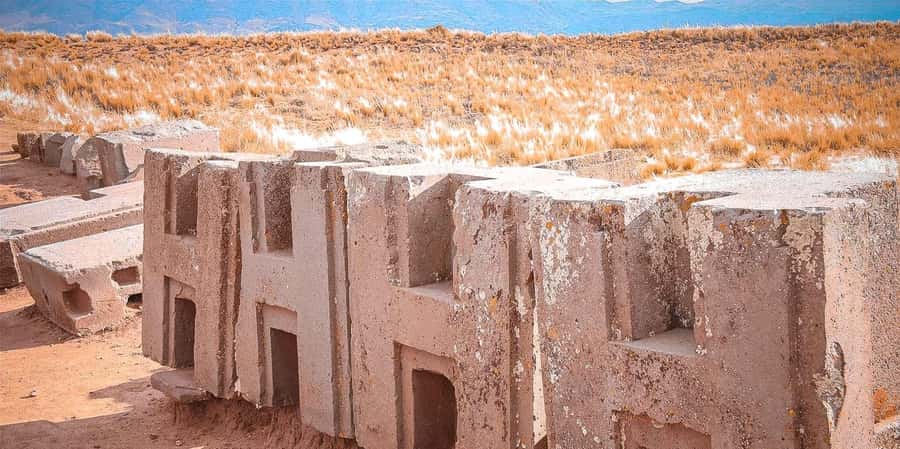
Next comes the most dramatic stonework: the Monoliths and the ruins of Puma Punku. If the museums teach you how to look, this is where you actually start saying wow.
The monoliths are impressive because they’re heavy, solid, and impossible to ignore. They help you understand why Tiwanaku is so tied to monumental building traditions. Even if you don’t catch every detail of the explanations, the sheer scale does the work.
Then you reach Puma Punku, one of Tiwanaku’s most mysterious and talked-about areas. The ruins here feel more enigmatic, and that mystery is part of the appeal. You’re exploring sacred spaces, and the guide’s narration helps you keep track of what each area is within the larger site.
This portion can feel physically demanding. You’ll be on your feet across uneven terrain, so plan for a good amount of walking and keep your camera ready.

Traditional lunch: a much-needed reset during a long day
The tour includes time for a traditional Bolivian lunch at a local restaurant. After museums and ruins, this stop matters more than you might think. It’s where you get energy back for the rest of the day—and it can help you keep a better mood if the driving takes longer than expected.
One caution: the tour details are mixed about what’s included. The activity description says lunch and entrance fees are included, but the separate list of what’s not included says meal and entrance are not included. I’d treat this as a real checklist item when you book. Ask the provider Todo Turismo what’s actually covered for your ticket.
Price and what $59 really buys you (and what to verify)
At $59 per person for a ~7-hour day tour with round-trip transportation and a bilingual guide, the price is reasonable if the inclusions match your expectations. You’re not paying just for a bus—you’re paying for interpretation at the site, museum time, and time-efficient stops at major Tiwanaku highlights.
But there are two value checks you should do before you go:
1) Confirm lunch and entrance fees. The details conflict across the provided info. So verify directly with the provider which items are covered in your booking.
2) Know what’s not expected. One traveler noted that there wasn’t a guide book or postcards available. So don’t plan your trip around taking home extra printed souvenirs from the operator.
Also, keep expectations grounded: even a good tour can be slower if traffic is heavy in and around La Paz. One review flagged severe traffic leaving La Paz, which pushed the drive time.
Timing and logistics: where the day can wobble
A Tiwanaku tour from La Paz is partly about ruins and partly about moving people safely and efficiently. In real life, La Paz traffic can be rough. If you’re scheduled for a specific start, don’t be surprised if departure and arrival times shift.
One review also mentioned that the guide was very good once at the sites, but said nothing during the drive. That means you might ride in silence unless you ask questions. If you want background on the region or what’s coming next, be proactive: ask at the first stop or when you can still get answers.
Finally, meeting logistics can be a pain point. One traveler reported the guide didn’t show up and they waited over an hour with no response. That’s not common, but it’s serious. If you book, double-check the meeting point, and make sure you have a working contact method for Todo Turismo the day of the tour.
What this tour is best for
This works best if you want a guided Tiwanaku highlights day—museums first, then major sites like Sun Gate and Kalasasaya, then monoliths and Puma Punku. You’ll get the most from it if you like learning as you walk.
It’s less ideal if you:
- Hate any uncertainty around meeting points or timing
- Want constant narration during the bus ride
- Need wheelchair-friendly access (it’s not suitable for people with mobility impairments or wheelchair users)
If you’re comfortable on your feet and you bring the basics—comfortable shoes, hat, sunscreen, and water—you’ll be in good shape.
Quick packing checklist (the stuff that actually matters)
Bring comfortable walking shoes first. Tiwanaku involves enough walking that your feet will notice if you skimp here.
Also pack:
- Hat and sunscreen for the sun
- Water bottle for hydration
- Camera (and plan around no flash inside museums)
Should you book this Tiwanaku tour from La Paz?
If you want a one-day, guided Tiwanaku experience that starts with museum context and then hits the big landmarks, this tour is a solid choice. The strongest part is the combination of artifact-focused museums and site interpretation at the ruins—exactly the formula that helps first-timers understand what they’re seeing.
I’d book only after you verify two things: whether lunch and entrance fees are truly included in your ticket, and what the operator’s plan is for meeting and timing on the day. Do those checks with Todo Turismo, show up early, and you’re likely to come away with more than photos—you’ll have a real grasp of Tiwanaku’s key features.
FAQ
How long is the La Paz to Tiwanaku tour?
It lasts about 7 hours.
How much does the tour cost?
The price listed is $59 per person.
Is transportation included?
Yes, round trip transportation is included.
What languages is the guide?
The guide is bilingual, English and Spanish.
What does the tour include?
The provided details say the tour includes a specialized bilingual guide and round trip transportation. The activity summary also mentions lunch and entrance fees, but the separate inclusion/exclusion lists say entrance and meal may not be included. Confirm what your specific booking covers with Todo Turismo.
Are entrance fees included?
The information provided is mixed: one part says entrance fees are included, while another part lists entrance fees as not included. Verify with the provider before you go.
Is lunch included?
The summary says lunch is included, but the not-included list says meal isn’t included. Check with the operator to avoid surprises.
Is flash photography allowed?
Flash photography is not allowed inside the museums.
What should I bring for the day?
Bring comfortable shoes, a hat, sunscreen, a camera, and water.
Is the tour suitable for wheelchair users or mobility impairments?
No. It’s listed as not suitable for people with mobility impairments or wheelchair users.