REVIEW · LA PAZ
Evening Foodie Tour of La Paz
Book on GetYourGuide →Operated by Red Cap Walking Tours · Bookable on GetYourGuide
Food in La Paz starts at night. This Evening Foodie Tour is built around the way local families eat: slow, warm, and social. I love that guides (you might get stars like Matt or Daniel) connect each stop to real Bolivian food culture, not just a menu. I also like that you get five speciality dishes plus a drink, so you can sample more than you’d ever find on your own.
That said, there’s one big thing to consider: the food is often hearty, and the included beer or cocktail can feel stronger in La Paz altitude than you expect.
In This Review
- Key things to know before you go
- La Paz at 18:25: finding San Francisco Square without stress
- What your $32 covers (and where you’ll spend extra)
- The tasting plan: five speciality dishes plus a real local drink
- Market-side stops and why the guide stories matter
- What you’ll likely notice about the food style
- Drink pacing at altitude: how to stay comfortable
- Vegetarian and dietary needs: plan ahead or you’ll feel stressed
- How to be ready on the day: appetite, shoes, and timing
- Who this tour suits best in La Paz
- Price and logistics: what to watch before you book
- Should you book this Evening Foodie Tour of La Paz?
- FAQ
- What time does the La Paz Evening Foodie Tour start?
- Where do I meet the guide?
- How long is the tour?
- What’s included in the ticket price?
- Are there vegetarian options?
- What should I bring?
- Is there free cancellation?
Key things to know before you go
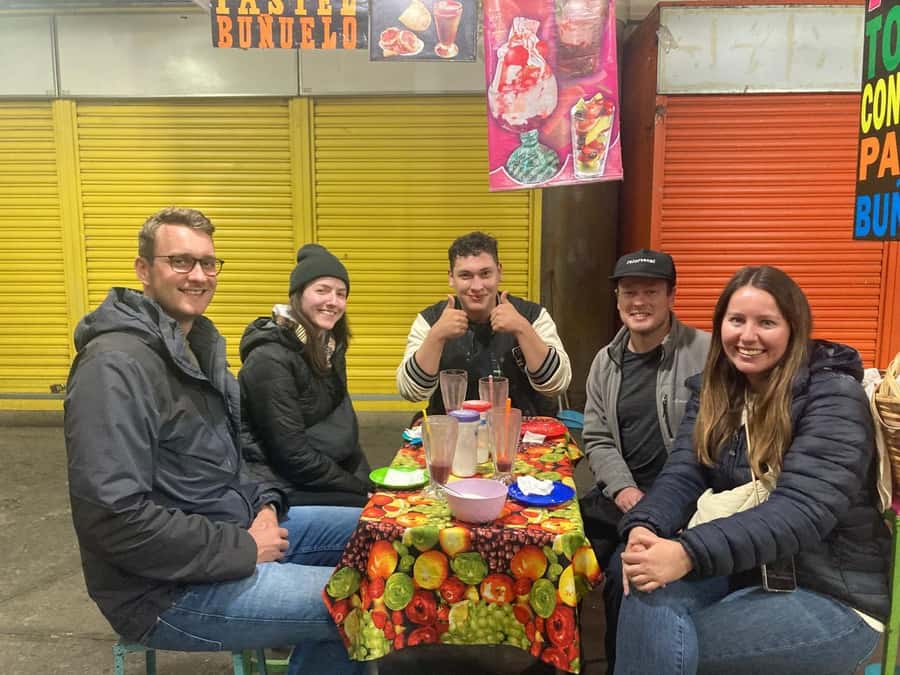
- Five speciality dishes in one evening: enough variety to figure out what you actually like.
- Market and monument strolls: you see more than just restaurants while you eat.
- Local cocktail and/or local beer: the drink is part of the tasting experience.
- Guides who tell the stories: you get context for ingredients and habits behind each bite.
- Easy-to-follow pace: walking is limited, so it’s not a hardcore outing.
- Vegetarian options are limited: share dietary needs early to avoid surprises.
La Paz at 18:25: finding San Francisco Square without stress
The tour meets at San Francisco Square, at the big doors to the church. Look for the guide wearing a red cap. A small trap: map pins may point to the church office door, but the group meets at the church’s main doors.
It starts at 18:25, so plan to arrive a few minutes early and take in the square before you’re swept into the tasting. Bring comfortable shoes and a jacket. Evenings in La Paz can cool down, and you’ll be outside long enough to notice.
Also bring your passport or ID card. And yes, bring cash—not because the main tour is complicated, but because the included tastings are not the same thing as extra drinks and tips.
You can also read our reviews of more tours and experiences in La Paz.

What your $32 covers (and where you’ll spend extra)
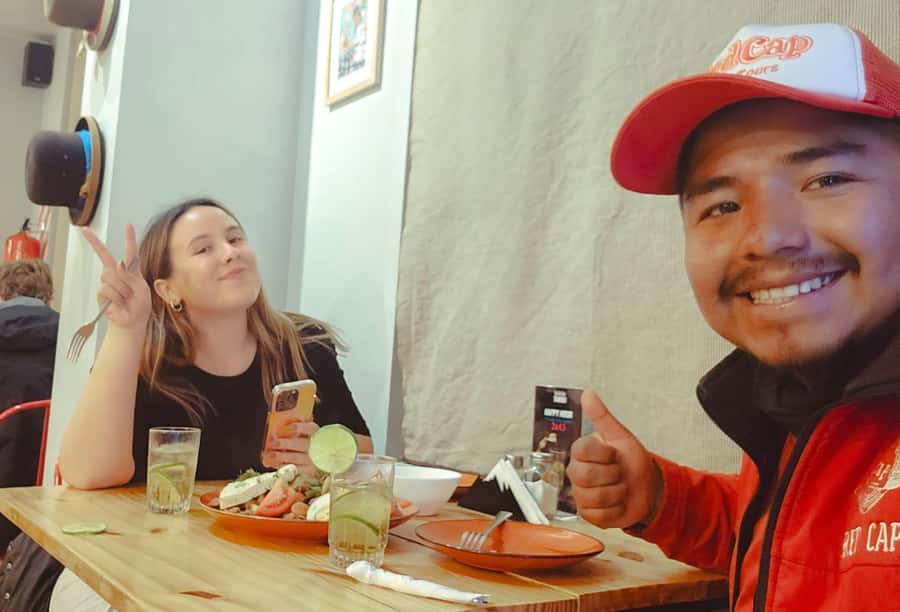
For $32 per person, you’re paying for a structured, guided food night that includes all food and drink as specified and a local bilingual guide. The tour also uses restaurants that have been inspected for cleanliness and proper food handling, which matters a lot when you’re eating your way through a city.
What you should budget separately is anything beyond the specified drinks—extra drinks cost extra. You’ll also likely want spending money for tips and a taxi home after the tour.
The value here is not just the number of bites. It’s the fact that you get access to places you might not choose as a visitor, plus explanations that help you understand what you’re eating and why.
The tasting plan: five speciality dishes plus a real local drink

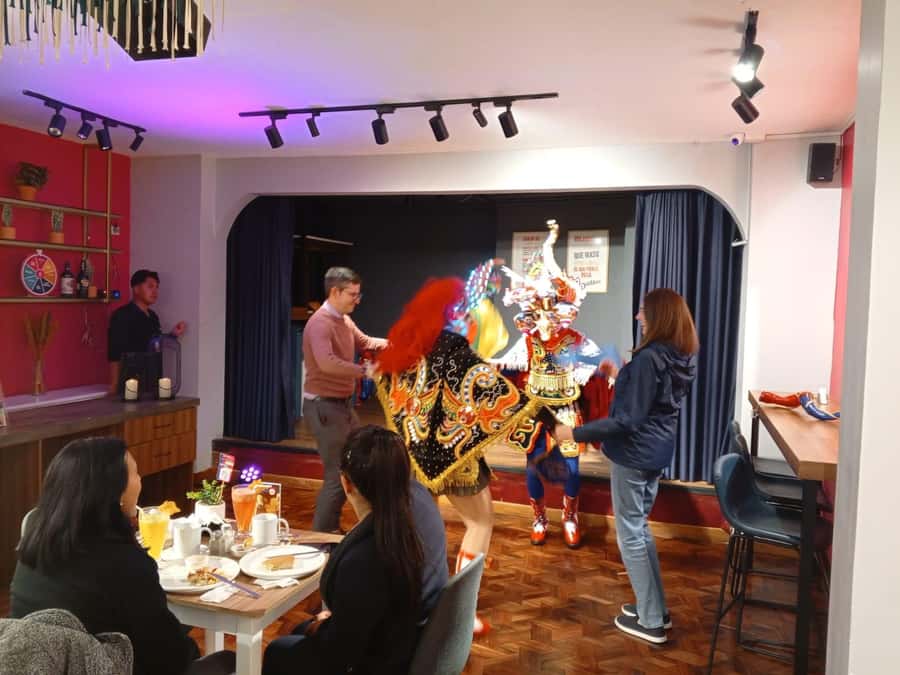
The highlight is simple: you’ll taste five speciality dishes over about three hours. That time window is perfect for most people—long enough to learn and eat, short enough that you’re not stuck in a slow meal forever.
You’ll also be offered a local cocktail and/or local beer. The pacing matters. These tours are designed so you don’t just gulp one big meal; you snack and sip your way through different types of stops, then finish with one final restaurant moment.
One review detail worth taking seriously: people consistently warn you not to eat beforehand. This tour can leave you full in a hurry. So if you want to enjoy every stop (instead of pushing food around your plate), treat this like your main dinner.
Market-side stops and why the guide stories matter
Part of what makes this experience work is the format: you’re not only eating. You’re moving through La Paz, passing markets, historical monuments, and sights as your guide shares food culture along the way.
Why does that matter? Because Bolivian cuisine doesn’t always read like a simple list of must-eat dishes for outsiders. The best way to understand local food is to hear how it connects to ingredients, daily life, and community habits—stuff you’d never guess by looking at a menu.
This is also where the guide really earns their keep. Many guides get praised for being friendly, present, and funny, with English that’s easy to follow. You end up with food explanations plus practical guidance on what to try again later.
If you’re the type who likes to keep exploring after a tour, this is a smart setup. A tour night like this can turn into a short list of foods you’ll seek out in your free time.
What you’ll likely notice about the food style
Bolivian food in general tends to be warm and hearty, and this tour leans into that idea. Expect portions that stick with you, not delicate tastes that vanish after one bite.
The tour mixes street-style energy with sit-down restaurant comfort. That blend is valuable because street food is often where the local rhythm is most visible, while restaurants can give you a safer, more predictable environment for trying dishes you’ve never had before.
One commonly praised example that shows up in people’s memories is Api, which got called out as especially good. Even if you’ve never heard of it, this is the kind of local staple the tour is good at surfacing.




Drink pacing at altitude: how to stay comfortable
Because you might include beer or a local cocktail, the drink part deserves a little strategy. La Paz altitude can make you feel the effects of alcohol more quickly, and one of the most honest pieces of feedback is that alcohol and altitude did not mix well for some people.
You don’t need to be dramatic about it. Just pace yourself. Take small sips, eat along with the drink, and decide early if you want to go alcohol-light. If you’d rather skip alcohol, tell your guide and see what an alternative looks like for the tasting.
Also remember: extra drinks are not included, so you’re not stuck buying more once you’ve hit the included tasting. Bring cash, but keep control.
Vegetarian and dietary needs: plan ahead or you’ll feel stressed
The tour includes food and drink as specified, with only a few vegetarian options. That means you should treat dietary restrictions as a key planning step, not a last-minute detail.
When you book, advise all dietary restrictions. This gives the team a chance to adjust the dishes offered to you during the tasting. If you don’t share your needs early, you can end up with options that are more limited than you hoped.
If you’re vegetarian, also come in with flexible expectations. The tour is built to show classic Bolivian tastes, so the vegetarian experience may be more about “what can be adapted” than about a full vegetarian menu.
How to be ready on the day: appetite, shoes, and timing
This tour is 3 hours long and built to make you eat. So the biggest prep tip is simple: come hungry. Many people say not to eat lunch, or at least keep it very light. If you ignore that advice, you’ll spend the last third of the tour feeling stuffed instead of curious.
Wear comfortable shoes, since you’ll be walking between stops, even if the pace is generally easy. Bring a jacket because evening air can get chilly. If you get cold easily, you’ll thank yourself later.
Also bring cash for any extra drinks, plus tips and the taxi ride home. Even if everything is straightforward, it’s nice to not think about money while you’re tasting.
Who this tour suits best in La Paz
This works especially well if you’re a first-time visitor who wants a food-focused introduction to the city. You get both the eating and the city context: markets, monuments, and a guided explanation that helps you read the place like a local.
It’s also a great match if you like interactive tours with a guide who talks and answers questions. Many guides are praised for being attentive to the group and for staying engaged rather than rushing you through.
If you’re traveling solo, it can be a social way to break the night up without booking a formal restaurant. If you’re on a couple’s trip, it’s a fun, low-effort way to avoid choosing blindly and still end up with a list of favorites for later.
Price and logistics: what to watch before you book
At $32 for three hours, this is priced like a proper food experience rather than a cheap snack crawl. Most of the value comes from included tastings, guide time, and access to places you might not find quickly.
That said, some feedback suggests the cost can feel high if you expect a lot of street food only, or if you’re comparing it to a very casual meal deal. The flip side is that the tour structure includes both street-style stops and restaurant stops, plus cleanliness checks and a guide who explains what you’re eating.
One other thing to consider: food can be heavy, and drinks can be optional only in practice, not always in theory. If you know you’re sensitive to alcohol or full-on flavors, pace yourself from the first stop.
Should you book this Evening Foodie Tour of La Paz?
Book it if you want an evening that feels like La Paz life, not just dinner. This tour is at its best when you treat it as your main meal, follow the guide’s pace, and let the stories change how you see each bite.
Skip it or choose a lighter-food approach if you:
- hate heavy, hearty meals
- are very sensitive to alcohol and altitude
- have strict dietary needs and aren’t able to plan ahead when booking
If you do book, I’d recommend two practical moves: eat lightly before you go, and bring cash so you can handle extra drinks or tips without stress.
If you’re lucky with your guide, this can be one of the most memorable evenings in La Paz because it turns food into a city map you can taste.
FAQ
What time does the La Paz Evening Foodie Tour start?
The tour starts at 18:25 (6:25 PM).
Where do I meet the guide?
Meet in San Francisco Square, at the big doors to the church. Look for the guide with the red cap.
How long is the tour?
The tour lasts 3 hours.
What’s included in the ticket price?
The price includes all food and drink as specified plus a local bilingual guide.
Are there vegetarian options?
There are only a few vegetarian options. You should advise dietary restrictions when booking.
What should I bring?
Bring passport or ID, comfortable shoes, a jacket, and cash (for extra drinks, tips, and the taxi home).
Is there free cancellation?
Yes. You can cancel up to 24 hours in advance for a full refund. The booking also offers a reserve now & pay later option.