REVIEW · LA PAZ
From La Paz: Uyuni and Andean Lagoons 5-Day Guided Trip
Book on GetYourGuide →Operated by Tours Uyuni Bolivia · Bookable on GetYourGuide
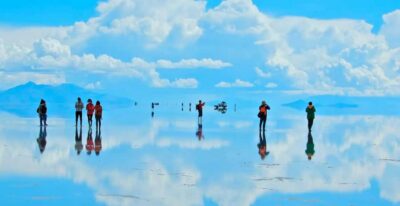
Uyuni can mess with your sense of distance fast. I love the way this trip pairs Salar de Uyuni photo time with stops that feel earned, like the Train Graveyard and salt-miner workshops in Colchani. I also like that it’s run with an English speaking guide in a small group. The main drawback to plan around is altitude and long travel days, since the route isn’t suitable for people dealing with altitude sickness or back problems.
If you’re the kind of traveler who likes your days organized but still free to soak it in, this itinerary hits a good rhythm. You’ll get early starts for the big wildlife windows and calmer lighting, then you’re back in motion again before the sun gets too punishing.
One more consideration: a few of the best-known stops cost extra in Bolivianos, and some access depends on weather (like Incahuasi Island in the rainy season). So your budget needs a little breathing room beyond the headline price.
In This Review
- Key things that make this trip worth it
- Price and value: what $524 really buys
- Day 1: The La Paz to Uyuni bus ride and your first reality check
- Day 2: Uyuni city orientation, the Train Graveyard, and Colchani salt work
- Day 3: Ollagüe Volcano and the lagoon sweep for flamingos
- Day 4: Geysers, hot springs, the Dali Desert, and the color jumps
- Day 5: Arrive back in La Paz and what to do with your last hours
- What’s included (and what you should pack anyway)
- Who this trip suits best
- Weather and access changes: how to stay flexible
- Should you book: my honest call
- FAQ
- Where does this tour start and end?
- How long is the trip?
- Is there an English speaking guide?
- What’s included in the price?
- What additional costs should I expect?
- Can I visit Incahuasi Island during the rainy season?
Key things that make this trip worth it
- Salar de Uyuni timing: early salt flat time for the wide-open views and classic photo angles
- Flamingo lagoon circuit: Cañapa, Hedionda, and Chiarcota are built into the day for wildlife chances
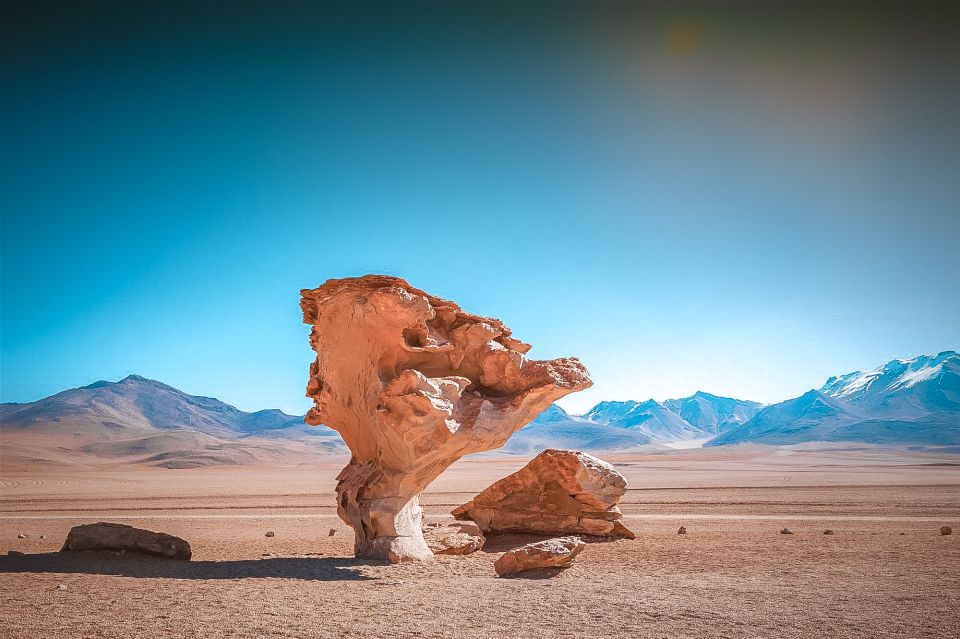
- Eduardo Avaroa reserve highlights: Siloli Desert, Rock Tree, and Red Lagoon are on the route
- 4WD salt-flat travel: rooftop rack vehicle setup helps you move without wrestling luggage
- Small group size: limited to 11 participants, which keeps the pace from feeling chaotic
Price and value: what $524 really buys
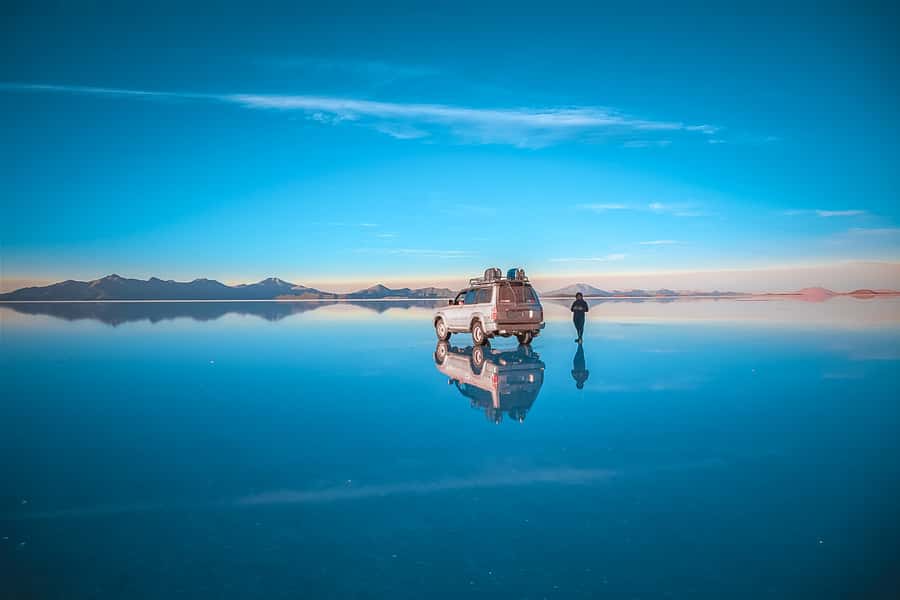
At $524 per person for a 5-day guided circuit from La Paz, you’re paying for the big-ticket logistics: round-trip bus tickets, a guided route, and 4WD transportation for the salt flats and high-altitude sections.
What’s covered is the hard part—your English speaking guide, driver, and most meals. You get 2 breakfasts, 3 lunches, and 2 dinners, plus two nights on the bus with dinner and breakfast. You also sleep in hostel-style shared rooms for the two on-land nights: Agencha on the salt route and Huayllajara near the lagoons area.
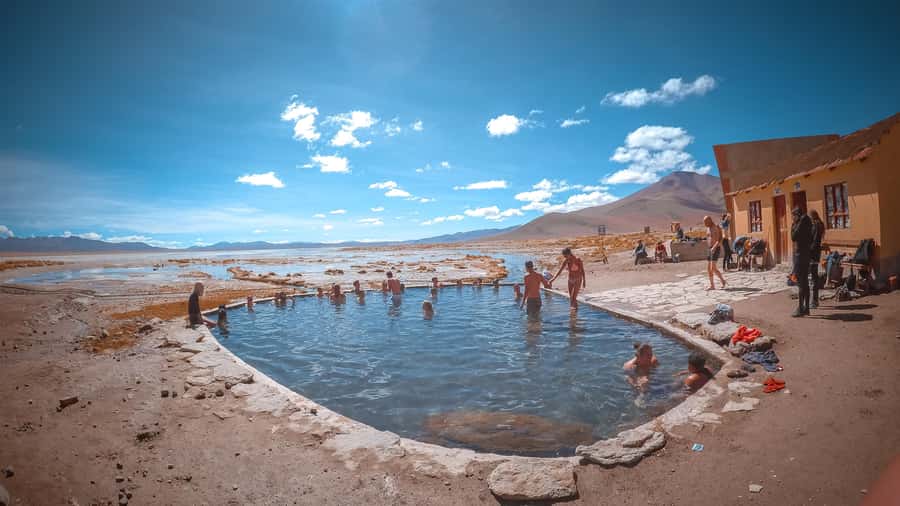
What’s not covered matters for your final cost. You’ll want to budget for site fees like Isla Incahuasi (30 BOB), Eduardo Avaroa Reserve (150 BOB), hot springs (6 BOB), and some roadside toilet stops (30 BOB). If you want the full experience, those add up—still reasonable, but it’s best to plan before you go.
Then there’s the item people forget: a sleeping bag and toiletries aren’t included. Many hostel nights are shared dorm setups with communal bathrooms, so bringing what you need for comfort is on you.
You can also read our reviews of more guided tours in La Paz

Day 1: The La Paz to Uyuni bus ride and your first reality check
This trip starts with an evening check-in in La Paz around 8:30 pm, then you board a sleeper bus. The setup includes dinner, breakfast, and a bottle of water during the night stretches, plus a toilet onboard. It’s not glamorous, but it’s efficient. You’re basically trading a normal hotel night for overnight transit, which matters when you’re traveling across the altiplano.
Why this is good for you: it saves time. You avoid losing a full day to getting to Uyuni. Why it can be annoying: you still need to be comfortable being in transit longer than you might want, especially if you’re sensitive to altitude or fatigue.
If you’re coming from La Paz already acclimatized, you’ll likely handle the schedule better. If not, keep your pace calm and don’t try to “power through” discomfort on day one.
Day 2: Uyuni city orientation, the Train Graveyard, and Colchani salt work
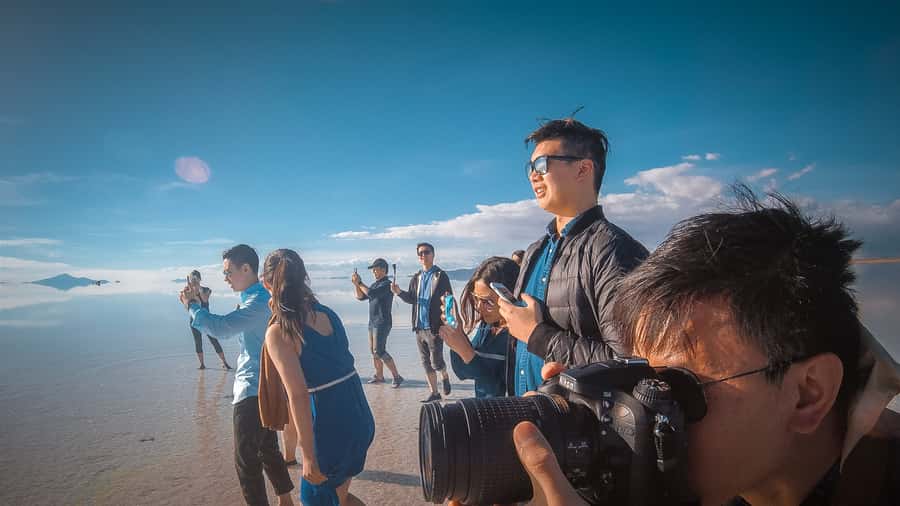
You arrive in Uyuni city early morning, then you get free time until mid-morning. After that, you head to the bus station near the activity provider’s office and transfer to 4WD for the salt flats.
The first stops are the kind you often miss when you only do a quick half-day tour. You’ll visit the outskirts Train Graveyard, then head to Colchani, a settlement with salt miners’ workshops. These early moments do a lot of good work: they turn the salt flats from a postcard into a place where people actually earn a living.
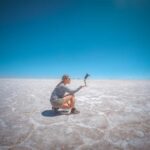
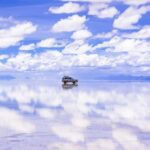
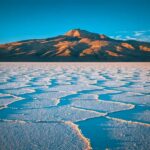
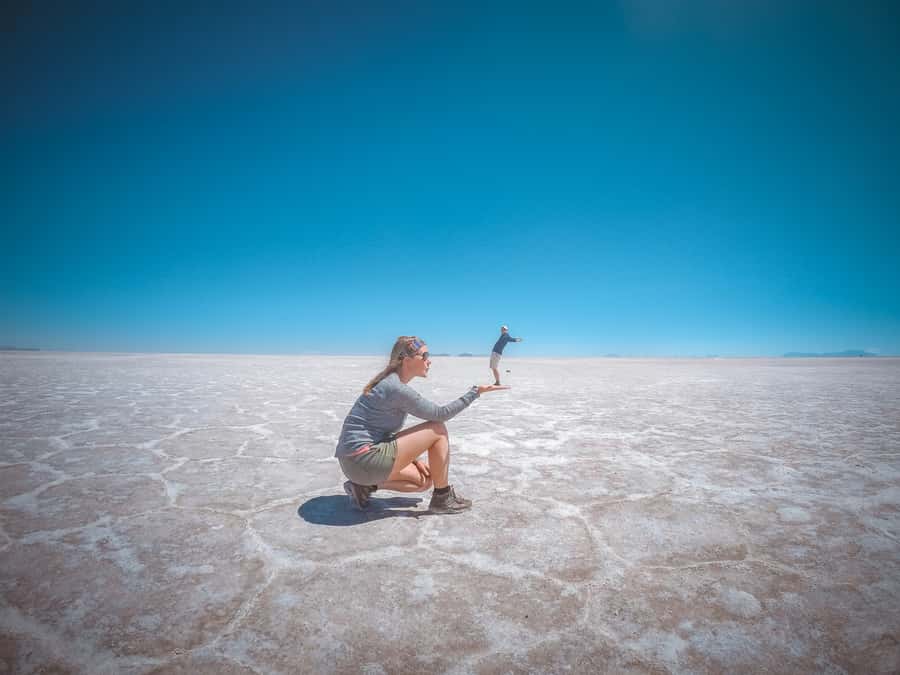
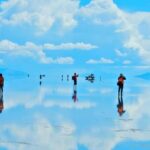
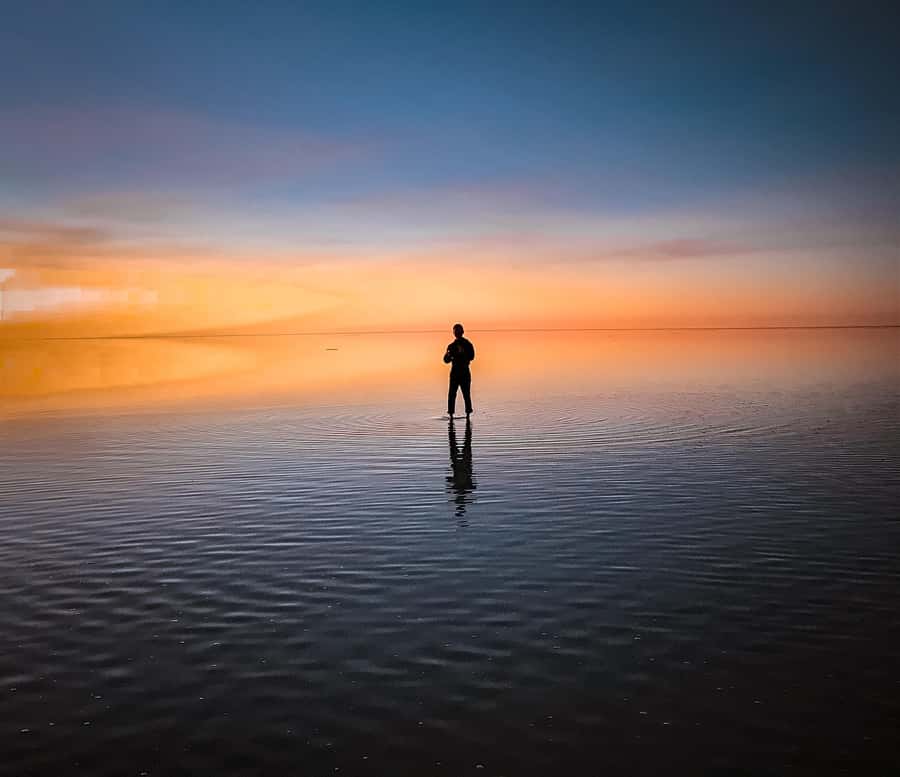
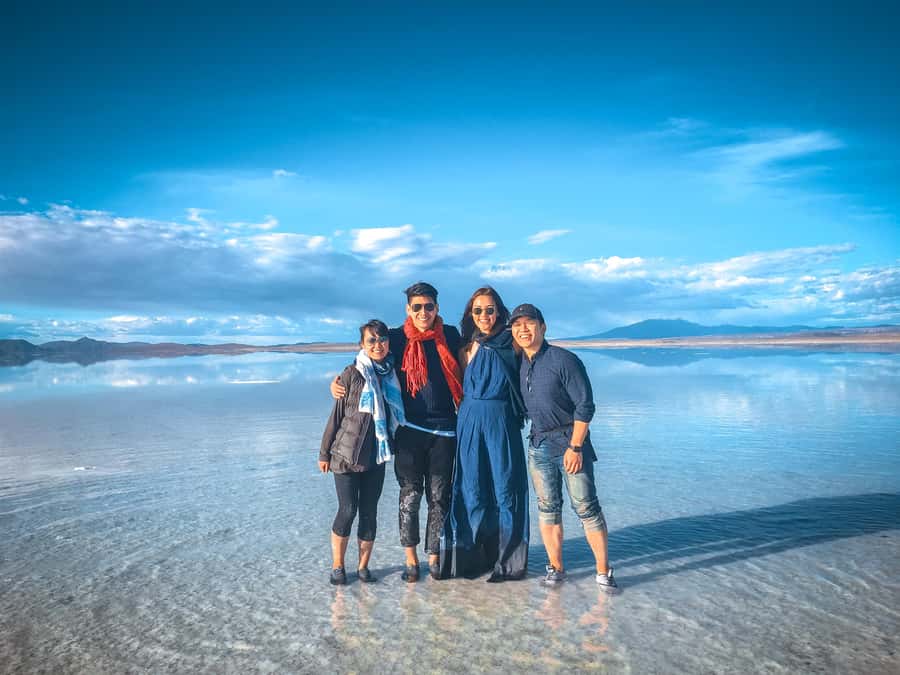
Then comes the heart of it—time on Salar de Uyuni. You can explore a salt hotel turned museum, plus famous photo elements like flags of the world and a monument of Dakar racing. If you love themed photos, this part lets you get your bearings fast and make your own set of memories before you start chasing the “perfect” light.
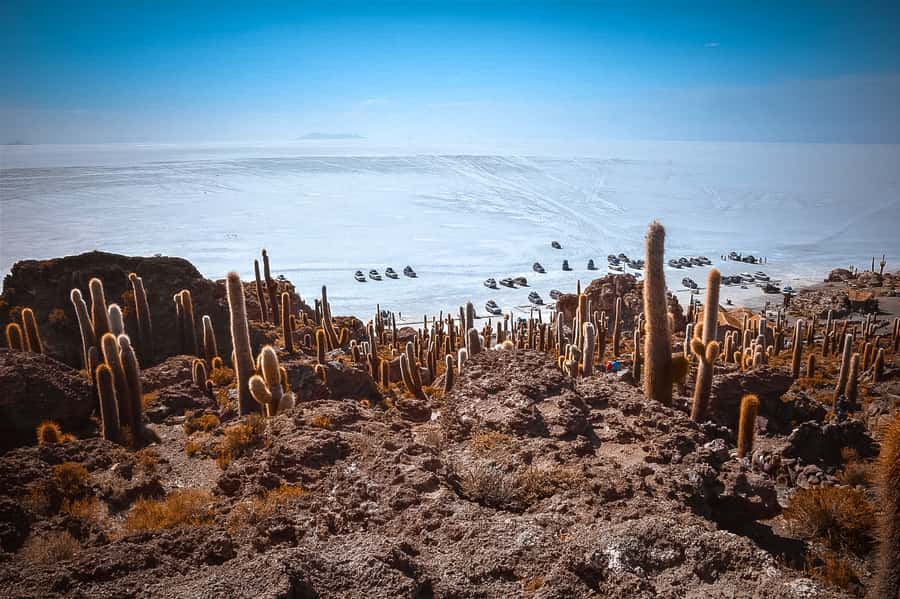
And yes, there’s time on Isla Incahuasi too. You’ll have lunch near the island and hike to the top. That hike is your workout portion of the day, but it’s also one of the best ways to change your perspective: you’re not just looking at the salt—you’re getting elevation and seeing how the flat stretches.
One thing to know: in the rainy season (January to April), it’s not possible to access Incahuasi Island. If you’re traveling during that window, ask your operator what gets substituted so you aren’t surprised.
You’ll end day two sleeping in a hostel in Agencha. Expect dorm-style rooms (4/5/6-bed rooms) with communal bathrooms. This is normal for the region; plan to sleep light and pack smart.
Day 3: Ollagüe Volcano and the lagoon sweep for flamingos
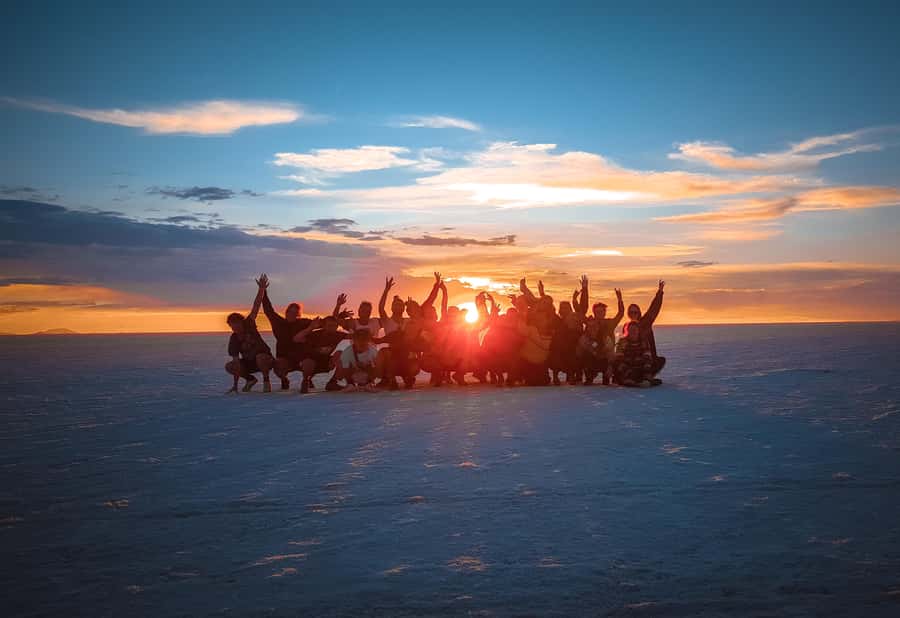
Day three starts early with breakfast, then you head out toward a lagoon-and-volcano day. The route includes Ollagüe Volcano, plus the Cañapa, Hedionda, and Chiarcota Lagoons. Those lagoons are the big flamingo stops on this itinerary, so this is one day where timing and patience matter.
In practical terms, that means you’ll want to dress for cold wind and keep your attention on the water edges. Flamingos aren’t guaranteed, but this itinerary is designed specifically for your best chances at seeing them.
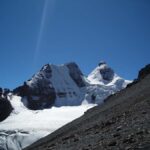
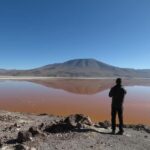
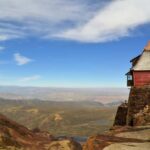
After the lagoon circuit, you enter Eduardo Avaroa National Reserve. The reserve portion moves you through the kind of scenery people remember for years—things like the Desert of Siloli, the Rock Tree, and the Red Lagoon. You don’t just see one dramatic view; you’re given multiple “stop-and-stare” moments so the day doesn’t feel like one long drive with a few quick snapshots.
Why this day is valuable: the lagoons and reserve stops break up the monotony that can happen on plateau trips. You’re seeing different textures—water, rock, volcanic terrain—and you’re constantly changing altitude and weather conditions.
You’ll sleep in a hostel in Huayllajra on night three (shared 6-bed rooms with communal bathrooms). The comfort level is basic, but at least you’re in position for a very packed day four.
Day 4: Geysers, hot springs, the Dali Desert, and the color jumps
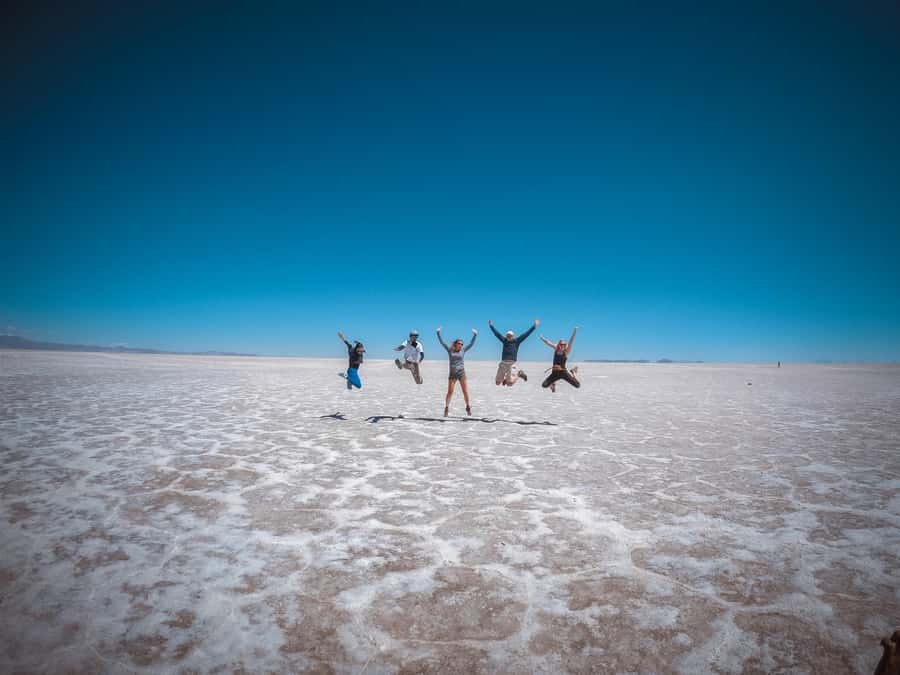
This is the early-day adrenaline section. You begin early to visit Sol de Mañana Geyser, then Hot Springs (with a small entry fee). After that you hit the Dali Desert, then move to the Green Lagoon and White Lagoon.
This is where the name Andean lagoons stops being a label and starts being a real visual theme. You get color shifts—green and white waters—plus geothermal activity right next to it. It’s not just pretty. It’s a reminder that the region’s landscape is shaped by heat, salt, and shifting conditions.
There’s also a logic to the order. Starting early helps you catch calmer conditions and better visibility for photos and wildlife scanning. If you sleep poorly, day four can feel like a lot—so keep your stamina in mind from day three onward.
After the lagoon and geyser circuit, you head back toward Uyuni. You stop at scenic spots and have a picnic lunch. You’ll also pass by Rock Valley (Alota) and make a short stop in San Cristobal Village before arriving in Uyuni city in the early evening.
Then you take the night bus back to La Paz. The bus includes dinner, breakfast, a bottle of water, and a toilet onboard again. You’ll rest on the sleeper ride for night four and wake up to finish in the early morning on day five.
Day 5: Arrive back in La Paz and what to do with your last hours
On day five, you arrive in La Paz early morning and the tour finishes at Bus Station La Paz City. This is a clean wrap. There’s no extra activity crammed in, which I appreciate—especially after multiple early starts.
If you’re planning your next move right away, keep it flexible. Don’t schedule a super tight appointment the same morning you arrive. You’ll likely be tired, and altitude can still play tricks even after a long day.
What’s included (and what you should pack anyway)
Included features are a big part of the value. You get:
- English speaking guide (English and Spanish also offered)
- Driver
- 4WD transportation with rooftop luggage rack
- Hostel nights: Agencha (4/5/6-bed rooms) and Huayllajara (shared 6-bed room)
- Meals: 2 breakfasts, 3 lunches, 2 dinners
- 2 nights by bus with dinner and breakfast
- Round-trip bus tickets: La Paz – Uyuni – La Paz
Not included means you need to think ahead:
- Isla Incahuasi entry (30 BOB)
- Eduardo Avaroa Reserve entry (150 BOB)
- Hot springs entry (6 BOB)
- Toilets on the way (30 BOB)
- Drinks and snacks
- Sleeping bag
- Toiletries
- Passport is required (bring it)
Pack for cold mornings and strong sun. The region can feel brutally bright even when it’s chilly. Layers beat one bulky jacket, and gloves are useful when wind picks up.
Who this trip suits best
This itinerary fits travelers who want the full sampler—salt flats, geysers, and lagoon wildlife—without constantly re-planning transportation. It also works well if you like a guided structure in a small group (limited to 11 participants). Fewer people usually means less waiting around and easier communication during stops.
It’s not suitable for pregnant women, people with back problems, or those with altitude sickness. That’s important. A tour like this is long, high, and repetitive in a way that doesn’t forgive physical stress.
If you’re someone who gets motion sick easily, you might find the bus and early starts challenging. The data here doesn’t say anything about accommodations for that, so I’d treat this as an “expect bumps and long hours” kind of trip.
Weather and access changes: how to stay flexible
This tour notes that the itinerary is a guideline and can change due to weather, roadblocks, strikes, acts of God, and other factors beyond the provider’s control. That’s normal in remote Bolivia.
The most relevant specific weather issue you should plan around is Incahuasi Island access during January to April. If your travel dates fall in that rainy season window, you should expect that stop to be unavailable.
The practical fix: don’t plan your whole vacation around one single viewpoint. Treat this as a route with multiple chances to see dramatic scenery and wildlife, not a checklist where everything must happen exactly as written.
Should you book: my honest call
Book this tour if you want a guided, time-efficient way to experience Uyuni Salt Flats plus Andean lagoons in a small group, with English speaking guidance and meals included. The structure is practical: overnight transit to save a day, 4WD time where you need it, and early starts when animals and colors are at their best chance.
I’d skip it or choose another option if altitude is a concern for you, if you have back issues, or if shared hostel nights don’t fit your style. The itinerary is also more expensive in the final totals once you add the site fees, plus you’ll need a sleeping bag and basic toiletries.
If you’re okay with cold mornings, dorm-level lodging, and a lot of moving parts, this is a strong value for a classic Bolivia route.
FAQ
Where does this tour start and end?
It starts from La Paz city in the morning and finishes in La Paz City early in the morning.
How long is the trip?
The duration is 5 days.
Is there an English speaking guide?
Yes. The tour includes a live English speaking guide, and the language options are English and Spanish.
What’s included in the price?
The tour includes the guide and driver, 4WD transportation with a rooftop luggage rack, hostel nights (Agencha and Huayllajara), breakfasts, lunches, dinners, and round-trip bus tickets between La Paz and Uyuni.
What additional costs should I expect?
You may need to pay for Isla Incahuasi entry (30 BOB), Eduardo Avaroa Reserve entry (150 BOB), hot springs entry (6 BOB), and toilet stops on the way (30 BOB), plus drinks and snacks.
Can I visit Incahuasi Island during the rainy season?
No. During the rainy season (January to April), it is not possible to access Incahuasi Island.