REVIEW · LA PAZ
From La Paz: 4-Day Trip to San Pedro de Atacama w/Salt Flats
Book on GetYourGuide →Operated by Tours Uyuni Bolivia · Bookable on GetYourGuide
Uyuni hits you fast, even before the salt. This Bolivia-to-Chile route packs Salar de Uyuni photography, flamingo lagoons, and Sol de Mañana geysers into a tight 4 days, starting with a comfortable night bus. I especially like that you travel with an English-speaking guide and a driver who knows rough high-desert roads, the same kind of setup I’ve seen work brilliantly with teams like Mary and Yvan.
I also love the variety of “wow” moments in a single loop: the Train Cemetery for eerie locomotive photos, the big open emptiness of the flats, and the flamingo-heavy lagoons like Red Lagoon. On top of that, the trip includes a sunset drink moment on the salt, which turns the photos into a real memory, not just a checklist.
One drawback to keep in mind: the trip is priced like an organized package, but you should budget extra for key entry fees, hot springs, and even basic conveniences on the way. Add in very basic accommodations and cold nights, and you’ll have the best experience if you pack smart and expect simple.
In This Review
- Key points that make this trip worth your time
- La Paz to Uyuni: the night bus that sets the pace
- Uyuni morning and the 10:00 a.m. meet-up rhythm
- Salar de Uyuni in 4WD: Train Cemetery, Colchani, Salt Hotel-Museum, and the Incahuasi cactus
- Sunset on the flats: wine, mirror-effect chances, and why timing matters
- The flamingo lagoon day: Cañapa, Hedionda, Chiarcota, Siloli Desert, Stone Tree, and Red Lagoon
- Sol de Mañana geysers and Polques hot springs before Chile
- Where you sleep and eat: Agencha and Huayllajara basics (and how to prepare for cold)
- Money reality check: the $493 price plus fees, cash, and the “small costs” problem
- Guide and driver quality: why safe driving and photo help change the whole trip
- Who should book this trip (and who should skip it)
- Should you book this La Paz to San Pedro de Atacama Salt Flats trip?
- FAQ
- Where does this trip start and where does it end?
- What time is check-in and departure in La Paz?
- How many days is the total trip?
- Is an English-speaking guide included?
- What meals are included?
- What are the included accommodation details?
- Which major sites have entry fees not included?
- Is Incahuasi Island always accessible?
- Do I need a passport or ID card?
Key points that make this trip worth your time
- English guide in a small group (up to 11) so you’re not stuck with zero context
- Overnight La Paz to Uyuni bus with dinner, breakfast, heat, toilet, Wi-Fi, and polar blankets
- Salar de Uyuni in 4WD with classic stops like Train Cemetery, Colchani, Salt Hotel-Museum, and Incahuasi
- Flamingo lagoon day through Cañapa, Hedionda, Chiarcota, then on to Red Lagoon
- Geysers and hot springs on Day Four (Sol de Mañana and Polques) before crossing into Chile
- Very basic sleeping and off-grid reality (shared toilets, limited power, cold conditions)
La Paz to Uyuni: the night bus that sets the pace
Your first real step is in La Paz, not the desert. You check in at 8:30 p.m. at the bus office, then the bus leaves at 9:00 p.m.—and yes, that means you’ll be awake-ish for the departure day.
The bus is set up for long-distance comfort: dinner, breakfast, bottled water, a hot drink, heating, a toilet, polar blanket, and even Wi-Fi on board. You’re also traveling with a practical add-on: first aid kit support, which matters when you’re heading into very remote terrain.
This is also why the “4-day” label can feel a bit misleading. Day One is mainly travel time, while the land tour really ramps up the next morning in Uyuni.
You can also read our reviews of more tours and experiences in La Paz
Uyuni morning and the 10:00 a.m. meet-up rhythm
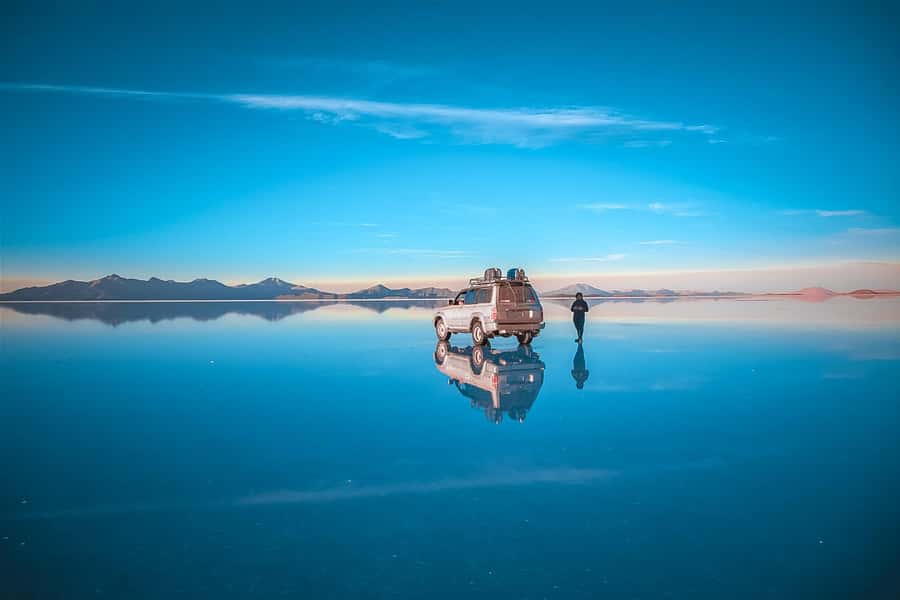
You arrive in Uyuni around 7:30 a.m., and you get some free time before the scheduled meet-up at 10:00 a.m. This free window is useful, but keep it realistic: you’re not going to lounge like it’s a resort. It’s more like, get your bearings fast and make sure you’re ready for a full day in 4WD.
Once you meet in the office, the group heads out at 10:30 a.m.. After that, it’s a classic off-road structure: stops, photos, short walks, then more driving. You’ll see why the itinerary is “action-packed” in practice.
Salar de Uyuni in 4WD: Train Cemetery, Colchani, Salt Hotel-Museum, and the Incahuasi cactus
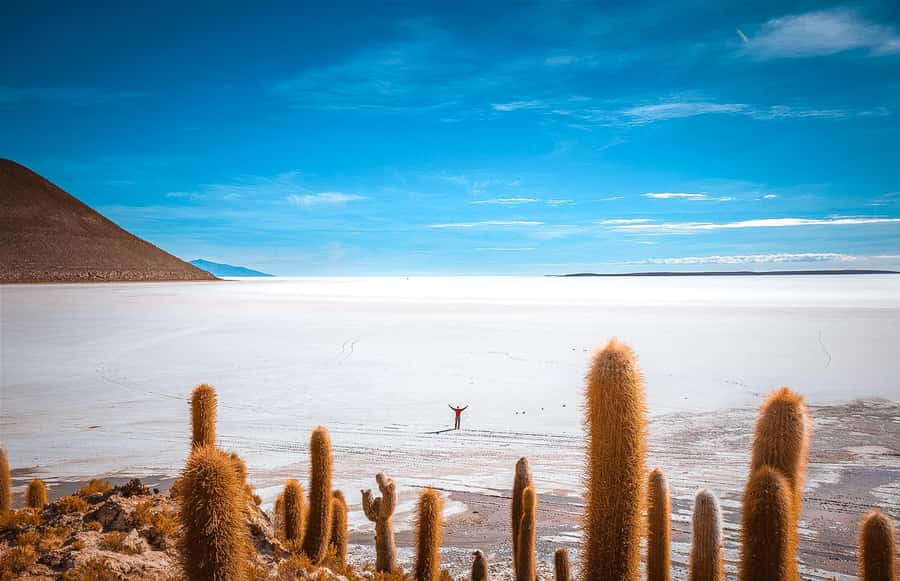
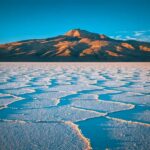
The Salt Flats day is built like a highlight reel, but it’s not just for pictures. It’s the kind of day that helps you understand how the Uyuni area works—salt production, old rail relics, and the way the flats can look totally different depending on light and distance.
You start with the Train Cemetery: remnants of locomotives from the 18th and early 20th centuries. This stop is ideal for artistic shots because the rust textures and broken shapes give you strong contrast against the pale salt.
Next comes Colchani, where you learn about salt production. You also get a short stroll through the artisanal market and museum, which is a more grounded stop than it sounds. It’s where you can see what salt mining looks like at human scale, not just from a distance.
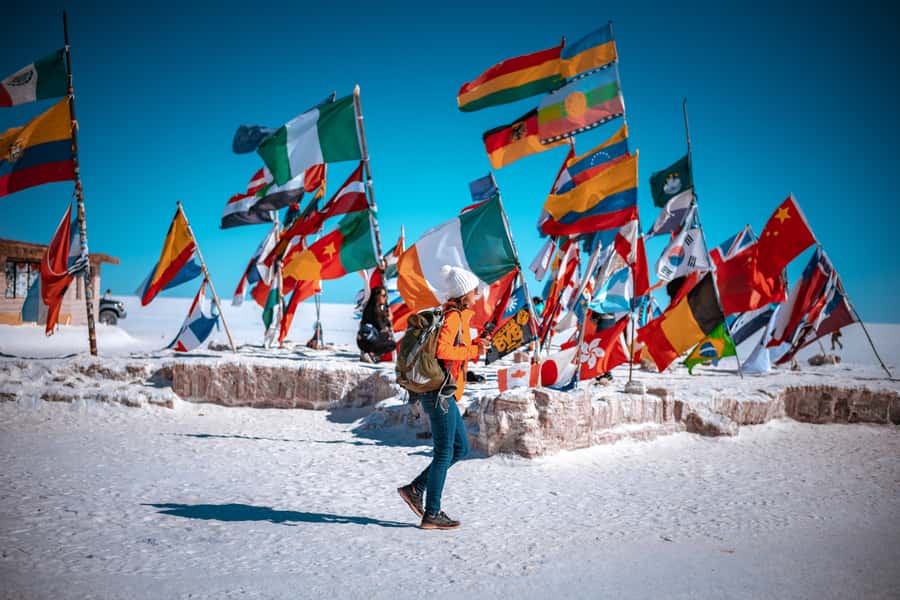
Then the salt gets huge. The route includes the Salt Hotel-Museum (built from salt blocks), the Dakar Monument, and the flags of the world area. These aren’t subtle roadside details. They’re visual landmarks that help you aim your photos and keep your sense of direction across wide open space.
Finally, you may reach Incahuasi Island for big views and the famous giant cactus. Important reality check: during the rainy season (January to April), access to Incahuasi Island isn’t possible. If you’re traveling in those months, plan to be flexible about the exact island moment you’ll miss.
Sunset on the flats: wine, mirror-effect chances, and why timing matters
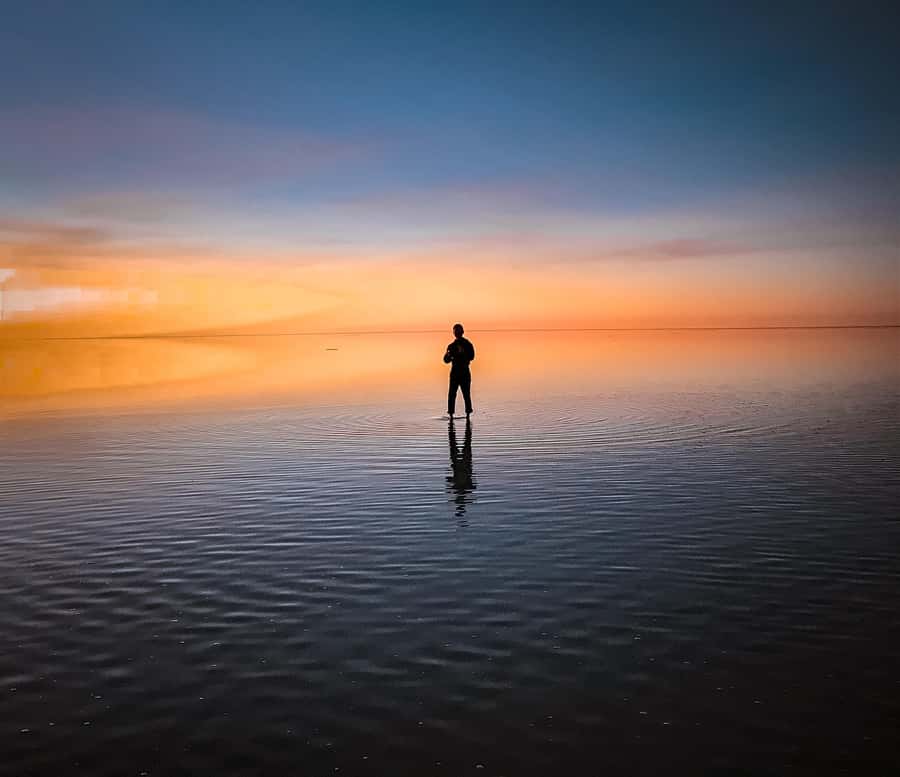
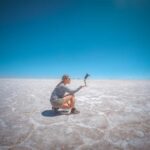
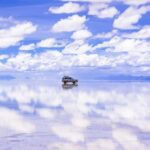
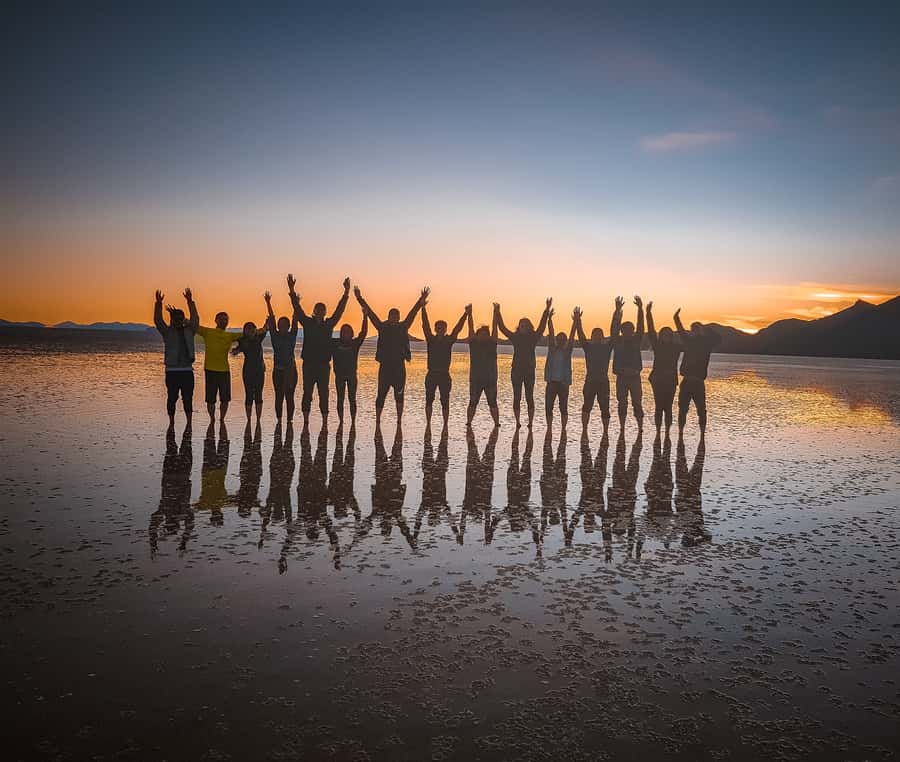
At the end of the day, you slow down with sunset time on the flats. The trip includes that classic moment: wine at sunset before heading to your hostel for dinner.
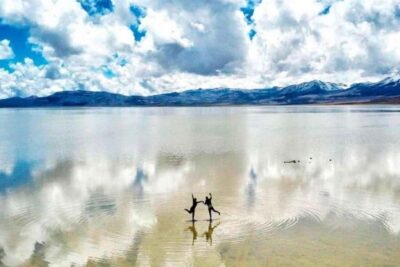
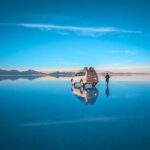
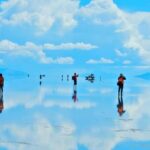
Sunsets are where Salar de Uyuni can flip from “wow” to “how is this real.” Even if the conditions don’t create the mirror-effect you dream about, the color changes and the long shadows still make the photos pop. If your guide helps you with photo timing (many do), take it. This is one of those places where 15 minutes can change everything.
Then it’s dinner and sleep—because the next day starts early too.
The flamingo lagoon day: Cañapa, Hedionda, Chiarcota, Siloli Desert, Stone Tree, and Red Lagoon

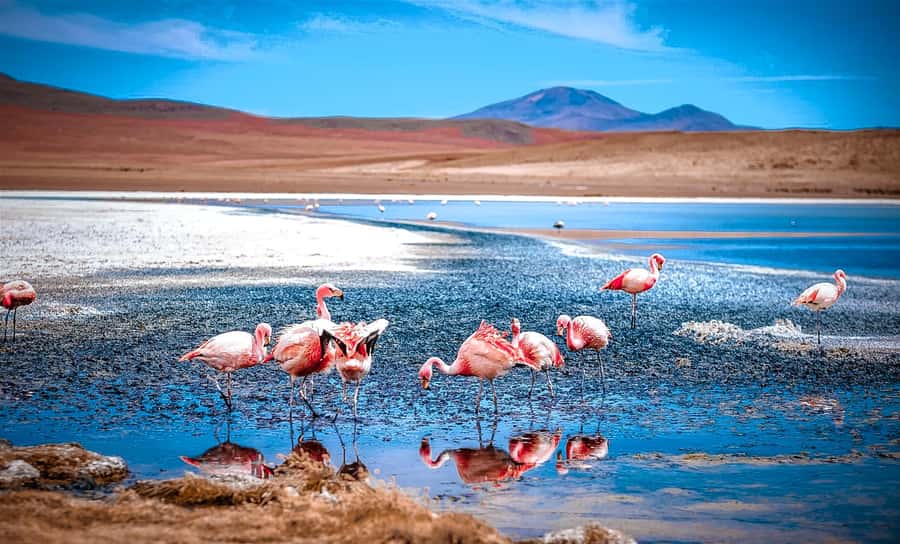
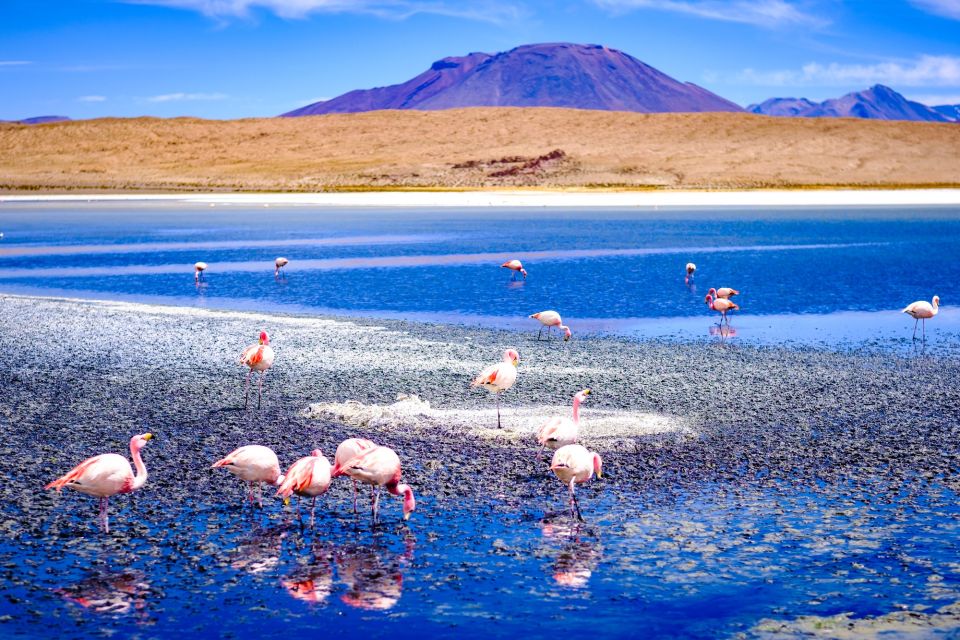
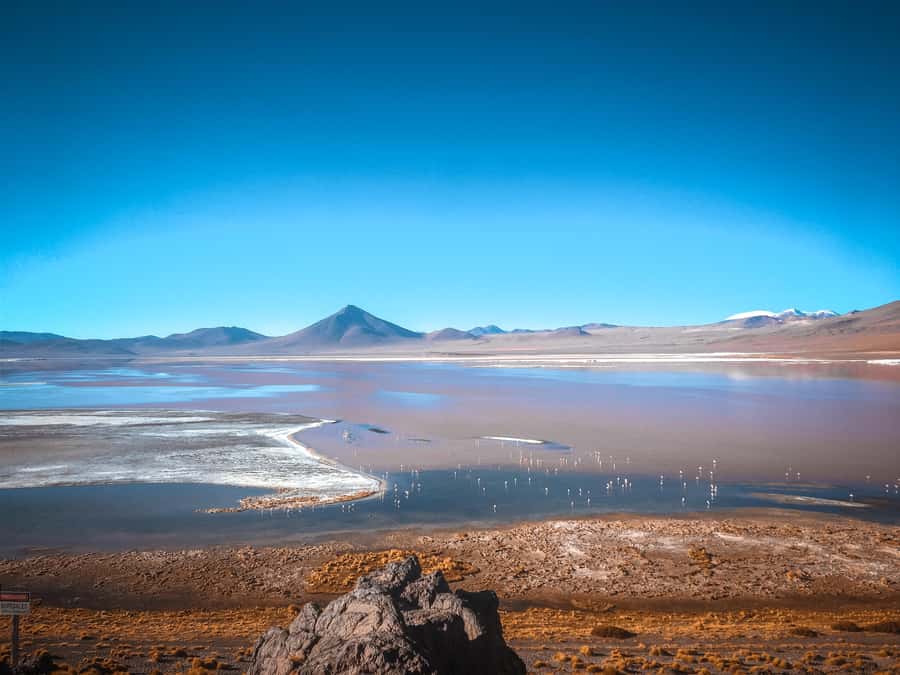
Day Three is all about high-altitude lagoons and the drama of water where you’d expect dry emptiness. After breakfast, the tour hits Cañapa, Hedionda, and Chiarcota, which are known for flamingos. These are not just “we saw birds” stops. The lagoons give you that surreal contrast: pale ground, darker water, and pinkish shapes moving in slow arcs.
You also get an exquisite lunch during the loop. Then you head into desert-style scenery for stops like Siloli Desert and the Stone Tree. These breaks matter because otherwise the salt-plus-lagoon rhythm can blur together. The desert stops give your eyes a reset between the more delicate lagoon moments.
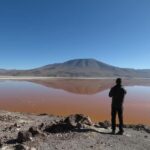
The day ends at Red Lagoon, where flamingos can be abundant. When the group arrives here, you’re usually tired in the good way, and that’s when it’s easiest to just stand back and watch for a while.
Finally, you sleep in the community of Huayllajara, in a shared setup, then dinner and rest.
Sol de Mañana geysers and Polques hot springs before Chile
Day Four starts early. After breakfast, you go to Sol de Mañana geysers. This is an active volcanic area with features like fumaroles and geysers—holes bubbling in mud and emitting smoke, plus that sulfur smell that’s very much part of the experience.
On the way, you’re also seeing the kind of barren beauty that comes from volcanic rock and constant wind. It’s not a day for lightweight planning. Your body will feel the cold before your brain catches up.
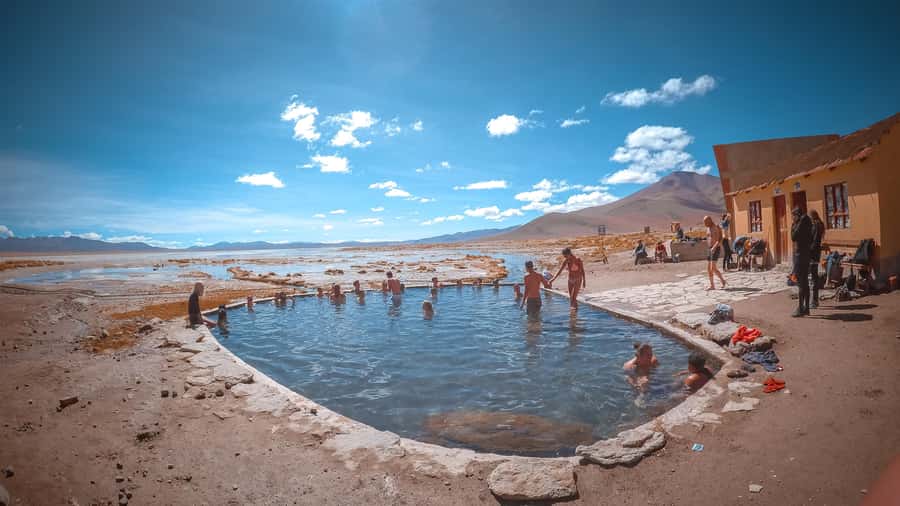
Next you visit Polques hot springs to relax and warm up. This is one of the smartest stops in the entire trip because the tour otherwise leans hard into cold, altitude, and wind. Note: the hot springs fee is not included, so bring cash for that (the data lists a 6 Bs hot springs cost).
You then continue through the Salvador Dali Desert area for multi-colored rock formations tied to volcano activity. After that, it’s up to viewpoints near the Green Lagoon, White Lagoon, and Lincancabur Volcano.
Then comes the big logistics moment: the guides assist with border crossing at 10:00 a.m., and you arrive in San Pedro de Atacama around 1:30 p.m., dropped at the main square.
Where you sleep and eat: Agencha and Huayllajara basics (and how to prepare for cold)
This is not a luxury trip. You should expect basic comfort levels and do what you can to make them work for you.
The first night is at Agencha, in a 4/5/6-bedroom setup with shared toilets. The second night is in Huayllajara, in a shared 6-bedroom setup with shared toilet. Many people love this style of travel because it keeps you close to the real place—but you’ll also want to come prepared.
Meals are included: the bus provides one dinner and one breakfast, plus the tour includes 2 lunches and 2 dinners and 2 breakfasts overall. Still, expect straightforward food. One recurring theme from people is that breakfast can be basic (bread, jam, coffee or tea), and the goal is energy, not gourmet.
Cold is the other big factor. The Uyuni region and the lagoon areas can be brutal when the wind picks up. I’d plan your packing around warmth: layers, gloves, and something to sleep in that won’t leave you shivering all night. Even if you don’t buy a sleeping bag, bring extra layers, and assume nighttime warmth can be inconsistent.
A practical tip from how people experience these hostels: bring toilet paper and consider carrying a small towel. Also, power can be limited in remote stays, so a power bank can save your evening plans.
Money reality check: the $493 price plus fees, cash, and the “small costs” problem
The listed price is $493 per person, and it includes the big-ticket structure: the La Paz to Uyuni bus, 4WD transportation, guide service, meals, and two nights of accommodation, plus the transfer into San Pedro de Atacama.
But you’ll still pay extra in the field. Entry fees not included include:
- Isla Incahuasi: 30 Bs
- Reserva Eduardo Avaroa: 150 Bs
- Toilets along the way: 30 Bs
- Hot springs: 6 Bs
- Bolivian migration tax: 15 Bs
- Plus personal expenses and drinks/snacks
That means you should travel with enough cash for the small stuff that adds up fast: entrance points, toilet stops, and hot springs. One practical lesson from people who’ve done this route is that you’ll want more than you think, especially when you’re moving through places that don’t run on card machines and modern conveniences.
Also consider tipping. The tour data doesn’t state a tip amount, but people often expect to tip the guide and driver when they feel well taken care of. If that matters to you, budget for it.
Guide and driver quality: why safe driving and photo help change the whole trip
The tour runs on two key professionals: the English-speaking guide and the local driver. The difference shows up fast.
A good driver keeps the vehicles stable on rocky tracks and knows how to handle winding desert roads without making you white-knuckle every stop. People have highlighted drivers like Yvan and Pedro for safe, steady driving.
And the guide matters beyond facts. If your guide helps with photography—timing, positioning, and quick check-ins—you’ll get better results without wasting time guessing. Many guides also handle coordination: hotel timing, where to stand, and how to keep the group moving.
One more nuance: sometimes groups can be split into multiple 4WD vehicles, and commentary may be shared rather than constant in every car. If you care about narration the entire time, ask your guide how they structure stops, and speak up if you want more detail.
Who should book this trip (and who should skip it)
This trip is best for people who want structure and variety more than comfort. You’re packing in Uyuni salt scenes, flamingo lagoons, geysers, hot springs, and viewpoints, ending in Chile without extra organizing on your part.
It’s not a fit if you have:
- Back problems
- Altitude sickness
- Age over 95
Also, if you hate cold nights and shared, basic sleeping situations, this will feel stressful. You can still enjoy it, but you’ll need to pack for reality.
Should you book this La Paz to San Pedro de Atacama Salt Flats trip?
I’d book it if you want a ready-made route that strings together the big natural highlights across Bolivia and ends cleanly in San Pedro de Atacama. The value is strongest for people who don’t want to manage bus transfers, 4WD logistics, entry timing, and border coordination alone.
I’d think twice if your budget is tight, because you’ll pay extra fees for entry points and hot springs, and you’ll likely spend cash on basic conveniences. Also, compare comfort expectations: accommodations are basic, warmth can be inconsistent, and the trip is cold enough that planning layers matters.
If your ideal travel day includes strong photo moments, flamingos on salt flats terrain, and a guided border day that doesn’t derail your schedule, this one deserves a spot on your Bolivia-to-Chile shortlist.
FAQ
Where does this trip start and where does it end?
It starts in La Paz city and finishes in San Pedro de Atacama, with drop-off at the main square.
What time is check-in and departure in La Paz?
You check in at 8:30 p.m. and the bus departs at 9:00 p.m.
How many days is the total trip?
The duration is 4 days, running from La Paz to San Pedro de Atacama.
Is an English-speaking guide included?
Yes. The tour includes a live English-speaking guide.
What meals are included?
Meals included are 1 dinner and 1 breakfast on the bus, plus during the tour: 2 lunches, 2 dinners, and 2 breakfasts.
What are the included accommodation details?
The first night is in Agencha (4/5/6 bedrooms with shared toilets). The second night is in Huayllajara (shared 6 bedroom with shared toilet).
Which major sites have entry fees not included?
Isla Incahuasi (30 Bs) and Reserva Eduardo Avaroa (150 Bs) are listed as not included, along with toilets along the way and hot springs.
Is Incahuasi Island always accessible?
No. During the rainy season (January to April), Incahuasi Island access isn’t possible.
Do I need a passport or ID card?
Yes. You need a passport or ID card for the trip.