REVIEW · BOGOTA
Free Walking Tour Bogotá: Arte, Historia y Café
Book on GetYourGuide →Operated by Colombia Tours And T · Bookable on GetYourGuide
Coffee meets political Bogotá.
I love the way this walking tour of La Candelaria pairs big stories with small, tasty breaks, starting with fruit and juice at La Concordia Market Square and ending with a professional barista’s Colombian coffee. You also get the city’s art-and-architecture walk from the myth-laced Plaza del Chorro de Quevedo to the key political landmarks around Plaza de Bolívar.
I also like that the guide setup is built for questions: you’ll be walking with a bilingual guide (while the live tour guide is listed as Spanish) and you’ll make several short stops so the history doesn’t blur together. One drawback to keep in mind: it’s mostly outdoors on cobblestones and city streets, so plan on steady walking and bring comfortable shoes plus water.
In This Review
- Key highlights worth timing around
- Why this Free Walking Tour Bogotá package feels like a smart deal
- Plaza del Chorro de Quevedo: the “where Bogotá began” start
- La Concordia Market Square: fruit and juice as a lesson, not a snack
- La Candelaria cobblestones: colonial balconies, street art, and café stories
- Parque de los Periodistas and Plaza Santander: where thinking meets power
- El Bogotazo: the spot tied to Jorge Eliécer Gaitán
- Plaza de Bolívar: the political heart around major national buildings
- Teatro Colón and Palacio de San Carlos: architecture tied to modern turning points
- Varietale La Candelaria: the coffee finish that actually teaches something
- Who this tour suits best (and who might want a different day)
- Price and logistics: what you should budget for
- Should you book this Free Walking Tour Bogotá?
- FAQ
- FAQ
- Where does the tour start?
- How long is the tour?
- What is the price?
- What tastings are included?
- Is health insurance included?
- What language is the tour guide?
- Is lunch included?
- Is there an entrance fee for Teatro Colón?
- What should I bring?
Key highlights worth timing around
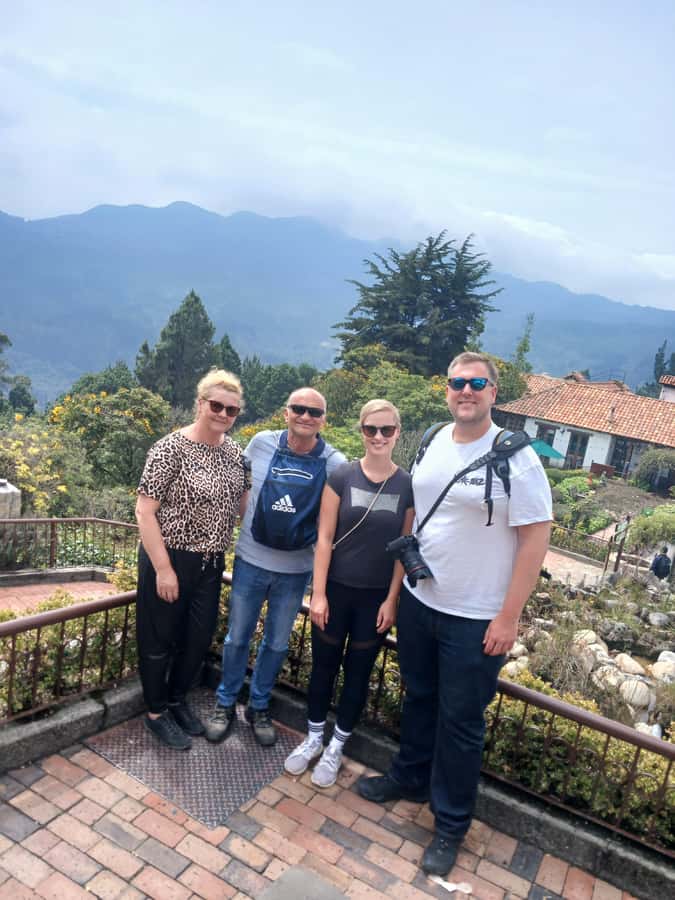
- Fruit and juice tastings at La Concordia Market Square with origin and nutrition context
- Final coffee by a professional barista at Varietale La Candelaria
- Plaza del Chorro de Quevedo start at the legendary spot where Bogotá began
- El Bogotazo focus at the place tied to Jorge Eliécer Gaitán’s assassination
- Big landmark lineup from Plaza de Bolívar to Teatro Colón area
- Health insurance included plus a guide in your language mix
Why this Free Walking Tour Bogotá package feels like a smart deal
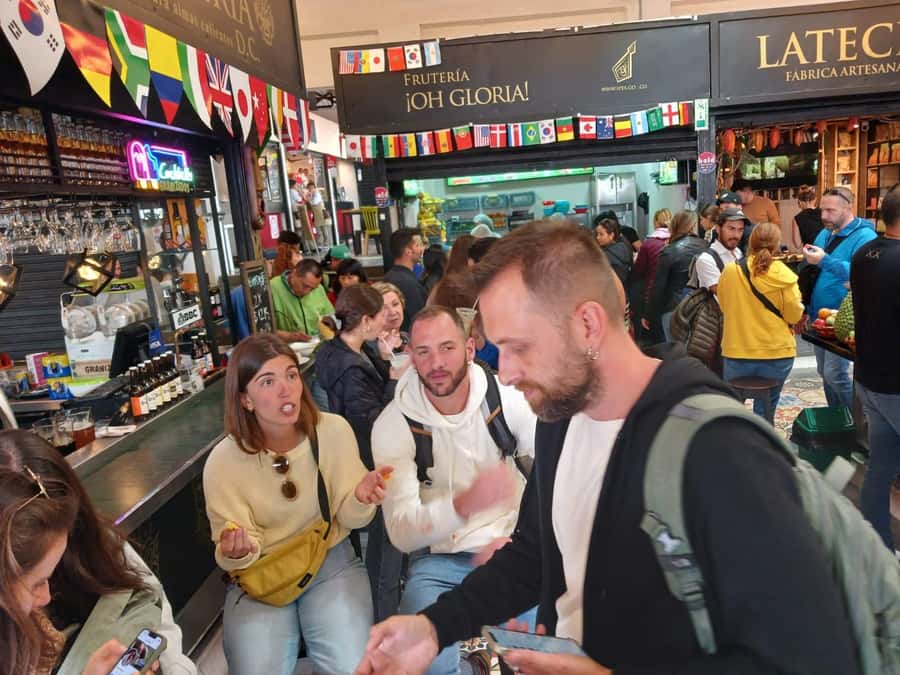
For $14 per person over about three hours, you’re paying for more than a route. You’re buying structure: a guide who links street scenes to real events, plus tastings that keep you fueled through the climb-and-walk rhythm of central Bogotá.
This kind of tour works best when you’re trying to get oriented fast. You’ll see the city’s layers in a tight loop: colonial streets and street art in La Candelaria, intellectual and political gathering points, and then the spaces tied to Colombia’s modern turning points. And because the tour includes fruit/juice tastings and a coffee tasting, you won’t feel like you’re just walking with empty hands and a sore neck.
The other practical win is insurance and safety basics being handled. Health insurance is included, and the meeting point is clear—Plaza del Chorro de Quevedo—and the guide team should be recognizable by a blue jacket and cap with the Colombia Tours And Trips logo.
You can also read our reviews of more walking tours in Bogota
Plaza del Chorro de Quevedo: the “where Bogotá began” start
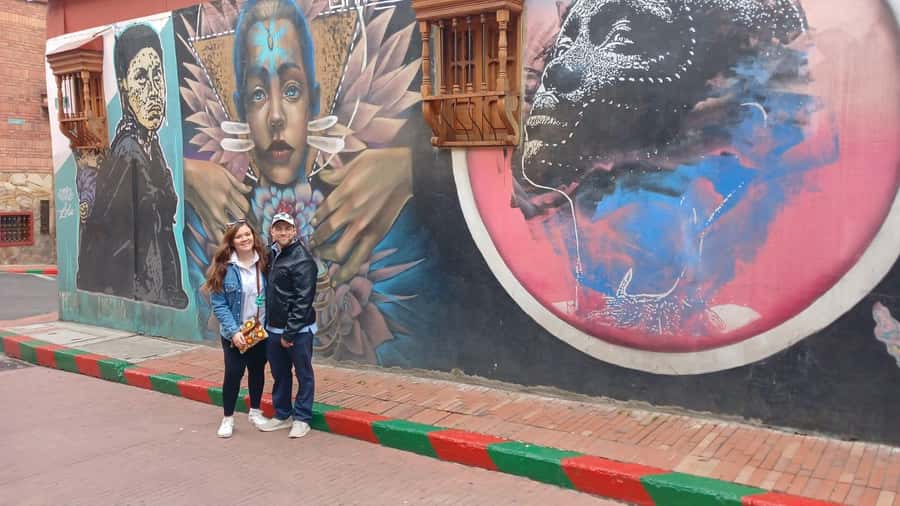
You begin at Plaza del Chorro de Quevedo, described as the place associated with Bogotá’s founding. That matters because it sets the tone: you’re not just sightseeing buildings, you’re learning how legends and identity stick to a neighborhood.
From here, the area around La Candelaria feels like a mix of old and lived-in. You’ll walk through streets known for urban art and colonial architecture, so you can start noticing how Bogotá’s creative side and its historical core sit next to each other.
Timewise, the tour starts with a short guided introduction (about 15 minutes). That’s a good length: long enough to get the story straight, not so long that you’re bored before you’ve even started.
La Concordia Market Square: fruit and juice as a lesson, not a snack
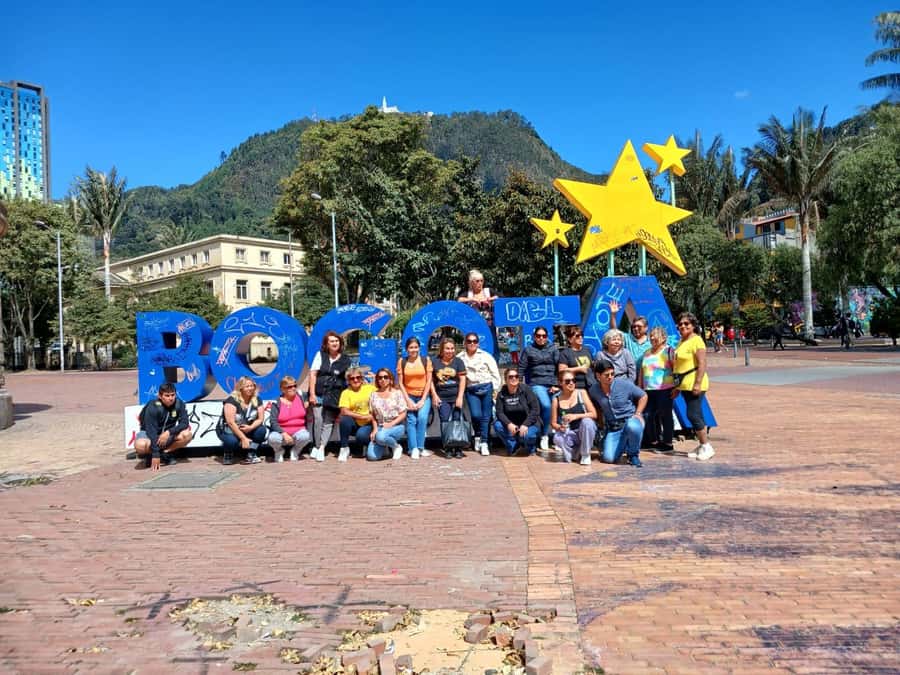
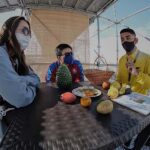
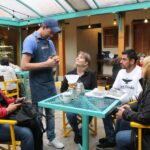
Stop two is La Concordia Market Square, where you’ll taste a variety of exotic Colombian fruits. It’s not presented as random grazing. You’re given context on where the fruits come from and why they matter in the country’s food culture, plus you’ll get juice along the way.
This is one of the most practical parts of the tour because it answers a traveler question you might not think to ask: what am I actually eating, and where does it fit? Even if you only recognize a couple of fruits by sight, you leave with a mental map of flavors.
A small consideration: market tastings can be messy and fast. If you’re the type who worries about clothing, dress simply and bring water. Also, if you have allergies, this is the part to be extra careful with fruit and juices, since the tour is designed around tasting.
La Candelaria cobblestones: colonial balconies, street art, and café stories
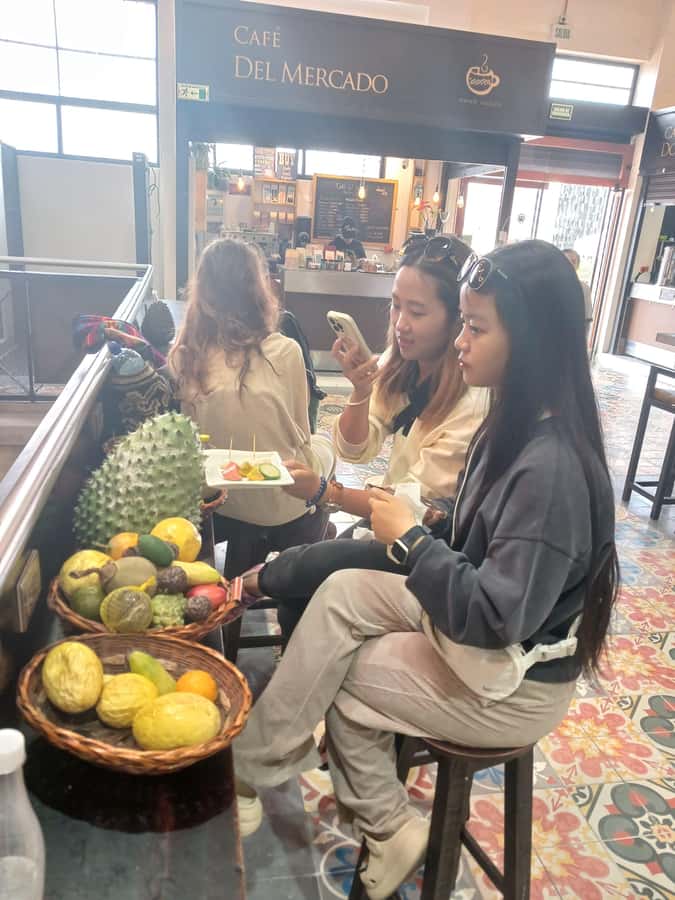
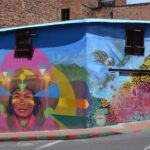
Then you shift into the heart of La Candelaria, walking cobblestone streets lined with colonial houses, wooden balconies, street art, and cafés. The tour time here is longer (around 80 minutes), which tells you the intention: this isn’t just a photo stop. You’re meant to absorb the neighborhood as a whole.
Expect the guide to connect small details to bigger themes—literary identity, creative culture, and the way neighborhoods develop a personality. There’s also a quick stop at Plazoleta del Rosario (around 10 minutes), which works as a palate reset before you head toward the political/intellectual landmarks.
If you’ve never walked La Candelaria before, this is the moment you’ll start understanding why so many first-time visitors feel pulled back here. You’ll notice the street art even if you weren’t looking for it, and you’ll clock how the cafés shape the pace of the area.
Parque de los Periodistas and Plaza Santander: where thinking meets power
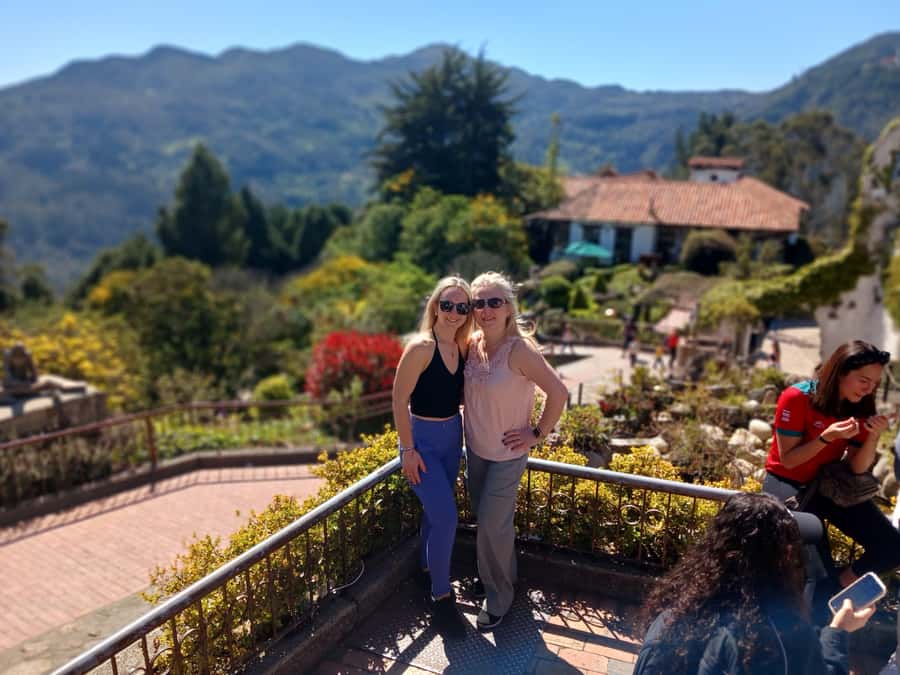
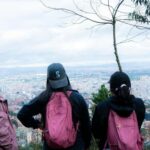
Next comes Parque de los Periodistas, a meeting point for critical thinking, with historic buildings nearby and a view toward the eastern hills. That hillside perspective matters because it gives you a sense of Bogotá’s scale—this city isn’t flat, and the geography shapes both mood and planning.
From there you go to Plaza Santander, in front of the Gold Museum and Banco de la República. This stop adds a different kind of context. You’re not only learning what happened, you’re learning how institutions influenced economic and cultural development.
The value here is balance. Many history tours focus on politics alone. This one nudges you to see how money, museums, and public institutions become part of national identity.
El Bogotazo: the spot tied to Jorge Eliécer Gaitán
One of the most serious stops is the place connected to the assassination of Jorge Eliécer Gaitán, tied to the event known as El Bogotazo. The tour explains how this moment triggered one of the most turbulent times in modern Colombian history.
It can be heavy, but it’s also important. If you want to understand Bogotá beyond the postcard, you need at least one grounding in what changed the country and why people still talk about those events. The guide’s job here is to connect the location to the story, and to keep it understandable without turning it into a lecture.
A travel tip: keep your questions ready during this section. Ask how the event affected daily life, or how the city remembers it. You’ll get more from this stop if you engage rather than trying to absorb everything silently.
Plaza de Bolívar: the political heart around major national buildings
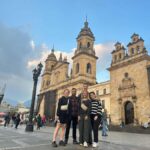
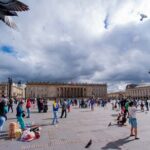
Then you arrive at Plaza de Bolívar, described as the political and symbolic center of Bogotá. You’re surrounded by the National Capitol, the Palace of Justice, the Primada Cathedral, and the Liévano Palace.
This is one of those spaces that makes sense even if you’re not fluent in the details. The buildings create a clear visual map of power: religion, justice, government, and the republic’s physical footprint all in one square.
The tour keeps this segment guided (about 15 minutes), which is about right. It gives you context, but you still have time to look around and let your brain connect the dots.
If you’re planning your day after the tour, Plaza de Bolívar is a good base area. You’ll likely recognize it easily later, which helps your navigation if you’re exploring the city on your own.
Teatro Colón and Palacio de San Carlos: architecture tied to modern turning points
The next phase moves toward the Teatro Colón area and nearby Palacio de San Carlos. This stop highlights both the architecture and what happened here in modern times.
At Teatro Colón, you’ll learn that the Peace Treaty was signed with the FARC guerrillas, marking a before-and-after on Colombia’s path toward reconciliation. You’re also told about Palacio de San Carlos as the country’s first presidential headquarters, with stories that show how executive power developed.
Important detail for planning: the entrance to Teatro Colón is not included. So you should think of this as a guided visit of the area and its context, not a full interior tour unless you buy tickets separately on your own.
Timing here is brief (around 10 minutes). That means the guide’s explanation is doing a lot of the work. If you care about architecture, hang on to the notes you take, because you may spot the design elements more clearly after the story sticks.
Varietale La Candelaria: the coffee finish that actually teaches something
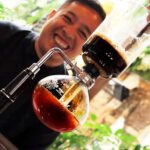
You close with a sensory experience: a cup of Colombian coffee prepared by a professional barista at Varietale La Candelaria. This last stop is about turning background into taste.
The tour explains the preparation process and what makes Colombian coffee unique, along with why coffee is so important to national culture and the economy. That final piece is more than a souvenir. It helps you connect what you’re drinking to why it’s grown, traded, and celebrated.
You’ll also have break time (about 25 minutes) that can include shopping along with coffee tasting. This is the moment to slow down, ask one last question, and decide whether you want to carry a bag of beans home or just keep the memory.
If you’re a coffee person, you’ll likely enjoy this more than the average walking-tour finale. If you’re not, the barista-style preparation and the explanation still make it feel like you learned something instead of just getting a free cup.
Who this tour suits best (and who might want a different day)
This free walking tour Bogotá is a great match if you want an efficient introduction to central Bogotá. It’s also ideal if you like history that touches real locations, not just a timeline read from a brochure.
It’s especially good for you if:
- You want food tastings included without needing a full meal reservation
- You enjoy walking neighborhoods like La Candelaria and learning what to look for
- You want a political story with a clear sense of place, including El Bogotazo
- You like ending with a practical skill or cultural explanation, like coffee prep
It might feel less ideal if:
- You hate walking on uneven cobblestones
- You expect lots of museum time (entry to Teatro Colón is not included)
- You have strict dietary needs, since the tour is structured around tasting fruit and juice
Price and logistics: what you should budget for
Let’s talk value like a realist. At $14 for roughly three hours, you’re paying for guide time, multiple guided stops, fruit and juice tastings, coffee tasting, and included health insurance. That’s a lot of “included” for a walking format.
What you should expect to pay extra for:
- Lunch (not included)
- Hotel pickup and return (not included)
- Entrance to Teatro Colón (not included)
The upside is you can plan the rest of your day around predictable walking time, and you can eat whenever it works for you. The tour’s meeting point is also fixed: Plaza del Chorro de Quevedo. Bring water, sunscreen, and comfortable shoes so you’re not guessing how to manage the afternoon.
One more practical note: there have been incidents where a guide didn’t show up on time. That doesn’t mean it will happen to you, but it’s smart to confirm arrangements the day before and keep your booking info handy so you can act fast if something feels off.
Should you book this Free Walking Tour Bogotá?
If your goal is to get oriented in Bogotá while learning how art, politics, and daily life connect, this is a solid choice. The combination of La Concordia fruit/juice tastings and a final barista-prepared Colombian coffee is the kind of payoff that makes a walking tour feel worth repeating.
I’d book it if you’re comfortable with a few hours on your feet and you want guided context at major landmarks like Plaza de Bolívar and the Teatro Colón area. I’d skip it if you want museum entry included, have mobility limits on cobblestones, or prefer a more relaxed pace.
FAQ
FAQ
Where does the tour start?
The meeting point is Plaza del Chorro de Quevedo. The guide team should be recognizable by a blue jacket and cap with the Colombia Tours And Trips logo.
How long is the tour?
The duration is about 3 hours.
What is the price?
The price is listed as $14 per person.
What tastings are included?
The tour includes fruit tastings and a coffee tasting. It also mentions fruit and juice tastings as highlights.
Is health insurance included?
Yes. Health insurance is included.
What language is the tour guide?
The live tour guide is listed as Spanish. A bilingual guide is also included.
Is lunch included?
No, lunch is not included.
Is there an entrance fee for Teatro Colón?
Entrance to Teatro Colón is not included. You’ll visit the area, but you may need separate entry for inside access.
What should I bring?
Bring comfortable shoes, sunscreen, and water.