REVIEW · LA PAZ
From La Paz: Day Trip to Chacaltaya and Moon Valley
Book on GetYourGuide →Operated by HanaqPacha Travel · Bookable on GetYourGuide
Two otherworldly stops near La Paz. This day trip links Moon Valley’s clay spires and canyons with the abandoned Chacaltaya ski area, so you get geology plus altitude views in one efficient outing. It’s only 8 hours, costs $40, and it’s designed for people who want dramatic scenery without spending the whole day planning.
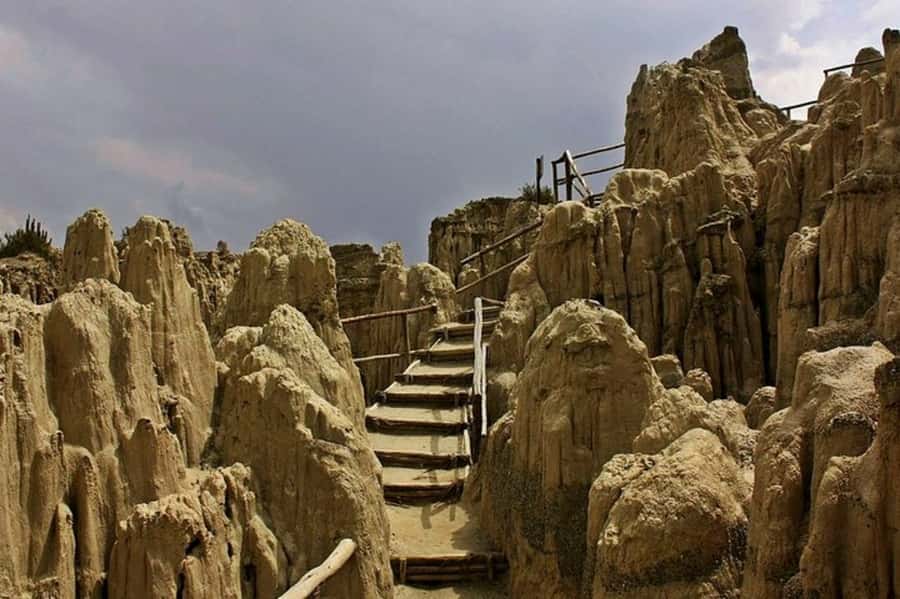
I especially like the Moon Valley setting: it’s just 10 kilometers from downtown La Paz, yet it feels like you’re in another world. The scenery comes from erosion carved over time by winds and rains—so the shapes aren’t random; they’re the story. You’ll walk through a maze of bizarre spires and canyons, largely made of clay and sandstone, and it’s genuinely easy to keep looking up.
My favorite part, though, is the payoff at Chacaltaya: the views from above 5,000 meters, plus the walk from the abandoned ski area toward the top. One drawback to keep in mind is the altitude and exposure—strong wind is common, the ride can feel rough, and the experience isn’t a good match if you’re sensitive to heights or have mobility limits.
In This Review
- Key highlights I’d plan around
- Leaving La Paz: how the 8 hours really work
- Moon Valley’s spires: what to look for beyond the photos
- Chacaltaya ski resort ruins: the glacier that changed the story
- The walk toward the top: altitude, wind, and pacing yourself
- Getting the most from the bilingual guide
- Price and value: is $40 a smart deal?
- Who should book this day trip—and who should skip it
- Should you book the Moon Valley and Chacaltaya day trip?
- FAQ
- FAQ
- How long is the day trip from La Paz?
- How much does the tour cost?
- What’s included in the price?
- What is not included?
- Will I be picked up from my hotel?
- What languages is the guide available in?
- Do I need warm clothing?
- Is the tour suitable for everyone?
Key highlights I’d plan around
- Moon Valley is only 10 km from La Paz, so the trip feels fast and convenient, not like a full expedition.
- Clay-and-sandstone spires show how wind and rain sculpted the terrain into a canyon maze.
- Chacaltaya glacier views above 5,000 m turn the hike into the kind of memory you can’t fake.
- Bilingual guiding (English/Spanish) is included, and the best moments come when you ask questions on the spot.
- Wind and cold are real at altitude, so a proper jacket isn’t optional.
Leaving La Paz: how the 8 hours really work
This is a straightforward day trip built around one goal: get you out of La Paz, into high scenery, and back again without wasting time. You start with a hotel pickup in the downtown area (plus a noted option for the Ritz Apart Hotel). If you’re outside that pickup zone, you’ll need to coordinate a closer meeting point after booking.
The overall duration is about 8 hours, which is long enough to enjoy two very different areas but short enough that you don’t feel stranded. That matters at high altitude, where even simple activities can feel harder than you expected. You’ll also have a set end point: drop-off at the Church of San Francisco in La Paz.
Even if you like to travel at a relaxed pace, treat this like a “go-with-the-flow” day. The places aren’t difficult in a technical sense, but they’re in exposed terrain and at altitude. You’ll do better if you dress for wind and move steadily rather than stopping every ten steps for a dramatic pose.
You can also read our reviews of more tours and experiences in La Paz

Moon Valley’s spires: what to look for beyond the photos
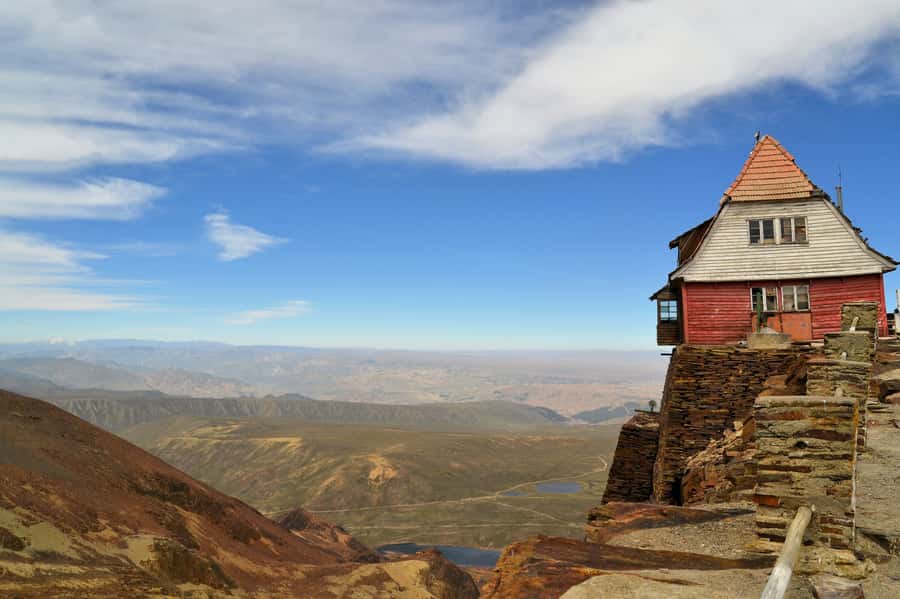
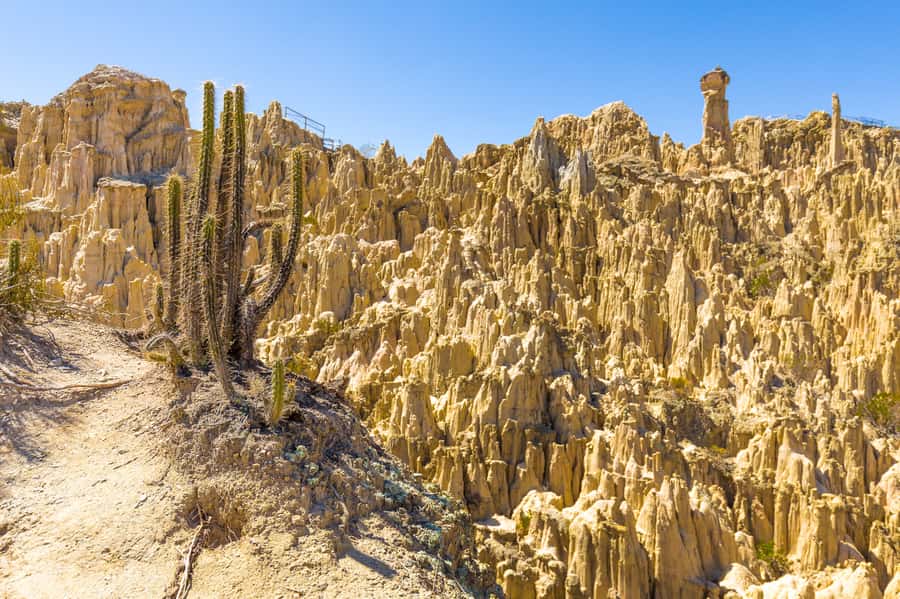
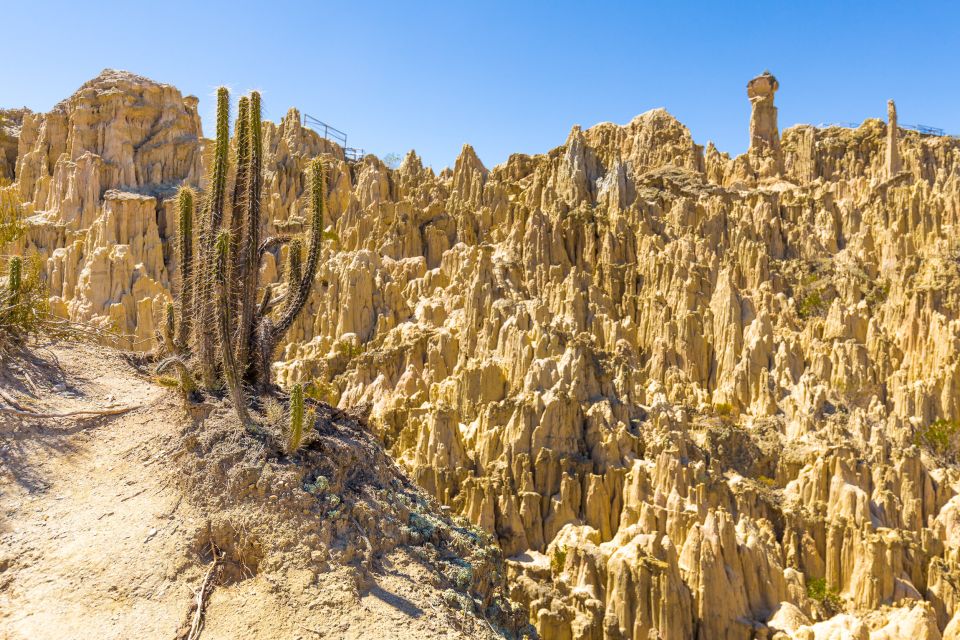
Valle de la Luna is often called a valley, but it’s really more of a maze of canyons and giant spires. When you arrive, don’t rush into “this looks like Mars” mode. Instead, spend a few minutes noticing how the formations change from one angle to the next. Some areas look smooth and rounded; others have sharper edges and layered textures.
This terrain is largely clay and sandstone, shaped over time by erosion from strong winds and rains. That means you’re not just seeing pretty shapes—you’re seeing weather doing the carving. The winds here matter, and you’ll feel why once you’re standing in the open.
A good way to enjoy Moon Valley is to break it into mental zones:
- Wide views: stand back for a moment and trace the canyon lines with your eyes.
- Up-close textures: look for cracked or stratified surfaces, where the colors and layers shift.
- Spire silhouettes: these are often the most dramatic from slightly lower angles, where you can see the full height and slope.
One more thing: Moon Valley is scenic and calm, but it’s still outdoors. Bring wind protection seriously. Even if the day starts mild in La Paz, the open terrain and sun-wind mix can change quickly once you’re out in the exposed stretches.
Chacaltaya ski resort ruins: the glacier that changed the story
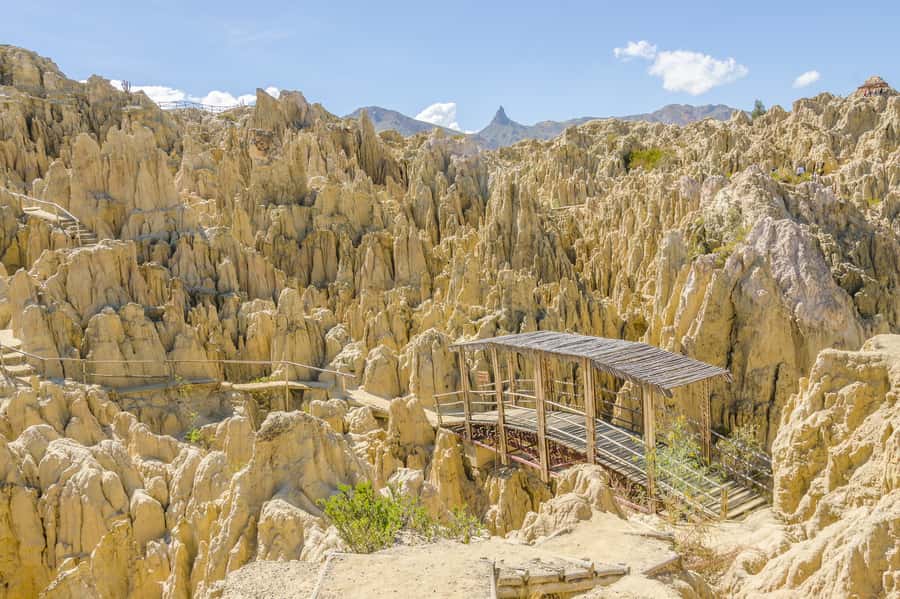
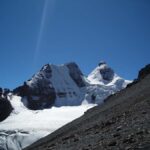
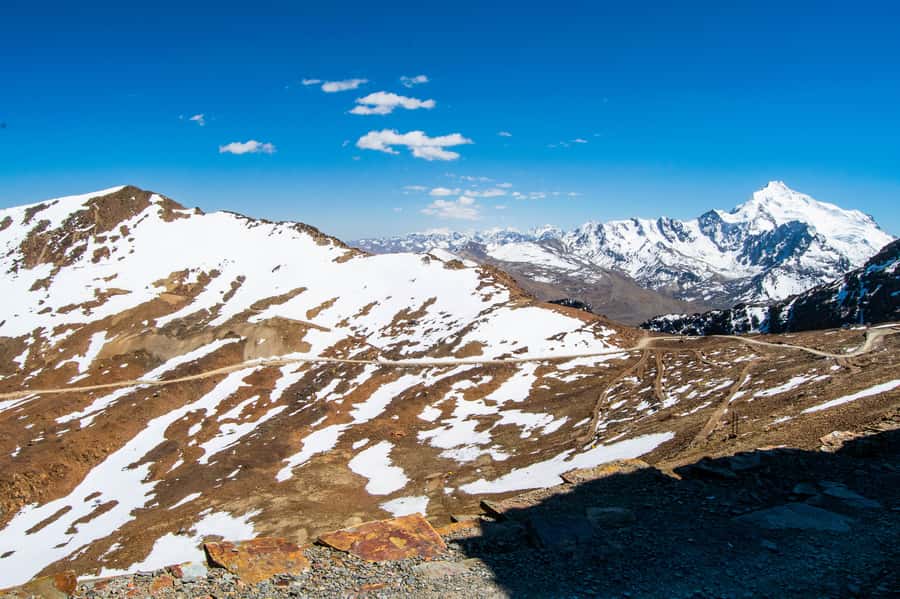
Chacaltaya is where the trip shifts from surreal geology to a very human story told through climate. The glacier here once supported Bolivia’s only ski resort. Over the last decade, it melted completely, and what’s left is the abandoned infrastructure plus the landscape that still draws your eye up the mountain.
This area also carries a quirky bit of global trivia: it was once the former world’s highest lift-served ski zone, and also the northernmost in South America. It’s also described as the world’s second most equatorial ski setting after Maoke, Indonesia. Even if you’re not a ski person, that kind of super-specific geography makes the whole place feel stranger—and more real—at the same time.
When you reach Chacaltaya, your job is simple: admire the views, then focus on the walk and the air. The experience is short, but altitude makes it noticeable. That’s why the Chacaltaya portion is the payoff for many people on this trip: it turns into a “we went up there” moment you can’t get from staying in town.
The walk toward the top: altitude, wind, and pacing yourself
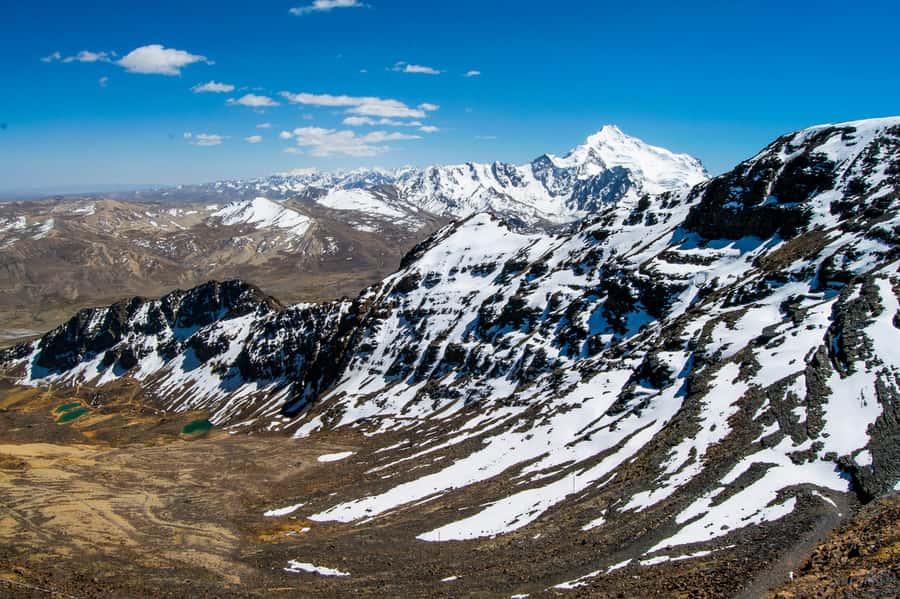
You’ll walk from the abandoned ski resort area toward the top of the mountain for views at over 5,000 meters. In at least some cases, the route reaches around 5,300 meters, and that’s the sort of detail that explains why the day can feel intense even when the hike itself isn’t long.
Two things can make the Chacaltaya walk feel challenging:
- Altitude: even fit travelers can feel winded faster than normal.
- Exposure and wind: the mountain gets gusty, and you’ll feel it on open sections.
So the best strategy is boring—in the best way. Move steadily. Take short breaths through your nose when possible. Don’t sprint to “win” the hike. If your group slows down for photos, let it. It’s better to enjoy the views than to treat this as a test.
Bring a windbreaker and a proper jacket, and use them immediately if the wind picks up. You might start feeling okay, then feel noticeably colder once you’re at higher elevation. This is also one reason I’d take the weather seriously even on a clear day: cold and gusts can sneak up.
If you have vertigo, this isn’t a great fit. The combination of exposure, height, and uneven surfaces can be a problem. And if mobility is an issue, the day isn’t designed for wheelchair users or people with mobility impairments.
Getting the most from the bilingual guide
A live guide is included, and the tour is set up for English and Spanish. That’s a real plus because you’ll understand what you’re seeing instead of just collecting pictures.
One guide name that comes up positively is Guillermo—with praise for being an excellent guide and making the hike feel smooth and worthwhile. The more general advice is simple: ask questions when you’re standing somewhere that matters. If you’re curious about how wind and rain sculpted Moon Valley, ask right at the formations. If you’re interested in why Chacaltaya mattered, ask near the ruins where the story is visible.
Now, a practical caution. Even when bilingual guiding is promised, it’s smart to clarify your language preference at the start of the day. I’d tell your guide directly that you’d like explanations in English (or Spanish) so there’s no guessing later. Also, keep an eye on how the group moves—if you notice the pace turning into a rush, speak up and stay with the group you were assigned to. This day is about altitude and safety first, photos second.

Price and value: is $40 a smart deal?
At $40 per person for an 8-hour guided day with hotel pickup (downtown only), entry fees included, and a set drop-off at San Francisco Church, this is priced like a practical add-on day from La Paz. It’s not a luxury private tour price, but it also doesn’t feel like a “cheap and cheerful” gamble if you’re okay with group pacing and outdoor cold.
Where the value comes from:
- Guided access and entry fees are included, so you’re not trying to figure out costs and timings on your own.
- Two major destinations in one day means less logistics work.
- Bilingual guide increases your understanding, especially at Moon Valley where the formations are the main event.
What lowers the value a bit (or at least raises your responsibility):
- Food and drinks aren’t included, so you need to plan snacks and water.
- You’ll need a jacket and wind protection, which you might not pack if you’re only thinking about La Paz city weather.
- The Chacaltaya ride and mountain setting can feel exposed. If you’re worried about discomfort, bring the right gear.
Also, with a rating of 4.4 out of 5 across 65 bookings, the overall signal is strong: most people leave satisfied, with the biggest differences usually coming down to pacing, conditions, and comfort with altitude.
Who should book this day trip—and who should skip it
This trip fits best if you want:
- Big scenery in a short time
- A guided day that explains what you’re seeing
- A memorable high-altitude viewpoint without doing multi-day hiking planning
You might especially enjoy it if you like geology, odd landforms, and places with visible history, even if that history is about how nature (and climate) changes over time.
Skip (or choose carefully) if:
- You have mobility impairments or use a wheelchair
- You have vertigo
- You’re very sensitive to altitude or you don’t handle wind/cold well
And if you’re somewhere in the middle—like you’re okay with altitude but need comfort—do yourself a favor: dress warm, pace yourself, and don’t try to “power through” the highest sections.
Should you book the Moon Valley and Chacaltaya day trip?
I’d book this if you’re in La Paz and you want two standout worlds in one day: Moon Valley’s carved spires and Chacaltaya’s high, glacier-era viewpoint. The walk at Chacaltaya is usually where people feel the most wow, and the views from above 5,000 meters are the kind of reward that makes the morning feel worth it.
I’d think twice if you’re easily uncomfortable at altitude or you don’t do well in windy, exposed settings. The scenery is spectacular, but the conditions can be sharp. If you go, go prepared: jacket, windbreaker, and a calm pace.
If you’re wondering whether it’s worth it at $40, I think it is—especially because you get guided time plus entry fees, and the day is structured so you don’t spend your precious La Paz hours figuring out transport.
FAQ
FAQ
How long is the day trip from La Paz?
The tour lasts about 8 hours.
How much does the tour cost?
The price is $40 per person.
What’s included in the price?
It includes a bilingual guide (English and Spanish), hotel pickup in La Paz city center (downtown area only), drop-off at the Church of San Francisco, and entry fees.
What is not included?
Food and drinks are not included, and hotel drop-off is not included beyond the listed drop-off location.
Will I be picked up from my hotel?
Pickup is included for hotels in La Paz’s downtown area, and there is also a noted pickup option for the Ritz Apart Hotel. If your accommodation is outside the pickup area, you’ll need to contact the partner after booking to arrange a closest meeting point.
What languages is the guide available in?
The live tour guide provides English and Spanish.
Do I need warm clothing?
Yes. You should bring a windbreaker and a jacket, because the tour reaches high altitude and conditions can be windy.
Is the tour suitable for everyone?
No. It is not suitable for people with mobility impairments, wheelchair users, or people with vertigo. The tour also takes you to high altitudes.