REVIEW · CUSCO
Cusco: Alpaca and Llama Farm Tour w/ Transfer & Weaving Demo
Book on GetYourGuide →Operated by Andina Expeditions · Bookable on GetYourGuide
Alpacas and Inca stories in one tidy hour. This Cusco farm tour is a quick escape from the city rush, where you meet different camelids and learn how they became central to daily life in the Andes. Guides like Marileth and Holger make the lesson feel practical, not like a lecture.
I especially like the close animal time—looking, photographing, and getting explanations for how alpacas and llamas differ. I also really enjoyed the weaving demo, because you don’t just watch; you learn what the fibers mean and how the process works.
One thing to consider: the end of the visit has a retail stop, and some people feel the shopping prices are steep. If you’re sensitive to sales pressure, plan to browse fast, buy only if you truly want it, and then leave.
In This Review
- Key highlights to look for
- A short Cusco ride to a calmer, higher farm setting
- Alpacas, llamas, vicuñas, and huanacos: the animal lineup is the point
- Why domestication and Inca-era camelids still matter
- The weaving demo: what you watch, and what it changes about how you shop
- The pace: enough time for photos, plus a visit that works early in your trip
- Bonus farm features: rescued animals and a museum-style stop
- Price and value: why $34 can feel fair in Cusco
- Shopping at the end: how to avoid the price shock
- Who should book this alpaca and llama farm tour?
- Should you book it?
- FAQ
- How long is the Cusco alpaca and llama farm tour?
- What’s included in the price?
- What animals will I see?
- Is the tour guided and in English?
- Do I need to bring water?
- Is pickup and drop-off available?
- Is there a way to avoid long lines?
- Is the tour wheelchair accessible?
- What cancellation options do I have?
- Can I reserve without paying right away?
Key highlights to look for
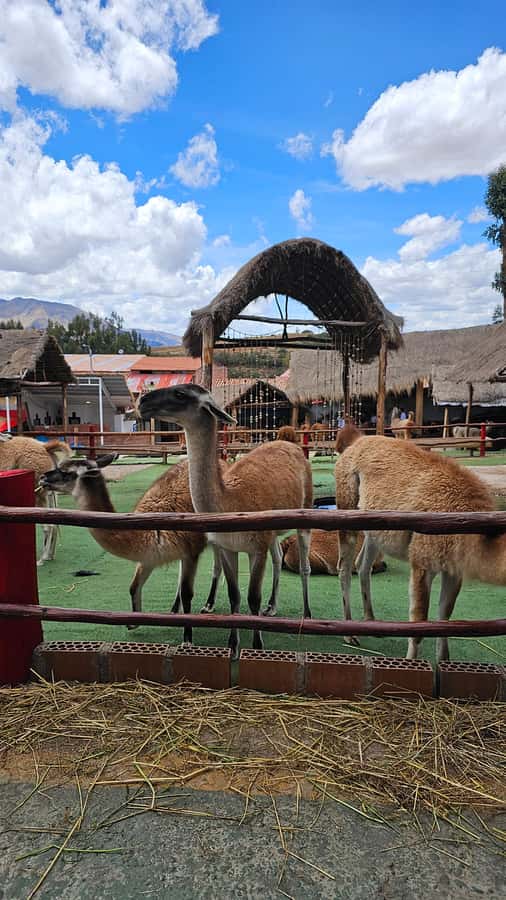
- Real camelid variety on one visit: alpacas, llamas, plus vicuñas and huanacos
- Guides who answer questions in plain language (names you may hear: Marlith, Olga, Holger, Marileth)
- Hands-on weaving process viewing tied to how textiles get made locally
- Close-up photo time with animals in a farm setting just outside Cusco
- Extra farm features like rescued animals and a small museum-style add-on
- Good value at $34, but expect shopping at the end
A short Cusco ride to a calmer, higher farm setting
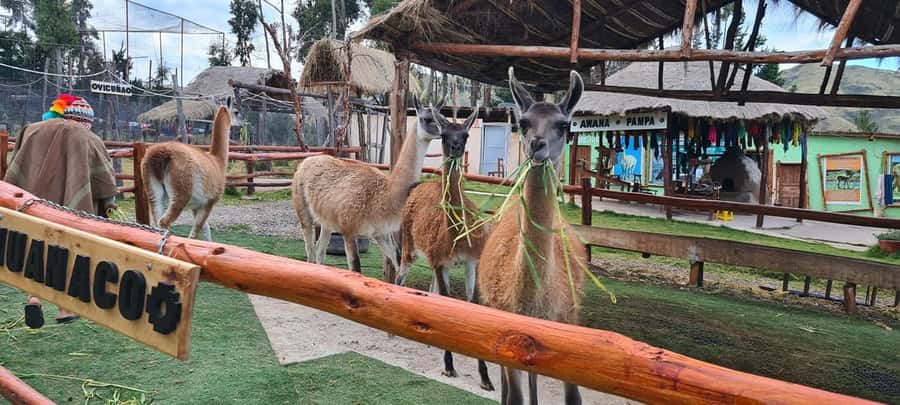
Cusco is busy. This tour gives you a break without eating your whole day. The pickup is from your hotel, and you head to the farm area that’s about 20 minutes from the historic center, then you’ll drive and rise a bit as the surroundings open up. That transition alone helps if you’re adjusting to the altitude or you want something lighter than a full-day excursion.
The schedule is also refreshingly straightforward. You get picked up, you spend the main time with the guide at the farm experience site (there’s a focused guided segment of about 80 minutes), and then you’re back in Cusco for drop-off. At 150 minutes total, you can do this early in your trip for a gentle first taste of rural life around Cusco.
The tour runs in English and Spanish, and a live guide is part of the package. You also get water, which is a small detail that matters in the Andes, especially when you’re walking around and standing for explanations.
You can also read our reviews of more tours and experiences in Cusco.
Alpacas, llamas, vicuñas, and huanacos: the animal lineup is the point
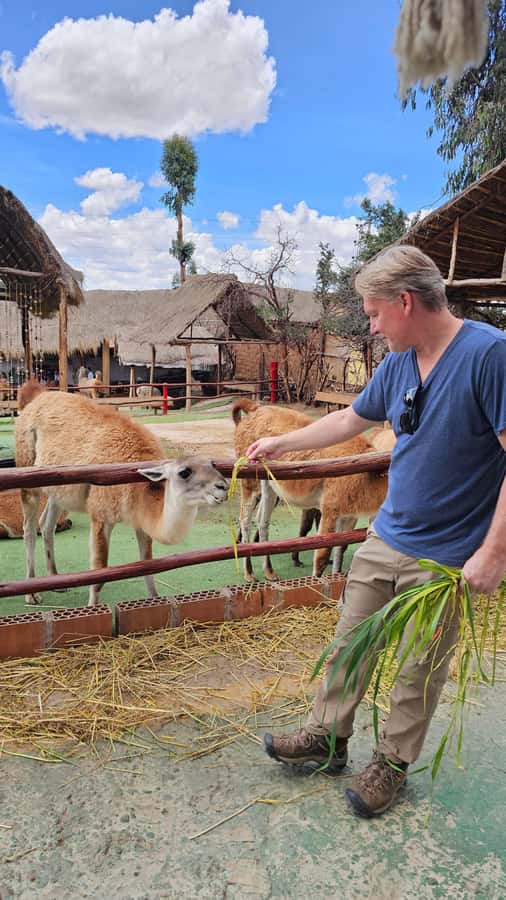
The core of this experience is learning camelids the way locals do—by seeing the differences up close. You start with the animals right away, which makes the explanations stick. Instead of memorizing names from a sign, you can connect each species to the traits your guide points out.
Here’s what you should expect to see:
- Alpacas and llamas in more than one type (the tour focuses on two varieties of alpacas and llamas)
- Their ancestors in the wider camelid family: huanacos and vicuñas
- Vicuñas, called the gold of the Andes, which gives you a sense of why some camelids are treated differently in traditional economies
In practice, the best part is the time with the animals and the photos you can take while you’re learning. Multiple guides are described as patient and helpful with photos, and that’s not a throwaway detail—Cusco makes it easy to miss small moments if you’re rushed. This tour is set up so you’re close enough to notice differences in body shapes and wool, then you hear how those differences connect to breeding and fiber.
Interaction levels can vary a bit by moment and animal readiness. Some guides lead hand-feeding or petting when it’s appropriate, and reviews mention that kind of close contact. Even if you keep your hands to yourself, the point remains: you’ll see more than one camelid species in one place, with context from a guide.
Why domestication and Inca-era camelids still matter
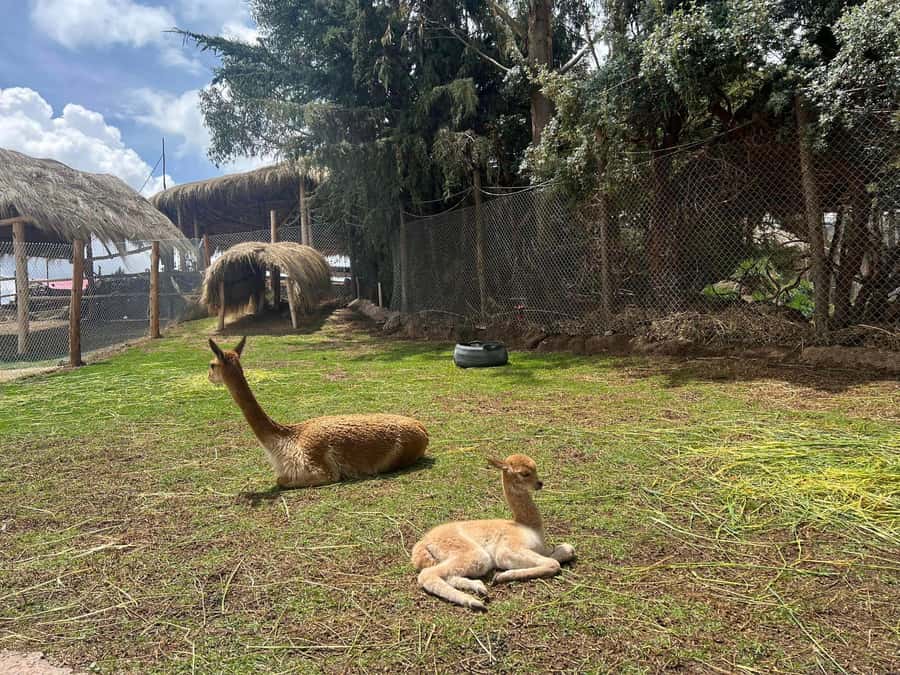
This isn’t only a cute animal stop. A good chunk of your time is spent on the story of how camelids were domesticated and how the Incas developed specific roles for them. The tour explains domestication in accessible terms, which makes the whole alpaca economy feel less like a souvenir business and more like a working system.
You’ll hear how the Incas used camelids and why their fibers and animals fit the high-altitude environment. Even if you don’t remember every detail, you’ll come away with a clearer sense of what makes alpaca and llama wool valuable beyond softness. The guide connects the species to wool production, and that’s what helps you understand the textiles you see later.
Another subtle win: learning the history while you’re physically near the animals. It’s easier to connect ideas like breeding, wool, and purpose when you’re looking at the living source. That’s especially true here because you’re not stuck with only alpacas and llamas. You also hear about vicuñas and huanacos, which broadens the story.
The weaving demo: what you watch, and what it changes about how you shop
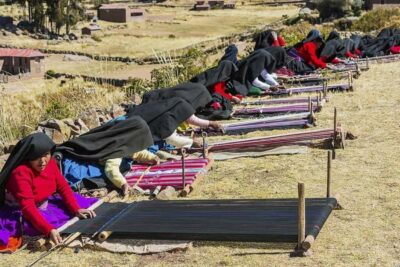
If you’ve ever bought a scarf in Peru and wondered why the price range is so wild, the weaving demo helps. You watch traditional weaving techniques and learn about the skills used to produce textiles. This matters because textile craft isn’t just decoration—it’s knowledge carried through hands and tools.
The best weaving moments come when the guide explains what you’re looking at: the fiber basics, how wool types relate to finished garments, and why certain fabrics are more desirable. Reviews also mention practical tips, like how to tell real baby alpaca fabric from fakes. That kind of info turns the demo into money-saving knowledge, even if you don’t buy anything.
Some tours also reference dyeing as part of the process. If dyeing is included during your visit, it’s a useful detail because it shows how color happens without modern shortcuts. You also get a sense of what makes certain textiles feel different when you see and touch the materials afterward.
One note to keep expectations realistic: the demo is a demonstration you watch, not a workshop where you make your own product. You’re there to learn the system, then you can ask questions. If you love crafts but you prefer hands-on creation, you might want to balance this with another DIY-type activity in Cusco.
The pace: enough time for photos, plus a visit that works early in your trip
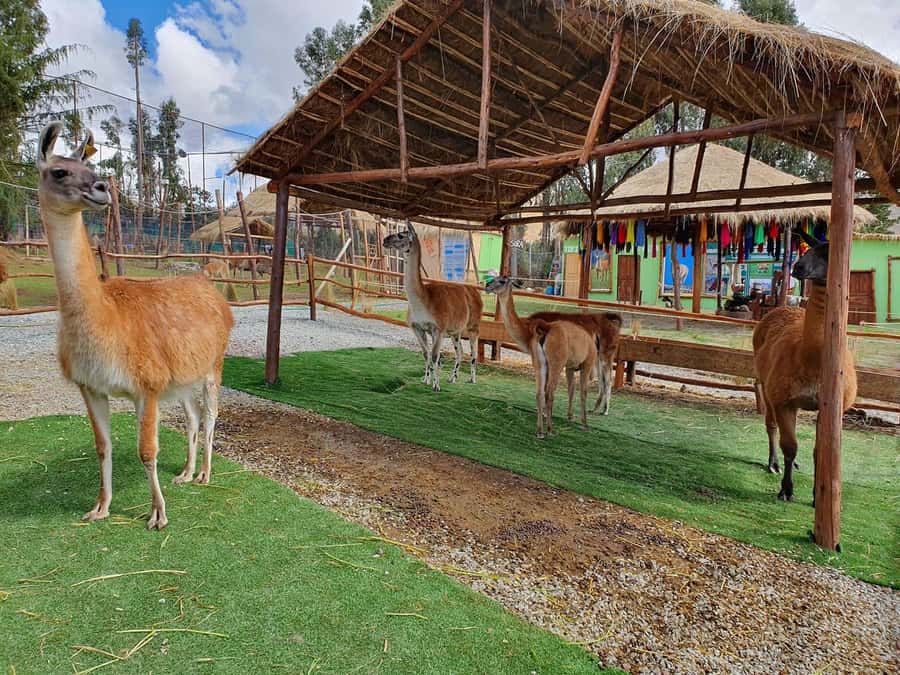
This tour is designed to be short and manageable, and that’s a big deal in Cusco. At altitude, long days can wear you out fast. A 150-minute visit with hotel pickup and drop-off lets you get out of town and back without turning the whole day into a stamina test.
You also get a practical photo rhythm. Reviews repeatedly praise guides for helping with photography and slowing down just enough for questions. That means you can focus on getting good shots of animals and then shift attention to the weaving process without feeling like a race is happening.
There’s still a chance the tour can feel slightly rushed at certain moments. One review said the tour felt shorter than expected and that time with animals could feel compressed. So if you’re the type who wants to linger—especially for animal photography—go into it with an easy mindset. You’ll do best if you treat it like a guided overview with great access, not like a long safari-style farm stay.
You can also read our reviews of more tours and experiences in Cusco
Bonus farm features: rescued animals and a museum-style stop
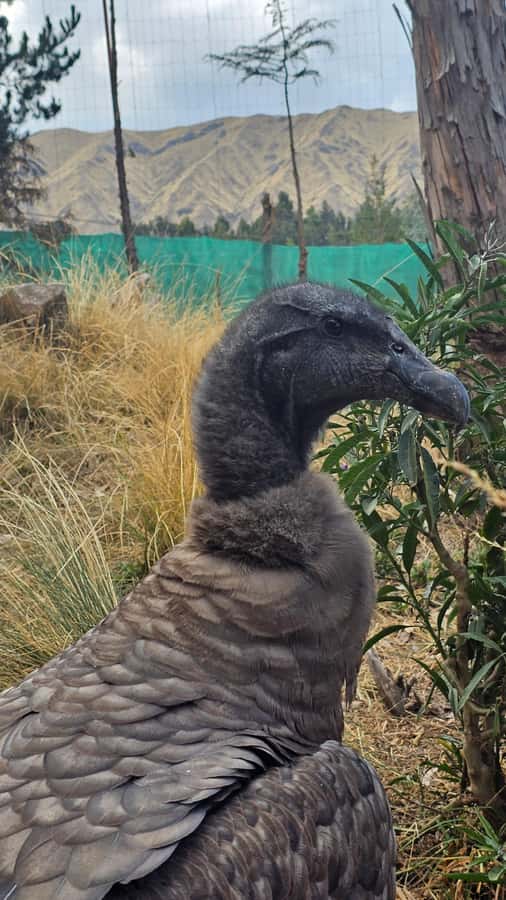
Another reason the tour earns strong marks is what’s included beyond the main camelid segment. Reviews mention a bonus museum-style add-on and the chance to see rescued animals like condors, plus other animals such as deer and guinea pigs. That extra stop changes the feel of the visit. You leave with more than photos of fluffy alpacas.
The conservation angle shows up here too. Some reviewers explicitly highlight the animals as rescues, which can shift how you experience the farm. Instead of only thinking about wool production and sales, you also see the care side of the operation—why these animals are there, and how the farm supports their well-being.
If you care about wildlife rescue efforts in Peru, this add-on is worth the attention. Even if you’re mostly there for alpacas and llamas, the extra animal encounters make the visit feel more complete.
Price and value: why $34 can feel fair in Cusco
At about $34 per person for roughly 150 minutes, this is priced like a solid budget day. The value comes from three things that add up fast in Cusco: hotel pickup and drop-off, a live guide, and a structured farm visit that includes both camelid time and a weaving demo.
If you compare it to piecing together transport plus a guided activity separately, this tends to come out reasonable. You also get water included, which is a small but useful cost saver. Add the fact that you skip the line through a separate entrance, and the experience is set up to start smoothly.
Is it perfect value? Not always. The tour ends with shopping, and some reviews call out that items can be overpriced compared with other stores. That doesn’t mean you should avoid the shop. It means you should go in with control: browse quickly, check prices if you can, and don’t feel pressured to buy on the spot.
Shopping at the end: how to avoid the price shock
Let’s be honest: many farm tours in Peru turn into a retail stop. Here, there’s a sizable shop area after the main experience. Reviews are mixed on the vibe. One person felt stalked around the retail area, while others said there was no pressure to buy.
My practical advice is simple:
- Browse first without committing.
- If you see baby alpaca items, ask about material quality and how to spot real fiber (your guide may already have shared clues).
- If a price feels out of line with what you want to pay, walk away. You can always find similar items elsewhere.
If you’re buying as a gift, set a budget before you enter the shop. It keeps the visit fun instead of stressful.
Who should book this alpaca and llama farm tour?
This is a great fit if you want:
- A calm half-day activity that still feels educational
- Up-close camelid viewing without planning complexity
- A weaving explanation that helps you understand what you’re buying
It’s also a smart first excursion if you’re still getting comfortable with Cusco altitude. The pacing is manageable, and the story elements help break up the walking and standing.
You might want to skip or pair differently if:
- You strongly prefer hands-on craft making (this is watch-and-learn)
- You dislike shopping stops or fear sales pressure
- You’re looking for a long, deep rural exploration with lots of free time
Overall, I’d treat this as an easy, high-reward introduction to one of Peru’s most important textile traditions—paired with a rare chance to see multiple camelid types together.
Should you book it?
Yes, if you want a short Cusco escape with close animal time plus a weaving demo that gives you context for how alpaca and llama textiles are made and valued. The strongest reason to book is the guide factor—named guides like Marlith, Olga, Holger, and Marileth show up in reviews as clear explainers who help with questions and photos.
Book with a realistic mindset about the end shop. If you’re careful and budget-minded, the shopping part doesn’t have to ruin your experience. And if you’re on your first or second day in Cusco, this tour is a practical way to learn without overdoing your legs.
FAQ
How long is the Cusco alpaca and llama farm tour?
The tour duration is 150 minutes.
What’s included in the price?
It includes hotel pickup and drop-off, a guide, the farm visit, a weaving demonstration, and water.
What animals will I see?
You’ll see alpacas and llamas, as well as vicuñas (described as the gold of the Andes) and huanacos.
Is the tour guided and in English?
Yes. The tour has a live guide in English and Spanish.
Do I need to bring water?
Water is included.
Is pickup and drop-off available?
Yes. The tour includes hotel pickup and drop-off in Cusco.
Is there a way to avoid long lines?
Yes. It includes skip-the-line entry through a separate entrance.
Is the tour wheelchair accessible?
Yes, the activity is wheelchair accessible.
What cancellation options do I have?
Free cancellation is available up to 24 hours in advance for a full refund.
Can I reserve without paying right away?
Yes. The tour offers a reserve now & pay later option.