REVIEW · PARACAS
Ballestas Islands and Huacachina Oasis Half-Day Tour
Book on GetYourGuide →Operated by JD ADVENTURE TRAVEL · Bookable on GetYourGuide
Morning views from Paracas feel like a movie set. This half-day style outing strings together Ballestas Islands wildlife, the big hillside drawing of El Candelabro, and then the sand-and-palm drama of Huacachina. I particularly like how the route mixes ocean spectacle with a real stop for Pisco tastings in Ica, and then finishes with dune time and a dune buggy ride. The main drawback to consider is that the trip can run longer than the stated 5 hours, depending on timing and sea conditions.
There’s a lot of variety for one day: speedboat motion, cave exploring on the islands, and then a quieter, scenic change of pace at the oasis. The included guide also matters here because you’re seeing a lot of scenery fast, and you’ll want someone to connect what you’re looking at—like the marine life around the islands and the production story behind Pisco.
In This Review
- Key Points You’ll Care About
- Speedboat to Ballestas: Paracas Starts the Day Loud
- El Candelabro on the Hillside: A Strange Shape Worth Slowing Down For
- Up to Three Islands and Caves: How Ballestas Wildlife Actually Shows Up
- Ica After the Ocean: Vineyard Wine, Pisco Stories, and City Stops
- Vineyard and Pisco: Not Just a Sip, It’s the Setup for Understanding Peru
- Cathedral, Main Square, Museum: What You’re Really Looking At
- Huacachina Oasis: Palms, Sand Dunes, and the Dune Buggy Factor
- Timing and Comfort: Why Half-Day Can Feel Like a Full Day
- Price and Value: Is $118 a Fair Trade for All This?
- What’s Included (and What You’ll Need to Add On)
- Who Should Book This (and Who Should Skip It)
- Should You Book Ballestas Islands and Huacachina?
- FAQ
- How long is the Ballestas and Huacachina tour?
- Where does pickup happen?
- What’s included in the price?
- Are entrance fees included?
- Do I need to bring sunglasses or sunscreen?
- Will I get to taste Pisco?
- Is this tour suitable for kids?
- Is the tour wheelchair accessible?
Key Points You’ll Care About
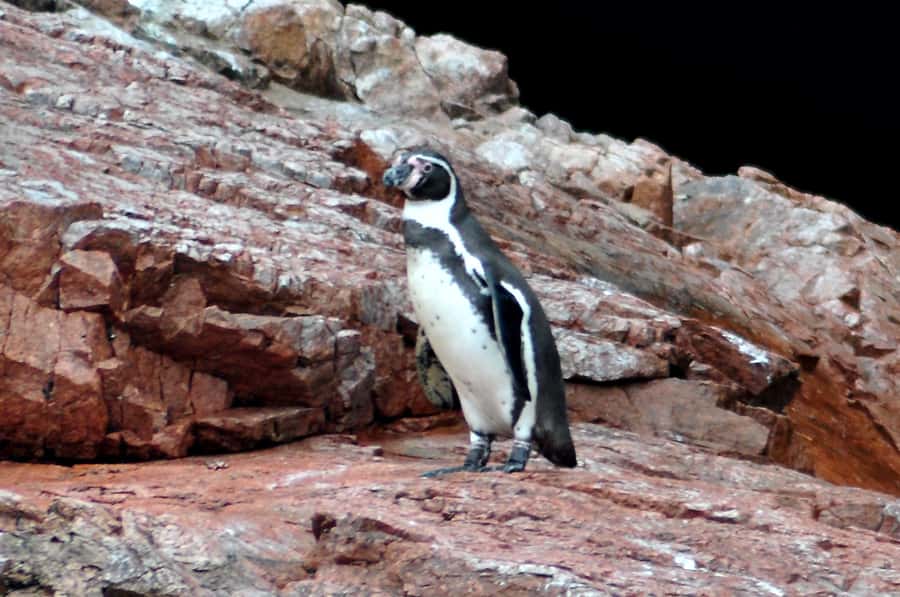
- Ballestas Islands wildlife viewing with up to three islands, depending on sea conditions
- El Candelabro stop at Paracas Peninsula on the way out
- Pisco and wine tasting in Ica plus an explanation of production
- Huacachina Oasis dunes + dune buggy for the classic desert photo ops
- Entrance fees are extra (20 Soles, cash at the gate)
Speedboat to Ballestas: Paracas Starts the Day Loud
If your idea of a Peru day involves motion, ocean air, and dramatic scenery, this tour fits. You begin with pickup in Paracas or Piso, then head toward the Paracas harbor. From there, it’s straight onto a speedboat—fast, wet (sometimes), and loud enough that you’ll appreciate the guide’s briefing once you’re settled.
What I like about this opening is how it changes your perspective quickly. You’re not just “going to see islands.” You’re riding out from a working coastal area, where the sea is always the main character. That matters for the wildlife viewing later, because the islands are close enough that the boat ride feels immediate and real, not like a distant sightseeing detour.
Practical note: wear comfortable shoes. Not because you’ll do hiking for hours—because you may be stepping around docks, boarding zones, and uneven areas during the stops.
You can also read our reviews of more tours and experiences in Paracas.



El Candelabro on the Hillside: A Strange Shape Worth Slowing Down For

Before you reach the Ballestas Islands, the tour pauses at the Paracas Peninsula to show you the hillside geoglyph called El Candelabro. It’s one of those places that feels intentionally mysterious: you’re staring at a huge figure cut into a landscape, and the scale makes you stop and re-check what you’re seeing.
I love this stop because it’s the right kind of weird. It gives you a visual anchor before you plunge back into the speedboat routine. And it also helps you understand the region’s mix of nature and human mark-making—coast, desert hills, and that single bold design pulling the eye across the horizon.
One consideration: this is a short viewing moment, not a long wandering session. If you’re the type who likes lots of time for photos without a schedule, keep your expectations realistic and plan to grab your shots quickly.
Up to Three Islands and Caves: How Ballestas Wildlife Actually Shows Up
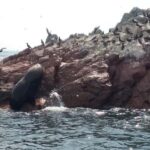
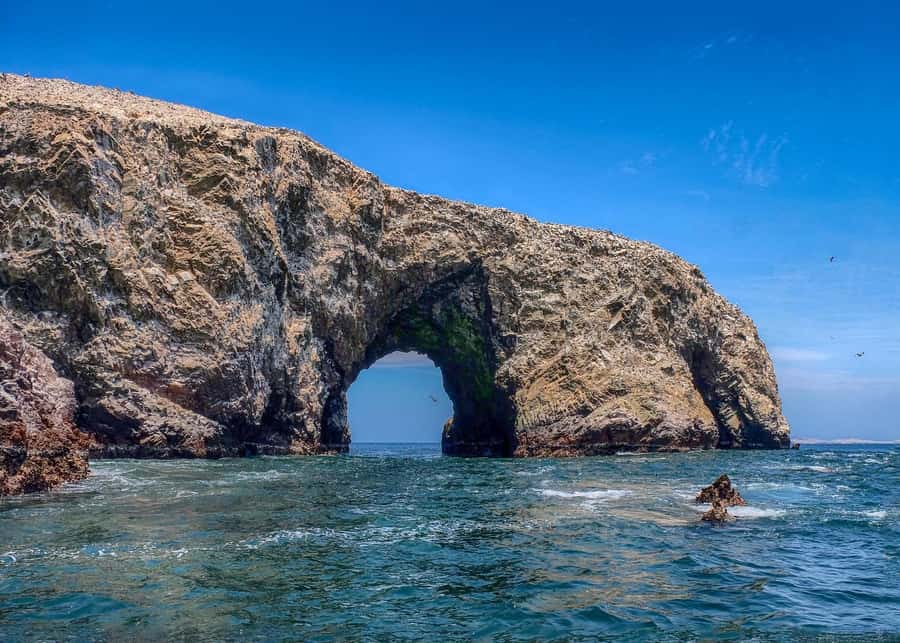
Once you head out to the Ballestas Islands, the tour focuses on what you came for: marine wildlife and caves. The islands route can include up to three islands, and the number depends on sea conditions. That’s normal in this part of the coast. The ocean sets the agenda, and your boat captain follows.
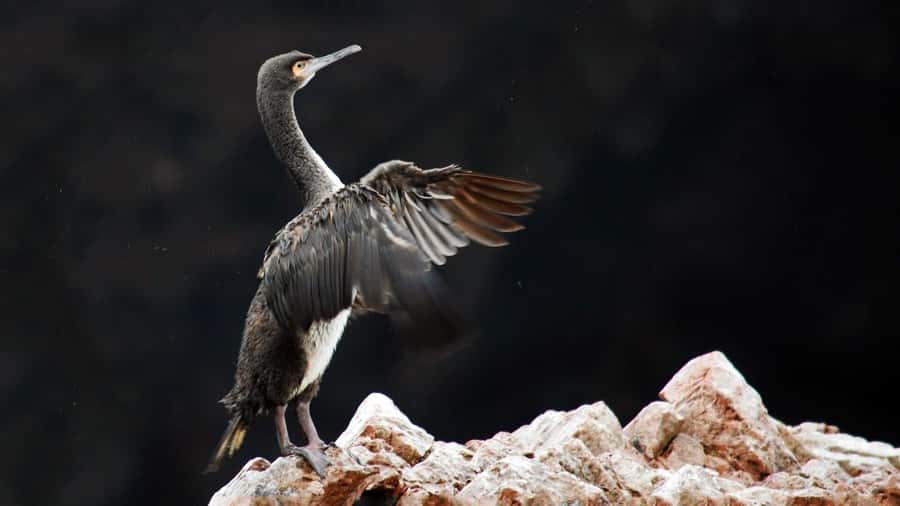
What you can expect is a lot of birdlife and sea lions. In one of the experiences that’s stood out, people also mentioned seeing penguins. You shouldn’t assume you’ll always get penguins on every trip, but if they’re there that day, it’s the kind of sight that makes the boat ride feel instantly worthwhile.
The cave exploring part is where the experience turns from “watching from above” to “seeing the coastline in a different way.” Caves add texture: you get shadowed openings, rock contours, and a sense of place rather than just open-water viewpoints. And because the boat is close, the whole thing feels more intimate than the distance might suggest on a map.
My advice: bring sunglasses and use sunscreen. The sun off the sea can be strong, and you’ll be in exposed areas for long enough that you’ll notice it.
Ica After the Ocean: Vineyard Wine, Pisco Stories, and City Stops

After the island time, you head back for a break—then travel about an hour toward Ica. This is where the tour shifts gears. Instead of salt air and rock formations, you get vineyards, a tasting experience, and a cluster of cultural stops.
Vineyard and Pisco: Not Just a Sip, It’s the Setup for Understanding Peru
A highlight here is the chance to visit a vineyard and taste traditional wine and Pisco, Peru’s national drink. You’re not only tasting; you get a history and production process explanation in the bodega. That matters because Pisco can otherwise feel like “a shot” rather than a national craft.
In practice, this is a friendly, guided introduction rather than a long classroom session. One standout detail: a guide named Eduardo was specifically mentioned for bringing people through the tasting and then into explanations that made the stops feel connected, not random.
If you’re into spirits or regional food and drink, this part gives you a satisfying reason for being in Ica beyond sightseeing photos.





Cathedral, Main Square, Museum: What You’re Really Looking At
Then the tour continues with city sights: the Cathedral of Señor de Luren, the main square, and the Regional Museum of Ica. There’s also an additional building that houses remains of local ancient cultures.
I like that the tour doesn’t treat Ica as a pit stop. It gives you a sample of why the city matters—religious landmarks, civic center energy, and a museum layer that connects the region’s past to what you see today.
Just keep in mind: these are set-duration visits. You’ll get a taste, not a full deep study. Still, it’s enough to make your later desert landscape viewing feel less like a backdrop and more like a place with time depth.
Huacachina Oasis: Palms, Sand Dunes, and the Dune Buggy Factor

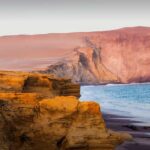
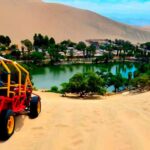
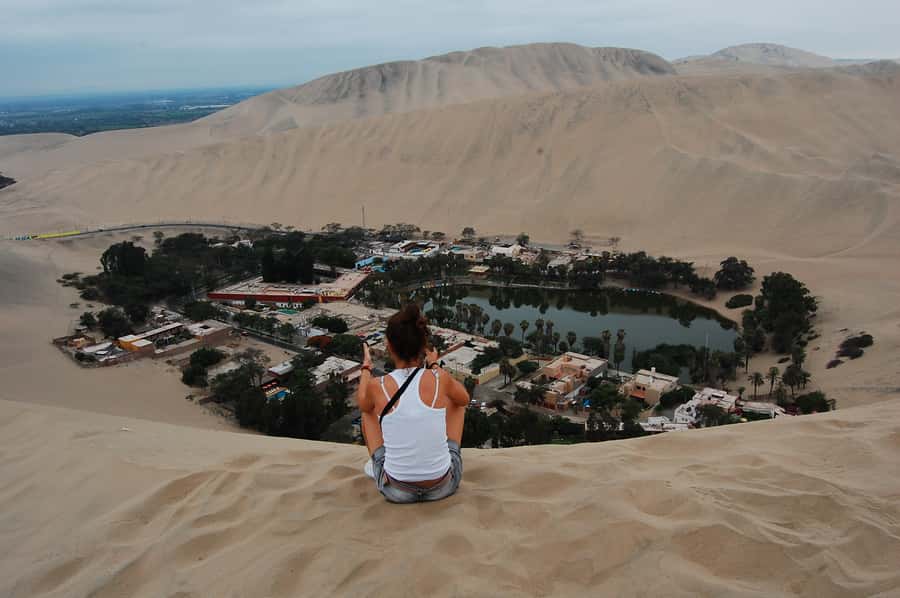
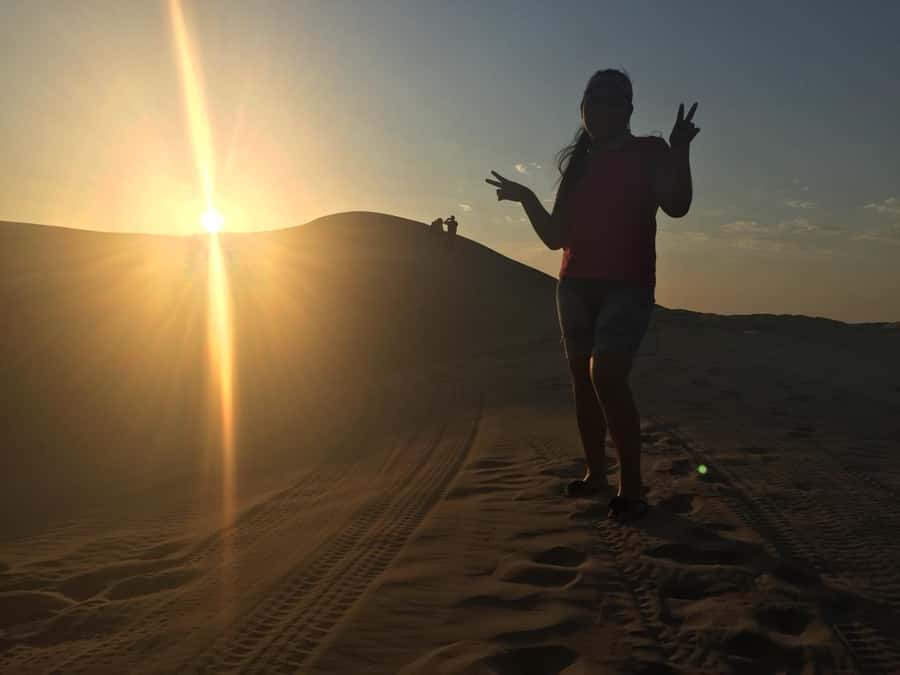
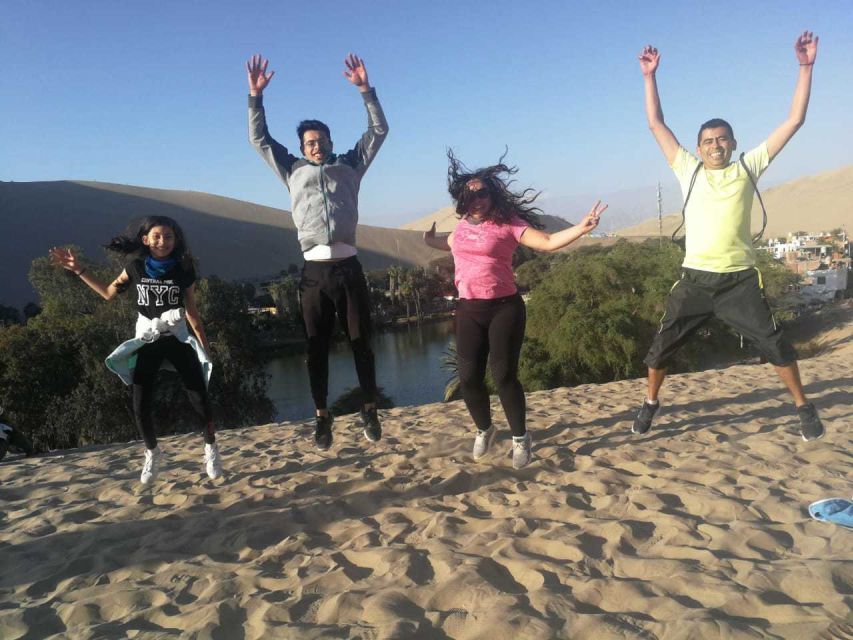
After the Ica portion, you head southwest to Huacachina Oasis, a lagoon surrounded by palm trees with massive dunes rising around it. This is the visual contrast piece of the tour: you go from ocean cliffs to desert sand, and the switch is dramatic.
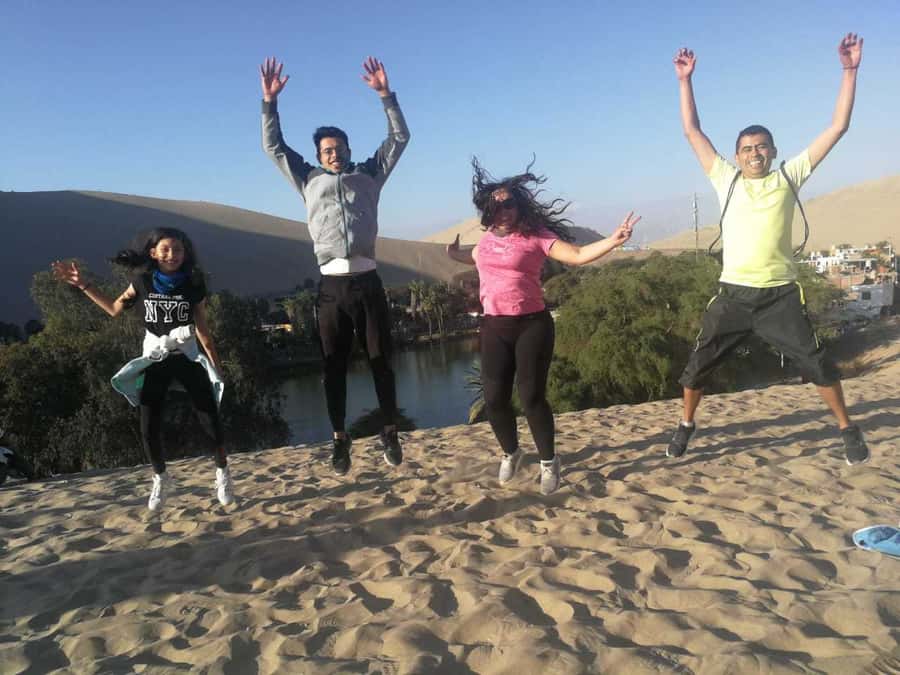
Once you arrive, you have time to enjoy the views over the Ica Valley and desert. Then you do dune time—climbing the sand dunes—and finish with a dune buggy tour.
In one experience that stuck with me, people advised bringing sunglasses specifically against the sand, because the dunes can get into your eyes fast. That’s practical advice, and it’s the kind that changes the whole day. If you’ve ever had sand in your face after a desert ride, you know why sunglasses matter.
If you’re the kind of traveler who enjoys action in short bursts, Huacachina is where this tour delivers. It’s not just “stand there and take pictures.” You get to move, ride, and feel the desert.
Timing and Comfort: Why Half-Day Can Feel Like a Full Day
The tour is priced and described as a half-day style outing with a 5-hour duration, but real-world timing can vary. One clearly noted experience was that the overall journey took most of the day, not just 5 hours.
Here’s why: speedboat timing, sea conditions (which affect the number of islands), and the sequence of stops in Ica and Huacachina all add up. Even when each piece is short, the travel edges between them matter.
Comfort-wise, the big things are:
- Sun exposure (sea + desert sun)
- Footing (docks, city walk areas, dune surfaces)
- Dust and sand (especially at Huacachina)
This tour also isn’t recommended for people with limited mobility, pregnant women, or kids under 5. It’s not wheelchair accessible. If those factors apply to you, consider alternative tours with gentler pacing and easier ground movement.
Price and Value: Is $118 a Fair Trade for All This?
At $118 per person, you’re paying for a mix of transportation and guided time: pickup and drop-off, boat transportation, a private vehicle for the Huacachina portion, an English/Spanish-speaking guide (plus Italian depending on guide availability), and water.
Is it expensive? It’s not cheap, but it also isn’t only “a boat ride.” You’re also getting:
- El Candelabro viewing on the way out
- Up to three island stops with caves
- A vineyard visit with Pisco and wine tasting
- Multiple Ica city cultural stops
- Dune time plus a dune buggy ride
The key value catch: entrance fees aren’t included. You’ll pay 20 Soles locally at the main gate (cash only). Meals also aren’t included.
If you show up ready for sea wildlife and desert fun—and you want a guided structure that strings ocean + desert + drink tasting into one day—this price can feel fair. If you only want one side of the experience (either ocean or desert), you might find better value elsewhere.
What’s Included (and What You’ll Need to Add On)
Included:
- Pickup and drop-off
- Boat transportation for the Ballestas Islands portion
- Private vehicle for Huacachina
- English/Spanish-speaking guide (Italian also listed)
- Bottle of water
Not included:
- Entrance fees: 20 Soles, cash at the gate
- Meals
So you’ll want to plan your day with snacks or a meal budget. Also remember the tour has practical rules: no smoking, no alcohol/drugs, and no pets or oversize luggage.
For what to bring, stick to the simple kit:
- Passport or ID
- Comfortable shoes
- Sunglasses
- Sun hat
- Sunscreen
Who Should Book This (and Who Should Skip It)
This tour is a good fit if you want a high-impact visual day: marine life and caves in Paracas, a surprising geoglyph stop, then dunes and dune buggies in Huacachina.
It’s also a strong choice if you like guided explanations, especially around regional food and drink. The Pisco tasting plus production explanation adds a layer beyond scenic sightseeing.
It may be a poor fit if:
- You need lots of mobility support (the tour is not recommended for limited mobility and is not wheelchair accessible)
- You’re traveling with a small child (not recommended under 5)
- You’re pregnant (not recommended)
- You hate schedule-based days (since the “5 hours” can turn into more time)
Should You Book Ballestas Islands and Huacachina?
If you’re choosing between sitting still and actively touring the coast and desert, this is the kind of tour that earns its day. You get a memorable ocean wildlife segment, a quick but memorable El Candelabro viewpoint, a guided tasting experience in Ica, and then the classic Huacachina dunes with dune buggy fun.
I’d book it if you’re prepared for sun, sand, and a packed route. Skip it if you need a calmer pace or you fall into the mobility/pregnancy/young-child limitations listed.
FAQ
How long is the Ballestas and Huacachina tour?
The tour is listed as 5 hours. In practice, total time can run longer depending on timing and conditions.
Where does pickup happen?
Pickup is included if you’re staying in Paracas or Piso. If you’re in a different town or city, you can request another pickup location for an extra cost.
What’s included in the price?
The price includes pickup and drop-off, boat transportation for the Ballestas Islands, a private vehicle for Huacachina, an English/Spanish-speaking guide (Italian also listed), and a bottle of water.
Are entrance fees included?
No. Entrance fees are 20 Soles and are paid locally at the main gate. The instructions specify cash only at the gate.
Do I need to bring sunglasses or sunscreen?
Yes. You’ll be exposed to sun and sand, especially at Huacachina. Sunglasses, sun hat, and sunscreen are recommended.
Will I get to taste Pisco?
Yes. You’ll visit a vineyard and have the opportunity to taste traditional wine and Pisco, plus hear about the history and production process in a bodega.
Is this tour suitable for kids?
It’s not recommended for kids under 5 years old.
Is the tour wheelchair accessible?
No. It’s not wheelchair accessible, and it isn’t recommended for people with mobility impairments.