REVIEW · BUENOS AIRES
Classic City Tour of Buenos Aires: Neighborhoods and Emblems
Book on GetYourGuide →Operated by Gray Line Argentina · Bookable on GetYourGuide
Buenos Aires in four hours feels doable. I love how this route strings together the city’s iconic neighborhoods so you quickly understand how each one has its own personality. I also like the built-in photo stops in Plaza de Mayo and Caminito, because they give you a focused moment to see the big sights and then wander a bit.
One thing to plan for: pickup timing can stretch. Several departures run long just collecting people, and the final drop-off may be at a central point rather than right back at your hotel.
In This Review
- Key things I’d bank on before you go
- Price and logistics: what $45 buys you in real time
- The route that helps you understand Buenos Aires
- Recoleta, Retiro, and San Nicolás: elegance and the big-city bones
- Montserrat and the Obelisk: where the city’s center starts to feel real
- Plaza de Mayo: the photo stop that gives you the civic story
- La Boca and San Telmo: color, street life, and walking on old streets
- Puerto Madero: the modern contrast you’ll remember later
- Recoleta Cemetery and Evita: what to do if the grave is on your list
- Guide and group experience: why names matter more than you think
- Timing, comfort, and what to pack for a fast overview
- How to use this tour to plan the rest of your Buenos Aires days
- Should you book: a clear yes-or-no
- FAQ
- FAQ
- How long is the tour?
- What does the tour cost?
- What language is the guide?
- Where do they pick you up and drop you off?
- Are food and beverages included?
- Can I cancel for a refund?
Key things I’d bank on before you go
- Neighborhood sweep from Recoleta and Retiro all the way to San Telmo and La Boca
- Two set photo stops (about 20 minutes each) in Plaza de Mayo and Caminito
- Big emblem highlights like the Obelisk, Casa Rosada, and Cathedral-Cabildo area
- Optional-feeling walking moments in the Plaza de Mayo zone and around La Boca
- Language usually works out, with many guides mixing Spanish and English as needed (varies by guide)
Price and logistics: what $45 buys you in real time
At $45 per person for a 4-hour overview, this is a classic value play: you’re paying for transportation plus a guide who can point out what matters across a wide geographic span. If you only have a day and you want your bearings fast, that’s the strength of this format.
The practical part is where you should be alert. Pickup is included from centrally located hotels, but not from hostels, aparthotels, or private homes. Some hotels, including certain areas like Palermo, may not be on the pickup route. If your hotel isn’t included, you’ll be directed to the nearest pickup hotel and you’ll need to wait in that lobby at the specified time.
Drop-off is also flexible: you can end up at Florida Street, Galerías Pacífico, or at the Obelisk area. That’s convenient if you’re staying near those zones, but it can mean a walk or a short transit ride if you’re hoping to be taken back exactly where you started.
Finally, build buffer into your schedule. Pickup delays happen when a group has to be collected from multiple stops, so don’t plan tight connections immediately after.
You can also read our reviews of more city tours in Buenos Aires


The route that helps you understand Buenos Aires
This tour is designed to do what maps can’t: show you how Buenos Aires changes block by block. You’ll move through neighborhoods that feel almost like separate cities, then tie them together with the emblems that show up again and again in photos and stories.
You’ll pass through (and often get stops near) places tied to the city’s major identity markers: the Obelisk, Teatro Colón (seen as part of the central avenue picture), and the government-and-colonial core around Plaza de Mayo. Then you shift gears toward the colorful and older streets near San Telmo and the street-art energy of La Boca, with Caminito as the anchor photo stop.
The best part of this sweep is how it helps you decide where to spend more time later. After one pass, you can usually tell whether you’re drawn more to grand civic architecture, historic brick-and-stone streets, or the waterfront modern contrast.
Recoleta, Retiro, and San Nicolás: elegance and the big-city bones
Recoleta and Retiro set a polished tone. You’re not just getting pretty facades here; you’re seeing the city’s planning choices and how the wealthier, more formal areas sit alongside major thoroughfares.
As the route threads toward the center, San Nicolás adds the urban heartbeat: dense blocks, landmark sightlines, and the kind of avenue architecture that makes you understand why people compare Buenos Aires to European capitals. You’ll also encounter the presence of major cultural spaces in the skyline picture, including Teatro Colón, even if you’re not going inside on this kind of overview tour.
From a practical standpoint, this section is about orientation. If you’ve never been, it helps you recognize the central axis of the city and where the day’s biggest landmarks cluster.
Montserrat and the Obelisk: where the city’s center starts to feel real
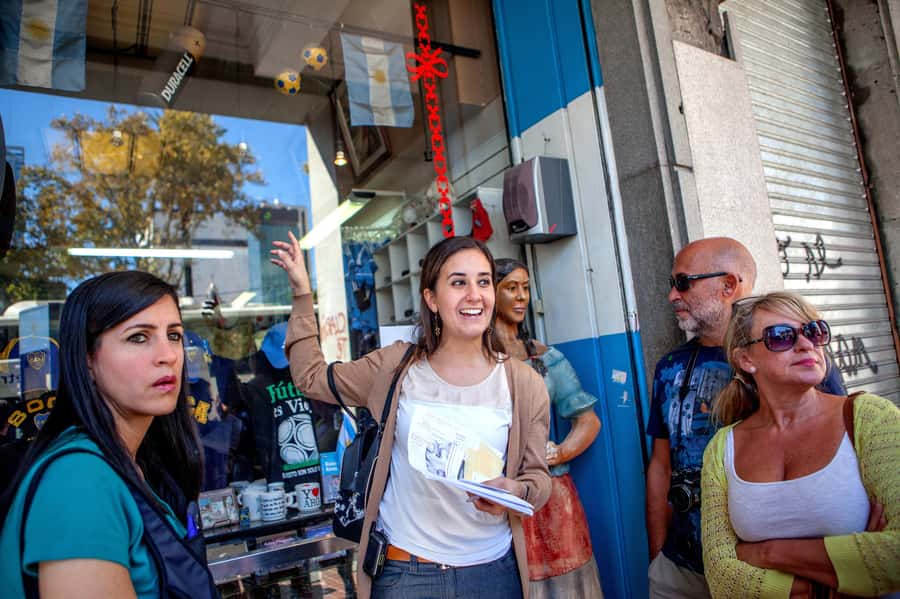
Once you get toward Montserrat, the scenery shifts into the classic postcard center. This is where the Obelisk does its job: it’s not subtle, and it’s useful. You’ll see it as a reference point, which matters later when you try to navigate on your own.
This part of the route also lines up with the civic core. The tour’s emphasis here is on context—how plazas, government buildings, churches, and colonial-era remnants sit close enough that you can connect them with a single short walk. Even when you’re viewing from the bus or stopping briefly, you’re getting the story behind the stones.
If you’re the type who likes architecture and symbolism, this is one of the most satisfying segments. The city isn’t random here. It’s deliberately organized around power and public space.
Plaza de Mayo: the photo stop that gives you the civic story
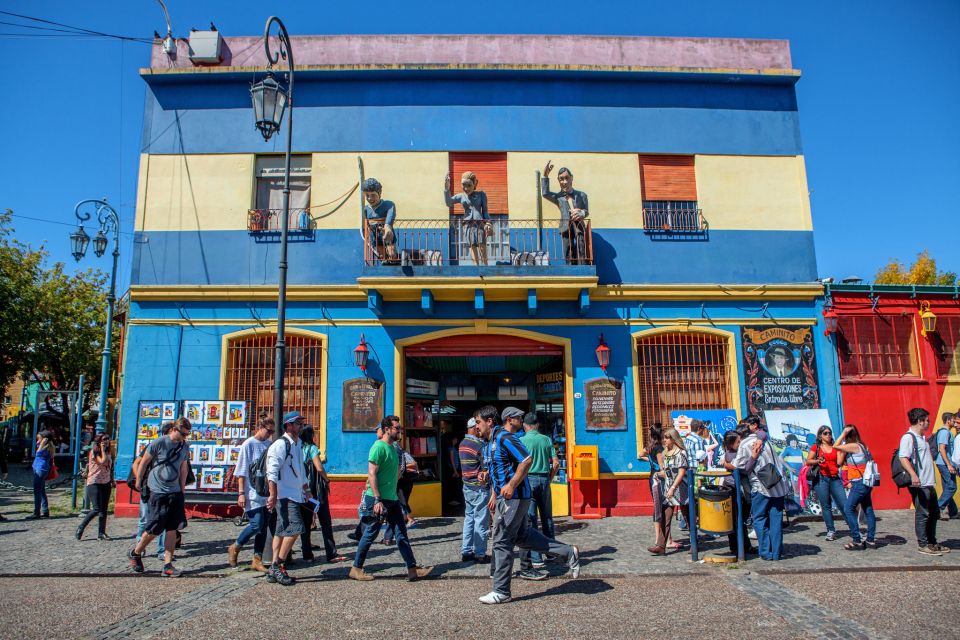
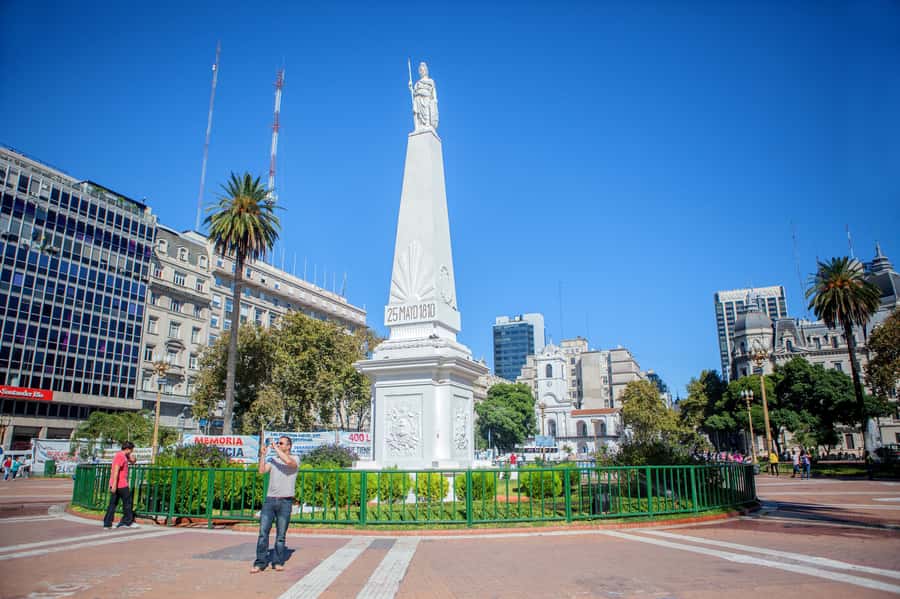
Plaza de Mayo is the “everyone points here” stop for a reason. During the tour, you’ll have a photo stop of around 20 minutes in the area, which may sound short until you realize it’s timed to give you a quick landmark scan and enough time to hop out for photos and a few steps.
In this zone, you’ll encounter the concentration of the day’s major emblem sites, including:
- Casa Rosada, seat of the national government
- Metropolitan Cathedral
- Cabildo (your colonial-era anchor in the same district)
A smart move is to use your 20 minutes to pick one clear photo angle first, then look up. In Buenos Aires, the details matter: building edges, balconies, and the way structures frame the plaza.
If you want more than photos, the timing helps because you’ll learn what you should prioritize later. After seeing it once on a route like this, it becomes easier to decide whether you want to return for a longer walk, a museum stop, or just a slower revisit.
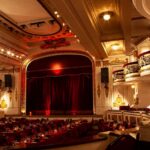



La Boca and San Telmo: color, street life, and walking on old streets
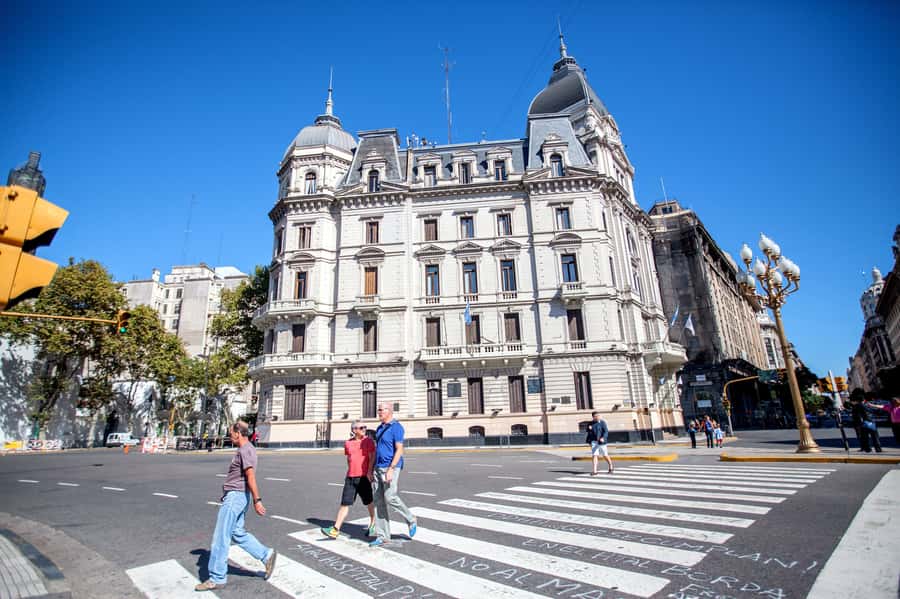
After the civic center, the atmosphere changes. San Telmo is where you start to feel the older street grid and the slower pace of neighborhoods that aren’t built around one dominant landmark.
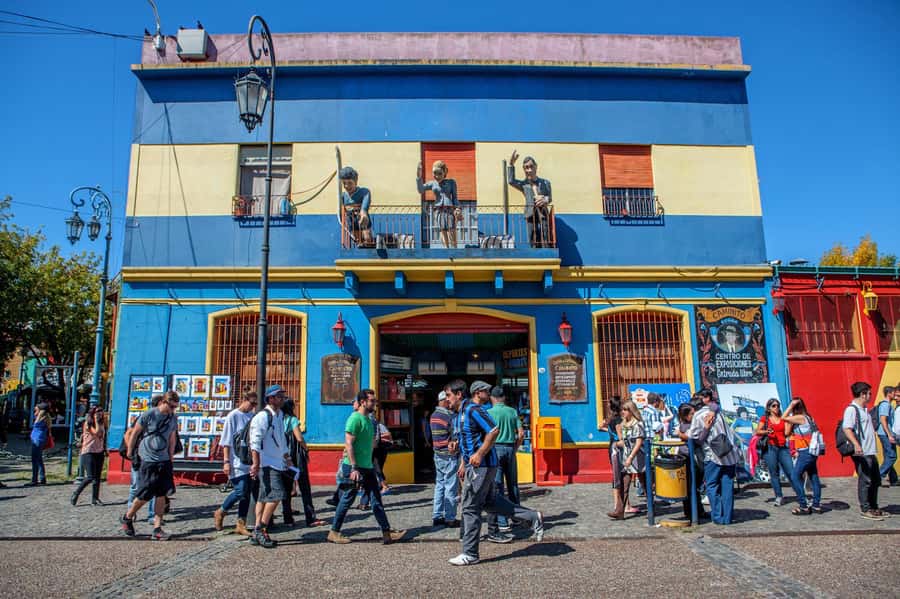
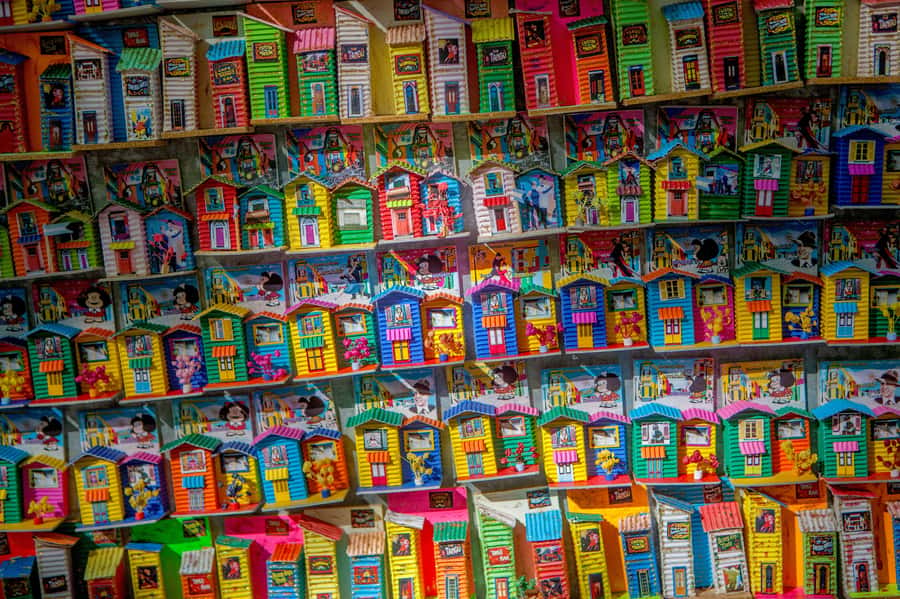
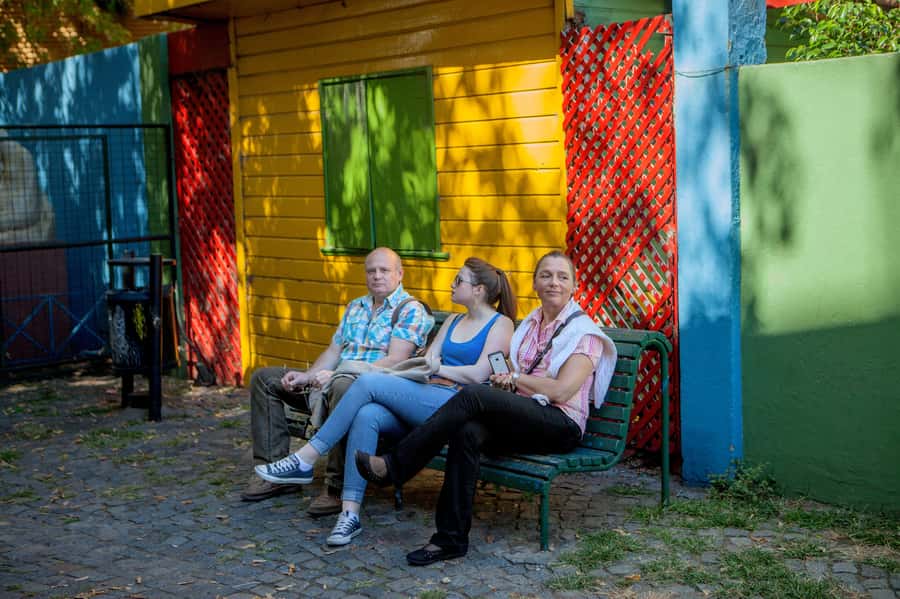
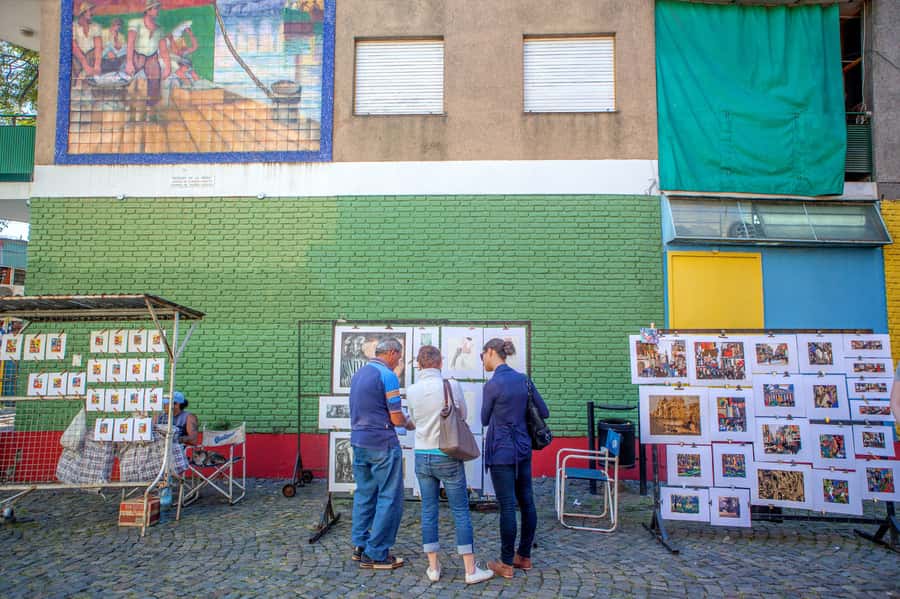
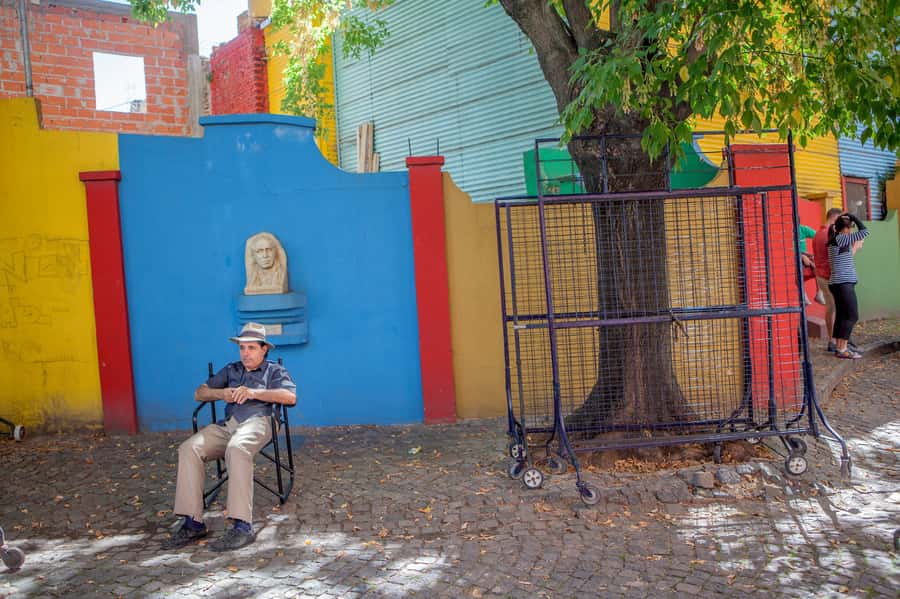
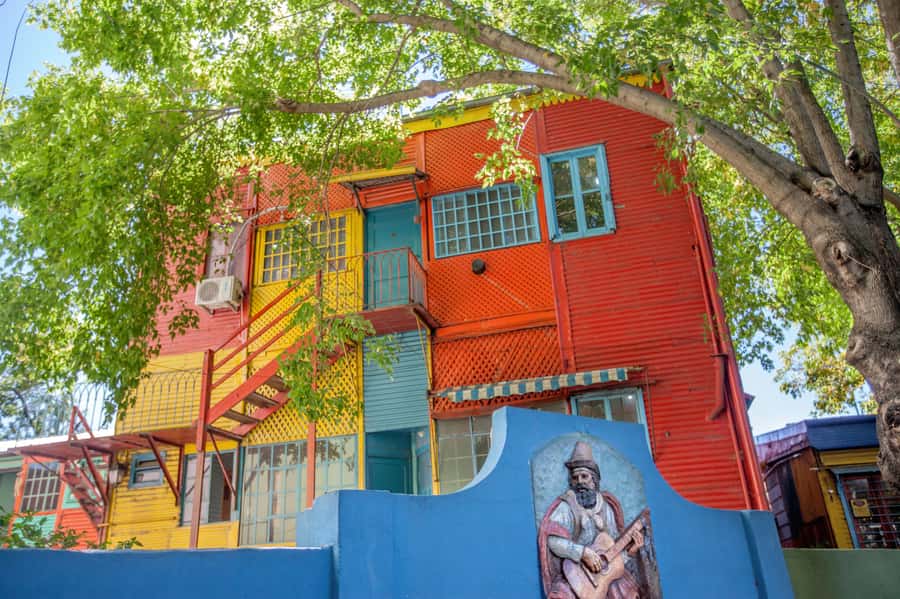
Then comes La Boca, famous for its colorful streets and its reputation as a place where the city’s performance culture and street identity show up in the open air. Caminito is the tour’s second ~20-minute photo stop, and it’s set up so you can get the iconic views without spending half your day there.
Because this is an overview tour, you won’t get a deep dive into every side street. But you will leave with clear cues about where to return. If La Boca feels like your thing, you’ll know immediately. If you don’t, you’ll still have the satisfaction of having seen why the neighborhood keeps drawing people back.
Also keep expectations realistic: this is a short visit, so wear shoes that work for uneven sidewalks and quick walking.
Puerto Madero: the modern contrast you’ll remember later
One of Buenos Aires’s best tricks is contrast, and this tour includes it through Puerto Madero. This is the recycled waterfront zone, modern and polished compared to the older neighborhoods earlier in the day.
You might not spend a long time here during a 4-hour sweep, but seeing it right after La Boca makes the transition click. Old and new aren’t separated by hours of travel; they’re part of the same city’s story.
For planning, this segment is useful if you like to end your day somewhere calm and scenic. Even a quick look can help you decide whether you want to come back after dinner for waterfront views.
Recoleta Cemetery and Evita: what to do if the grave is on your list
Recoleta is often tied to Recoleta Cemetery, and that’s where many people hope to see Eva Perón’s grave. If your route includes a cemetery moment, here’s the practical tip that matters: ask for directions if you want to find her grave. The site can be hard to locate on your own, even if you have the name.
It’s also worth knowing that not every departure seems to make the cemetery a guaranteed stop. The good news is that the rest of the day still does a strong Recoleta-to-center-to-La Boca sweep. If you’re specifically chasing the cemetery, it’s smart to confirm with the operator the day before so your expectations match your exact departure.
Guide and group experience: why names matter more than you think
A tour is only as good as the person interpreting it, and this one tends to benefit from strong guides. You’ll encounter guides such as Mercedes, Macarena, Elba, and Sophia, and there’s also mention of a photographer team member like Lucia. In other words, the operation isn’t just a bus and a checklist.
Language is the other key factor. The tour guide is live and Spanish-speaking by design, but in practice you may hear English mixed in. One English-only traveler noted the guide helped by translating, and others praised guides as competent across both Spanish and English. Still, if you’re sensitive to language gaps, know that the tour is officially Spanish.
Also watch the rhythm. Some stops are photo-and-free-time style, meaning you’ll get explanations plus room to wander. That can be ideal for first-time orientation, but if you want a longer guided walk at every site, you may wish the stops had more time.
Timing, comfort, and what to pack for a fast overview
This is a bus tour, and that helps comfort and coverage. The ride is typically described as comfortable, and you’ll get a broad sense of where everything sits without needing to sort transit or taxis.
What affects your comfort most is the schedule length due to pickups. Plan to be flexible at the start of the tour, and keep your next appointment easy. If you’re the type who hates waiting, bring a snack, water, and something to do while you’re grouped up.
Pack for walking too. Even with bus time, you’ll step out at least at the plaza area and at Caminito for your photo windows. A light layer helps in Buenos Aires because the temperature can shift.
How to use this tour to plan the rest of your Buenos Aires days
This tour works best as a first pass. After you see the Obelisk, the Plaza de Mayo cluster, and the jump to La Boca, you’ll start to recognize what you want to chase next.
A smart approach is:
- Pick one area to revisit for a longer walk (often Plaza de Mayo or La Boca)
- Decide if you want culture inside buildings like major theaters or museums
- Use Puerto Madero as an option for a calmer later-day plan
If you leave the tour feeling like everything is “seen once,” that’s normal. The point is orientation and identification, not exhaustive coverage.
Should you book: a clear yes-or-no
Book this tour if:
- You have limited time and want a structured way to see Buenos Aires highlights
- You want a quick, guided explanation of major landmarks and neighborhood contrasts
- You like the idea of two focused photo stops plus walking moments in key areas
Skip or choose something more specialized if:
- You need your pickup and drop-off to be perfectly close to your hotel
- You’re expecting a slow, fully guided experience inside multiple sites
- Your top priority is a specific stop like Recoleta Cemetery and you don’t want any uncertainty about whether it’s included on your departure
FAQ
FAQ
How long is the tour?
The Classic City Tour of Buenos Aires runs for 4 hours.
What does the tour cost?
The price listed is $45 per person.
What language is the guide?
The live tour guide is Spanish.
Where do they pick you up and drop you off?
Pickup is included from centrally located hotels, but not from hostels, aparthotels, or private homes. Drop-off is at Florida Street, Galerías Pacífico, or at the Obelisco.
Are food and beverages included?
No. Food, beverages, and other services not specified are not included.
Can I cancel for a refund?
Yes. You can cancel up to 24 hours in advance for a full refund.