REVIEW · BUENOS AIRES
Buenos Aires: North or South Buenos Aires Bike Tour
Book on GetYourGuide →Operated by Rental Bike Argentina · Bookable on GetYourGuide
Two circuits, four hours, and you cover real ground. I like how this ride strings together Buenos Aires landmarks with local stories, so you’re not just snapping photos—you’re getting the why behind the places.
My favorite part is the small-group vibe (up to 8), with a pace that still leaves time to look around—especially at stops like Caminito on the South route and the parks time on the North route. One thing to plan around: the tour runs in light-to-moderate rain and the route can be suspended or adjusted, and the Reserva Ecológica is closed on Mondays.
In This Review
- Key Things to Know Before You Ride
- Why Bike Two Different Buenos Aires Halves in One Ride
- Bikes, Safety, and the Reality of Riding in Buenos Aires
- South Circuit: San Telmo, La Boca, Caminito, and the Big Political Squares
- Puerto Madero and the Reserva Ecologica Timing Check
- North Circuit: Retiro Splendor, Recoleta Charm, and Palermo’s Parks
- How Long You Actually Spend at Stops (and Where It Feels Worth It)
- What to Bring for a 4-Hour Helmeted Ride
- Price and Value: What $38 Gets You in Buenos Aires
- Should You Book the North or South Bike Tour?
- FAQ
- How long is the Buenos Aires North or South Bike Tour?
- How much does the tour cost?
- What is included with the tour?
- Can I choose between the North and South routes?
- Are the tours only for kids?
- Does the tour run in the rain?
- Is the Reserva Ecologica included every day?
- Is Recoleta Cemetery entered on the North circuit?
Key Things to Know Before You Ride
- North vs. South circuits change the whole feel of the day, not just a few stops
- Small group (max 8) makes it easier to ask questions and get the guide’s attention
- Comfort cruiser bikes come with a basket and helmet, plus water refill support
- You’re mostly on bike lanes, with only short stretches where traffic is more intense
- Rain doesn’t automatically stop the tour, but it can shift timing, especially for the reserve
- Guides like Ana, Pili, Santiago, Flo, Pilar, Dilson, and Martina are repeatedly praised for clear storytelling and pace adjustments
Why Bike Two Different Buenos Aires Halves in One Ride
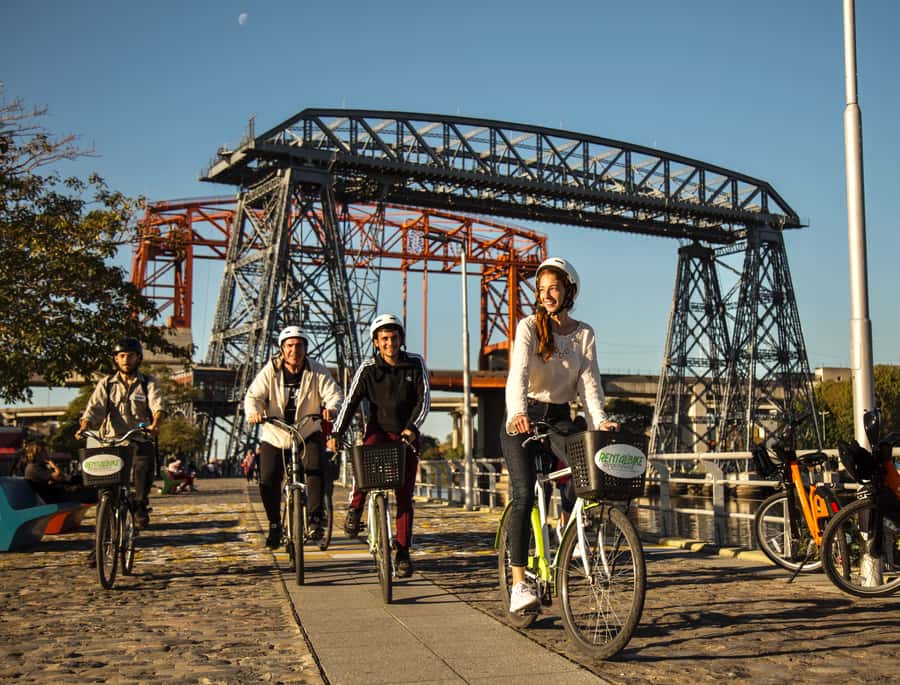
Buenos Aires is big, flat, and made for walking… and also for biking. This tour uses that sweet spot: you get a fast overview of neighborhoods and landmarks that would take you half a day (or more) to stitch together by taxi or on foot. The format is simple: safety talk, helmet on, then a local guide leads you from one signature stop to the next with enough time to take photos and absorb the atmosphere.
The other reason I’d pick this over a bus tour is the human scale. Even though you’re covering serious ground, the group stays small, so you’re not just watching from behind glass. In the best moments, the guide connects details—immigration waves, tango roots, politics, football culture—so the city feels like a single story instead of random monuments.
You can also read our reviews of more cycling tours in Buenos Aires
Bikes, Safety, and the Reality of Riding in Buenos Aires
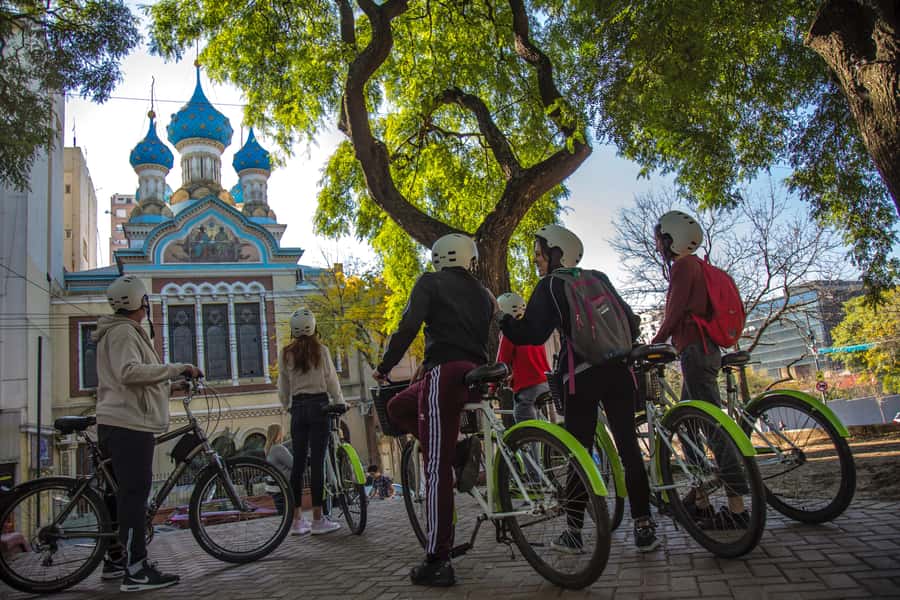
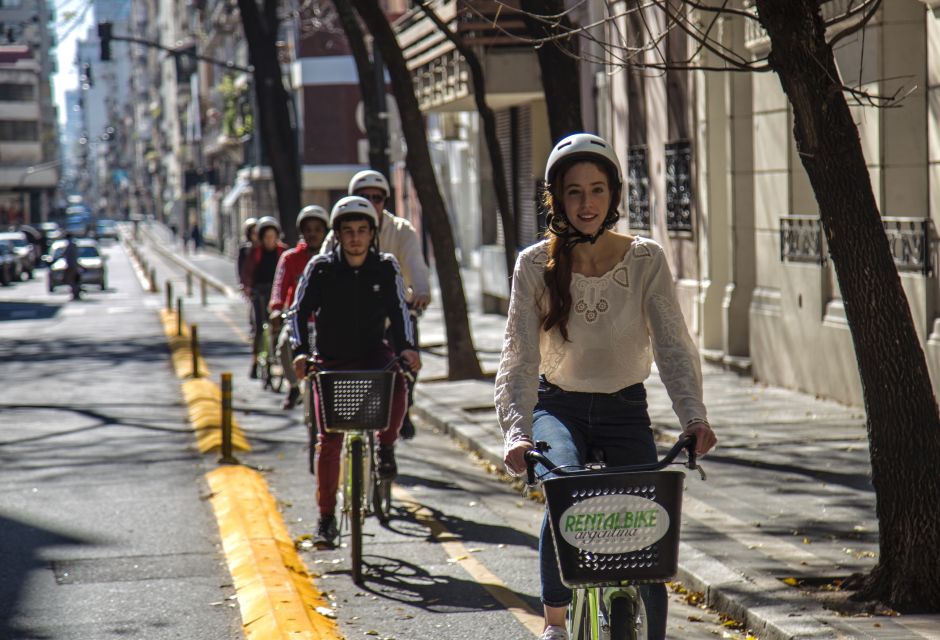
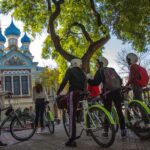
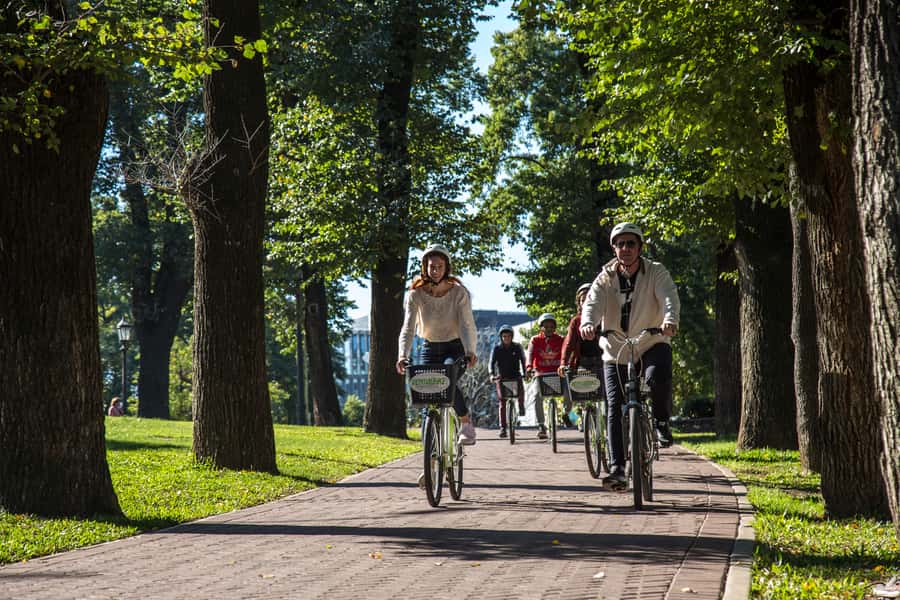
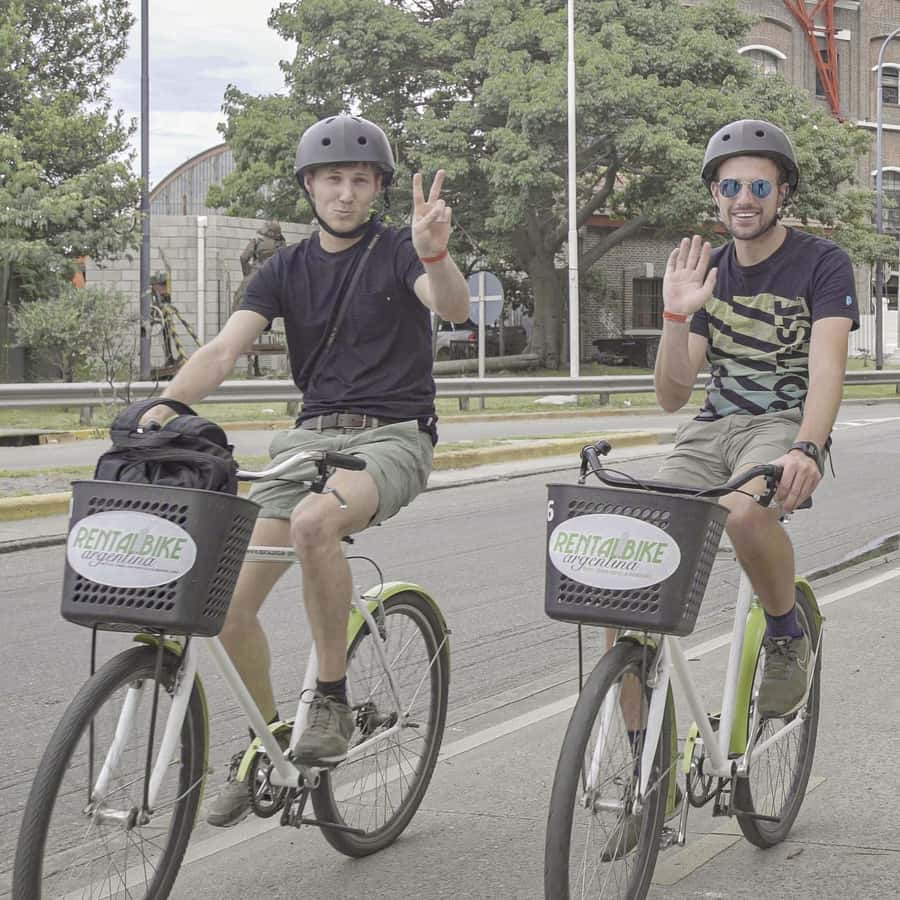
You’ll start with basic safety instructions, then climb onto a cruiser bike that’s designed to be stable and easy to control. You get a helmet, a bell, and a basket, which is a practical touch for a city ride where you’ll want a place for your phone and a water bottle. There’s also a water refilling machine, which helps if you’ve already gone through a bottle before the tour.
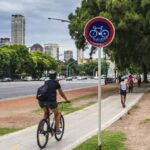
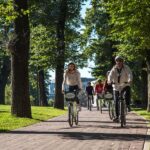
On the road, expect a mix. Most of the time you’ll use bike lanes, and several guides help keep the ride calm and organized. Still, Buenos Aires traffic can be chaotic, and there can be short stretches where you’re closer to general traffic than you’d see in a dedicated cycling path. The good news: the small-group setup and guide-led formation make a big difference, and people in the group are supposed to be comfortable with riding before you set off.
One more requirement that matters for planning: the tour has minimum height and age rules (at least 1.50 m tall and minimum age 12). It also isn’t recommended for people with certain medical conditions or mobility limitations listed by the operator, so read the constraints before you assume this is a casual ride.
South Circuit: San Telmo, La Boca, Caminito, and the Big Political Squares
If you want Buenos Aires with grit and color, the South Circuit is the better match. You start in the older quarters around San Telmo, an area where the streets still feel steeped in early-1900s Buenos Aires. The vibe here is less “photo postcard” and more “history you can walk through,” and the bike lets you jump between those layers without feeling rushed.
A key first stop is Parque Lezama, where you’ll pause for photos and a guided explanation (around 20 minutes). This park isn’t just a break; it’s a viewpoint into the city’s origins—talks often connect the first foundations of Buenos Aires, immigration patterns, and how tango became part of the cultural identity. Even if you think you know tango already, this is the kind of context that makes it click.
Then you’ll roll toward La Boca, with a quick photo stop at the Russian Orthodox Church of the Holy Trinity (about 5 minutes). It’s a small moment, but it signals how Buenos Aires absorbed different cultures and faith communities over time.
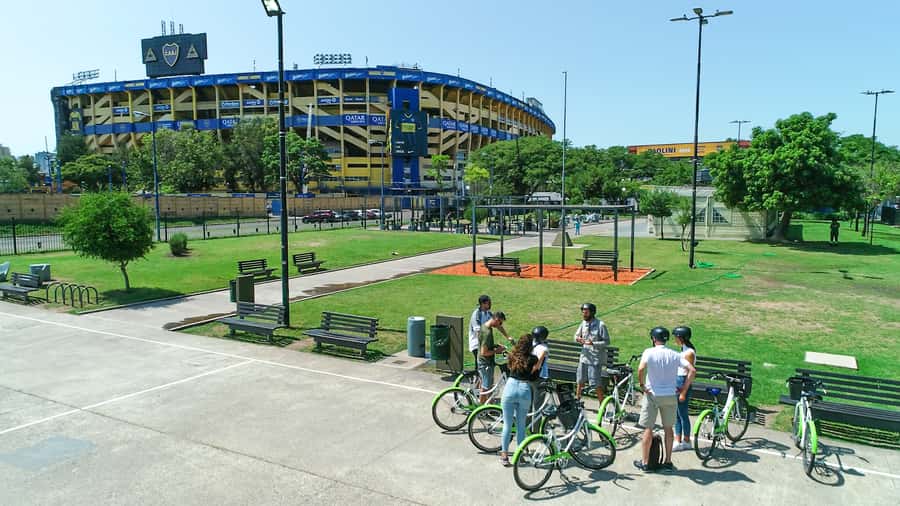
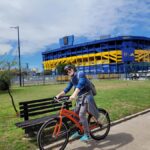
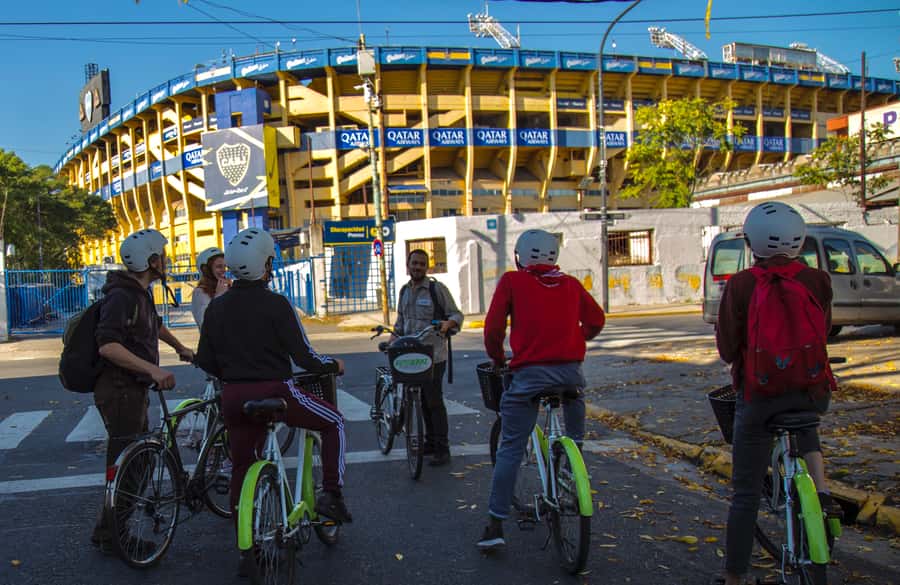
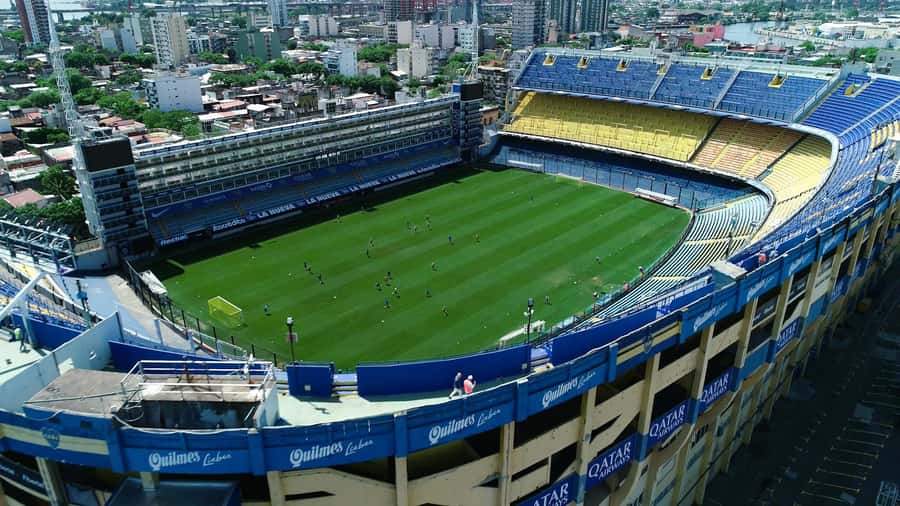
Next comes the South Circuit’s signature energy: La Boca (around 30 minutes). You’ll stop and hear the story, not just stare at the streets. And yes, the ride gives you that football-culture payoff when you reach La Bombonera (about 10 minutes). The guide frames it as one of the heart symbols of the neighborhood, and you’ll see why so many visitors treat matchday passion like a local language.
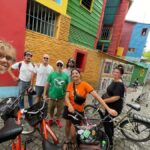
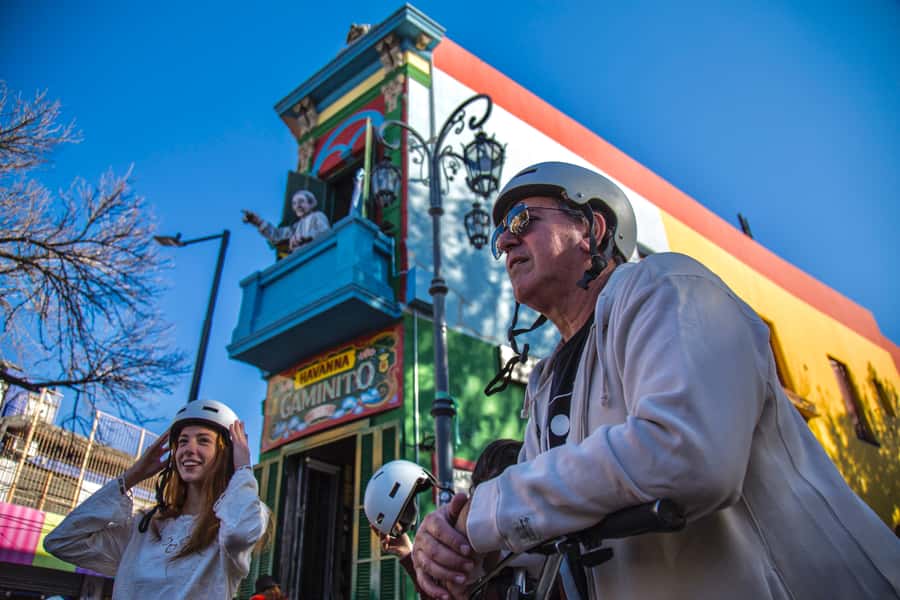
After that, you’ll arrive at Caminito (about 20 minutes), the famous colorful area that used to be tied to the port and now functions as a district for local artists. This is one of the best “balanced” moments on the tour: you get guided context, plus free time that lets you wander instead of just waiting for the next photo stop. If you care about street-level atmosphere, this is where you’ll feel most present.
Puerto Madero and the Reserva Ecologica Timing Check
On the South option, you also get a contrast neighborhood: Puerto Madero (about 10 minutes). It’s the city’s more modern harbor face, with a skyline that looks different from the older barrios. The guided framing helps too—so it doesn’t feel like you’re just watching expensive-looking buildings.
From there, the ride brings you to Reserva Ecologica (about 20 minutes), an ecological reserve measuring about 865 acres between the city and the Rio de la Plata. If you’ve only experienced Buenos Aires as a concrete-and-café city, this stop is a useful reset. The guide typically focuses on what you can notice in the environment, including wildlife viewing.
Now the practical part: the reserve can be closed on Mondays, and weather can also affect whether you reach it. Even on good days, it’s smart to mentally plan that this could be the easiest stop to change or skip. Several guides handle rain well, sometimes with extra rain gear, but if conditions are unsafe, the schedule may shift.
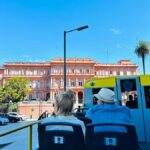
You finish the South Circuit back in the most famous “everyone knows this” zone: Plaza de Mayo and surrounding government landmarks. You’ll see the Old Cabildo, the Metropolitan Cathedral, and the Casa Rosada (Argentina’s presidential offices). Expect guided explanations and short photo stops (the total time in this section is about 10–20 minutes across the main spots), plus enough context to understand why this square matters so much historically.
North Circuit: Retiro Splendor, Recoleta Charm, and Palermo’s Parks
The North Circuit feels like Buenos Aires polished into architecture, parks, and late-19th-century energy. If the South is about identity and attitude, the North is about form: grand buildings, long avenues, and neighborhood variety in a tighter pattern.
You start by heading through central areas tied to the business district and the city’s late-19th-century history, then push toward Retiro and Plaza San Martín. These stops are worth it if you love the Belle Époque look—palaces and architectural icons that feel like they belong in postcards, but with a guide’s explanation that brings the era into focus.
Then comes Recoleta, where the pace slows just enough to let you absorb the neighborhood’s mood—cafés, museums, and the famous cemetery area. One important note for your expectations: the tour does not enter Recoleta Cemetery, even though the cemetery is part of why people know the barrio. You’ll get the relevant exterior views and context, not a ticketed cemetery visit.
From Recoleta you continue into Palermo, passing standout visual landmarks like Floralis Genérica (the giant metal flower). This is another “photo now, think later” stop, and the guide uses it to connect modern city design with Buenos Aires’ habit of turning symbols into identity. You’ll also pass by General San Martín’s home and the Museum of Contemporary Art area, then roll into green space.
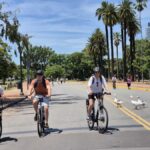
The parks are a major payoff on the North Circuit. You’ll spend time around the open areas of Palermo and you should also expect a chance to wander (often mentioned as time to explore Tres de Febrero Park). If you’re the type who gets restless on tours that don’t give you a breather, this is one of the strongest reasons to choose the North route.
On the way back, you’ll include Plaza del Congreso / Congress Square near the legislative power building. It’s a great end note: you get the grand architecture theme again, but in a different civic context than Retiro.

How Long You Actually Spend at Stops (and Where It Feels Worth It)
This tour is designed around a rhythm: bike time to connect neighborhoods, then short stops that are long enough for photos and a guide-led explanation. Many of the landmark moments are built as quick guided segments (often around 5–15 minutes each), with a few longer breaks that add breathing room.
That matters because Buenos Aires doesn’t reward you for sprinting. The best parts of this ride are the moments where you get context and then a small window to choose what to look at. On the South Circuit, that’s often the free time at Caminito. On the North Circuit, it’s the park wandering time.
One small practical difference: the North route can involve more cycling time on the edges of the day (getting out and returning), so you may end up pedaling a bit more than you expected. If you’re worried about staying comfortable for the full 4 hours, the South option can feel slightly gentler on the “time at the edge” effort, even though the tour is intended to be manageable for typical riders.
And don’t ignore the upside that comes with a small group. On some departures, it can feel close to a private tour, which means the guide can adjust on the fly. People who prefer more questions tend to do well here.
What to Bring for a 4-Hour Helmeted Ride
Start with comfort: comfortable shoes are a must. You’ll be stopping often, and Buenos Aires sidewalks can change from smooth to uneven fast. Dress for weather first, style second. Even when it’s only light-to-moderate rain, you’ll still be outside and moving.
Bring:
- a reusable water bottle (the operator provides refill support, but your bottle is still your responsibility)
- weather-appropriate clothing, plus a layer you can add or remove
- something to protect your phone or bag from spray
If you’re sensitive to cold or wind, plan extra layers. Riders have noted that it can get chilly on parts of the North route. If rain starts, some guides have provided ponchos in the moment, but don’t bet your day on it—bring your own light rain protection if you can.
Price and Value: What $38 Gets You in Buenos Aires
At $38 per person for 4 hours, you’re paying for three things: a bike, a bilingual guide (English/Spanish), and a carefully assembled set of stops that cover multiple neighborhoods. For a city like Buenos Aires—where distances add up quickly—this price can feel like a deal because you’re not paying separately for transport between far-flung landmarks.
You also get value in the “learning” part, not just the sightseeing. The guide stories connect the dots between immigration, tango, football culture, and the political heart of the city. That’s why the tour works well even if you’ve already done one museum day. You’re seeing how the city actually formed and how people still live within those stories.
Where you might feel less value is if you want long museum-style visits at each stop. This isn’t built for that. It’s built for movement and context in a short block of time.
Should You Book the North or South Bike Tour?
Book it if you want a first-pass understanding of Buenos Aires that goes beyond a single neighborhood. This is especially good as an early-day activity, because it gives you the names and locations to revisit later—like Palermo parks, Recoleta’s charm, or South-side icons around La Boca.
Choose the South Circuit if your priority is:
- tango-era mood and older Buenos Aires texture
- La Boca and Caminito’s colorful street energy
- a mix of city landmarks plus a nature break at the Reserva Ecologica
Choose the North Circuit if you’re excited by:
- Belle Époque architecture around Retiro and Plaza San Martín
- Recoleta’s classic café-and-culture feel (without cemetery entry)
- Palermo’s parks, including time to wander
One final tip for your decision: check what day you’re riding. If your schedule lands on a Monday, the South Circuit’s reserve stop may be closed, which changes the balance of the day.
If you’re comfortable biking in a city and you like guided context more than long free-time museum wandering, this is a solid buy and a fun way to get your bearings fast.
FAQ
How long is the Buenos Aires North or South Bike Tour?
It lasts 4 hours.
How much does the tour cost?
The price is $38 per person.
What is included with the tour?
You get a bilingual guide (Spanish/English), a cruiser bike, a bell and basket, a helmet, and access to a water refilling machine.
Can I choose between the North and South routes?
Yes, you can pick either the North or South circuit.
Are the tours only for kids?
No, but there are limits: the minimum age is 12, and participants must be at least 1.50 m tall.
Does the tour run in the rain?
The tour departs in light to moderate rain. It may be suspended before start or during the ride if weather makes it unsafe, and then it can be rescheduled.
Is the Reserva Ecologica included every day?
No. The Reserva Ecologica is closed on Mondays, and weather can also affect whether you reach it.
Is Recoleta Cemetery entered on the North circuit?
No. The tour does not enter Recoleta Cemetery.