REVIEW · BUENOS AIRES
100% History and architecture of Buenos Aires
Book on GetYourGuide →Operated by Swell Experiences · Bookable on GetYourGuide
Buenos Aires tells stories in stone. This 2-hour guided walk connects Plaza de Mayo with Avenida de Mayo and ends at the National Congress, with cathedral entry built in. I like the practical, street-level architecture focus, plus the way the route strings political landmarks and European-style facades into one easy-to-follow storyline. One thing to consider: there’s been at least one reported no-show problem tied to the meeting point, so I’d plan to arrive a bit early and confirm the meeting spot clearly.
You’ll get a live guide in Spanish, and the tour is set up as a private group—often a nicer format when you want questions answered on the spot. Along the historic center route, the tour highlights key landmarks such as Café Tortoni and Barolo Palace, not just the big squares. The big trade-off? If you don’t read Spanish, you’ll be relying on your guide’s pace and your own listening skills.
In This Review
- Key Highlights You’ll Feel on This Route
- Why Plaza de Mayo to Congress Makes Sense for First-Timers
- Finding the Tour: Pyramid of May and the Black Umbrella
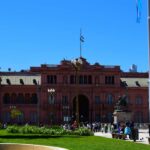
- Plaza de Mayo: More Than a Big Square
- Avenida de Mayo: The European-Charm Stretch You’ll Understand
- Back to Plaza de Mayo: Cathedral Context and Civic Meaning
- National Congress Finale: Architecture With Real Political Weight
- Café Tortoni and Barolo Palace: How Famous Names Fit the Story
- Price and Value: What You Get for $12
- Who This Tour Fits Best (and Who Should Skip It)
- Booking Checklist: The One Thing to Watch
- Should You Book This 100% History and Architecture Walk?
- FAQ
- How long is the tour?
- How much does the tour cost?
- Where does the tour start?
- Where does the tour end?
- Is the tour wheelchair accessible?
- What language is the live guide?
- What’s included in the experience?
- Is it a private group?
- Is there free cancellation or a pay-later option?
Key Highlights You’ll Feel on This Route
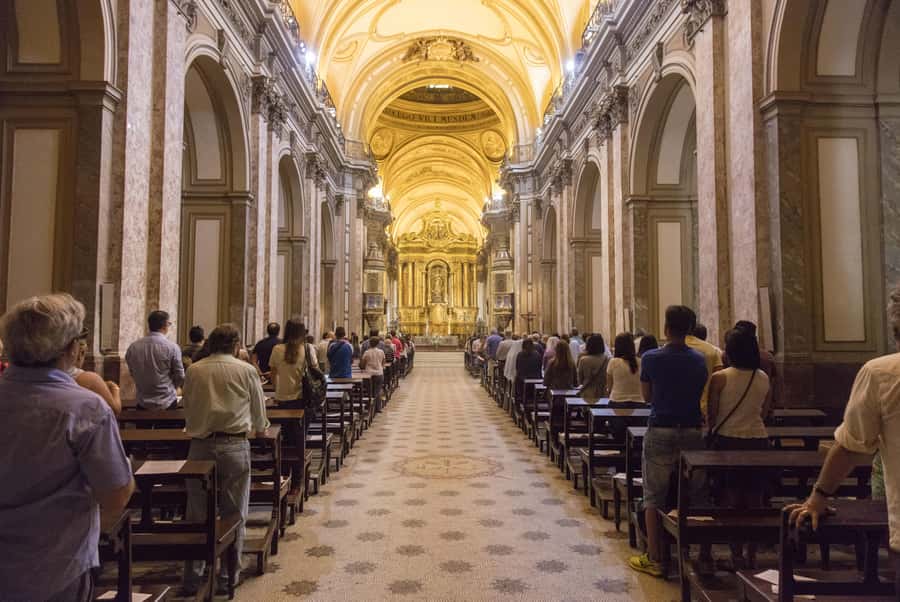
- Plaza de Mayo at the center of power: the political heart of the city, not a random stop.
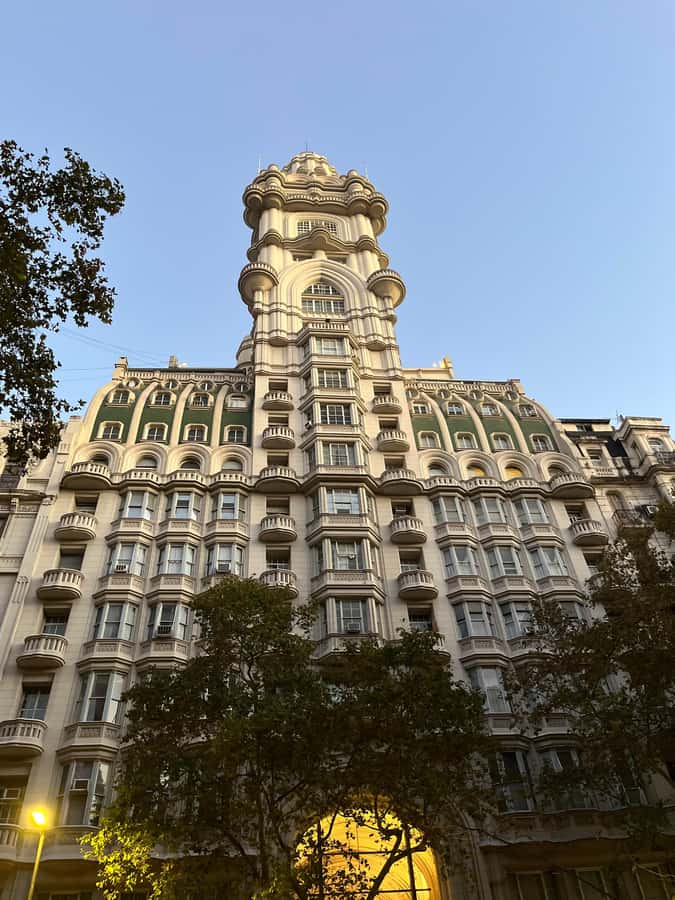
- Avenida de Mayo’s European-style streetscape: old-world style façades and grand buildings.
- Café Tortoni and Barolo Palace: famous names you’ll connect to the city’s evolution.
- Cathedral entrance included: history you can see, not just hear about.
- National Congress finish: democracy in stone and symbolism.
Why Plaza de Mayo to Congress Makes Sense for First-Timers
If you want to understand Buenos Aires fast, this is a smart idea. Starting at Plaza de Mayo puts you directly into the city’s political geography, where Argentina’s modern story keeps echoing in the streets and buildings. Then you walk into Avenida de Mayo, where the city’s “European” look isn’t a slogan—it’s visible in the architecture and urban design.
I particularly like that the route doesn’t treat history like a museum lecture. It gives you a spine: squares for the big moments, then streets for the building details, and finally the National Congress as the finishing point. You’ll come away with a clearer sense of how the city grew into its current identity.
And yes, it’s also a good photo walk—because the architecture is the point. Even if you’re not an architecture nerd, Buenos Aires’ monumental civic buildings are hard to miss.
You can also read our reviews of more historical tours in Buenos Aires


Finding the Tour: Pyramid of May and the Black Umbrella
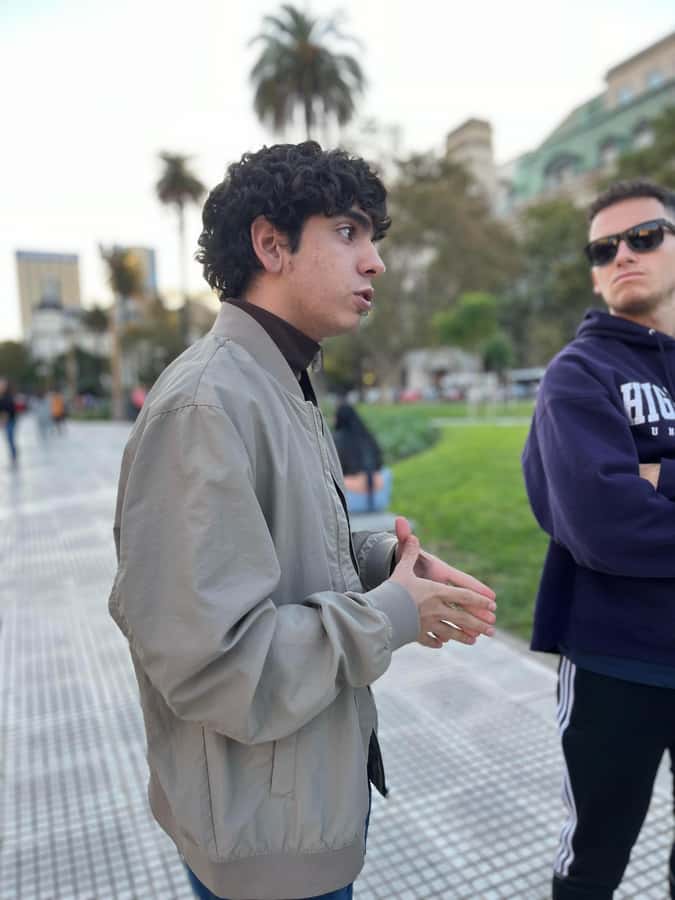
Your starting point is in front of the Pyramid of May, and the guide holds a black umbrella. That’s the main detail you should lock in before you go, because it’s the simplest way to avoid the kind of confusion that can happen in busy historic-center crowds.
A small practical tip: don’t treat the start time like a suggestion. Given that at least one person reported arriving early and not seeing anyone, I’d show up ahead of time and double-check you’ve got the correct operator name: Swell Experiences. If you can, take a quick screenshot of the meeting instructions so you’re not relying on memory in the street noise.
Plaza de Mayo: More Than a Big Square
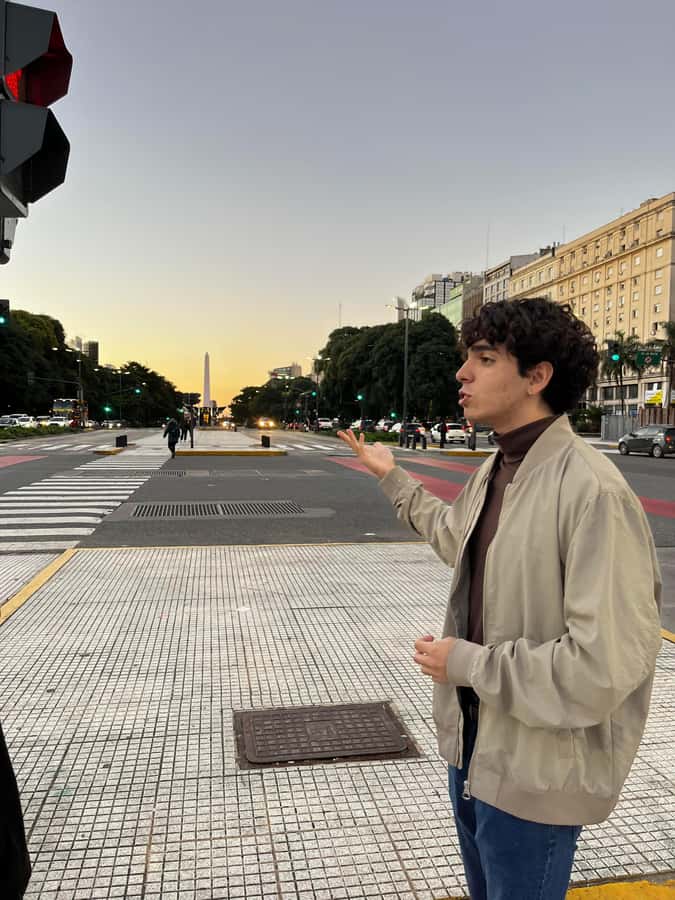
Plaza de Mayo is where you start to understand how Buenos Aires “thinks.” It’s the epicenter of Argentine political and social events, so the buildings around it feel purposeful—not decorative. In a short visit, you won’t get everything, but you will get the mental map.
You’ll get a guided introduction in Plaza de Mayo, and the plan includes a stop at the Cathedral. Since entrance to the Cathedral and a Chapter is included, this isn’t only a walk-by. It turns the square from a scenic viewpoint into a place where you can connect architecture to national identity.
One drawback to note: Plaza de Mayo can be busy around major events. That’s normal for the area. If you’re sensitive to crowds, go in with patience—this is a “historic center” zone, so your timing matters.
Avenida de Mayo: The European-Charm Stretch You’ll Understand
After Plaza de Mayo, you move to Avenida de Mayo for about an hour. This is where the tour’s architecture focus really shows its value, because the avenue is lined with imposing, older buildings, with details that reward you when you know what to look for.
The tour frames Avenida de Mayo as a corridor with European charm, and that makes sense when you’re looking at the façades and the way the avenue is laid out. I like that you’re not just hearing general impressions—you’re getting the historical meaning behind the buildings along the route.
If you like street architecture, this portion is where you’ll feel the payoff. It’s long enough for real observation, but short enough that you’re not stuck in one direction for hours.
And if names help you remember a city, Avenida de Mayo is where the tour highlights landmarks such as Café Tortoni and Barolo Palace. Even if you don’t stop inside everything, you’ll connect those famous names to the broader urban story.
Back to Plaza de Mayo: Cathedral Context and Civic Meaning
The itinerary loops back to Plaza de Mayo after Avenida de Mayo for another guided hour. That second time matters. First, it anchors everything you just saw on Avenida de Mayo back to the city’s central civic space. Second, it gives you breathing room for the cultural and architectural details around the square.
Because the Cathedral entrance is included, this is your moment to connect the symbolism to what’s actually there. Civic buildings in Buenos Aires don’t sit in isolation. They sit in a network of power, culture, and public life, and the square is where that network becomes obvious.
A practical note: if you’re the type who hates repeating a stop, the “back to Plaza de Mayo” part might sound annoying. But in practice, it works because you approach the square with more context after walking Avenida de Mayo.




National Congress Finale: Architecture With Real Political Weight
The finish point is the Congreso de la Nación Argentina, the National Congress. This is a strong closing move because it brings the tour’s theme—history and architecture—into a single, recognizable endpoint tied directly to Argentine democracy.
This area is symbolic, and you’ll feel that symbolism in the building’s presence and what the site represents. Even in a short, guided format, you can connect the earlier square and avenue details to the bigger national story the Congress stands for.
If you like big civic landmarks, you’ll probably enjoy this moment most. It’s the place where your earlier observations start to click into a clear takeaway: Buenos Aires’ architecture isn’t random. It’s political language written in stone and style.
Café Tortoni and Barolo Palace: How Famous Names Fit the Story
The tour’s highlights call out Café Tortoni and Barolo Palace, and that’s useful. These aren’t generic architecture references; they’re recognizable Buenos Aires institutions and structures tied to the city’s evolution.
Here’s how to get the most value out of seeing them on a short tour: don’t just look at them like postcards. Let your guide connect them to the broader street patterns and civic ambitions you’re learning as you move through the center. When you understand why buildings like these matter, they stop being just famous—and start being readable parts of the city.
Even if you don’t plan to sit down for a long coffee, knowing that Café Tortoni and Barolo Palace show up on this route helps you expect those stops and keep your attention sharp.
Price and Value: What You Get for $12
At $12 per person for a 2-hour guided experience, the value looks solid—especially because entrance to the Cathedral and the Chapter is included. That matters in Buenos Aires, where a lot of “cheap” walking tours don’t include any entry at all.
You’re also getting a live guide in Spanish and a private group format. Private doesn’t mean luxury, but it does often mean you can ask more questions without getting lost in a larger crowd. And if you’re traveling with mobility needs, wheelchair accessibility is clearly listed.
The main “cost” is time and attention. This is a short history-and-architecture walk, so you won’t have time to drift into side streets for shopping or long meals. If that sounds like your style, you’ll love it. If you want slow wandering, you might prefer a longer, self-paced plan after.
Who This Tour Fits Best (and Who Should Skip It)
This experience is ideal if you want a first pass at Buenos Aires’ historic core and you like architecture that connects to civic life. You’ll get the most out of it if you enjoy guided context—because the tour is built on linking streets, squares, and major institutions into a coherent story.
It’s also a good match for travelers who:
- want a structured 2-hour plan
- care about understanding public buildings, not just photographing them
- appreciate a private group dynamic
- need wheelchair accessibility
I’d be more cautious if you’re looking for lots of free time or a broad range of neighborhoods. This focuses on the historic center axis—Plaza de Mayo, Avenida de Mayo, and the Congress. If you want modern Buenos Aires, barrios like Palermo or Recoleta, or art districts, you’ll likely want an additional day for that.
Booking Checklist: The One Thing to Watch
Before you go, confirm the meeting spot details: Pyramid of May, black umbrella, and Swell Experiences. That’s not nitpicking—it’s the difference between a smooth start and a frustrating wait.
Then, plan buffer time. If your day is tight, this is the one moment where you don’t want to cut it close. With at least one no-show report tied to the meeting point experience, I treat early arrival as good travel sense, not paranoia.
Finally, bring listening stamina. The tour is Spanish only, and the format is a guided walk with specific stops. If you’re comfortable with guided listening, you’ll get more from it.
Should You Book This 100% History and Architecture Walk?
I think it’s worth booking if you want a straightforward, architecture-forward route through Buenos Aires’ core civic sites. For $12, you get a live Spanish guide, a private group format, wheelchair accessibility, and Cathedral entrance included—plus major landmarks like Plaza de Mayo, Avenida de Mayo, Café Tortoni, Barolo Palace, and the National Congress.
Skip it if you want a long, flexible day or if you need a language you can’t get from the guide. And if meeting-point confusion would ruin your day, make sure you double-check where the black umbrella is and arrive early.
If you book, go in with a simple goal: learn how the city’s public buildings tell its story. This route is built for that.
FAQ
How long is the tour?
The duration is 2 hours.
How much does the tour cost?
The price is $12 per person.
Where does the tour start?
The tour starts in front of the Pyramid of May, with a black umbrella.
Where does the tour end?
It finishes at the Congreso de la Nación Argentina, and the activity ends back at the meeting point.
Is the tour wheelchair accessible?
Yes, wheelchair accessibility is listed.
What language is the live guide?
The live tour guide is Spanish.
What’s included in the experience?
You get a guided tour, plus entrance to the Cathedral and the Chapter.
Is it a private group?
Yes, it’s listed as a private group.
Is there free cancellation or a pay-later option?
Free cancellation is listed up to 24 hours in advance for a full refund, and there is also a reserve now & pay later option.