REVIEW · CUSCO
City Tour Cusco & Valle Sagrado Pisac mas Almuerzo
Book on GetYourGuide →Operated by Tour Valle Sagrado Vip · Bookable on GetYourGuide
Andes views and real ruins. This tour strings together Cusco’s four Inca sites and Pisac market for a very practical taste of the region, with an à la carte lunch stop that matches the scenery. One drawback to watch: the day’s timing can get mixed up, and there was at least one case of the wrong part of the day being offered instead.
I like that the plan is built around key places you’d otherwise piece together yourself. You get an English/Spanish guide, hotel pickup in Cusco, and enough time at each stop to actually understand what you’re looking at instead of just taking photos and rushing on.
With a rating around 3.6/5, I’d treat this as a good value sightseeing loop—but not a no-stress, guaranteed-flawless operation. If you’re sensitive to schedule changes, keep your expectations flexible.
In This Review
- Key takeaways before you go
- How the 8-hour loop actually plays out
- Cusco’s four ceremonial stops: Sacsayhuamán, Qenqo, Puka Pukará, Tambomachay
- Sacsayhuamán: the stone fortress and city views
- Qenqo: underground passages and ritual altars
- Puka Pukará: a military and administrative outpost
- Tambomachay: water worship and ceremonial fountains
- Taray Viewpoint lunch with à la carte choices
- Pisac town and market: textiles, ceramics, and real shopping time
- The Pisac Archaeological Complex: terraces, temples, and big viewpoints
- A key consideration: altitude and pacing
- Price and what you’ll actually pay on the ground
- What’s included (and how to pack for it)
- Included
- Not included
- Bring this
- Plan around rules
- Who should book this tour (and who should skip it)
- Should you book City Tour Cusco & Valle Sagrado (Pisac + Lunch)?
- FAQ
- How long is the tour?
- How much does it cost?
- Is hotel pickup in Cusco included?
- What languages are the guides?
- Is lunch included, and is the entrance ticket included?
- About what time do we return to Cusco?
- Can I cancel for a full refund?
- What should I bring or avoid?
Key takeaways before you go
- Hotel pickup in Cusco means you start without figuring out transport first.
- Four major Cusco archaeological stops in one morning-style circuit.
- Taray Viewpoint lunch is included as à la carte, so you control what you order.
- Pisac market + crafts textile center gives you something to do besides ruins.
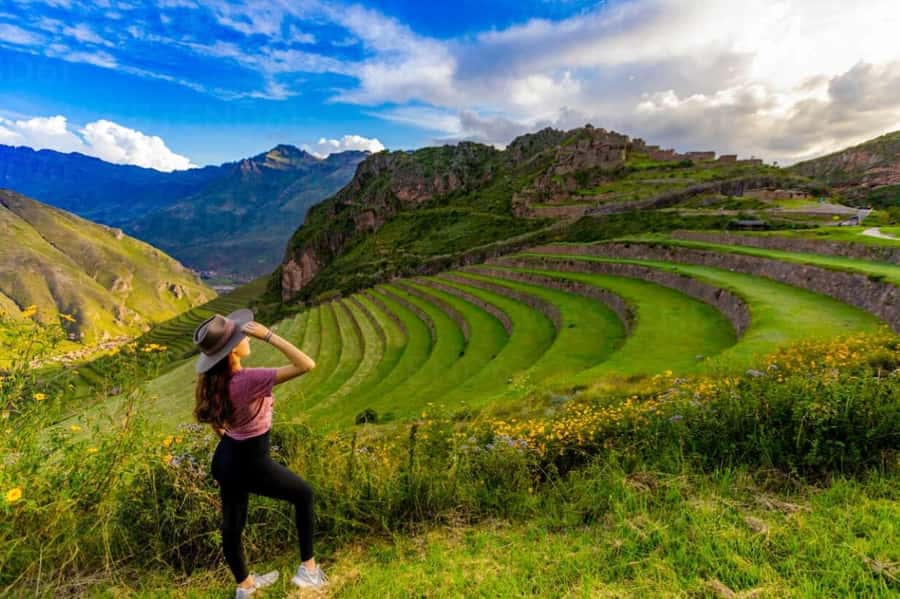
- Pisac Archaeological Complex is the high-payoff finale with terraces and viewpoints.
How the 8-hour loop actually plays out
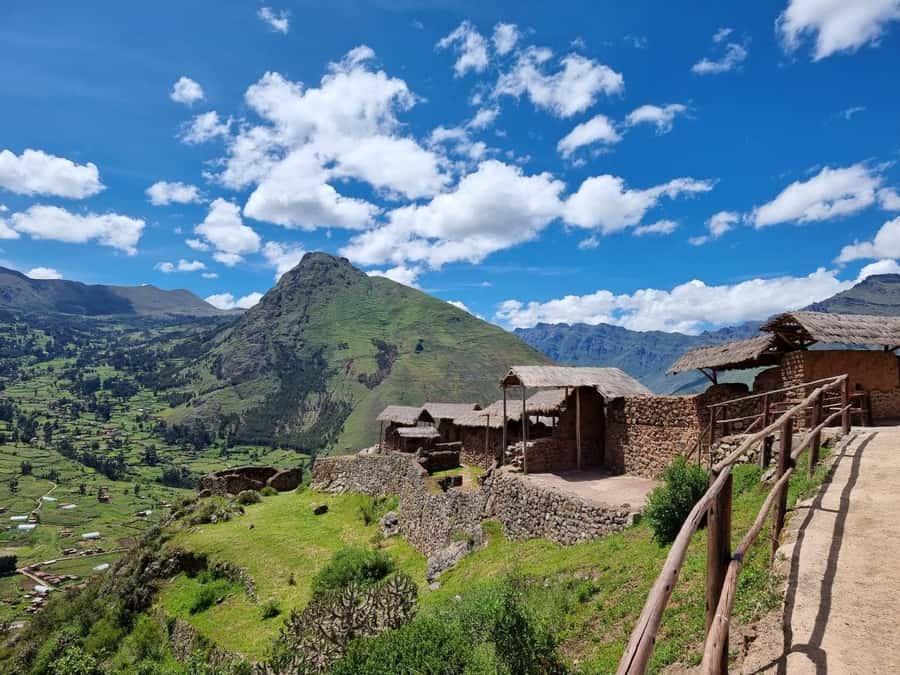
This is an 8-hour tour with hotel pickup in Cusco and a return to the city at about 4:00 p.m. That timing matters. You’re doing a lot of sightseeing in one day, and the route includes drives plus walking at archaeological sites where you’ll feel the altitude more than you might in Cusco town.
Transport is described as tourist mobility (shared service). In plain terms: you’re not in a private car all day. That’s not automatically bad. It can be efficient and cheaper. It also means you might have small schedule ripples if pickups are staggered.
The style of the day is clear: Cusco stops first, then Sacred Valley viewpoints and Pisac, ending with the Pisac archaeological area high on the mountain. If you’re trying to squeeze in Machu Picchu on another day, this tour is a great way to fill the gaps with classic Inca-era sites and everyday market life.
You can also read our reviews of more city tours in Cusco
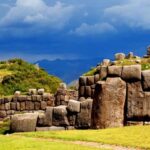
Cusco’s four ceremonial stops: Sacsayhuamán, Qenqo, Puka Pukará, Tambomachay
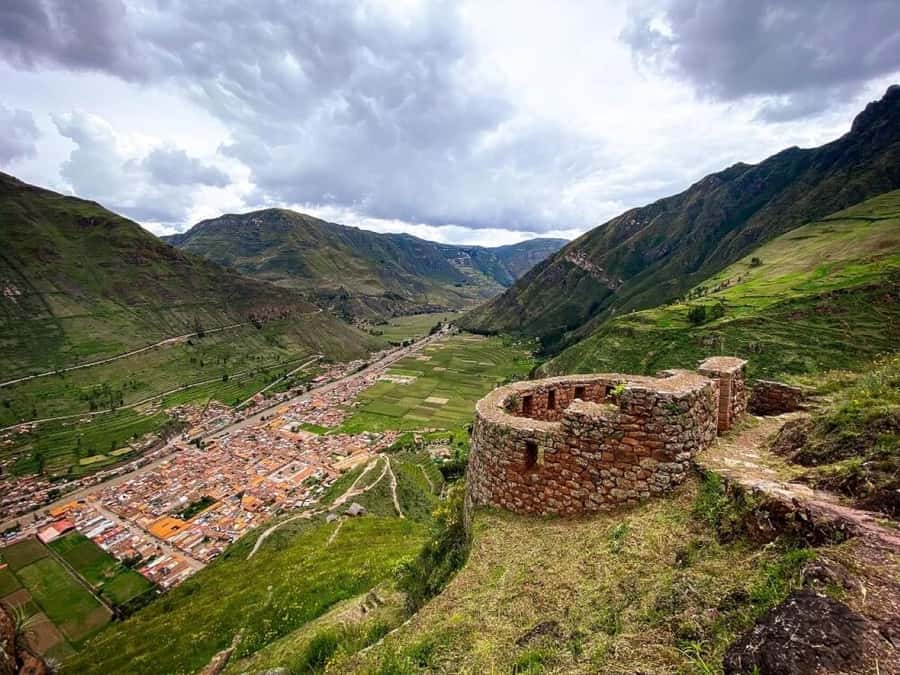
The Cusco portion focuses on four major archaeological sites. This is the part I like most, because each stop has a different “reason to exist,” so your guide can connect the dots between architecture, ritual, and how the Incas organized sacred space.
Sacsayhuamán: the stone fortress and city views
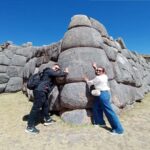
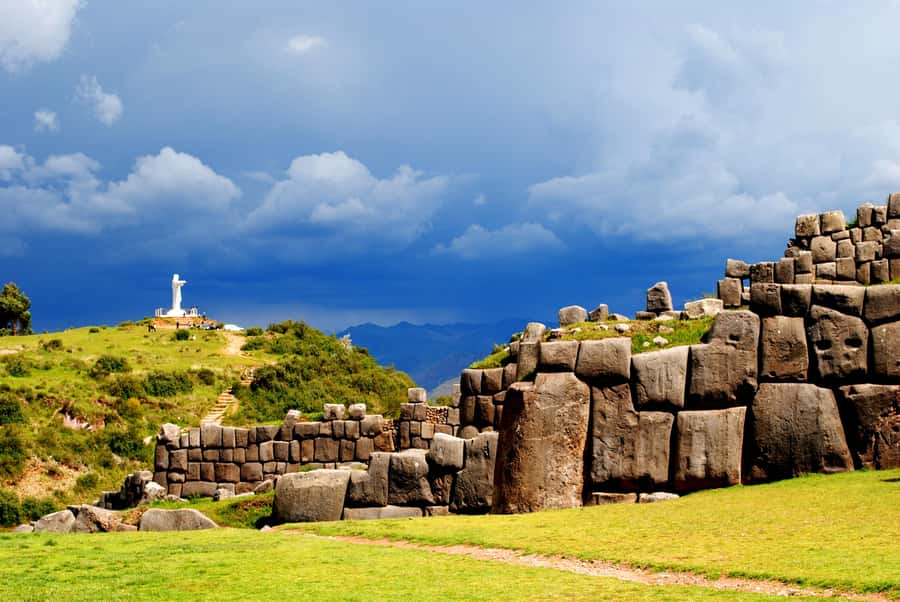
Sacsayhuamán is described as a ceremonial fortress with massive stone walls. What you’ll notice on the ground is the scale. The walls look heavy and deliberate, and the top gives you wide panoramic views of Cusco. That view is more than a photo moment—it helps you understand why this kind of site was so important as an observation and ceremonial point.
Tip: Bring your camera, but also pause and look without it for a full minute. From up there, you can better “read” the city below.
Qenqo: underground passages and ritual altars
Qenqo is presented as a ritual center with underground passages and ceremonial altars. This stop feels less like a lookout and more like a place designed for ceremony—so expect a more interpretive experience. If you like guides who can explain how these spaces were used, this is usually the kind of stop that makes a tour feel worthwhile.
Puka Pukará: a military and administrative outpost
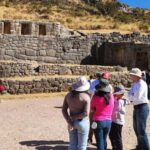
Puka Pukará shifts the story. Instead of only ritual space, it’s described as an ancient military and administrative outpost. That’s useful context. You’re not just seeing pretty ruins—you’re seeing how different types of sites supported the empire.

Tambomachay: water worship and ceremonial fountains
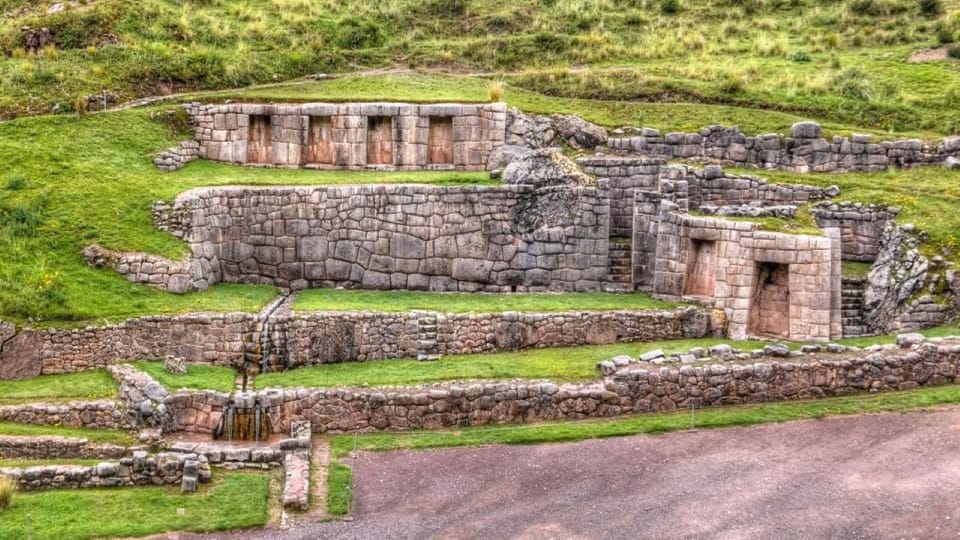
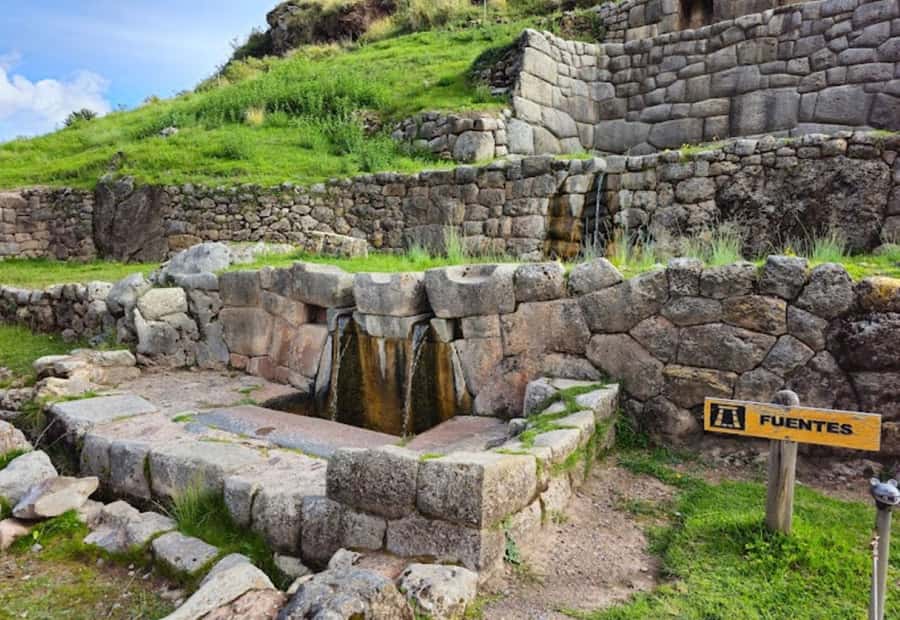
Tambomachay is dedicated to worship of water, with ceremonial fountains. This is a great contrast to the “stone and angles” vibe of the earlier stops. Water sites can feel surprisingly atmospheric, especially as your guide connects the practical importance of water in the Andes with ceremonial meaning.
Travel reality check: You’ll likely do short walks between viewpoints and uneven areas once you arrive at each site. A daypack and comfortable footwear help.
Taray Viewpoint lunch with à la carte choices
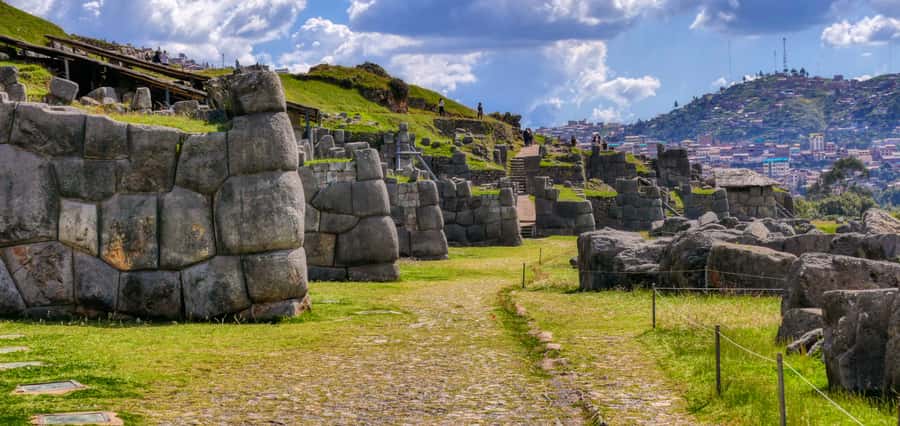
After the Cusco stops, the tour heads to Taray Viewpoint. This is the scheduled lunch break, and lunch is à la carte. That’s a big deal for your value. With à la carte, you can choose what you want to eat instead of getting boxed into a fixed menu that might not fit your preferences.
The payoff is the view. Taray Viewpoint is explicitly tied to the Sacred Valley of the Incas, so you’re eating with scenery as part of the experience—not after you’ve already “lost interest.”
A practical heads-up: drinks are not included. Also, alcohol and drinks in the vehicle are listed as prohibited. That means plan to bring water only if it’s allowed under your tour rules (the data says drinks aren’t included, and it also says drinks in the vehicle aren’t allowed). Since the exact policy on bringing drinks from outside isn’t spelled out, I’d just plan to buy drinks during lunch or follow the guide’s instructions.
Small strategy: Order something filling but not too heavy if you’ll keep walking later at Pisac. You still have a higher site coming up.
Pisac town and market: textiles, ceramics, and real shopping time
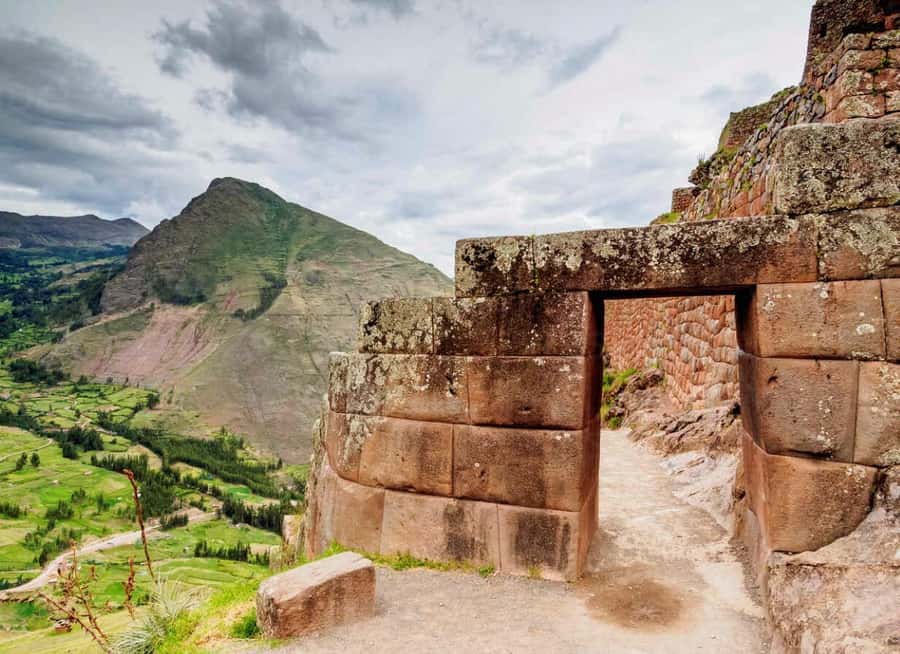
Next up is Pisac town and its famous artisan market. This is where the day shifts from “ancient” to “alive.” The market is described as the place for handmade textiles, ceramics, and jewelry made by local artisans. If you like souvenirs that feel connected to real craft instead of mass production, this stop is exactly what you want.
The practical side: markets move fast. You’ll want a quick scan first, then return to pieces you genuinely like. If you don’t like shopping pressure, come with a mindset of browsing rather than buying.
Also, the tour includes a visit to a textile center in the area of Pisac. That can be helpful if you want a clearer look at how textiles are produced and why some designs matter. It also adds time where the emphasis might be more explanatory than purely shopping.
Value note: This is one of those stops where you can choose how much you spend. If you buy nothing, you still get the experience of seeing how artisans work and sell their goods.
The Pisac Archaeological Complex: terraces, temples, and big viewpoints
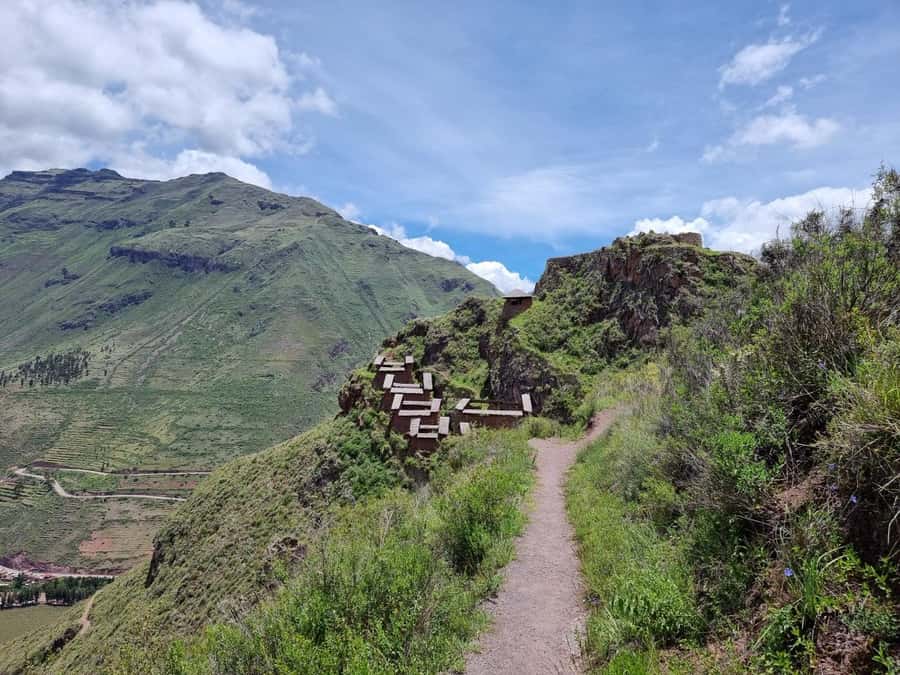
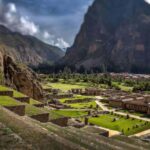
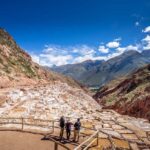
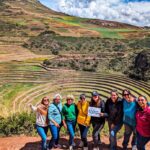
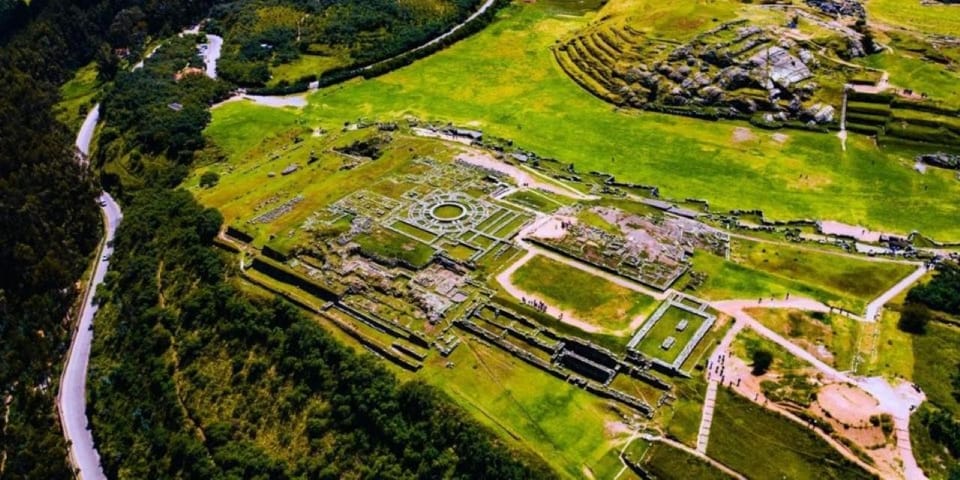
The final major sightseeing stop is the Pisac Archaeological Complex, located high on the mountainside. This is where the tour earns its “Sacred Valley” badge.
You’ll admire:
- agricultural terraces
- temples and ceremonial enclosures
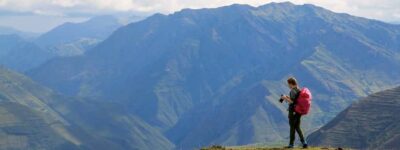
- viewpoints with stunning views of the Sacred Valley
Terraces are the highlight for most people, because they show planning—how people turned steep slopes into farmland. Temples and ceremonial enclosures add the political and religious context. And those viewpoints let you see why this area mattered strategically.
A key consideration: altitude and pacing
Because this complex is high on the mountainside, you may feel the altitude more during the climb and at higher points. It’s not a reason to skip it, but it’s a reason to move slowly and stop for water.
If you’re the kind of traveler who wants every photo angle, you might feel rushed. If you’re more interested in understanding what you’re seeing, a good guide can slow you down at the right spots.
Price and what you’ll actually pay on the ground
The listed price is $77 per group up to 2 for an 8-hour tour. That’s the base cost for the guided experience with pickup and lunch included.
What’s not included is important:
- Tourist entrance ticket: 130 soles
- drinks
So your total cost depends on that ticket and what you order at lunch. The entrance ticket can change your budget, but it’s also a sign that the tour isn’t trying to hide fees inside the base price.
If you’re traveling with one other person, this pricing structure can be good value because you’re sharing pickup and guide time. If you’re traveling solo, you’ll want to confirm how the “up to 2” pricing works for your booking.
What’s included (and how to pack for it)
Included
- hotel pickup in Cusco
- tourist mobility (shared service)
- lunch à la carte dishes
- professional guide (English / Spanish)
- visit to the textile center of Pisac
Not included
- tourist entrance ticket (130 soles)
- drinks
Bring this
- passport or ID card
- sun hat
- camera
- cash
- daypack
Cash matters because you’re dealing with paid entry and drinks you’ll likely want to purchase. Also, the Andes sun is strong, so that sun hat is not optional in spirit.
Plan around rules
You’ll want to follow the “no fun with sharp stuff” basics: weapons or sharp objects aren’t allowed. And alcohol and drugs are prohibited, plus drinks aren’t allowed in the vehicle. In practice, that usually just means: drink water, keep alcohol out of the day, and listen to your guide.
Who should book this tour (and who should skip it)
This tour fits best if you want:
- a single-day route that covers major Cusco archaeological sites plus Pisac
- a guided explanation in English or Spanish
- lunch with a scenic break at Taray Viewpoint
- time for market browsing and artisan crafts
You might skip it if:
- you’re tightly scheduled and hate any chance of timing changes
- you’re expecting a fully private, never-delayed day
- you want only one area (either Cusco or Sacred Valley) and prefer deeper exploring with less driving
Because it’s a shared-service transport setup, it’s not the best choice for travelers who need quiet solitude the whole way.
Should you book City Tour Cusco & Valle Sagrado (Pisac + Lunch)?
Yes, with eyes open. If you’re new to Cusco and want a guided taste of both the city and Sacred Valley, this is a solid 8-hour plan that hits high-interest stops without requiring you to coordinate everything.
The decision comes down to your comfort level with two things: extra entrance cost of 130 soles, and possible timing confusion. If you can stay flexible and treat the schedule as a guide rather than a promise, you’ll likely enjoy the mix of ceremonial sites, Pisac viewpoints, and market life—without having to build the route yourself.
FAQ
How long is the tour?
The tour duration is 8 hours.
How much does it cost?
It’s listed at $77 per group up to 2.
Is hotel pickup in Cusco included?
Yes, pickup is included from your hotel in Cusco.
What languages are the guides?
The guide is available in English and Spanish.
Is lunch included, and is the entrance ticket included?
Lunch is included as à la carte dishes. The tourist entrance ticket is not included, and it’s listed at 130 soles. Drinks are also not included.
About what time do we return to Cusco?
The approximate arrival time back in Cusco is 4:00 p.m.
Can I cancel for a full refund?
Yes. Free cancellation is available up to 24 hours in advance for a full refund.
What should I bring or avoid?
Bring your passport or ID card, sun hat, camera, cash, and a daypack. Avoid weapons or sharp objects. Alcohol and drugs are not allowed, and drinks in the vehicle are not allowed.