REVIEW · BUENOS AIRES
Buenos Aires for curious people
Book on GetYourGuide →Operated by Social&Cultural · Bookable on GetYourGuide
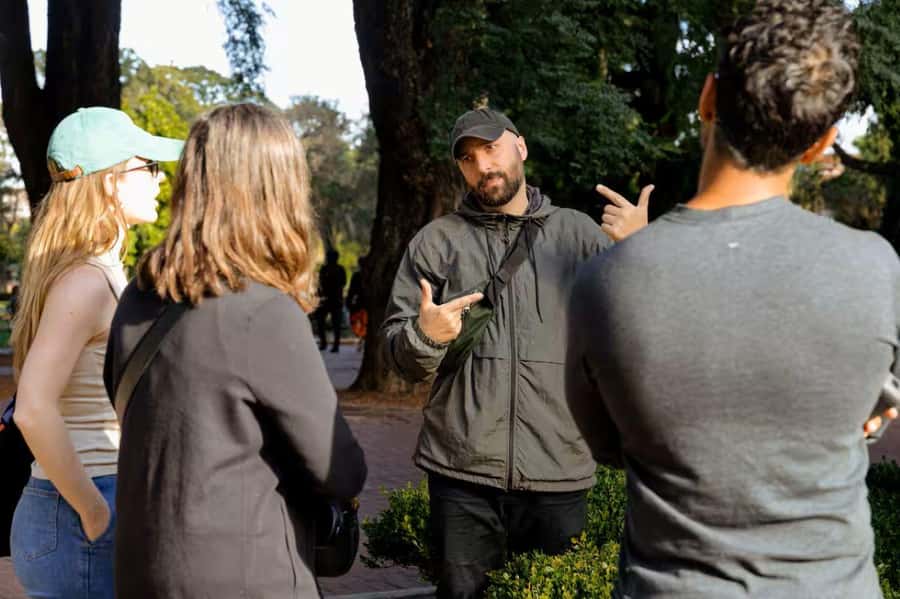
A city worth talking back to. This is a guided Buenos Aires walk built for curious minds, linking street corners to big themes like migration, power, and memory. I like that the tour uses an anthropological lens (not just dates), and I also love the discussion style that makes room for questions as you go.
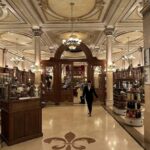
The route is practical too: you start at Bar Británico, work through some of the oldest sections of the city, and end near the Casa Rosada and Plaza de Mayo. One thing to consider: it’s a walking experience in varied weather, so plan to bring water and wear shoes that can handle a few solid hours on foot.
In This Review
- Key highlights you’ll feel immediately
- A City That Makes Sense When You Talk
- Why This Walk Starts at Bar Británico and Ends at Casa Rosada
- Parque Lezama: Getting Oriented With the City’s Deep Beginnings
- The Russian Orthodox Church Stop: What Different Faiths Reveal
- Club Sueco Restaurante: Foreign Interest Isn’t Just a History Book Topic
- Espacio para la Memoria ex CCD Club Atlético: History With Consequences
- Parroquia de San Pedro González Telmo and Plaza Dorrego: Everyday Buenos Aires, Explained
- San Telmo Market Break: A Needed Reset in the Middle
- From Ingeniería to UCA: Education as a Modern City Force
- Puente de la Mujer: A Bridge That Feels Like a Debate
- Price and Value: Why $30 Can Actually Be a Bargain
- Who This Tour Fits Best (and Who Might Want Something Else)
- Practical Tips So You Enjoy Every Stop
- Should You Book Buenos Aires for Curious People?
- FAQ
- How long is the Buenos Aires for curious people walking experience?
- How much does the tour cost?
- Where does the tour meet?
- Where does the tour end?
- Is food or drinks included?
- What languages is the live guide available in?
- Is the tour wheelchair accessible?
- What should I bring?
- Are there options for private or small groups?
- What’s the cancellation and booking flexibility?
Key highlights you’ll feel immediately
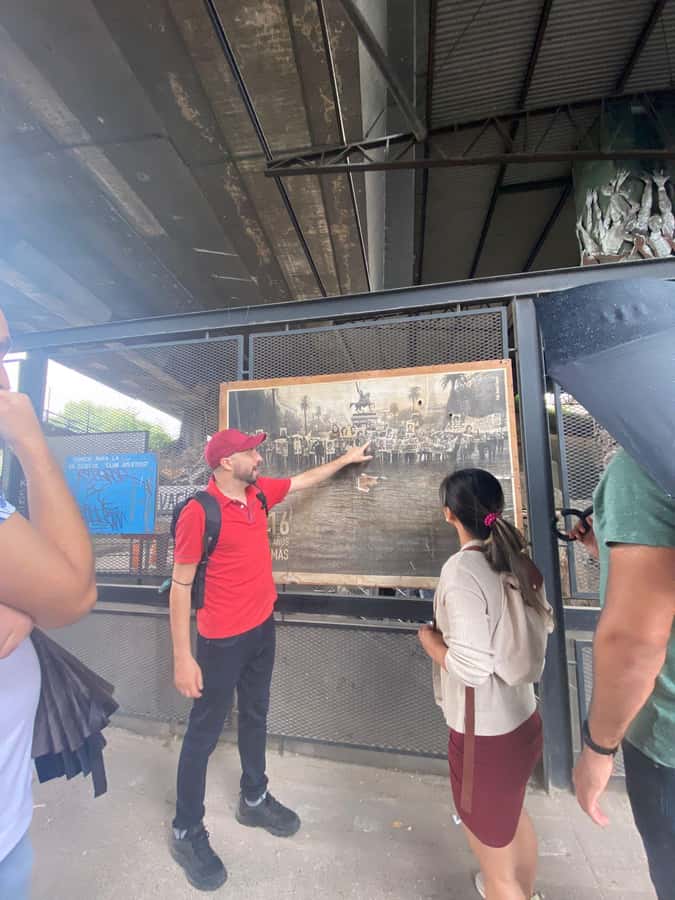
- Lezama Park to Casa Rosada: a compact route through Buenos Aires’ most meaningful layers of time
- Talk-first guiding: you’re encouraged to ask questions, not just listen
- Politics and memory on the walk: from major leaders to the topic of desaparecidos
- San Telmo Market break: a real pause built in, not a rushed stop
- A guide who can shift gears: Nicolás (mentioned in feedback) is known for handling questions and connecting dots
A City That Makes Sense When You Talk
Buenos Aires can feel like a performance at first: grand facades, strong neighborhoods, and a style all its own. This tour helps you see what’s behind the drama. You walk through the historical center as if the city is your textbook, but the guide keeps the focus on the human story—who arrived, who was erased, who gained power, and how everyday life carries those choices forward.
You’ll also notice the tour’s conversational format. Instead of a one-way lecture, you’re invited to ask questions and debate ideas. That matters because Buenos Aires history isn’t tidy. It’s personal, political, and still argued over. When you get to the Casa Rosada area, you’ll understand why leaders and events keep echoing in modern Argentina.
You can also read our reviews of more tours and experiences in Buenos Aires.
Why This Walk Starts at Bar Británico and Ends at Casa Rosada
Starting at Bar Británico sets a useful tone: you’re already in a place tied to the city’s European links, and that theme shows up again and again. The early part of the walk sets context in a way that makes later stops easier to read. You don’t just collect trivia—you build a mental map.
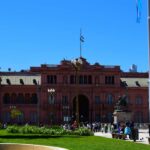
The endpoint near Casa Rosada / Plaza de Mayo is the right payoff. By the time you reach the iconic pink building, you’ve already discussed how Argentina went from colonial roots to a nation shaped by immigration, foreign interest, internal struggle, and modern economic realities. Casa Rosada isn’t treated as a photo-op. It becomes the final piece in a conversation about politics and legitimacy.
A practical note: it’s a 3-hour walking tour. That’s a good length for a first serious introduction, but it still asks you to move. If you’re sensitive to walking pace, bring your most comfortable shoes and don’t plan tight back-to-back activities after.
Parque Lezama: Getting Oriented With the City’s Deep Beginnings
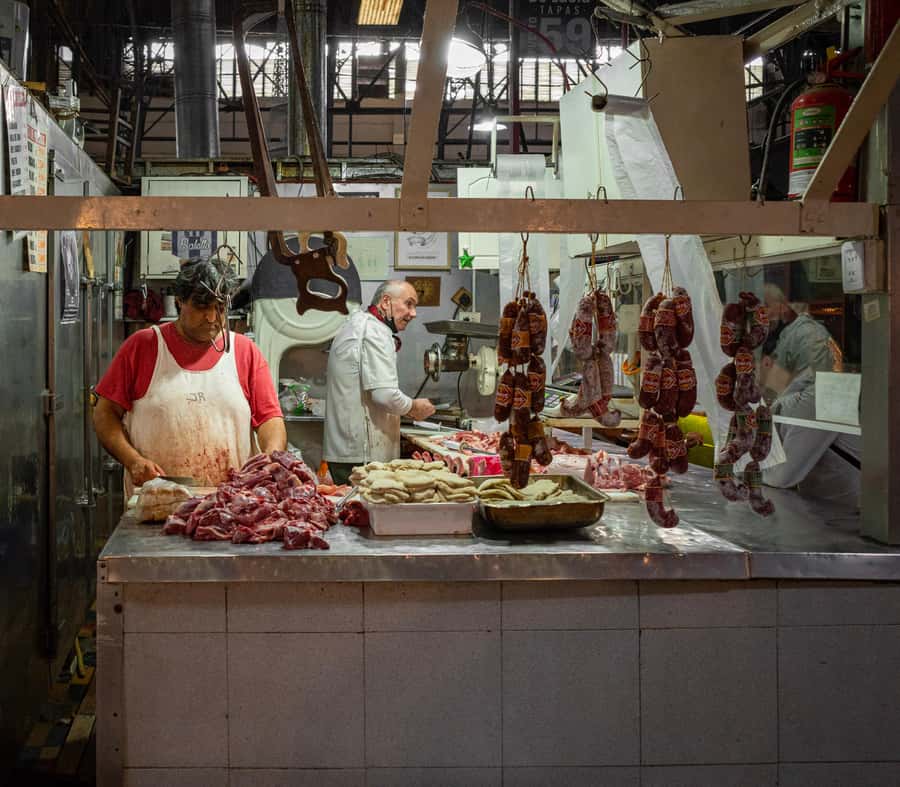
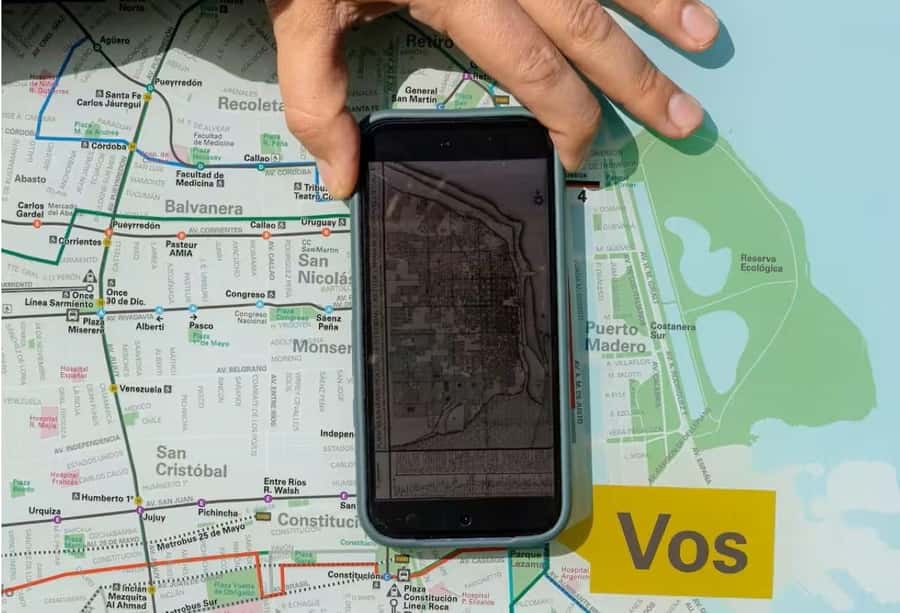
The walk begins around Parque Lezama, with about 15 minutes for guiding and orientation. This is where the guide does important groundwork: where the city’s early layers show up, and why the geography and neighborhood character matter to understanding Buenos Aires as it became.
You’ll hear the kind of questions that turn a park stop into a doorway—who were the first inhabitants, what brought people here, and how those early realities shaped the city’s later identity. It’s also a gentle way to start: you’re not sprinting into complex topics before your legs are warmed up.
If you’re the type who likes context before viewpoints, this beginning style will click with you. It also helps you notice things you might otherwise miss—street alignments, architectural cues, and how certain areas keep functioning as social hubs.
The Russian Orthodox Church Stop: What Different Faiths Reveal
Next comes the Russian Orthodox Church of the Holy Trinity, a shorter 10-minute stop built for quick understanding. Don’t expect a long interior visit built into the schedule. Instead, it’s about reading the building and what its presence signals about Buenos Aires over time.
This is where the tour starts connecting immigration, foreign communities, and cultural imprint. You’ll see how the city absorbed different groups and how that shaped neighborhoods and identity. Even if you’re not religious, the visual cue is powerful: faith architecture becomes a marker of migration and settlement patterns.
A good way to use this stop: take a photo from a couple angles, then ask yourself what you think the community brought to the area. The guide’s explanations will give you a sharper answer than you’d guess on your own.
Club Sueco Restaurante: Foreign Interest Isn’t Just a History Book Topic
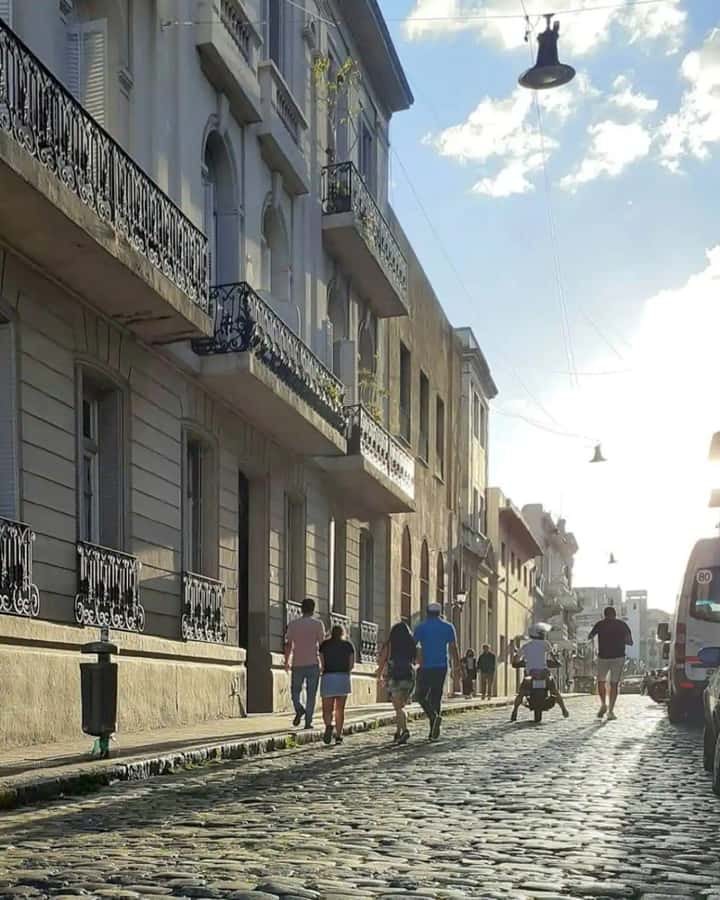
Then you’ll pass by Club Sueco Restaurante for another brief guided stop. Even with limited time, the guide uses it as a signpost—showing how Buenos Aires wasn’t just shaped by locals and rulers, but also by external interest and organized community life.
The conversation here often ties into broader themes the tour returns to: why foreign powers were drawn to the region, and how Buenos Aires developed in relation to that attention. If you’ve ever wondered why so much of Argentina’s modern story feels tied to international forces, this is one of the early moments where it becomes easier to see.
Espacio para la Memoria ex CCD Club Atlético: History With Consequences
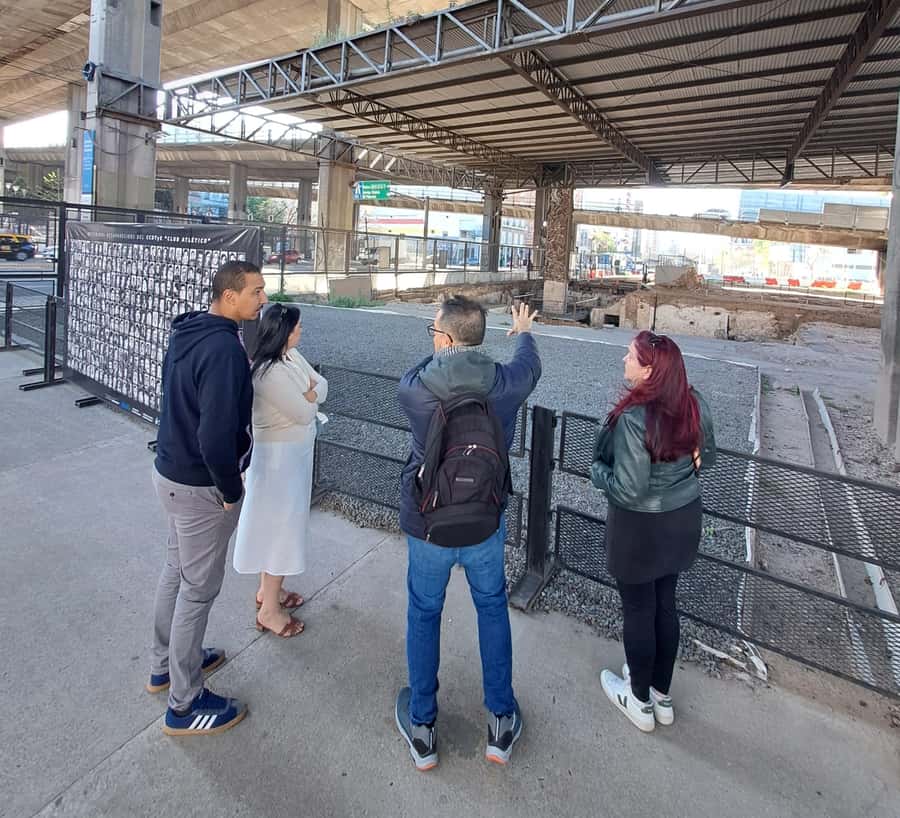
One of the most serious stops comes at Espacio para la Memoria ex CCD Club Atlético. This is about memory and accountability. The timing is brief (around 10 minutes), but the topic isn’t light: you’ll discuss the meaning of desaparecidos and how their memory shapes modern Argentina.
This stop changes the tone of the walk in the best way. It prevents the tour from becoming only a story of buildings and famous names. Instead, it anchors the conversation in what political violence does to a society—and how remembering becomes a form of civic identity.
If this topic feels heavy, that’s normal. Go slowly mentally here. Look at what’s presented, then let the guide’s framing do its job: connecting the past to how people today talk about rights, power, and truth.
Parroquia de San Pedro González Telmo and Plaza Dorrego: Everyday Buenos Aires, Explained
After the memory stop, the tour shifts toward older community life at Parroquia de San Pedro González Telmo (about 10 minutes) and then toward social space at Plaza Dorrego (around 5 minutes). These short segments are meant to keep your eyes moving and your understanding flexible.
Here’s what I like about this part: it reminds you that politics and ideology don’t float above daily life. Churches, plazas, and neighborhood rituals show up as infrastructure for community meaning. The guide uses them to connect how Buenos Aires neighborhoods developed and how people gathered, argued, and built identity over time.
Plaza Dorrego is a quick stop, but it acts like a hinge between eras. The guide helps you see it as more than a place you’d casually pass. It’s part of the city’s social engine.
San Telmo Market Break: A Needed Reset in the Middle
You’ll get a built-in break at San Telmo Market with about 20 minutes of free time. This is the pause where the tour earns its value. After serious conversations, you need a human reset—something sensory, something casual.
Use this time smartly. Sit for a moment, scan what’s on offer, and think about what a market represents in any city: exchange, migration of tastes, and informal daily economics. Even without buying anything, the space gives you a lived understanding of how people occupy the city now.
If you’re taking photos, this is also a great time because you’ll see a mix of locals and visitors—plus the textures of an active neighborhood.
From Ingeniería to UCA: Education as a Modern City Force
The walk then includes a short stop at the Facultad de Ingeniería (about 5 minutes) and another guided segment at UCA Santa María de los Buenos Aires (around 10 minutes). These stops are quick, but the point is clear: Buenos Aires isn’t only a museum. It builds ideas, trains professionals, and shapes future leadership.
When you pair these educational stops with earlier discussions—immigration, political power, and economic pressure—you start to see how a society keeps moving. Schools aren’t just buildings. They’re where future narratives get trained.
A small practical strategy: during short stops, listen for the one main idea the guide wants you to walk away with. For these, it’s the role of institutions in keeping the city functional and shaping what comes next.
Puente de la Mujer: A Bridge That Feels Like a Debate
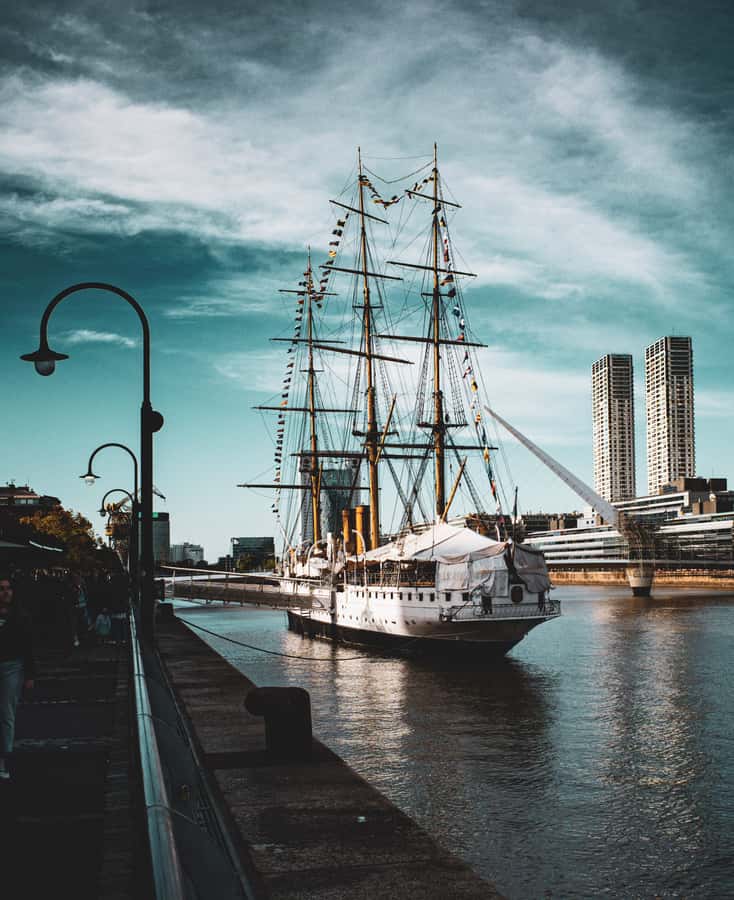
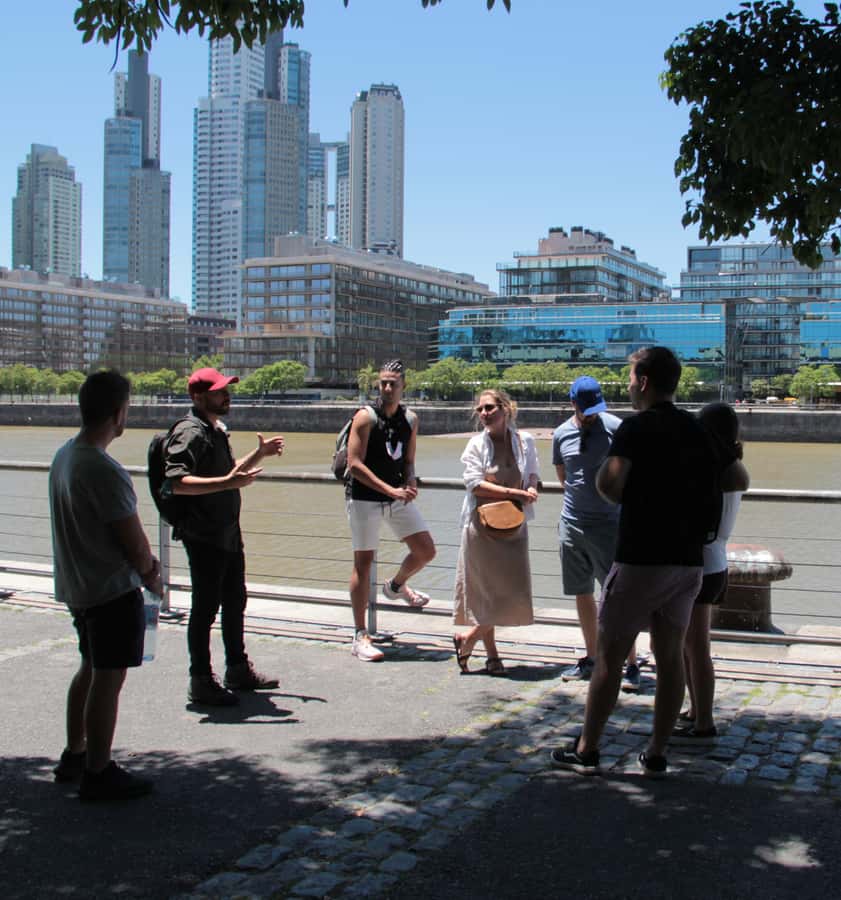
Near the end, you’ll reach Puente de la Mujer, with about 15 minutes for guiding and sightseeing. Bridges are great places for big thinking because they literally connect sides of a city. Here, the connection is emotional and political, too.
This is where the tour’s themes tend to land. You’ve discussed the question of why Argentina became a nation of immigrants, what the legacy of Evita and Perón looks like, and how modern memory politics shapes national identity. The guide uses the urban structure to keep that conversation grounded in the physical city.
If you want to understand Buenos Aires beyond its postcard, this is a strong moment to do it. Watch how people move around the water and the walkway. Then let the guide’s comments help you interpret what you’re seeing as part of a larger story.
Price and Value: Why $30 Can Actually Be a Bargain
At $30 per person for about 3 hours, this tour sits in the sweet spot for first-time visitors. You’re not paying for a long bus ride or a pile of stops where nothing connects. You’re paying for a guided conversation that links neighborhoods to themes, and that structure makes the time feel efficient.
The included value also matters: a professional guide, historical insight, and built-in opportunities for discussion. That last part is the real differentiator. If you’ve ever taken a walking tour that feels like a script, you know how quickly it gets forgettable. Here, you’re encouraged to ask questions—so you can tailor the experience to what you care about.
You’ll also end with drop-off points near key sights: Museo Casa Rosada, Casa Rosada, and Plaza de Mayo. That positioning is useful. You can continue independently with a clearer sense of what you’re looking at.
Who This Tour Fits Best (and Who Might Want Something Else)
This is made for you if you like history with arguments in it. If you’re the type who wants to understand why a country’s present behaves the way it does, you’ll likely enjoy how the guide frames the big questions: British interest and invasion, the city’s African-descendant population, the immigrant story, political leaders, and the lasting impact of desaparecidos.
It also works well as a first serious orientation. The city’s “why” becomes easier once you’ve walked from Lezama toward the political center.
It might not be ideal if you want a casual, purely scenic stroll. This is still sightseeing, but the tour is built around discussion and heavier topics, so your brain will be doing more work than it would on a purely light walking tour.
Practical Tips So You Enjoy Every Stop
Bring comfortable shoes. The route is walk-based, and you’ll be happier if your feet are ready from the start. Pack water, sunscreen, and a camera. Buenos Aires weather can shift, and staying hydrated matters when you’re moving for a few hours.
If you like asking questions, take advantage of it early. The guide’s style is designed for back-and-forth, and starting with curiosity at the beginning helps the conversation flow.
Finally, if you’re in a private or small group, the pacing may feel a bit more flexible. Some feedback notes that smaller groups can finish earlier, leaving extra room to ask your follow-up questions.
Should You Book Buenos Aires for Curious People?
I’d book this if you want a Buenos Aires introduction that doesn’t stop at architecture. The price-to-time ratio is strong, and the walk is built around themes that actually explain the city’s identity—foreign interest, immigration, political turning points, and how memory shapes modern life.
Skip it only if you want a purely scenic, low-effort stroll with no debate and no heavier historical context. Otherwise, this is a smart way to turn a few hours into real understanding—especially if you’re excited by the city’s questions as much as its sights.
FAQ
How long is the Buenos Aires for curious people walking experience?
It lasts 3 hours.
How much does the tour cost?
The price is $30 per person.
Where does the tour meet?
You meet at Bar Británico.
Where does the tour end?
You’ll finish with drop-off locations near Museo Casa Rosada, Casa Rosada, and Plaza de Mayo.
Is food or drinks included?
No. Meals and drinks are not included.
What languages is the live guide available in?
The guide offers Spanish, French, English, and Portuguese.
Is the tour wheelchair accessible?
Yes, it is listed as wheelchair accessible.
What should I bring?
Bring comfortable shoes, a camera, sunscreen, and water (a water bottle is recommended).
Are there options for private or small groups?
Yes, private or small groups are available.
What’s the cancellation and booking flexibility?
There is free cancellation up to 24 hours in advance for a full refund, and you can reserve now and pay later.