REVIEW · BUENOS AIRES
Buenos Aires: Panoramic Bus Tour
Book on GetYourGuide →Operated by Providence Viajes · Bookable on GetYourGuide
Buenos Aires rolls by in three hours. This tour is a straightforward way to understand how the city grew—through old neighborhoods and big landmark views like the Obelisk and the Colón Theatre—without needing to plan routes. I especially like that you get history explained in plain language and two timed photo stops that actually land you in the right places. One heads-up: the schedule is tight, so if your timing slips, the whole group pays the price.
You’ll be on a panoramic bus with a bilingual, certified guide (English, Portuguese, or Spanish). Pickup is included, and the tour ends at the Obelisco—handy if you want to keep exploring on foot afterward.
In This Review
- Key Things I’d Circle Before You Go
- Why This Bus Tour Works for First-Time Buenos Aires
- Pickup and Route Flow: What the 3-Hour Timing Feels Like
- San Nicolás: Obelisk and Colón Theatre in the Central Spotlight
- Monserrat Photo Stop at Plaza de Mayo: Power, Protest, and Architecture
- San Telmo: Historic Streets and Tango Culture on the Walking-Friendly Side
- La Boca: Caminito, Immigrant Tenements, and Boca Juniors Passion
- Puerto Madero: Modern Contrast and a Waterfront Change of Pace
- Retiro and Palermo: Big City Gateway Energy to Park and Museum Areas
- Recoleta and the Final Approach to the Obelisco
- What You’ll Really Get for $55: Value vs Flexibility
- Who This Tour Fits Best
- Should You Book This Buenos Aires Panoramic Bus Tour?
- FAQ
- FAQ
- How long is the Buenos Aires panoramic bus tour?
- What photo stops are included?
- What neighborhoods are covered?
- Is pickup included, and where do I meet the guide?
- What languages is the live guide available in?
- Is this tour suitable for people with mobility impairments?
Key Things I’d Circle Before You Go
- Timed photo stops at Plaza de Mayo and Caminito, built into a 3-hour plan
- Guided contrast between Monserrat’s older core and Puerto Madero’s newer waterfront
- Landmark focus on the Obelisk and Colón Theatre from the central city spine
- La Boca on foot with a short walk around Caminito and the tenements
- Strong neighborhood sweep across Palermo, Recoleta, San Telmo, and more
- Group pace matters if you prefer linger-time over check-the-box stops
Why This Bus Tour Works for First-Time Buenos Aires
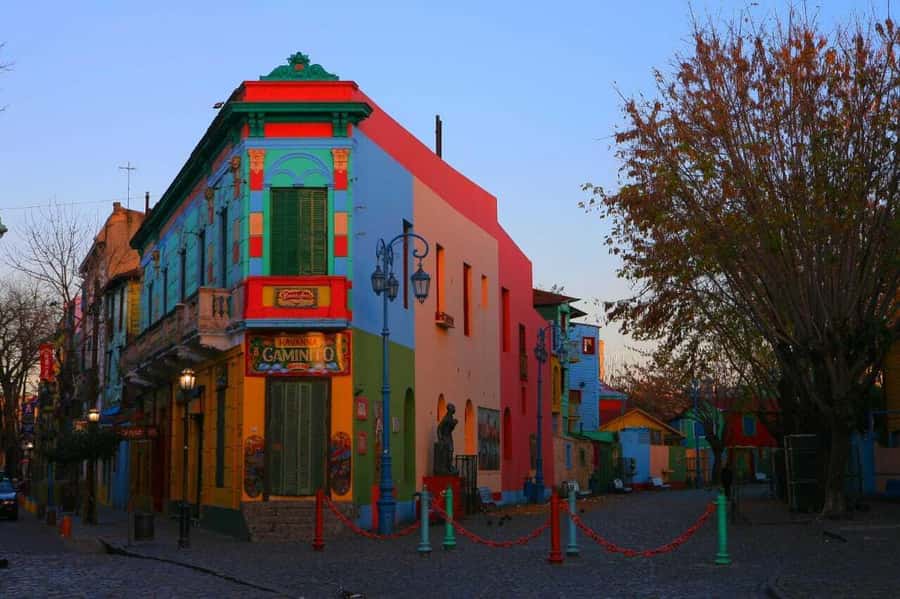
If you’re short on time, a panoramic bus tour is more than a shortcut. It’s a map you can hear. You get the city’s “logic” in order: where the power sat (government and early settlement), where culture gathered (theatre and tango streets), and where new wealth reshaped the skyline (Puerto Madero).
This one runs about 3 hours and keeps moving through several areas—so you’re not stuck spending your whole day in one district. You also get a real guided component, not just sightseeing from a window. The guide’s job is to connect what you see (buildings, streets, monuments) with why it matters to Argentine life.
The best part for most people: you leave with photos you can actually use and a mental framework for what to do next—whether that’s tango in San Telmo, cemetery visits in Recoleta, or exploring La Boca beyond the postcard spots.
The trade-off: bus tours trade flexibility for efficiency. Expect a set route, set stops, and a “move when the group moves” rhythm.
You can also read our reviews of more tours and experiences in Buenos Aires.

Pickup and Route Flow: What the 3-Hour Timing Feels Like
The tour includes pickup from your hotel or a nearby meeting point, depending on where you’re staying. After pickup, the day flows in a clear sequence: central neighborhoods first, then the city’s older historic fabric, then La Boca, then Puerto Madero and back toward the more elegant west side (Palermo and Recoleta).
The itinerary finishes at the Obelisco, which is a smart landing point. It’s central, easy to orient yourself, and it lets you continue later without needing a new plan.
One practical note: this isn’t an ultra-slow, wander-around-your-own-pace kind of tour. You’re moving with a group, and photo stops are timed. If you’re the type who wants to shoot 50 angles from 10 minutes in one spot, you may feel rushed.
San Nicolás: Obelisk and Colón Theatre in the Central Spotlight
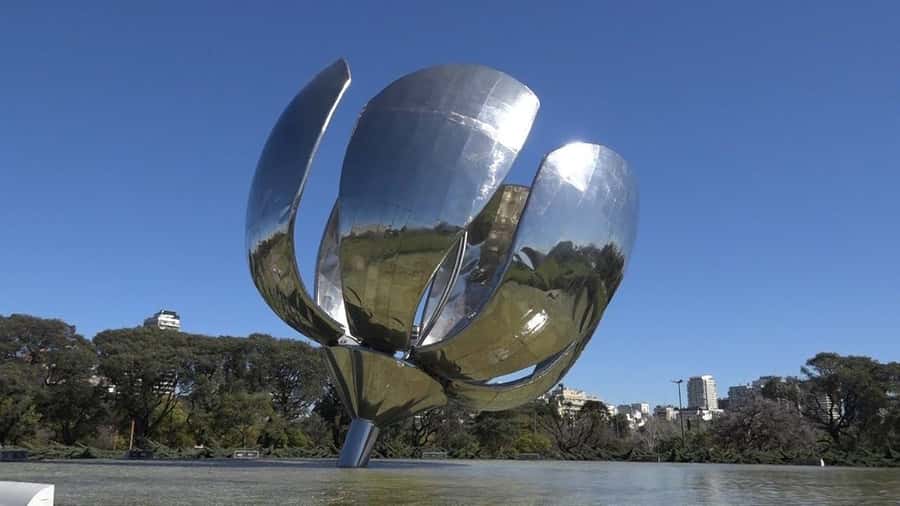
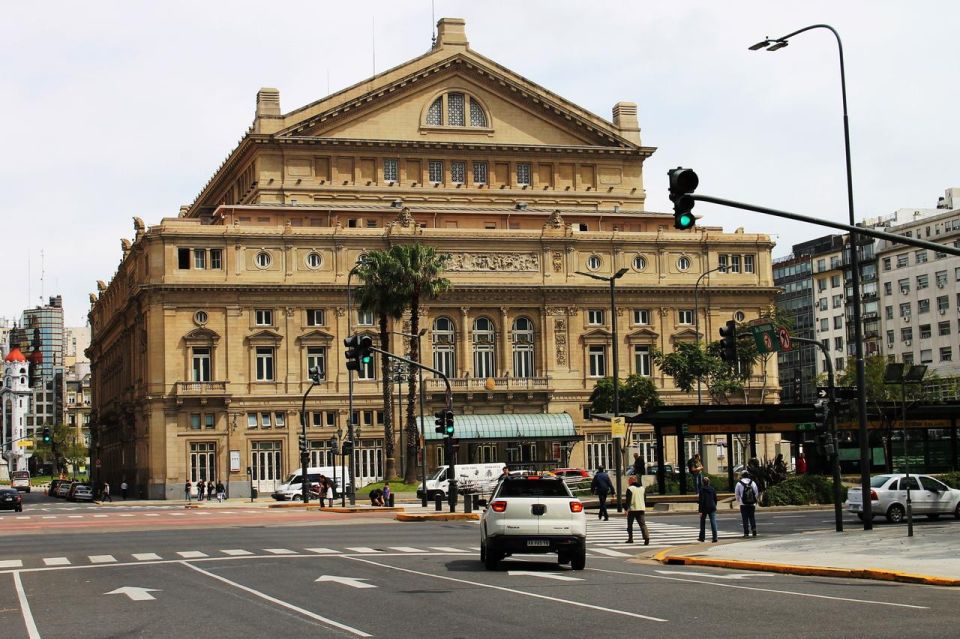
San Nicolás is the “center of the center.” It’s where the city’s biggest landmarks cluster and where the big-city rhythm is easiest to understand from a single viewpoint.
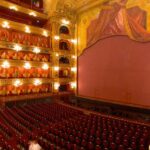
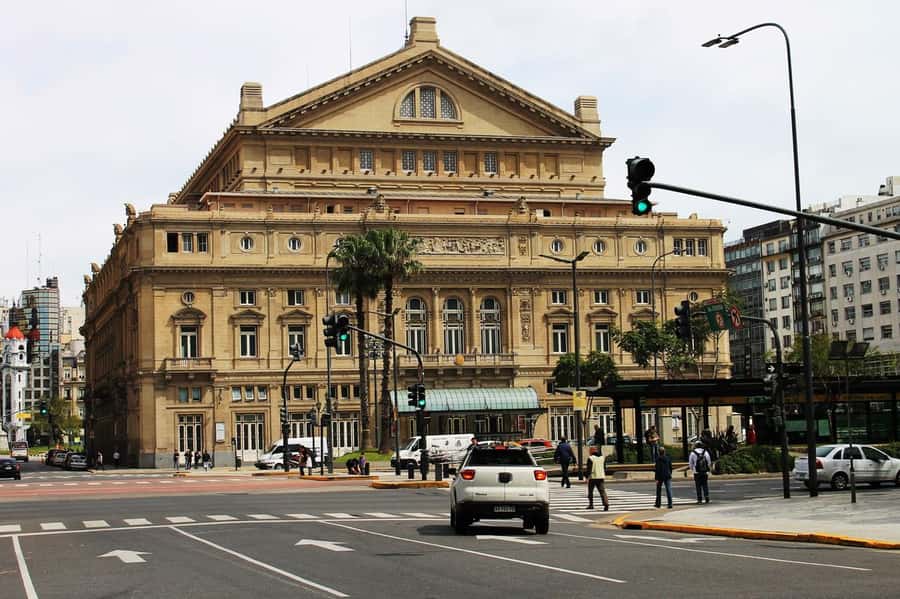
On this tour, you’re guided through the area that includes the Obelisk and the Colón Theatre, plus Corrientes Avenue—often described as the avenue that never sleeps because it’s packed with theatre and places to eat. Even if you don’t go inside any venue, it’s the kind of place where you immediately get the mood of Buenos Aires: energetic, architectural, and built for public life.
What I like about starting here (or hitting it early): the city suddenly makes sense. You see the reference points first, and then when you later pass through older neighborhoods like Monserrat and San Telmo, you’re better at placing them on a mental map.
Possible drawback: because this area is central and busy, the best views might come from bus angles and quick stops rather than lingering on the sidewalk.
Monserrat Photo Stop at Plaza de Mayo: Power, Protest, and Architecture
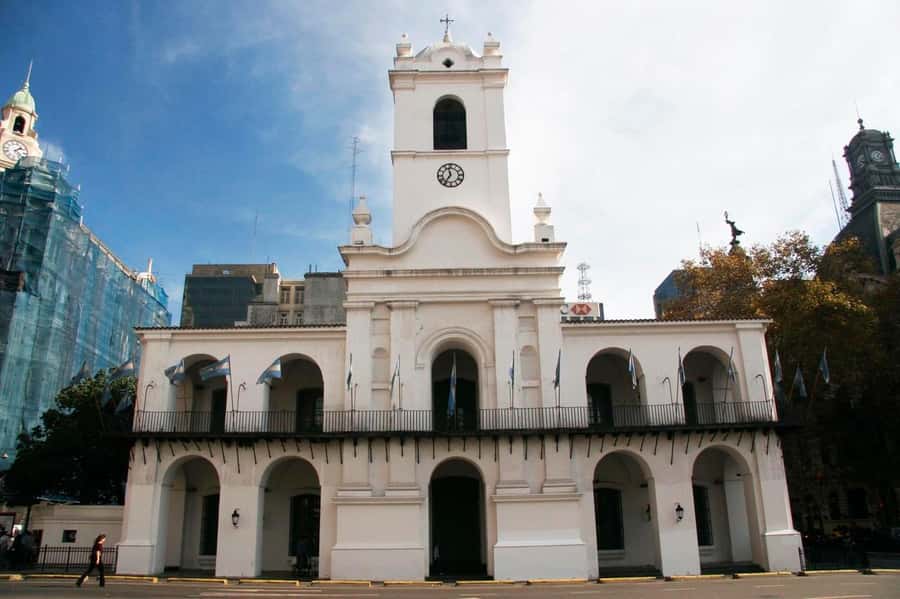
Monserrat is the oldest neighborhood in the city, connected to the first Spanish settlement and the government core. This is where you get the city’s “before and after” story in one concentrated patch.
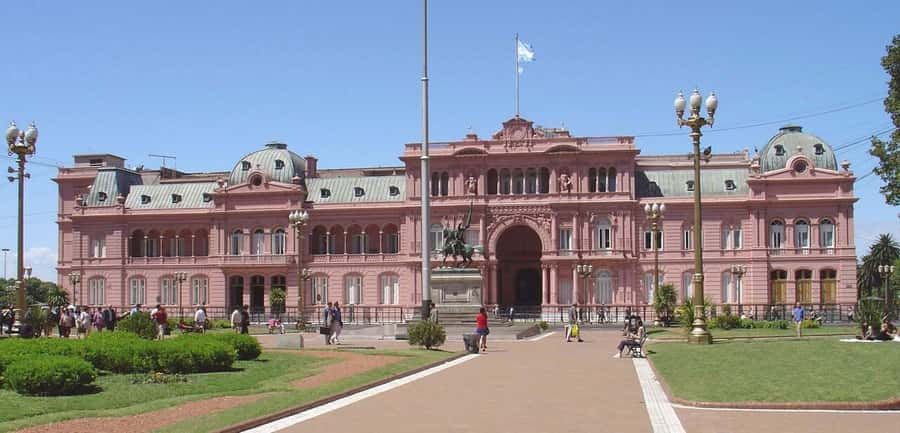
The tour includes a photo stop at Plaza de Mayo, then a guided look at the surrounding historic sites. You’ll hear about places like the Cabildo and the Casa Rosada (Government House), plus major buildings along Avenida de Mayo and the Cathedral.
Plaza de Mayo is one of those spots where it helps to have context. It’s not just a pretty square. It’s a stage for Argentine civic life, and the architecture around it reflects how power has been displayed here over time.
What to watch for on your own photos:
- Lines and symmetry around Casa Rosada and the surrounding facades
- Bus-shot views that show the plaza’s scale
- Quick angles from where you’re positioned for the stop
Drawback: photo stop time is limited, so plan your shot list fast. If you want long conversations or unplanned detours, this stop won’t give you that.
San Telmo: Historic Streets and Tango Culture on the Walking-Friendly Side
After Monserrat, the route shifts toward San Telmo, one of Buenos Aires’ oldest neighborhoods. This is where the city’s tradition shows up more plainly in the streets: older buildings, historic lanes, and lots of tango venues.
On the tour, you’ll get guided time in the Casco Histórico area and you’ll also hear about the tango scene—especially through tanguerías (tango houses). The route references streets and parks you can later search for if you want to build a longer itinerary, including Defensa Street and Lezama Park, plus Casa Mínima.
San Telmo works well for a bus tour because the atmosphere comes through even without long walking blocks. You’ll get a sense of where to aim your next visit if you’re staying in Buenos Aires for multiple days.
Possible drawback: if your goal is to do a full tango night (or a long market-style stroll), you’ll still need a second outing. This tour gives you the orientation, not the full experience.


La Boca: Caminito, Immigrant Tenements, and Boca Juniors Passion
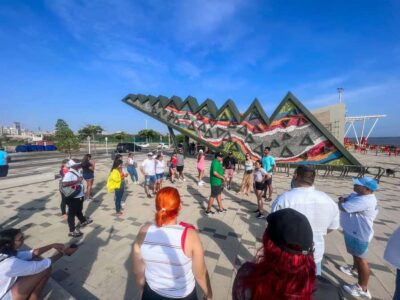
La Boca is the neighborhood most people recognize—and this tour handles it in a way that feels practical. You don’t just drive past; you get a photo stop at Caminito, and then a guided walk-time segment that’s focused on what makes the area culturally specific.
You’ll see the colorful buildings and tenements around Caminito, and you’ll learn why these streets look the way they do. Immigrants settled here because of work opportunities, and many houses were built with simple materials like wood and sheet metal. There’s also the story of leftover shipyard paint being used to color the walls—one of those details that turns a colorful street into something with meaning.
And then there’s the soccer side. Boca Juniors isn’t just a team here; it’s part of neighborhood identity. The tour connects that passion to the atmosphere you see on the ground.
What to expect from the timing:
- A short photo stop at Caminito
- A guided segment in La Boca with walking included
What might limit you: La Boca’s charm is partly about slowing down and taking in textures. With a guided schedule, you’ll feel the boundaries. This is still a great introduction, but if you want to shop, sit, or linger, plan extra time afterward.
Puerto Madero: Modern Contrast and a Waterfront Change of Pace
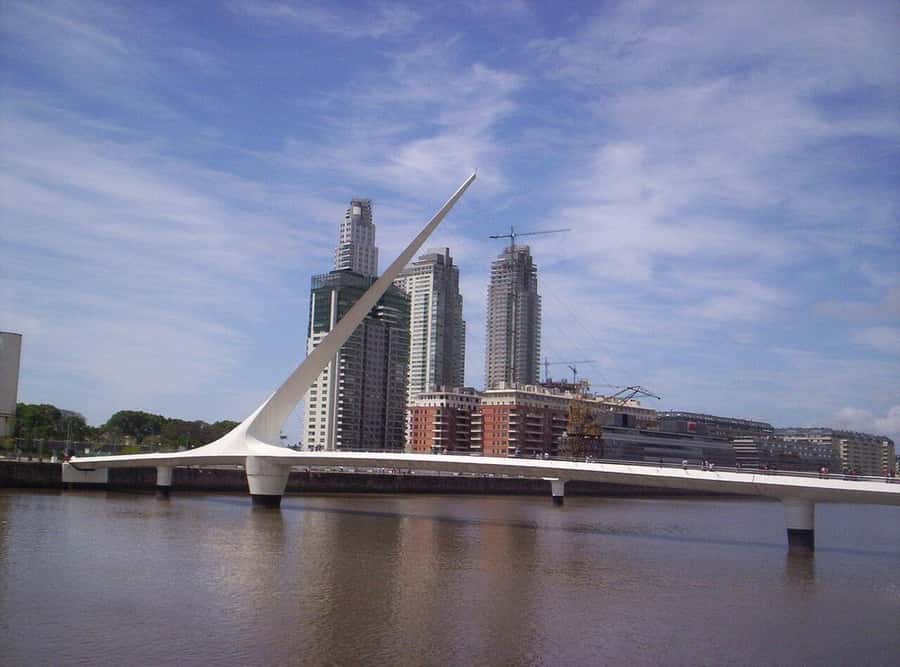
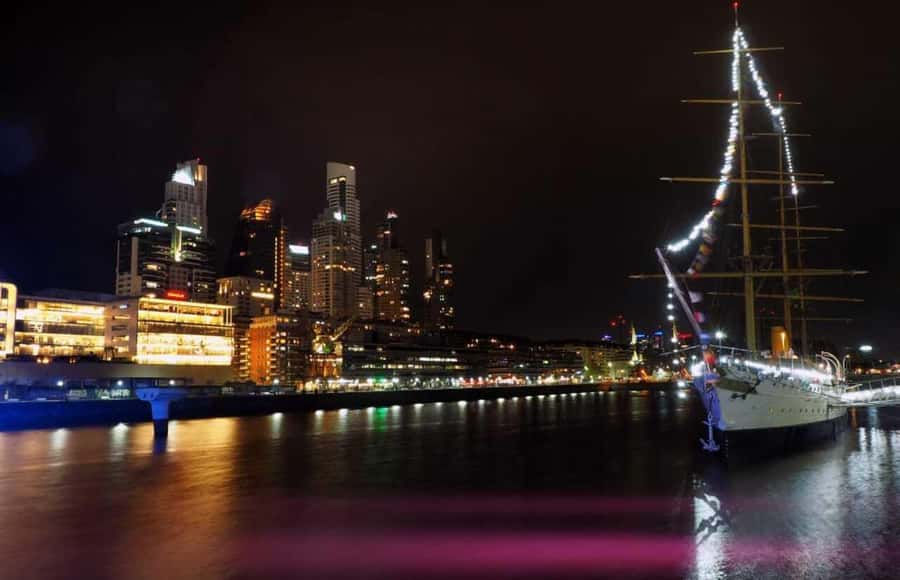
After the older neighborhoods, Puerto Madero gives you the “new Buenos Aires” contrast. It’s known for modern development, and the tour includes guided time focused on key sights like the Puente de la Mujer (Women’s Bridge) and the Tango Monument.
You’ll also hear about the Costanera Sur Ecological Reserve area, which adds a different feel compared with the dense historic core you just visited. Even if you don’t get out to explore deeply, the shift is obvious: cleaner lines, more recent architecture, and a calmer visual rhythm.
This stop is valuable because it prevents the tour from feeling one-note. Buenos Aires isn’t only old streets and monuments—there’s also a strong modern layer, especially here along the waterfront.
Possible drawback: if you’re expecting Puerto Madero to feel like a full day on the promenade, this tour is only giving you a guided overview.
Retiro and Palermo: Big City Gateway Energy to Park and Museum Areas
One of the smarter elements of this itinerary is that it doesn’t stop at the obvious highlights. It also passes through Retiro and Palermo, two areas that help explain how the city functions beyond its historic center.
Retiro is presented as both financial and residential space, and it’s linked to the arrival era for millions of immigrants between the 19th and 20th centuries. You’ll also hear about attractions nearby such as Plaza San Martín, the pedestrian street Florida, the train station area, and the Monumental Tower.
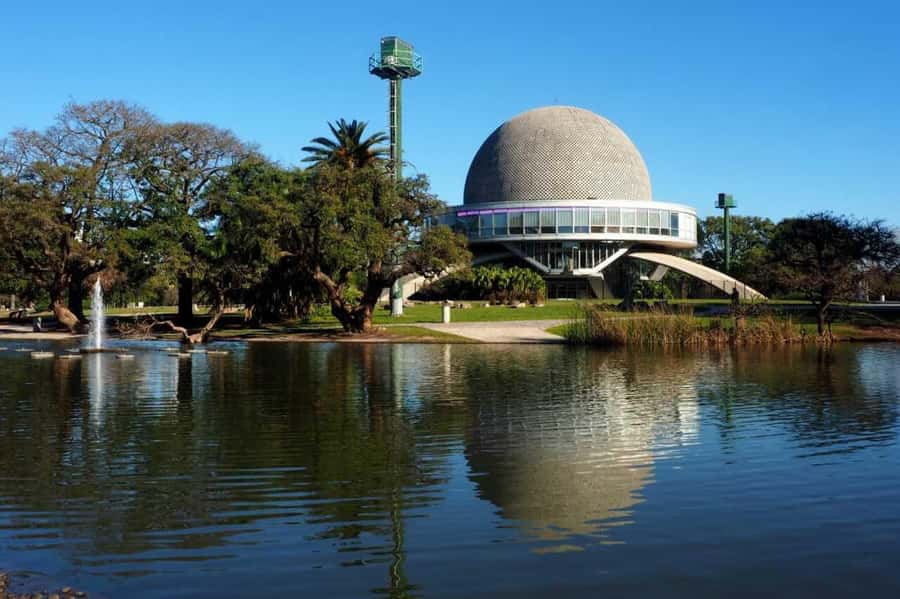
Palermo, meanwhile, is large and varied. The tour points you toward a few key sights so you can recognize them later. That includes Los Bosques de Palermo, the Galileo Galilei Planetarium, Plaza Italia, and the Malba Latin American Art Museum. It also references the Hippodrome and other local attractions.
If you like cities that have “seasons” inside them—business here, parks there—this part helps you see that Buenos Aires is not just one mood. It’s multiple zones, each with its own scale and purpose.
Possible drawback: Palermo can be broad. A bus tour can only show you a slice, and you may want to return later if any of the museums or park landmarks catch your interest.
Recoleta and the Final Approach to the Obelisco
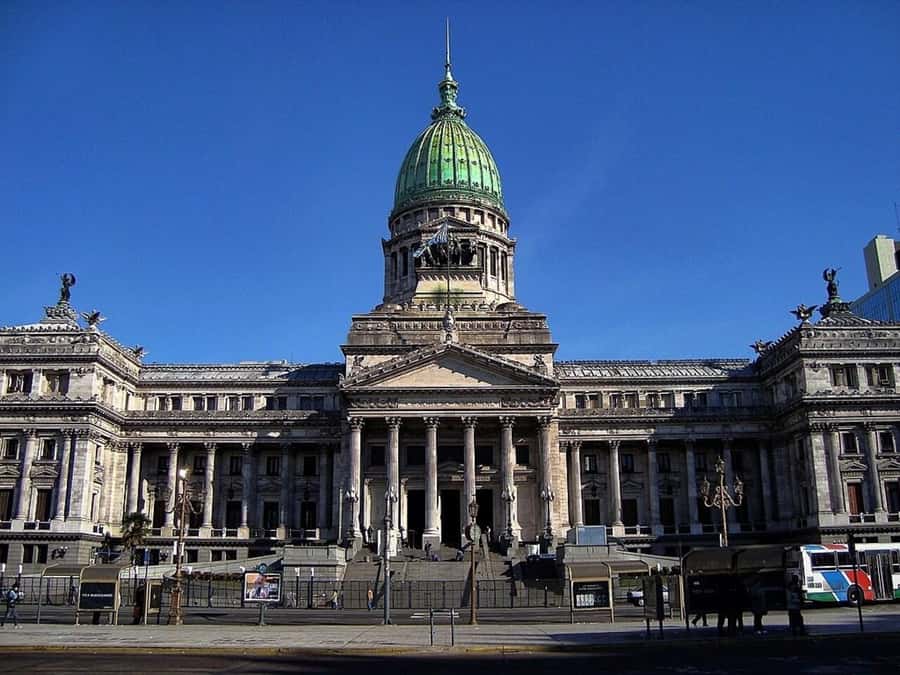
Recoleta is where elegance shows up quickly. You’ll hear about the Recoleta Cemetery and also stops and viewpoints tied to cultural and public spaces like the National Museum of Fine Arts, Carlos Thays Park, and the renowned Law School.
Even if cemetery visits aren’t your thing, Recoleta is useful for understanding Buenos Aires’ social geography—how certain neighborhoods became associated with prestige, institutions, and formal architecture.
Then the tour finishes back at the Obelisco. After you’ve moved through Monserrat, San Telmo, La Boca, Puerto Madero, Retiro, Palermo, and Recoleta, seeing the Obelisk again at the end feels like a reset button. You’re back at a landmark you can use as a compass for the rest of your day.
What You’ll Really Get for $55: Value vs Flexibility
At about $55 per person for roughly 3 hours, the value depends on how you like to travel.
Here’s what you’re paying for:
- Pickup included (hotel or nearby meeting point)
- A certified professional live guide
- Panoramic bus time through multiple neighborhoods
- Two photo stops at Plaza de Mayo and Caminito
- Bilingual-style coverage depending on what language you book (English, Portuguese, Spanish)
In that light, $55 isn’t just “a seat on a bus.” It’s paying for orientation and context in one block of time—especially helpful if you’re arriving with limited local knowledge.
But if your travel style is slower and you hate time pressure, the value changes. Bus tours can feel like a series of short windows. If you want maximum freedom to linger, you might prefer a more flexible option instead.
My practical rule: if you want a strong first pass and photos with history attached, this price makes sense. If you want freedom above all else, you might need a different format.
Who This Tour Fits Best
This tour suits you if:
- You want a fast overview of Buenos Aires’ major neighborhoods
- You’d like guided context while you’re traveling efficiently
- You want guaranteed photo stops in places that can be hard to time on your own
- You’re okay with a set route and quick pacing
It may not be your best choice if:
- You need long stops to absorb places at your own pace
- You’re traveling with mobility constraints (this activity is not suitable for people with mobility impairments)
- You’re the type who prefers choosing your exact minute-by-minute plan
Should You Book This Buenos Aires Panoramic Bus Tour?
I’d book it if you’re trying to get oriented and learn the city’s story without spending your day stuck behind a map app. The combination of panoramic views, a guided sweep across historic and modern neighborhoods, and photo stops at Plaza de Mayo and Caminito is a solid deal for a first time in Buenos Aires.
I’d think twice if you hate time pressure. This tour works best as a structured introduction, not as the only way you’ll experience the city.
If you’re unsure, treat it like Day One support. Then build your deeper days around what you loved most from the bus windows—La Boca for its personality, San Telmo for tango streets, or Recoleta if you want a more elegant, institution-focused Buenos Aires.
FAQ
FAQ
How long is the Buenos Aires panoramic bus tour?
It lasts about 3 hours.
What photo stops are included?
The tour includes photo stops at Plaza de Mayo and Caminito.
What neighborhoods are covered?
You’ll visit areas including San Nicolás, Monserrat, San Telmo, La Boca, Puerto Madero, Retiro, Palermo, and Recoleta.
Is pickup included, and where do I meet the guide?
Pickup is included from your hotel or selected meeting points. The closest meeting location is assigned after booking based on your location.
What languages is the live guide available in?
The live guide is available in English, Portuguese, and Spanish.
Is this tour suitable for people with mobility impairments?
No. The activity is not suitable for people with mobility impairments.