REVIEW · BUENOS AIRES
Bike Tour: Buenos Aires to the South
Book on GetYourGuide →Operated by La Bicicleta Naranja · Bookable on GetYourGuide
South Buenos Aires feels like a street show. This bike tour strings together the city’s biggest moods in about 3 hours, mixing San Telmo cobblestones, football fever at La Bombonera, and a nature pause near the Río de la Plata. I especially like how the guide keeps things moving without turning it into a lecture, and how you get meaningful stops in neighborhoods that look and feel different from each other. The main drawback is time: it’s a lot of ground for one ride, so you won’t linger forever in any single spot.
I’m also a fan of the human touch. Guides like Deborah and Flor show up with the right level of detail, and several guests praised how the pacing stays comfortable and questions actually get answered. If you want a quick hit of the city’s south-side personality (and some great photo angles from a bike), this format really works.
One more practical note: it’s not ideal if you have mobility limitations, and electric bikes are only available if the operator has them. Plan for 2-wheel time, wear comfortable shoes, and you’ll be in good shape for the ride.
In This Review
- Key points worth knowing before you pedal
- A good Buenos Aires “south of the city” route in three hours
- Getting started: where you meet and how the ride actually feels
- Parque Lezama and the early jump into “old Buenos Aires”
- San Telmo: tango in the air, cobblestones under your wheels
- La Boca and Caminito: culture, color, and football nearby
- La Bombonera: Argentina’s football passion from street level
- Puerto Madero: modern docks, river views, and a calmer pace
- Reserva Ecologica: nature near the city’s heartbeat
- Plaza de Mayo and Montserrat: where colonial lines meet skyscraper life
- Price and value: what $48 buys you here
- What to bring, what to watch for, and who should go
- Should you book Buenos Aires to the South?
- FAQ
- How long is the bike tour?
- How much does the tour cost?
- What’s included in the tour price?
- Is food included?
- Where does the tour start?
- Will there be hotel pickup or drop-off?
- Are electric bikes available?
- What should I wear or bring?
- Is the tour suitable for everyone?
Key points worth knowing before you pedal
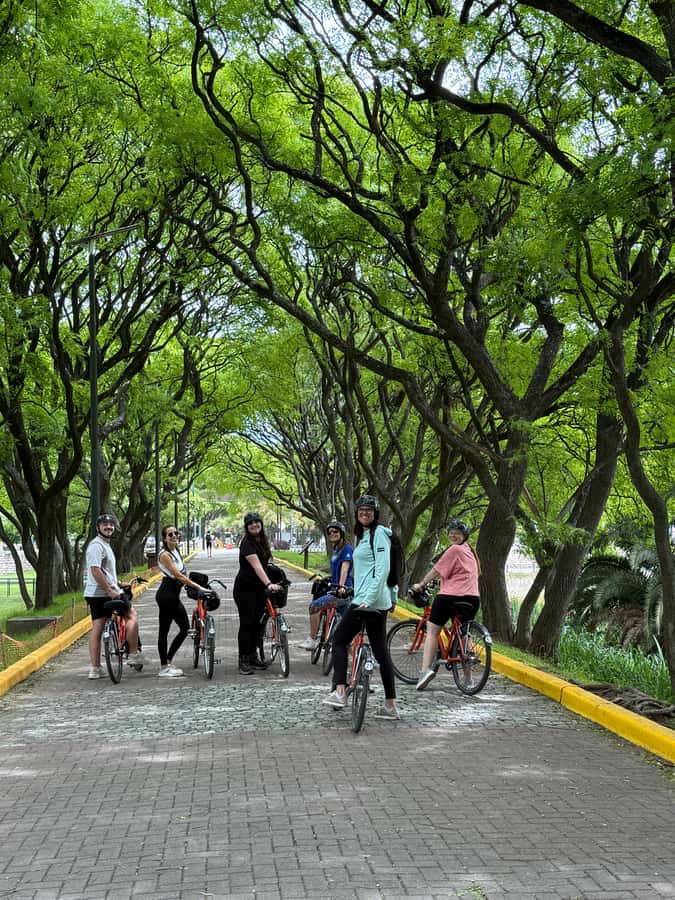
- Two starting points: you may begin at Parque Lezama or at Calle Doctor José M. Giuffra 370 (meeting varies by booking).
- La Bombonera stop: you’ll circle the Boca Juniors stadium area on bike, a must if football matters to you.
- Caminito in La Boca: a short, focused window at one of the most famous streets in the district.
- Puerto Madero views: modern docks-turned-riverside scene, with a different Buenos Aires vibe.
- Reserva Ecologica break: you trade city noise for a nature setting overlooking the Río de la Plata.
- Small groups or private options: easier Q&A and more room for the guide to tailor the pace.
A good Buenos Aires “south of the city” route in three hours
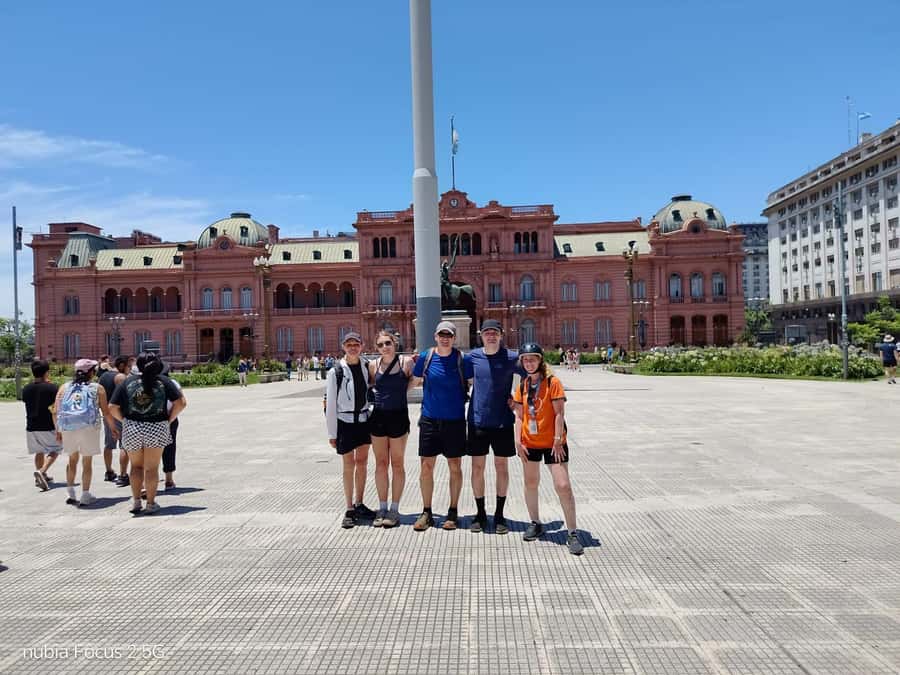
Buenos Aires can feel huge when you’re on foot. This tour solves that with a simple idea: you ride between the neighborhoods that define the city’s south-side identity, and your guide explains what you’re looking at as you go.
What makes it appealing is the variety packed into one flow. You get old-street atmosphere (cobblestones and early settlement stories), big cultural passions (tango and football), a modern waterfront reset (Puerto Madero), and then a breather in the Reserva Ecologica. That mix is exactly why a bike tour beats a bus-only plan.
The price—about $48 per person—is also easier to justify than you might think. A bike, helmet, lock, water bottle, and a bilingual guide are included. In a city where a guided walking tour can cost more and still leaves you stuck on narrow sidewalks, this gives you mobility plus story.
You can also read our reviews of more cycling tours in Buenos Aires
Getting started: where you meet and how the ride actually feels
Depending on what you book, your starting point may be Parque Lezama or Calle Doctor José M. Giuffra 370 (Dr. José Modesto Giuffra 370). The tour can also drop you back at one of two locations using that same address. Because the meeting point can vary, I recommend arriving a few minutes early and confirming the exact location when you book.
Once you’re on the bikes, the pace is steady. Segments between stops are short, which helps because traffic and pedestrian density can slow you down on foot. You’re not doing an all-day cycling workout; you’re doing a sightseeing ride with enough movement to keep things lively.
A couple of reviews hinted at what to expect from the guide style: Deborah and Flor were repeatedly described as friendly and well-paced, and one guest specifically said the guide gave the right amount of information. That matters, because the best parts of Buenos Aires are easy to misunderstand if someone dumps facts too fast. Here, the rhythm seems designed for real viewing—glance, listen, pedal, repeat.
Parque Lezama and the early jump into “old Buenos Aires”
If your ride begins at Parque Lezama, that’s a smart way to start. You get a calmer starting rhythm before heading into streets that feel older and tighter. The tour is built around neighborhoods that changed over time, including the arrival of Italian immigrants and the earlier layers of settlement.
Even when you only have a brief introduction, you’ll feel the theme: this isn’t just about landmarks. It’s about how the city’s identity formed neighborhood by neighborhood. That perspective helps everything else click later—especially once you reach San Telmo and La Boca.
San Telmo: tango in the air, cobblestones under your wheels
San Telmo is the classic setting for old-meets-art vibes, and the bike format helps you see it without getting trapped on one crowded block. You’ll be rolling through narrow, cobblestone streets, where the texture of the city is part of the story. Your guide is there to connect what you see—buildings, street layout, street-life—with the eras that shaped it.
Tango is a big part of the tour’s framing here. The idea isn’t that you’ll sit in a performance. It’s that the neighborhood carries tango as a mood: you’ll notice how the streets and gathering points lend themselves to that nostalgic feel.
One thing to keep in mind: a review noted that the time in San Telmo felt short, likely because the area was busy. That’s the tradeoff of a 3-hour route. If you want to wander and linger in depth, you may want to schedule extra time on your own after the bike ride.
La Boca and Caminito: culture, color, and football nearby
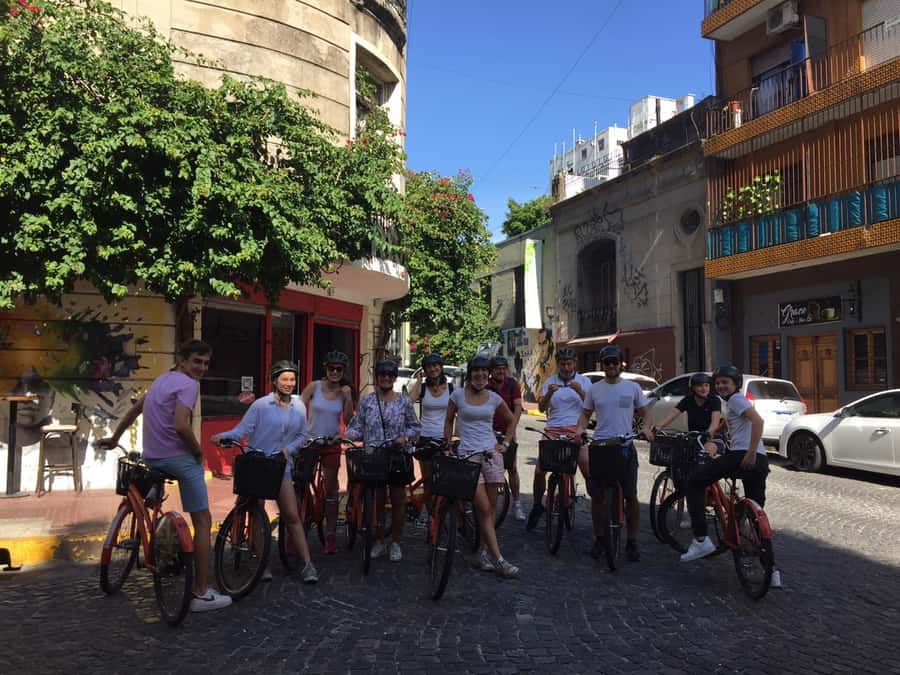
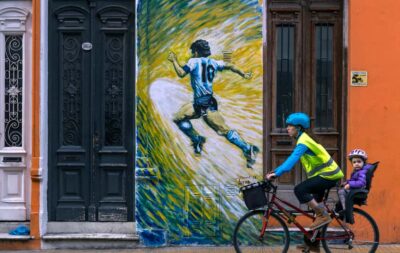
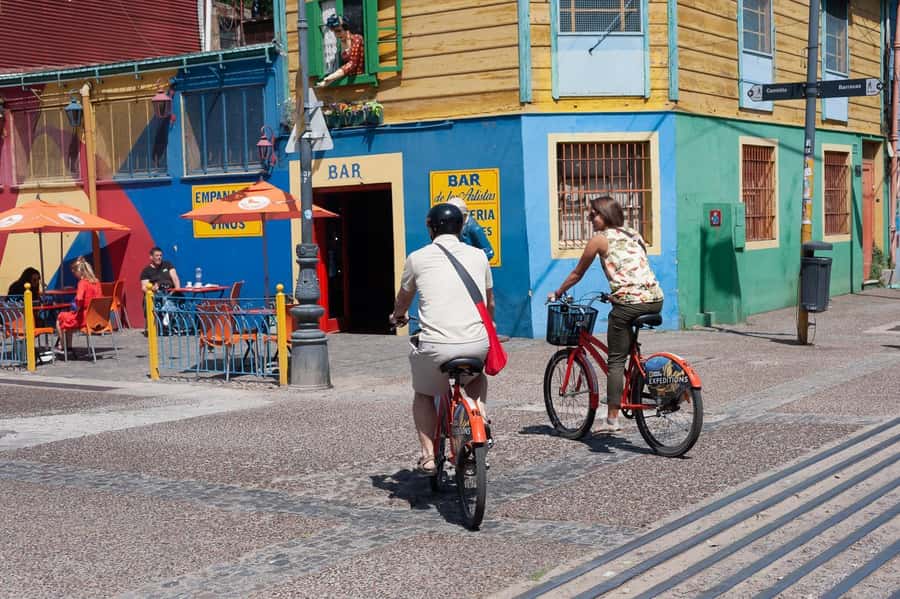
From San Telmo to La Boca, the energy changes fast. This is where Buenos Aires south gets loud in the most fun way—color on walls, creative street life, and an attitude shaped by generations.
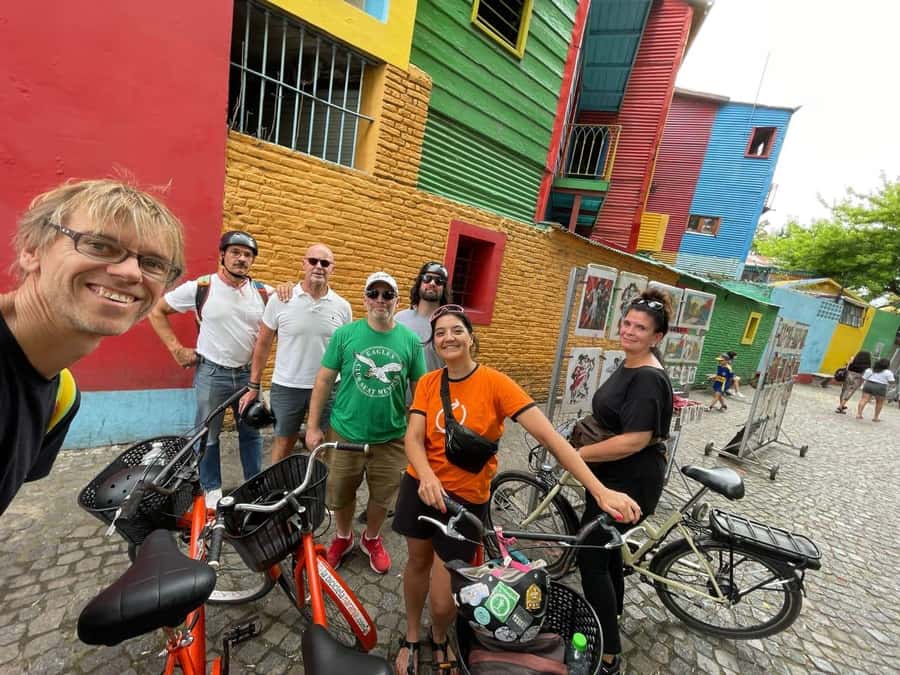
You’ll spend time at Calle Caminito, one of the most famous streets in the district. The stop is brief (about 20 minutes by the tour timing), but it’s long enough to do the basics well: look at the street scene, take photos from a few angles, and get your bearings for what makes the neighborhood distinctive.
Then football enters the picture in a big way. La Boca is famous for its connection to Boca Juniors, and the tour sets you up to understand why that matters culturally, not just as a sports fact. If you’re a football fan, this section can feel like the city’s pulse.
La Bombonera: Argentina’s football passion from street level
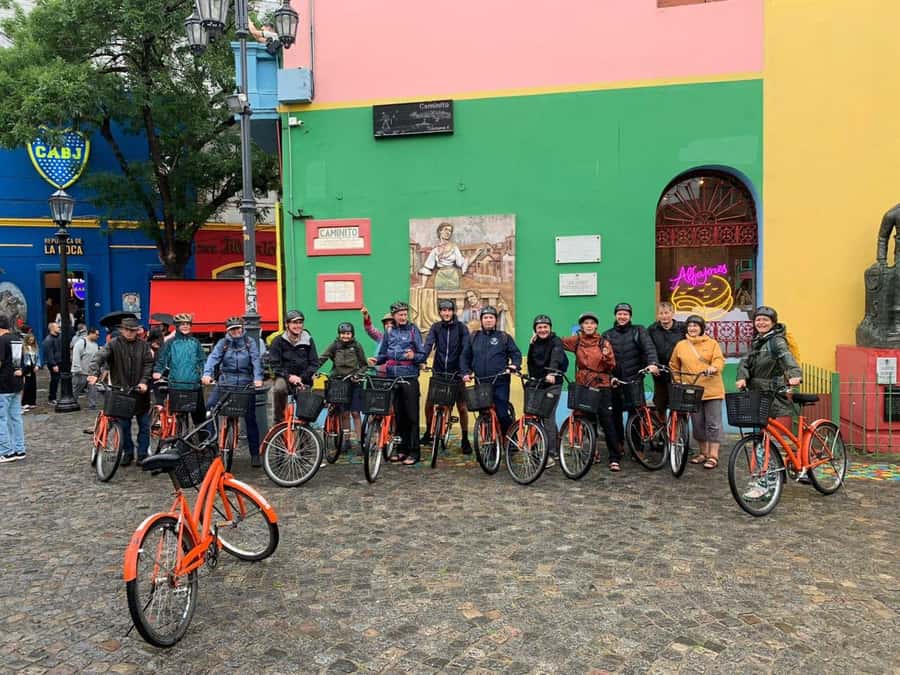
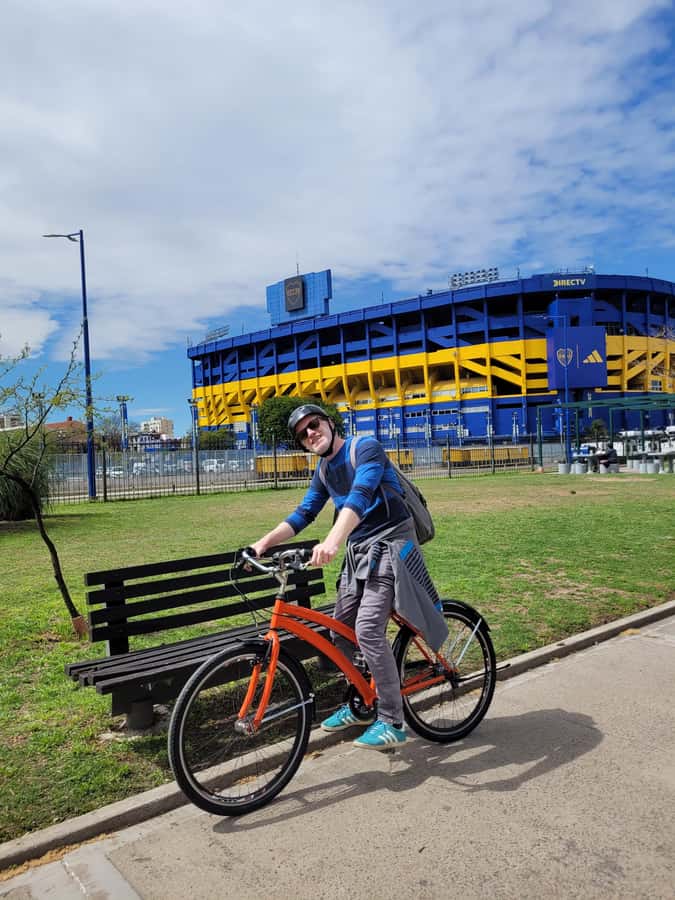
The headline stop for many people is the visit around La Bombonera, the Boca Juniors stadium area. Even if you don’t go inside, seeing it up close changes how you think about the neighborhood. This is one of those places where architecture and identity merge.
The tour’s timing keeps it efficient, so you’re not waiting around for a long stretch. Instead, you get a concentrated look at what makes the stadium a symbol of Argentina’s passion for football. A good guide makes the difference here, and several reviews called out that the information was the right amount and that questions were answered.
If football isn’t your thing, you can still enjoy this stop as a study in how cities build meaning around sports. It’s a lesson in identity—how crowds, rituals, and pride turn a building into a landmark.
Puerto Madero: modern docks, river views, and a calmer pace
After the intensity of La Boca, Puerto Madero feels like a palate reset. This neighborhood is tied to former docks that have been transformed into restaurants and offices, with modern architecture right alongside the waterfront.
You’ll cycle through the area and get views that are hard to catch from inside the city grid. The Río de la Plata is part of the story here too, even if you just glance out between buildings. For many first-timers, Puerto Madero is where you realize Buenos Aires isn’t only about old neighborhoods and tango cues. It can also feel sleek, planned, and open.
This is also a useful segment for anyone who needs a breather. You’re still moving and still sightseeing, but it’s less frantic than the densest historic blocks.
Reserva Ecologica: nature near the city’s heartbeat
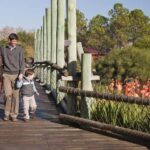
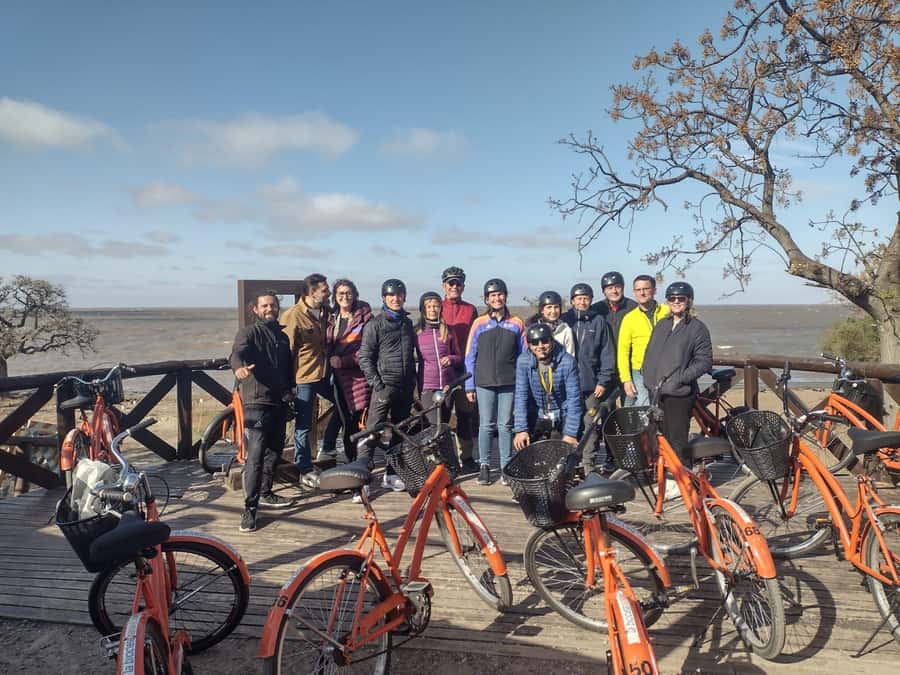
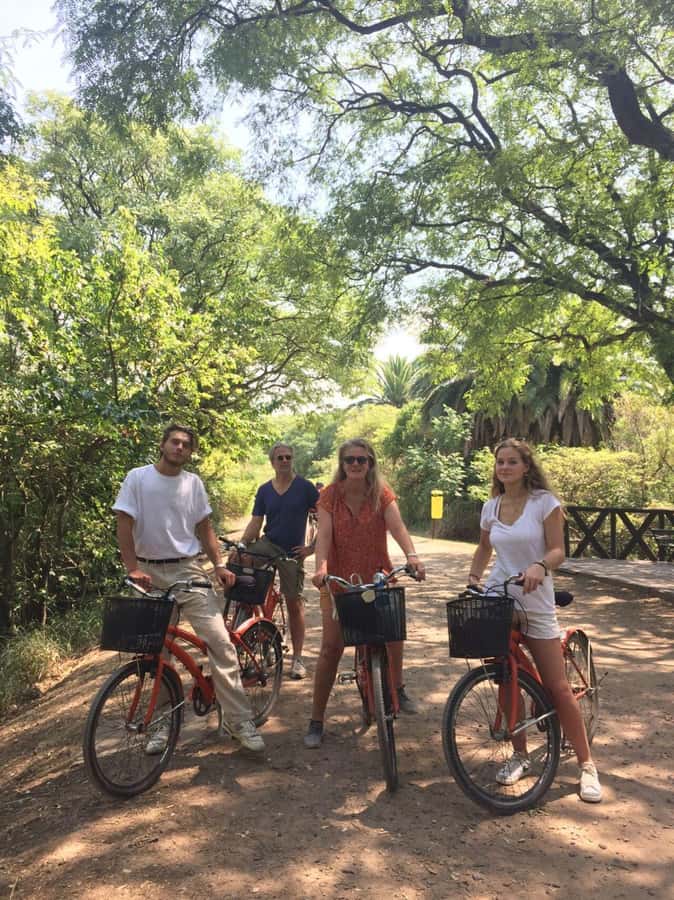
Then comes the surprise: Reserva Ecologica. Instead of just more buildings, you get a nature pause right in the middle of Buenos Aires. The tour frames it as a haven for nature lovers, with views over the Río de la Plata and chances to observe local biodiversity.
Even with a short bike segment devoted to it, this stop does something valuable. It prevents the tour from turning into a single-note city sprint. You get a different Buenos Aires lesson: the city’s relationship with water and wildlife.
If you like birdwatching or simply want space to breathe after dense neighborhoods, this is a highlight. And it’s a good reminder that “South Buenos Aires” isn’t only streets and stadiums—it also includes ecosystems.
Plaza de Mayo and Montserrat: where colonial lines meet skyscraper life
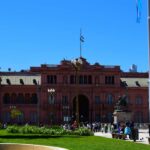
The tour continues with a pass near Plaza de Mayo and then toward Montserrat, described as an area where colonial architecture meets modern skyscrapers. That contrast is one of Buenos Aires’s signature tricks: you can look one way and see old power structures, then turn your head and see how the city keeps building upward.
The timing keeps it moving, but you still get the essentials: you’ll see the kinds of streets and squares where history accumulates quickly, and you’ll understand why the city feels both timeless and constantly changing.
This portion can be especially rewarding if you enjoy architecture and city planning. It’s less about one specific photo spot and more about reading the city as a living timeline.
Price and value: what $48 buys you here
At $48 per person for roughly 3 hours, the biggest value comes from what’s included. You’re not just paying for a route. You’re paying for equipment and guidance:
- bike
- helmet and lock
- bilingual guide (English and Spanish)
- water bottle
That matters because you avoid the “hidden costs” that usually creep into bike-based days: equipment rental, finding a guide, and basic hydration planning.
Also, the tour covers multiple top-tier targets that can be far apart if you rely only on walking or a loose plan. The bike gives you speed without turning the day into a rushed checklist. You still have time to observe, ask questions, and connect the dots between neighborhoods.
If you’re comparing options, this is the kind of tour where the guide quality swings the outcome. The reviews you were given emphasize that guides like Deborah and Flor were friendly, knowledgeable in the sense of practical answers, and well-paced. That helps you get more than just sight-seeing.
What to bring, what to watch for, and who should go
Bring comfortable shoes. Even with a bike tour, you’ll do walking bursts—getting on/off, stopping to look closely, and taking in street scenes.
Electric bikes may be available, but only subject to availability. If you’re curious, I’d ask when you book or right at the start. Otherwise, assume you’ll ride standard bikes.
This experience is not suitable for people with mobility impairments, so if you need special accommodations, look for a different format.
Who this suits best:
- First-time Buenos Aires visitors who want a strong orientation to the south-side neighborhoods
- People who like culture through streets and context, not only museums
- Football fans who want to see La Bombonera in the right neighborhood context
- Anyone who wants a nature break with Reserva Ecologica instead of a full city-only day
Should you book Buenos Aires to the South?
I’d book it if you want an efficient, guided introduction to Buenos Aires’s south—especially if you care about San Telmo, La Boca, and the football identity around La Bombonera. The combination of culture stops plus Puerto Madero and the Reserva Ecologica makes the day feel complete, not one-note.
Skip it or plan a follow-up if you’re the type who wants to linger for long stretches in one neighborhood. The 3-hour format is designed for variety, and one review even hinted that San Telmo time can feel tight when the area is busy.
If you’re on a time budget but still want an authentic street-level feel, this is a solid way to spend a half-day with the right kind of guidance.
FAQ
How long is the bike tour?
It lasts about 3 hours (210 minutes).
How much does the tour cost?
The price is $48 per person.
What’s included in the tour price?
You get a bike, helmet, lock, a bilingual guide (English and Spanish), and a water bottle.
Is food included?
No, food and drinks are not included.
Where does the tour start?
Your meeting point may vary. Options include Parque Lezama or Calle Doctor José M. Giuffra (Dr. José Modesto Giuffra) 370.
Will there be hotel pickup or drop-off?
No. Hotel pickup and drop-off are not included.
Are electric bikes available?
Electric bikes are subject to availability.
What should I wear or bring?
Wear comfortable shoes.
Is the tour suitable for everyone?
It is not suitable for people with mobility impairments.