REVIEW · BUENOS AIRES
Buenos Aires: Group tango class with mate and snacks
Book on GetYourGuide →Operated by Milonga City · Bookable on GetYourGuide
Mate and tango in one old mansion. This Saturday afternoon setup pairs Argentina’s tango roots with a real social break: you start with internationally known instruction, sip traditional mate, snack on a sweet table, then practice with help from the team. It’s a friendly way to get your feet moving without feeling like you’re on stage.
I especially like two things here. First, the class is led by dancer Johana Copes and her teaching staff, so even beginners get clear guidance on how to start. Second, the pacing gives you time to actually talk with people from different countries during the patio break, not just rush through steps.
One drawback to consider: the format is group-based, so if you want nonstop individual attention, you may not get it all the time. With a mix of dancers in the room, some instruction time can feel focused on the more regular students.
In This Review
- Key things to know before you go
- Where the class happens: Almagro’s old-style mansion and the patio setting
- Your teachers: Johana Copes and a team built for real beginners
- The first hour tango lesson: start with basics you can repeat
- The mate and sweet-table break: tango’s social pause, not an afterthought
- The second hour: practice time with teachers and real group energy
- Price and value for $25 per person in Buenos Aires
- Who this experience suits best (and who should skip it)
- Practical tips so you leave the class ready to practice
- Should you book this tango class with mate and snacks?
- FAQ
- How long is the Buenos Aires group tango class with mate and snacks?
- How much does it cost?
- What’s included in the price?
- Do I need to bring anything?
- What languages will the guide use?
- Where do I meet the group?
- Who can’t join this experience?
- What’s the cancellation and payment flexibility?
Key things to know before you go
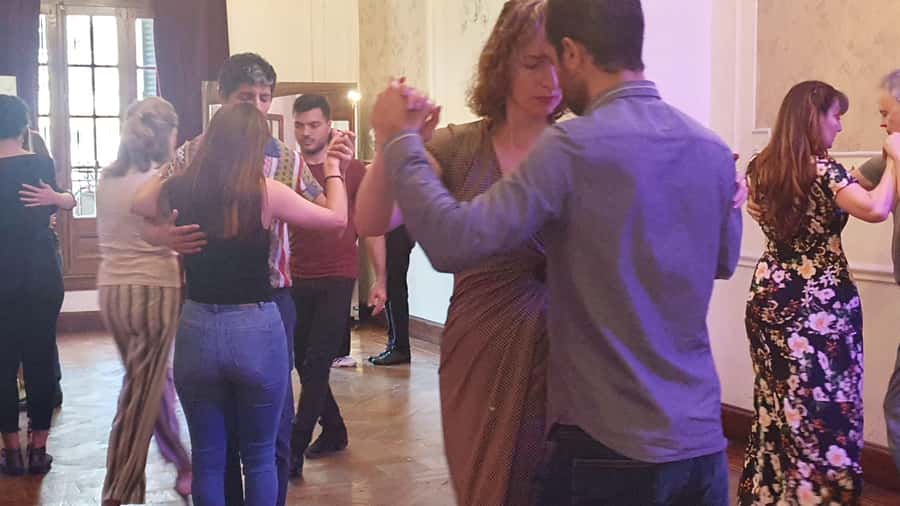
- Saturday afternoon group format: 2 hours total, split between teaching and practice
- Johana Copes leads the first hour: you start with solid basics and friendly direction
- Mate tasting + sweet table: you’re not just dancing; you’re doing the social tango ritual too
- One hour practice with teachers: you get to repeat the steps with support
- English, Portuguese, Spanish live guidance: you can follow along even if your Spanish is rusty
- Not wheelchair accessible and some health limits apply: plan accordingly before you book
Where the class happens: Almagro’s old-style mansion and the patio setting
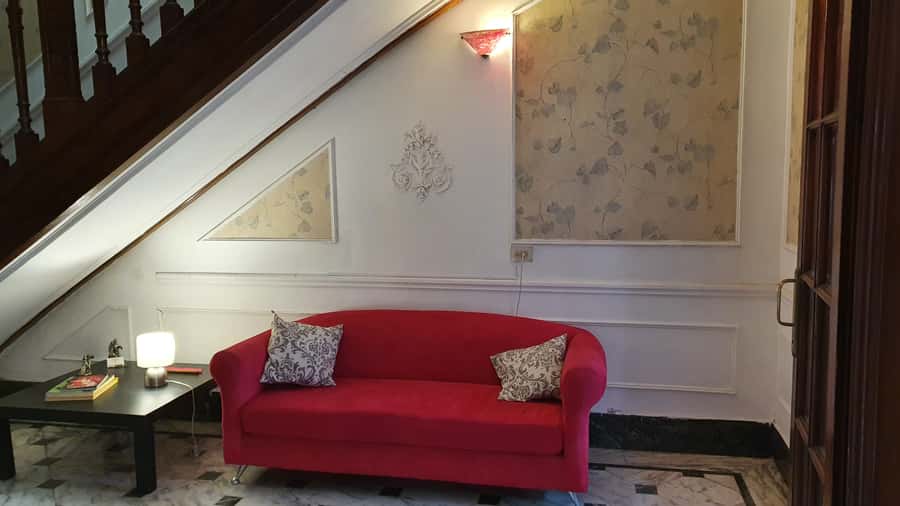
This tango class takes place in an old-style mansion in Almagro, in Buenos Aires. When you arrive, you ring the bell at the exact address. That part matters: there’s no pickup and drop-off, so you’ll want to build in time to get there and find the entrance without stress.
Inside, the focus stays on comfort and atmosphere. The important moment is the Spanish-style patio, where the break happens. It’s the kind of space that makes tango feel less like a performance and more like a shared afternoon. If you’ve ever felt self-conscious joining a class alone, this setting helps you relax fast.
Also note what you’re not getting: you’re on your own for getting to the meeting point. Since the activity doesn’t include transport, check your route before you go, especially if you’re planning to continue exploring after class.
You can also read our reviews of more tours and experiences in Buenos Aires


Your teachers: Johana Copes and a team built for real beginners
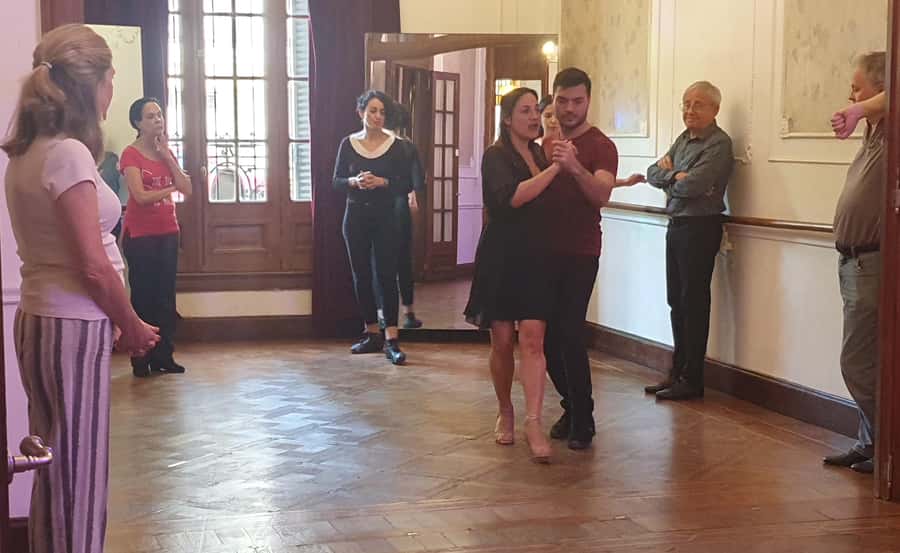
The first hour is led by Johana Copes and her staff of internationally renowned dancers. That name carries weight for tango fans, but what I like for practical travelers is the teaching setup. You’re not thrown into complicated choreography. You’re guided to start dancing the tango—step by step—so you can leave knowing what to practice at home.
The class also comes with a live tour guide in English, Portuguese, or Spanish (depending on what’s running). That matters because tango instruction is full of small cues: direction of movement, body placement, timing. Having guidance in your language helps you avoid the common beginner trap—guessing what the teacher means instead of getting it right.
And yes, there’s a social mix. You’ll meet tango lovers who come from different places, including people who already know their way around the dance. That mix can be a plus (more people to practice with), but it can also affect how much direct attention you personally get during the group portion.
The first hour tango lesson: start with basics you can repeat
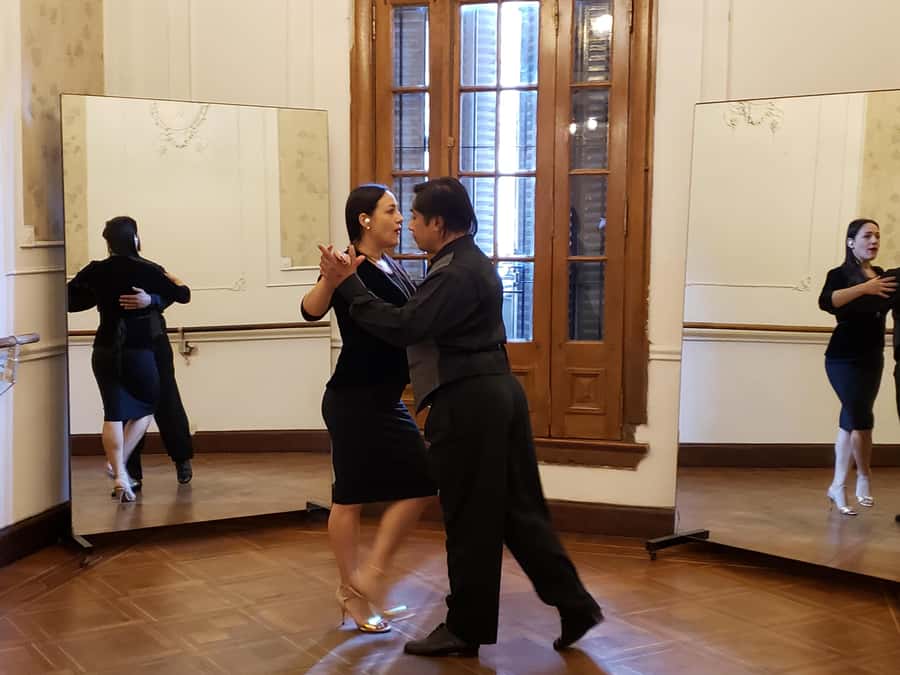
The schedule is built around learning first, not showing off. You begin with an introduction, then you move into the first 1-hour group class. The goal is simple: start dancing the tango that was born in Buenos Aires and later recognized as an Intangible Cultural Heritage of Humanity by UNESCO.
What that means in practice: you focus on fundamentals you can repeat. Expect guidance that helps you connect movement to rhythm. You learn the first steps, and you practice them enough times to feel like you’re not just copying motions—you’re building a pattern.
I like that the class is described as relaxed and fun. Tango can feel intimidating, mostly because people assume you need perfect balance and years of experience. This approach aims to lower that pressure so you can actually learn during the session.
The mate and sweet-table break: tango’s social pause, not an afterthought
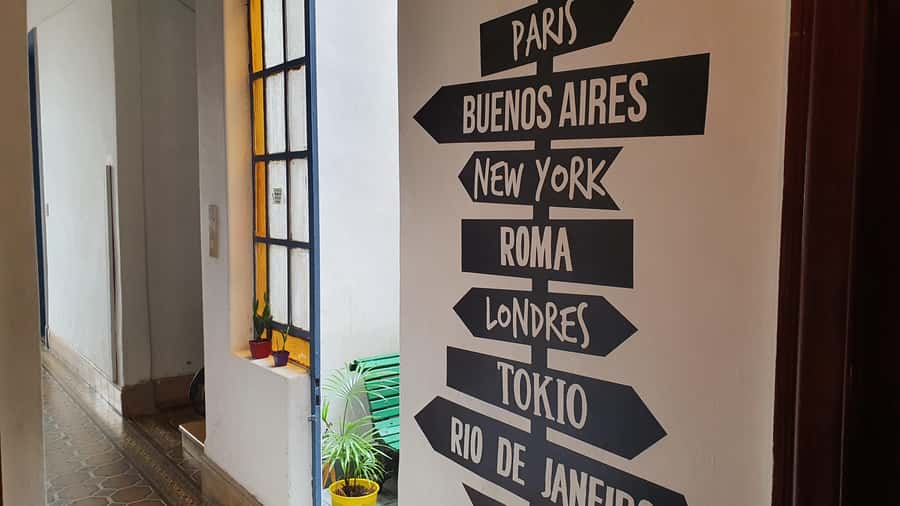
After introductions, you’ll try authentic Argentine mate. Then comes the sweet table snack break in the patio. This is more than a quick food stop. Mate is part of the tango social culture: it turns the class into an exchange, not a lecture.
For value-minded travelers, this part is smart. You get a taste experience included in the price, plus time to talk. A lot of tango lessons focus only on technique, leaving you with no real chance to connect. Here, you can chat with your new group and relax in the courtyard-like setting.
The sweet table also does something useful: it gives you a moment to reset your energy before the second hour of practice. Tango takes coordination and concentration. A snack break helps you stay present, instead of getting mentally tired halfway through.
The second hour: practice time with teachers and real group energy
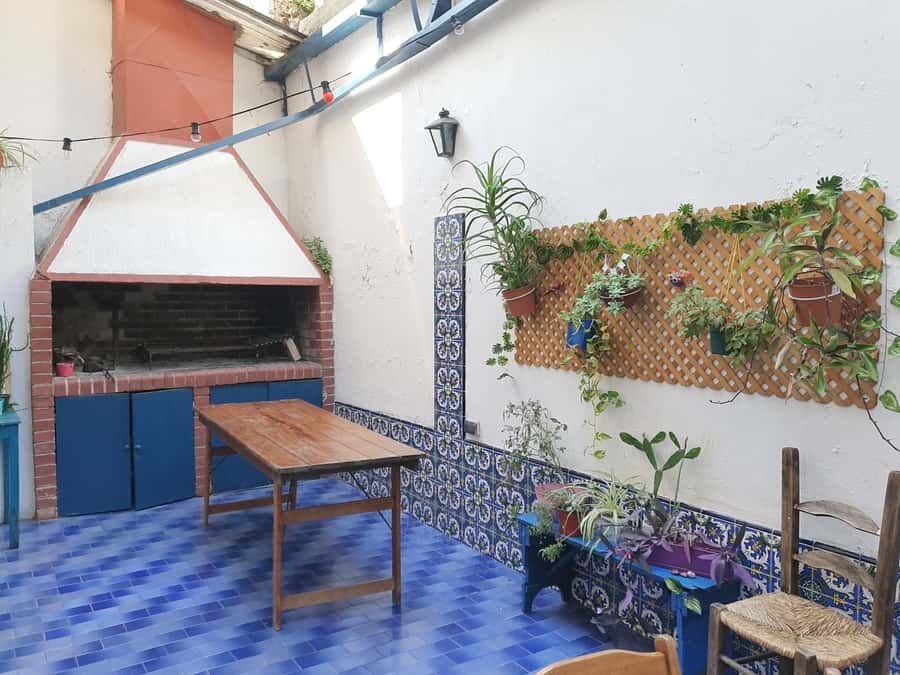
After the snack break, you get another hour of practice. This is where the session becomes useful for your memory. Instead of only learning, you rehearse the steps you worked on earlier with teacher help.
This is the moment that turns tango from a concept into something you can actually do again later. Even if your first steps are basic, repeating them in a guided practice environment builds confidence. You also get to practice with the people you met during introductions, which makes it easier to keep going.
One practical caution: group dynamics matter. If the room has dancers who already know the basics well, teachers may have to split attention. In that case, don’t assume you’ll receive the same level of coaching at every moment. If you want help, you’ll likely need to ask or pay close attention when the teachers demonstrate again.
On the plus side, the experience can still turn personal if you’re adaptable. Some solo participants have found that they ended up getting additional coaching and a better chance to connect with the instructor during the group flow. So if you’re nervous about joining alone, don’t overthink it—you’re still in a learning-focused space.






Price and value for $25 per person in Buenos Aires
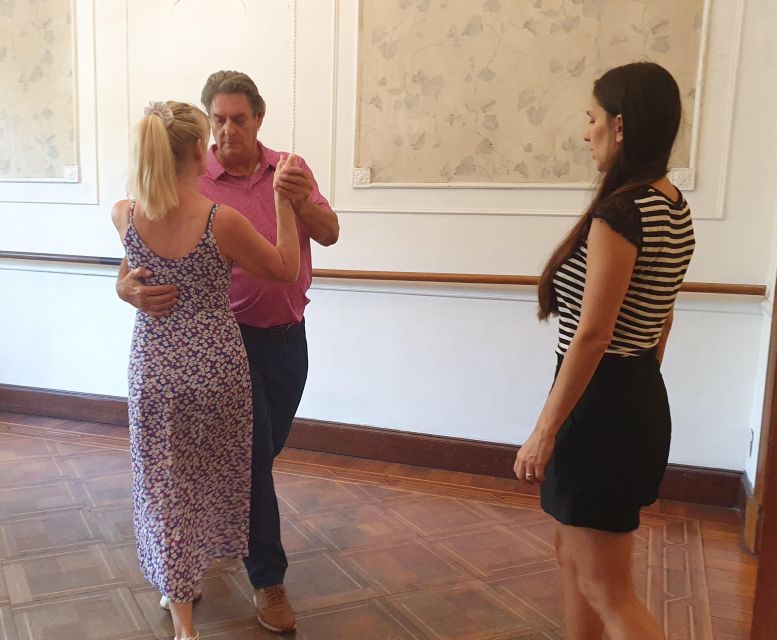
At $25 per person for 2 hours, this is a realistic value if you want more than a one-time photo opportunity. You’re paying for two things that matter for learning: a structured teaching block and a separate practice block with teachers. Many paid tango experiences give you only one of those. Here, you get both.
Your included items also add up:
- 1 hour group tango class
- 1 hour practice with teachers
- Mate tasting
- Sweet table snack
So the price isn’t only about dancing. It’s also about cultural participation—mate and the snack break—and the chance to practice in a supportive environment.
The main cost you should plan for is what’s not included: hotel pickup and drop-off. That can affect the total value if you’re far from Almagro or relying on taxis late in the day. If you’re already near the neighborhood or comfortable getting yourself there by transit, the price feels even more fair.
Who this experience suits best (and who should skip it)
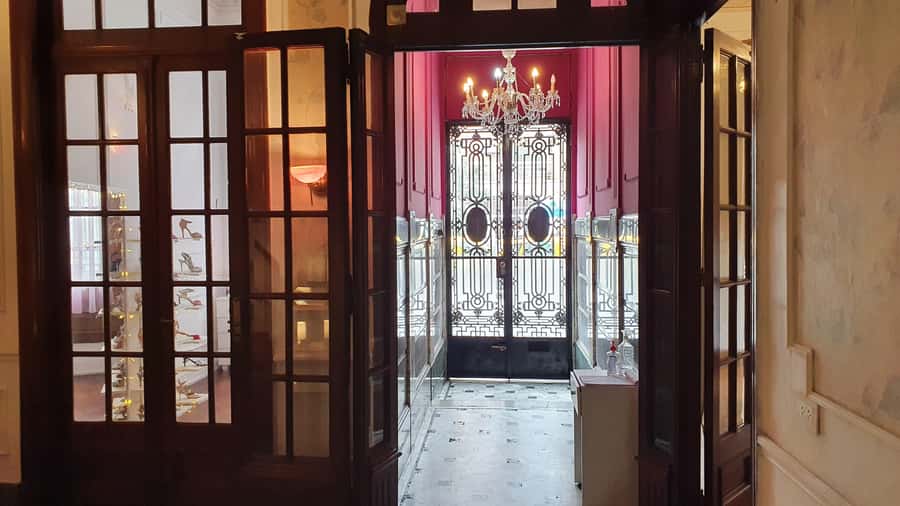
This tango class is designed for people who want a fun entry point into Buenos Aires tango, not a highly technical boot camp.
It fits well if:
- You’re a beginner or intermediate dancer looking for clear steps you can take home.
- You travel solo and like meeting people quickly in a structured setting.
- You enjoy the social side of Buenos Aires—chatting, tasting mate, and learning in a relaxed group.
It’s not a good fit if:
- You’re under 13
- You’re pregnant
- You have heart problems
- You’re a wheelchair user
That’s important for safety and comfort. Tango involves movement and sustained standing, so you should choose activities that match your body and needs.
Practical tips so you leave the class ready to practice
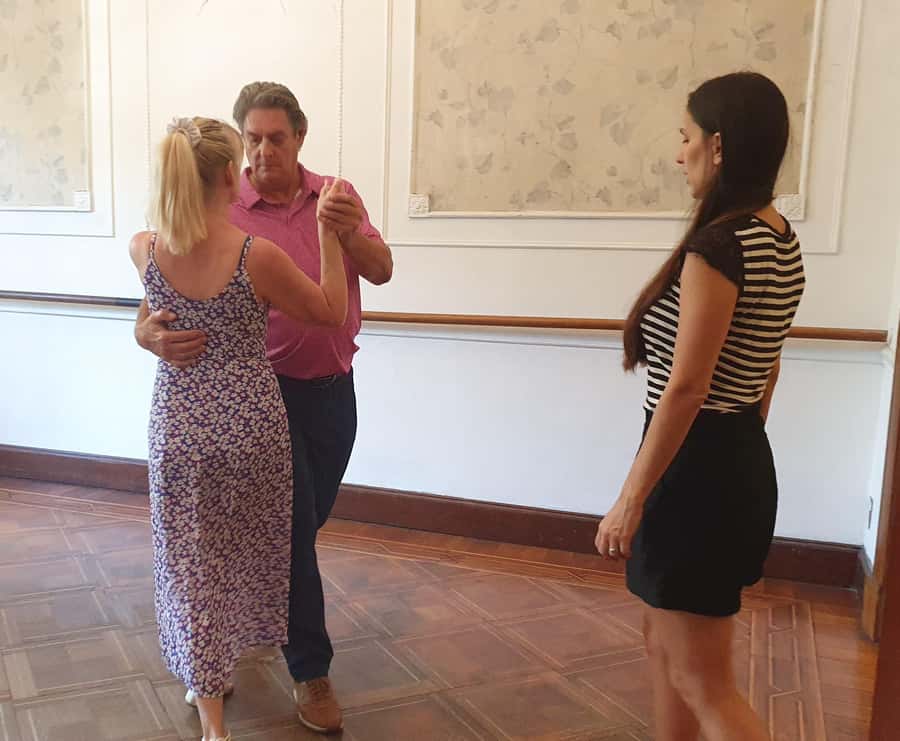
Here’s how to make the most of your 2-hour afternoon.
- Wear comfortable clothes. Tango is all about movement. If your outfit restricts your legs or makes you overheat, your brain will focus on discomfort instead of the steps.
- Arrive on time and ring the bell. Since there’s no pickup, being late can compress your warm-up and throw off your focus.
- Treat mate and snacks as part of learning. Eat and drink, then rest briefly. The second hour is the one that turns steps into repeatable muscle memory.
- Go in with patience about coaching time. If the group includes experienced dancers, you may need to work a bit for additional teacher attention during practice. Asking a question or watching demonstrations closely can help a lot.
- Plan a calm follow-up. After dancing, you’ll want time to cool down. A gentle evening pace is easier than jumping into a big walking spree right after.
Should you book this tango class with mate and snacks?
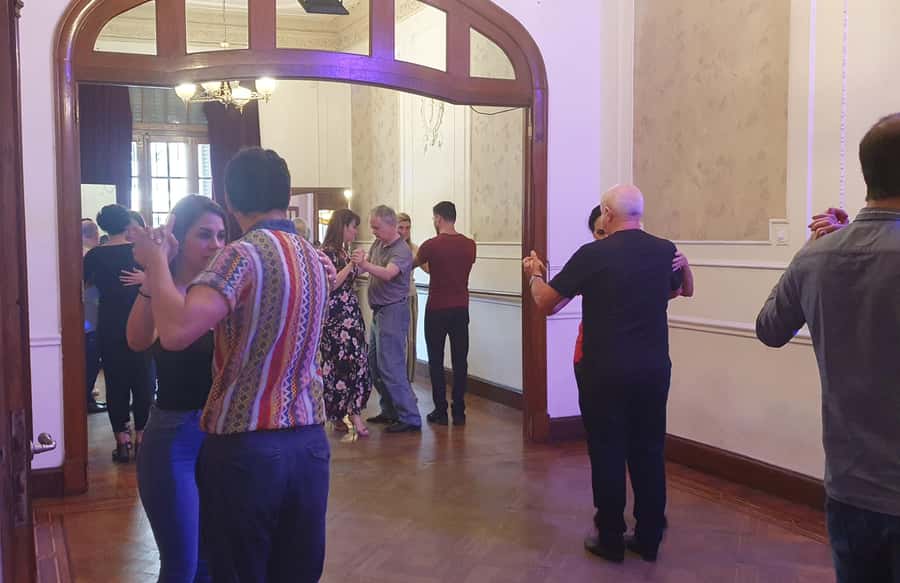
If you want a low-pressure way to learn tango basics in Buenos Aires—plus real social time with people who care about the dance—this is a strong pick. The combination of Johana Copes’ team, mate tasting, and two blocks of instruction/practice makes the afternoon feel complete for the money.
I’d pass if you need private, nonstop coaching, or if the movement style won’t work for your health or mobility. Also consider skipping if you know you only enjoy classes where the teacher’s attention is fully dedicated to you.
For most travelers who want something authentic and active without overcomplicating the trip, booking is a smart move. You’ll leave with steps you can repeat, a cultural taste you can’t easily replicate at home, and a group of new tango-obsessed friends.
FAQ
How long is the Buenos Aires group tango class with mate and snacks?
It lasts 2 hours total. The schedule includes 1 hour of group instruction and 1 hour of practice with teachers.
How much does it cost?
The price is $25 per person.
What’s included in the price?
You get 1 hour group tango class, an authentic Argentine mate tasting, a sweet table for snacks, and 1 hour of free practice with teachers.
Do I need to bring anything?
Bring comfortable clothes so you can move easily during the lesson and practice.
What languages will the guide use?
The live tour guide is available in English, Portuguese, and Spanish.
Where do I meet the group?
You ring the bell at the exact address upon arrival.
Who can’t join this experience?
It is not suitable for children under 13, pregnant women, people with heart problems, or wheelchair users.
What’s the cancellation and payment flexibility?
You can cancel up to 24 hours in advance for a full refund. You can also reserve now and pay later.