REVIEW · BUENOS AIRES
Buenos Aires: Empanada & Alfajor Cooking Lesson in Palermo
Book on GetYourGuide →Operated by Signaturetours · Bookable on GetYourGuide
Empanadas teach you Buenos Aires fast. In this hands-on Palermo class, you make Argentina’s two most-loved snacks, then sit with mate tea while your guide adds context on what makes them work. I like how the lesson feels more like cooking with someone local than watching a show.
What really won me over is the way the instruction is broken into clear steps, even when the group is mixed. Guides like Carolina and Tomas get praised for being patient, detailed, and genuinely fun, and you do the folding and assembly yourself, not just sample the results.
One thing to plan for: there’s no hotel pickup, so you’ll need to get to Gorriti on your own (and the exact number may show up as Gorriti 4882 or 4886). If you hate navigating on foot, this is worth factoring in.
In This Review
- Key highlights to look for
- Palermo Cooking Class: Empanadas and Alfajores in 150 Minutes
- What You Make: The Empanadas Lesson (With Vegan Option)
- The folding step: why it deserves your attention
- Expect a meal from your own work
- The Sweet Part: Alfajores and Dulce de Leche Assembly
- Why learning alfajores is more useful than you’d think
- Mate Tea and Argentine Food Talk: The Social Half of the Lesson
- Practical takeaway: mate tea is more than a garnish
- Price and Value: Is $49 Worth It?
- Location in Palermo: The Part You Should Plan For
- Who This Cooking Lesson Fits Best
- Tips to Get More Out of the Class
- Should You Book This Empanada and Alfajor Lesson?
- FAQ
- Where is the meeting point for the Palermo class?
- How long is the cooking lesson?
- What is included in the price?
- Are meat and vegan options available?
- What languages are the guides/instructors speaking?
- Is hotel pickup and drop-off included?
- Does the experience run in rain or shine?
- Is mate tea included?
- Is wheelchair access available?
- Can I get a refund if I cancel?
- Is there a reserve and pay later option?
Key highlights to look for
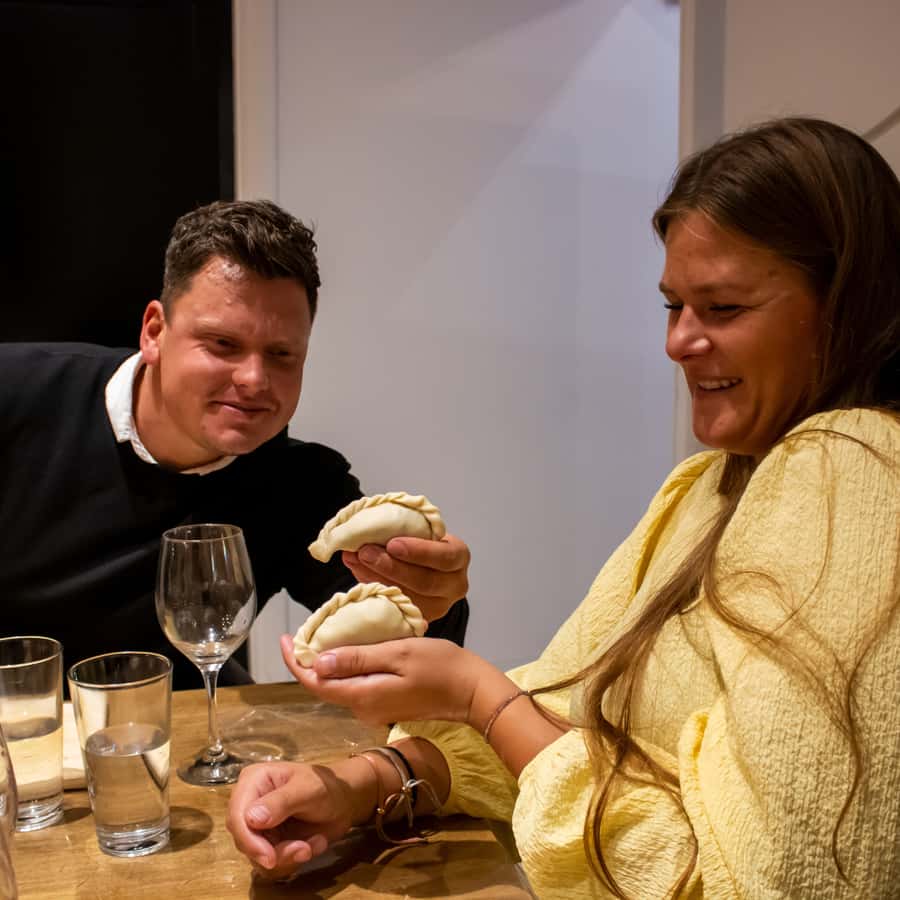
- Hands-on empanadas with meat or vegan filling options, not just a demo
- Dulce de leche alfajores where you mix, bake, and assemble your own cookies
- Mate tea included, with food-and-culture talk during the lesson
- Step-by-step guidance praised for clear instruction and lots of patience (Carolina, Catalina, Tomas are names that come up often)
- Works well for families, with a format that can handle kids alongside adults
- 150 minutes of food making, enough time to actually finish both dishes
Palermo Cooking Class: Empanadas and Alfajores in 150 Minutes
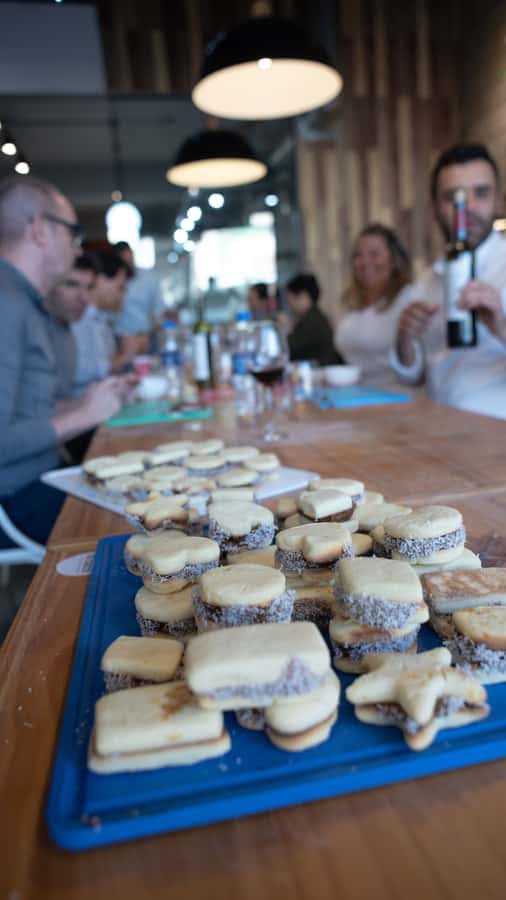
Buenos Aires has a way of turning snacks into identity. Empanadas are one of the country’s everyday favorites, and alfajores are the sweet finish that shows up everywhere from cafés to family tables. This Palermo cooking lesson gives you both, and the best part is that you’re not just tasting your way through Argentina. You’re learning how the food is built.
The session runs 150 minutes, which is long enough to get into the rhythm of cooking: hands go on the dough, fillings get mixed, cookies get baked, and everything comes together into something you can hold and eat. At $49 per person, it’s priced like a “real activity,” not a quick tasting stop, especially since you get ingredients for both dishes plus mate tea.
You’ll meet at Gorriti in Palermo. Just make sure you confirm whether your instructions say Gorriti 4882 or Gorriti 4886, since that detail appears differently depending on the notice. Either way, the lesson starts with you finding the right door, then stepping into a local cooking setup.
You can also read our reviews of more cooking classes in Buenos Aires

What You Make: The Empanadas Lesson (With Vegan Option)
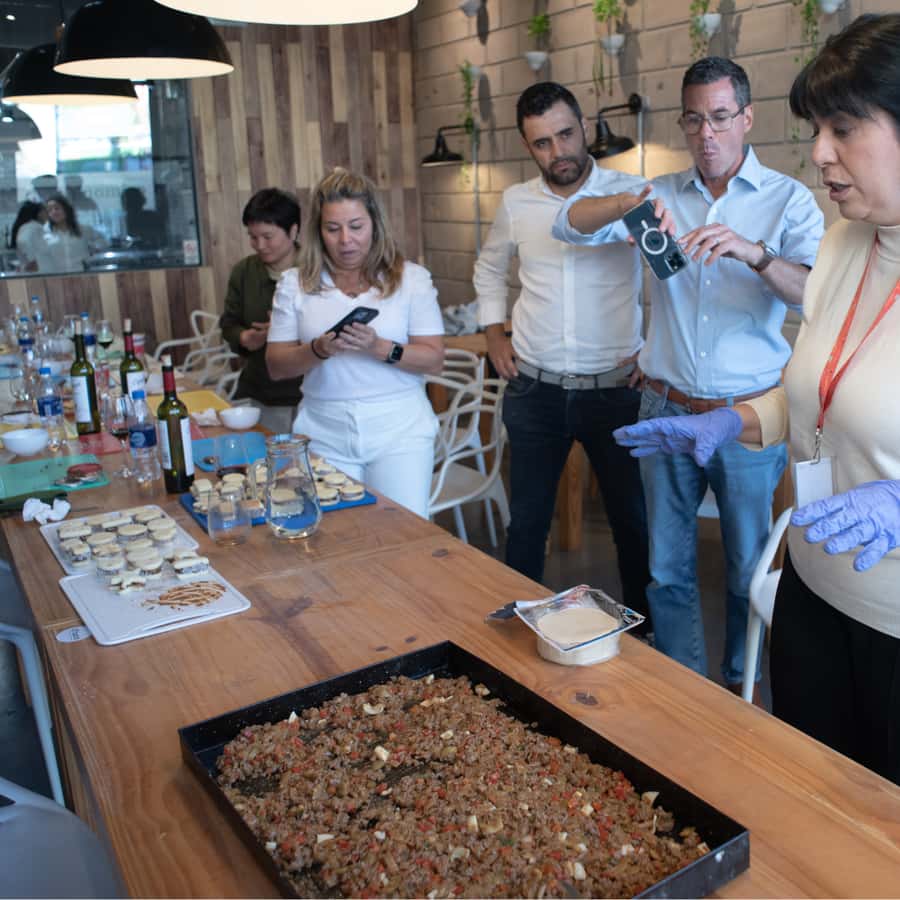
Empanadas aren’t just a dish here. They’re also a skill. And in this class, that matters, because the focus is on how you prepare them and how you fold them so they hold together.
You’ll learn the process for Argentine-style empanadas with meat or vegan options. The instructor shows you the foundation, including how the filling works and how the dough should behave when you fold. Then you do it. That hands-on part is what turns the experience into a lasting memory, because you feel the dough’s texture and learn what to fix when something tears or won’t seal.
One useful detail from the class feedback: you may compare store-bought shortcuts with freshly made dough. Even if you’ve cooked before, that kind of comparison helps you understand why Argentine empanadas taste like they do. It also gives you something practical to bring home.
The folding step: why it deserves your attention
Empanada folding looks simple until you try it. That’s why it’s a core part of the lesson. The guide shows the technique, then works with you until you’re sealing well enough to cook confidently. If you’ve ever eaten a great empanada and wondered why it’s so satisfying, this is where the answer starts.
Expect a meal from your own work
The class is structured so you end up enjoying what you cook. That’s a big deal for value: you’re not paying for the privilege of standing near a counter while someone else does the interesting part. You’ll likely taste both the empanadas you made and the alfajores you assemble afterward, which keeps the pacing satisfying from start to finish.
The Sweet Part: Alfajores and Dulce de Leche Assembly
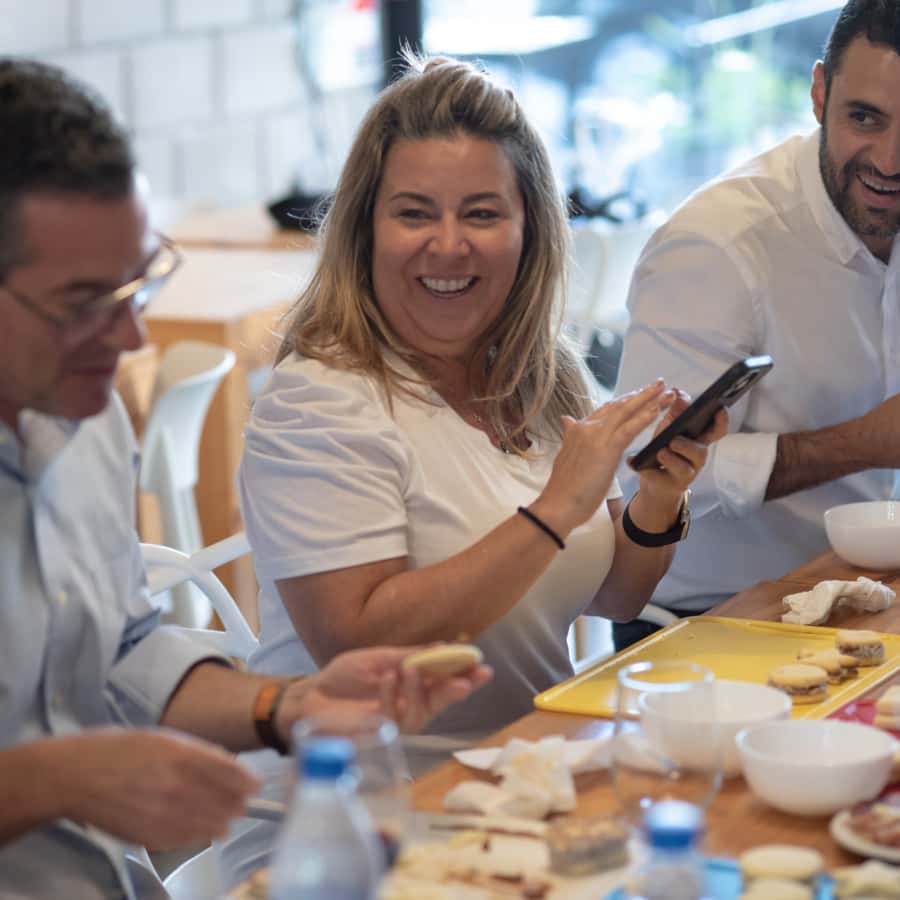
If empanadas are the savory heart, alfajores are the sweet signature. These are the cookies filled with creamy dulce de leche, and this class treats them like the main event, not a side project.
After the empanadas portion, you move into the alfajores workflow. You mix, bake, and assemble the cookies with dulce de leche. The key learning is timing and handling: how dough behaves before it bakes, how cookies should look when they’re ready, and how to assemble without turning the filling into a mess.
Feedback often highlights how guides like Tomas, Carolina, and Catalina explain each step clearly, so even if you’re not a confident baker, you’re set up for success. One comment praises how the directions are detailed and how the result tastes better than most you’ve had elsewhere in the region. I’d treat that as a sign the class is focused on technique, not just motion.
You can also read our reviews of more tours and experiences in Buenos Aires
Why learning alfajores is more useful than you’d think
Alfajores look like a simple cookie, but dulce de leche is doing the heavy lifting. Once you assemble them yourself, you start to understand what makes them feel creamy rather than sticky or dry. That’s the kind of practical knowledge you can actually repeat at home.
Mate Tea and Argentine Food Talk: The Social Half of the Lesson
Cooking classes can be pure choreography, but this one includes cultural insights along the way, with mate tea as part of the experience. That matters because Argentine food isn’t just ingredients. It’s how people gather around the kitchen, how they talk while food is cooking, and how traditions travel across neighborhoods.
In the feedback, guides are repeatedly praised for being personable and for keeping conversation flowing while teaching. Names that come up include Lourdes, Paulina, Layla, and Catalina, with multiple guests calling out the host’s patience and the friendly group atmosphere.
Practical takeaway: mate tea is more than a garnish
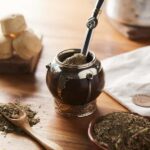
Mate is woven into everyday life in Argentina. When it’s offered during a cooking lesson, it helps break the class into human-sized moments. You’re not rushing between tasks with nothing to ground you; you get a pause, a sip, and context while you work.
Price and Value: Is $49 Worth It?
At $49 per person for 150 minutes, you’re paying for three things at once: instruction, ingredients, and the chance to eat what you make. Many cooking activities charge similar amounts for tastings, but this one emphasizes producing both a savory dish and a sweet dessert.
Here’s how I judge the value:
- You get ingredients for both empanadas and alfajores, so you’re not just learning in theory.
- Mate tea is included, so the class includes more than just food prep.
- The format is hands-on, which is where most people feel the difference between a fun activity and a forgettable one.
Two small caution flags to keep it honest:
- No hotel pickup means you’re responsible for getting there. If Palermo travel is inconvenient for you, the real cost includes your time and transport.
- Alcohol like wine is mentioned in some feedback, but it’s not listed as included in the basic details you provided. If you want wine, treat it as a possible extra rather than something you should count on.
Overall, if you want a practical Argentina experience that doesn’t end with photos, this price looks fair.
Location in Palermo: The Part You Should Plan For
Palermo is a big, lively area, and Gorriti is one of the streets you’ll likely hear about if you spend time walking between cafés and shops. The meeting point is listed as Gorriti 4882, and another note says Gorriti 4886, Palermo. That’s close enough to be in the same general spot, but far enough that you should double-check the exact number on your confirmation.
Also note: the class happens in rain or shine. So you don’t need to gamble on weather. Instead, bring shoes you can handle for a casual walk, and expect to be moving at the station while you cook.
If you’re coming with kids, this kind of activity can work well because it’s structured and practical, with a clear start, middle, and finish. Multiple people in the feedback mention family-friendly enjoyment, including ages ranging from older kids to adults.
Who This Cooking Lesson Fits Best
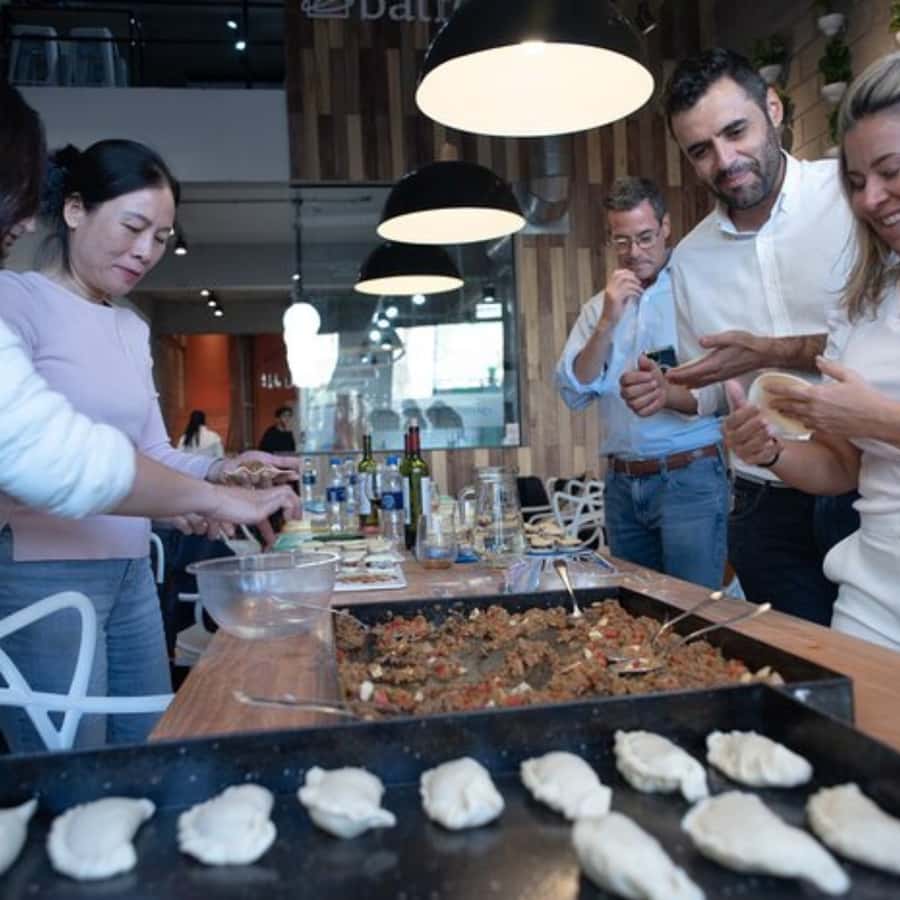
This class is a strong match if you:
- Want a hands-on food experience in Buenos Aires, not just tasting
- Like learning technique you can repeat later (folding empanadas, assembling alfajores)
- Prefer small, guide-led interaction where you can ask questions while cooking
- Travel with kids who enjoy cooking tasks and want something active
It’s also a good choice if you already know some cooking, because the instruction still helps you refine texture and folding, and you might get a useful comparison between prepackaged dough and freshly made dough.
If you’re extremely short on time, 150 minutes may feel like a commitment. But for most people doing a few days in the city, it’s a nice “use your hands” detour from museums and long walks.
Tips to Get More Out of the Class
These aren’t fancy. They’re the small things that make your session smoother.
- Arrive on time and hungry. You’ll cook, you’ll eat what you made, and you don’t want the first step to feel rushed.
- Wear clothes you don’t mind getting flour or crumbs on. Even well-run kitchens get messy during hands-on cooking.
- Ask about the meat versus vegan filling early. That way you can settle into your station with fewer interruptions.
- Watch the fold, then do it once. Waiting until later usually makes sealing feel harder.
- Take mental notes on timing. The oven and bake stage is where good alfajores and good empanadas diverge from average ones.
And if you’re nervous in kitchens, that’s normal. The repeated praise for hosts like Carolina and Tomas is about patient coaching, not about expecting you to already know the technique.
Should You Book This Empanada and Alfajor Lesson?
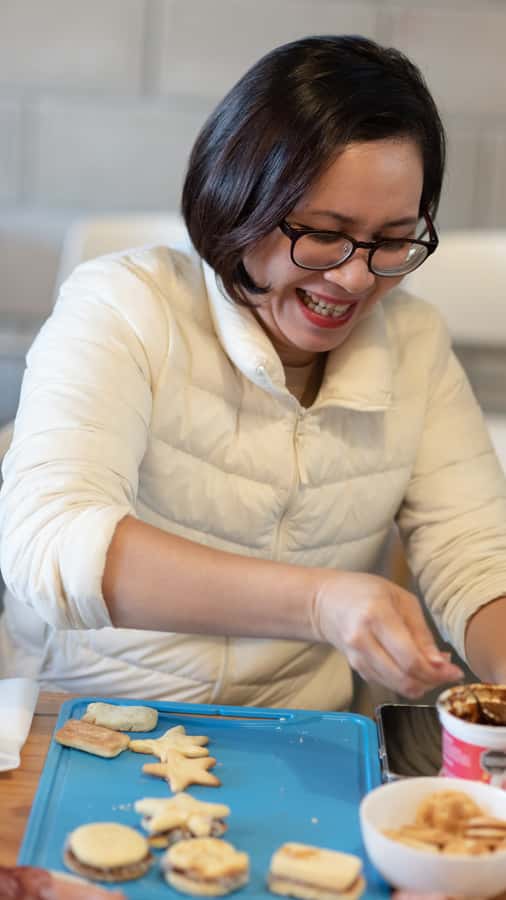
Yes, if you want a Buenos Aires experience that’s practical and delicious, with you doing the cooking and not just watching. The combination of savory and sweet, plus mate tea and cultural talk, makes it a solid use of 150 minutes.
I’d skip it only if getting to the meeting point on your own is a deal-breaker. There’s no hotel pickup, and the right address matters. Also, if you’re mainly after a passive activity with minimal mess, a cooking class is still a cooking class.
If you want a memorable, skill-building afternoon that ends with food you made yourself, this is a very reasonable bet.
FAQ
Where is the meeting point for the Palermo class?
The meeting point is listed on Gorriti in Palermo, Buenos Aires. One note gives Gorriti 4882, and another gives Gorriti 4886, so double-check your confirmation message for the exact number.
How long is the cooking lesson?
The duration is 150 minutes.
What is included in the price?
The class includes empanadas ingredients, alfajores ingredients, a local instructor, and mate tea.
Are meat and vegan options available?
Yes. Meat or vegan options are available for the empanadas.
What languages are the guides/instructors speaking?
The live tour guide is offered in English, Spanish, and Portuguese.
Is hotel pickup and drop-off included?
No. Hotel pickup and drop-off are not included.
Does the experience run in rain or shine?
Yes. The experience will take place even if it rains or shines.
Is mate tea included?
Yes. Mate tea is included as part of the class.
Is wheelchair access available?
Yes. The experience is listed as wheelchair accessible.
Can I get a refund if I cancel?
Free cancellation is available up to 24 hours in advance for a full refund.
Is there a reserve and pay later option?
Yes. You can reserve your spot and pay later to keep plans flexible.