REVIEW · BUENOS AIRES
Buenos Aires: Empanadas and Alfajores Guided Cooking Class
Book on GetYourGuide →Operated by BsAs Mio Turismo · Bookable on GetYourGuide
Cooking is the best kind of travel lesson. In this 3-hour class in San Telmo, you make empanadas and alfajores from scratch, then sit down with what you cooked. The big win is the setting: you’re not in a demo kitchen, you’re in an Argentinian household with a chef and hosts who talk you through the why, not just the what.
Two things I really like: you get hands-on training for the signature sealed edge on empanadas (the repulgue) and you practice the mate ritual, not just sip it once. One possible drawback: the empanada fillings can be limited to what’s planned for your session, so if you’re hoping for a wide buffet of different fillings, you may be happier choosing a class slot that specifies extra options.
In This Review
- Key takeaways before you go
- Entering a Buenos Aires Home for Empanadas and Alfajores
- The 3-hour flow: how the evening actually runs
- Mate time: the ritual part you’ll remember
- Empanadas in detail: dough, fillings, and repulgue
- Dough work that matters
- Fillings: what you’ll likely make
- The repulgue: the sealed edge
- Alfajores: cornstarch cookies and dulce de leche cream
- Small group dinner vibes: why people rate it so high
- Price and value: is $37 a good deal here?
- What to bring, where to meet, and what to expect eating
- Meeting point and timing
- What to wear
- Eating setup
- Wine note
- Recipes to take home
- Who this class suits best (and who might want something else)
- Should you book? My honest fit check
- FAQ
- What dishes will I learn to make?
- How long is the cooking class?
- Is mate included?
- Do you offer vegetarian options for empanadas?
- What language is the class taught in?
- Is wine included?
Key takeaways before you go
- Hands-on empanada technique, including dough prep and sealing with the repulgue
- Mate made the traditional way, with a real explanation of the ritual and herb tea
- Alfajores from cornstarch dough, filled with dulce de leche
- Small group (up to 8), so you get real attention while you cook
- Meat and vegetarian empanada options depending on what’s available that night
- You eat everything you make, so you leave full instead of just holding a container
Entering a Buenos Aires Home for Empanadas and Alfajores
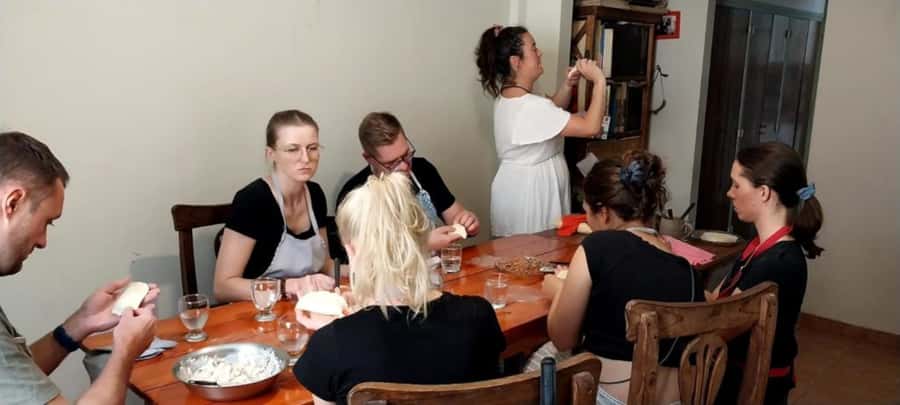
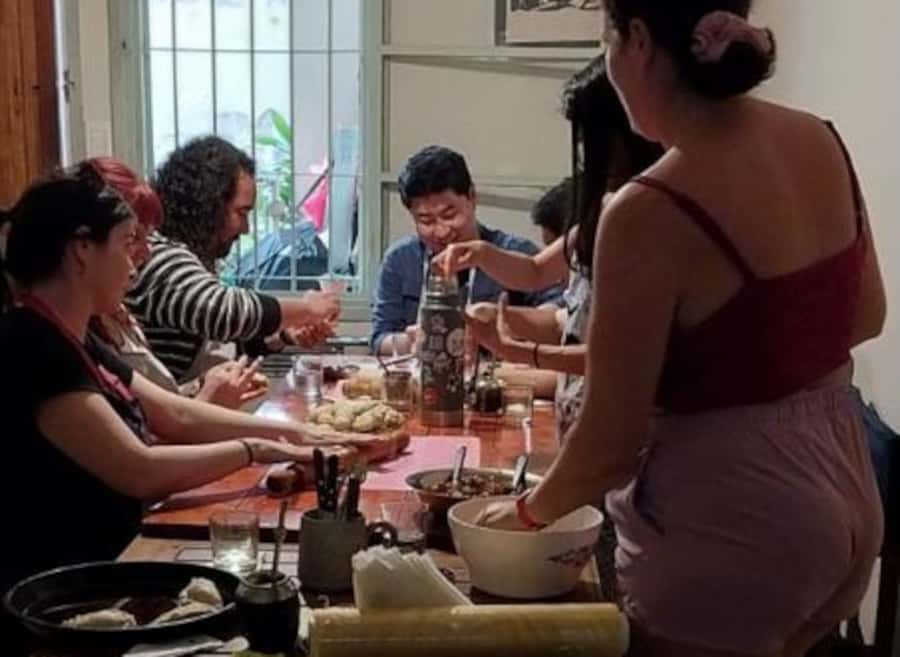
San Telmo is the right neighborhood for this kind of experience. You’ll head to Paseo Colón 1355, and at the start time you ring the bell and wait to be let in. Once inside, the whole vibe shifts from sightseeing mode to family-kitchen mode.
This class is built around two beloved Argentine staples. Empanadas are the everyday comfort food—stuffed dough you can bake or fry, with fillings that range from meat to ham and cheese to vegetables. Alfajores are the dessert cousin: short, tender cookies made with cornstarch, sandwiched with creamy dulce de leche. Doing both in one evening makes the lesson feel complete: savory skill first, then sweet payoff.
What makes the evening feel genuinely worth it is the way it’s structured for real people. You’re not expected to be a trained baker. The hosts guide the steps, keep the pace friendly, and encourage questions. Names you might hear during the class include Thomas and Sophia as instructors, plus other household helpers—people keep things moving while you cook side by side.
You can also read our reviews of more guided tours in Buenos Aires

The 3-hour flow: how the evening actually runs
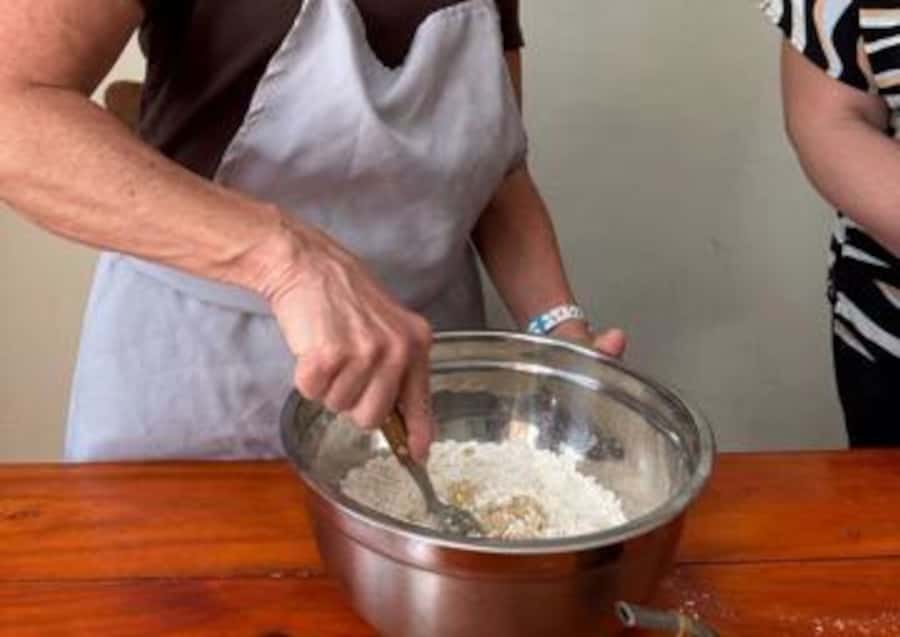
Expect a steady rhythm where you rotate through tasks. In 3 hours, you’ll have time to learn the process, not just sample it.
Here’s the typical sequence:
- You arrive, get introduced to the space and your hosts, and settle in.
- You start with mate. You learn how to prepare it and how to drink it in the traditional style.
- You move into empanadas: dough mixing, filling prep, and shaping.
- You seal the empanadas carefully, using the classic crimped edge.
- Alfajores come next: you assemble and prep the cookies filled with dulce de leche.
- Finally, you eat together—plus you usually get enough food that it feels like an actual meal, not a snack.
Because the group is small (up to 8), you’re usually not stuck watching from across the room. You can ask for a repeat if something feels unclear, and you can adjust as you go. Some people prefer even clearer instructions at the start, so if you’re a cautious beginner, pay close attention before you start rolling dough—once you’re in motion, it gets easier.
Mate time: the ritual part you’ll remember
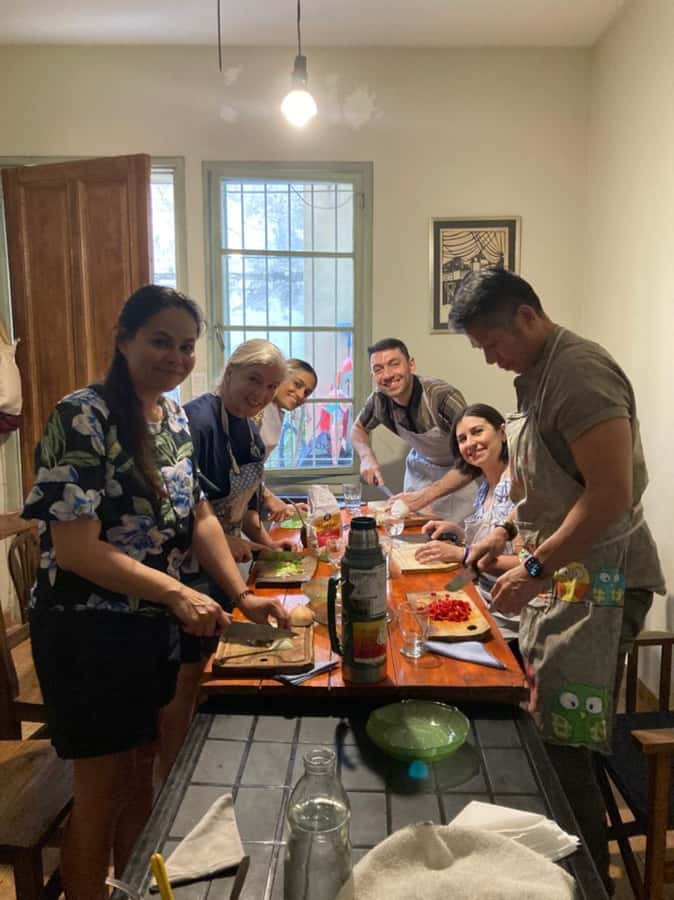
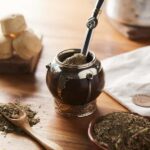
Mate is included, and it’s part of the teaching. This isn’t the kind of class where mate shows up as a random detail. You actually learn the traditional method of creating it and how the herb tea is served.
In plain terms, you’re learning why mate matters in daily life in Argentina. People treat it like a shared social moment. During your cooking, you’ll have breaks where the mate circles back into the conversation. That mix of food work and cultural practice is one reason this class feels warmer than a typical workshop.
One practical tip: if you’ve never had mate, you might want to start slowly. It’s herbal tea, and it can taste strong if you’re used to milder drinks. Let the host guide you on how it’s meant to be sipped.
Empanadas in detail: dough, fillings, and repulgue
Empanadas can look simple—until you’re the one sealing them. The class focuses on the steps that make empanadas taste right and stay closed while cooking.
Dough work that matters
You’ll learn how to prepare the dough, and the instruction is step-by-step. The goal is to get you confident rolling and shaping, not just following a script. When the dough feels too stiff or too sticky, the host can usually help you adjust before you move forward.
You can also read our reviews of more cooking classes in Buenos Aires

Fillings: what you’ll likely make
Your session includes savory empanadas with a range of fillings. Common possibilities include meat, ham and cheese, or vegetables. Many classes include both meat and vegetarian options, so you’re not forced into one flavor lane.
That said, a small number of people have wished they’d gotten an extra filling variation instead of repeating one filling plan. So if variety is your main goal, go into it expecting empanadas you’ll make well, not necessarily a tasting flight of four different fillings.
The repulgue: the sealed edge
This is the signature skill. The host shows you how to seal the empanada with the repulgue, the classic crimped fold that not only looks right—it helps keep the filling inside. It’s a small detail, but it’s also where the class earns its keep. Anyone can pinch dough shut. The repulgue is the Argentine way.
If you care about getting it even, focus on pressure and timing. A slow, consistent crimp usually seals better than rushing.
Alfajores: cornstarch cookies and dulce de leche cream
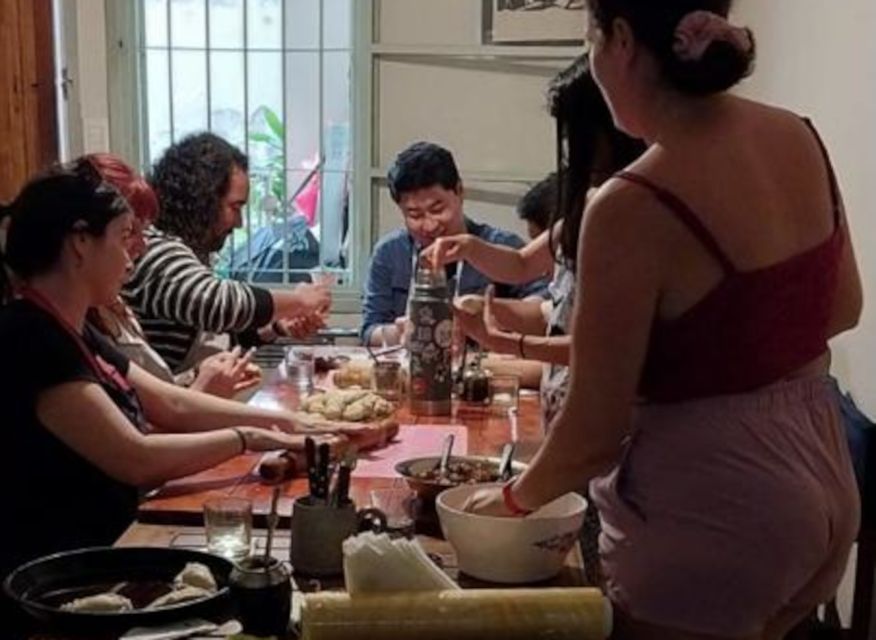
Then comes the sweet part: alfajores. You’ll make them with a dough that uses corn starch and then fill them with dulce de leche, that caramel-like filling Argentina does so well.
The workshop keeps it approachable. You learn how to assemble the cookies so the filling stays thick and creamy rather than leaking. Alfajores are the kind of dessert where technique affects texture—too much heat or over-handling can change how the cookies set. Your hosts guide you through the process so you end up with cookies that are tender enough to eat right away.
When it’s time to eat, this usually feels like a reward. You’ve worked dough and fillings for empanadas, and then you get the payoff: a dessert you can recognize instantly from the country, made by your own hands.
Small group dinner vibes: why people rate it so high
This class has a strong social rhythm, and that’s not accidental. The group is limited to 8, and that changes everything. You get time to talk, and you’re not stuck in a line waiting for someone to move on.
Hosts like Thomas are often described as professional with humor, and others (including Sophia and Maria in some sessions) bring a patient, warm teaching style. The household atmosphere matters too. You’re invited into someone’s real home kitchen, which makes the whole thing feel personal rather than transactional.
Another highly praised aspect: the class connects food with culture. You’ll hear explanations about Buenos Aires and Argentina beyond recipes—things like why certain habits matter and how food fits into everyday life. Even if you’re only there for the empanadas and alfajores, you’ll probably leave with a few extra mental bookmarks about how locals live and eat.
And yes, you usually leave full. You make a meal’s worth of empanadas and then add alfajores for dessert. A lot of people like that ratio: cooking effort leads to a real shared dinner.
Price and value: is $37 a good deal here?
$37 for about 3 hours isn’t just a cooking fee—it’s paying for:
- hands-on instruction for two recipes
- included ingredients
- mate and water during the class
- a meal that comes from your own work
If you compare it to tours that mostly show you food instead of teaching you how to make it, this one feels more practical. You’re not just learning a culture story; you’re building skills you can repeat at home.
That said, value depends on what you want most. If your priority is maximum variety of empanada fillings, you might find the session constrained by what the household cooks that night. If your priority is technique and the cultural setting, $37 tends to feel like a fair price for a small-group evening with a lot of food.
What to bring, where to meet, and what to expect eating
Meeting point and timing
Go to Paseo Colón 1355 in San Telmo at the class start time, and ring the bell. Arriving on time matters because the schedule is built around cooking steps.
What to wear
Wear something comfortable. You’ll be rolling dough and standing at a work area. Think practical, not fancy.
Eating setup
You’ll eat what you make. Some people prefer using plates rather than napkins, so don’t be surprised if the setup is casual. Either way, the food quantity is a consistent part of the appeal.
Wine note
Wine isn’t included, but it may be available for purchase. Mate is included, along with water.
Recipes to take home
Many classes share recipes after the workshop. Some people report it’s easy to get them, while others say the follow-up for recipes was less straightforward. If you care a lot about getting the recipes instantly, you might want to confirm how they’ll send or share them before you leave.
Who this class suits best (and who might want something else)
This experience is ideal if you:
- want a hands-on cooking class rather than a tasting tour
- enjoy small groups and conversation
- want Argentine food skills you can repeat at home
- like cultural details, especially around mate
It’s also family-friendly. People have taken it with teenagers and found the pace worked, since participants can contribute tasks and then enjoy the results.
Consider another option if you’re strongly focused on variety of empanada fillings and want multiple distinct fillings in one session. This class is more about mastering core technique with the fillings planned for your night.
Should you book? My honest fit check
Book it if you want an evening that combines real-home cooking, practical technique (especially the repulgue), and a cultural ritual you can talk about at dinner afterward. The small group size makes it feel human, not rushed, and you’re not leaving hungry.
Skip it only if you’re mainly chasing a wide menu of different fillings in one class, or if you need recipes delivered in a specific way immediately at the end of the night. Otherwise, for the price and the amount of food and instruction you get, this is one of the more reliable “learn + eat” experiences in Buenos Aires.
FAQ
What dishes will I learn to make?
You’ll learn to make Argentine empanadas and alfajores, including using dulce de leche for both.
How long is the cooking class?
The class lasts 3 hours.
Is mate included?
Yes. Mate (traditional herbal tea) is included, along with water.
Do you offer vegetarian options for empanadas?
Vegetarian alternatives for the empanada filling are available in some sessions.
What language is the class taught in?
The instructor teaches in Portuguese and English.
Is wine included?
No. Wine is available for purchase, but it isn’t included.