REVIEW · ANTIGUA GUATEMALA
From Antigua: Adventure, 2-Day Hiking to Acatenango Volcano
Book on GetYourGuide →Operated by Volcano Expeditions · Bookable on GetYourGuide
That first rumble will stick with you.
This 2-day climb from Antigua gets you up Acatenango for panoramic night views and a chance to watch El Fuego in action. I love the way the trip handles the hard parts for you: you get practical cold-weather gear (gloves, hat, jacket) plus a real guide-led pace so you’re not hiking blind in the dark. I also like the value: for the price, you’re not just buying the hike—you’re buying transport, dome accommodation, and your meals.
One thing to factor in before you book: the climb is truly steep and strenuous. Even if you’re “in shape,” the altitude + loose gravel can slow you down, and the summit/sunrise timing means it will be cold and windy up high.
In This Review
- Key things to know before you go
- Acatenango from Antigua: why this hike feels bigger than a trek
- Day-one logistics: Antigua pickup, La Soledad, and the long climb to base camp
- The camp reality: dome accommodation, hot chocolate, and staying warm at altitude
- Dinner and the night show: watching El Fuego erupt from where you sleep
- Acatenango sunrise: the early climb, the cold air, and what to expect if you pause at camp
- The optional Fire Volcano add-on (Q200): getting closer or choosing a lighter plan
- Price and value: what you get for $54 (and what costs extra)
- Fitness, altitude, and trail reality: steep gravel and how to avoid the bad surprises
- Packing list that actually helps (warm layers, water, flashlight, and toilet paper)
- Guide style and communication: Spanish-only and how to work with your group
- Should you book Acatenango 2 days from Antigua?
- FAQ
- How hard is the Acatenango hike?
- What time does the tour start from Antigua?
- Is the sunrise hike mandatory?
- What is included in the price?
- What costs extra once you arrive?
- Do I need trekking poles or special equipment?
- Who should avoid this tour?
Key things to know before you go
- Acatenango summit + sunrise: the early push is optional for some people, but the views from camp are already serious
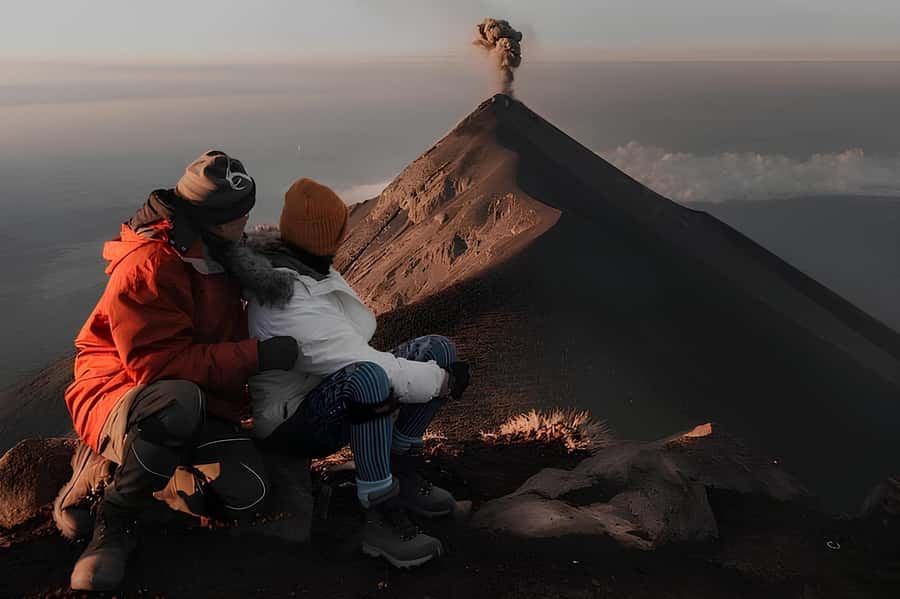
- El Fuego activity from camp: you’re set up to watch eruptions during your night stay
- Shared basic cabins/domes: comfort is simple, and you’ll be close to other hikers
- Spanish-speaking guides: you may need to rely on simple phrases or group help for explanations
- Steep trail reality: traction shoes and enough water matter more than fancy gear
- You’ll need snacks: the meals are included, but they can feel basic for a full-on hike
Acatenango from Antigua: why this hike feels bigger than a trek
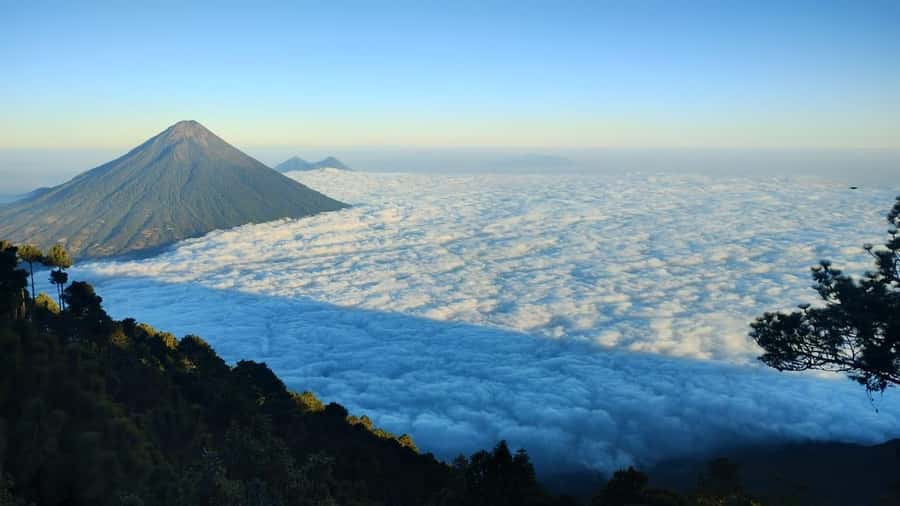
Acatenango is one of those Guatemala mountains where “hike” doesn’t cover the experience. You’re doing a hard physical climb, yes—but what makes it memorable is the contrast: a brutal ascent followed by hours of watching a living volcano system from camp. When El Fuego starts putting on a show, it’s not a quick photo moment. It’s something you can feel in the night air while you’re bundled up.
This trip also gives you that classic volcano rhythm: hike all day, sleep high up, then go again for sunrise (or wait at camp). If you’re craving a true disconnection—no city pace, no restaurant plans, just cold air and mountain focus—this delivers.
The price is also a big reason it works for many budgets. At about $54 per person, you’re getting far more than a single guided walk. You’re paying for the full chain: pickup, guide, sleep setup, and meals. The two extra costs to note are the volcano entrance fee (listed separately) and the optional extra Fire Volcano add-on.
You can also read our reviews of more hiking tours in Antigua Guatemala
Day-one logistics: Antigua pickup, La Soledad, and the long climb to base camp
You’ll start from Antigua with hotel pickup, then stop at the provider’s station around 8:45 AM. This is where you get your pre-packed food and the cold-weather basics, like jackets, gloves, and a cold hat (and you can rent a few items there, if you need them). It’s also where you’ll want to be ready with cash for small add-ons like trekking poles.
From there, the hike begins once you reach La Soledad. After a quick briefing with your guides, you move toward base camp. Expect about 4.5 to 6 hours to get up to camp depending on your group pace. The trail is steep, and it’s not the “pretty stroll” type of hiking. It’s endurance hiking: breathing hard, finding rhythm, stopping when the guides stop.
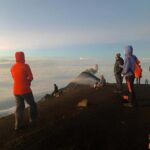
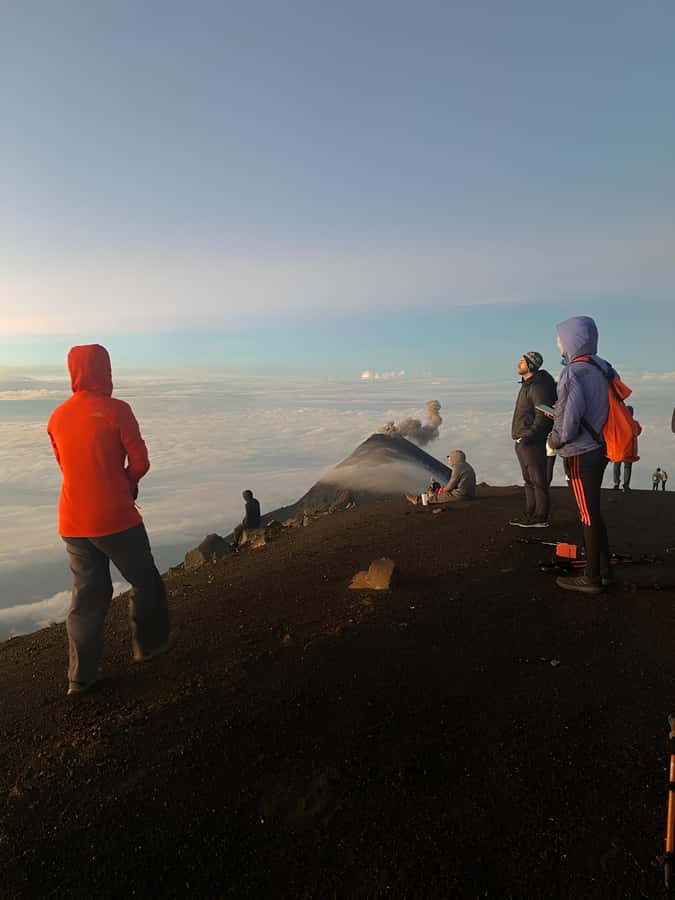
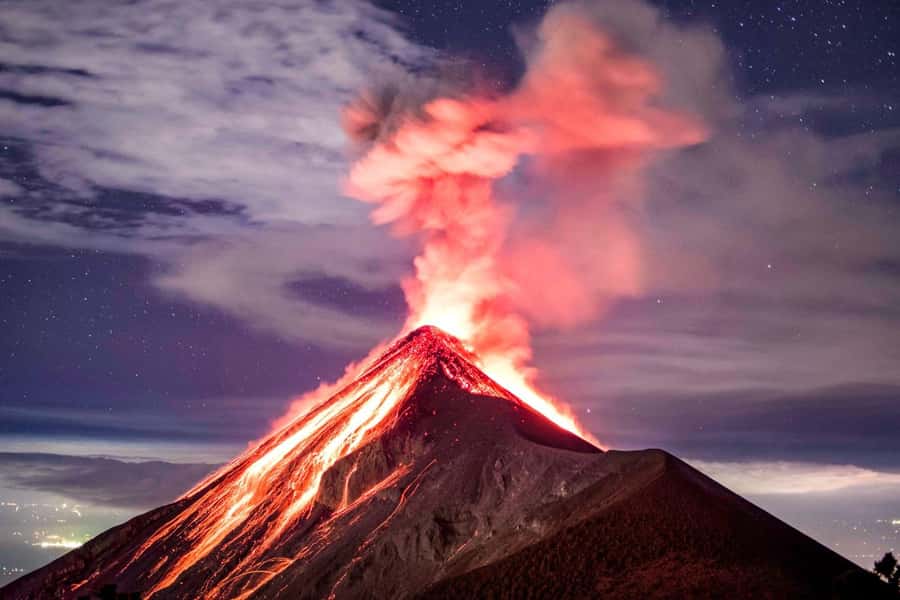
By late afternoon you reach base camp, check in, and get the payoff immediately. This is where you can admire surrounding peaks and see El Fuego’s activity from the area where you’ll sleep. That means you’re not waiting until sunrise to start feeling like you came for the right thing.
Possible drawback on day one: the pace is group-paced, and you’re walking alongside others at a steady rhythm. If you’re slower, you’ll likely just spend longer on the trail and rely on breaks more than speed. That’s normal here, but it helps to mentally prepare.
The camp reality: dome accommodation, hot chocolate, and staying warm at altitude
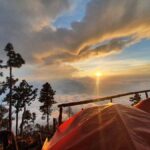
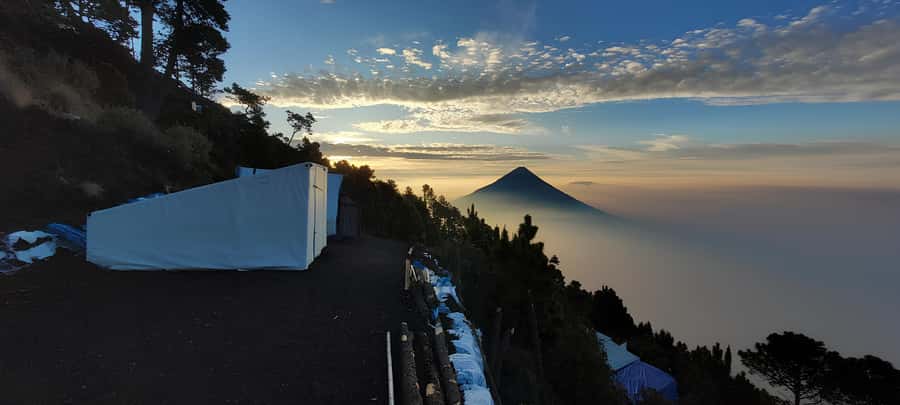
The sleep setup is basic. You’ll be in dome accommodation (with a sleeping bag and mat), and it’s a shared setting. Some groups stay in simple cabins; others may use tents depending on the setup that night. Either way, this is not a hotel night.
What matters is how cold it can get. Multiple hikers describe severe cold and wind at higher elevations—think freezing temps around the top and windy conditions that make you feel it fast. I’d plan around that.
Here’s what the included gear actually does for you:
- Sleeping bag + mat help you stay off the cold ground
- Gloves and hat cover key heat-loss areas
- A jacket (not impermeable) gives insulation, but you’ll still want warm layers underneath if it’s windy or wet
- Hot chocolate is included, and it’s the kind of comfort drink that matters after a long, sweaty climb
You’ll also want a flashlight/headlamp. Day becomes night quickly at altitude, and one review emphasized that you shouldn’t rely on darkness for finding safe footing—especially if you add any night hiking options.
One small but important practical note: during the first day hike, there are three bathroom breaks, and you should bring your own toilet paper.
Dinner and the night show: watching El Fuego erupt from where you sleep
Dinner happens at the volcano base setting after you settle in. The included meals cover lunch and dinner day one, and breakfast day two, plus options for vegetarian, vegan, and gluten-free diets. That’s a real plus, especially if you’ve ever had to beg for food on a hiking tour.
That said, a common theme from hikers is that meals can be basic and not always filling enough for the amount of energy you’re burning. If you want to feel strong and not cranky, treat included food as fuel support—not your whole plan.
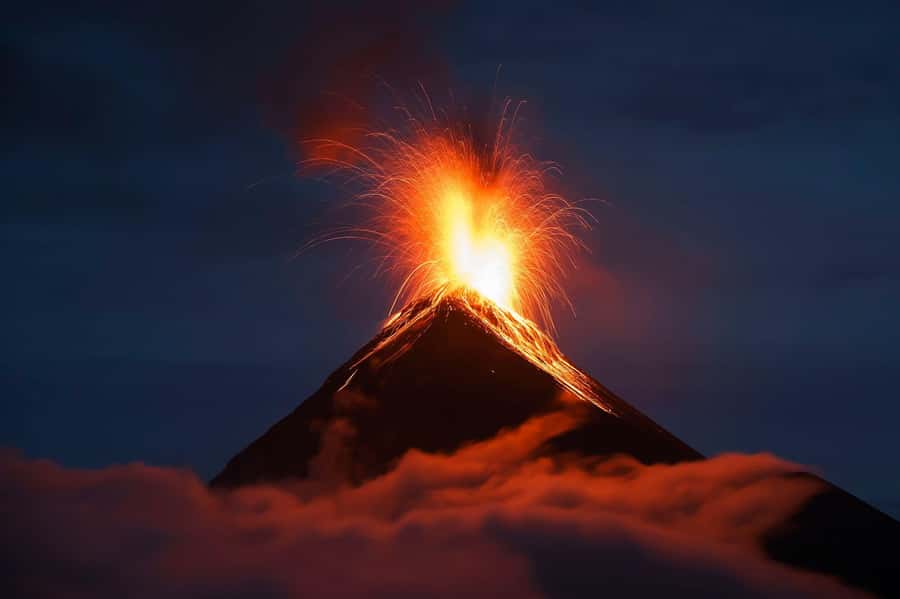
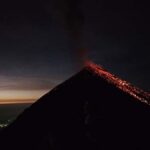
The real night entertainment is El Fuego. Many hikers say they saw eruptions through the night and felt ground shaking. Even when the activity isn’t constant, the whole camp atmosphere makes it feel alive: you’re high up, cold, quiet, and then the mountain wakes up.
If you’re the type who wants a “quiet wow,” this is ideal.
Acatenango sunrise: the early climb, the cold air, and what to expect if you pause at camp
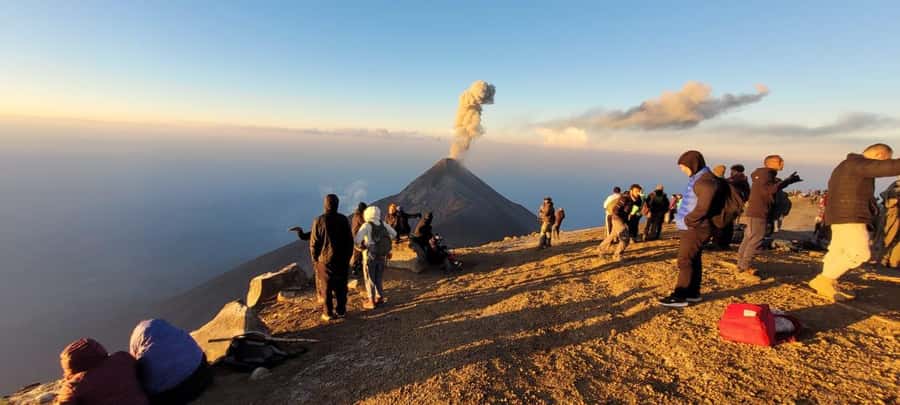
The next morning is an early start for a scenic sunrise hike to the top of Acatenango. Those who don’t want to climb can wait at camp while others summit. That’s a good option if you want the views without paying the full physical cost twice.
Why this part is tough: you’re already tired from day one, and the sunrise hike adds steep uphill work in colder conditions. Even people who consider themselves experienced hikers can feel the summit push as brutal, because altitude + wind + cold changes how your body works.
A smart approach is to think in terms of effort, not speed. Your guide-led pace matters here. If you need it, ask for slower breaks. The goal is getting you up safely and consistently, not racing to beat the group.
What you’ll likely notice at the top:
- Wind that can make you cold fast
- Steep, demanding footing even when the route is straightforward
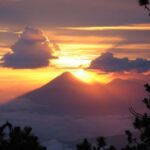
- Sunrise light that turns the clouds into a dramatic layer below you
Also, don’t underestimate how different sunrise feels. It’s not just pretty—it’s emotional. One of the best parts of this tour is that you earn that view with real effort.
You can also read our reviews of more tours and experiences in Antigua Guatemala
The optional Fire Volcano add-on (Q200): getting closer or choosing a lighter plan
El Fuego activity is already visible from camp on Acatenango, so you might wonder why pay extra. The extra Fire Volcano tour is listed at Q200.
When it’s worth it:
- If you want to feel the volcano closer and push your experience further
- If you’re comfortable with additional time and effort after the main climb
- If you’re bringing a headlamp and you can handle a more intense night/walking plan
When you might skip it:
- If you’re worried about energy after day one
- If you’re prone to motion or altitude discomfort
- If you’re not confident on steep, uneven ground in the dark
One hiker noted they got their Q200 back after choosing not to hike the extra portion on the day of. I can’t guarantee that policy for everyone, so I’d treat it as case-by-case and confirm directly with your guide if this matters to you.
Price and value: what you get for $54 (and what costs extra)
Let’s talk value without sugarcoating it. At roughly $54 per person, this tour includes the big-ticket logistics:
- Round-trip transportation from your hotel in Antigua
- Guide support
- Dome accommodation plus sleeping bag and mat
- Meals (lunch + dinner day one, breakfast day two)
- Hot chocolate
- Included cold-weather items: gloves, cold hat, and a jacket (not waterproof)
- Luggage storage
What’s not included:
- Entrance fee to the volcano (listed as 100 quetzalez / $13)
- Water
- The optional Fire Volcano add-on (Q200)
So your real cost can be a bit higher than the base price once you add the entrance fee. Still, you’re paying for an organized high-elevation overnight experience with gear, food options, and guided safety.
My advice: budget for water and snacks yourself, because hunger and dehydration are what sabotage even motivated hikers.
Fitness, altitude, and trail reality: steep gravel and how to avoid the bad surprises
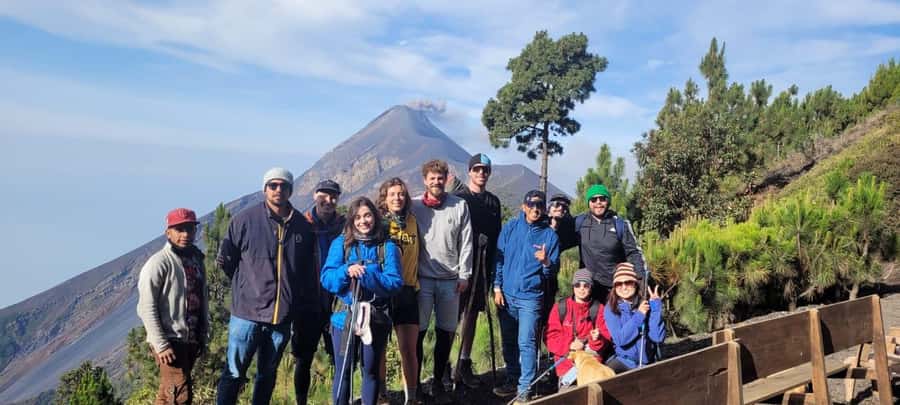
This isn’t a casual hike. The tour data flags it as requiring a good level of fitness and intermediate hiking skills, and the trail is described as remarkably steep. People also describe altitude hitting hard—lungs and throat feeling strained, cold temperatures at camp, and a lot of loose gravel/volcanic soil.
Here’s what I’d take as non-negotiable:
- Wear shoes with real traction
Trail runners can work, but only if you’ve got grip. Slides happen easily on gravel.
- Bring enough water
The guidance says bring 3 liters of water. Some hikers suggest closer to 4 liters depending on conditions—so if you run hot, err higher.
- Pack snacks for energy stability
Many meals are basic. If you get shaky or dizzy, snacks are often the fix that keeps you moving.
- Use a trekking pole if you need stability
Poles can be rented for Q50. Even if you don’t usually use poles, they can save your knees on steep descents.
Also, pay attention to how groups move. This is a shared excursion, so you’re not always walking alone. Some reports mention fast and slow groups, with slower groups reaching base later. That’s not a failure—it’s the mountain doing what the mountain does.
If you have heart problems, are pregnant, have mobility impairments, or are over 65, this isn’t a good fit based on the activity’s own guidance. Children under 11 are also not suitable.
Packing list that actually helps (warm layers, water, flashlight, and toilet paper)
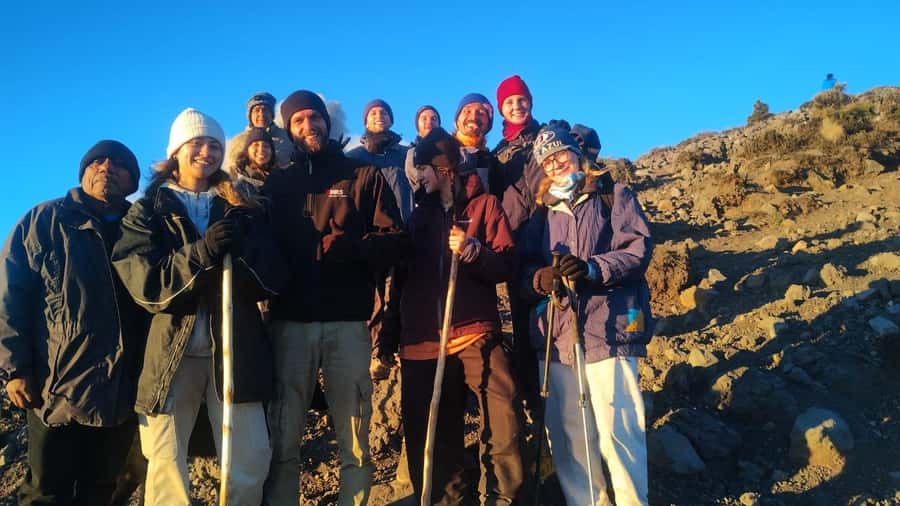
This tour comes with key gear, but you still need the right basics.
I’d pack for cold + dust + long climbs:
- Warm clothing (layers beat one heavy coat)
- Sunglasses (high altitude glare is real)
- Hiking shoes with traction
- Sunscreen
- Snacks (especially protein or energy bars)
- Water (plan for at least 3 liters)
- Socks (bring extra; cold feet ruin your night)
- Flashlight (headlamp is even better for hands-free safety)
- Pillow if you want sleep comfort
- Toiletries
- Trekking gear
- Waterproof bag (helpful in case it’s wet or windy)
- A 45 to 55 liter backpack is recommended
Also consider what one hiker suggested because it makes a real difference: gaiter/bandana and goggles for dust. Volcanic trail dust can be intense.
One small planning detail: there are bathroom breaks on day one. The tour guidance says bring your own toilet paper.
Guide style and communication: Spanish-only and how to work with your group
The guide language is Spanish. In practice, that can mean you’ll get more from body language and clear safety instructions than from long explanations—especially if your Spanish is basic.
Still, the guides often help a lot. Hikers have mentioned guides like Luis, Roberto, Santiago, Robin, Louis, Esbin, and Ronald as supportive and motivating. Even when English isn’t part of the tool kit, the priority is safety, pacing, and checking in on hikers who are struggling.
If you want this experience to feel smooth:
- Learn a few simple Spanish phrases for pace and needs (slow down, stop, resting, water)
- Don’t hide fatigue. Tell your guide early that you need a break
- Use your group. If someone can translate, lean on that
Should you book Acatenango 2 days from Antigua?
Book it if you want:
- A serious hike that still feels structured and guided
- The chance to see El Fuego activity while you’re up high and bundled
- Sunrise in the mountains, with a serious payoff if you make the summit push
Think twice or train first if:
- You dislike steep endurance climbs
- You get cold easily and don’t pack warm layers
- You’re not ready for altitude effects and breathing hard for hours
My take: this is great value for the money, but only if you treat it as a workout with a volcano reward. If you come prepared with traction shoes, enough water, and snacks for energy, you’ll earn a night and sunrise view that’s hard to replace.
FAQ
How hard is the Acatenango hike?
It’s steep and demanding, and the hike requires intermediate hiking skills plus a good level of fitness. Expect a long climb on loose gravel/volcanic trail conditions and plan for altitude to slow you down.
What time does the tour start from Antigua?
Pickup begins in Antigua and you stop at the provider station at about 8:45 AM to pick up pre-packed food and cold-weather items.
Is the sunrise hike mandatory?
No. The sunrise part is offered as a climb to the top of Acatenango, but people who don’t want to climb can wait at the camp while others go up.
What is included in the price?
Included are round-trip transportation from your hotel, dome accommodation, sleeping bag, mat, a guide, meals (lunch and dinner day one, breakfast day two), hot chocolate, and cold-weather gear like gloves, a cold hat, and a jacket (not impermeable). Luggage storage is also included.
What costs extra once you arrive?
You’ll need to pay the volcano entrance fee (100 quetzalez / $13). Water isn’t included, and the extra Fire Volcano tour costs Q200.
Do I need trekking poles or special equipment?
Trekking poles can help. The guidance says you can rent them for Q50 quetzalez. You’ll also want traction shoes, and a flashlight is strongly recommended for night safety.
Who should avoid this tour?
The tour is not suitable for children under 11, pregnant women, people with mobility impairments, people with heart problems, people over 65, or those with low fitness.