REVIEW · BUENOS AIRES
Buenos Aires: Historic Buenos Aires Landmarks & Icons Tour
Book on GetYourGuide →Operated by daddiescuriosos · Bookable on GetYourGuide
Buenos Aires can feel like a lot at once, and this tour gives it a clean path. You start in the heart of Plaza de Mayo and then work your way through big-name buildings, photo stops, and a few quieter corners where the city’s layout tells the story. I love that it’s high-impact for the time and stays practical, with a guide who makes landmarks feel human instead of just impressive from the outside.
Two things I really like: you get guided explanations at the key stops, and you also get short but focused sightseeing breaks, so your feet don’t revolt halfway through. You’ll see major government and cultural sites up close, including the Casa Rosada area and the Museo del Bicentenario.
One consideration: this is a mostly outdoor walking tour and it’s not designed for people with mobility impairments or wheelchair users, so plan around comfort and pace. Also, the tour is in Spanish, though your guide may adapt if you’re struggling to follow.
In This Review
- Key highlights you’ll feel right away
- Why this 150-minute Buenos Aires icon loop makes sense
- Plaza de Mayo to Casa Rosada: the political heart, explained in plain terms
- Juan de Garay area and Central Bank sightlines you’ll remember
- Museo del Bicentenario: relics and artworks in one focused stop
- Metropolitan Cathedral, the Cabildo, and Manzana de las Luces
- Government landmarks beyond the classics: Bank, Legislature, and Ministry of Defense
- The finale at National Customs House and Comic Strip Plaza
- Price, pacing, and what you should bring
- Who should book this, and who might skip it
- Should you book Buenos Aires Historic Landmarks & Icons?
- FAQ
- What is the duration of the tour?
- Where do I meet the guide?
- Is the tour guided?
- What language is the tour in?
- What’s included in the price, and what isn’t?
- What should I bring for the tour?
- Is this tour suitable for wheelchair users or mobility impairments?
- What is the cancellation policy?
Key highlights you’ll feel right away
- Plaza de Mayo start point: meet near the flagpole and get oriented fast
- Casa Rosada photo stop plus guided context: you’ll know what you’re looking at
- View from the Juan de Garay area: a payoff that helps you picture the historic center
- Museo del Bicentenario visit: presidential relics plus standout artworks
- Stop-and-explain structure: photo moments mixed with guided time inside
- Strong finish in a very Buenos Aires zone: National Customs House and Comic Strip Plaza
Why this 150-minute Buenos Aires icon loop makes sense
This tour is built for people who want the headline sights without spending your entire day doing logistics. At 150 minutes, you get a guided route through some of the most recognizable places in the city center, plus a few stops that help you understand how Buenos Aires organizes power and culture in the same streets.
The value isn’t just the price point at $20 per person. It’s what you trade: you give up one free morning or afternoon block, and you gain a guide-led way to make sense of what you’re seeing. When you stand in front of buildings like the Casa Rosada or the Cabildo, it’s easy to see walls and flags. With a guide, you start seeing purpose—who used the building, what it represents, and why it matters in the city’s public life.
Here’s the reality check: there’s a lot of walking. You’ll want comfortable shoes, water, and sun protection. If you’re the type who likes to linger for an hour in one museum, this may feel short. But if your goal is to get bearings, it works.
You can also read our reviews of more historical tours in Buenos Aires


Plaza de Mayo to Casa Rosada: the political heart, explained in plain terms
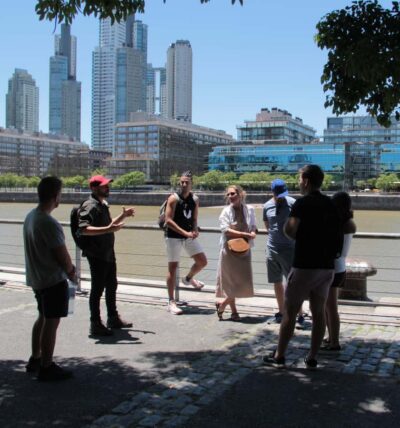
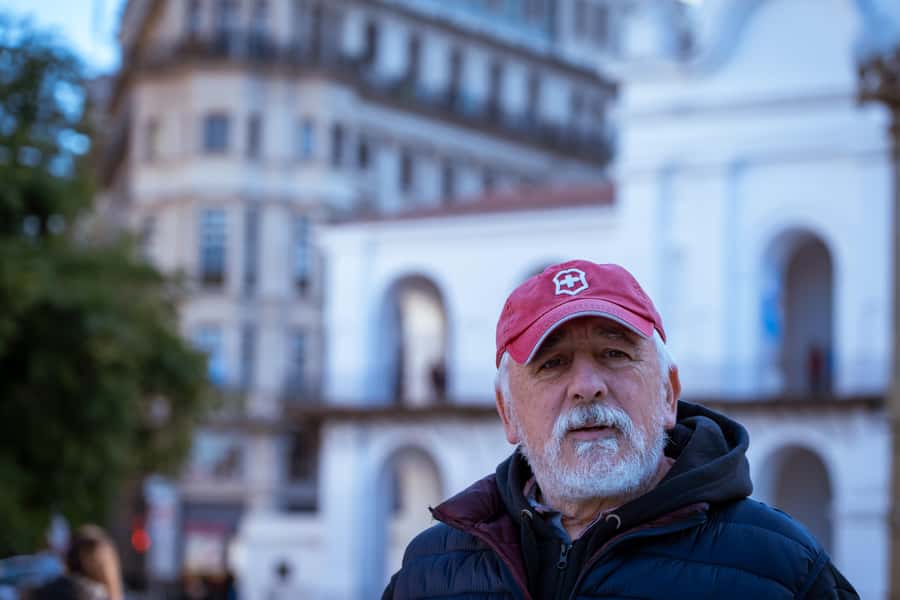
You meet near the flagpole at Plaza de Mayo, which is a smart move. You’re instantly in the center of the action, surrounded by civic landmarks, and the square itself becomes your orientation tool. The guide’s job here is to help you understand the “why” behind the “wow.”
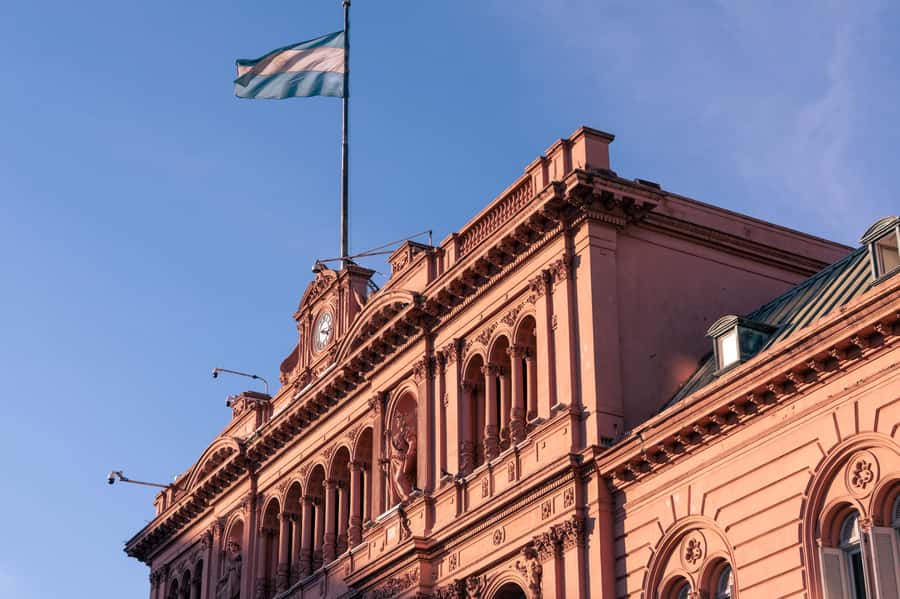
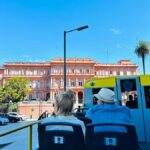
From there, Casa Rosada is the next big hit. You get a photo stop plus guided time and quick passes through the area. Even if you’ve seen it in pictures, being there in person changes the scale. And the guided layer matters: you learn how the site fits into the public identity of Buenos Aires, not just as a famous façade.
If you’re traveling with friends, this section is also easy to enjoy together. One person can focus on photos while the other listens, and you still come away with shared context.
Juan de Garay area and Central Bank sightlines you’ll remember
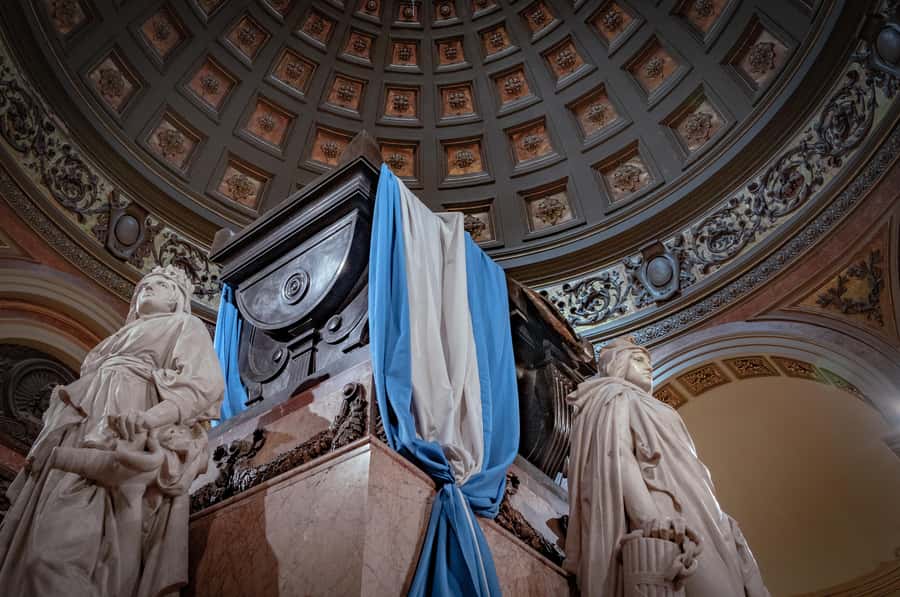
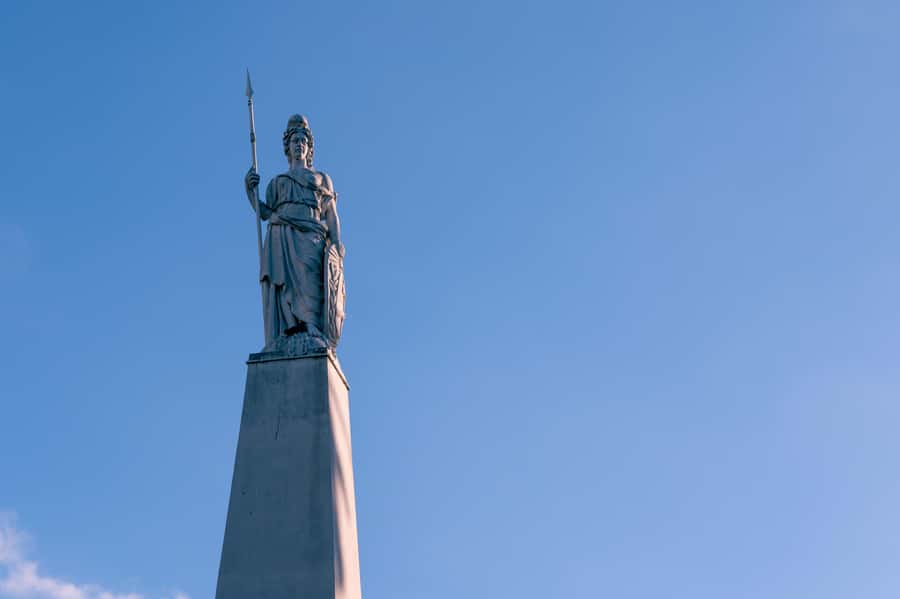
One of the best moments on this tour comes from the Monumento a Juan de Garay area. You stop for photos and guided commentary, and the key payoff is the stunning view over the historic center. That view is the kind that makes the city click, because it shows you how these landmarks relate to each other spatially.
After that, you move toward buildings that carry layered identities. The tour includes the Central Bank of the Argentine Republic, which used to be the San Ramón Nonato Convent. That former-convent-to-financial-institution angle is exactly why guided tours work: it turns architecture into a timeline.
You also visit the Cultural Center, once the grand post office palace and tied to the site of Buenos Aires’ second founding, marked by the Garay Monument. The practical takeaway for you is this: you’re not just collecting landmarks. You’re watching the city reuse major spaces as its priorities changed.
Museo del Bicentenario: relics and artworks in one focused stop
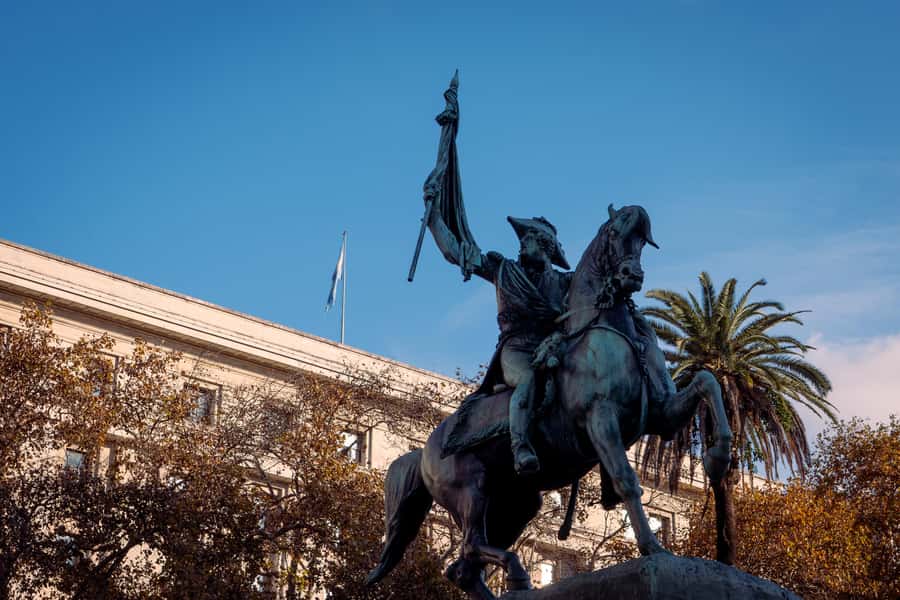
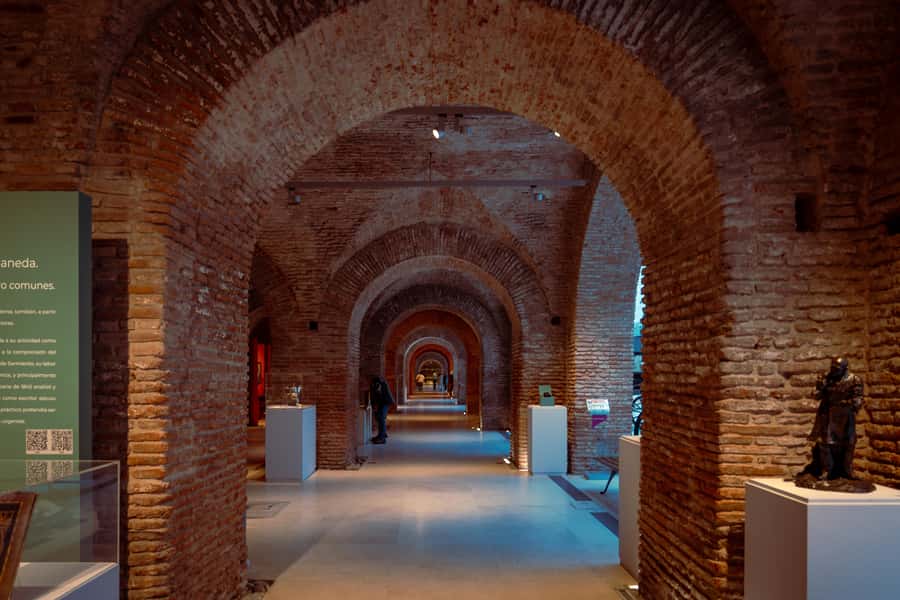
The Museo del Bicentenario is where the tour adds substance, not just sights. You’ll have time to visit with guided help and sightseeing during a 20-minute slot, which is tight but workable if you keep your eyes open.
What makes this stop stand out is the mix of materials: it houses relics of past presidents and includes exceptional artworks. That combination makes the museum easier to enjoy even if you’re not a “museum person.” You get political artifacts and creative work in the same visit window, so you don’t feel like you’re choosing between two different kinds of interest.
I also like that this is scheduled after the early landmark section. By the time you arrive here, you’ve already seen the public-face buildings. The museum then gives you a different kind of context without requiring a full half-day commitment.
Metropolitan Cathedral, the Cabildo, and Manzana de las Luces
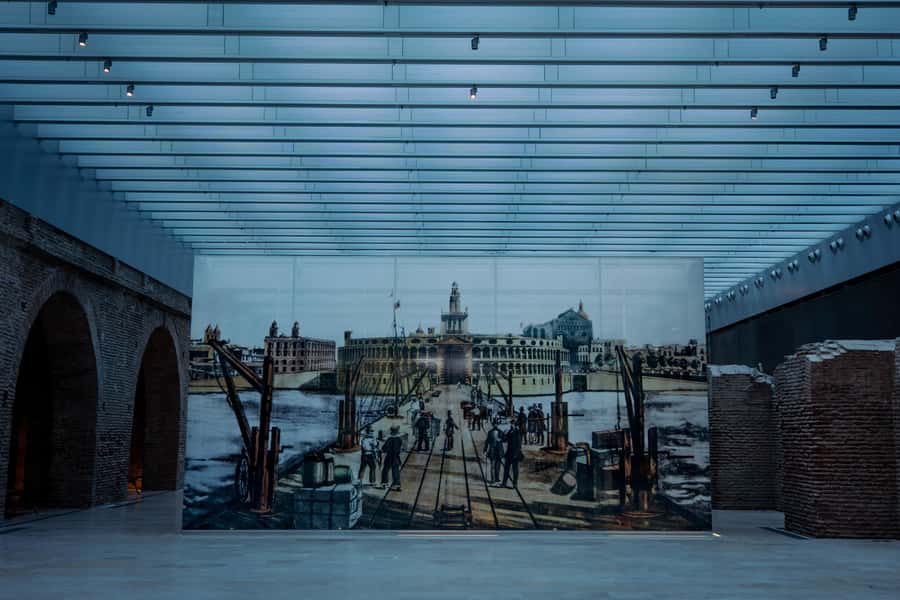
This is the stretch where you feel the city’s civic and cultural nerve endings.
First up is the Buenos Aires Metropolitan Cathedral. You get a photo stop plus guided time, with about 20 minutes allocated. If you care about architecture, this is a strong moment. If you don’t, it still works because the guide’s storytelling helps you understand what makes the cathedral area meaningful in the city’s public space.
Next comes the Cabildo of Buenos Aires, also around 20 minutes, with photo stop and guided visit time. The Cabildo functions as a museum preserving the history of the city and nation, so it’s one of the best stops on the tour for turning “I saw it” into “I get it.”
Then you’ll reach Manzana de las Luces for a photo stop and guided visit time (also about 20 minutes). Even though the tour keeps it moving, this is a good reminder that Buenos Aires isn’t only about big government statements. It has institutional and architectural character that’s shaped by how people used streets and structures over time.
A small practical note: bring patience for walking here. This part of the route is dense. If you need frequent breaks, pace yourself and use the photo stops to step aside, cool down, and reset.

Government landmarks beyond the classics: Bank, Legislature, and Ministry of Defense
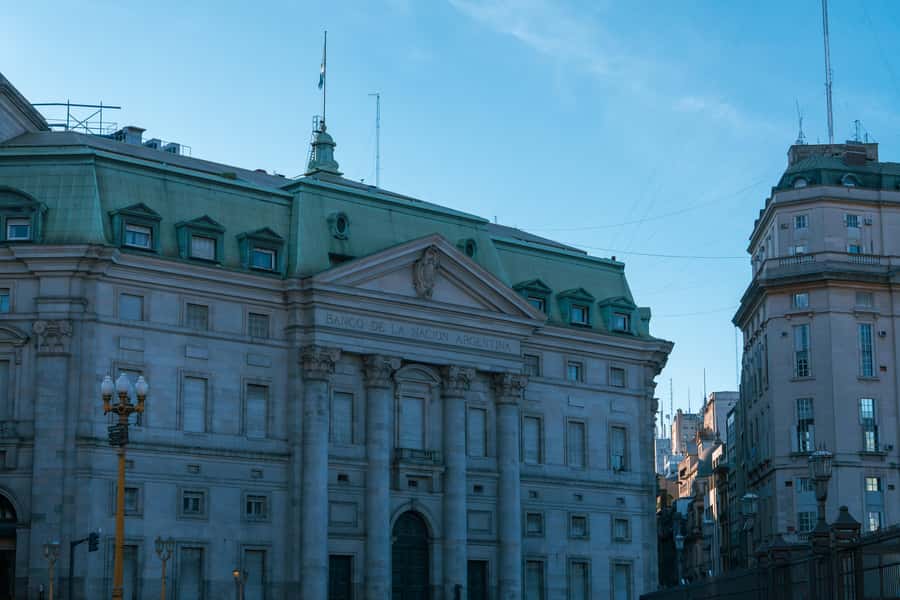
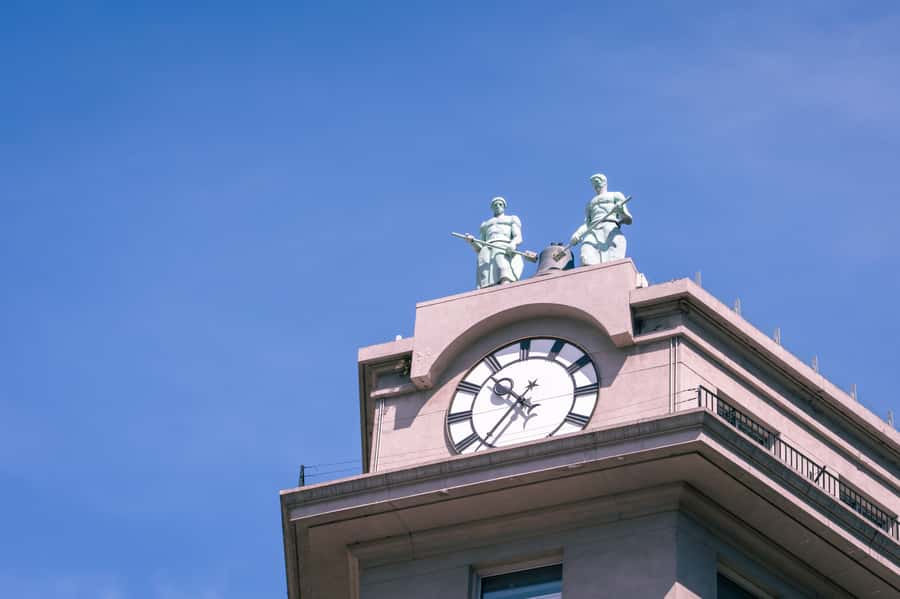
This tour doesn’t just circle the postcard-famous spots. You’ll also see other big players in Buenos Aires public life, including the Bank of the Argentine Nation building and the City Legislature with its towering clock.
That clock detail is more useful than it sounds. When a guide points out a landmark like that, you start using it as a reference point while you walk. Suddenly the streets feel navigable instead of chaotic.
You’ll also visit the Ministry of Defense building, which the tour highlights for its vast size and views. When you’re near it, you’ll notice the building isn’t trying to be subtle. It’s there to project authority and scale. The views are a nice counterbalance, giving you a moment to look outward instead of just up at architecture.
The finale at National Customs House and Comic Strip Plaza
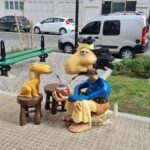
The end of the tour matters because it affects how you remember it. This one finishes at the National Customs House and then heads to the Comic Strip Plaza.
I like this combination because it feels like the tour is willing to mix seriousness with a distinctly local, lighter side. The Customs House reinforces the city’s role as a gateway and a hub, while the Comic Strip Plaza gives you a chance to end with something visual and modern-feeling compared to the government-heavy earlier stops.
If you plan to keep exploring afterward, this finale is handy. You’re not dropped somewhere random and you’re still in the area where walking around on your own feels natural.
Price, pacing, and what you should bring
At $20 per person for 150 minutes with a live guided component, this tour is strong value for the city center. You’re paying for direction and context more than for luxury. If you’re the type who wants to understand what you’re seeing rather than just photograph it, you’ll get your money’s worth fast.
No food or drinks are included, and there’s no hotel pickup/drop-off, so you’ll want to start the day hydrated and organized. Bring comfortable shoes, plus hat, sunscreen, and water. This tour is outdoors, and the walking is significant.
About language: the tour is listed in Spanish, and many guides can adapt their delivery. In past experiences, a guide named Miguel has been praised for explaining things with real passion for his city and adjusting when someone’s Spanish wasn’t comfortable. You might not catch every word, but if you ask questions, the pace tends to stay friendly and responsive.
Who should book this, and who might skip it
You’ll love this tour if you want an organized path through central Buenos Aires without committing to a full day. It’s ideal for first-timers, short-stay visitors, and anyone who likes a guide turning landmarks into understandable stories.
Skip it if you need low-walking options, because it isn’t suitable for mobility impairments or wheelchair users. Also skip it if you hate guided explanations. This is not a self-guided “wander and hope” plan. It’s structured.
Should you book Buenos Aires Historic Landmarks & Icons?
Yes, if your goal is to get oriented and see major icons in about two hours and a half. For the price, you’re getting a tight route with multiple guided stops, plus a museum visit that adds more than photos.
My advice: book it early in your trip. You’ll learn the patterns of the area—where landmarks cluster, why certain views matter, and how the city’s major public buildings connect. Then you can use that mental map for the rest of your time in Buenos Aires.
FAQ
What is the duration of the tour?
The tour lasts 150 minutes.
Where do I meet the guide?
Meet your guide near the flagpole at Plaza de Mayo.
Is the tour guided?
Yes. It includes a live tour guide.
What language is the tour in?
The tour is listed in Spanish.
What’s included in the price, and what isn’t?
Included: guided tour. Not included: hotel pickup and drop-off, and food and drinks.
What should I bring for the tour?
Bring comfortable shoes, hat, sunscreen, and water.
Is this tour suitable for wheelchair users or mobility impairments?
No. It’s listed as not suitable for people with mobility impairments or wheelchair users.
What is the cancellation policy?
You can cancel up to 24 hours in advance for a full refund.