REVIEW · CUSCO
Cusco: 4-Day Inca Trail to Machu Picchu with Accommodation
Book on GetYourGuide →Operated by Inkas Expeditions E.I..R.L. · Bookable on GetYourGuide
Downhill bikes and Machu Picchu in four days. This Cusco-to-Machu Picchu trip mixes Sacred Valley history, jungle trails, and a sunrise climb so you’re not stuck in one gear. I especially loved the 50 km downhill bike from Abra Málaga and the hands-on coffee-roasting lesson during Day 2.
The main thing to weigh is comfort level: you’ll stay in an eco-house in the forest and then hostels in Santa Teresa and Aguas Calientes, so don’t expect five-star rooms on the “closer to Machu Picchu” stretch.
In This Review
- Key things that make this route worth your time
- Cusco to Machu Picchu, without doing it the same old way
- Day 1: Abra Málaga biking, Sacred Valley stops, and an overnight in the forest
- Day 2: Coffee roasting, Qhapaq Ñan walking, and optional Cocalmayo hot springs
- Day 3: Coffee and coca farms to Hidroeléctrica, then the train track into Aguas Calientes
- Day 4: 4:00 AM climb to Machu Picchu and a 2-hour guided visit
- Food, stays, and what comfort really means here
- Price and value: what you pay for beyond the ticket
- Pace, fitness, and who this is a good match for
- Should you book this Cusco 4-day Inca Jungle to Machu Picchu route?
Key things that make this route worth your time
- A real “first-day wow” bike run: ~50 km downhill (about 3 hours) with gear provided and a finish near Huaman Marq’a ruins.
- Coffee isn’t a demo, it’s a process: you roast (and learn how Andean coffee fits into the local economy) before you hike again.
- Qhapaq Ñan vibes without a full classic Inca Trail commitment: you get part of the Inca road network and viewpoint breaks.
- Cocalmayo thermal baths are a great optional decompress: an easy reward after trekking downhill on Day 2.
- Small group size (up to 9): more personal guidance, better pacing, and easier logistics on tight schedules.
- Machu Picchu logistics handled for you: entrance ticket and the return train to Ollantaytambo are included.
Cusco to Machu Picchu, without doing it the same old way
This is one of those Peru trips that feels like it’s built for people who want movement and variety. You start in Cusco early, transit through the Sacred Valley, then shift into a jungle-flavored version of the Inca Trail concept. Expect a mix of biking, hiking, and scenic stops—plus the big payoff: a guided visit to Machu Picchu on Day 4.
What makes it work is that the itinerary isn’t trying to cram only one type of activity into four days. Day 1 gives you action right away with the downhill bike. Day 2 trades high adrenaline for hands-on culture, viewpoints, and optional thermal water time. Day 3 is a long but manageable “staging day” that gets you to Aguas Calientes with energy left for the final sunrise climb.
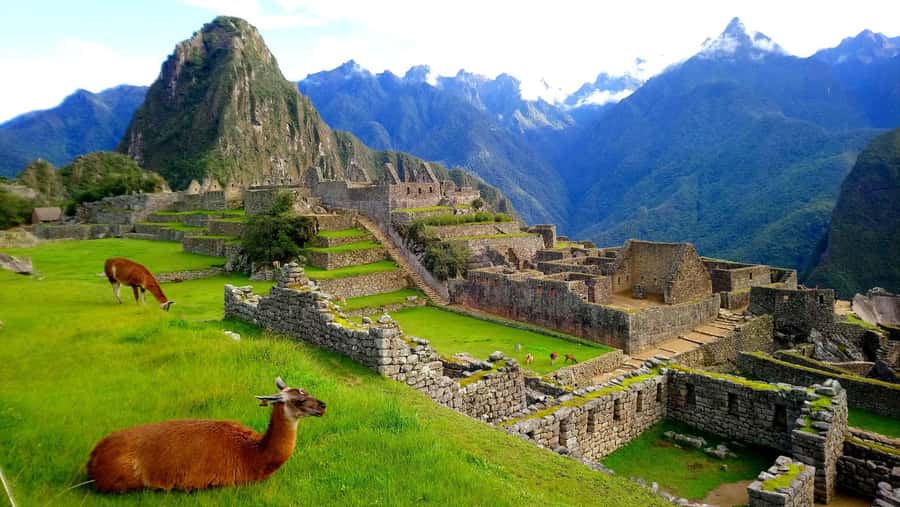
And yes, Machu Picchu is the headline. But the best part here is that Machu Picchu doesn’t feel random. You build toward it: Sacred Valley → jungle trails and farms → Aguas Calientes → early climb.
You can also read our reviews of more tours and experiences in Cusco

Day 1: Abra Málaga biking, Sacred Valley stops, and an overnight in the forest
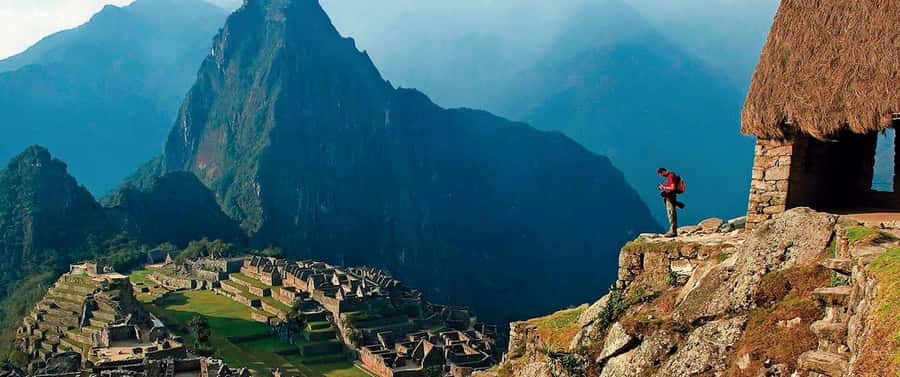
Your day starts at 6:00 AM from the Cusco Main Square (Plaza Mayor). You don’t just leave Cusco—you travel through the Sacred Valley along the route that many people visit piecemeal. Here you pass through Chinchero, Urubamba, and Ollantaytambo, which is helpful if you want context around Inca-era place names and how the region connects.
The ride and transitions lead to Abra Málaga pass, where the views are the point. You also get scenery for Huacay Willca as your biking day begins. Then you get outfitted: Kona bicycle, plus elbow and knee pads, gloves, goggles, and helmet. There’s also a rain jacket provided, which matters because mountain-to-jungle weather in this region can shift fast.
Then comes the main event: a downhill bike journey through Puna and Cloud Forest zones. You’ll ride for about 3 hours and cover roughly 50 km, finishing near Huaman Marq’a ruins. After that, it’s not straight back to Cusco—there’s a short van ride and a walk to Santa María, then you continue to Pispitayoc village for the night.
That overnight is an eco-house in the forest with dinner included. The vibe is simpler than a city hotel, but it’s a meaningful contrast to Cusco. You’re starting to feel the jungle side of the Andes, which makes Day 2 feel like a continuation, not a reset.
What to watch: the bike is downhill, but it’s still time in the saddle and on mixed terrain. If you’ve never ridden a bike for a long run, you’ll want to take it seriously even though it’s not “pedal uphill” hard.
Day 2: Coffee roasting, Qhapaq Ñan walking, and optional Cocalmayo hot springs
Day 2 begins with breakfast, and then you’ll learn the coffee side of the region in a practical way. The guide teaches coffee roasting, not just facts from afar. This is one of those experiences that changes how you see the landscape, because you connect the taste with the work behind it. You’ll also be walking through areas where coffee (and other crops) shape daily life.
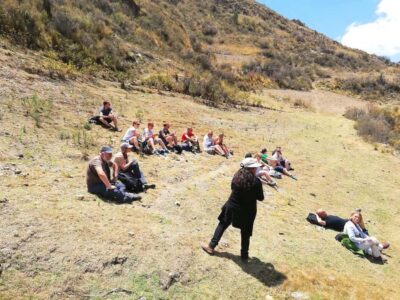
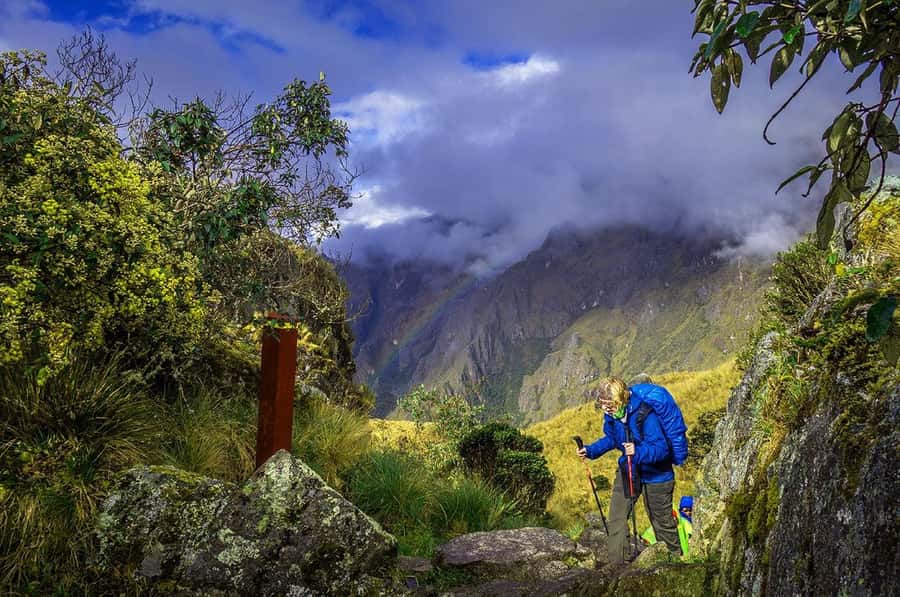
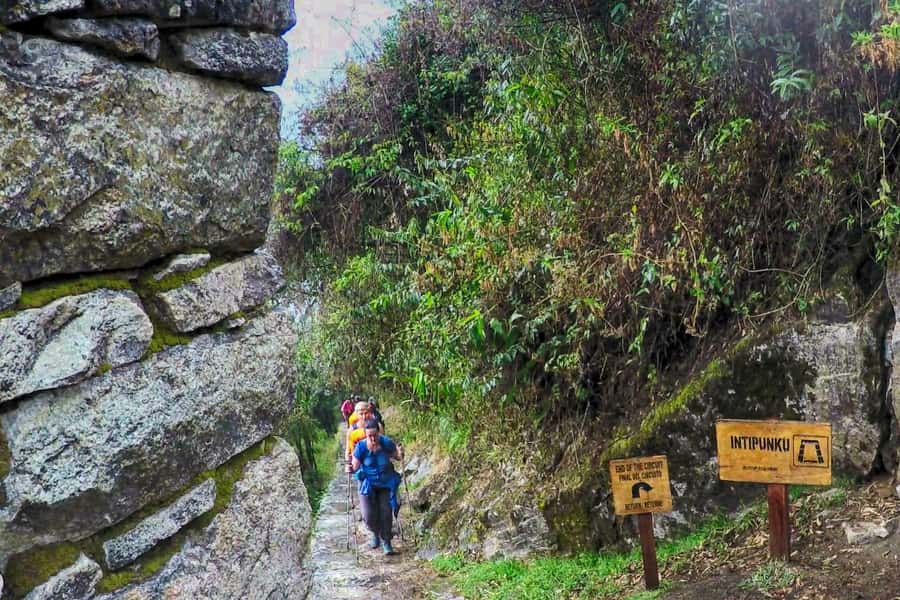
After breakfast, the hike follows part of the Inca Trail network along the Qhapaq Ñan route. Along the way you’ll have viewpoints and the chance to spot birds and see plantations like coca, coffee, and fruit trees. That mix is a reminder that this isn’t an “Inca-only” place. It’s lived in now, with farming layered over centuries.
You’ll reach Huancarcasa viewpoint at about 1,750 meters. This is a classic “pause and look” moment. Then the trail descends toward Qellomayo village at about 1,200 meters for lunch.
The final leg is about 2 hours and can include a real reset: Cocalmayo thermal baths at around 1,450 meters. They’re listed as optional, and the tickets aren’t included. If you like the idea of trading sweat for warm water, this is a big one to consider. It’s also a nice way to break up the next travel day into Aguas Calientes.
From the baths area (if you choose them), you’ll continue to Santa Teresa (around 1,515 meters) for dinner and overnight.
What to watch: you’re dropping in elevation while walking, which can feel easier on paper but still adds up after a day of biking and a night in the forest. Take the rest breaks seriously. The schedule works best when you follow the pacing.
Day 3: Coffee and coca farms to Hidroeléctrica, then the train track into Aguas Calientes
Santa Teresa is your base again on Day 3 with breakfast first. Then you trek for about 3 hours through coffee and coca plantations. This day feels like the “getting-you-there” bridge. You’re not trying to outrun Machu Picchu yet—you’re building endurance and arriving in the right zone for the final morning.
You reach Hidroeléctrica at about 1,900 meters, and that’s where lunch and a break are planned. After the pause, you rejoin the long, steady rhythm: about 3 hours along the train track.
At the end you arrive in Aguas Calientes (around 1,950 meters), the town right by Machu Picchu. The afternoon is free for leisure. That free time matters. You’ll be glad to have it to stretch, snack, and handle anything you need before the early start on Day 4.
In the evening, the group gathers for dinner and talks through the upcoming climb to Machu Picchu.
What to watch: this is a long day on foot, even though you’re on a route that’s more “walking forward” than steep scrambling. Wear footwear you trust and don’t treat this day as a casual stroll. If you arrive tired, the next morning’s climb feels harder.
Day 4: 4:00 AM climb to Machu Picchu and a 2-hour guided visit
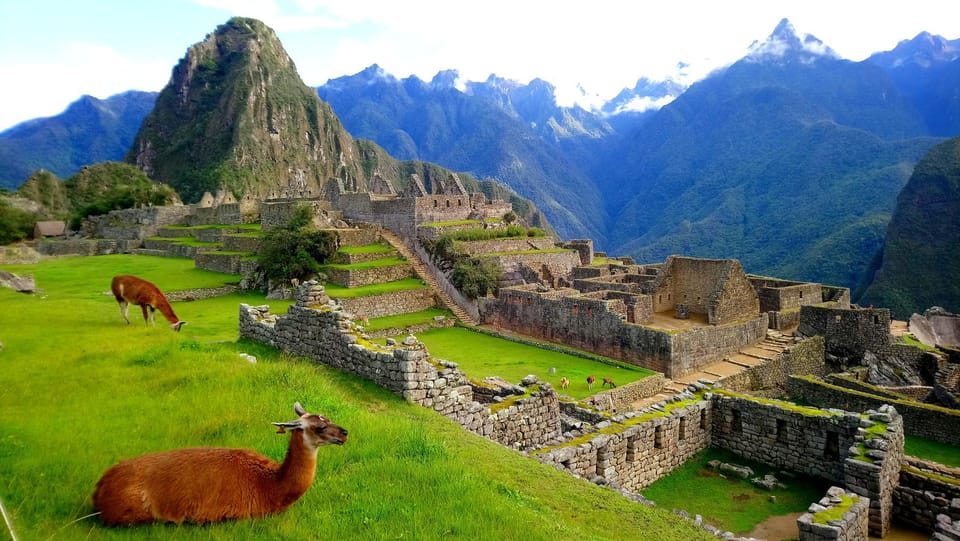
Day 4 is early: 4:00 AM start with a hike up to Machu Picchu (about 2,400 meters). It takes around 1.5 hours. This is the part where you get the payoff of an early schedule—cool air, fewer distractions, and time to focus.
Once you’re at the citadel, there’s a 2-hour guided tour covering the most significant areas. Then you have free time to explore on your own. That mix is smart. The guide gives you the “what you’re seeing and why it matters” layer, and you get time to slow down without constantly translating what’s in your head into what you’re looking at.
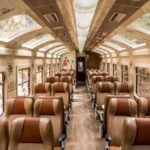
After your visit, you return to Aguas Calientes to collect belongings. Then you take the train to Ollantaytambo, followed by a bus back to Cusco—ending the service.
What to watch: the “bus up and down to Machu Picchu” is listed as optional, so if you’re worried about the hike, ask your guide about what’s possible for your group and your comfort level. This route does not advertise that it turns into a full sit-in-vehicle experience. It’s built around the climb.
Food, stays, and what comfort really means here
This trip is organized around practical support: you get 3 breakfasts, 3 lunches, and 3 dinners across the four days. That’s a big deal on a trek like this. It means you don’t spend your mental energy hunting food while dealing with hiking fatigue and altitude swings.
Accommodation is split into three parts:
- Pispitayoc eco-house for 1 night with dinner included
- Santa Teresa hostel for 1 night
- Aguas Calientes hostel for 1 night
Based on feedback from recent experiences, most people feel fed well and handled smoothly. The comfort level is also something you should treat as “good enough for the purpose.” One standout from feedback: someone noted the Santa Teresa lodging as quieter but not fancy, and another said accommodations get more basic closer to Machu Picchu. That lines up with how this region often works—prime-location rooms can be simple because you’re paying for access and timing.
If you want a specific comfort target, I’d frame it like this: you’re buying a slot into a well-run route with included meals and tickets, not a resort weekend.
Price and value: what you pay for beyond the ticket
At $470 per person, what you’re buying is a lot of coordination bundled into one plan. The included items are the real reason this can feel like good value:
- Bicycle and safety gear for the downhill segment
- Meals (with the first breakfast and last lunch in Aguas Calientes not included)
- Three nights of accommodation across the itinerary
- Machu Picchu entrance tickets
- Return train ticket from Aguas Calientes to Ollantaytambo
- Return bus from Ollantaytambo to Cusco
- Professional bilingual guide (English-Spanish), plus a first aid kit
- Transport around the route, including Cusco to Malaga High Pass and on to Santa María
What isn’t included:
- Cocalmayo hot springs tickets
- First breakfast and last lunch in Aguas Calientes
- Machu Picchu bus up/down (optional)
Then there are optional add-ons that can cost extra in this area, like activities people sometimes add earlier in the route. Your best move is simple: treat optional activities as bonus funds, not budget necessities.
Pace, fitness, and who this is a good match for
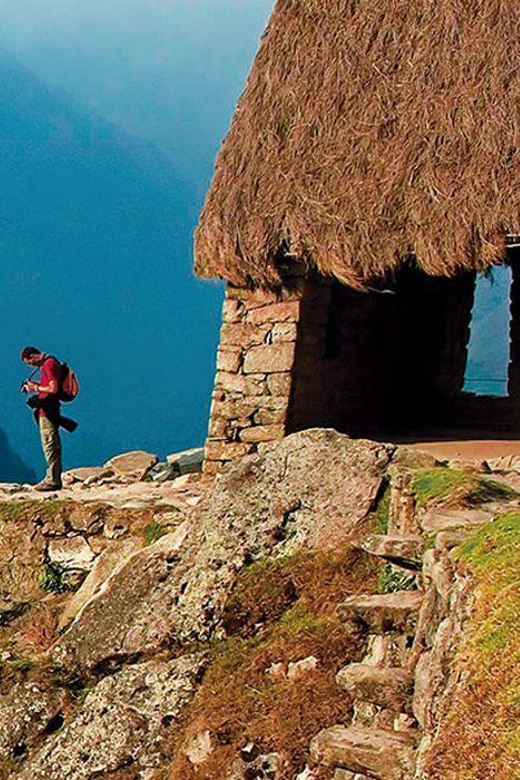
This is not a stroller-friendly itinerary. It’s explicitly not suitable for pregnant women, people with back problems, or wheelchair users. It also includes a downhill bike day and a Day 3 train-track walk, plus the 4:00 AM hike to Machu Picchu.
That said, the itinerary is structured with guide-led pacing and stops. Many people do well here if they can handle uneven paths and a full set of active hours. If you’re the type who trains for “moderate but long,” you’ll likely find the route manageable.
Who should book:
- You want Machu Picchu but also want a “how I got here” story.
- You like variety: bike + jungle trails + coffee culture.
- You prefer a small group (up to 9) so the guide can manage timing and keep you supported.
Who should reconsider:
- You’re expecting a mostly low-impact walk with lots of sightseeing stops.
- You need guaranteed comfortable rooms every night.
- You have mobility limits that make long hikes or bike gear awkward.
Should you book this Cusco 4-day Inca Jungle to Machu Picchu route?
I’d book it if you want the sweet spot: a structured plan that gets you to Machu Picchu with confidence, plus enough variety to keep the days from feeling repetitive. The mix of Sacred Valley transit, Abra Málaga downhill biking, coffee roasting, and the optional Cocalmayo water break makes the route feel like more than a transport-to-Machu-Picchu package.
I’d think twice if your top priority is hotel comfort or if you’re not ready for early starts and sustained walking. Also confirm you’re comfortable with the “comfort level” of hostels and the eco-lodge style stay.
If you’re excited by the idea of arriving at Machu Picchu after earning it—literally at 4:00 AM—this is a strong choice.