REVIEW · CARTAGENA
Cartagena: Sail in the mangroves of Cartagena
Book on GetYourGuide →Operated by AV COL · Bookable on GetYourGuide
Silent canals and bird calls in Cartagena. This mangrove canoe trip glides you through the Pantano de la Virgen, where you can actually spot crabs and colorful wildlife up close. I also like the way the guide mixes nature talk with local history while you slip through three mangrove tunnels. One heads-up: the experience doesn’t automatically return you to your hotel, so plan your ride for the end point.
You’ll meet at the beach-and-mangrove area of La Boquilla near Caribean Blue and Manglares Hostel. The tour runs about 90–150 minutes, costs $23 per person, and you can choose an optional hotel pickup (and in some cases, a return) depending on the option you select.
In This Review
- Key points before you go
- Why the Pantano de la Virgen feels a world away
- La Boquilla meeting point and the pickup puzzle
- Setting off: playas Boquilla to Marlinda (and what that means)
- 3 mangrove tunnels: the quiet part you’ll remember
- Wildlife spotting that’s more than a checklist
- Local connection: what the guide adds to the ride
- What you’ll actually do, step by step
- Time on the water: comfort and what to bring
- Price value: why $23 can be a good deal
- Who should book this, and who might skip it
- Should you book this mangrove canoe tour?
- FAQ
- How long is the mangrove canoe tour?
- Where does the tour start?
- Does this tour include hotel pickup and drop-off?
- How many mangrove tunnels will we sail through?
- What wildlife can I expect to see?
- Is lunch included?
- What language is the guide?
- What is included in the price?
- Cancellation and payment in brief
Key points before you go
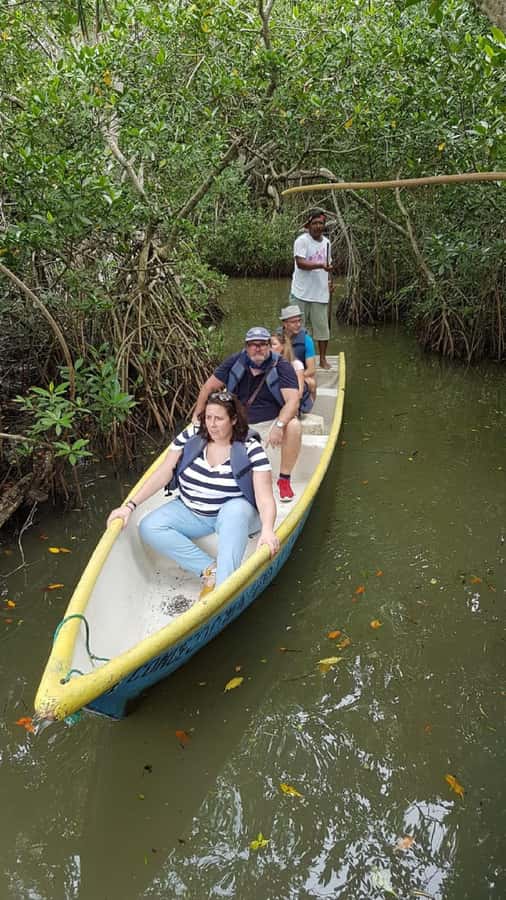
- 3 mangrove tunnels by traditional canoe, not a motorized slog
- Bird watching on the water, with herons, pelicans, and sometimes flamingos
- Up-close nature moments like crabs and small amphibians/reptiles you can spot along the way
- A local feel thanks to the guide’s talk and the presence of residents near the water
- Optional pickup, but no automatic hotel return once you finish at Caribe Blue
- English and Spanish support, with native English guidance
Why the Pantano de la Virgen feels a world away
Cartagena can be loud. This is not that trip.
Once you’re out in the mangroves, the whole rhythm changes. The water is slow, the sounds are mostly wind, wing beats, and the occasional splash as something moves near the roots. That quiet is a big part of the value here: you’re not just viewing nature from a dock, you’re gliding through it.
And you’ll notice you’re in a real mangrove ecosystem, not a theme park version of one. The tour focuses on endemic mangrove flora—things like how the mangrove grows and what makes it survive in salty, brackish water. Even if you’re not a hardcore nature person, you’ll come away with a clearer sense of why mangroves matter to coastal life.
You can also read our reviews of more boat tours in Cartagena
La Boquilla meeting point and the pickup puzzle
Most of the headaches with tours like this aren’t about the canoe. They’re about getting to La Boquilla on time.
The meeting point sits in the beach and Mangrove of La Boquilla, near Caribean Blue and Manglares Hostel. If you’re staying in one of the demarcated areas, you can request pickup at the door of your hotel or vacation rental. You can also ask the provider to send a trustworthy vehicle—this costs $10 extra, and the vehicle can be private only for your group.
Here’s the practical advice: if you’re not 100% sure where you’re going, contact AV COL directly. One traveler found the WhatsApp number by searching online, and it made the meet-up smoother. I’d do the same—save the contact, confirm the exact pickup spot, and ask for a clear landmark. It’s the simplest way to avoid the most common stress point: showing up late or missing a shuttle-type vehicle.
Also note the tour ends at Caribe Blue. If your option does not include return to your hotel, you’ll need to arrange transport from there.
Setting off: playas Boquilla to Marlinda (and what that means)
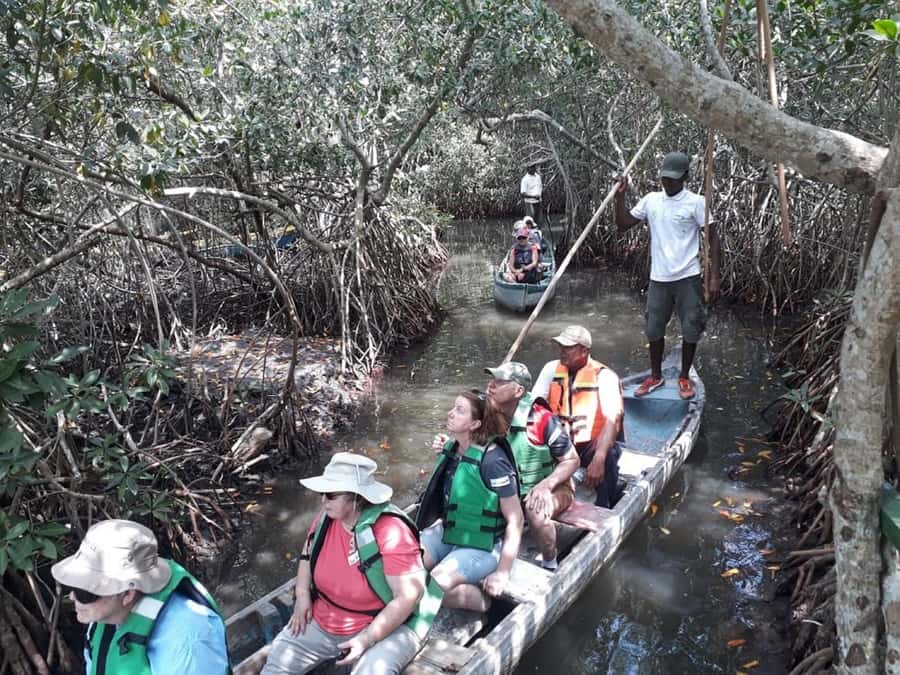
You start at the La Boquilla area, then the sailing heads toward the Playa Boquilla–Marlinda route. You’re on the water long enough to settle in, watch the edges of the channels, and get your eyes tuned to mangrove life.
This initial stretch matters more than it sounds. Birds often use the channels and the mangrove edges for short flights and feeding. If you rush it, you’ll miss the pattern. Take your time here. Look for movement near roots, not just big birds on top of the water.
You should expect the full experience time to land in the 90–150 minute range, depending on the schedule. Some of that time is spent sailing, and the center piece is the passage through the tunnels.
3 mangrove tunnels: the quiet part you’ll remember
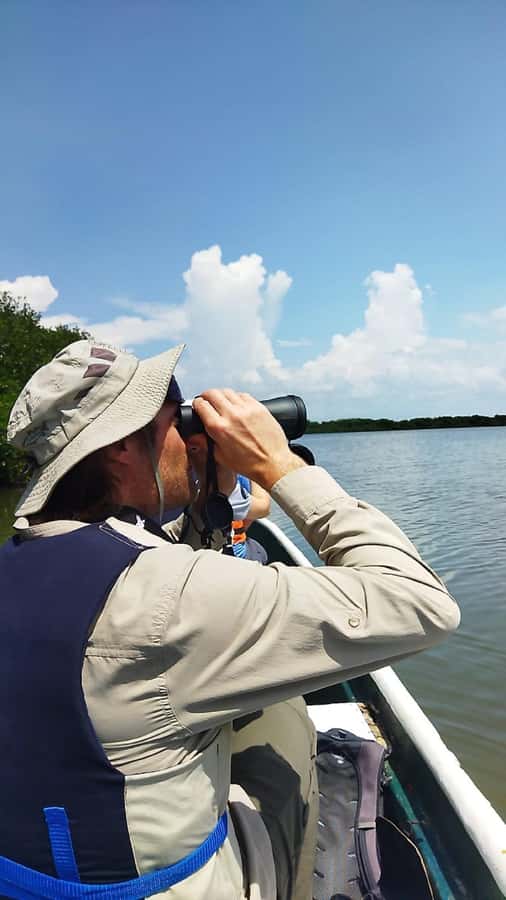
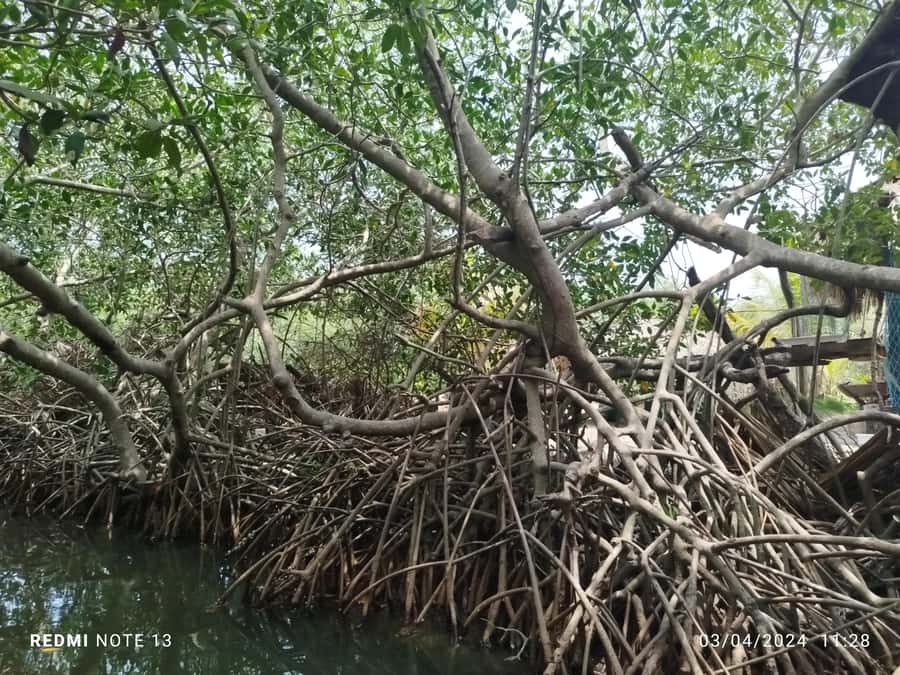
The highlight is sailing through three mangrove tunnels. This is the moment the tour earns the word magical, because you’re literally moving under the mangrove canopy.
Inside a mangrove tunnel, visibility changes. Roots and stems create a natural “ceiling,” and the light gets softer. That makes it easier to spot small shapes because your eyes adjust to the darker background. If you like photography, you’ll still want to keep it simple—short bursts, not nonstop shooting—because the best part is watching how the birds react to the canoe.
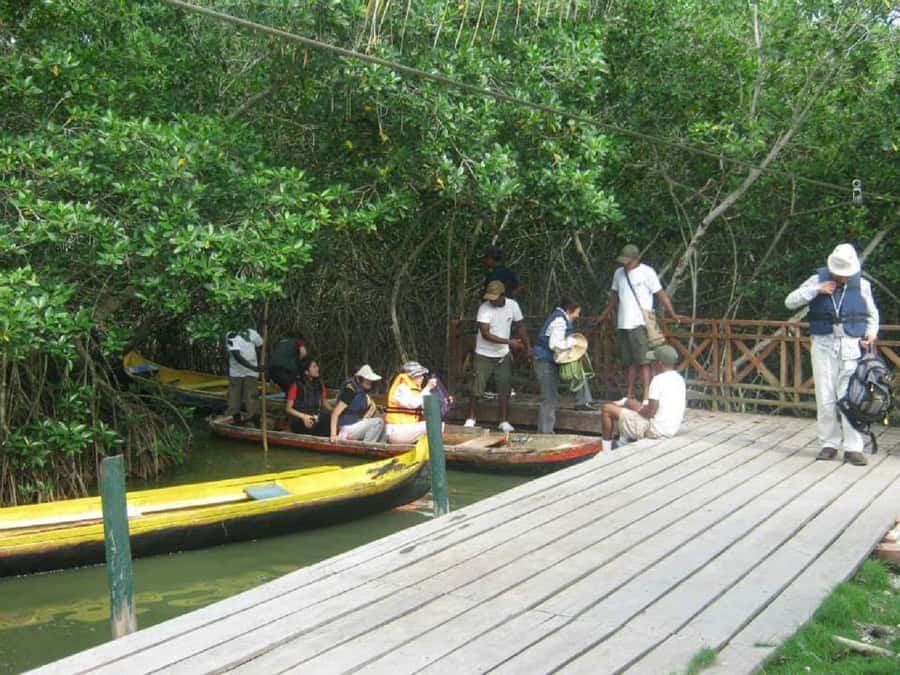
Traditional canoe navigation is part of the feel here. Instead of the usual loud, engine-driven wildlife tours, you get a calmer pace that lets the environment breathe. The boat method also keeps the experience more intimate: you’re close to the flora, you’re passing the same areas more slowly, and the guide can point out details as they come.
And yes, you’ll likely hear birds before you see them. That’s normal here. Listen for the calls, then scan. Pelicans and herons tend to announce themselves with movement more than with sound.
One practical note: your guide talks about the characteristics and history of the place as you go. That narration isn’t just background noise—it helps you understand what you’re actually seeing when the guide points out mangrove structure and how local residents use the shoreline.
Wildlife spotting that’s more than a checklist
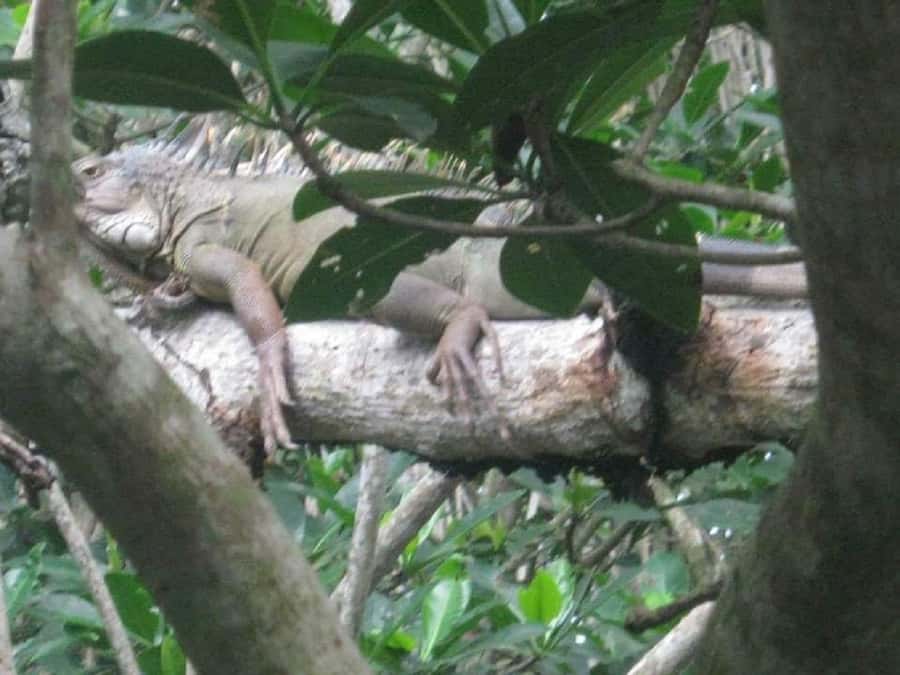
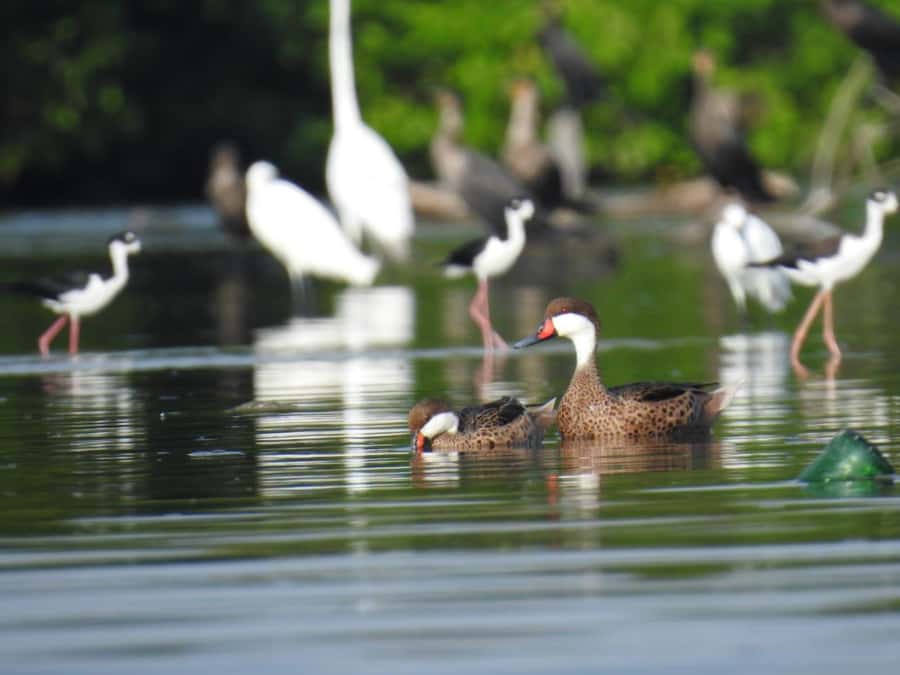
This tour is built for observation. The included experience emphasizes seeing fish, crabs, mangroves and diverse flora, plus bird watching. You may also spot amphibians and reptiles, depending on the time of day and what’s active in the channels.
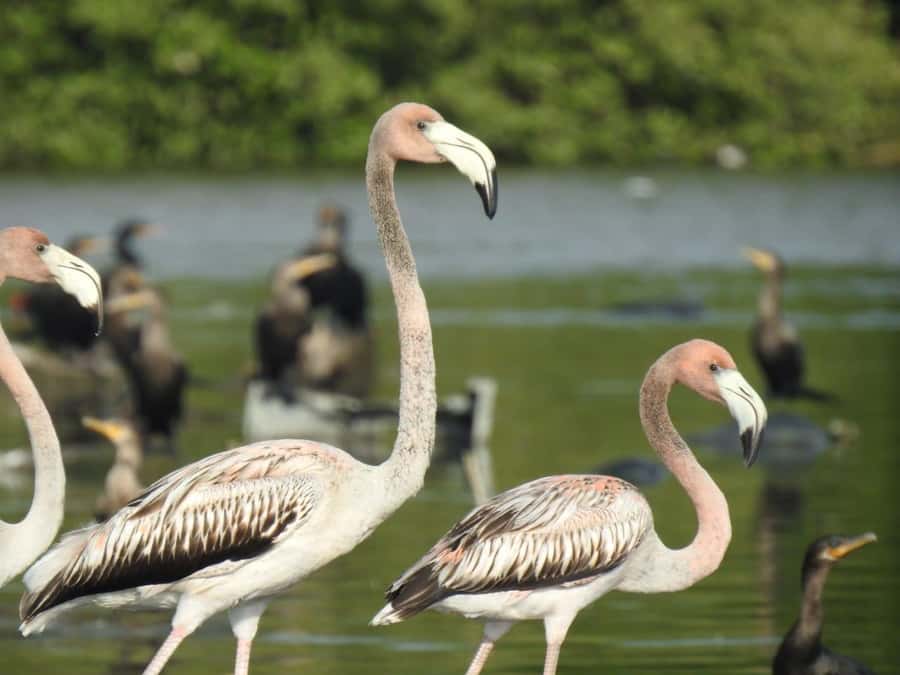
Bird watching is a big deal here. Herons and pelicans are specifically mentioned, and flamingo sightings are included as a possibility. The key word is “depending.” Birds move. Some species feed at different hours. So don’t treat the trip like you’re guaranteed the whole menu every single time.
Crabs are the type of wildlife you can feel in your hands-through-your-eyes. The tour includes crab sighting and even the chance to notice shells and movement near mangrove edges. You’ll also get to observe typical endemic mangrove flora—these plants are part of the habitat, so it’s not random nature trivia.
If you’re the type who likes “small wins,” you’ll do well here. Even without spotting every animal listed, you’ll usually leave with a stronger sense of how mangrove life connects: birds feeding, roots sheltering, and the water acting like a highway.
Local connection: what the guide adds to the ride
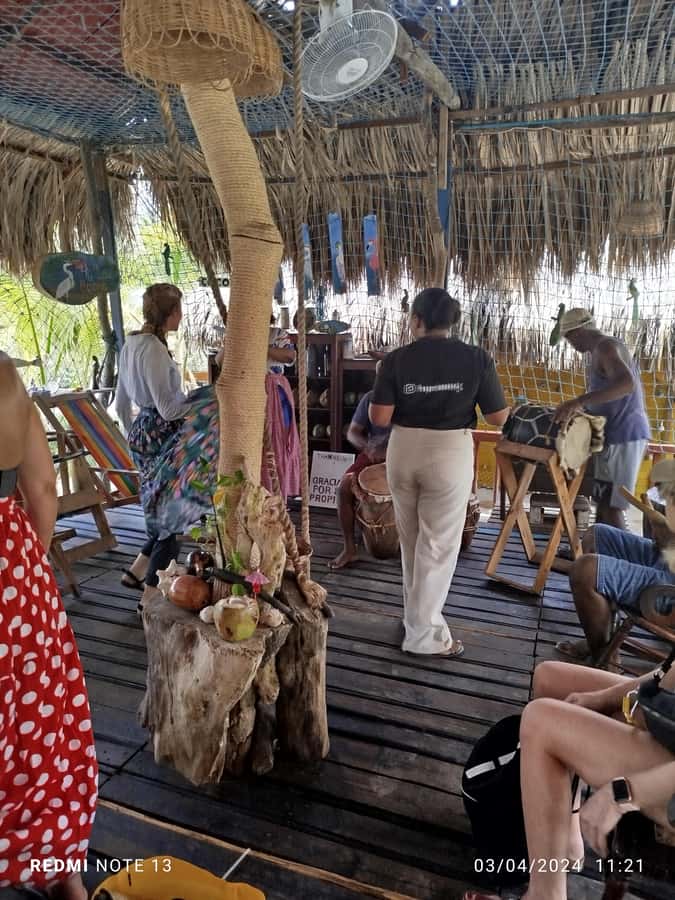
One reason these mangrove tours work is the human layer. This one includes contact with residents and talks about the history and characteristics of the place while you sail.
That matters because it turns the trip from scenery-only into lived geography. You start to see how people relate to the water: where they work, how they move, and how the mangroves shape daily routines. If you’re visiting Cartagena mostly for the historic center, this is a smart counterbalance—same city, different face.
A guide can make or break this. I’ve heard examples of guides who handle late arrivals calmly and still deliver a strong explanation. Domingo is one name that came up for being patient and fun, and he’s the kind of guide you want in a tour like this: someone who keeps the pace relaxed while sharing what you’re seeing.
What you’ll actually do, step by step
Here’s how the flow usually feels, in plain language.
1) Start and/or pickup
Depending on your option, you’re picked up from your hotel (if you’re in a demarcated area) or you arrange a vehicle request. If you’re responsible for getting yourself there, aim to arrive before your scheduled time so you’re not rushing along the beach.
2) Sailing toward the Marlinda area
You head out on the water from La Boquilla. This is where you start scanning for birds and watching how mangrove roots shape the channel.
3) Main canoe time through 3 tunnels
This is the heart of the experience: passing through mangrove tunnels while the guide points out flora and explains how the ecosystem works.
4) Finish near Caribe Blue
When the tour ends, you’re done—not returned automatically to your hotel unless your specific option includes it. Keep your transport plan simple and ready.
The practical takeaway: you’re not booking a “quick drive + quick photos” tour. You’re scheduling a stretch of time where attention matters more than speed.
Time on the water: comfort and what to bring
The tour lasts about 90–150 minutes. That’s long enough to notice details but not so long that you’ll feel trapped.
You’ll receive a water bottle during the tour, which helps. Beyond that, I’d come ready for a beach-to-water day. Wear something you can move in, use sunscreen, and bring a hat. If you’re sensitive to sun on the water, sunglasses help too.
Since the tour is wheelchair accessible, the operator is aware of accessibility needs. Still, mangrove canoe setups are physically close quarters—so if you need specific help, ask about how the boat and route handle transfers and space.
Also keep in mind that lunch is not included. If you’re doing this as part of a day plan, schedule it so you can eat before or after without rushing.
Price value: why $23 can be a good deal
At $23 per person, this isn’t a bargain-stunt price—it’s a realistic local experience cost. The value comes from three things you don’t get in cheaper, more crowded wildlife tours:
- The canoe navigation and tunnel passages (this is the main product, not an add-on)
- Guided observation of endemic mangrove flora and wildlife, rather than just a general talk
- Time on the water that supports bird and wildlife spotting
If you add hotel pickup, the cost can increase depending on your location option. There’s also an extra $10 vehicle cost if you request a trustworthy transport, and cold coconuts cost $3 if you want one. Those are small add-ons, but they can change your final total—so check your pickup choice.
To decide if it’s worth it for you: ask yourself how you like to travel. If you enjoy slow nature time and don’t need constant action, the price feels fair.
Who should book this, and who might skip it
This tour is a strong match if you want:
- Quiet, nature-first time in Cartagena
- Bird watching and wildlife observation
- A guided explanation of mangrove ecology and how residents connect to the area
- A break from hot, crowded city streets
It may not fit as well if you need:
- A guaranteed return to your hotel with no planning
- A long food experience (lunch isn’t included)
- A fixed wildlife outcome (the species you see can vary by time and activity)
If you’re traveling with mixed interests—someone who loves wildlife and someone who just wants calm scenery—this usually works because the guide provides context and the environment does the entertaining.
Should you book this mangrove canoe tour?
I’d book it if you want a genuine change of pace: you get three mangrove tunnels, traditional canoe navigation, and wildlife spotting in a quiet setting near La Boquilla. The $23 price can be solid value because the main time is actually spent in the mangroves with a guide, not parked on a roadside.
I’d be careful if your transportation isn’t organized. The tour ends at Caribe Blue, and your hotel return depends on the pickup option you choose. Do one smart thing before you go: contact AV COL to confirm your exact meet-up info, especially if you’re not local to the La Boquilla area.
If you want a relaxed Cartagena day with real nature, this is one of the better ways to do it.
FAQ
How long is the mangrove canoe tour?
The activity lasts about 90 to 150 minutes.
Where does the tour start?
It starts in the beach and mangrove area of La Boquilla, near Caribean Blue and Manglares Hostel. If you select pickup, the starting location depends on your hotel or selected option.
Does this tour include hotel pickup and drop-off?
Hotel pickup can be optional, and there are different options. The tour does not automatically include return to the hotel once the tour is over, unless you choose an option that includes return.
How many mangrove tunnels will we sail through?
You will sail through 3 mangrove tunnels.
What wildlife can I expect to see?
You can observe typical mangrove flora and may see flamingos, pelicans, crabs, amphibians and reptiles, and different bird species depending on the time of your journey.
Is lunch included?
No, lunch is not included.
What language is the guide?
The live tour guide is available in Spanish and English, and the experience description notes a native English guide.
What is included in the price?
It includes traditional canoe navigation, sailing through the tunnels, a water bottle, guidance/history about the place, personalized guidance, and observation of endemic mangrove flora and wildlife sightings such as flamingos, pelicans, and crabs (depending on conditions).
Cancellation and payment in brief
- Free cancellation: you can cancel up to 24 hours in advance for a full refund.
- Reserve now & pay later: you can book without paying today.