REVIEW · CUSCO
From Cusco: Q’eswachaka Bridge & 4 Lagoons Full-Day Tour
Book on GetYourGuide →Operated by MPTC GETS · Bookable on GetYourGuide
A bridge walk at dawn changes your whole day. This full-day Cusco trip pairs the Q’eswachaka Bridge crossing over the Apurimac River with a slow, scenic afternoon at four lagoons—a great mix of adrenaline and calm views. I love how the schedule is set up for an early arrival, and I love the real, grass-rope suspension feeling of the crossing. One possible drawback: it’s a long day with steep steps, so you’ll want solid footing and a head for heights.
You’ll also want to respect that this is not a gentle sightseeing loop. There’s a steep path down to the viewpoint, and then you cross a swinging bridge above a deep canyon—so it’s not suitable if you’re pregnant or have mobility limitations. If that sounds like you, skip it and look for a calmer cultural tour instead.
In This Review
- Key points before you go
- Cusco to Canas: why the long drive is part of the payoff
- Breakfast in Combapata: the smart move before heights
- Q’eswachaka Bridge: the last Inca rope bridge over the Apurimac
- The walk itself: adrenaline, balance, and not rushing
- Optional boat time under the bridge: a bonus perspective
- Lunch back in Combapata: simple fuel after the crossing
- Four lagoons in the afternoon: Pampamarca, Asnacqoccha, Acopia, Pomacanchi
- Timing and fatigue: how to make the day comfortable
- Price and what you really get for $49
- What to pack: the quick checklist that keeps the day smooth
- Who this tour suits best (and who should skip it)
- Should you book the Q’eswachaka Bridge and 4 Lagoons tour?
Key points before you go
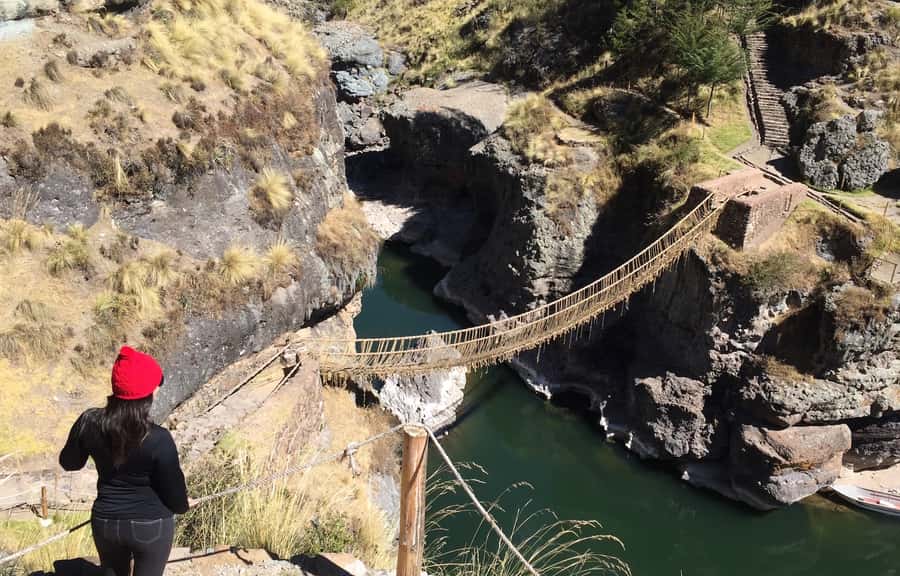
- Last Inca rope bridge experience at Q’eswachaka, using grass ropes over steep cliffs
- Early pickup from Cusco so you can see the bridge before the day gets busy
- Four lagoons in Canas: Pampamarca, Asnacqoccha, Acopia, Pomacanchi
- Bird spotting potential, including flamingos around the lagoons’ edges
- Comfortable transfers plus included meals, with lunch after the bridge
- Bring cash for the bridge entrance fee and pack for sun plus possible rain
Cusco to Canas: why the long drive is part of the payoff
This tour starts before most people are fully awake. Your hotel pickup happens between 4:30 and 5:00 AM, and you head out in a private van toward the Canas region. The early start matters because Q’eswachaka isn’t a quick roadside stop—it’s reached by road, with time to break the trip into smaller chunks.
After about two hours you reach Combapata, where breakfast is included. Then it’s another hour of travel onward as you move deeper into the Canas countryside. Along the way, you’re not just stuck watching the window. The route is timed so you’ll have views of rivers and broad Andean scenery, which helps make the day feel like more than “transport to a single site.”
Also, this isn’t a sit-and-scroll day. It’s paced with breaks you can actually use—breakfast, a lunch stop, and stops for photos at the bridge and lagoons. If you’re someone who gets cranky on full-day trips, this one still asks patience—but it’s built to keep you moving.
You can also read our reviews of more tours and experiences in Cusco
Breakfast in Combapata: the smart move before heights
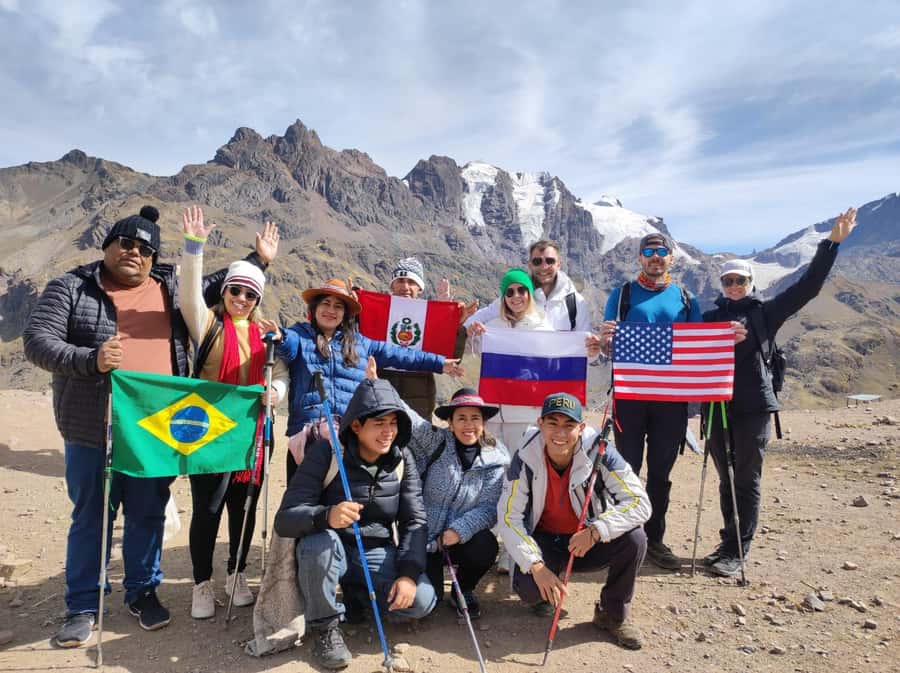
You’ll have a continental breakfast in Combapata before continuing. It’s exactly what you want at this hour: quick fuel before the bridge, not a slow meal that turns into timing stress.
This is also where you can get your “morning gear” ready. Put on sunscreen, grab sunglasses, and make sure your shoes are tied tight. If you’re prone to cold early mornings, bring that waterproof jacket you plan to pack anyway—because you’re going to be outside a lot once you’re at the bridge and viewpoints.
Then you continue toward Yanaoca, one of the districts in the Canas de Cusco province. That’s when the environment starts to feel more remote and local, with the kind of road-and-river rhythm you don’t get from tours that only visit big towns.
Q’eswachaka Bridge: the last Inca rope bridge over the Apurimac
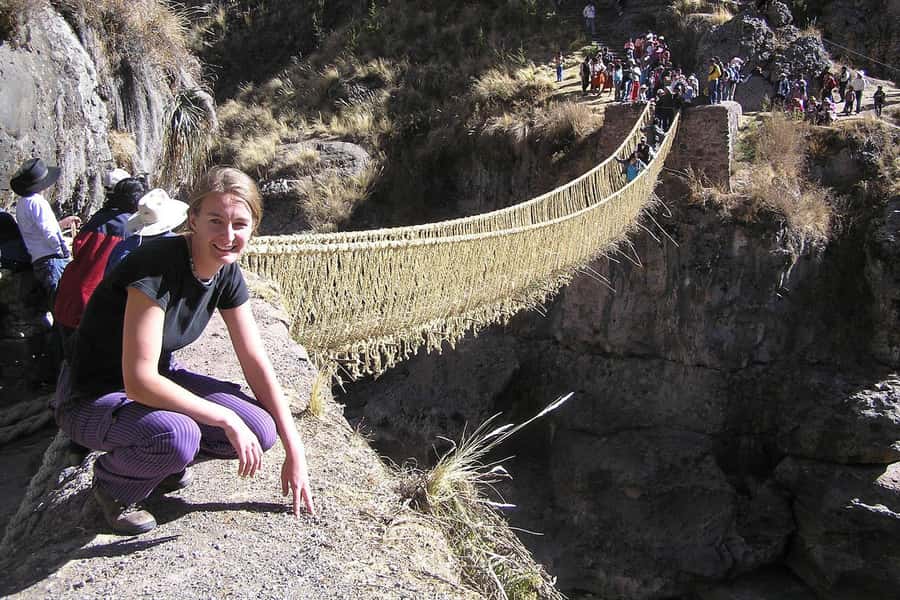
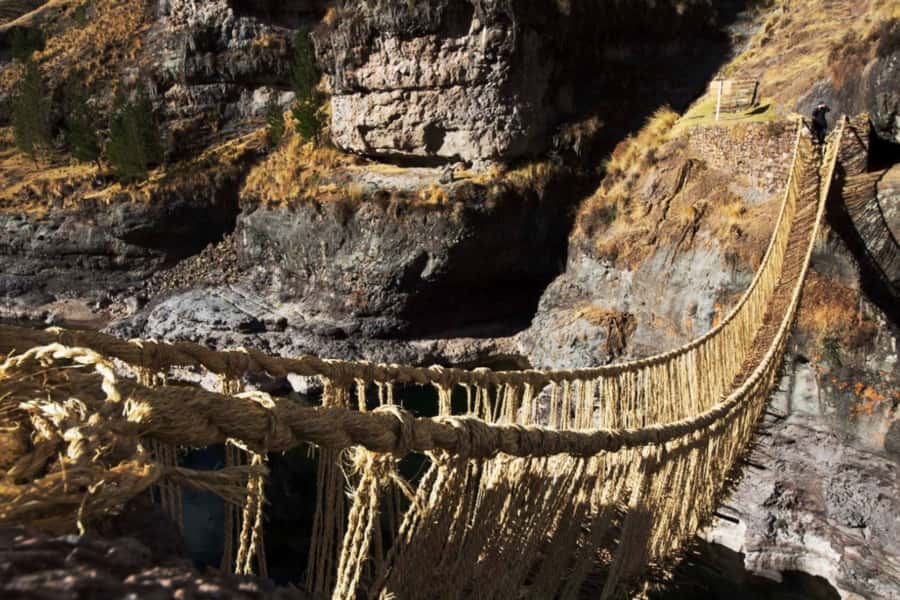
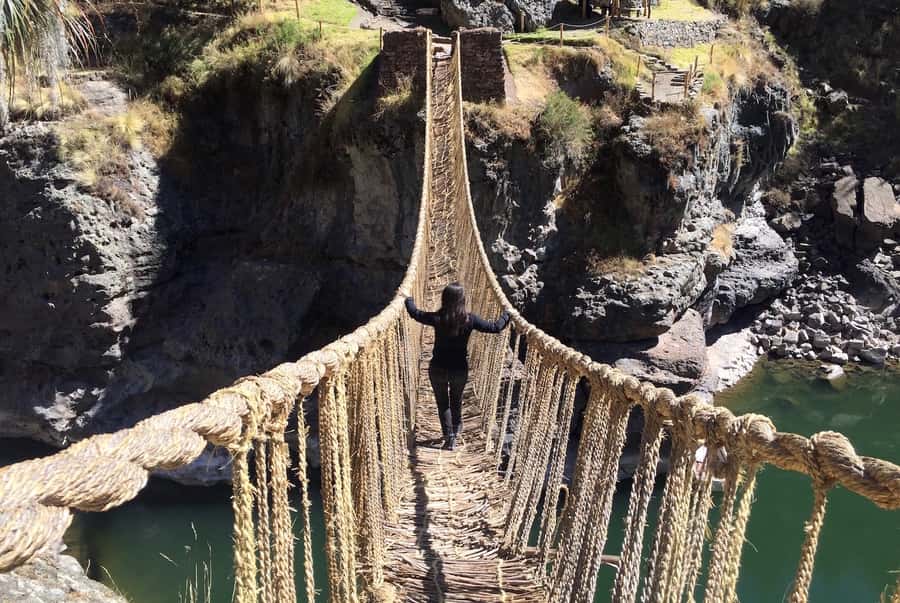
The star is Q’eswachaka Bridge, an old suspension bridge spanning the Apurímac River. What makes it special is that it’s not a modern steel-replica experience. The crossing uses grass-rope construction, and that detail is what makes the walk feel more human-sized and real.
You’ll see the bridge from different angles before crossing. Your guide leads you down a steep path to a viewpoint for photos first. This matters because it helps you judge the drop and the swing before you commit. Also, the viewpoint gives you time to frame shots so you’re not trying to do photography while your pulse is doing math.
Then comes the part you came for: carefully crossing. The bridge swings, and it feels like the ropes are doing the work in a way that’s hard to understand until you’re on it. It’s not just a walk across—it’s a controlled test of balance, nerves, and attention.
One practical note: don’t stare down. The canyon stretches for many meters below, and your mind will do the rest if you let it. Look where your feet land and where the bridge line leads next.
The walk itself: adrenaline, balance, and not rushing
Walking a swinging bridge changes your body chemistry fast. Your weight shifts, the bridge responds, and suddenly you’re fully present. That’s why this tour is so memorable: you’re not just observing a landmark—you’re participating in the crossing.
It helps to know what the challenge feels like before you get there:
- Expect a swinging motion with each step.
- Plan to move slowly and steadily, not fast.
- Keep your eyes on the bridge path rather than the drop.
In one case, a guide named Christian stood out for being both organized and good at capturing photos while people crossed. If you get a guide who’s comfortable with timing and photography, you’ll likely get better viewpoints and less chaos during the crossing.
If you’re the kind of person who needs a comfort plan, make one. Hold your pace. Breathe out as you step. Don’t fight the motion—go with it. And if you feel overwhelmed, stop, center yourself, and then continue.
Optional boat time under the bridge: a bonus perspective
After the crossing, you may be offered an optional boat ride under the bridge through the canyon area. In at least one account, this added a fresh angle—seeing the bridge from below and understanding how deep and rugged the canyon is.
This isn’t guaranteed for every day or every group based on the information you have, so treat it as a possible extra rather than a core promise. If it’s available when you’re there and your day still feels good, it can be a worthwhile way to turn adrenaline into awe.

Lunch back in Combapata: simple fuel after the crossing
Once you’ve visited the bridge area, you’ll drive back toward Combapata for a quick lunch break. Lunch is included, and it’s timed well: you’ve just done the big physical moment, so a meal helps you reset before the afternoon lagoon segment.
That said, lunch quality can vary. One person noted the meals at a restaurant weren’t great, with food served cold and limited staff support for buffet-style items. I’d handle that possibility the practical way: don’t go expecting restaurant-perfect meals, and if you’re particular about food temperature, consider bringing a small snack so you’re not stuck waiting for the main course to work for you.
Also, use lunch time to double-check what’s left in your day pack: water, sunscreen, and your rain layer. The lagoons can look different depending on clouds and wind, and you’ll appreciate being prepared.
Four lagoons in the afternoon: Pampamarca, Asnacqoccha, Acopia, Pomacanchi
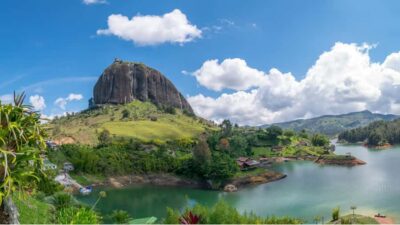
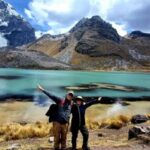
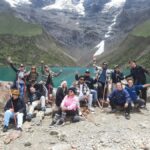
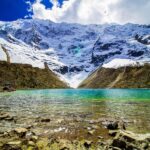
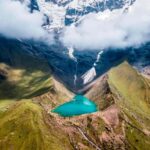
After lunch, you head to the lake district known for four famous lagoons. These are Pampamarca, Asnacqoccha, Acopia, and Pomacanchi—and seeing all four is the reason the tour lasts so long.
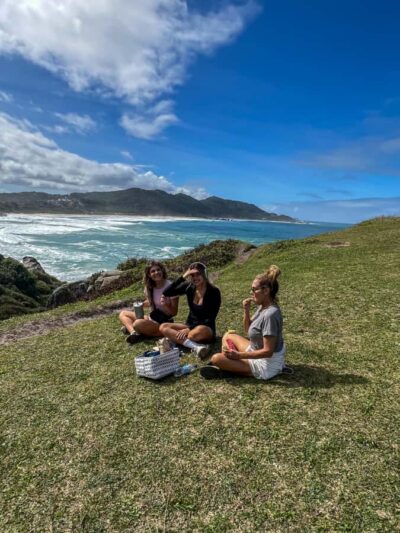
When you arrive, the lagoons sit among hills that catch the light as the day progresses. The best part is how calm the scenery feels after the bridge. You shift from adrenaline movement to slow viewing: standing, walking a bit, and taking photos without the same physical pressure.
This is also where birdlife shows up. You’ll have a chance to observe native flamingos and other birds feeding around the lagoon edges. Flamingos don’t always show up on command, but the conditions—quiet water, margins to feed, and warm afternoon timing—make it more likely you’ll see activity.
Your guide will point out what to watch for, and you’ll have time to stop for pictures. Don’t over-plan your shots in your head. Look first, then shoot. That way you catch the moment when birds lift and turn rather than only getting a perfect but empty frame.
Timing and fatigue: how to make the day comfortable
This is a 13-hour style outing, and you’ll feel it. You’ll start with pre-dawn pickup, then spend hours on the road, then do a physical crossing, then wrap up with lagoon viewing before returning to Cusco.
Your drop-off is roughly 4:30–5:00 PM back at your hotel. For many people, that means an easy dinner plan that night. For others, it means you’ll want to avoid extra plans the moment you get back.
Here’s how to keep fatigue from becoming the main character:
- Wear shoes you trust. The bridge path includes a steep descent, and you don’t want to be negotiating footing in the wrong footwear.
- Bring a hat, sunglasses, and sunscreen. You’ll be outside for long stretches.
- Carry water and keep sipping. Road days and standing days add up fast.
- Pack a light rain layer. Even when rain isn’t likely, wind can make conditions feel colder.
If you’re sensitive to altitude-related discomfort, the included first aid kit and oxygen balloon are a reassurance. You don’t need to panic—just know support is part of the setup.
Price and what you really get for $49
At $49 per person, this tour is priced like a solid value for a full-day Cusco-region experience. You’re paying for transport, a bilingual guide, morning breakfast, lunch, and the long-distance itinerary that moves you from Cusco to Q’eswachaka and then to the lagoon district.
The main extra cost to plan for is the bridge entrance fee: 20 soles, not included. That’s why it’s smart to bring cash ahead of time. If you only budget for the $49 and arrive without extra money, you’ll create a small stress you don’t need.
So how is the value? In practice, you’re buying three things:
1) an activity you can’t DIY easily—crossing a rope suspension bridge,
2) food and guide support that make the long day manageable,
3) multiple scenic stops without the hassle of arranging separate transport.
If you compare this to paying for individual shuttles and trying to coordinate timing on your own, the packaged price starts to make sense.
What to pack: the quick checklist that keeps the day smooth
The tour is very practical about what you should bring. Here’s the kit that matches the day you’re actually living:
- Passport or ID card
- Comfortable shoes (non-negotiable)
- Sunglasses and sun hat
- Sunscreen and water
- Rain gear
- Daypack (small backpack)
- Cash for the bridge entrance fee
- Camera
Also note the rule: no luggage or large bags. Keep everything you’ll need in a small bag so you can move around easily at stops and viewpoints.
If you want a simple strategy: pack for sun first, then rain second. Many Andean days can switch conditions, especially in the afternoon when you’re at the lagoons.
Who this tour suits best (and who should skip it)
This is ideal for you if you want hands-on travel. If you like experiences where you do something—not just look—this delivers. The rope bridge crossing is the main draw, and the afternoon lagoon circuit adds a calmer, scenic contrast.
It also fits you if you like early starts and you don’t mind long days. The payoff is front-loaded (bridge in the earlier part of the day) and the viewing time at the lagoons gives you a good slow finish.
Skip it if you’re pregnant or have mobility impairments, since the crossing and steep path make it unsafe and uncomfortable. If you have concerns about heights or balance, consider whether you can handle a swinging bridge above a deep canyon. This is not a “take it easy” walking tour.
Should you book the Q’eswachaka Bridge and 4 Lagoons tour?
If you want one memorable Cusco-region day that mixes the last Inca rope bridge with a relaxing lagoon bird-and-photo afternoon, I think this is a strong pick. It’s good value for a 13-hour outing, and the included food plus transport makes it feel doable rather than exhausting.
Book it if:
- you’re excited by the Q’eswachaka crossing and you can handle heights,
- you want flamingo-and-lagoon scenery after the adrenaline,
- you’re prepared with sturdy shoes, sunscreen, and cash.
Don’t book it if:
- walking surfaces, steep paths, or heights are a deal-breaker,
- you fall under the categories the tour lists as not suitable.
If your goal is an authentic, active Andean experience with real physical moments and scenic rewards, this one is hard to beat for the price.