REVIEW · CUSCO
From Cusco: City tour 4 ruins + Qoricancha
Book on GetYourGuide →Operated by Chullos Travel Peru · Bookable on GetYourGuide
Cusco’s ruins feel close, not distant. This tour knits together Qoricancha and Sacsayhuamán with bilingual commentary, mixing Inca and Spanish viewpoints along the way. I also like the straightforward, five-hour structure with transport included, so you can focus on the sites instead of logistics.
One thing to watch: the day can run long if there are extra stops for shopping or a detour to a museum, and that can squeeze time at the last ruins. A late bus can also throw off pacing, so build in some flexibility.
In This Review
- Key points that matter before you go
- A practical Cusco loop: Inca ruins plus Qoricancha in one 5-hour plan
- Qoricancha (Temple of the Sun): the religious complex that sets the tone
- Sacsayhuamán: Inca military architecture and those perfectly assembled stones
- Qenqo: a ceremonial center built into the rock
- Puca Pucara: a military fortress within Cusco’s defensive system
- Tambomachay: water worship and purification canals
- Timing, altitude, and pacing: morning vs afternoon shifts
- The guide experience: bilingual help and real-world problem-solving
- The $11 price: where the value is real, and where you’ll spend extra
- What to bring (and what to avoid) for a smoother day
- Who this tour fits best (and who should choose another plan)
- Should you book the Cusco City Tour 4 ruins + Qoricancha?
- FAQ
- Where does the tour start?
- What are the two tour time shifts?
- Does the schedule change on Sundays?
- How long is the tour?
- What’s included in the price?
- Are entrance tickets included?
- What languages are offered?
- Do I need to be picked up from my hotel?
- What should I bring?
- Who is the tour not suitable for?
Key points that matter before you go
- Start at Qoricancha, then hit major Inca sites in sequence for an easy Cusco overview in 5 hours.
- Bilingual guides (English/Spanish) help you connect the stones to the stories.
- Inca military, ritual, defense, and water worship themes are spread across four ruins, not just one.
- Entrances aren’t included, so plan for the boleto turístico cost on top of the $11 tour price.
- Not a fit for vertigo, since the ruins involve uneven stone and open sightlines.
- Expect a bit of time pressure if extra stops happen mid-route.
A practical Cusco loop: Inca ruins plus Qoricancha in one 5-hour plan
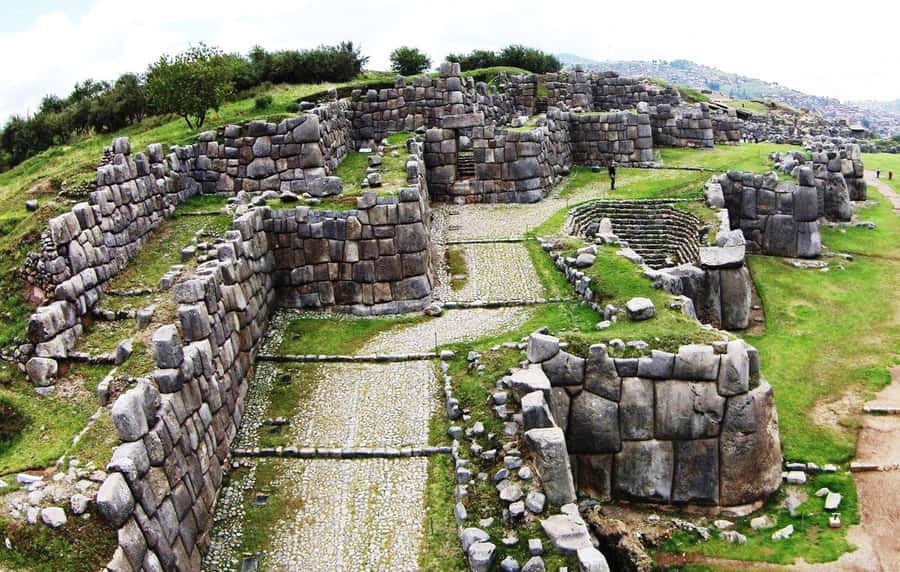
This is the kind of tour I like in Cusco when you want real context fast. You get picked up in town, ride to the Inca sites, then end back near the Plaza de Armas. The whole loop is built around four archaeological stops plus Qoricancha, so you see a range of what the Inca built and why—military, ceremonial, defensive, and water-related—without spending your day jumping between separate tickets and meeting points.
The price is also a big reason this works for many budgets. At $11 per person, you’re mostly paying for tour transport and a bilingual guide, not entrance fees. You’ll feel the value best when you treat it like a guided orientation: the guide helps you understand what you’re looking at, so your photos and walking don’t feel random.
One more practical note: it’s timed in two shifts. The morning shift runs roughly 8:40–9:00 a.m. start to about 2:30 p.m., and the afternoon shift runs about 12:40–1:00 p.m. start to about 6:30 p.m. On Sundays, site hours can vary, so the order or timing may shift slightly.
You can also read our reviews of more city tours in Cusco
Qoricancha (Temple of the Sun): the religious complex that sets the tone
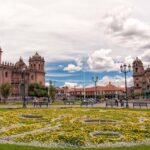
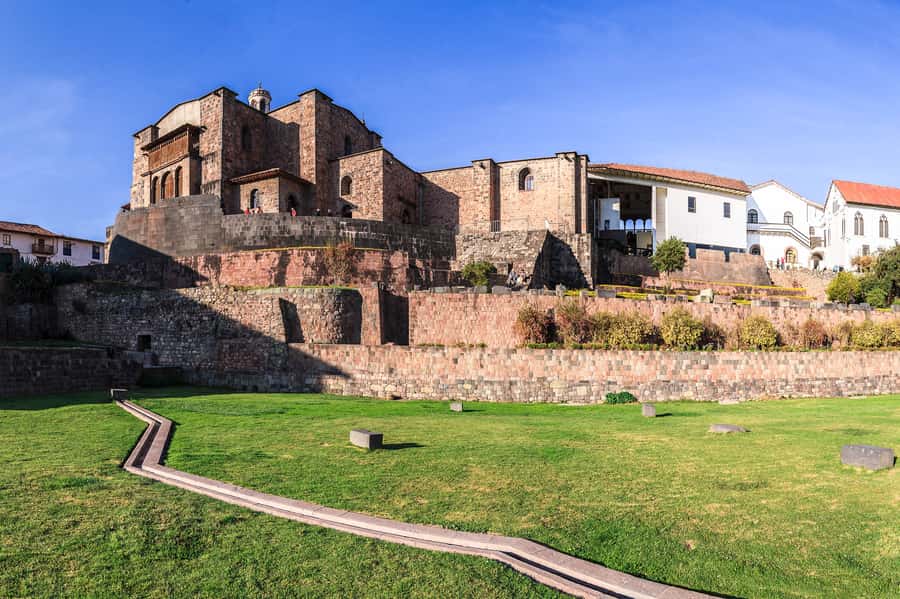
You begin with a short walk from the Plaza de Armas—about three blocks—to Qoricancha, also called the Temple of the Sun. This early start matters. Qoricancha is often the moment where Cusco starts to feel like a layered city, with Inca sacred space followed by Spanish-era influence. The tour description promises a mix of the two cultures, and Qoricancha is the right place to start if you want that comparison right away.
The good part here is the way the tour frames what you’re seeing. Instead of treating Qoricancha like a quick photo stop, you get a guided introduction to the religious complex before moving on. If you’re new to Cusco, that first piece of orientation pays off later when you reach the other sites and the guide starts drawing connections between ritual space and state power.
What to watch: since Qoricancha is the first stop, being a little late at the Plaza can compress the schedule. If you’re prone to running behind, leave yourself buffer time before the meeting.
Sacsayhuamán: Inca military architecture and those perfectly assembled stones
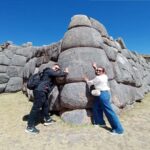
Next up is Sacsayhuamán, famous for its imposing stone walls and Inca military architecture. This is the stop where the tour usually clicks for first-timers, because it’s easier to grasp the purpose of the structure just by looking. The walls aren’t just decorative—they show planning, engineering, and a defensive mindset.
The tour order helps here. By the time you reach Sacsayhuamán, you’ve already had the religious framing at Qoricancha, so the shift to military architecture feels like stepping into another side of Inca power. The guide’s job is to connect the stones to that logic: why it’s built the way it is, how the scale works in real life, and what the site communicates from a distance.
Practical tip: wear comfortable shoes. Even when the terrain isn’t extreme, ruin surfaces can be uneven, and you’ll want stable footing for photos and walking between viewpoints.
Qenqo: a ceremonial center built into the rock
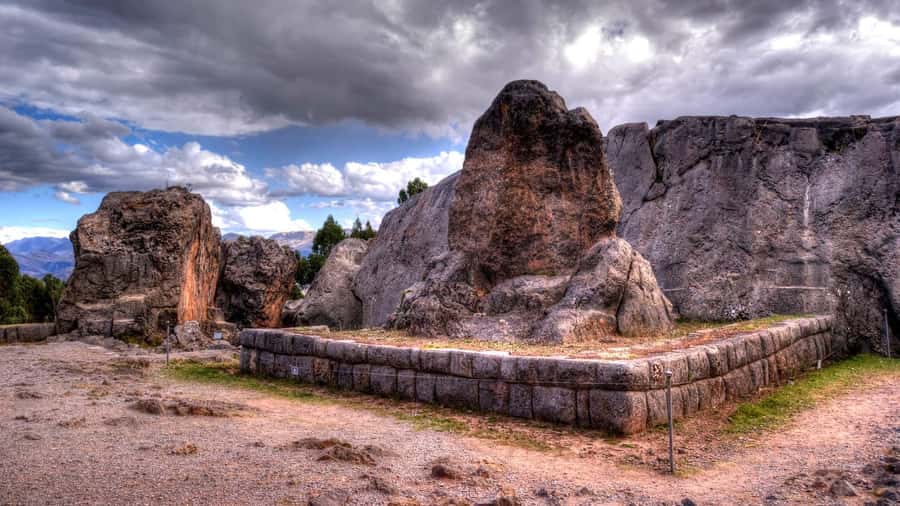
After Sacsayhuamán, the tour moves to Qenqo, described as an ancient ceremonial center built on a natural rock formation. That phrase matters. You’re not just looking at man-made architecture; you’re seeing how the Incas worked with the existing rock and how ritual space can feel tied to the land itself.
This is often where guides bring the story to life. A good bilingual guide doesn’t just point out features; they explain how people likely used spaces like this for religious acts. It’s also a helpful breather between larger, more visually massive walls and terraces. Qenqo tends to feel more intimate because you’re dealing with a rock-based setting rather than just broad fortification lines.
If you’re the type who likes to understand the “why” behind the “what,” Qenqo is a highlight on this itinerary. If you’re more into pure photography, it’s still worth slowing down here instead of rushing to the next stop—this is the one that benefits from looking carefully.
Puca Pucara: a military fortress within Cusco’s defensive system
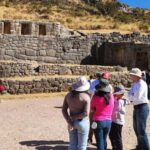
Then you get Puca Pucara, which the tour describes as a military fortress part of Cusco’s defensive system. Here you’ll see walls, terraces, and stairways, all tied to the idea of control and protection.
This is where the tour keeps its promise about variety. You’ve already seen military architecture at Sacsayhuamán, but Puca Pucara shifts the focus to a fortress layout: the movement up and down terraces and the role of stairways in how people might access areas. The guide’s commentary is key if you want more than a general sense of ruins. With the right explanation, you can start reading the site like a plan rather than a pile of ancient blocks.
Possible downside: if the day has run late because of travel delays or extra stops, Puca Pucara can become a “quick look” instead of a fully guided moment. That’s not the site’s fault. It’s just how short half-day tours can behave under timing pressure.
Tambomachay: water worship and purification canals
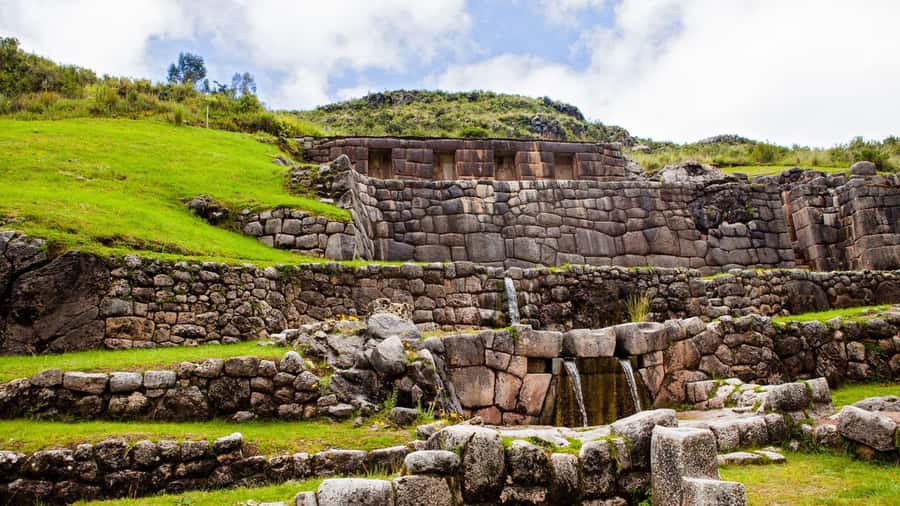
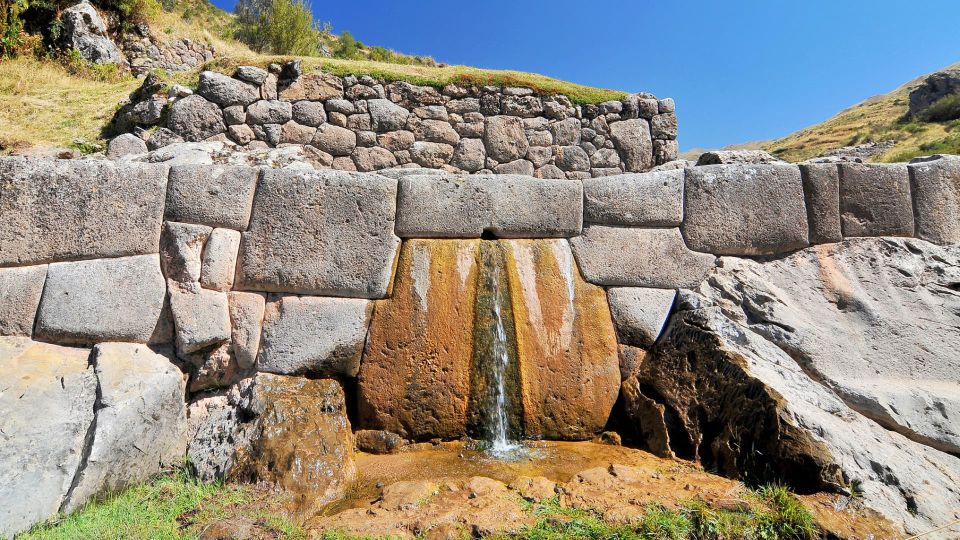
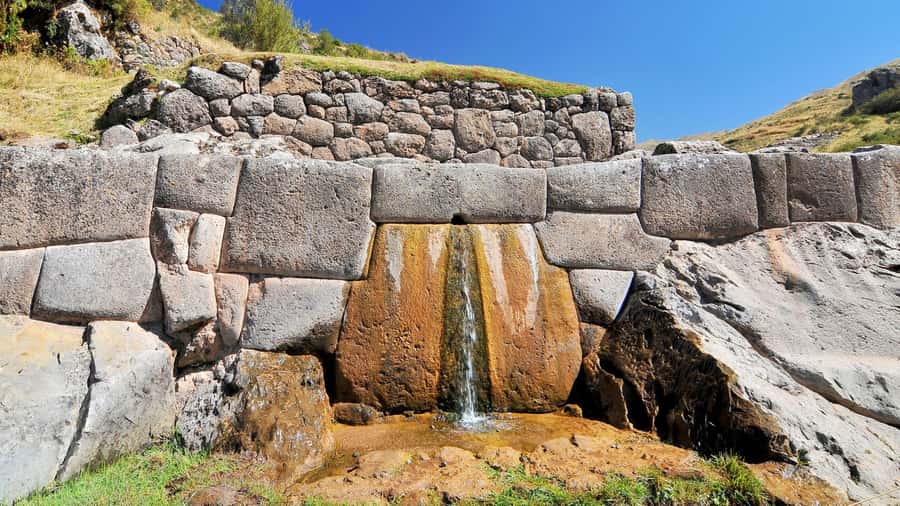
The final ruin stop is Tambomachay, dedicated to the worship of water and purification. The standout features are canals and fountains, which makes this a nice change of pace after fortress and ceremonial spaces. Water-related architecture is also a clue that the Incas weren’t only building to defend or to perform rituals—they were designing systems for daily and symbolic meaning.
This last stop is a smart way to end, because it’s memorable even if you’re tired. It’s also easier to understand what you’re looking at: you can often visualize the function from the canal lines and the flow of water-focused structures.
If you’re thinking about photos, this stop can reward you for patience. Take a moment to frame the water elements rather than sprinting between viewpoints. Your legs will thank you for slowing down.
Timing, altitude, and pacing: morning vs afternoon shifts
This tour is built for a half-day rhythm, which is great for first-timers. One practical piece of advice you’ll often hear in Cusco is to do something like this early in your visit to help you get acclimated. A five-hour outing with a guide can feel more manageable than a full-day trek, and it gives you a mental map of Cusco’s main archaeological sites.
Here’s how timing can affect your experience:
- The morning shift tends to get you into the sites while the day feels calmer.
- The afternoon shift can work if you want a slower start in the morning, but it can feel tighter if anything runs late later.
Two other timing factors:
1) Sunday hours may vary because some tourist sites open later.
2) Your tour may include brief transition walks and time to meet your guide and move in a group.
So I’d treat the tour as flexible. You’re paying for guided access and transport, not for a perfectly timed minute-by-minute plan.
The guide experience: bilingual help and real-world problem-solving
This tour is bilingual: Spanish and English, with a live guide. That matters in Cusco because context is everything. Without help, ruins can look like… ruins. With help, you start noticing how each site fits a bigger pattern.
There are also real examples of how guides handle rough edges. A guide named Werner was described as attentive and helpful, while Angélica was praised for historical guidance at the parts that most interest people. Another named Sam was credited with fixing confusion when names weren’t on the list at the Plaza.
What I take from that for you: choose this tour if you want a guide who can manage group logistics, not just someone reading facts. If you have questions about what you’re seeing, a bilingual guide can make the difference between a blur and a meaningful circuit.
The $11 price: where the value is real, and where you’ll spend extra
The tour price is listed at $11 per person, and what you’re getting is tour transport plus a bilingual tour guide. What’s not included is entrances—the boleto turístico—plus meals and any extra expenses.
So the real budget equation looks like this:
- $11 for the tour experience (guide + transport)
- Extra for entrances via the boleto turístico
For budgeting, one example given was around S/130 for the full boleto and S/70 for students. Even if your cost ends up different, the point is clear: entrances can be a significant chunk compared to the tour fee.
My advice: before you go, decide what you want from the day.
- If you’re happy paying for the ticket because you’ll enjoy the guided stops, this tour looks like a strong value.
- If you only want one or two sites and you’re trying to keep costs minimal, you might compare against other options that include fewer stops.
Also remember: entrances are specifically not included, so don’t assume the $11 covers everything.
What to bring (and what to avoid) for a smoother day
You’ll feel this tour most when you’re comfortable. The basic packing list is simple and practical:
- Passport or ID card
- Comfortable shoes
- Sunglasses
- Camera
- Sunscreen
Also recommended: a hat and good sun protection. Cusco sun can be intense, and ruined stone + outdoor walking amplifies glare and heat.
Altitude note that’s worth taking seriously: drinking coca tea before the tour can help prevent altitude sickness. Even if you feel fine at check-in, it’s easy to underestimate how quickly you can get winded once walking begins.
What not to do:
- Don’t bring pets
- No drinks in the vehicle
- No alcohol and drugs
- No littering
- No alcoholic drinks in the vehicle
If you’re traveling with any special needs, note the one clear limit from the tour info: it’s not suitable for people with vertigo. Uneven ground and open views around archaeological sites can be a problem.
Who this tour fits best (and who should choose another plan)
This is a great choice for:
- First-time Cusco visitors who want an organized Inca-and-Spanish orientation in a short window
- People who like guided interpretation across multiple sites, not just one “big name”
- Anyone trying to pace their first days and do something manageable while still seeing real archaeology
It’s less ideal for:
- Anyone who hates shop stops or gets annoyed when time gets redirected mid-route
- People who strongly prefer a strict, no-surprises itinerary (because extra time can be eaten up if the schedule shifts)
- Anyone with vertigo, given the terrain
Should you book the Cusco City Tour 4 ruins + Qoricancha?
Book it if you want a fast, organized way to understand Cusco’s major landmarks without building your own route. The five-hour format, bilingual guidance, and the mix of Qoricancha + Sacsayhuamán + Qenqo + Puca Pucara + Tambomachay is a smart way to get your bearings.
Skip or switch plans if you’re trying to avoid any shopping stops and you want maximum time at only the final ruins. Also consider another option if you’re sensitive to schedule compression due to transport delays, since the tour can become rushed at the end when timing slips.
If you do book: start early at the Plaza, keep your expectations flexible, and bring sun protection. You’ll get a guided tour where each stop has a clear theme, and that’s the difference between seeing ruins and actually understanding them.
FAQ
Where does the tour start?
It starts at Cusco’s Plaza de Armas.
What are the two tour time shifts?
There’s a morning shift (8:40 a.m. to 9:00 a.m. meeting, ending around 2:30 p.m.) and an afternoon shift (12:40 p.m. to 1:00 p.m. meeting, ending around 6:30 p.m.).
Does the schedule change on Sundays?
Yes. On Sundays, hours may vary because some tourist sites open later.
How long is the tour?
The duration is listed as 5 hours.
What’s included in the price?
Included are tourist transport and a bilingual tour guide.
Are entrance tickets included?
No. Entrances (boleto turístico) are not included.
What languages are offered?
The guide is available in Spanish and English.
Do I need to be picked up from my hotel?
Pickup is included. The guide will write or call you about 15 minutes before pickup, and you should wait in your hotel lobby about 10 minutes.
What should I bring?
Bring passport or ID, comfortable shoes, sunglasses, camera, and sunscreen.
Who is the tour not suitable for?
It is not suitable for people with vertigo.