REVIEW · PUNO
From Puno: 4h tour to Sillustani
Book on GetYourGuide →Operated by Lago del Cielo Sociedad Anonima Cerrada · Bookable on GetYourGuide
Golden ruins start with a puma. This afternoon outing pairs Mirador Puma Uta with the dramatic Sillustani chullpas above Umayo Lagoon. It’s a short day, but it feels like you’ve moved worlds: city views, high-altitude roads, and Inca-era stone towers built for eternity.
I especially love the timing. Going in the afternoon usually means softer light and fewer people lingering in the same photo spots. I also like how the visit to Sillustani is guided, so you’re not just looking at tall stone cylinders—you’re hearing how the Colla and Inca burial traditions shaped what you see.
One thing to plan for: it’s a no-meals tour and you’ll be at altitude around 3,900 meters, so bring water and something light to nibble, and wear layers.
In This Review
- Key highlights at a glance
- A 4-hour afternoon plan from Puno to Sillustani
- Who this suits best
- Mirador Puma Uta: that first big Puno viewpoint hit
- The altiplano drive: grasslands, llamas, and 3,900 meters
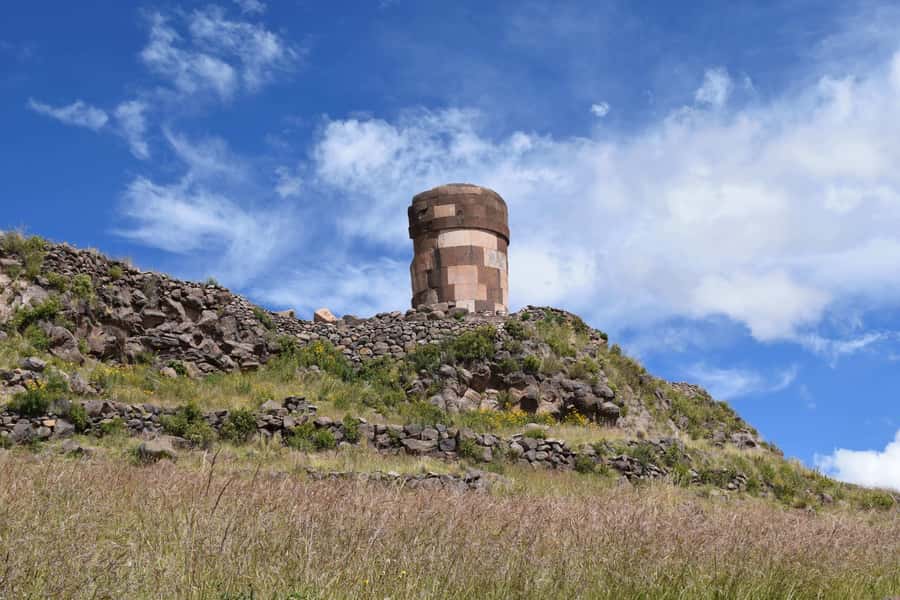
- Sillustani and the 12-meter chullpas above Umayo Lagoon
- What to watch for on your walk
- Optional farmhouse visit: a grounded Andean life moment
- Price and what you’re actually paying for at $25
- Who should book, and who might want a different option
- Should you book this Puno to Sillustani trip?
- FAQ
- FAQ
- What time does pickup usually happen in Puno?
- Where can the tour pick me up in Puno?
- How long is the tour?
- How long do I spend at Sillustani?
- Is the Mirador Puma Uta stop included?
- Will I visit Lagoon Umayo?
- What language is the guide?
- Are entrance tickets included?
- Are meals included?
- Do I need an ID?
- Can I add a farmhouse visit?
Key highlights at a glance
- Mirador Puma Uta for a quick panoramic intro to Puno and Lake Titicaca
- Afternoon timing for gentler light and less crowd pressure
- Scenic altiplano drive with llamas and adobe homesteads at about 3,900 m
- Sillustani chullpas up to 12 m plus clear explanations of how they were built
- Umayo Lagoon views right from the peninsula ridge
- Optional farmhouse stop for a real look at daily Andean routines
A 4-hour afternoon plan from Puno to Sillustani
This is a 4-hour, 270-minute outing built for people who want Sillustani without giving up half a day. You’ll be picked up in the early afternoon (around 1:40 PM) from central Puno—options include the Plaza Mayor de Puno and Parque De Las Aguas—then dropped back off later at downtown locations. The route heads north out of the city and climbs into the altiplano before you reach Sillustani.
The biggest practical win is that you’re not rushing. The schedule gives you real time at the archaeology complex, plus a guided walk along the peninsula. That matters because Sillustani isn’t just about one “main view.” It’s about seeing the chullpas from slightly different angles as the lagoon and sky shift with daylight.
Another subtle benefit: small groups or private options are available, so you’re less likely to feel swallowed by a huge bus crowd. If you prefer quieter sightseeing, this kind of setup helps. And because it’s afternoon, you often get that warmer, more forgiving light for stonework and sky reflections on Lagoon Umayo.
You can also read our reviews of more tours and experiences in Puno.
Who this suits best
If you’re staying in Puno and you want a focused day that mixes scenery with meaningful context, this is a strong match. It’s also a good pick if you’ve already done a morning tour in the region and you’d rather avoid overlap.
Mirador Puma Uta: that first big Puno viewpoint hit
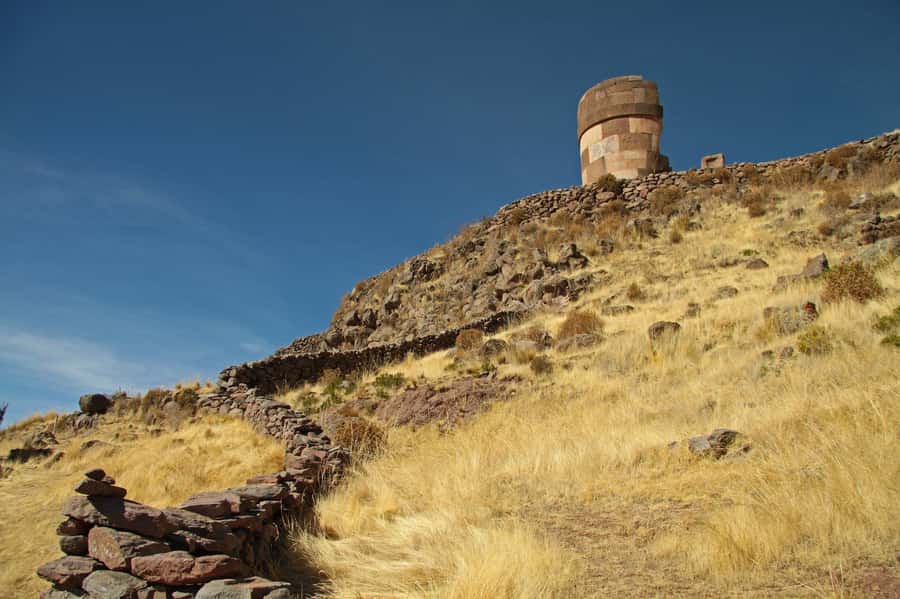
Before you even reach the ruins, the tour gives you a quick altitude-and-scale moment at Mirador Puma Uta. You’ll stop at the upper edge of Puno, where a monumental puma sculpture watches over the city. It’s not just a quirky photo stop—it’s a view that helps you understand where you are.
From here you’ll get a wide panorama of Puno’s rooftops, the surrounding hills, and Lake Titicaca stretching out in the distance. That matters because Sillustani can feel abstract if you only see it as a set of ruins. This viewpoint sets the stage: the altiplano’s height, the openness of the terrain, and the way water frames the horizon.
The stop is short (about 15 minutes), so keep your expectations realistic. You’re not hiking up there for an hour. Still, it’s long enough to get your bearings and take a first set of photos before the road begins climbing.
A practical tip for this part: bring sun protection. At this altitude, even when the day feels mild, the sun can be strong and you’ll want to keep your camera, eyes, and skin comfortable before you step into the cooler air further out.
The altiplano drive: grasslands, llamas, and 3,900 meters
After Puma Uta, you head north on a scenic stretch across open grasslands with grazing llamas and adobe homesteads. The drive is about 40 minutes and it’s part of the experience on purpose. You’re slowly trading city textures for wide-open highland terrain.
You’ll climb to around 3,900 meters above sea level. Even if you’re an easy-altitude traveler, it’s worth treating this as a real physical element of the day. Breathing can feel a little different. Walking segments might feel slower. The tour moves at a calm pace, but you should still give your body a chance to adjust.
This is also a time where small things matter for your comfort. Keep water within reach, and if you get motion-sick, know that you’ll be on a road that climbs and curves. Layers help because temps can shift quickly between the city and the higher viewpoints.
One more reason I like this drive: it’s visual context. When you later stand near Umayo Lagoon and look at the chullpas perched on a ridge, you’ll understand the setting as a chosen location, not just a destination. The altiplano openness makes the scale of those stone towers feel even more impressive.
Sillustani and the 12-meter chullpas above Umayo Lagoon
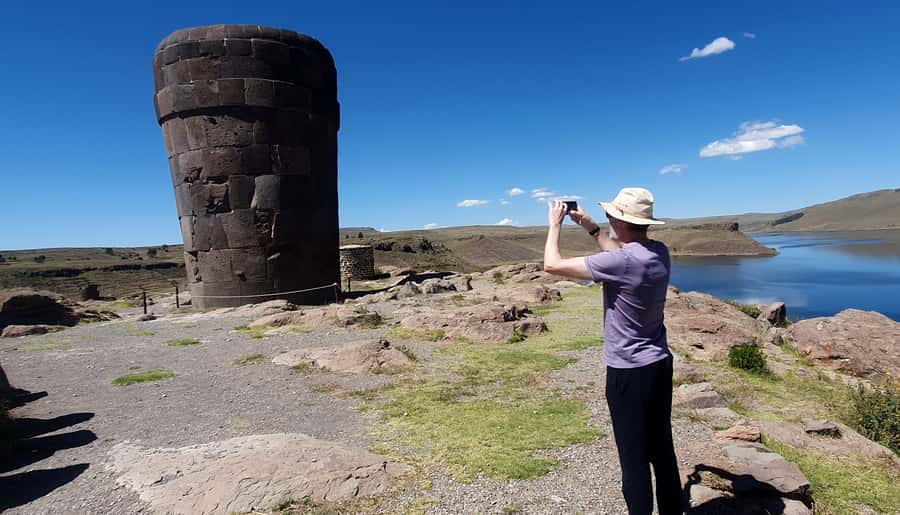
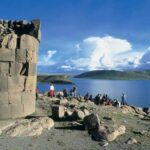
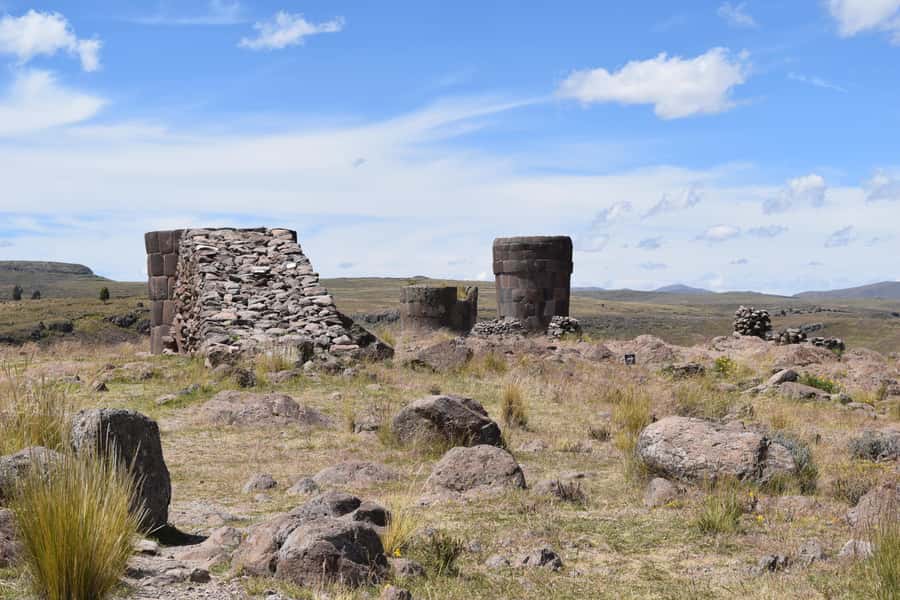
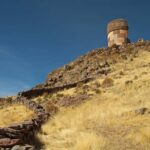
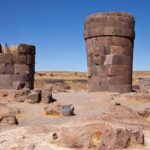
Once you arrive, the Sillustani complex is approached by a guided walk along the peninsula, about 1.5 hours total time here including photo stops, walking, and explanation. What you’ll notice right away is how the chullpas dominate the ridge. These are cylindrical stone burial towers built by the Colla and later used and adapted by the Inca.
Some chullpas reach up to 12 meters. And the stonework is precise—especially striking because these structures were assembled without mortar. That’s exactly the kind of detail that turns ruins into a story. Instead of just seeing tall towers, you’ll hear why their shape changes (they narrow toward the base) and how funerary practices shifted once the Incas absorbed the region.
The guide experience is a real part of the value here. Guides such as Veronica and Esteban are known for clear explanations and passion, which makes a big difference at a site where the details matter. If you’re the type who likes to understand what you’re looking at, this is the stop that delivers.
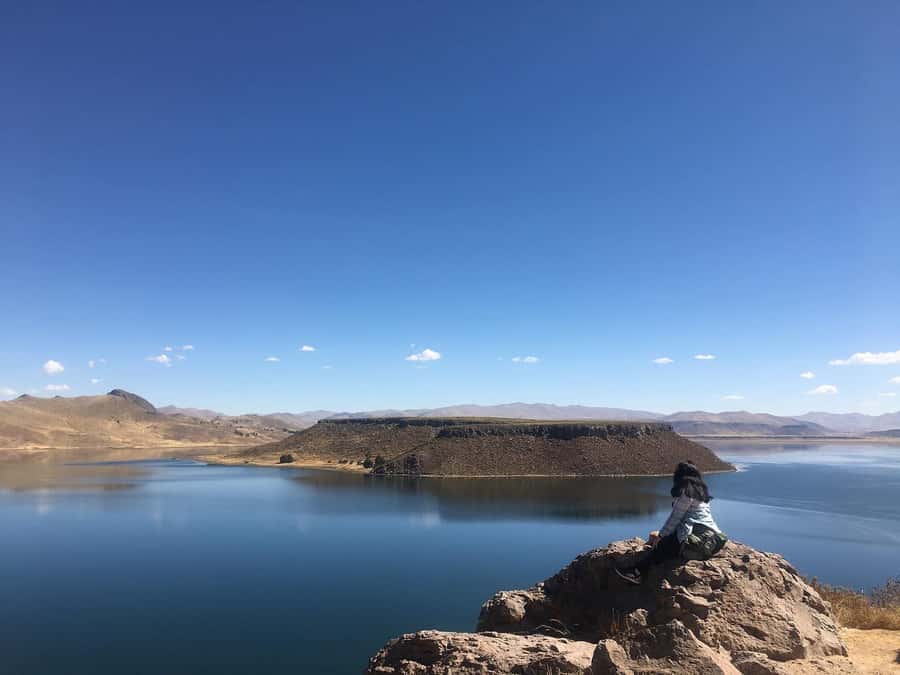
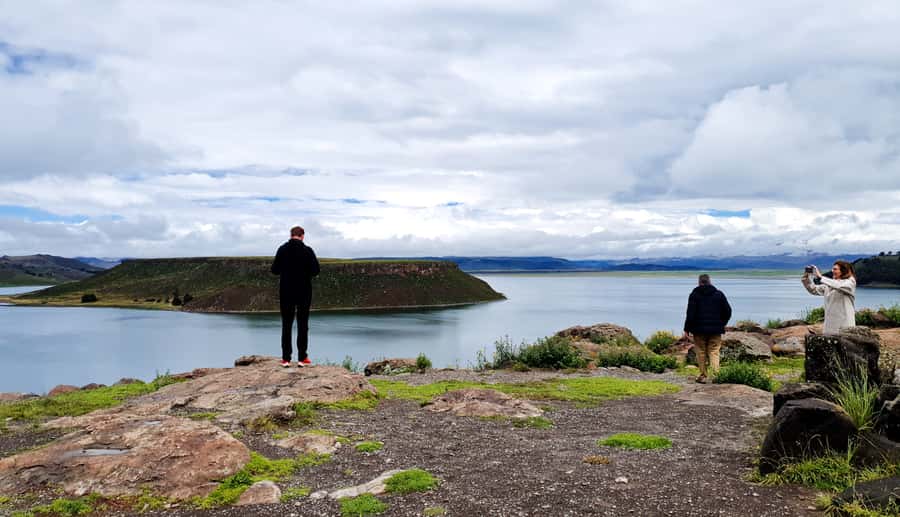
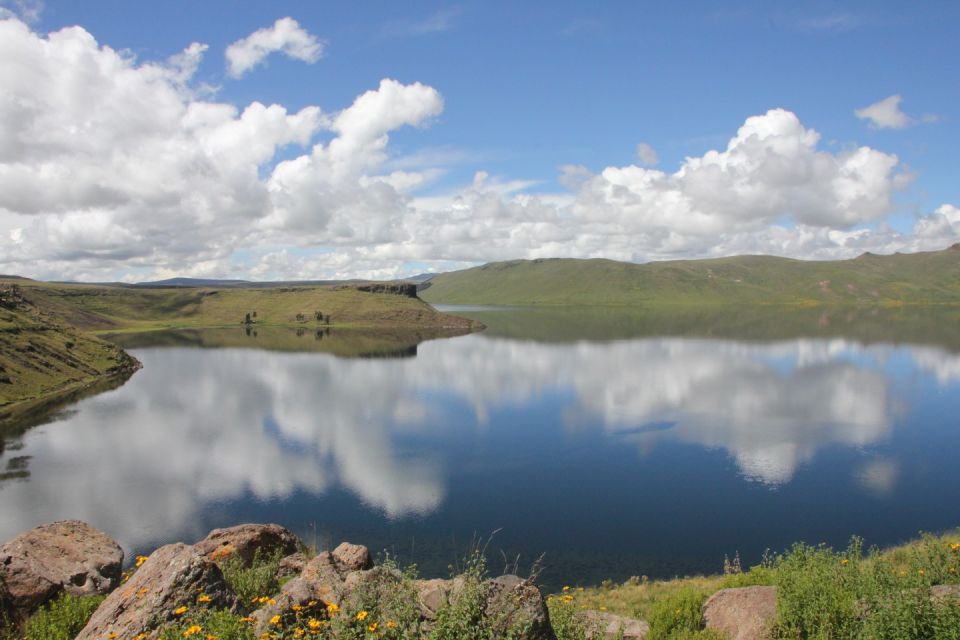
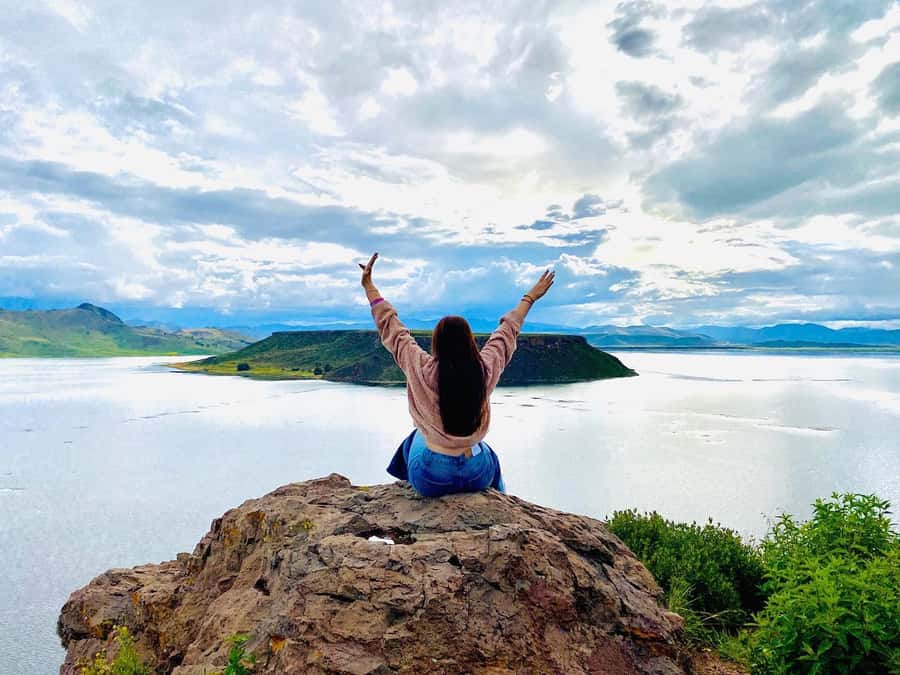
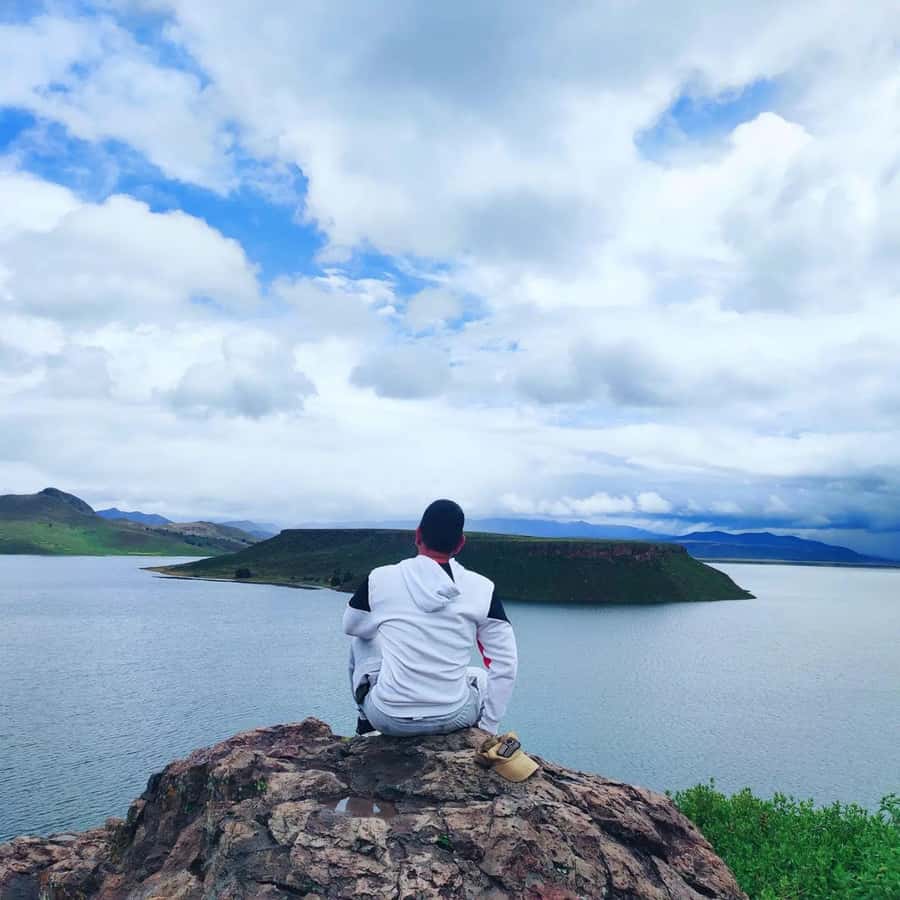
Then there’s the setting. The chullpas overlook Lagoon Umayo, and on calm days you can catch reflections of the sky and surrounding hills. Even without perfect weather, the lagoon gives you a natural frame around the stones. Slow down here. Take a few moments to look from different angles. You’re trying to read the site, not just photograph it.

What to watch for on your walk
The trail is described as a roughly 30-minute walk along the peninsula portion of the complex. It’s not extreme, but it’s not a flat stroll either. Wear shoes with decent grip, and take your time. At altitude, pacing yourself is smart.
Optional farmhouse visit: a grounded Andean life moment
On the way back, you have an option to stop at a nearby farmhouse in the community. This is not presented as a staged show. Instead, it’s a chance to see daily routines: preparing quinoa dishes and fresh cheese, plus tending animals.
I like optional cultural stops like this when they’re handled with a light touch, because they add texture to the archaeological visit. Sillustani shows ancient funerary practices. A farmhouse visit helps you understand how people live in the highlands now—what food looks like, what work looks like, and how daily life is organized around the environment.
That said, keep it practical. This is an optional add-on, so if you’re sensitive to cold, tired, or you know you want to get back sooner, you can choose whether to take the stop. The main core of the trip is still the Puma Uta viewpoint and Sillustani.
If you do choose it, ask a few simple questions through your guide: what gets cooked most, what crops are common, and what animals are raised. Even without deep technical answers, you’ll come away with a clearer picture of highland routines.
Price and what you’re actually paying for at $25
At about $25 per person, this trip feels like good value because it bundles the essentials you’d otherwise piece together. You’re getting transportation out of Puno, a guide, and entrance tickets, all wrapped into a single half-day plan.
A lot of tours in Peru can get pricey once you add up separate tickets, transportation, and guide time. Here, the cost is basically buying convenience plus interpretation. That interpretation is the whole point at a site like Sillustani, where the chullpas make more sense when someone explains Colla vs. Inca connections and why the stone towers have their particular shapes.
The only clear trade-off is meals. You’re not provided food, so you’ll want a snack plan. Consider bringing a small bite for later in the afternoon and water for the higher elevation drive and walk. If you’re used to touring on an empty stomach, altitude will remind you this is not the day to skip.
Also, confirm your expectations about group size. The tour offers private or small groups, but group feel can change by day. If you really want silence and space, small-group or private is the better fit.
Who should book, and who might want a different option
This tour is a strong choice if you want:
- A clear, guided visit to Sillustani’s chullpas rather than a quick photo run
- A scenic drive with highland views on the way up
- Afternoon light and fewer people moving at the same pace
- The option to see a local farmhouse and daily routines
You might want a different option if you:
- Need guaranteed meals during the tour
- Prefer a longer walk or a slower, more strenuous hike (this one is built around a moderate guided route)
- Struggle with altitude and want the shortest possible time at higher elevations
Still, if you’re generally comfortable with altitude and you plan ahead, this format is very workable. It’s built to keep moving, but not to exhaust you.
Should you book this Puno to Sillustani trip?
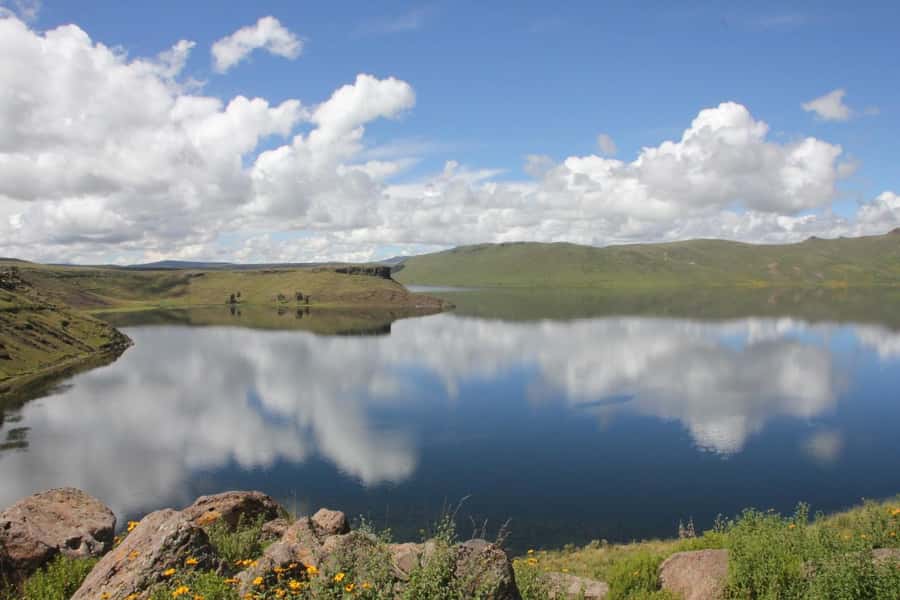
I think this is a smart booking for most people visiting Puno—especially if Sillustani is on your must-do list. The combination of Puma Uta for orientation, the altiplano road for atmosphere, and the guided walk among the chullpas gives you more than one kind of payoff in a tight 4-hour window.
Book it if you care about context and you like the idea of Umayo Lagoon reflecting the sky behind ancient towers. Pass or choose an alternative if you strongly dislike walking at altitude or you don’t want to manage food timing on your own.
If you do book, come prepared: layers, water, and a small snack. Then take your time at the lagoon ridge. That’s where the day stops being a checklist and starts feeling like a place.
FAQ
FAQ
What time does pickup usually happen in Puno?
Pickup is scheduled for the early afternoon, around 1:40 PM.
Where can the tour pick me up in Puno?
You can typically choose among pickup points like Plaza Mayor de Puno and Parque De Las Aguas, with pickup for hotels around Plaza de Armas or downtown Puno.
How long is the tour?
The total duration is about 4 hours (270 minutes).
How long do I spend at Sillustani?
You’ll spend roughly 1.5 hours at Sillustani, including a guided visit and walking.
Is the Mirador Puma Uta stop included?
Yes. The tour includes a short stop at Mirador Puma Uta for sightseeing and photos.
Will I visit Lagoon Umayo?
Yes. Sillustani is visited on a ridge overlooking Umayo Lagoon, and the views are part of the experience.
What language is the guide?
The live tour guide speaks Spanish and English.
Are entrance tickets included?
Yes, entrance tickets are included.
Are meals included?
No. Meals are not included, so you’ll want to plan your own snack or water.
Do I need an ID?
Yes. You should bring a passport or ID card.
Can I add a farmhouse visit?
Yes, there’s an option to visit a local farmhouse to see daily life in the Andean community.